P1: ¿Este cabezal de escape corto para gm ls 1967-1969 chevy camaro se ajustará a mi proyecto de intercambio LS de carrocería F de primera generación clásica?
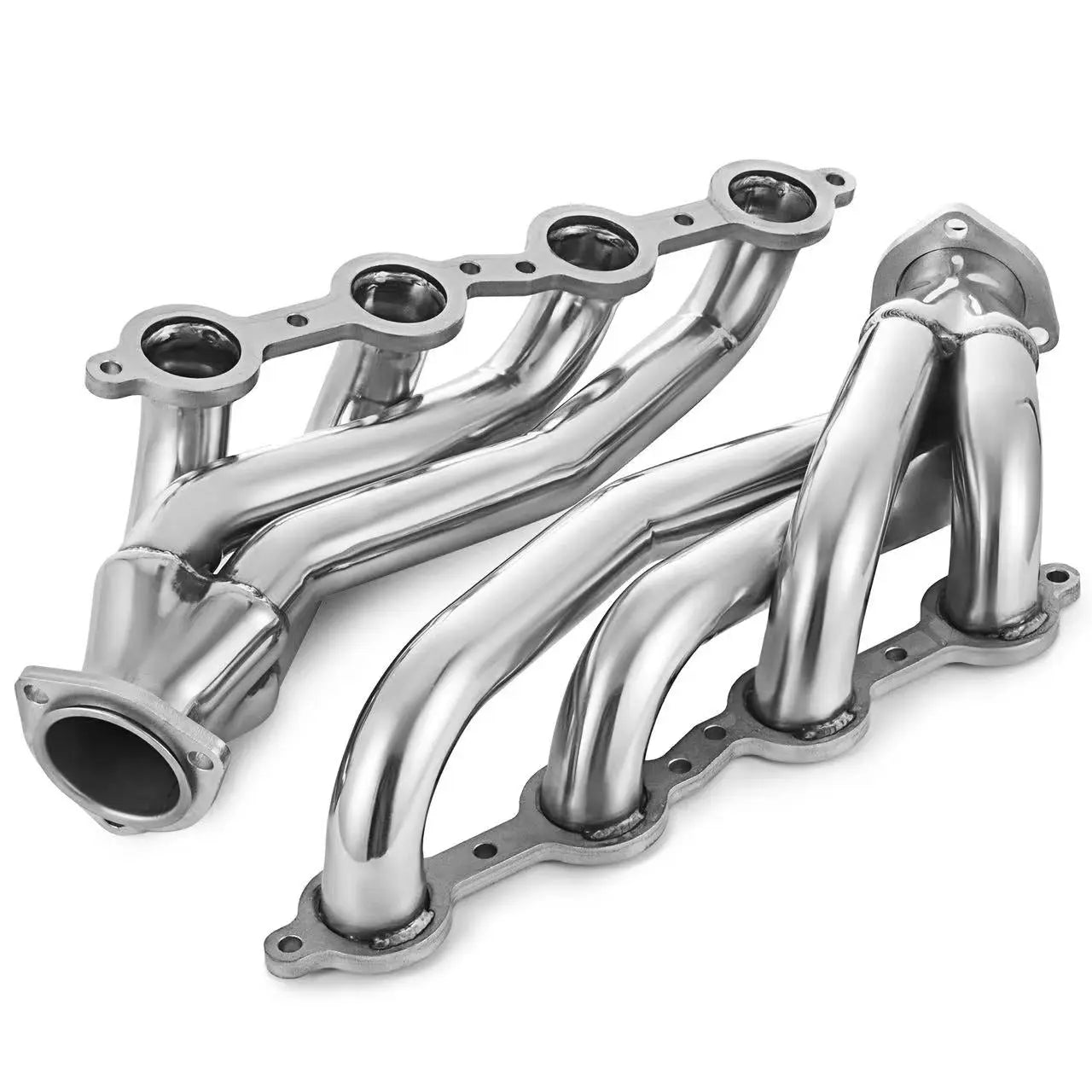
R1: ¡Sí, absolutamente! Este cabezal de escape corto FLASHARK para gm ls 1967-1969 chevy camaro está diseñado específicamente para plataformas F-body de primera generación (perfecto para construcciones con cabezales de camaro 1968 y cabezales de camaro 1969) que están siendo sometidas a un intercambio GM LS. Está diseñado para encajar en su compartimento del motor y proporcionar holguras perfectas alrededor de los puntos estrechos, lo que lo convierte en una mejora altamente fiable para los entusiastas de los muscle cars.
P2: ¿Estos cabezales son compatibles con los modelos A-body clásicos como el Chevelle, y soporta una conversión LS?
R2: ¡Sí! Esta configuración es muy popular para las plataformas GM A-body, particularmente como cabezales de intercambio LS de Chevelle para los modelos Chevrolet Chevelle 1964-1972. Debido a que los colectores estándar a menudo entran en conflicto con el eje de dirección y los rieles del chasis de los A-body, elegir estos cabezales de Chevelle especializados asegura una instalación suave sin la necesidad de una fabricación personalizada compleja y costosa.
P3: Tengo un motor LS1; ¿estos cabezales ls1 son de montaje directo?
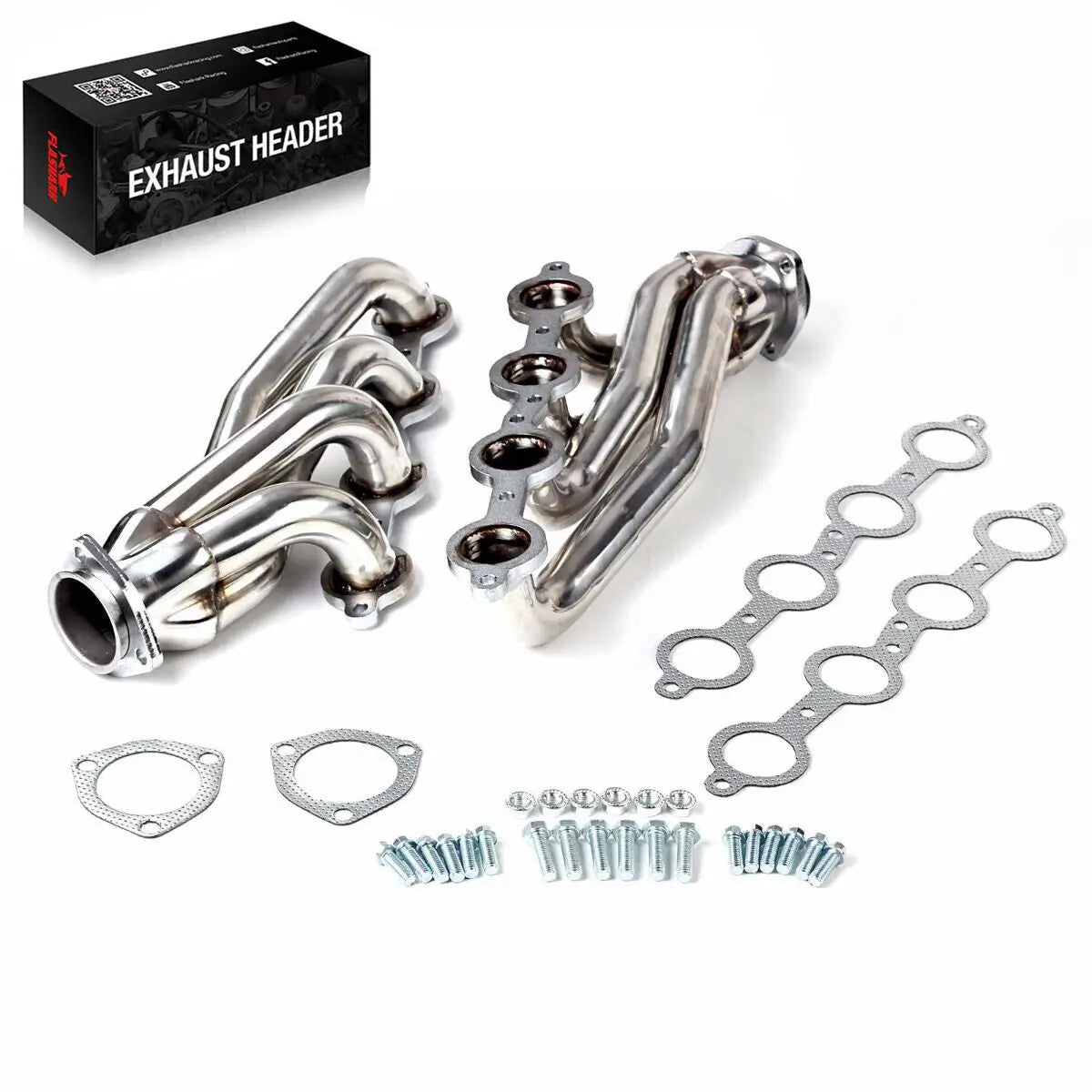
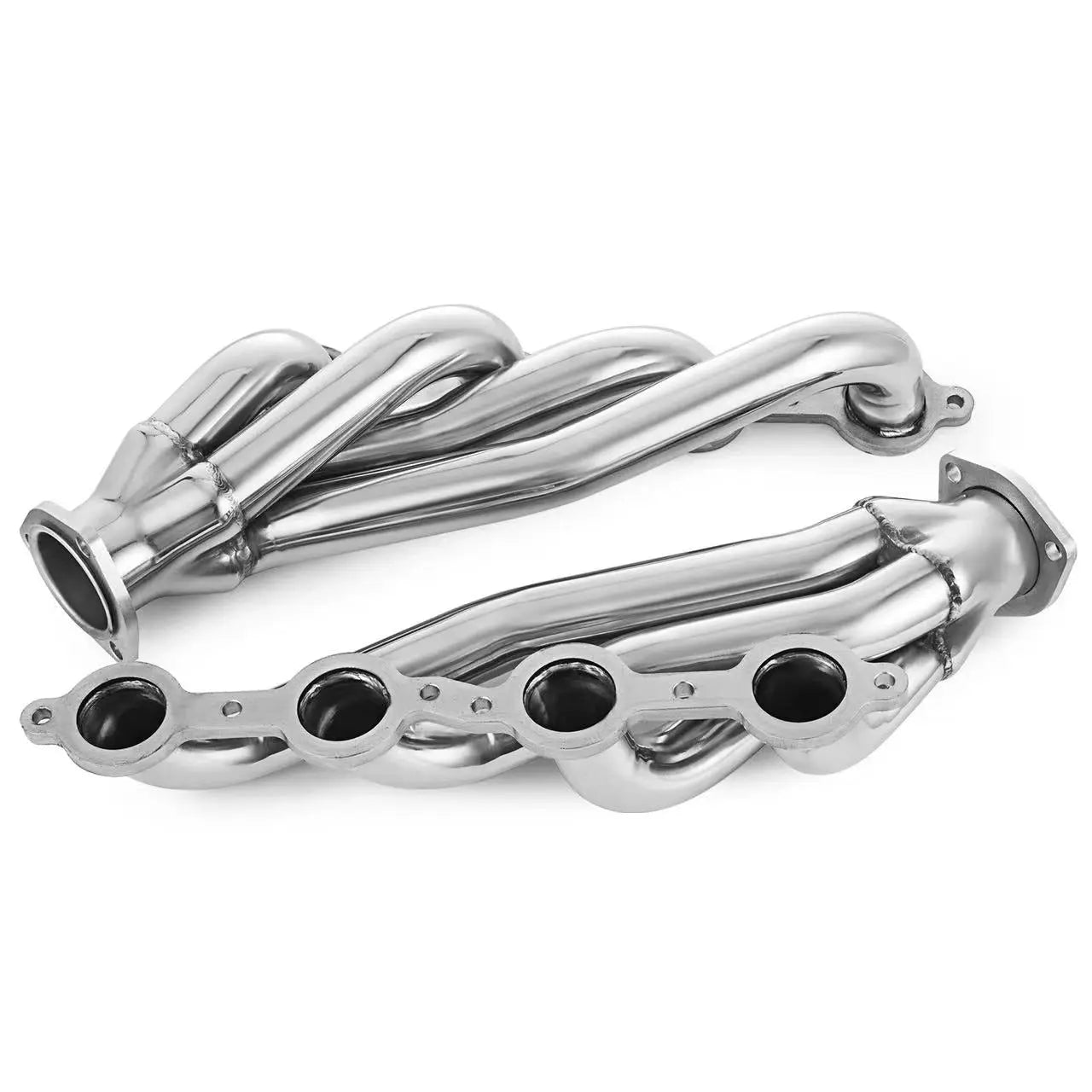
R3: Sí, estos cabezales ls1 están diseñados para ser de montaje directo para todos los motores LS Gen III/IV, incluyendo el LS1, LS2, LS3, LS6 y LS7. Los cabezales cortos FLASHARK ls1 se atornillan directamente a las culatas utilizando el patrón de pernos estándar de fábrica, eliminando la necesidad de cualquier corte o soldadura en el propio bloque del motor. Vienen con todas las juntas necesarias y los pernos de la culata. Para aquellos que buscan específicamente configuraciones de cabezales ls1, este kit ofrece un ajuste inigualable y sin complicaciones.
P4: ¿Por qué debería elegir estos cabezales cortos ls3 en lugar de los cabezales tradicionales de tubo largo para mi intercambio LS?
R4: Al realizar un intercambio LS, el espacio es extremadamente limitado. Los cabezales cortos ls3 de FLASHARK (y nuestra serie más amplia de cabezales cortos ls) proporcionan un perfil más compacto en comparación con los tubos largos. Esto asegura una máxima distancia al suelo para cruceros callejeros rebajados, evita la interferencia del eje de dirección y simplifica el proceso de instalación sin comprometer el rugido profundo y agresivo del LS.
P5: ¿Qué mejoras de rendimiento puedo esperar al actualizar a estos cabezales de tubo corto ls desde los colectores de hierro fundido de serie?
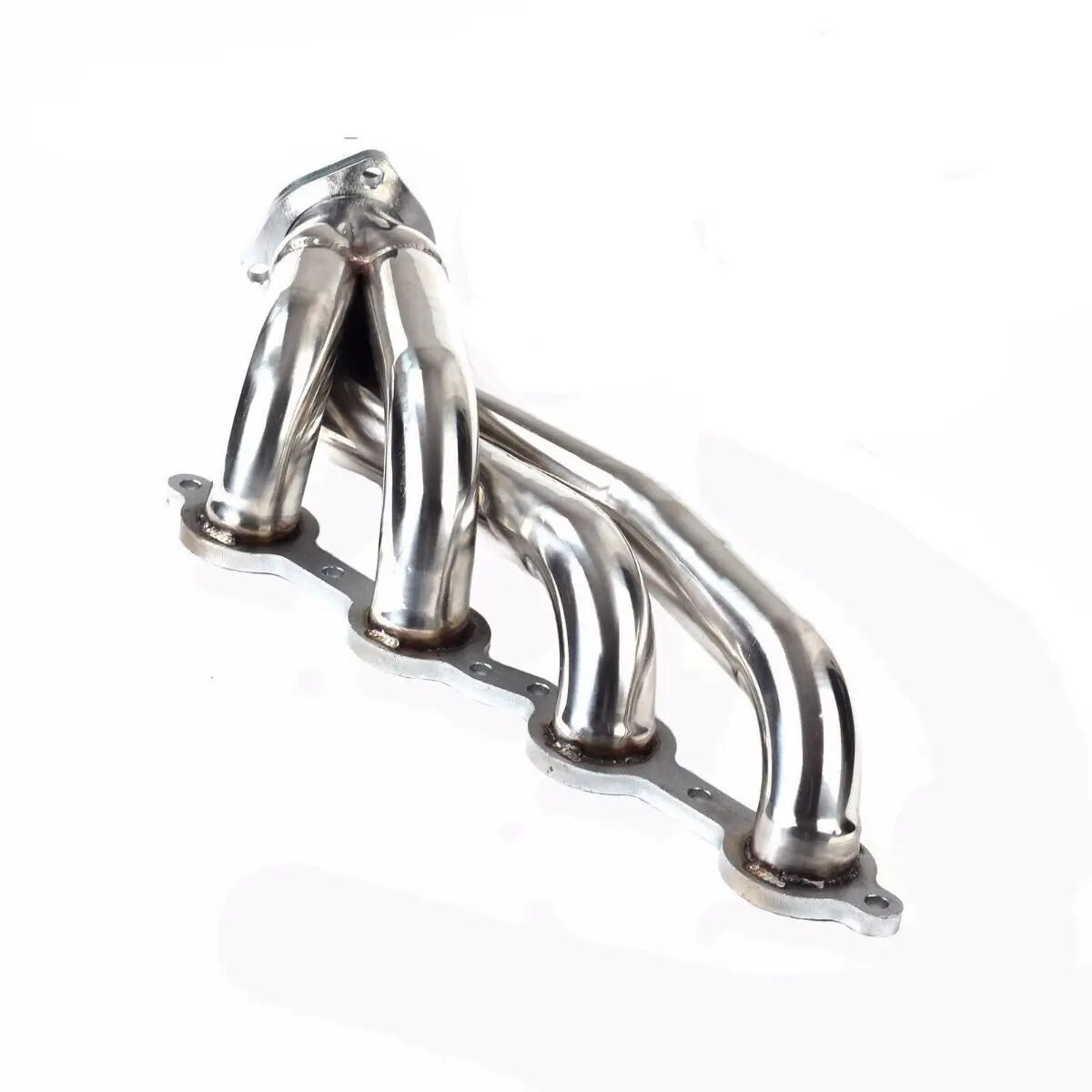
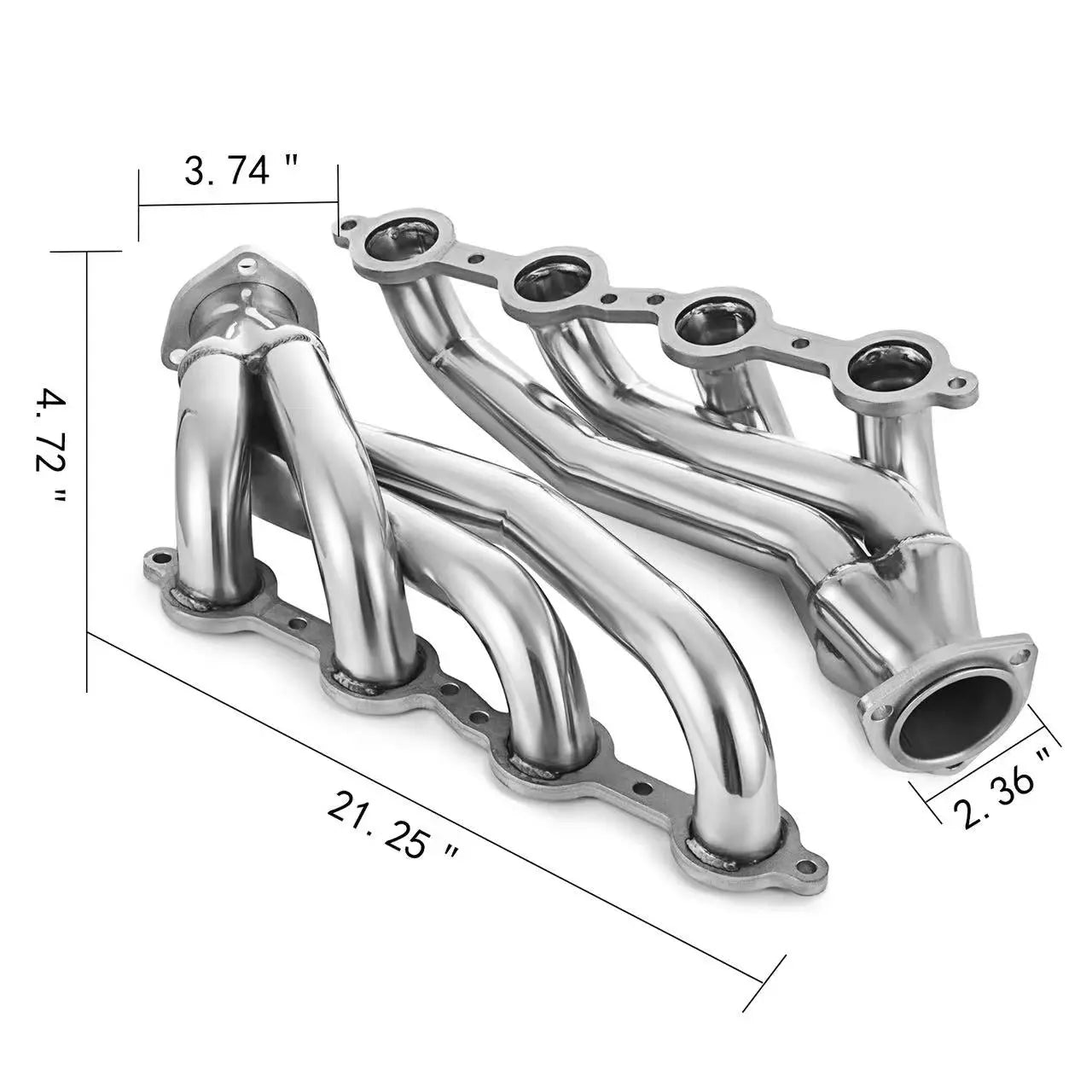
R5: Los colectores de hierro fundido de serie son muy restrictivos y sufren de alta contrapresión porque obligan a todos los gases de escape de cuatro cilindros a un único pasaje estrecho. Al actualizar a estos cabezales de tubo corto ls doblados con mandril, le da a cada cilindro su propio tubo primario dedicado de 1.625 pulgadas. Esto mejora el barrido del escape, reduce la contrapresión restrictiva, aumenta la potencia y el par, y agudiza significativamente la respuesta del acelerador.
P6: ¿Estos cabezales se ajustan tanto a las configuraciones de cabezales de camaro 68 como a las de camaro 69 con bloques de dirección del mercado de accesorios?
R6: Estos cabezales son totalmente compatibles tanto con las construcciones de intercambio LS de los cabezales de camaro 68 como con los de camaro 69. Están meticulosamente diseñados para ajustarse firmemente al bloque del motor y despejar las cajas de dirección originales. Si está utilizando un eje de dirección de piñón y cremallera del mercado de accesorios, el diseño ajustado de estos cabezales proporciona la máxima holgura, aunque recomendamos verificar las holguras si tiene una columna de dirección de gran tamaño.
P7: ¿De qué materiales están hechos estos cabezales cortos FLASHARK LS y cómo resisten la oxidación?
R7: Estos cabezales están construidos con acero inoxidable 409 de alta calidad con un acabado pulido a espejo. Este material de alta resistencia ofrece una excelente durabilidad, gestiona la expansión térmica de manera eficiente y proporciona una resistencia excepcional a la oxidación y corrosión bajo temperaturas de funcionamiento extremas, asegurando que su compartimento del motor tenga un aspecto premium durante años.
P8: ¿Cómo evita FLASHARK la deformación de las bridas y las fugas de escape en la culata?
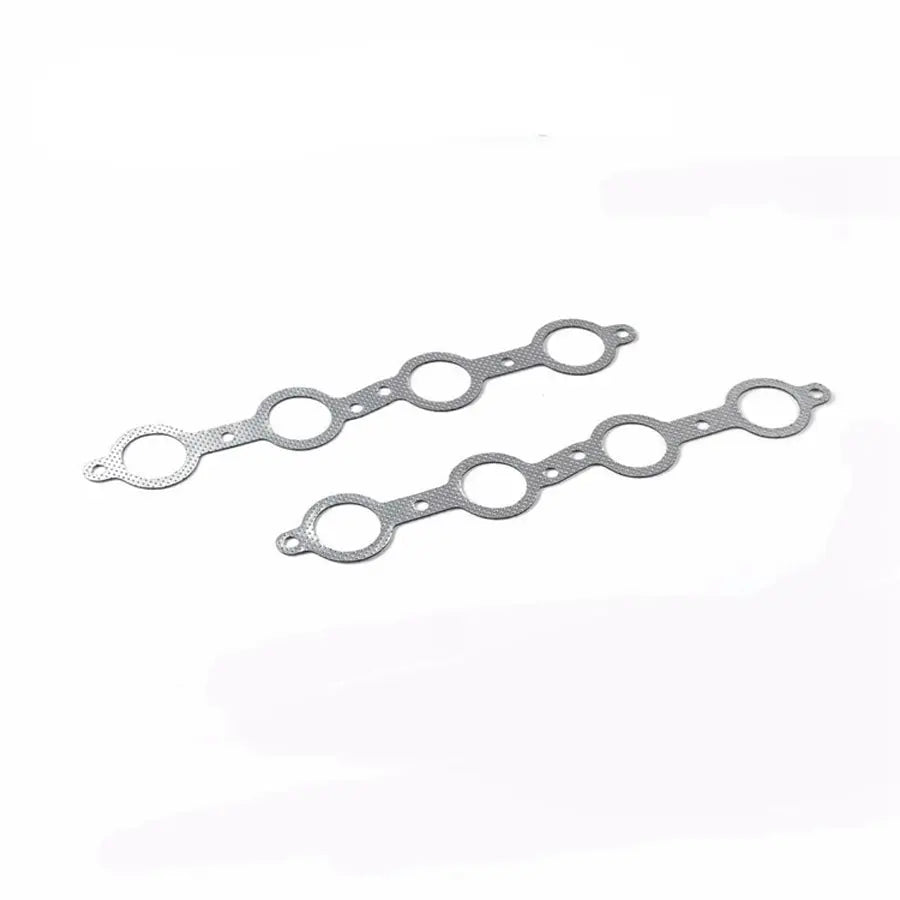
R8: Para eliminar el problema común de la deformación y las consiguientes fugas de escape, FLASHARK utiliza una brida de cabeza mecanizada CNC extragruesa de 3/8 de pulgada (9.5 mm). Esta robusta brida distribuye el par de apriete de los pernos de manera uniforme a través de los puertos del cilindro, asegurando un sellado plano, hermético y consistente contra las juntas multicapa premium incluidas.
P9: ¿Estos cabezales vienen con boquillas de sensor de oxígeno (O2) pre-soldadas y están colocadas correctamente?
R9: Sí, cada cabezal cuenta con una boquilla de sensor de O2 pre-soldada y roscada estándar en el colector de 2.500 pulgadas. Están posicionadas con precisión para asegurar una fácil instalación de sus sensores de oxígeno para proporcionar una retroalimentación precisa de la gestión del combustible a su ECU, manteniendo el sensor y los cables a salvo de los tubos primarios calientes y el chasis.
P10: ¿Tendré suficiente espacio para las botas y cables de mis bujías con estos cabezales cortos?
R10: Absolutamente. Un gran inconveniente de muchos cabezales LS baratos es que pasan demasiado cerca de las bujías, lo que resulta en cables derretidos. Los cabezales cortos de intercambio LS de FLASHARK están diseñados con rutas de holgura claras tanto para las botas de bujía originales como para las de posventa, lo que evita daños por calor y facilita los cambios de bujía rutinarios.
P11: ¿Qué accesorios de montaje se incluyen con el kit de cabezales cortos FLASHARK?
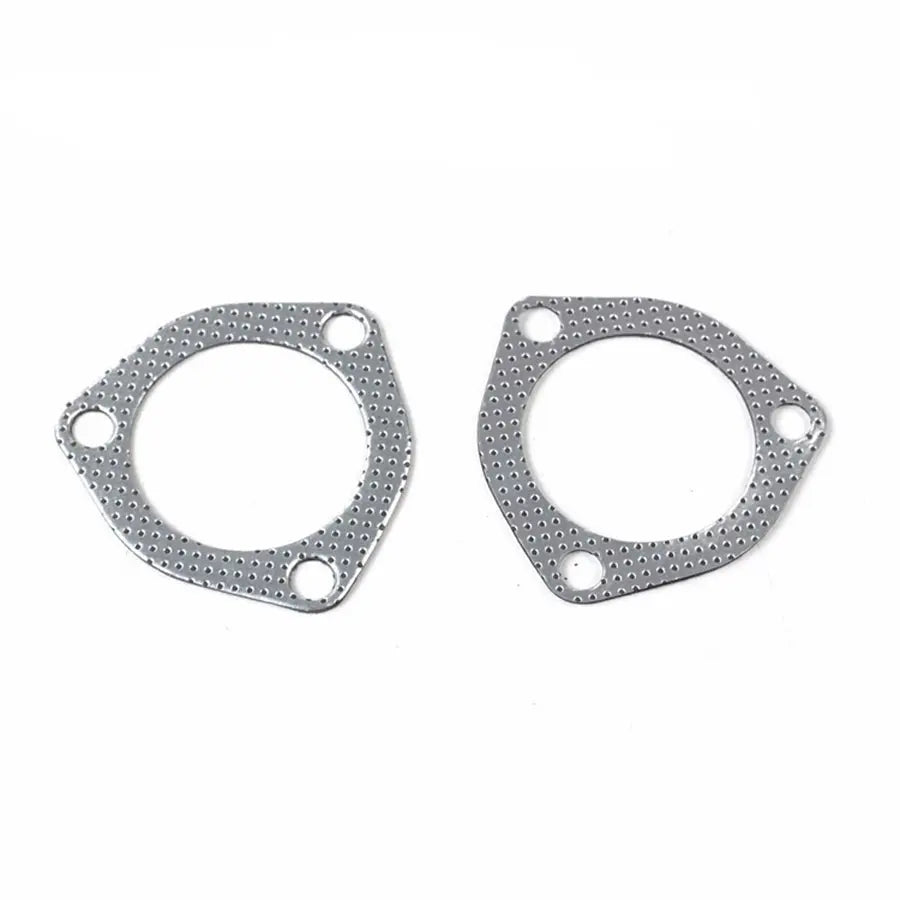
R11: El kit FLASHARK está completamente equipado y contiene todo lo necesario para la instalación: un par de cabezales cortos de acero inoxidable, juntas de cabezal premium, pernos de montaje de la culata y reductores/bridas de colector de 2-1/2 pulgadas de 3 pernos con los accesorios correspondientes. Esto garantiza una verdadera experiencia de "montaje directo" al sacarlo de la caja.
P12: ¿Puedo instalar estos cabezales cortos en mi motor clásico Chevy 350 Small Block?
R12: No. Estos cabezales están diseñados específicamente para motores V8 de la serie LS de GM (LS1, LS2, LS3, LS6, LS7 y equivalentes Vortec). No se ajustarán a los motores tradicionales Chevrolet de bloque pequeño (SBC 350) o de bloque grande (BBC) debido a las diferentes configuraciones de puertos de la culata y los patrones de pernos.
P13: ¿Necesito realizar una afinación personalizada de la ECU después de instalar estos cabezales cortos en mi intercambio LS?
R13: Aunque estos cabezales cortos funcionarán perfectamente con una afinación de ECU LS de serie sin arrojar códigos (gracias a las boquillas O2 integradas), una afinación personalizada en banco de pruebas o en carretera ayudará a desbloquear todo su potencial de rendimiento. Combinar estos cabezales con una admisión de aire frío y una afinación puede maximizar significativamente la potencia y el par.




 Product Specifications


