


Colector de escape de Toyota
Marcas: Todas | Chevy | Ford | Dodge | Jeep | BMW | Nissan | Toyota | Honda | Subaru | Otras
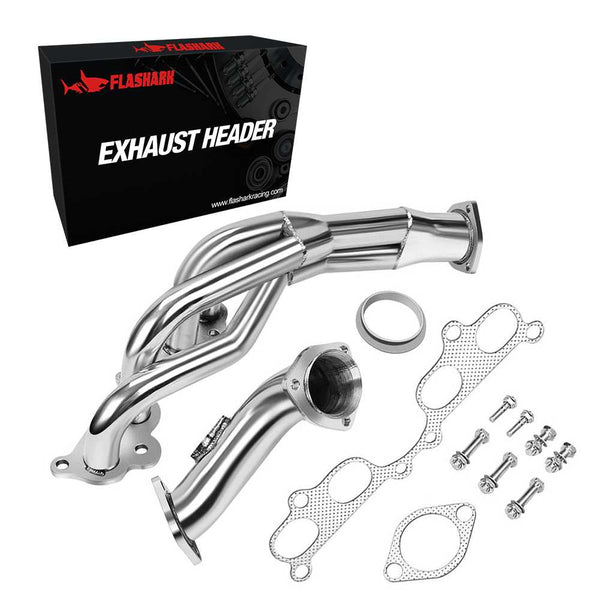
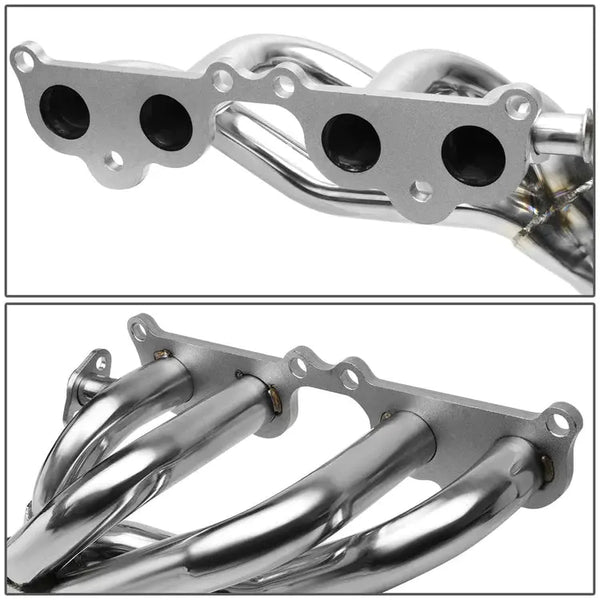
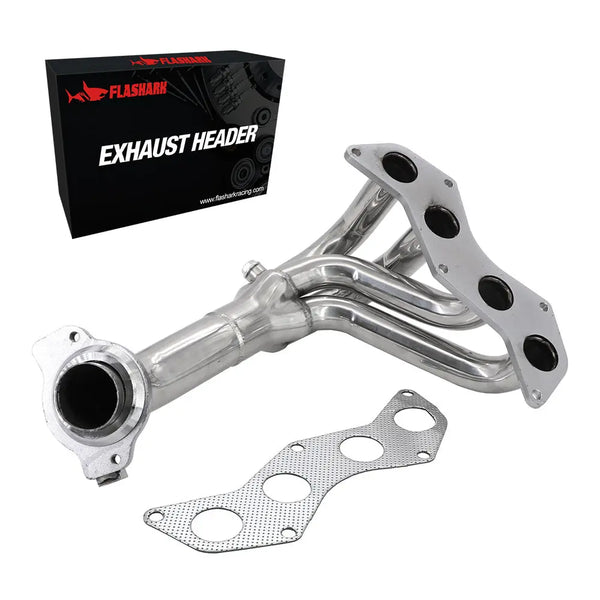
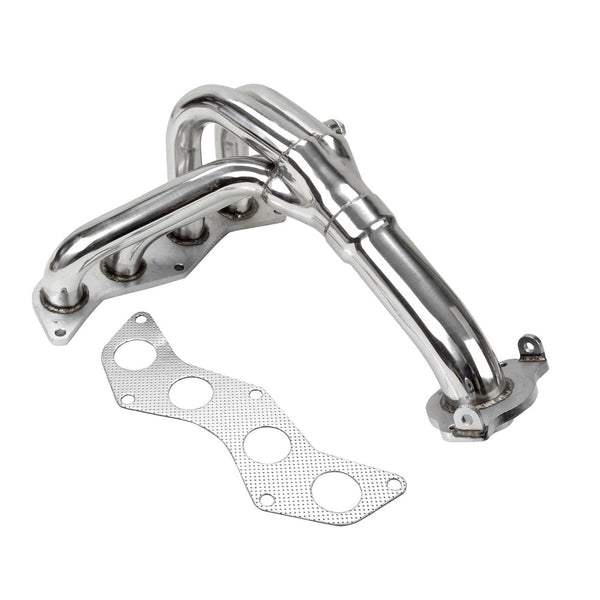
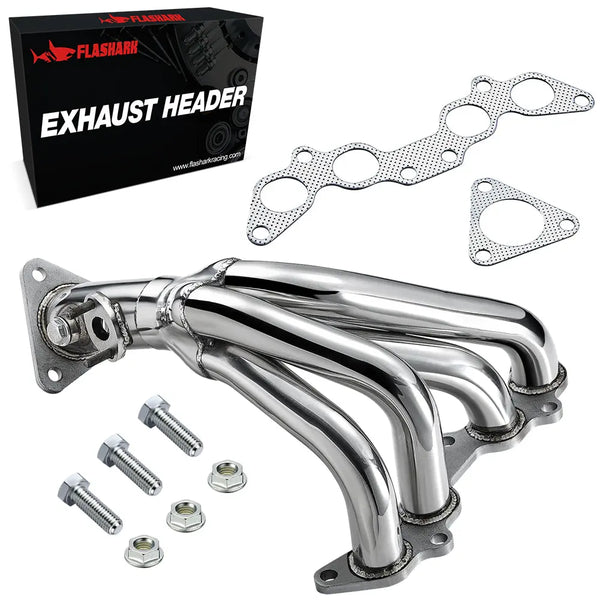
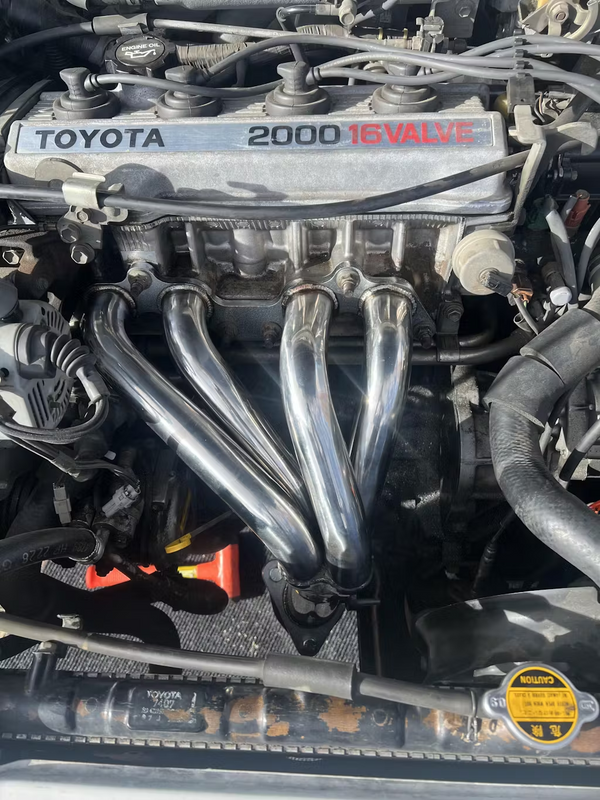
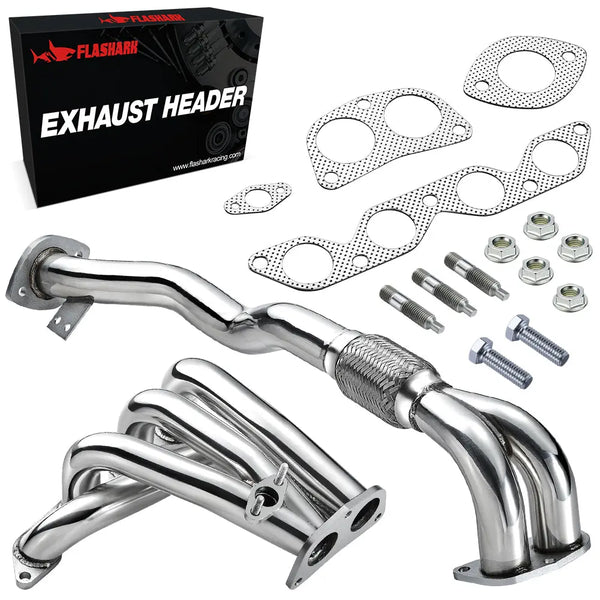
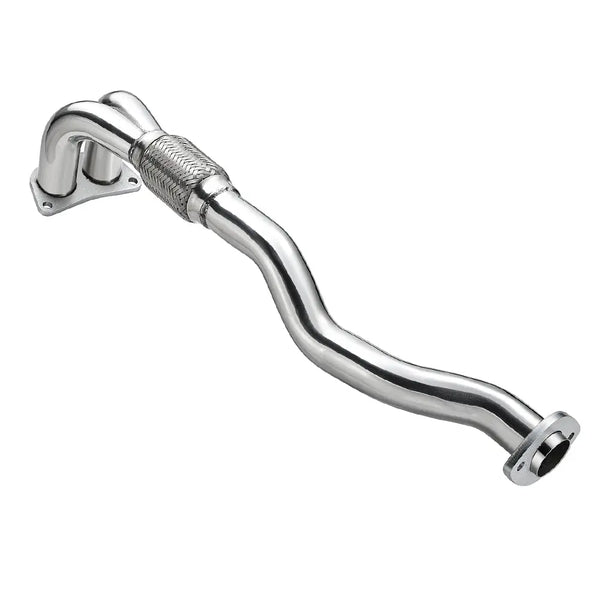
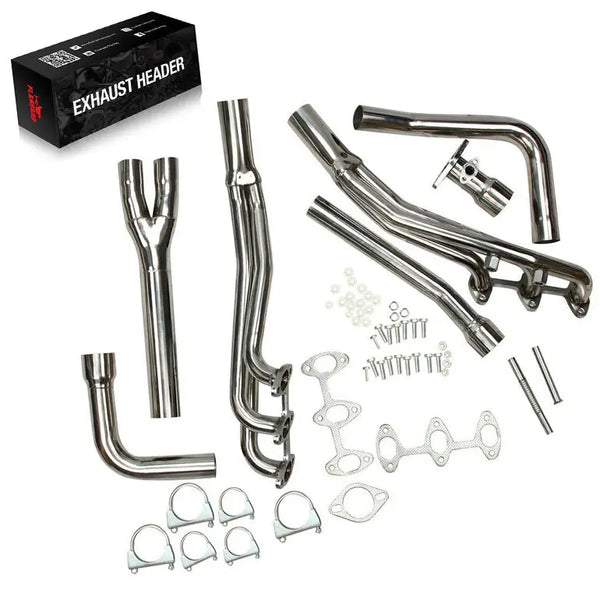
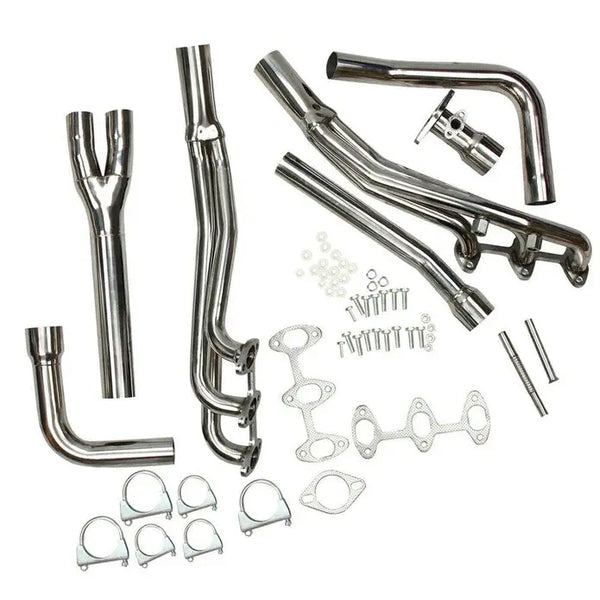
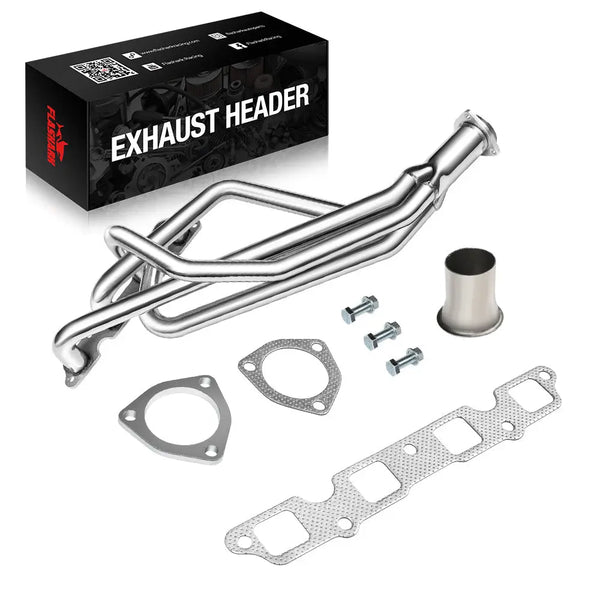
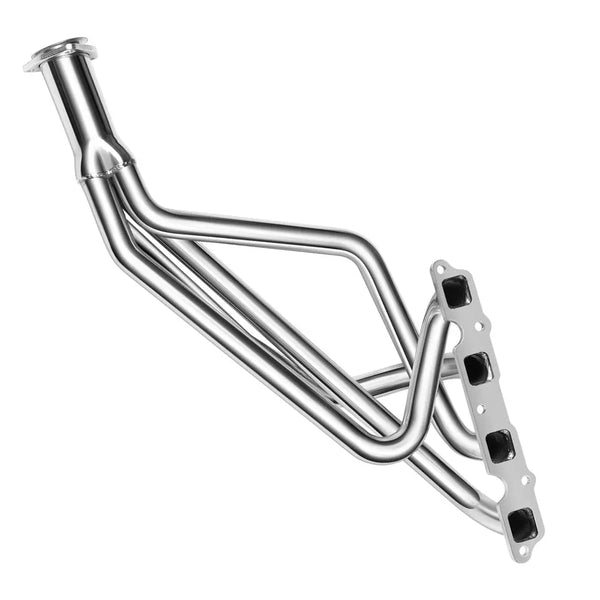
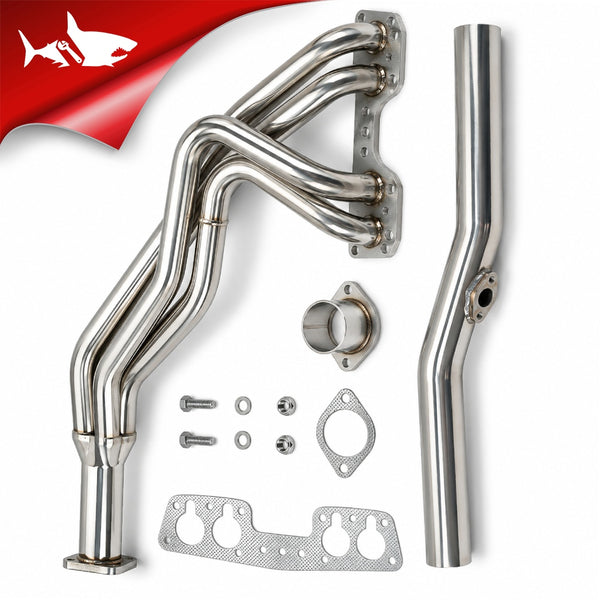
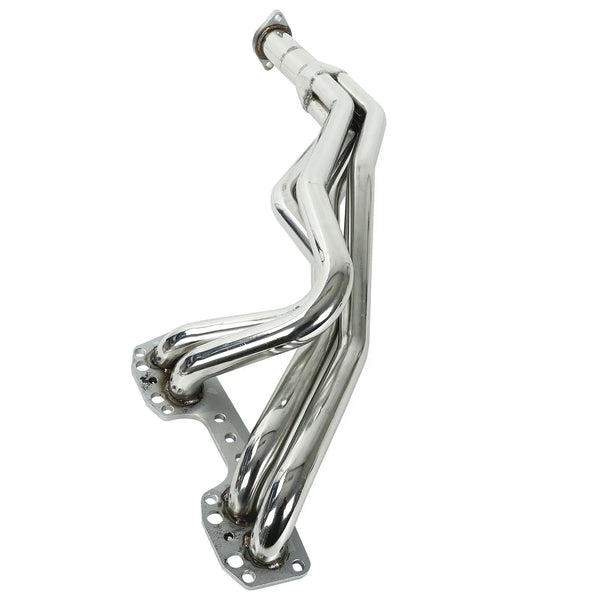
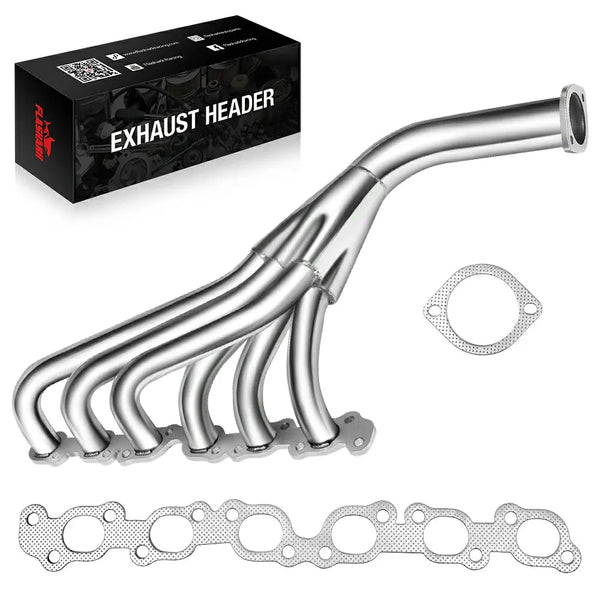
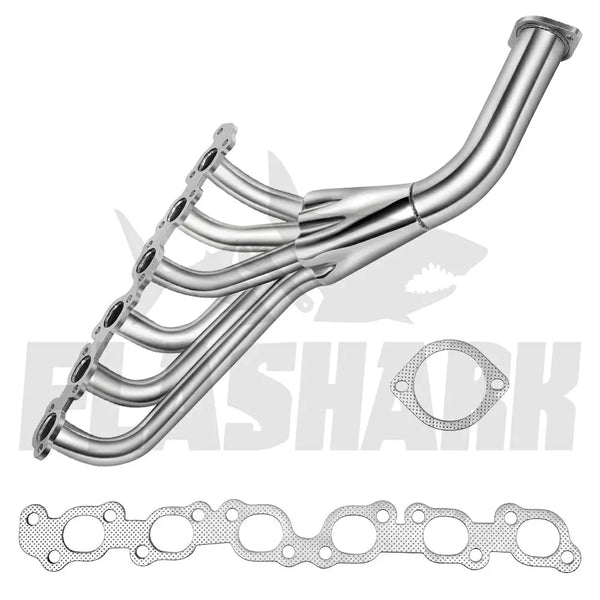
Mejora el rendimiento de tu Toyota con nuestros colectores de escape de alta calidad. Diseñados para optimizar el flujo de escape, reducir la contrapresión y aumentar la potencia, estos colectores son ideales para quienes buscan mejorar la eficiencia del motor. Perfectos tanto para uso diario como para competición, ofrecen una gran durabilidad y una respuesta del acelerador mejorada.


Marcas: Todas | Chevy | Ford | Dodge | Jeep | BMW | Nissan | Toyota | Honda | Subaru | Otras
Mejora el rendimiento de tu Toyota con nuestros colectores de escape de alta calidad. Diseñados para optimizar el flujo de escape, reducir la contrapresión y aumentar la potencia, estos colectores son ideales para quienes buscan mejorar la eficiencia del motor. Perfectos tanto para uso diario como para competición, ofrecen una gran durabilidad y una respuesta del acelerador mejorada.
Múltiples de Escape Toyota de Alto Rendimiento: Solucionando Fallos y Liberando el Flujo
Seamos brutalmente honestos. Toyota construye motores que pueden sobrevivir a un invierno nuclear, pero se equivocaron por completo en el lado del escape. Si eres propietario de una Tundra, Tacoma o 4Runner, ya sabes exactamente de lo que estoy hablando. El infame "tic de Toyota". Ignora a los tipos del foro que te dicen que solo son inyectores ruidosos o un traqueteo normal de válvulas. Escúchame. Nueve de cada diez veces, ese ruido de tic bajo carga es un colector de escape de fábrica agrietado. Los pesados colectores de hierro fundido que atornillaron a estos motores se deforman, fracturan y gotean. Ahogan la velocidad de los gases de escape y matan la respuesta del acelerador. La actualización a un juego adecuado de múltiples de escape Toyota no es solo una modificación para que tu vehículo suene más fuerte; es una solución física permanente para un defecto masivo de fábrica.
Lo Esencial por Delante (BLUF): Lo que Realmente Obtienes
- La Cura Permanente: Elimina por completo el problema recurrente de colectores agrietados y fugas de escape comunes en los V8 y V6.
- Potencia Utilizable: Espera un aumento probado de 12-20 whp, con un aumento masivo en el par motor a bajas revoluciones justo donde lo necesitas para remolcar o usar neumáticos de barro pesados de 33 pulgadas.
- Alivio Térmico: Desechar el hierro fundido que acumula calor por acero inoxidable reduce las temperaturas radiantes del compartimento del motor, protegiendo tu motor de arranque, arneses de cableado y juntas de tapa de válvulas de cocerse.
Defectos de Fábrica vs. La Ventaja Flashark
La Notoria Grieta de Hierro Fundido
Los colectores OEM de Toyota son rígidos, pesados y prácticamente diseñados para fallar. Cuando remolcas un camper por una pendiente pronunciada o gateas en 4-Low, las temperaturas de escape se disparan violentamente. El rígido hierro fundido intenta expandirse, pero los enormes catalizadores atornillados directamente a las bridas retienen todo ese calor directamente contra el bloque. Eventualmente, el metal se fractura por estrés, generalmente justo en el colector. Pierdes una evacuación crítica de los gases de escape, tus ajustes de combustible se vuelven locos y tu camioneta suena como un tractor averiado.
Material Flashark y Artesanía de Soldadura TIG
No usamos materiales baratos que se agrietarán de nuevo en 10,000 millas. Los colectores Flashark se construyen con acero inoxidable T304 curvado con mandril y se terminan con soldaduras TIG reforzadas. ¿Por qué es esto importante? El acero inoxidable se expande y contrae físicamente con los ciclos de calor mucho mejor que el hierro quebradizo. Además, las paredes interiores perfectamente lisas eliminan la turbulencia de los gases causada por el rugoso moldeado de fábrica, manteniendo la velocidad de escape peligrosamente alta.
Eligiendo tu Arma: Estilos y Materiales de Colectores Comparados
Deja de poner piezas aleatorias a tu camioneta solo porque se vean geniales. Observa cómo usas realmente el vehículo antes de sacar tu tarjeta de crédito.
| Comparación de Especificaciones | Colectores Cortos (Shorty Headers) | Colectores de Tubo Largo (Long Tube Headers) |
|---|---|---|
| Caso de Uso Principal | Rock crawling, remolque pesado, retención de catalizadores de fábrica. | Carreras en el desierto, construcciones sobrealimentadas, potencia máxima de RPM. |
| Entrega de Torque | Aumento masivo en el par motor a bajas revoluciones (desde el ralentí hasta 3,500 RPM). | Empuja la banda de potencia a RPM más altas (medias a altas). |
| Instalación y Ajuste | Atornillado directo al tubo en Y de fábrica. Mayor holgura. | Requiere tubo en Y personalizado o soldadura. Holguras muy ajustadas. |
Más Allá del Dyno: La Ciencia Dura de la Evacuación de Gases
Evacuación de Gases de Escape y Eficiencia Volumétrica
Los números de potencia máxima venden piezas a los jóvenes, pero la eficiencia volumétrica es lo que realmente permite que una camioneta de 5,000 libras suba una colina. Cuando se usan colectores adecuadamente ajustados, se crea un efecto de vacío dentro de los tubos. A medida que un pulso de escape sale del cilindro, crea una zona de baja presión justo detrás que succiona activamente el siguiente pulso del cilindro adyacente. Una mejor evacuación significa que el motor no tiene que gastar energía mecánica empujando gases muertos fuera de la válvula de escape.
Gestión Térmica Bajo el Capó
Deshazte de los catalizadores de fábrica que se encuentran a dos pulgadas de tu bloque. Los gases de escape de alta velocidad que se mueven a través del acero inoxidable pulido transportan el calor al tubo de escape más rápido. Piénsalo. Si conduces fuera de la carretera a 3 mph, no hay flujo de aire a través de la parrilla. La gestión de las temperaturas radiantes de tu compartimento del motor con colectores adecuados mantiene la carga de admisión más fría y evita que el motor de arranque se sature de calor.
Mejores Adaptaciones de Toyota: Hablemos de Motores y Chasis Específicos
Dejemos de lado los consejos genéricos del catálogo. No conduces una hoja de cálculo; conduces un chasis específico con sus propios dolores de cabeza de ingeniería. Aquí te explico exactamente lo que está sucediendo físicamente debajo de tu capó, por qué las piezas de fábrica te están fallando y cómo la instalación de un juego de colectores Flashark realmente soluciona los problemas más comunes de las plataformas Toyota que veo llegar a mi taller.
5.7L 3UR-FE V8 (2007-2021 Tundra / Land Cruiser): Desatando el Monstruo del Remolque
El 3UR-FE es un monstruo absoluto de un V8, pero Toyota lo estranguló hasta la muerte para cumplir con las emisiones. Los colectores de escape de fábrica son enormes y restrictivos, y vierten directamente en cuatro convertidores catalíticos muy densos. Si estás remolcando un remolque de 7,000 libras, sabes exactamente cómo la camioneta busca constantemente marchas en la carretera. Cambiar a un juego de colectores de tubo largo transforma por completo el 5.7L. Al eliminar esos cuellos de botella primarios, evacúas los pulsos de escape correctamente. No solo obtienes más ruido; físicamente desplazas la curva de par hacia el rango de RPM utilizable.
- Los Números Reales: Con una reprogramación VF Tuner adecuada, espera una ganancia violenta de 25-35 whp en las ruedas.
- Conducción: Esa desagradable zona muerta a 3,200 RPM desaparece. La camioneta mantendrá la 6ª marcha en la carretera sin gritar a 4,500 RPM cada vez que encuentres una ligera pendiente.
4.7L 2UZ-FE V8 (1ª Gen Tundra / Sequoia / 4Runner): La Solución Permanente al Tic
El 2UZ es un motor de un millón de millas, sin duda. Pero el diseño del escape es un completo desastre. Tiene una tasa de falla de casi el 100% por colectores de hierro fundido agrietados. Cuando el metal se deforma y se rompe, obtienes ese infame "tic de Toyota" durante la aceleración, y tu cabina comienza a oler a escape crudo en los semáforos.
4.0L 1GR-FE V6 (Tacoma / FJ Cruiser / 4Runner): Aplanando la Caída de Torque
Ya sea que tengas el 1GR-FE de un solo VVT-i temprano o el de doble VVT-i posterior, el tubo en Y de fábrica y los colectores de hierro fundido son increíblemente restrictivos. Esta es la realidad para la mayoría de los propietarios de Tacoma: le pones un kit de elevación de 3 pulgadas, parachoques de acero pesados, un cabrestante y neumáticos de barro de 33 pulgadas a la camioneta. De repente, se siente completamente sin fuerza en la carretera. Los colectores de alto flujo son la única forma mecánica de aplanar esa enorme caída de torque a medio régimen. Al acelerar la velocidad de los gases de escape, obligas al motor a respirar más fácilmente cuando está bajo una gran carga aerodinámica y rotacional.
- Los Números Reales: Las hojas de dinamómetro suelen mostrar un sólido aumento de 15-20 whp, pero la métrica crucial son los más de 20 lb-pie de torque ganados justo a 2,800 RPM.
- Realidad del Taller: Vigila tus catalizadores primarios de fábrica. Si escuchas un traqueteo a 2,000 RPM, es probable que el panal de cerámica interior se esté rompiendo y obstruyendo tu flujo. Los colectores evitan esto por completo.
3.4L 5VZ-FE V6 (1ª Gen Tacoma / 3ª Gen 4Runner): La Clásica Actualización Restomod
Los propietarios de los 5VZ-FE 3.4L más antiguos saben que este motor es a prueba de balas pero gravemente asmático. El mayor cuello de botella es el diseño del tubo cruzado de fábrica que corre detrás del bloque del motor. Es una pesadilla térmica que hace que el banco del lado del conductor funcione mucho más caliente que el del lado del pasajero. La actualización a un sistema de colectores correctamente enrutado alivia ese cuello de botella. Si estás utilizando el clásico sobrealimentador TRD (Magnuson) en este motor, los colectores de posventa son absolutamente obligatorios. No puedes forzar aire comprimido a la admisión si el escape no puede salir lo suficientemente rápido.
- Los Números Reales: Los 3.4 atmosféricos obtendrán alrededor de 10-14 whp. Las configuraciones sobrealimentadas verán un salto masivo de más de 20 whp simplemente reduciendo la contrapresión del escape.
2.0L/2.4L FA20/FA24 (86 / BRZ): Eliminando la Caída de Torque del Boxer
Cambiando completamente de tema al lado de los deportivos. Toyota y Subaru construyeron un chasis increíble, pero el colector de longitud desigual de fábrica en el FA20 crea una zona muerta brutal y frustrante justo entre 3,500 y 4,500 RPM. Literalmente se siente como si el coche dejara de acelerar durante un segundo completo. Cambiar a un colector de posventa es el santo grial para esta plataforma. Un colector de Longitud Igual (EL) maximiza la potencia en pista a altas RPM, mientras que un colector de Longitud Desigual (UEL) te da ese característico sonido Subaru mientras rellena completamente esa caída de torque a medio régimen. Combinado con una afinación E85, hace que el 86 se sienta como el coche que debería haber sido de fábrica.
Guía de Supervivencia del Mecánico: Evitando Trampas Comunes con los Múltiples
Lidiando con Espárragos Agarrados y Espacios Reducidos
Hacer esta instalación de espaldas un sábado es duro. Hacerlo en un 4x4 con un diferencial delantero estorbando es peor. No te lo pongas más difícil.
El Dolor de Cabeza de la Bomba de Inyección de Aire Secundaria (AIP)
Toyota añadió un sistema de Bomba de Inyección de Aire a los V8 y V6 más nuevos para las emisiones de arranque en frío. Antes de comprar nada, abre el capó. Si tienes tubos de metal atornillados a la parte superior de tus colectores de fábrica cerca del bloque del motor, tienes AIP. Asegúrate de pedir las bridas de colector específicas con puertos AIP, o tendrás una fuga de vacío masiva y un tablero lleno de luces de advertencia.
La Verdad Incómoda sobre el Cumplimiento de Emisiones y los CEL
Hablemos del dolor de cabeza legal que nadie quiere mencionar. Si quitas tus catalizadores primarios por un juego de tubos largos sin catalizadores, tus sensores de O2 traseros activarán una luz de "Check Engine" (CEL). La ECU reducirá el tiempo y el combustible para proteger el motor. Necesitas usar espaciadores de sensor de O2 para sacar el sensor del flujo directo de escape, o, mejor aún, obtener un calibrador MAF URD o una reprogramación adecuada para corregir la relación aire/combustible. Además, los colectores sin catalizadores fallarán instantáneamente las inspecciones visuales y las pruebas de analizador de gases. Conoce tus leyes locales antes de empezar a trabajar.
Preguntas Frecuentes (FAQ) sobre los Múltiples de Escape Toyota
P1: ¿La instalación de colectores solucionará el ruido de tic en mi Toyota V8?
R1: Sí. El "tic de Toyota" bajo carga casi siempre se debe a gases de escape que escapan de un colector de hierro fundido de fábrica agrietado. Los colectores de acero inoxidable reemplazan completamente el componente agrietado, resolviendo permanentemente la fuga.
P2: ¿Necesito una reprogramación después de instalar colectores en mi Tacoma o Tundra?
R2: La camioneta funcionará de forma segura con la ECU de fábrica sin explotar, pero estás perdiendo dinero. Se recomienda encarecidamente una reprogramación adecuada o un calibrador MAF para maximizar las ganancias de potencia, corregir la relación aire/combustible y eliminar cualquier fallo del sensor.
P3: ¿Colectores cortos vs. de tubo largo para mi Toyota, cuál es mejor?
R3: Los colectores cortos son mejores para el par motor a bajas revoluciones para remolcar, mantener la ubicación de los catalizadores de fábrica y una instalación más sencilla. Los colectores de tubo largo producen la mayor potencia a altas RPM, pero requieren modificaciones personalizadas del tubo en Y y eliminan los catalizadores primarios.
P4: ¿Los colectores de posventa anularán la garantía de fábrica de mi Toyota?
R4: Según la Ley de Garantía Magnuson-Moss, un concesionario no puede anular ciegamente tu garantía completa. Solo pueden denegar una reclamación específica del tren motriz si pueden probar legalmente que los colectores de posventa causaron directamente esa falla específica del motor.
P5: ¿Cuánta potencia añadirán los colectores a mi 1GR-FE 4.0L V6?
R5: Espera un aumento realista de 15-20 WHP y cifras de par similares. Lo más importante no es el número pico, sino cómo los colectores rellenan la enorme zona muerta a medio régimen entre 2,500 y 4,500 RPM.
P6: ¿Necesito comprar colectores con o sin los tubos de la Bomba de Inyección de Aire (AIP)?
R6: Tienes que mirar físicamente tus colectores de escape de fábrica actuales. Si hay tubos metálicos secundarios atornillados a la parte superior de las bridas cerca del bloque del motor, necesitas la versión con AIP. Si no, obtén la versión sin AIP.
P7: ¿Puedo pasar la inspección de emisiones en California con colectores Toyota?
R7: Los colectores cortos con un número EO CARB válido pasarán las pruebas visuales y de analizador. Los colectores de tubo largo sin catalizadores son solo para uso fuera de carretera e instantáneamente fallarán tanto las inspecciones visuales como las pruebas de emisiones por el tubo de escape.
P8: ¿Es difícil instalar colectores en un Toyota 4WD?
R8: Sí, es un trabajo difícil. Los modelos 4x4 tienen holguras mucho más ajustadas debido al diferencial delantero, los ejes y los árboles de transmisión. El lado del pasajero en un V8 4WD es notoriamente ajustado y a menudo requiere levantar ligeramente el motor del soporte para deslizar los tubos.
P9: ¿Mi camioneta sonará ronca después de instalar colectores?
R9: Los colectores sin catalizadores pueden introducir un sonido más agudo y áspero, especialmente en los motores V6. Combinarlos con un escape cat-back de calidad resonado o mantener catalizadores secundarios de alto flujo eliminará la aspereza y producirá un rugido profundo y limpio.
P10: ¿Por qué mis colectores de Toyota de fábrica son tan propensos a agrietarse?
R10: Toyota utilizó colectores de hierro fundido rígidos y pesados, combinados con catalizadores masivos que retienen el calor, ubicados justo en la brida. El ciclo térmico extremo de la conducción diaria y el remolque pesado hace que el hierro quebradizo se rompa eventualmente bajo estrés térmico.


