


 Need car parts? Shop by vehicle
(Select the exact fit for your vehicle)
Need car parts? Shop by vehicle
(Select the exact fit for your vehicle)
Cold Air Intake


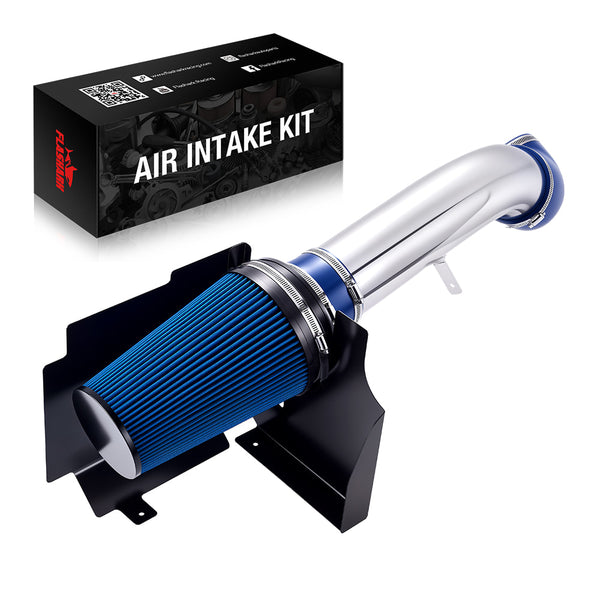

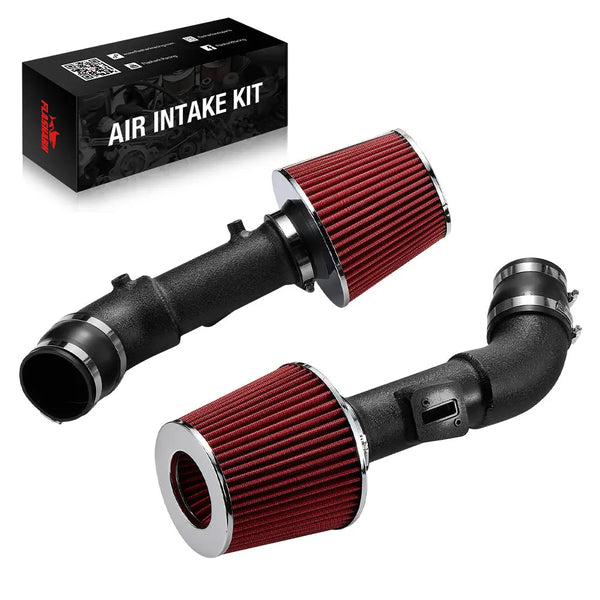
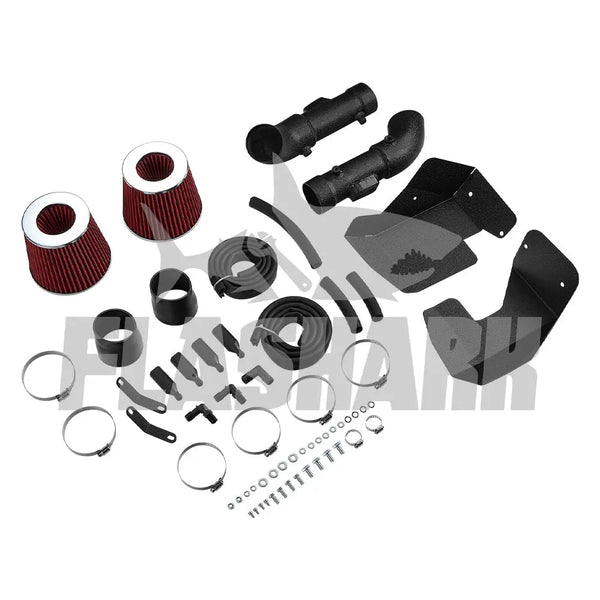
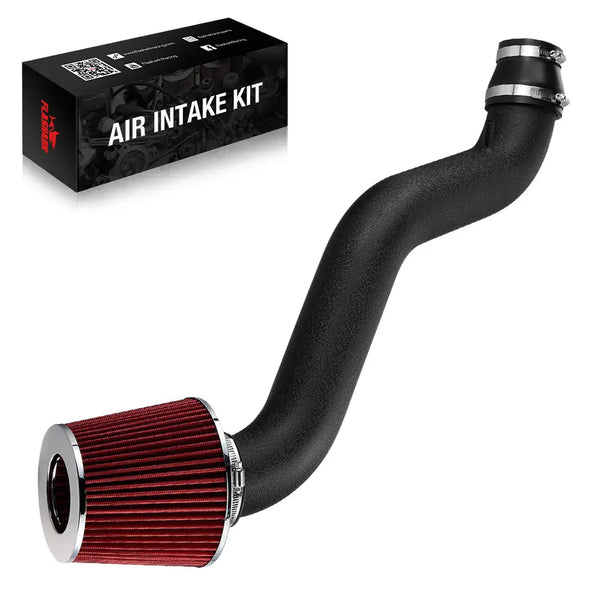
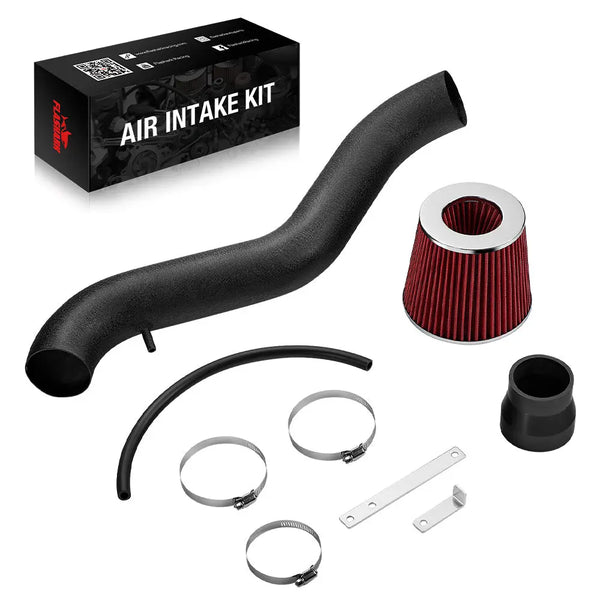
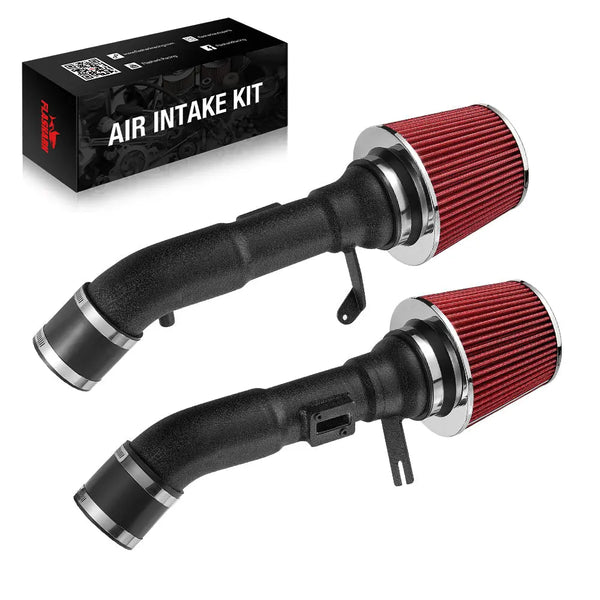
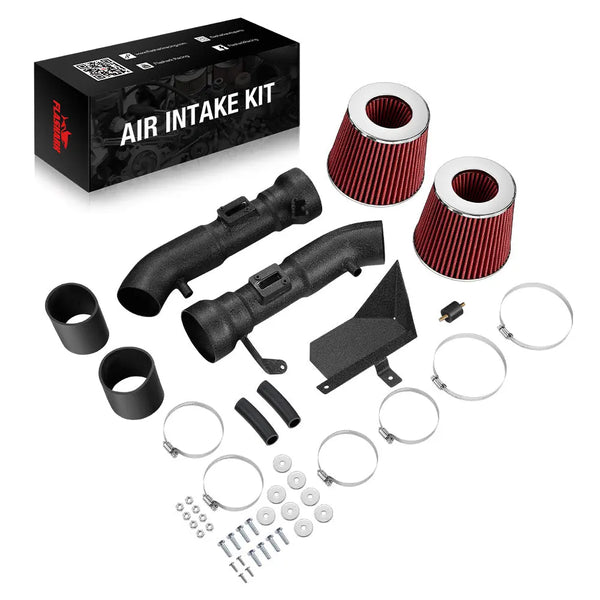
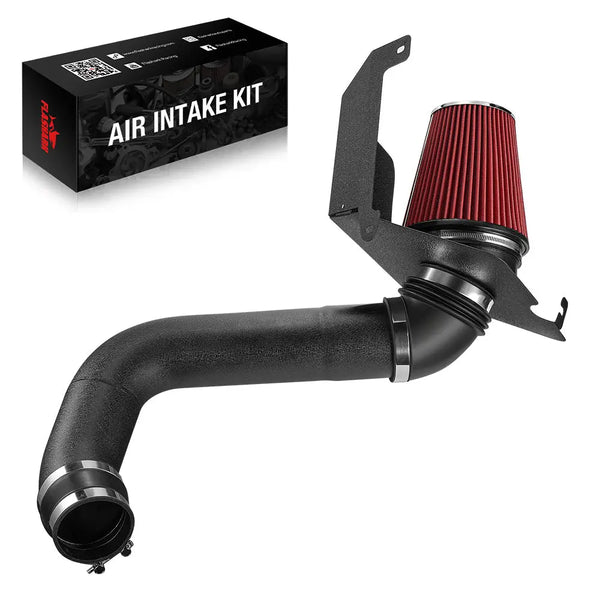
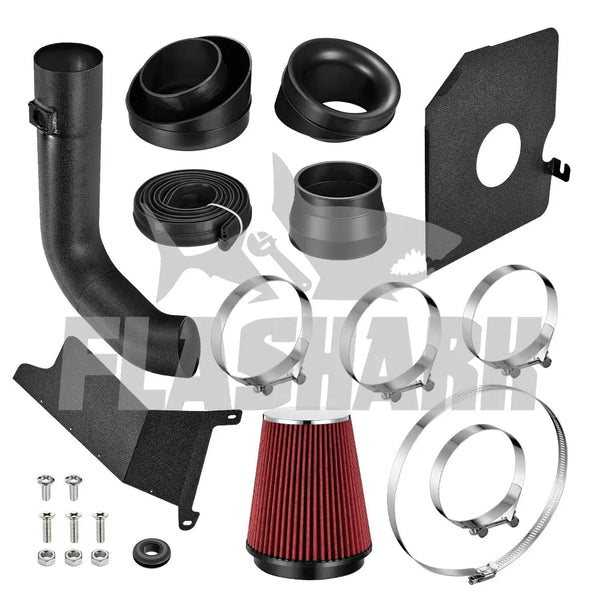
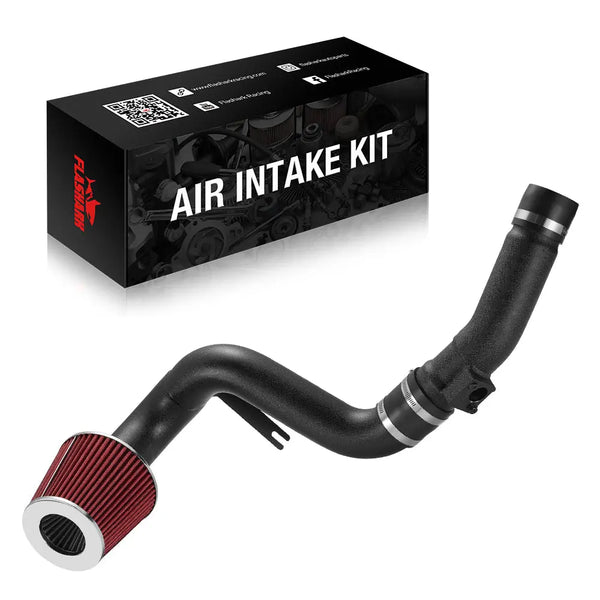
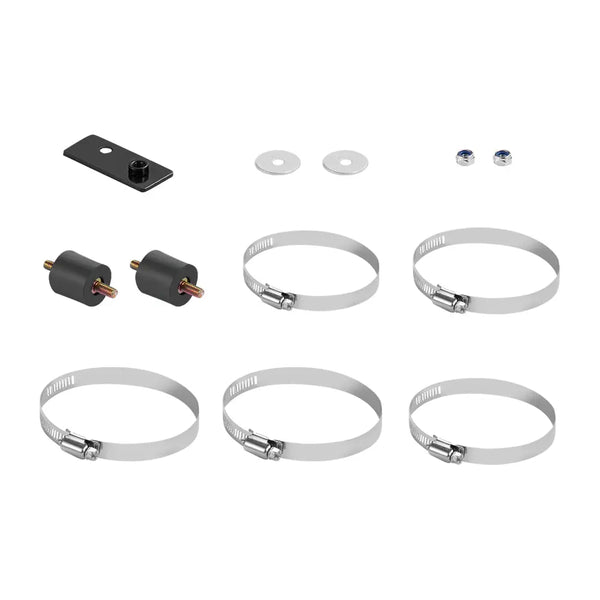
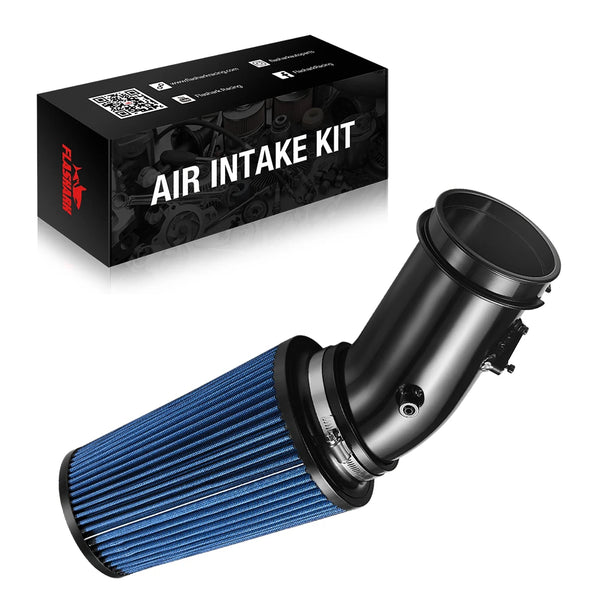
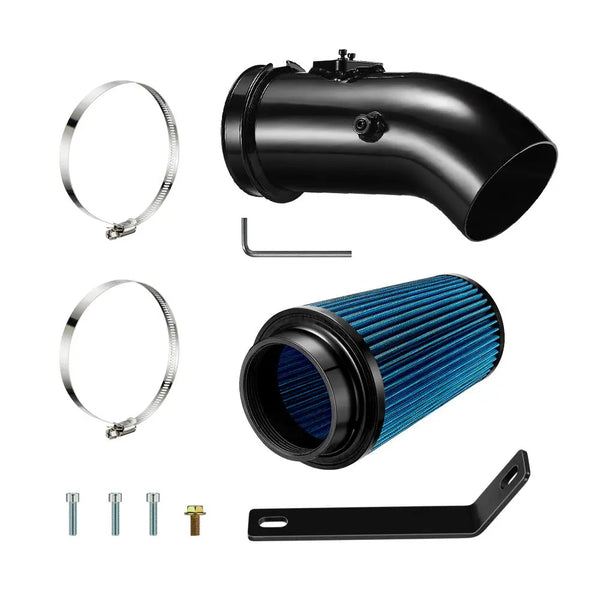
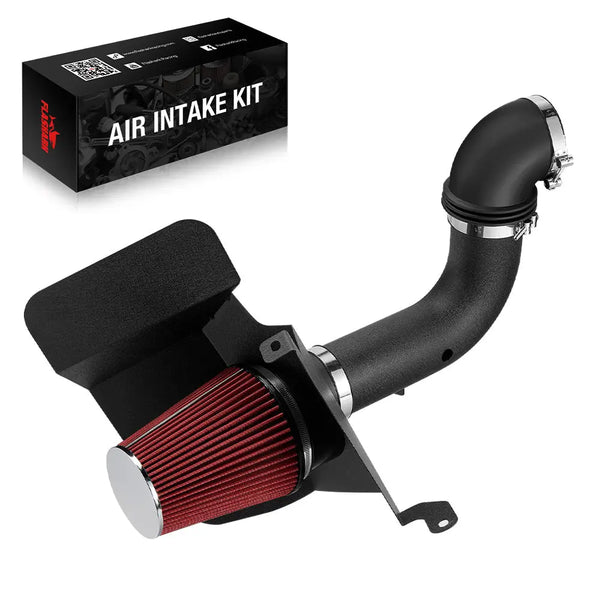
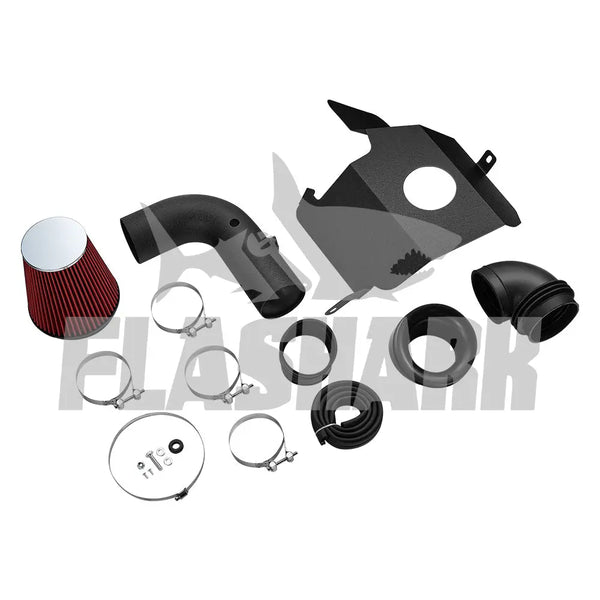
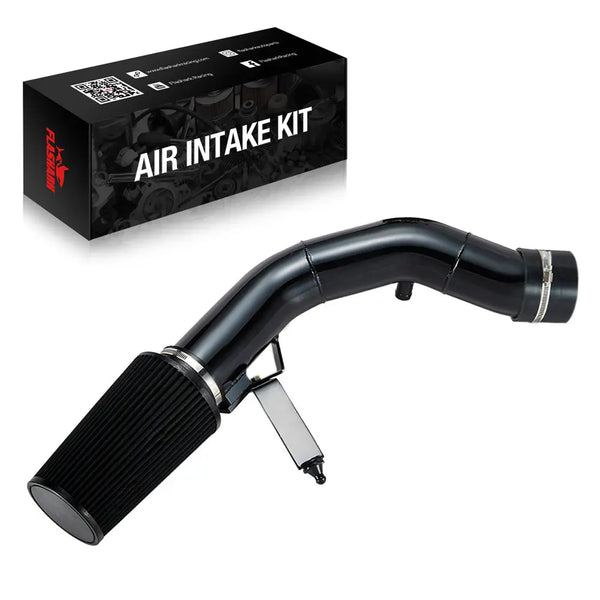
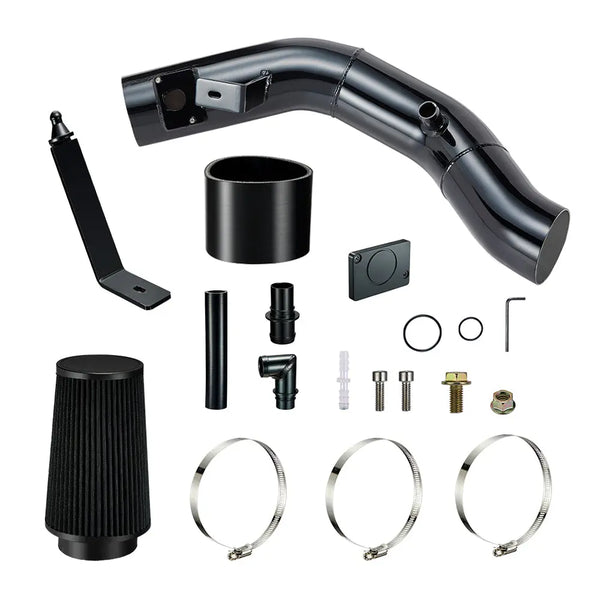
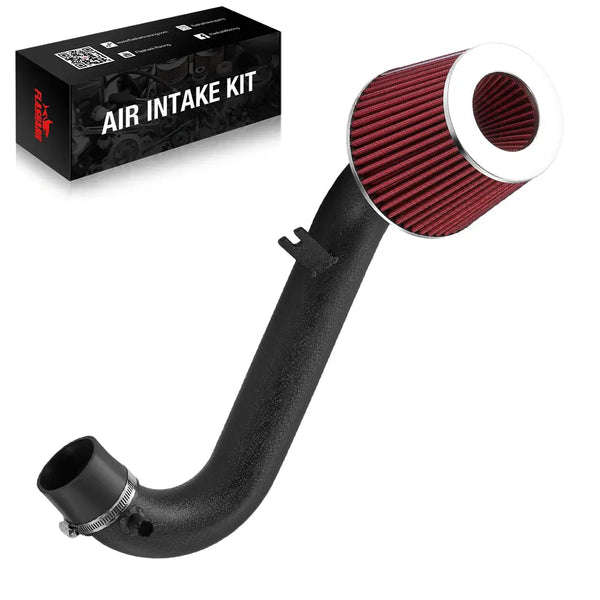
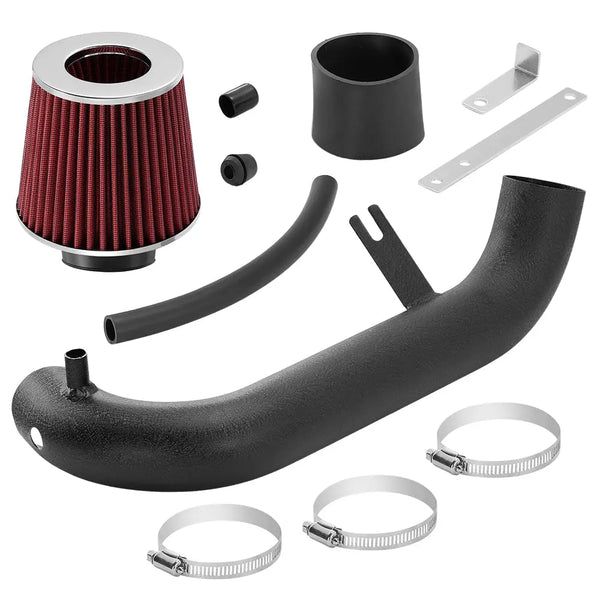
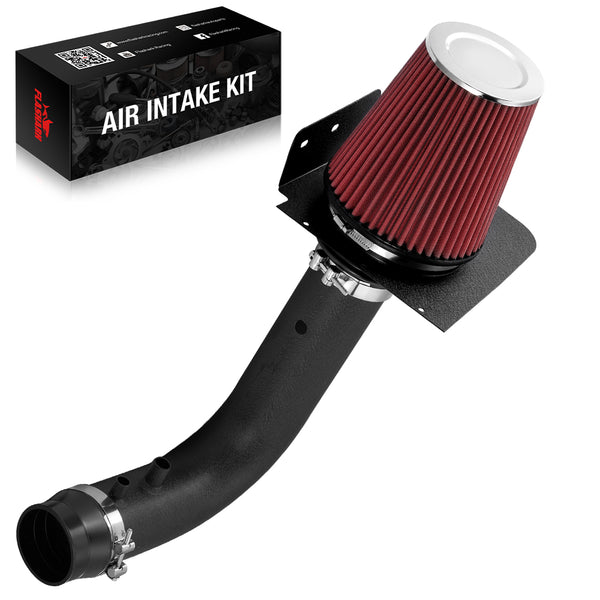
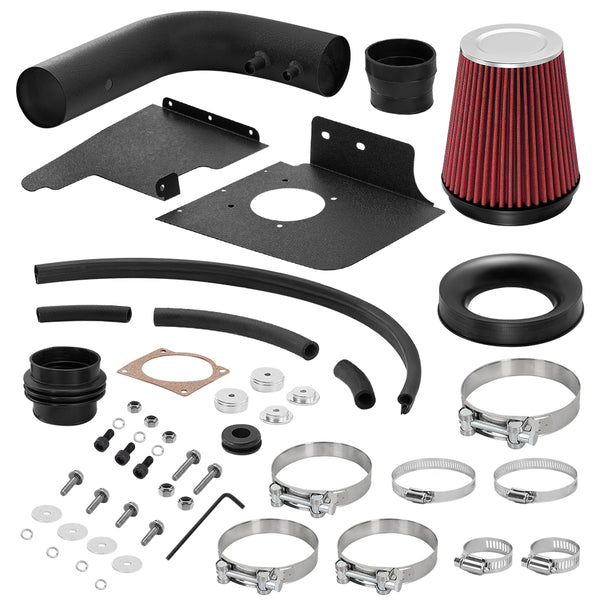
Wake Up Your Engine with a Performance Cold Air Intake
The factory car air intake is engineered with two main goals: to be extremely quiet and to meet basic emission standards. Unfortunately, that means it is full of restrictive baffles, sound deadeners, and paper filters that choke your engine's ability to breathe.
Upgrading to a true cold air intake (CAI) removes those bottlenecks. By replacing the restrictive factory airbox with smooth, wide-diameter aluminum piping and a high-flow filter, you feed your engine the cooler, denser air it craves. Whether you are a weekend wrencher or building a dedicated track car, an aftermarket air intake system is one of the most rewarding first modifications you can make.
The Real Benefits of an Upgraded Air Intake
Bolting on a high-flow setup does more than just look great under the hood. For a deep dive into the fluid dynamics, check out our guide: What Does a Cold Air Intake Actually Do?
- Sharper Throttle Response: Eliminating the corrugated factory rubber hoses means air travels to the throttle body faster, making your gas pedal feel instantly more reactive.
- Proven Horsepower & Torque: Cooler air is denser, meaning it carries more oxygen. When the ECU adds more fuel to match that oxygen, you unlock trapped horsepower (typically a 5–15 HP gain) and a noticeable bump in mid-range torque.
- That Signature Induction Roar: Factory systems muffle engine sound. An open-element air intake unleashes a deep, aggressive induction growl when you step on the gas, while remaining manageable at cruising speeds.
- Long-Term Value: Our kits include washable, reusable cotton-gauze filters. Instead of buying paper filters every 15,000 miles, you simply clean and re-oil ours.
Why Flashark Aluminum Air Intakes Win
When it comes to building a reliable air intake system, material and engineering matter. Here is why drivers trust Flashark for their engine bays:
- Premium Aluminum Piping: We use high-grade mandrel-bent aluminum piping instead of cheap plastic. Aluminum is extremely lightweight, incredibly durable, and dissipates heat rapidly once the vehicle is in motion.
- Strategic Heat Management: A common issue with metal pipes is "heat soak" from the engine bay. We engineer our cold air intakes to route the filter away from extreme heat sources, often utilizing heat shields to ensure it pulls genuinely cold, ambient air.
- Proper MAF Scaling: Our MAF (Mass Air Flow) sensor housings are precision-machined. This ensures your car’s computer reads the incoming air accurately, preventing rough idles and keeping the Check Engine Light (CEL) off.
- Direct Bolt-On Fitment: Designed specifically for your engine bay, meaning no cutting, drilling, or custom fabrication is required.
- Washable High-Flow Filters: We don't believe in cheap paper elements. Every Flashark kit comes standard with a premium, reusable cotton-gauze filter. Instead of throwing away restrictive factory filters every year, you simply wash, lightly re-oil, and reinstall ours for the lifetime of your vehicle.
Shop Performance Air Intakes by Brand
We engineer precise fitments for the most popular platforms. Find the right breathing apparatus for your build:
- Ford Air Intakes
- Honda Air Intakes
- Toyota Air Intakes
- Nissan Air Intakes
- Jeep Air Intakes
- VW Air Intakes
- GMC Air Intakes
- Dodge Air Intakes
- Infiniti Air Intakes
FAQ - Mechanic Answers to Intake Questions
Q1: Be honest, how much horsepower will a cold air intake actually add?
A1: On average, you can expect a very real 5 to 15 horsepower increase at the wheels. However, the exact numbers depend heavily on your engine displacement and whether it is turbocharged or naturally aspirated. Beyond the peak numbers, what you will immediately feel is the drastically improved low-end torque and throttle response. Curious about dyno numbers? Read How Much HP Does an Intake Add?
Q2: Do I need an ECU tune after installing this?
A2: Most of our cold air intakes are designed as "No-Tune Required" bolt-ons. We precisely size the MAF housing so your factory computer can safely adapt to the increased airflow. However, if you are stacking other mods like a catless downpipe or a bigger turbo, a custom tune is highly recommended to maximize the gains.
Q3: Will the aluminum piping get too hot and hurt performance?
A3: This is a common myth called "heat soak." While aluminum can get warm when idling in traffic, it also sheds heat incredibly fast the second you start moving and ambient air rushes into the engine bay. Combined with proper filter placement and heat shielding, our air intakes consistently deliver cooler intake air temperatures (IATs) than the restrictive factory plastic box.
Q4: I drive in the rain a lot. Is "hydro-locking" a real risk?
A4: Hydro-locking (sucking water into the engine) only happens if the air filter is completely fully submerged in a deep puddle. Most of our systems are Short Ram or safely routed high enough in the fender well to make everyday driving in heavy rain completely safe. Just don't treat your car like a submarine!
Q5: Will upgrading my car air intake improve my gas mileage?
A5: Technically, yes. By removing restrictions, the engine doesn't have to work as hard to pull in air, which improves pumping efficiency and can yield a slight bump in MPG during highway cruising. But let's be realistic: that new induction roar sounds so good, your foot will probably be heavier on the gas pedal, canceling out any fuel savings! Read more here: Does an Intake Increase Fuel Mileage?
Q6: Will this void my vehicle's factory warranty?
A6: In the US, under the Magnuson-Moss Warranty Act, a dealership cannot void your entire warranty simply because you installed an aftermarket part. They would have to prove that the air intake directly caused the specific failure in question. Since these are simple bolt-on upgrades, they rarely cause warranty headaches. Read our full guide on Intakes and Warranties.
Q7: How often do I need to clean the air filter on my new setup?
A7: It largely depends on your environment. If you drive in a standard city or highway setting, our washable cotton-gauze filters usually only need cleaning every 10,000 to 15,000 miles. If you live down a dusty dirt road, check it every 5,000 miles. Mechanic's Warning: When you re-oil the filter after washing, apply a light, even coat. Over-oiling is the #1 cause of a fouled Mass Air Flow (MAF) sensor!
Q8: Will an aftermarket air intake make my turbo whistle louder?
A8: 100% yes. Factory airboxes are specifically baffled to hide turbo noise. When you install an open-element air intake system on a turbocharged vehicle, you will finally hear the turbo spooling up, as well as the satisfying "whoosh" of the bypass valve (BPV) or blow-off valve (BOV) when you let off the throttle. On naturally aspirated (non-turbo) cars, it produces a deep, throaty V8-style growl under heavy acceleration.
Q9: What is the difference between a Short Ram and a true Cold Air Intake?
A9: A "Short Ram" intake keeps the air filter relatively high up in the engine bay. It’s easier to install and completely safe from deep puddles, but it relies heavily on heat shields to block engine temperatures. A true cold air intake routes the aluminum piping down into the fender well or behind the front bumper to pull the absolute coldest ambient air possible. True CAIs make slightly more power but require more careful driving in heavy rain.
Q10: Can I install this air intake system myself in my driveway?
A10: Absolutely. Upgrading your car air intake is widely considered the best "first DIY project" for any car enthusiast. Most of our kits are direct bolt-ons that take about 1 to 2 hours with basic hand tools (usually just a flathead screwdriver, some pliers, and the infamous 10mm socket). However, if you buy a system that routes deep into the fender, you might need to temporarily remove your front bumper or wheel well liner.
Q11: Why did my Check Engine Light (CEL) come on after installing my intake?
A11: Don't panic; this is usually a simple installation error. 99% of the time, a CEL after installing new air intakes is caused by a vacuum leak. Check all your silicone couplers and make sure the hose clamps are completely tight. The other common culprit is installing the MAF sensor backwards. Make sure the arrow on the sensor points toward the engine (following the airflow).
Q12: Do I need a different kit if my car is an automatic instead of a manual?
A12: Usually, no. The air intake routing is identical for both manual and automatic transmissions on most platforms. However, on a few specific vehicles, automatic transmission cooling lines might occupy the space where the intake tube needs to go. Always double-check the specific fitment notes on our product pages just to be safe.
Q13: Is a cold air intake bad for my engine in freezing winter weather?
A13: Not at all. Internal combustion engines absolutely love cold, dense air—it makes them run stronger and more efficiently. Your engine’s ECU will automatically adjust the fuel trim to match the freezing air coming through the cold air intakes. Just remember to let your engine oil come up to proper operating temperature before you start doing hard pulls!
Q14: Are performance air intakes street legal and emissions compliant?
A14: In the vast majority of states, upgrading your car air intake is completely street legal and will pass a standard OBD2 plug-in emissions test since it doesn't touch the exhaust catalysts. However, if you live in California or a state that follows strict CARB (California Air Resources Board) regulations, the intake must have an Executive Order (EO) number to pass the visual smog inspection. Always check your local laws.
Q15: Should I upgrade my exhaust at the same time as my air intake?
A15: It is the perfect combination. An engine is essentially a giant air pump. If you install a high-flow air intake system to let more air in, you will maximize those horsepower gains by installing a high-flow catback exhaust to let that extra air out with less restriction. Plus, the combined sound of intake induction and exhaust rumble is unbeatable.


