Installing an aftermarket intake does not automatically cancel an entire vehicle warranty in the United States. The important question is whether the intake, its installation, or a related calibration change caused the problem behind a specific warranty claim. Manufacturer warranties, separately purchased service contracts, vehicle configurations, and local regulations can also have different terms.
That distinction matters. A correctly matched intake may operate without creating a warranty dispute, while an air leak, contaminated sensor, loose fitting, unsuitable calibration, or water-ingestion event can connect the modification to an engine-related failure. The decision usually depends on the affected part, the cause of the failure, the installation, and the written coverage terms.
- A cold air intake does not automatically void an entire U.S. vehicle warranty.
- A manufacturer or dealer may deny coverage for damage caused by a defective intake, incorrect fitment, poor installation, inadequate filtration, water ingestion, or a related calibration issue.
- Unrelated coverage does not automatically disappear because one aftermarket part is installed.
- A separately purchased vehicle service contract may have different exclusions from the manufacturer warranty.
- Match the intake to the exact year, model, engine, sensor configuration, and emissions application before ordering.
- Keep the receipt, installation instructions, maintenance records, photographs, and any written communication about coverage.
Understanding Vehicle Warranties
A warranty is not a promise to repair every problem a vehicle may develop. It is a written agreement covering defined defects or failures for a stated period, mileage, or both. Coverage, exclusions, maintenance obligations, and claim procedures vary by manufacturer and market.
What Is a Vehicle Warranty?
A manufacturer warranty commonly covers specified defects in materials or workmanship. Different portions of the vehicle may have different coverage periods. Powertrain, emissions, corrosion, restraint-system, accessory, and replacement-part coverage may each operate under separate terms.
Read the warranty booklet for the exact vehicle and market. A general dealer statement cannot replace the written terms, and a policy for one model year may not apply to another.
Manufacturer Warranties and Service Contracts
A separately purchased vehicle service contract is often marketed as an “extended warranty,” but it is not necessarily the same as the manufacturer warranty. Its administrator may impose different exclusions, authorization procedures, maintenance requirements, or repair-facility rules.
| Coverage type | What to check | Why it matters after an intake modification |
|---|---|---|
| Manufacturer warranty | Covered parts, exclusions, maintenance duties, claim procedure, and market-specific terms | A claim may turn on whether the intake caused or contributed to the covered failure |
| Emissions warranty | Covered emissions components, required maintenance, and applicable regulations | An intake can interact with airflow measurement, calibration, and emissions-system operation |
| Vehicle service contract | Modification exclusions, pre-authorization rules, diagnostics, and repair-facility requirements | Contract exclusions may differ from the manufacturer warranty |
| Aftermarket-part warranty | Coverage for the intake itself, installation labor, and consequential damage | The intake manufacturer’s coverage does not automatically replace vehicle-manufacturer coverage |
Magnuson-Moss Warranty Act
For U.S. consumer warranties, installing an aftermarket part does not by itself cancel the vehicle warranty. The Federal Trade Commission explains that warranty coverage remains in effect when aftermarket or recycled parts are used. If a defective part or incorrect installation damages a covered component, however, the manufacturer or dealer may deny coverage for that damage after establishing the connection.
This does not mean every intake-related claim must be approved. It means the presence of an aftermarket part and the cause of a failure are separate questions. The written warranty, the failed component, diagnostic evidence, installation quality, and applicable law all matter.
For more detail, review the FTC guidance on auto warranties and service contracts. Owners outside the United States should consult the warranty terms and consumer-protection rules that apply in their country.
How Aftermarket Parts Affect a Car Warranty
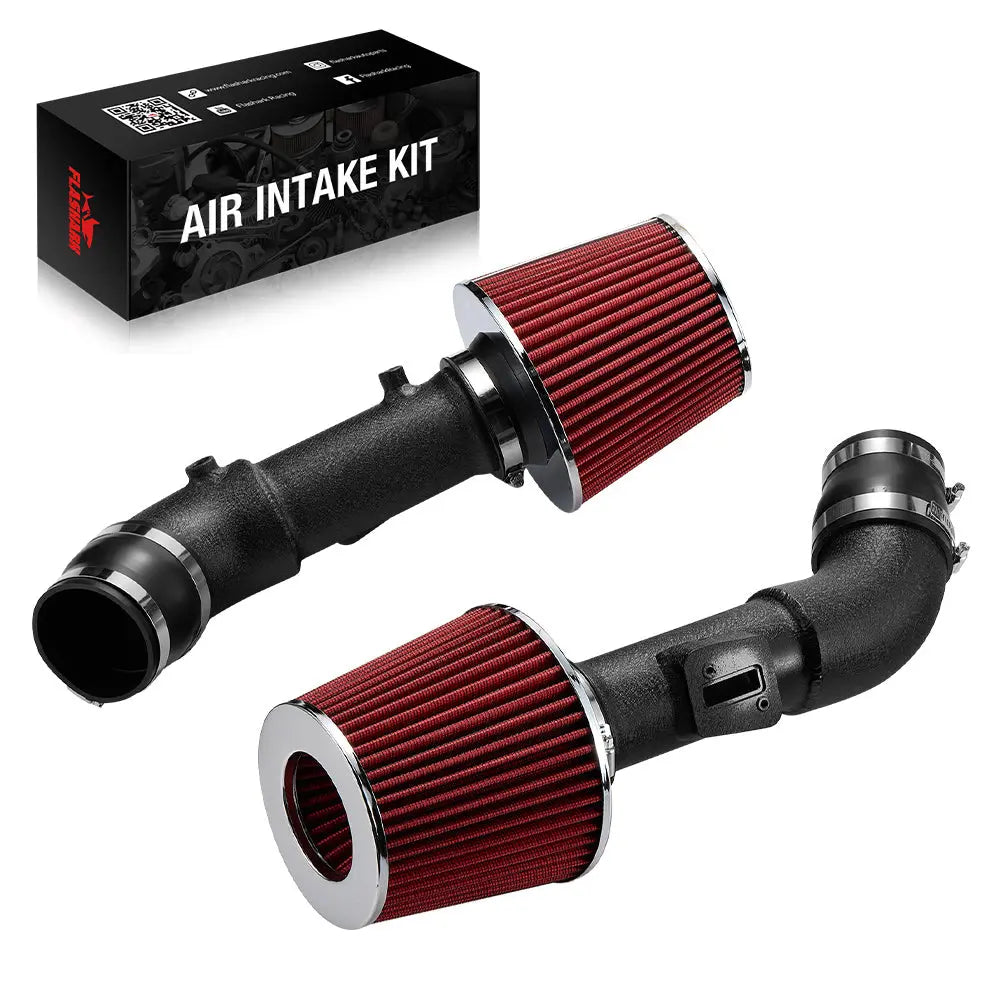
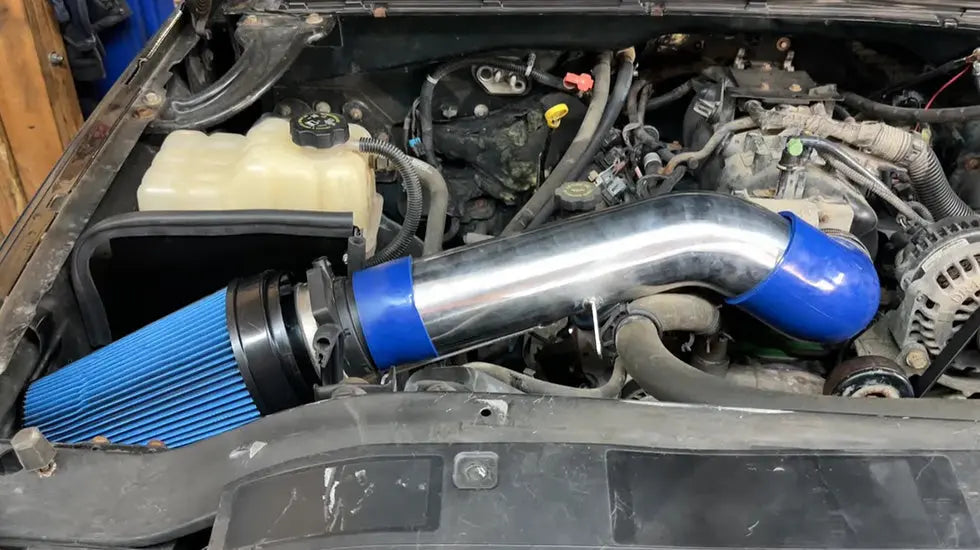
An aftermarket intake changes part of the airflow path feeding the engine. Depending on the vehicle, that path can include the filter, airbox, ducting, airflow sensor, temperature sensor, breather connections, resonators, clamps, and throttle-body connection. A change in one area can influence how the complete system operates.
The Part Does Not Automatically Cancel Coverage
The simple presence of a cold air intake is not the same as proof that it caused a failed alternator, suspension component, window motor, or another unrelated problem. A warranty claim should be evaluated against the failed component and the actual cause of failure.
Coverage can become more complicated when the complaint involves the intake tract, airflow measurement, fuel control, emissions operation, turbocharger inlet on a turbocharged application, or internal engine damage. Those systems may have a closer functional relationship to the modification.
The Cause of the Failure Matters
Consider an engine that develops a drivability problem after an intake installation. The intake’s presence alone does not identify the cause. Diagnosis may need to check:
- Whether every coupler and clamp is seated and sealed;
- Whether the airflow or temperature sensor is installed in the correct orientation;
- Whether a sensor connector, breather hose, or vacuum connection was left loose;
- Whether the filter is correctly fitted and maintained;
- Whether the intake tube contacts wiring, hoses, bodywork, or moving components;
- Whether the inlet location increases exposure to water or debris;
- Whether the intake geometry changes airflow measurement outside the calibration’s expected range;
- Whether another pre-existing mechanical or electrical problem is responsible.
A scan tool can identify stored diagnostic information, but a code is a starting point rather than proof that the intake caused the failure. Visual inspection, leak testing, sensor data, service history, and the installation instructions may all be relevant.
Why Installation Quality Matters
Honestly, this is where many installs go wrong. A clamp can feel tight while the coupler underneath is folded or only partly engaged. A sensor can plug in correctly but sit in the wrong airflow orientation. A breather connection can look attached while leaking around the fitting.
Take a minute before tightening every clamp. Align the complete intake path first, confirm that it does not pull against the throttle body or sensor housing, and then tighten the connections in the sequence specified by the intake manufacturer. Recheck the system after the first heat cycle and after normal driving vibration has had a chance to settle the assembly.
A professional installation receipt can help document the work, but it does not guarantee that every future claim will be covered. Correct fitment, correct installation, maintenance, calibration compatibility, and the cause of the claimed failure remain important.
Does Installing a Cold Air Intake Void a Car Warranty?
In the United States, installing a cold air intake does not automatically void the entire manufacturer warranty. A related claim can still be denied if the intake, its installation, poor maintenance, or an associated calibration change caused or contributed to the failure.

Legal Protection for U.S. Vehicle Owners
Federal warranty principles generally prevent a warrantor from cancelling coverage merely because an owner used a third-party part or independent repair facility. They do not require the vehicle manufacturer to pay for damage caused by a defective aftermarket part or improper installation.
That distinction is why phrases such as “this modification voids your warranty” can be misleading. The more useful question is: Which repair is being claimed, what failed, and what evidence connects that failure to the intake?
Manufacturer and Dealer Policies
Automakers, vehicle service contracts, and aftermarket-part manufacturers may use different language and claim procedures. Some manufacturers also sell their own performance parts, but coverage for those parts may depend on the exact part number, installation method, vehicle application, and program terms.
Ask specific questions instead of requesting a broad verbal promise:
- Does the written warranty contain a modification exclusion?
- Would that exclusion apply to the intake itself, a related damaged component, or the complete vehicle?
- Does the answer change if the intake requires calibration?
- Are there separate terms for an emissions warranty or service contract?
- Can the response be provided in writing with a reference to the applicable policy?
A dealer’s opinion can be useful, but the written warranty and the claim administrator’s determination usually carry more weight than a casual conversation at the service counter.
Intake-Related Failure Risks
A well-matched intake can change restriction, inlet location, induction sound, and the temperature of the air reaching the inlet under some operating conditions. The actual result depends on vehicle speed, engine-bay heat, duct sealing, filter location, sensor design, calibration, and the rest of the intake path.
Those same variables create possible failure paths:
- Unmetered air: A leak downstream of an airflow sensor can disturb calculated fueling.
- Sensor disturbance: Incorrect orientation, contamination, wiring strain, or unsuitable housing geometry can affect readings.
- Filtration problems: A poorly fitted, damaged, or incorrectly maintained filter can reduce protection from debris.
- Water exposure: A low-mounted inlet may face greater water-ingestion risk in deep standing water or severe weather.
- Mechanical contact: Tubing can rub wiring, hoses, bodywork, or other components if clearance is insufficient.
- Calibration mismatch: Some configurations may operate within factory calibration limits, while others may require vehicle-specific calibration work.
An intake does not guarantee a warning light, and it does not guarantee freedom from one. Warning-light behavior depends on the vehicle, sensor arrangement, hardware dimensions, sealing, wiring condition, emissions equipment, and calibration.
When an Intake Can Affect a Warranty Claim
| Situation | Possible claim concern | Useful checks and records |
|---|---|---|
| Loose coupler, clamp, breather hose, or vacuum connection | Air leak, unstable running, or related engine-control complaint | Installation instructions, photographs, leak-test results, and sensor data |
| Incorrect sensor position or unsuitable sensor housing geometry | Airflow measurement or fuel-control complaint | Exact part application, sensor orientation, wiring inspection, and diagnostic data |
| Filter missing, damaged, poorly sealed, or incorrectly maintained | Contamination or debris-related damage | Filter condition, maintenance history, installation photographs, and intake inspection |
| Low inlet exposed to substantial water | Water ingestion and possible engine damage | Inlet location, weather and road conditions, airbox condition, and diagnostic findings |
| Calibration changed with the intake | Fueling, load calculation, emissions, or related engine complaint | Calibration file, installer information, hardware list, scan data, and written warranty terms |
| Unrelated vehicle failure | Attempt to connect an unrelated repair to the intake | Diagnosis of the failed component and a written explanation of any claimed causal connection |
How to Reduce Warranty Risk
No checklist can guarantee claim approval, but careful selection, installation, maintenance, and recordkeeping can reduce avoidable disputes.

Choose the Correct Intake
Start with fitment, not the marketing description. Match the intake to the vehicle year, model, engine, sensor configuration, emissions application, and any hardware or calibration requirements. Two similar-looking intakes are not automatically interchangeable.
When comparing a factory airbox, short-ram intake, sealed aftermarket airbox, or cold air intake, check where the filter sits, how the duct is sealed from engine-bay heat, where the sensors mount, and how the system connects to factory hoses. The shopping terms overlap, but the installation path and operating conditions can differ.
Owners comparing options can browse the Flashark cold air intake collection. Confirm the selected vehicle application and configuration before ordering; a collection listing is not a universal fitment statement.
For California applications, check whether the exact part and vehicle combination has a valid California Air Resources Board Executive Order. CARB explains that exempted add-on parts receive an EO after an engineering evaluation shows that the modification does not increase emissions on the specified applications. An EO is not a performance guarantee or a blanket warranty guarantee. See the CARB aftermarket-parts program for details.
Keep Installation and Maintenance Records
Save documents that identify both the vehicle and the installed configuration:
- Purchase receipt and exact part number;
- Product application or fitment information;
- Installation instructions;
- Photographs showing sensor orientation, hose routing, filter position, and completed installation;
- Professional installation invoice, if applicable;
- Filter inspection and maintenance records;
- Calibration documentation, if software was changed;
- Written communication from the manufacturer, dealer, installer, or contract administrator.
Records do not decide a claim by themselves, but they make it easier to establish which parts were installed, how the work was completed, and whether required maintenance was performed.
Follow Installation Best Practices
- Allow the engine to cool and follow the safety instructions for the vehicle and intake.
- Compare the replacement system with the factory intake before removing parts.
- Confirm sensor locations, hose connections, mounting points, and clearances.
- Protect exposed intake openings from dropped hardware or debris.
- Install every seal, coupler, clamp, breather fitting, and sensor as directed.
- Align the complete assembly before final tightening.
- Check for contact with wiring, hoses, bodywork, fans, belts, and hot components.
- Reconnect all sensors and hoses before starting the engine.
- Inspect for leaks, unusual noises, unstable idle, warning lights, or abnormal sensor data.
- Recheck clamps and mounting points after the first heat cycle.
Do not continue driving a vehicle that develops severe misfiring, abnormal mechanical noise, loss of power, smoke, or signs of water ingestion after an intake installation. Shut the engine down when safe and diagnose the problem before further operation.
Ask Specific Questions About Coverage
Contacting the dealer or manufacturer can be useful, but ask for a written response tied to the exact vehicle and part. Avoid relying on a broad statement such as “modifications are fine” or “all modifications void coverage.” Neither statement addresses a specific failed component or policy clause.
If a claim is denied, request the reason in writing. Ask which warranty provision applies, which component failed, and how the intake allegedly caused or contributed to the failure. Keep the removed parts and diagnostic information when practical.
Common Cold Air Intake Warranty Myths
Myth: Every Aftermarket Part Voids the Warranty
An aftermarket part does not automatically cancel every part of a U.S. manufacturer warranty. Coverage can still be denied for damage caused by a defective part or improper installation, and a separate service contract may use different exclusions.
Myth: A Properly Installed Intake Can Never Cause a Problem
Good installation reduces avoidable risk, but it cannot compensate for incorrect fitment, unsuitable sensor geometry, poor filtration, water exposure, a defective component, or a calibration mismatch. The intake must suit the complete vehicle configuration.
Myth: Professional Installation Guarantees Coverage
A qualified installer can reduce installation errors and provide useful documentation. Professional installation does not automatically guarantee claim approval, legal compliance, emissions acceptance, or compatibility with every vehicle calibration.
Frequently Asked Questions
Q1: Does a Cold Air Intake Void My Warranty?
A1: In the United States, installing a cold air intake does not automatically void the entire manufacturer warranty. Coverage for a related repair may be denied if the intake, its installation, maintenance, or an associated calibration change caused or contributed to the failure. Other countries and separate service contracts may apply different rules.
Q2: Can Installing a Cold Air Intake Affect My Engine?
A2: It can if the system is incorrectly matched, installed, sealed, maintained, or calibrated. Possible concerns include unmetered air, inaccurate sensor readings, inadequate filtration, mechanical contact, and water ingestion. A correctly fitted system still needs regular inspection and filter maintenance.
Q3: What Parts of My Warranty Could Be Affected by a Cold Air Intake?
A3: The answer depends on the failed component and the cause of the failure. Claims involving the intake tract, airflow sensors, fuel control, emissions operation, turbocharger inlet, or engine may receive closer scrutiny than an unrelated body, suspension, or electrical claim. Coverage must be evaluated under the applicable written terms.
Q4: Can I Install a Cold Air Intake Without Voiding My Warranty?
A4: The installation itself does not automatically cancel a U.S. manufacturer warranty. Match the intake to the exact vehicle configuration, follow the instructions, keep records, maintain the filter, and review the manufacturer warranty and any separate service contract. None of these steps guarantees approval of every future claim.
Q5: How Can I Protect My Warranty When Installing a Cold Air Intake?
A5: Save the receipt, part number, fitment information, instructions, installation photographs, maintenance records, and any calibration documentation. Inspect all clamps, hoses, sensors, wiring, and clearances. If a problem appears, diagnose it promptly and request written reasons for any denied claim.
Q6: Does a Cold Air Intake Require a Tune?
A6: Tune requirements vary by vehicle and intake design. Systems that retain the expected sensor housing geometry and airflow range may operate differently from systems that substantially change the sensor housing, inlet diameter, or complete airflow path. Follow the vehicle-specific product instructions and do not assume that every intake either requires or avoids calibration.
Q7: Can a Cold Air Intake Cause a Check Engine Light?
A7: A warning light is possible but not inevitable. Air leaks, sensor orientation, contamination, wiring problems, unsuitable housing geometry, disconnected hoses, and calibration differences can affect warning-light behavior. Read the diagnostic information and inspect the installation before replacing parts.
Q8: Does a CARB Executive Order Protect My Vehicle Warranty?
A8: A CARB Executive Order addresses emissions-related exemption for the listed part and vehicle applications. It is not a blanket vehicle-warranty guarantee and does not establish a fixed performance result. Match the EO number to the exact part and vehicle application.
Q9: Must a Dealer Install the Intake to Keep My Warranty?
A9: U.S. warranty coverage cannot generally be denied merely because routine work or repairs were performed outside the dealership. Damage caused by a defective part or incorrect installation may still be excluded. A separate service contract can impose different repair-facility or authorization requirements, so read its terms.
Q10: Should I Reinstall the Factory Intake Before a Warranty Visit?
A10: Reinstalling the factory intake does not erase damage or diagnostic information, and it should not be used to conceal a modification. Keep the original parts because they may help with diagnosis or future configuration changes. Describe the vehicle accurately and preserve records showing when each configuration was installed.
Final Takeaway
A cold air intake does not automatically void an entire U.S. vehicle warranty. What matters is the written coverage, the component being claimed, and whether the intake or related work caused the failure.
Choose a vehicle-specific system, install it carefully, keep records, maintain the filter, and pay attention to changes in drivability or diagnostic information. Those steps cannot guarantee a claim outcome, but they give the intake and the rest of the vehicle the best chance to operate as intended while reducing avoidable warranty disputes.
If you are also considering exhaust modifications, review how similar warranty principles apply in the guide to whether a cat-back exhaust affects vehicle warranty coverage.

Steven Chen
Automotive Performance Specialist | Engine & Exhaust Systems
Steven focuses on practical engine performance, exhaust fitment, and real-world upgrade paths for classic and modern enthusiast vehicles. He reviews small-block Ford, LS, truck, and street/strip applications with one goal in mind: helping builders choose parts that actually work together. His philosophy: "Good power starts with the right combination, not the biggest part."