


 Need car parts? Shop by vehicle
(Select the exact fit for your vehicle)
Need car parts? Shop by vehicle
(Select the exact fit for your vehicle)
Chevrolet Exhaust Header


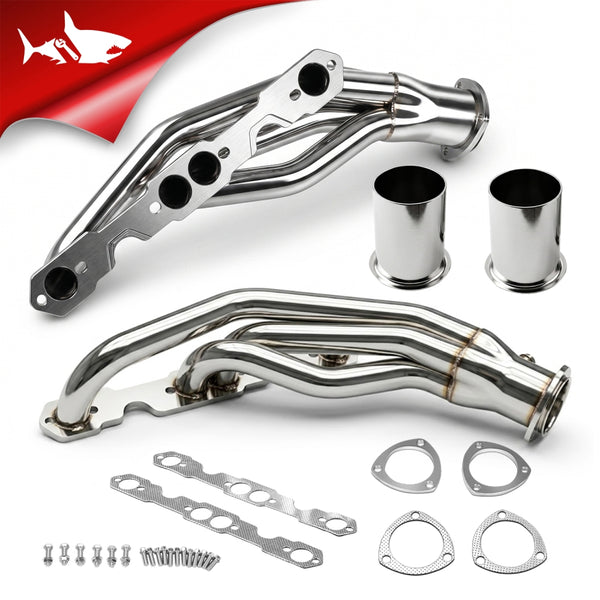

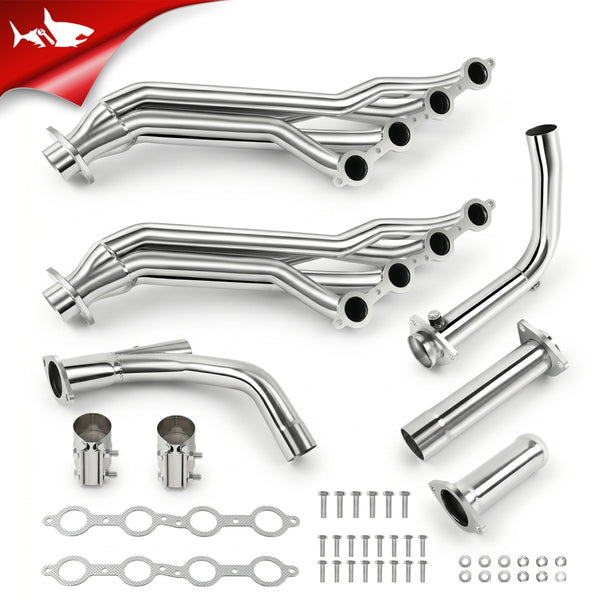

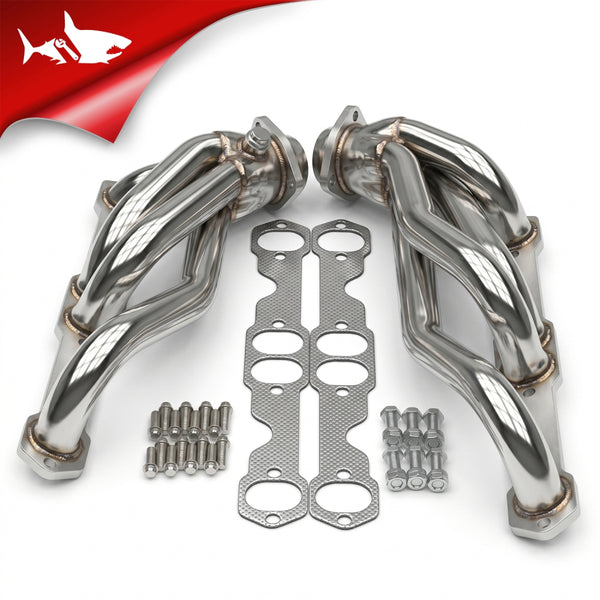
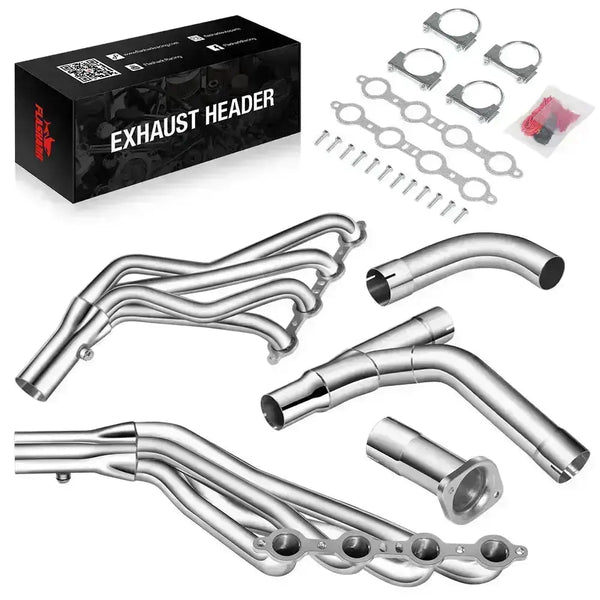

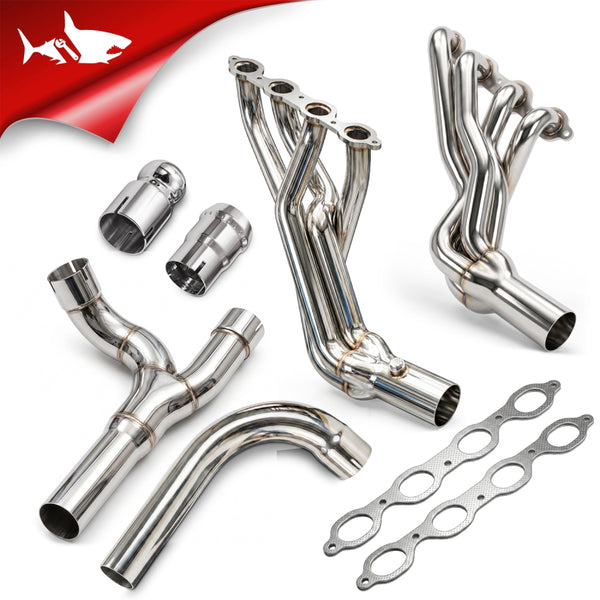

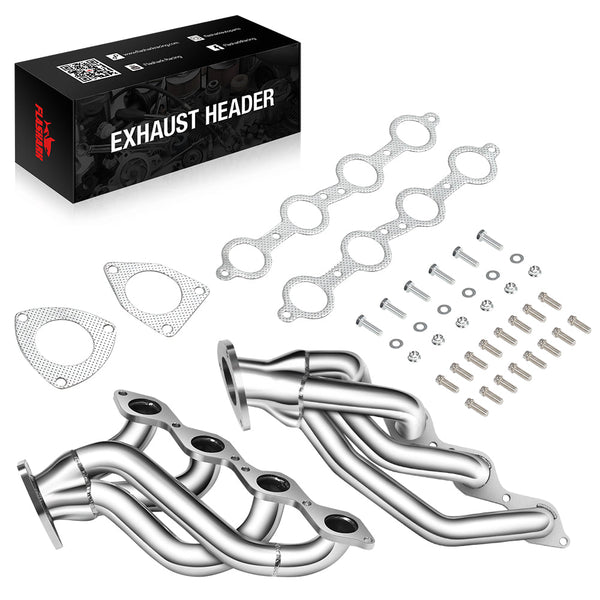
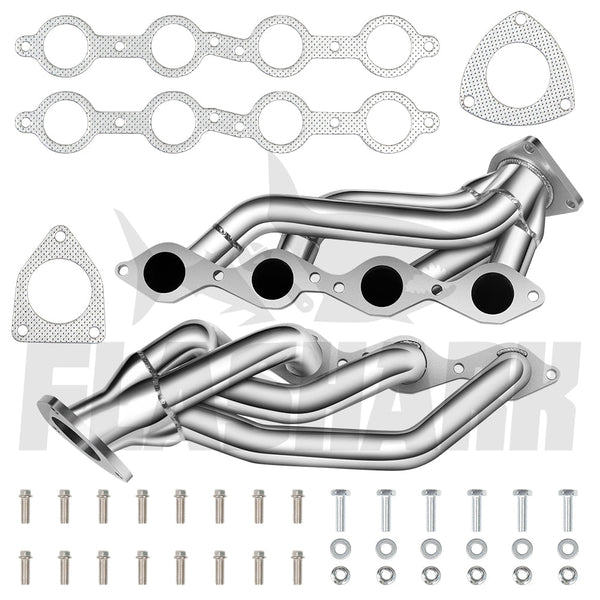
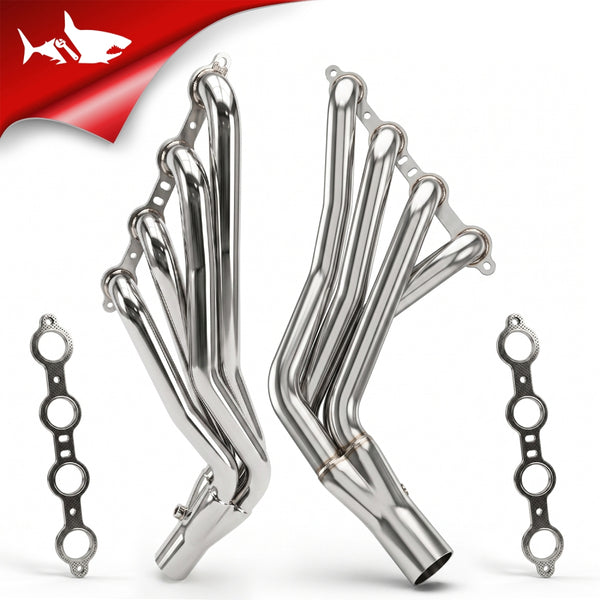
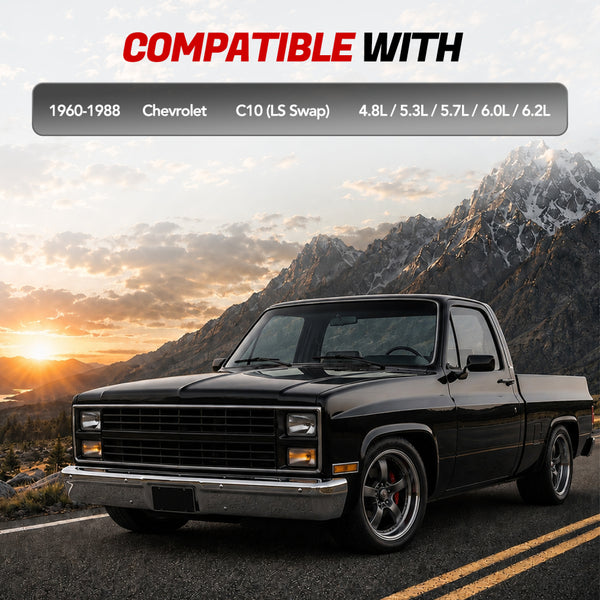
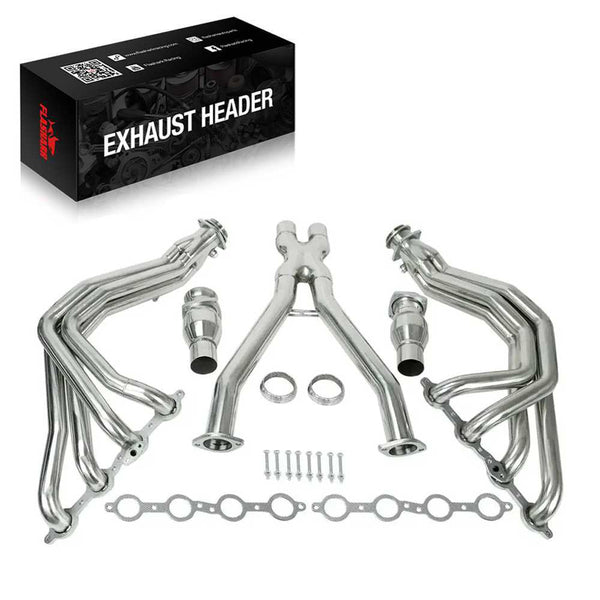
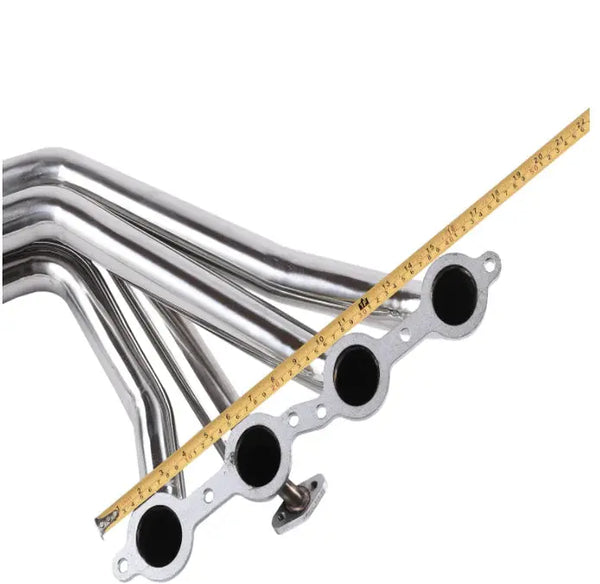
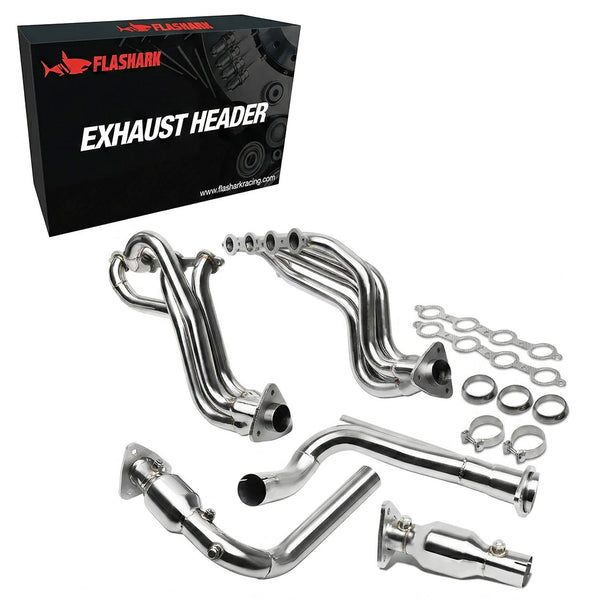
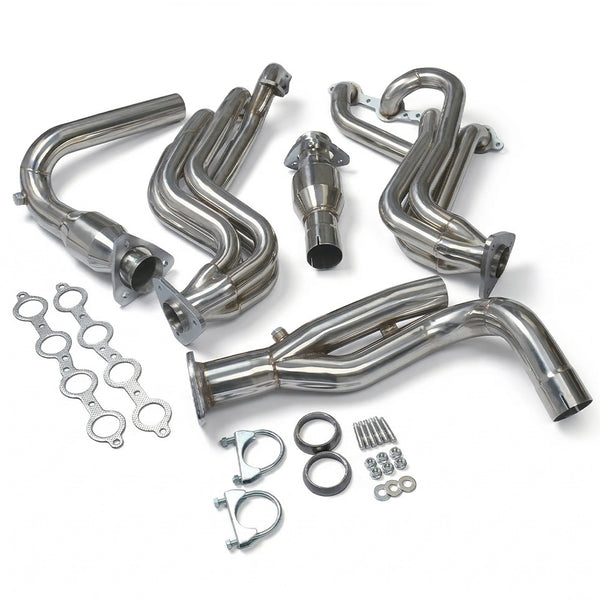
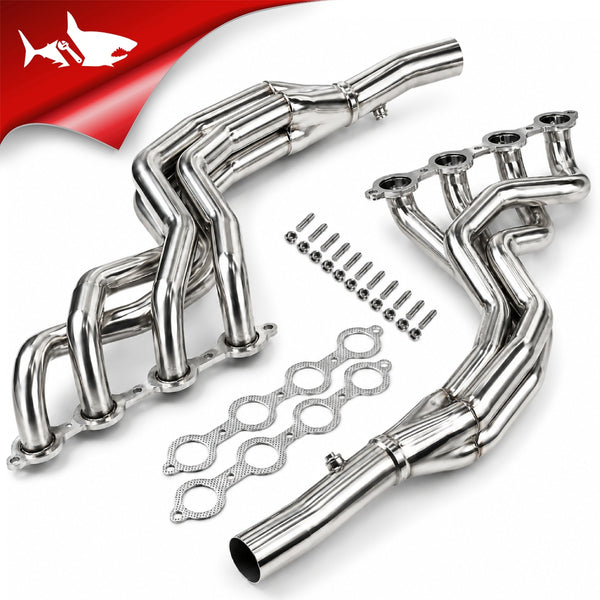

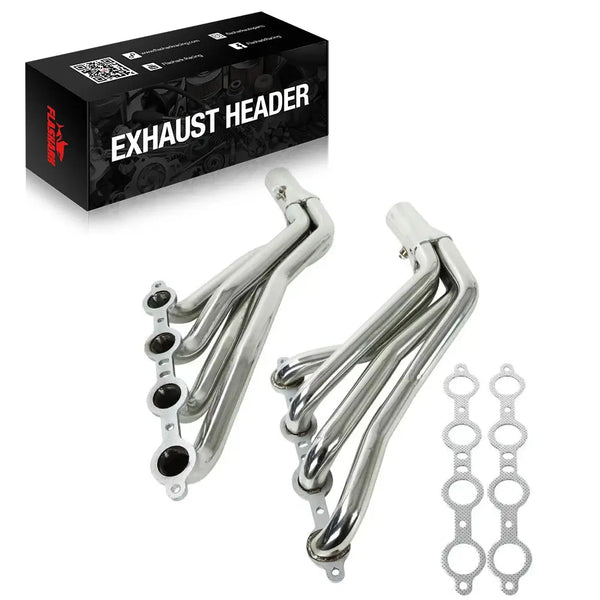
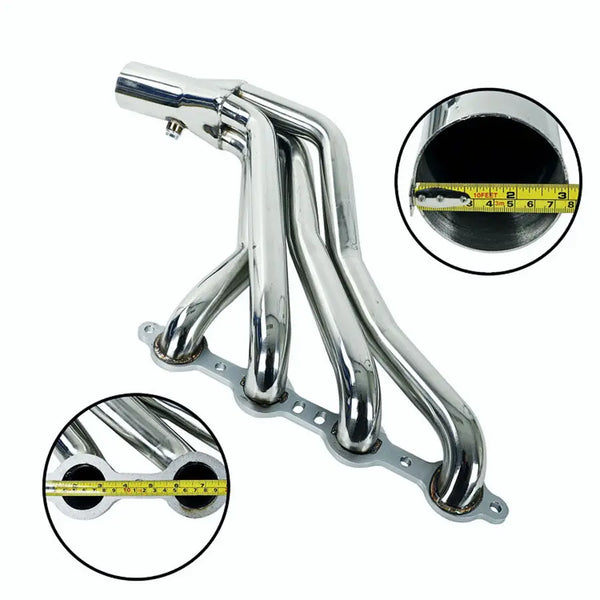
Deep Tech Guide: Unlocking the Exhaust Potential of Your Chevy V8
Whether you are restoring a classic C10 with a traditional Small Block, pushing a cammed 5.3 Vortec in your daily Silverado, or executing a high-horsepower LS swap, the foundation of V8 performance is airflow. You can throw all the aggressive cams and cold air intakes at your engine you want, but if it cannot exhale efficiently, you are leaving serious horsepower on the table. This deep-dive technical guide cuts through the noise to show you exactly how upgrading your headers will transform your Chevy's performance, thermal efficiency, and sound.
Why Trash Your Factory Cast Iron Manifolds?
Let's cut the marketing fluff. The factory cast iron manifolds on your Chevy V8 were designed for two things: cheap mass production and easy assembly line installation. Their rough internal casting and restricted ports cause severe exhaust interference and massive backpressure. Upgrading to tubular headers fundamentally transforms your engine's breathing capabilities.
🔥 Core Performance & Reliability Gains:
- ✅ Drastic Heat Management (Thermal Reduction): Cast iron acts like a brick in an oven, absorbing and radiating extreme "heat soak" directly into your engine bay. Stainless steel tubular headers evacuate scorching exhaust gases out of the engine compartment exponentially faster. This significantly lowers under-hood temperatures, protecting sensitive wiring, spark plug boots, and your starter motor from premature failure.
- ✅ Maximized Volumetric Efficiency (VE): By replacing restrictive pinch-points with smooth mandrel bends, you allow the cylinders to fully exhale before the next intake stroke, easily unlocking a bolt-on 15-25 horsepower gain.
- ✅ The Scavenging Effect: Extended primary tubes isolate exhaust pulses. As one high-velocity pulse rushes past the collector, it creates a vacuum that physically pulls the next exhaust pulse out of the adjacent cylinder, vastly sharpening your low-end throttle response.
- ✅ The True V8 Rumble: Thick cast iron muffles exhaust frequencies. Thin-wall stainless headers amplify the mechanical tone and unleash that raw, aggressive Chevy V8 growl that enthusiasts demand.
Engine Codes & Detailed Fitment Guide (LS, Vortec, SBC, BBC)
Clearances in the engine bay vary wildly depending on the chassis. Buying "Chevy headers" and hoping they fit is a rookie mistake. You need to match the flange, primary routing, and collector angle to your specific engine family, displacement, and chassis platform.
1. The LS-Based Truck Engines (Vortec)
This is the bread and butter of the modern truck world. GM's truck engines are legendary for their durability, but the factory cast manifolds severely limit their towing torque and top-end passing power.
- Key Displacements: 4.8 Vortec (LR4/L20), 5.3 chevy engine (LM7/L59/LMG), 6.0 Vortec engine (LQ4/LQ9), and the 6.2L (L92/L9H).
- Popular Chassis: 1999-2006 (NBS) Silverado/Sierra 1500 & 2500, 2007-2013 (NNBS) trucks, Tahoes, and Suburbans.
- Mechanic's Take: If you are lifting your truck or adding bigger tires, your low-end torque will suffer. A set of long tube headers for Vortec engine is the single most effective bolt-on to recover that lost grunt.
2. The LS Car & Swap Platforms (Gen III / Gen IV)
The undisputed kings of street performance and engine swaps.
- Key Displacements: 5.7L (LS1/LS6), 6.0 ls engine (LS2), 6.2L (LS3/L99), 7.0L (LS7).
- Popular Chassis: 5th and 6th Gen Camaro SS, C5 Corvette, C6 Corvette, Pontiac GTO, and Cadillac CTS-V.
- Mechanic's Take: Clearance is everything here. Whether you need LS long tube headers to safely clear the factory batwing oil pan, or tight-tuck swap headers to squeeze an LS3 into a classic C10 pickup steering shaft, chassis-specific routing is mandatory.
3. Small Block Chevy (SBC - Gen I & II)
Built for the purists. The classic cast-iron architecture that started it all.
- Key Displacements: 283, 305, 327, 350 (5.7L), and 400 cubic inches.
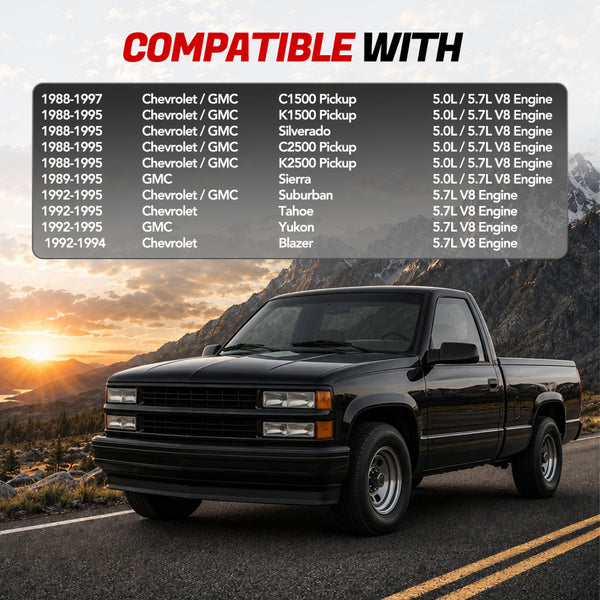
- Popular Chassis: OBS trucks like the 1998 Chevy Silverado (GMT400), First and Second-gen Camaros, classic Chevelles, and early C3 Corvettes.
- Mechanic's Take: Factory "ram's horn" or log manifolds absolutely choke these engines out. Finding the right headers for 350 small block is practically step one for any carburetor-era restoration or classic truck build to wake up the throttle response.
4. Big Block Chevy (BBC)
The massive torque monsters.
- Key Displacements: 396, 427, 454, and 502 cubic inches.
- Popular Chassis: C20/C30 heavy-duty classic trucks, Chevelle SS, and dedicated drag cars.
- Mechanic's Take: A massive 454 needs huge primary tubes simply to evacuate the sheer volume of exhaust gases. Anything less than a properly sized long tube header will cause severe high-RPM choking and dangerous exhaust temperature buildup.
Tube Sizing: Primary Tubes and Collector Sizing Explained
A common beginner mistake is assuming "bigger is always better." Bolting massive 2-inch primaries onto a stock 4.8 Vortec or mild chevy 5.3 engine will destroy your exhaust gas velocity, completely killing your low-end torque.
| Primary Tube Size | Best Application | Expected Result |
|---|---|---|
| 1-5/8" | Stock to mild bolt-ons, daily street driving. | Retains excellent exhaust velocity for maximum low-end torque. |
| 1-3/4" to 1-7/8" | Cammed 6.0 ls engine or heavily modified 5.3L. | The "sweet spot." Great mid-range pull and high RPM breathing. |
| 2" and larger | Supercharged, turbocharged, or pure track racing. | Sacrifices low-end torque for maximum peak horsepower. |
Don't forget the Collector Size: The collector is where all the primary tubes merge. If you are running a standard 2.5-inch cat-back exhaust, a 2.5-inch collector is ideal for maintaining velocity. If you are building a high-horsepower setup and stepping up to a true dual 3-inch straight pipe exhaust or oversized mid-pipe, you must select headers with a 3-inch collector to avoid creating a new bottleneck.
Long Tube Headers vs. Shorty Headers: The Ultimate Showdown
This is the most heavily debated topic in the Chevy community.
Shorty Headers are your street-friendly replacements. They offer a painless, direct bolt-on installation. They retain your factory mid-pipe and catalytic converters, giving you a noticeable bump in throttle response and a deeper tone without major modifications.
Long Tube Headers are built for raw power. By isolating the exhaust pulses in extended primary tubes, they maximize the scavenging effect. However, they usually require cutting your factory exhaust and fabricating a custom mid-pipe or installing a matching Y-pipe.
A customer installed a set of long tube headers 5.3 on his Silverado. By pairing them with a catless Y-pipe and a high-flow cat back exhaust, plus an ECU tune, the truck picked up 28 wheel horsepower and entirely eliminated the sluggish factory mid-range dip.
Emissions Compliance: Street Legal or Track Only?
You need to know your local laws before turning a wrench.
Shorty headers often retain the factory catalytic converter locations, making them easier to pass emissions, and some hold CARB EO exemptions. Conversely, long tube headers almost always relocate or eliminate the catalytic converters. Going catless means these are strictly for "Off-Road or Track Use Only" and are not legal in emissions-controlled states like California.
Material & Welding: T304 Stainless, TIG Welding, and Mandrel Bends
Don't waste money on cheap, crush-bent mild steel headers that will rust out in a single winter. Flashark racing headers are engineered using premium T304 stainless steel, offering superior thermal stability and corrosion resistance compared to basic 409 stainless or aluminized steel.
More importantly, we utilize CNC Mandrel-bending to ensure the inner diameter of the tube remains perfectly consistent through every curve, preventing turbulence. To hold it all together, precision TIG welding is used at the joints and the extra-thick flanges. These overlapping "dime-stack" TIG welds are not just for aesthetics; they provide immense structural strength to prevent the flanges from cracking and leaking under extreme exhaust temperatures.
Hardcore Tuning FAQ (Tech Tips & Troubleshooting)
Q1: Do I need a tune after installing long tube headers on my 5.3 Vortec?
A1: Absolutely. Long tube headers drastically alter the air/fuel ratio by moving significantly more air. Without a proper ECU tune, your engine will run lean, trigger a Check Engine Light (CEL), and you will leave at least 15 horsepower on the table.
Q2: Will these headers fit my classic 1998 chevy silverado?
A2: It depends on your generation. If your 1998 is an OBS (Old Body Style) with a traditional SBC 350 (5.7L), you need SBC-specific headers. If it's a newer body style (NBS) with an LS-based engine, you need LS-platform headers.
Q3: What is the difference between a downpipe and headers?
A3: A downpipe exhaust is primarily used on turbocharged engines (connecting the turbo to the exhaust system). Headers are used on naturally aspirated engines (like your Chevy V8) and bolt directly to the cylinder heads to replace the exhaust manifolds.
Q4: How do headers affect fuel economy?
A4: When paired with a proper tune, headers increase engine efficiency, which can actually slightly improve highway MPG. However, most drivers experience lower fuel economy simply because they are stepping on the gas pedal more to hear the exhaust tone.
Q5: Do I need to wrap my Flashark headers with heat tape?
A5: It is optional but highly recommended for tight engine bays. Using exhaust wrap significantly reduces under-hood temperatures, protecting your starter motor, wiring harnesses, and spark plug boots from melting.
Q6: Should I use anti-seize on my header bolts during installation?
A6: Yes! This is a crucial mechanic's tip. Applying a small amount of copper high-temperature anti-seize to the threads of your header bolts prevents galling in the aluminum cylinder heads, saving you from broken bolts if you ever need to remove them.
Q7: Do I need O2 sensor extensions for long tubes?
A7: In almost all cases, yes. Long tube headers push the oxygen sensor bung much further downstream under the chassis, requiring extension harnesses to plug the sensors back into the factory wiring loom.
Q8: Will installing these headers cause an exhaust leak?
A8: Not if installed correctly with our thick flanges. However, you MUST retorque the header bolts after your first 50-100 miles of driving (after a few heat cycles) to ensure the gaskets remain properly sealed.
Q9: Do I need spark plug wire heat boots?
A9: Yes. Tubular headers emit more radiant heat close to the cylinder head than cast iron manifolds. Installing fiberglass or ceramic spark plug wire boots is a cheap insurance policy against engine misfires caused by burnt wires.
Q10: Can I install these in my driveway, or do I need a shop lift?
A10: Shorty headers can often be done on jack stands. Long tube headers usually require unbolting the motor mounts and lifting the engine slightly to slide the massive tubes in from underneath. A hydraulic lift saves hours of frustration.
Q11: Do headers make the vehicle significantly louder?
A11: Absolutely. The walls of stainless steel headers are thinner than cast iron, so you will hear more valvetrain noise (the classic "header tick"). Furthermore, they dramatically increase the overall exhaust volume and introduce an aggressive rasp under wide-open throttle.


