


 Need car parts? Shop by vehicle
(Select the exact fit for your vehicle)
Need car parts? Shop by vehicle
(Select the exact fit for your vehicle)
Chevrolet Camaro Exhaust Header



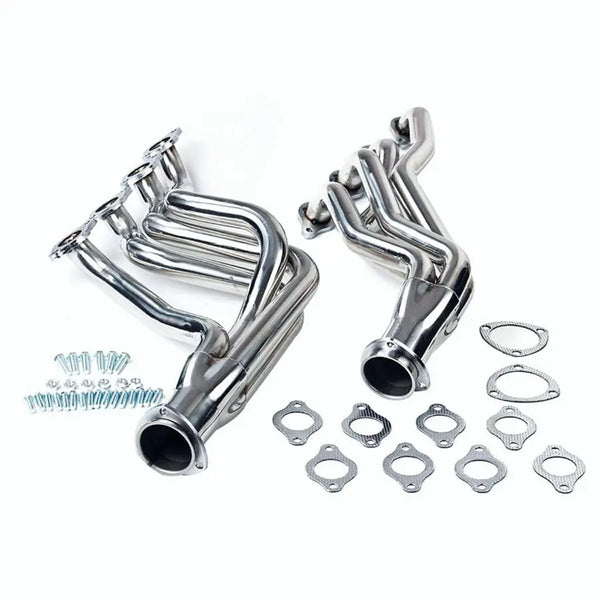


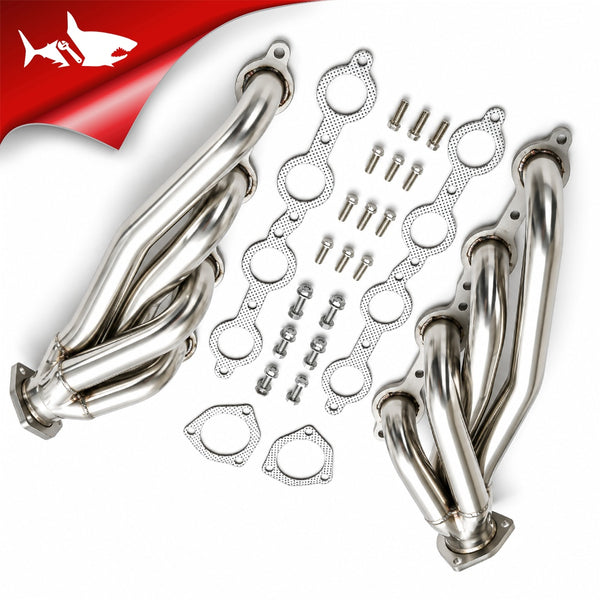
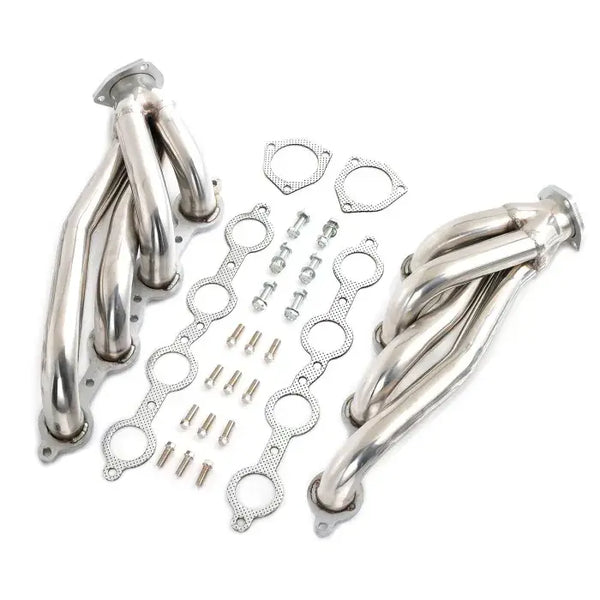
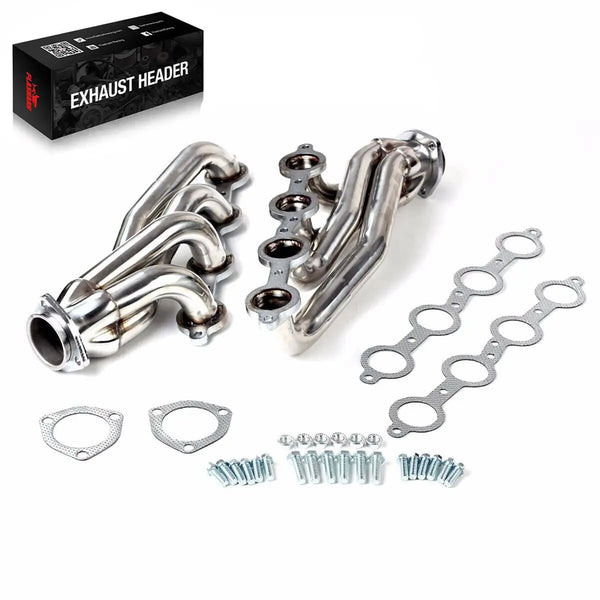




Shop Exhaust Headers by Brand: Chevrolet Exhaust Header
Shop by Model: Chevrolet Avalanche 1500 Headers | Chevrolet Silverado 1500 Headers | Chevrolet Suburban 1500 Headers | Chevy C1500 Headers
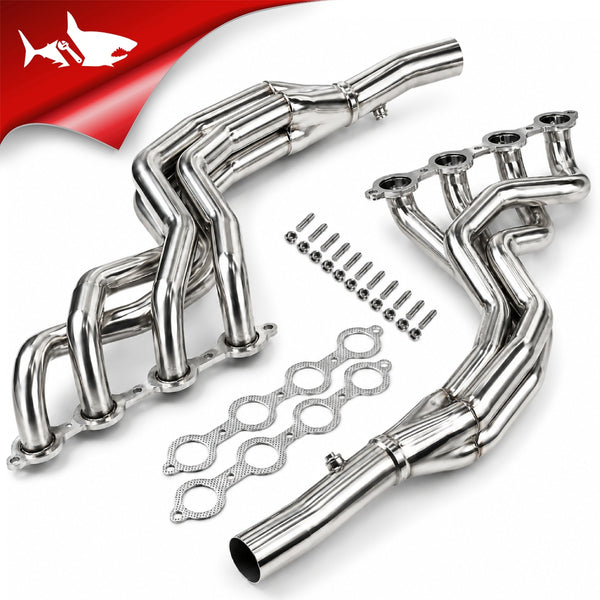
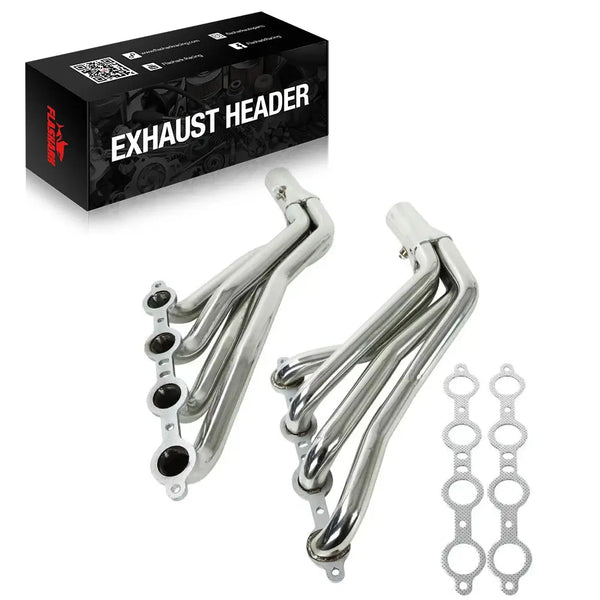
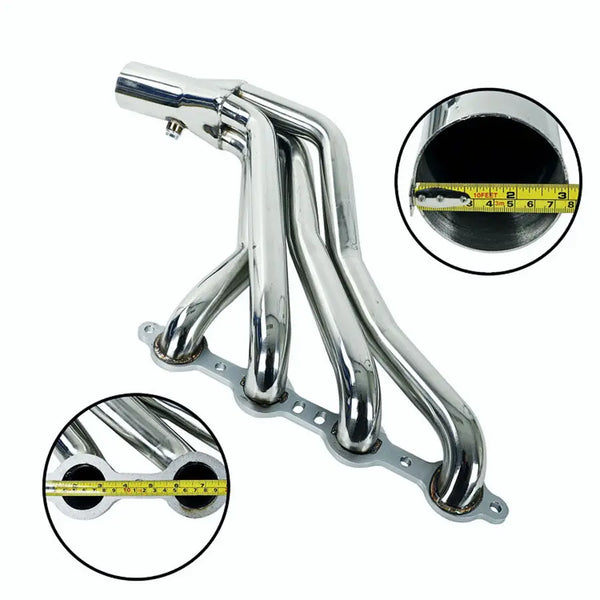
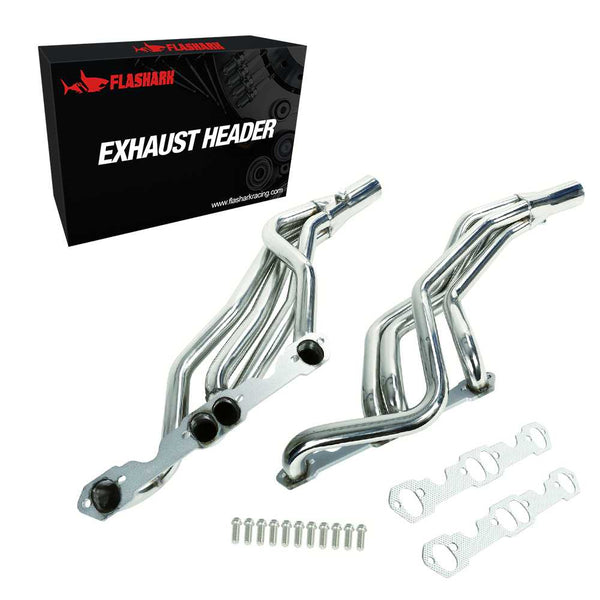
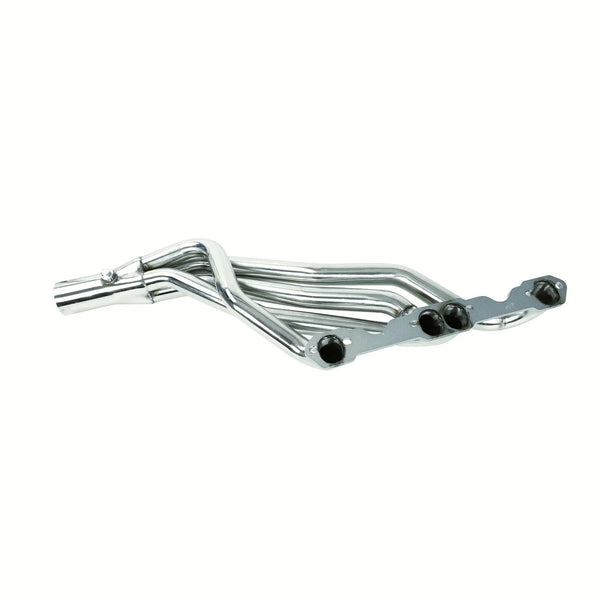
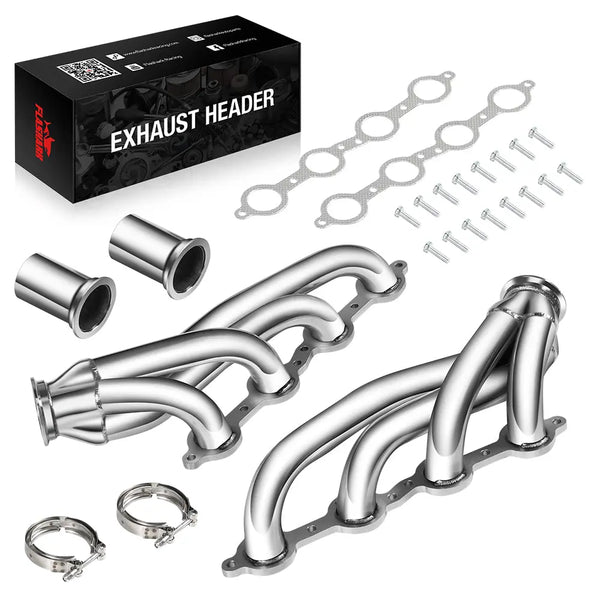
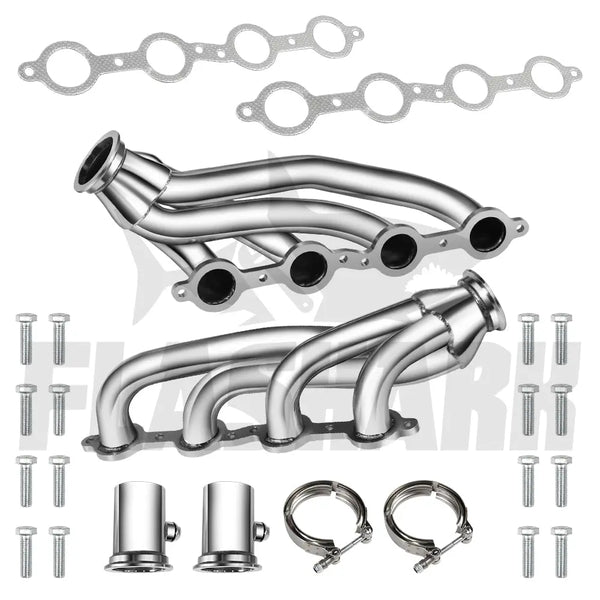
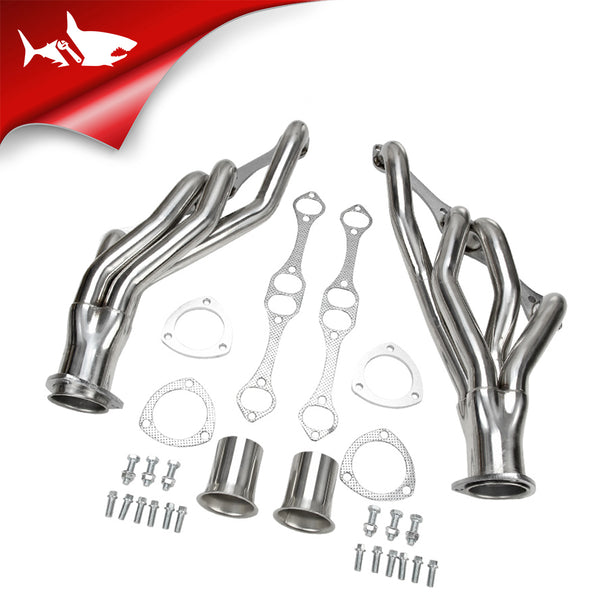
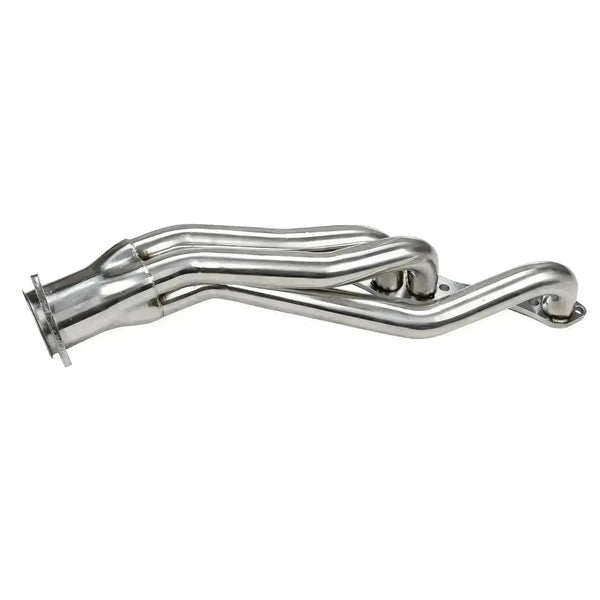
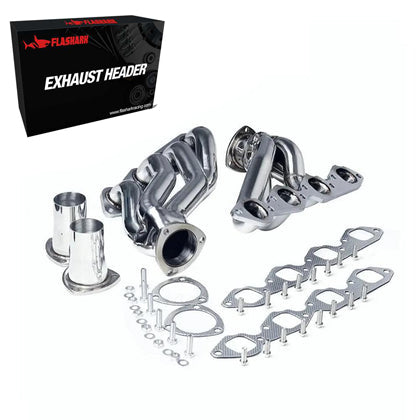
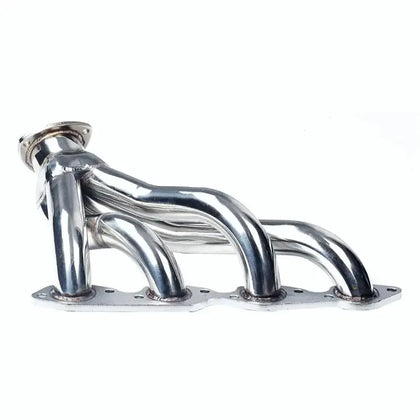
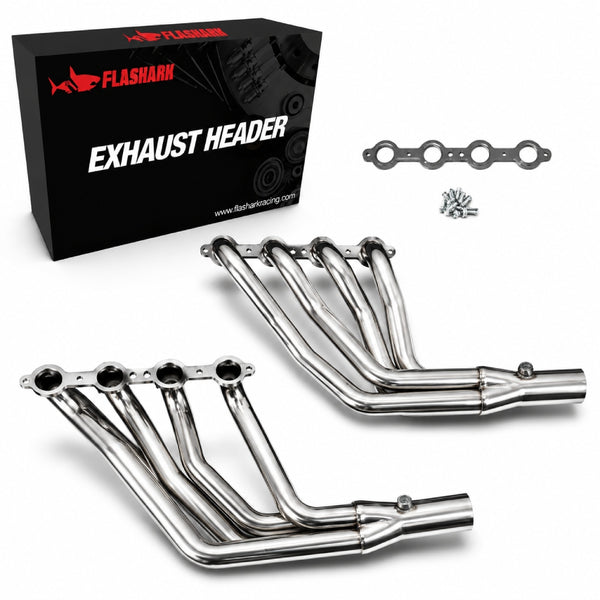
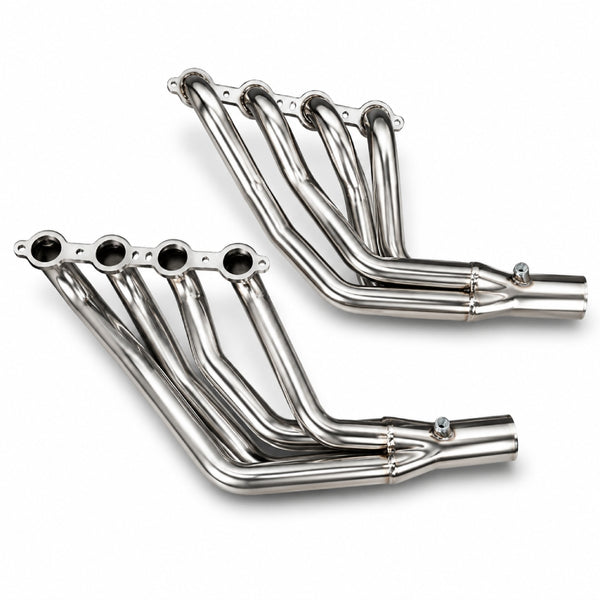
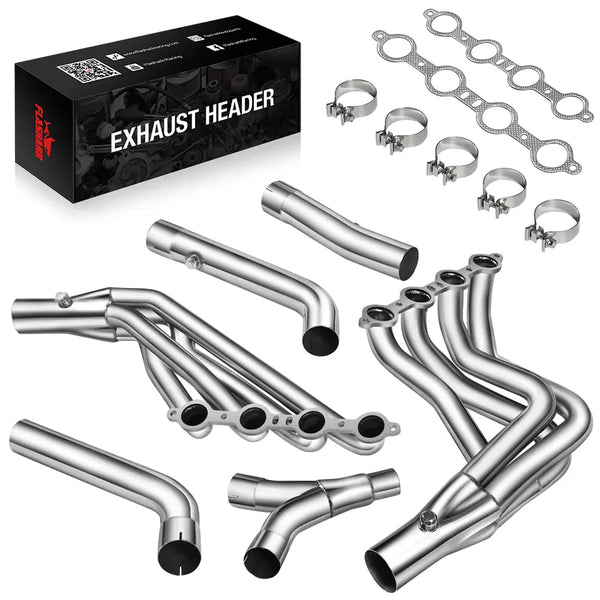
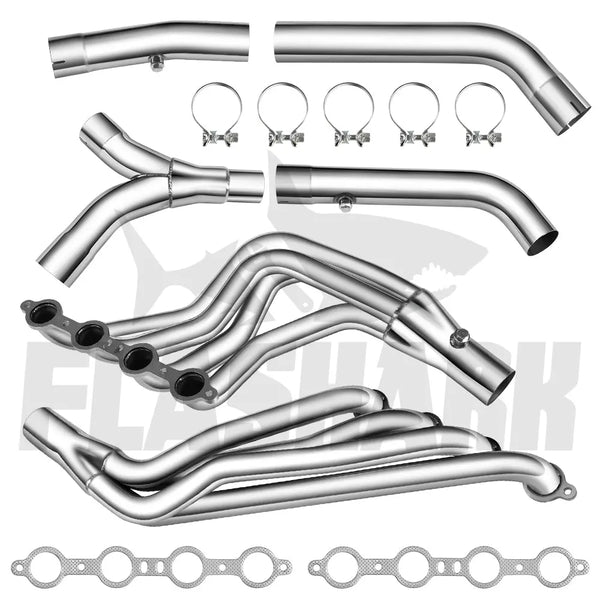
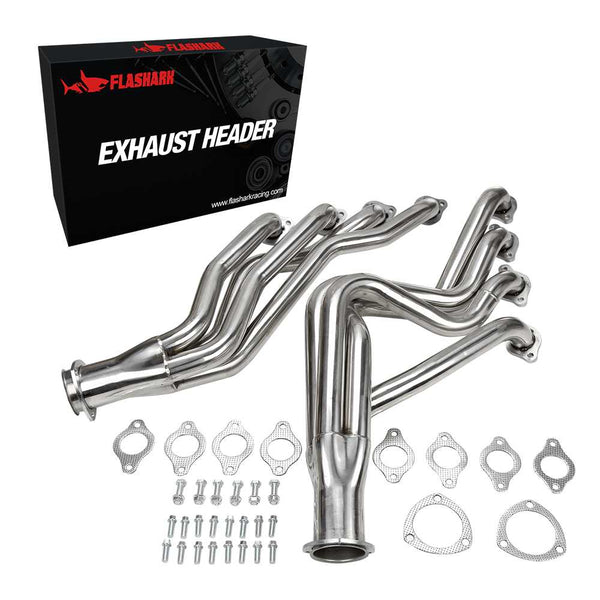
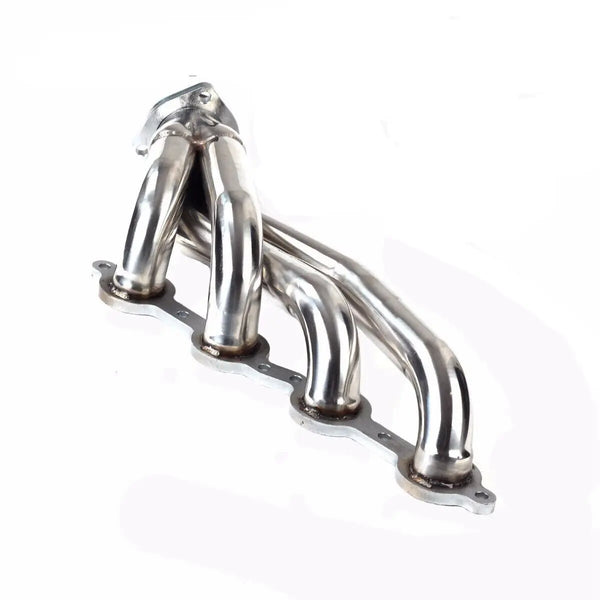
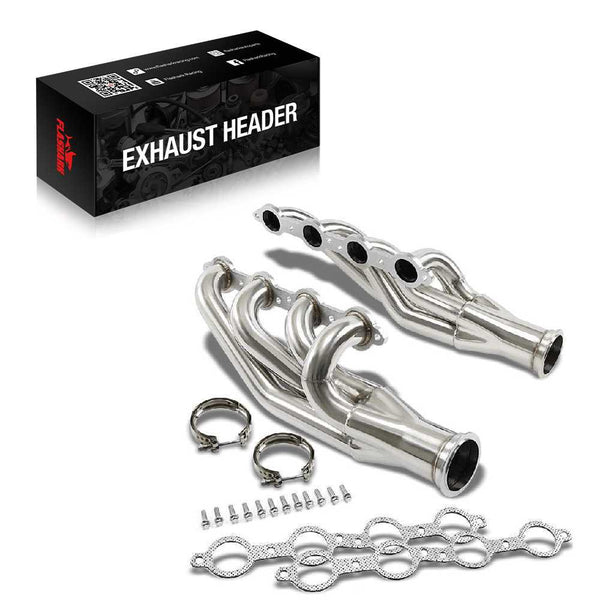
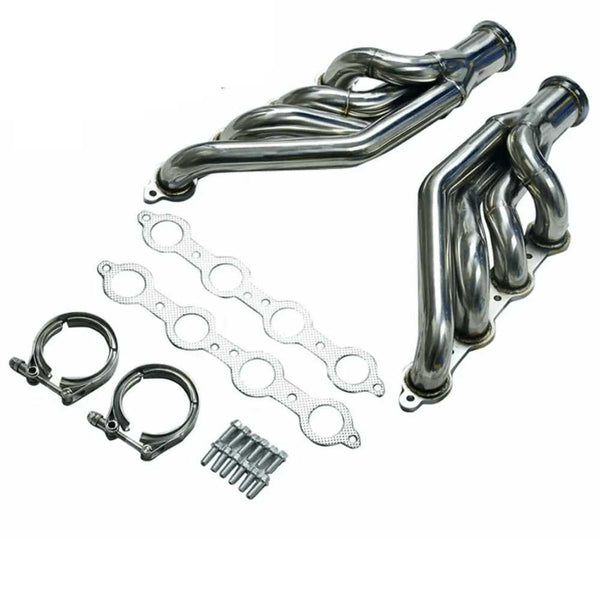
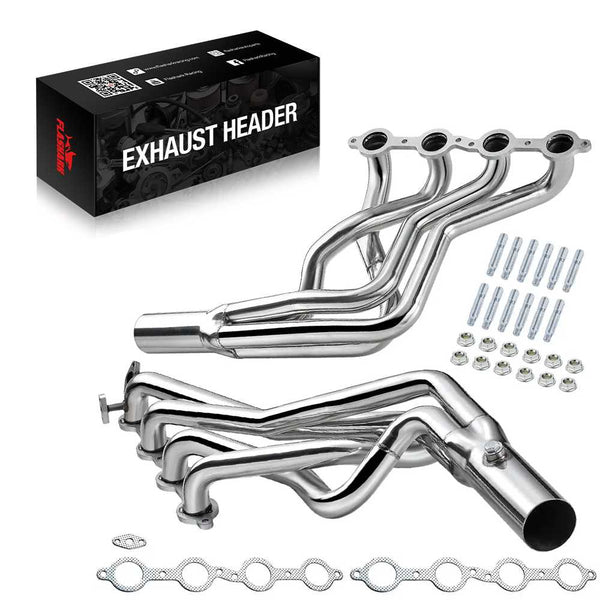
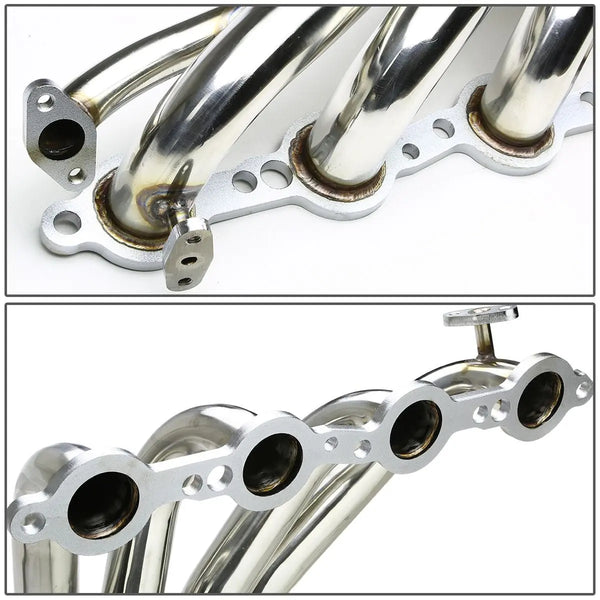
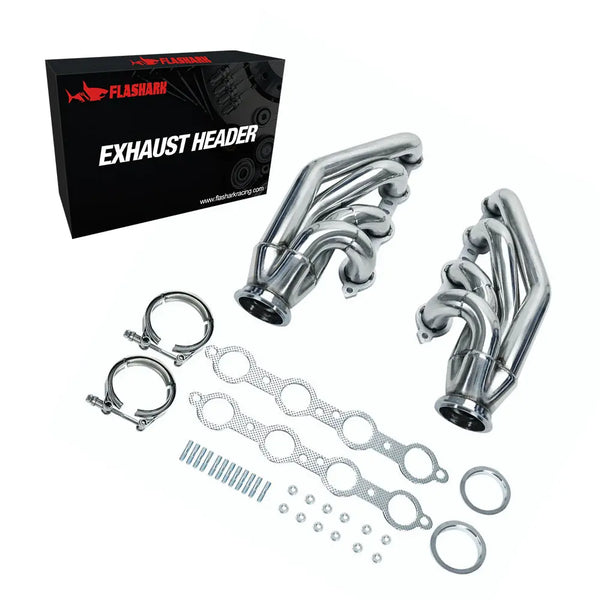
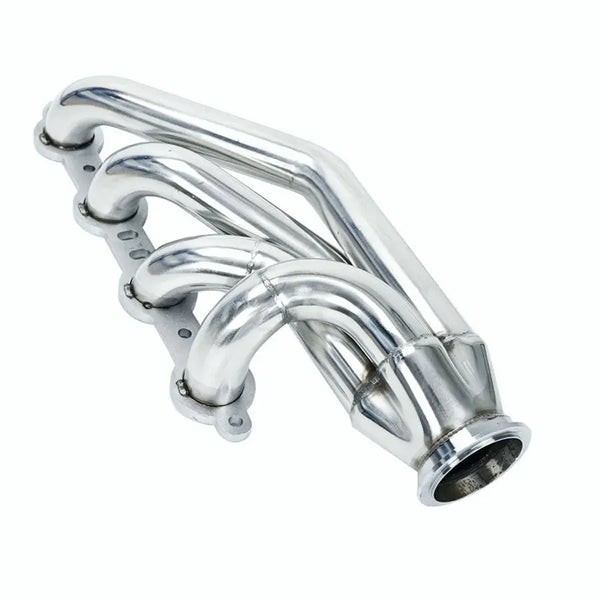
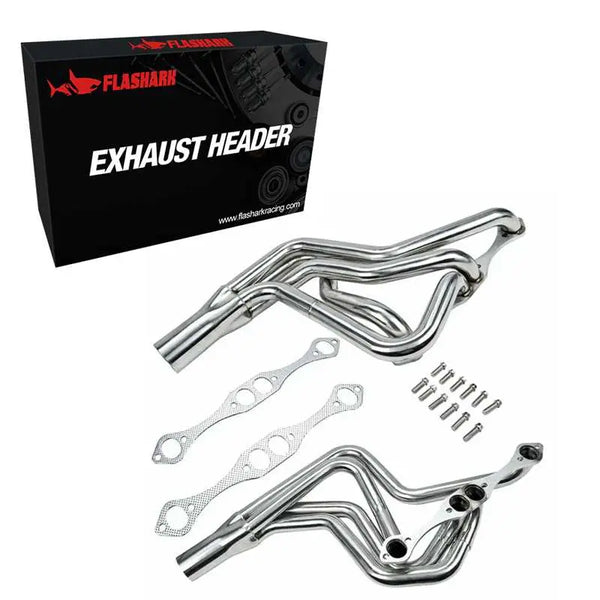
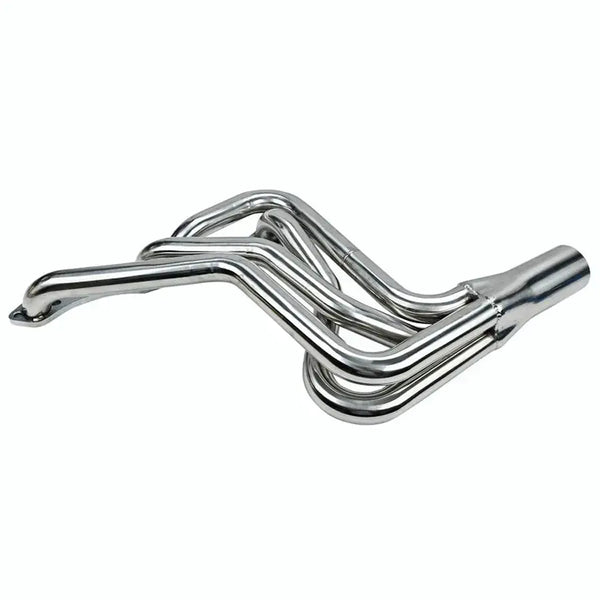
Shop Flashark headers for selected Chevy Camaro V8 applications, from classic small-block and big-block builds to third-generation F-Body LS swaps, 1993–1997 LT1 models, 1998–2002 LS1 cars, and 2010–2015 Camaro SS models with the 6.2L LS3. Available configurations include long-tube, shorty, block-hugger, turbo, and header-and-Y-pipe systems. This range lets you compare packaging, collector placement, and downstream connection requirements instead of choosing by engine family alone. Before ordering, confirm the exact model year, chassis generation, engine code, original-engine or swap status, transmission, steering and K-member clearance, O2 sensor arrangement, catalytic-converter layout, and connection to the rest of the exhaust.
Recently viewed
Choosing the Right Headers for Your Camaro
Camaro header fitment is more specific than matching a Chevrolet V8 displacement. Two cars with engines from the same family can use different mounts, accessory positions, steering layouts, crossmembers, transmission locations, and downstream exhaust connections. Start with the vehicle and chassis, then narrow the choice by engine and header structure.
Before You Buy
- Confirm the Camaro model year and chassis generation.
- Determine whether the engine is factory-installed or part of an LS, SBC, or big-block swap.
- Check the primary and collector layout against the steering shaft, K-member, starter, transmission, and floor.
- Verify whether the product includes a Y-pipe or requires a separate or custom downstream connection.
- Review O2 sensor, catalytic-converter, tuning, and local emissions requirements for the selected product.
Match the Header to the Camaro Platform
The collection covers several distinct Camaro groups. Classic applications include selected small-block, big-block, shorty, long-tube, and LS-swap configurations. Third-generation products include selected 1982–1992 F-Body LS-swap applications, while later listings cover selected 1993–1997 5.7L LT1 and 1998–2002 5.7L LS1 cars. The newer end of the current range includes selected 2010–2015 Camaro SS models with the 6.2L LS3.
These groups are not interchangeable. A header sold for an original LT1 or LS1 F-Body is different from a general LS-swap header, even if both descriptions mention a 5.7L V8. Likewise, a classic Camaro with a swapped engine must be checked as a complete engine-and-chassis combination rather than by engine code alone.
Long-Tube, Shorty, Block-Hugger, and Turbo Designs
| Header design | Typical reason to consider it | What to verify |
|---|---|---|
| Long-tube | Moves the collector farther downstream and is commonly selected for a more complete exhaust-flow upgrade. | Ground clearance, steering and K-member space, collector location, O2 sensor routing, catalytic converters, and the connection to the mid-pipe or Y-pipe. |
| Shorty | Uses a more compact layout where engine-bay packaging or a shorter downstream transition is important. | Outlet flange position, compatibility with the existing exhaust, plug-wire clearance, accessory clearance, and the exact cylinder-head application. |
| Block-hugger | Places the tubes close to the engine and may suit selected classic or swapped-engine layouts. | Whether the design is actually validated for the Camaro chassis, plus mount, starter, steering, frame, and transmission clearance. |
| Turbo header | Routes exhaust toward a turbocharger rather than directly into a conventional naturally aspirated exhaust system. | Turbo location, wastegate routing, oil and coolant lines, heat management, surrounding components, and fabrication requirements. |
| Headers with Y-pipe | Provides a matched transition from both cylinder banks into the downstream exhaust. | Collector size, Y-pipe outlet, catalytic-converter arrangement, O2 sensor locations, transmission clearance, and compatibility with the remaining exhaust. |
Original-Engine Cars and Engine Swaps Need Different Checks
For a factory-engine Camaro, verify the exact year, engine code, chassis, and transmission listed on the product page. Trim names alone are not enough because similar-looking cars may use different engines or exhaust layouts.
For an LS, SBC, or big-block swap, the engine code is only the starting point. Engine mounts and their position can shift the collectors, while the K-member, steering shaft, starter, oil pan, accessory drive, transmission, and crossmember can change available space. A swap header should not be treated as a universal direct-fit part unless the product documentation confirms the complete vehicle configuration.
Collector and Downstream Exhaust Connections
Check what is included before comparing two products. Some listings provide headers only, while a selected fourth-generation LS1 product includes a matching Y-pipe. A header-only set may require a compatible Y-pipe, intermediate pipe, reducer, flange, slip connection, or custom fabrication.
Compare the collector diameter and connection style with the exhaust already on the car. Also confirm where the catalytic converters and O2 sensors will sit after installation. A collector that does not line up with the existing system can turn an otherwise suitable engine fitment into a fabrication project.
Chassis Clearance and Installation Conditions
Long-tube headers occupy more space below and behind the engine than compact designs. Clearance should be checked around the steering shaft, K-member or front subframe, starter, bellhousing, transmission, floor, brake and fuel lines, spark-plug wires, and other heat-sensitive parts. Lowered ride height can also make collector and primary-tube ground clearance more important.
Engine-mount wear or an engine that sits differently after a swap may change the available space. Do not assume that another car's installation result will apply to your build. Any required adjustment or fabrication should be evaluated on the actual vehicle before installation begins.
Technician’s Note
As a general installation practice, compare the new headers with the vehicle before removing or altering the rest of the exhaust. Check flange orientation, collector position, sensor bungs, steering clearance, starter access, plug-wire routing, and the planned downstream connection. This is general guidance, not a verified installation record for every product or Camaro configuration in this collection.
O2 Sensors, Catalytic Converters, and Tuning
O2 sensor requirements vary by year, engine management system, and product. Confirm the number and position of the sensor bungs, whether the wiring reaches without tension, and whether extensions or revised routing are needed. Keep wiring away from the primary tubes and other high-heat areas.
Header installation may also change the original catalytic-converter position or require a different connecting section. Do not assume that every system retains the factory converters or emissions configuration. Product-specific compliance documentation and local regulations should guide any street-use decision.
A tune cannot be treated as universally required or universally unnecessary. Header structure, sensor placement, catalyst configuration, exhaust leaks, and the vehicle's calibration can all affect engine operation and check-engine-light behavior.
Fitment and Emissions Warning
Do not order by engine displacement alone. Verify the complete vehicle, engine, chassis, and exhaust configuration. Changing catalytic converters or O2 sensor placement may affect emissions compliance and can trigger a check engine light. No collection-wide guarantee of emissions legality, modification-free installation, or CEL-free operation should be assumed.
Frequently Asked Questions
Q1: Which Camaro years do the headers in this collection fit?
A1: The collection covers selected classic Camaro applications, 1982–1992 third-generation F-Body LS swaps, 1993–1997 5.7L LT1 models, 1998–2002 5.7L LS1 models, and selected 2010–2015 Camaro SS applications with the 6.2L LS3. It does not establish fitment for every Camaro year, so use the exact product page to confirm your vehicle.
Q2: Can I choose Camaro headers by engine size alone?
A2: No. The same displacement or engine family may appear in different chassis and swap configurations. Confirm the model year, chassis generation, engine code, original-engine or swap status, transmission, mounts, K-member, steering clearance, and downstream exhaust connection.
Q3: What is the difference between long-tube and shorty Camaro headers?
A3: Long-tube headers place the collector farther downstream and generally require more checks around the chassis and exhaust connection. Shorty headers use a more compact layout, but their outlet position, cylinder-head compatibility, and connection to the existing exhaust still need to match the vehicle.
Q4: Are block-hugger headers a direct fit for a classic Camaro?
A4: Not automatically. A block-hugger design keeps the tubes close to the engine, but that does not prove compatibility with a particular Camaro chassis. Verify the engine position, mounts, starter, steering, frame, transmission, and collector location before ordering.
Q5: Are LS-swap headers the same as headers for a factory LS1 Camaro?
A5: No. Factory LS1 F-Body headers are designed around a specific original chassis and engine installation. LS-swap headers depend on the recipient chassis, engine mounts, K-member, steering, transmission position, accessory layout, and the rest of the exhaust.
Q6: Do all Camaro header kits include a Y-pipe?
A6: No. Some products include headers only, while a selected 1998–2002 LS1 F-Body product includes a matching Y-pipe. Check the package contents, collector dimensions, Y-pipe outlet, and the required connection to your existing exhaust.
Q7: Will these headers retain the factory catalytic converters?
A7: That depends on the exact product and vehicle. Header length and collector placement can change where the catalytic converters connect. Review the product configuration and local emissions requirements before modifying or replacing any emissions equipment.
Q8: Will installing Camaro headers cause a check engine light?
A8: A CEL is possible, but it cannot be predicted for every product and vehicle. O2 sensor position, catalyst configuration, wiring, exhaust leaks, and calibration can all affect the result. No CEL-free guarantee should be assumed.
Q9: Do Camaro headers require a tune?
A9: Tuning requirements depend on the engine, header design, O2 sensor arrangement, catalytic-converter configuration, and current calibration. Confirm the requirements for the selected product and vehicle with a qualified tuner or installer.
Q10: What clearance should I check before installing long-tube headers?
A10: Check the steering shaft, K-member or front subframe, starter, bellhousing, transmission, floor, spark-plug wires, brake and fuel lines, collector ground clearance, and the planned downstream connection. Swapped engines and worn or nonstandard mounts may change these clearances.


