


 Need car parts? Shop by vehicle
(Select the exact fit for your vehicle)
Need car parts? Shop by vehicle
(Select the exact fit for your vehicle)
Nissan Exhaust Header
Brand: All | Chevy | Ford | Dodge | Jeep | BMW | Nissan | Toyota | Honda | Subaru | Other
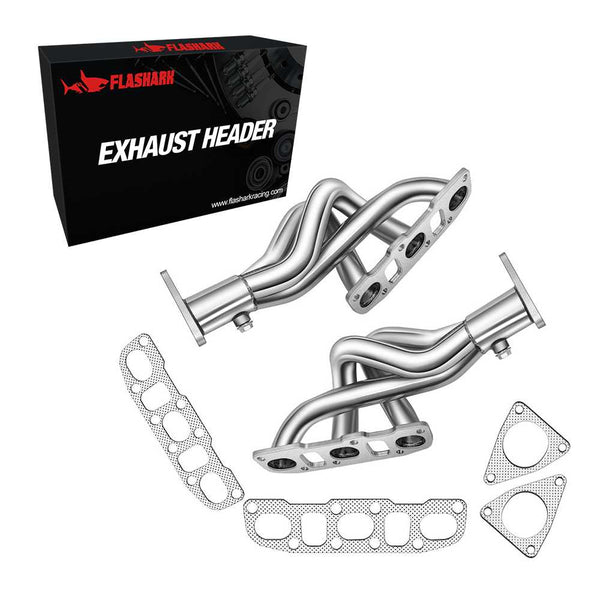
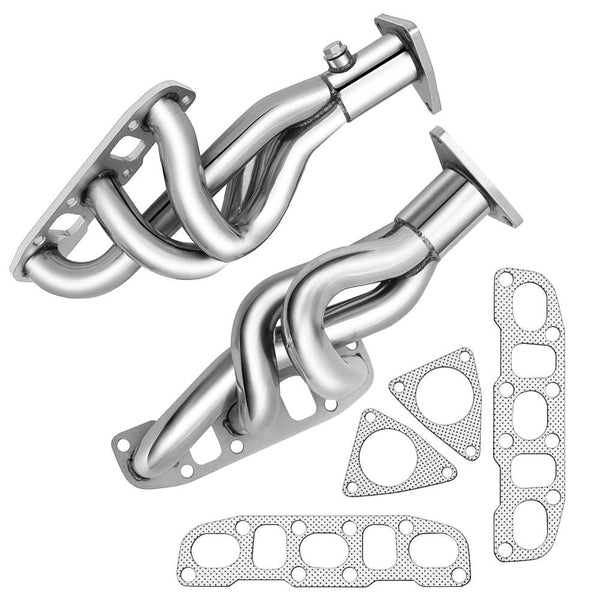
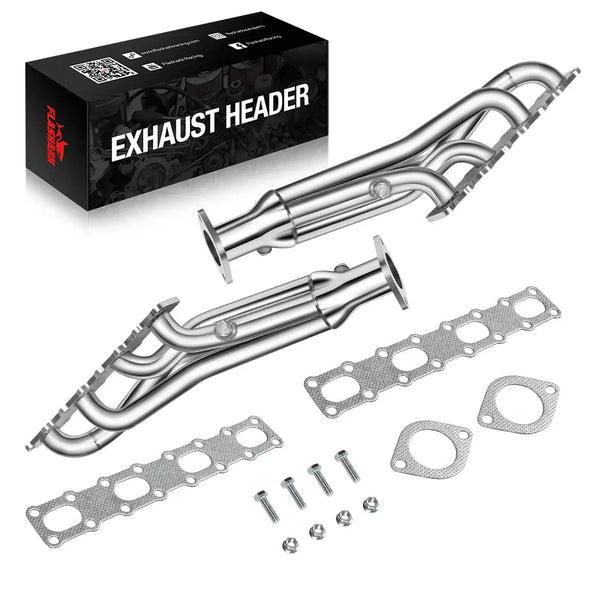
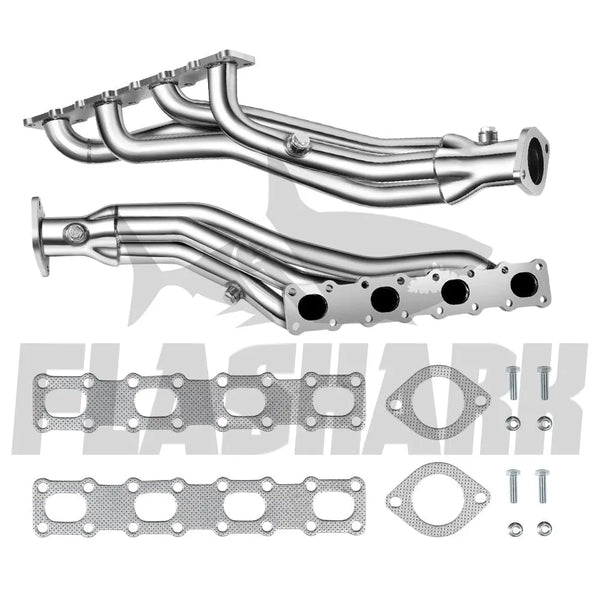
Flashark’s Nissan Exhaust Headers are designed to optimize exhaust flow, increasing engine performance and delivering a more powerful sound. Perfect for street and track enthusiasts, these headers improve efficiency and boost overall vehicle performance. Upgrade your Nissan with our premium headers for enhanced driving experience and lasting durability.


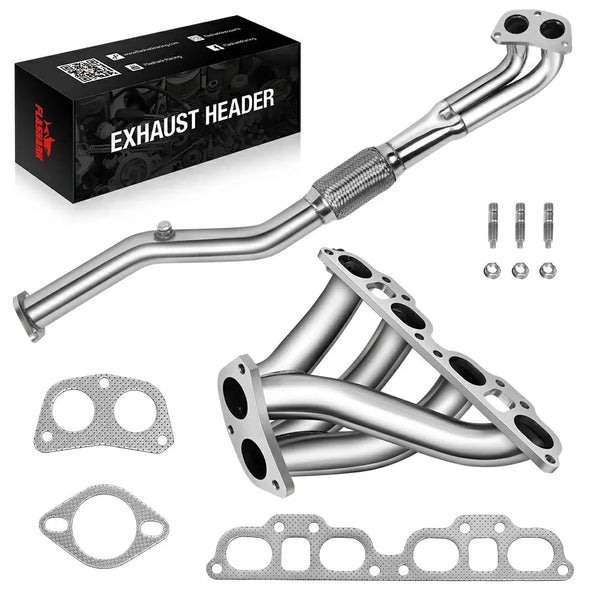
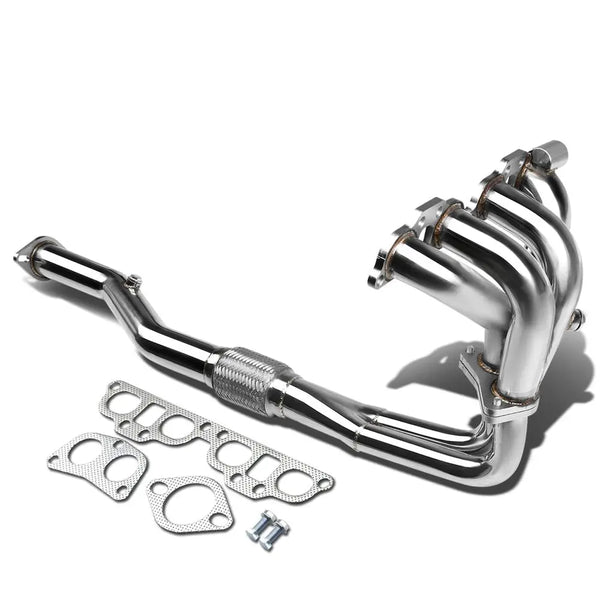


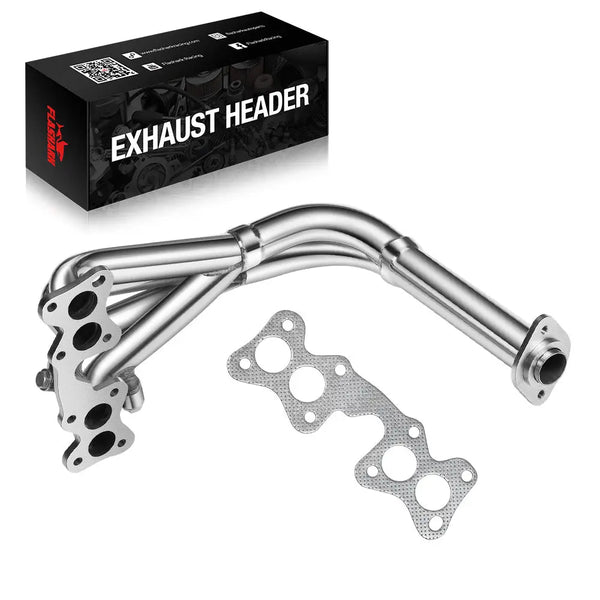
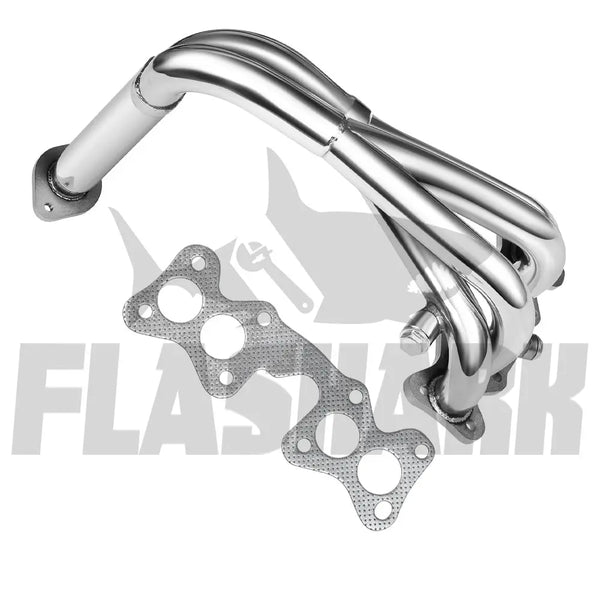
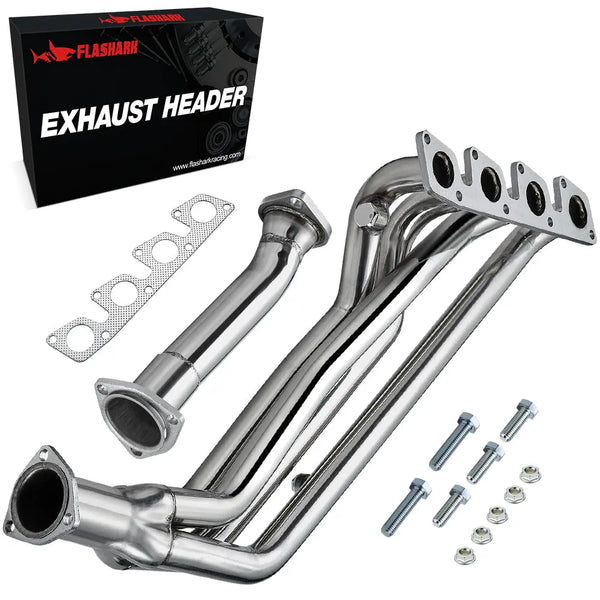
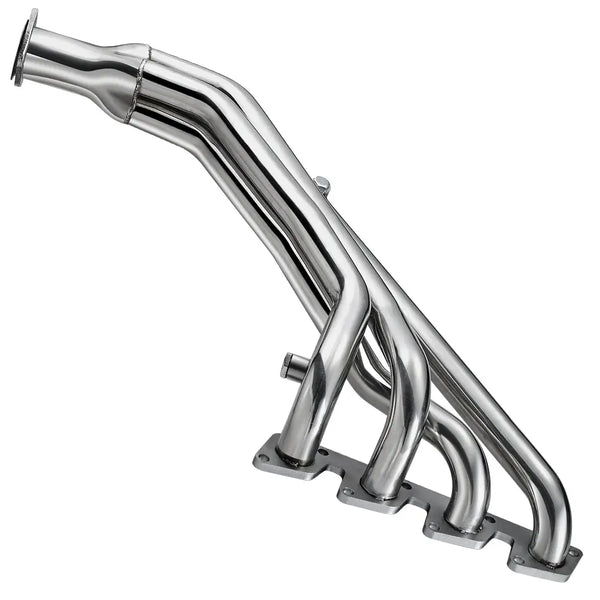
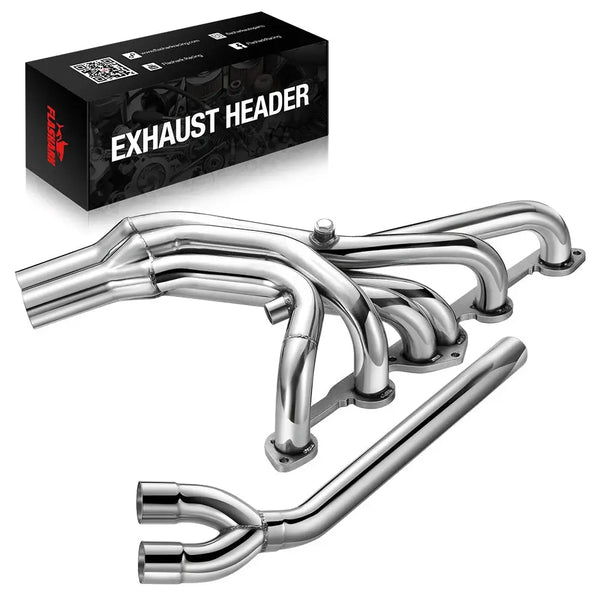
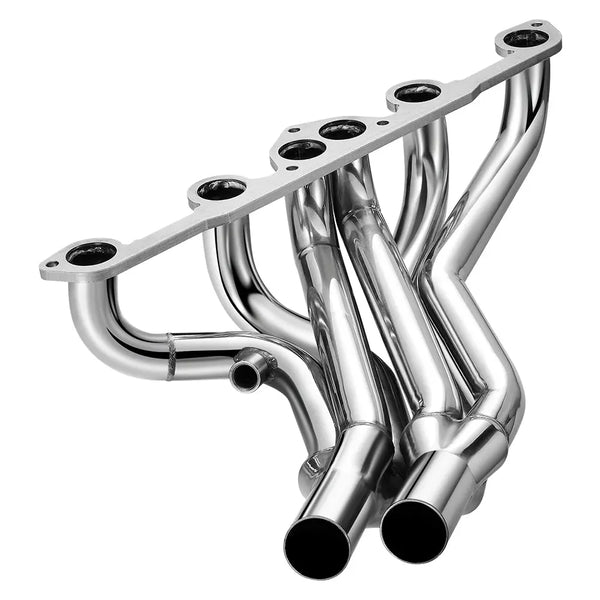
Brand: All | Chevy | Ford | Dodge | Jeep | BMW | Nissan | Toyota | Honda | Subaru | Other
Flashark’s Nissan Exhaust Headers are designed to optimize exhaust flow, increasing engine performance and delivering a more powerful sound. Perfect for street and track enthusiasts, these headers improve efficiency and boost overall vehicle performance. Upgrade your Nissan with our premium headers for enhanced driving experience and lasting durability.
Waking Up VQ and VK Potential: The Brutal Truth About Nissan Headers
Listen up. If you're driving a VQ or VK-powered Nissan, you already know the grim reality lurking under your hood. The factory exhaust manifolds are essentially a ticking time bomb of restrictive, heat-soaked cast iron. You hear that annoying, rhythmic ticking on cold starts? That’s the sound of your OEM manifold cracking and your engine's volumetric efficiency leaking out before it ever reaches the cats. Forget the forum BS for a second. We need to talk about real air flow, permanent mechanical fixes, and what actual horsepower numbers look like when you rip out that heavy factory garbage.
BLUF (Bottom Line Up Front): Why Flashark is Your Permanent Fix
- The Defect: Factory cast-iron manifolds inevitably crack under severe heat cycling, causing exhaust leaks, false knock readings, and sluggish throttle response.
- The Hardware: Flashark Nissan headers dump the weak OEM logs for mandrel-bent, TIG-welded stainless steel that actively resists thermal fracturing.
- The Real Numbers: Expect a proven 18-25 whp (wheel horsepower) gain on tuned VQ long-tube setups, and a critical 15-20 lb-ft of low-end torque increase for towing with VK trucks using shorties.
- The Fitment: Thick, CNC-machined flanges stop warp-induced gasket blowouts dead in their tracks.
OEM Bottlenecks vs. Flashark Precision: Fixing the Factory Flaws
Nissan builds bulletproof engine blocks. But their accountants built the exhaust manifolds. They choked the cylinders with heavy, uneven log manifolds just to keep mass-production costs low and acoustic NVH (Noise, Vibration, and Harshness) levels quiet enough for the average commuter. But you're not the average commuter. You want your engine to breathe. Getting rid of that backpressure isn't just about sound; it physically frees up parasitic pumping losses, netting you a steady 5-8 whp across the entire power curve before you even start talking about peak RPM gains.
Mechanic's Note: I’m not just reading this off a spec sheet. Last month, I spent six brutal hours fighting the notoriously rusted factory studs on a 2008 Titan. The passenger-side manifold had a massive hairline crack right down the middle—a classic VK56 failure causing a massive loss of low-end grunt. By the time I ripped that 30-pound chunk of scrap out and bolted up a set of Flashark shorty headers, the difference was night and day. No more tractor noises on startup. More importantly, those thick CNC-machined flanges mated flush on the first torque sequence. That precision flat surface is an absolute lifesaver when you're working flat on your back covered in rust dust.
Choosing Your Weapon: Shorty vs. Long Tube Headers for Nissans
Don't just buy what looks aggressive. Buy what fits your build and your wrenching abilities. Here is how they actually stack up in the real world when strapped to a Dynojet.
| Feature | Shorty Headers | Long Tube Headers (LTH) |
|---|---|---|
| Best Application | VK56 Trucks (Towing), Daily VQs | Track/Drift Zs and Gs, Max HP Builds |
| Install Difficulty | Moderate (Bolts to factory cats) | Hard (Requires test pipes / fabrication) |
| Realistic Power Gains | +8 to 12 whp / +15 to 20 lb-ft TQ | +18 to 25 whp / +12 to 16 lb-ft TQ |
| ECU Tune Needed? | Recommended, but often optional | Mandatory (You will run dangerously lean) |
Beyond the Dyno: The Hardcore Science of Scavenging
Let's get technical for a second. Bolting on aftermarket parts isn't just about making the pipes bigger. Flashark's equal-length runner designs create organized negative pressure waves. We call this scavenging. When one exhaust valve opens, the pulse fires down the tube and creates a vacuum that literally sucks the exhaust gases out of the next firing cylinder. This isn't just dyno magic. It drastically drops under-hood temperatures—often by a verified 30-40°F. In terms of power, optimal scavenging translates to a flat, usable gain of 10-15 whp right in the middle of your RPM band (around 3,500 - 4,500 RPM) where you actually drive.
The Engines That Bleed Power: VQ and VK Platform Deep Dive
Let’s stop generalizing and look at the actual hardware. Every Nissan engine code fights its own unique battle against factory exhaust restrictions.
VQ35DE: The OG 3.5L (2003-2006 350Z / G35)
Honestly, look at a factory VQ35DE manifold next to a set of Flashark VQ35DE headers, and you'll laugh out loud. The OEM logs look like they were pinched closed with pliers on the assembly line. If you’re bolting on a 5/16" plenum spacer and a cold air intake without upgrading the headers, you’re just shoving more air into a brick wall. Long tubes on a DE completely wake up the dead midrange. Paired with a solid UpRev tune, we consistently see an exact 15-18 whp bump on the rollers. Just soak everything in PB Blaster for two days first.
VQ35HR & VQ37VHR: The High-Rev Screamers (Late 350Z, 370Z, G37)
These engines feature dual throttle bodies and VVEL. They want to breathe deep and fast at 7,500 RPM. The massive physical flaw here? Nissan bolted the catalytic converters directly to the exhaust manifolds, creating a brutal heat-soak zone right against the aluminum block. Swapping to Flashark headers pulls that extreme heat away from the engine bay. On the dyno, a VHR with long tubes, test pipes, and an E85 map will easily pick up 20-25 wheel horsepower up top. And yeah, it finally kills that terrible, raspy "trumpet" noise.
VK56DE: The Workhorse V8 (2004-2015 Titan, Armada)
I'll be straight with you: if you own a first-gen Titan, your manifolds are going to crack. It's guaranteed. The constant thermal expansion just destroys the factory cast iron, shearing off the rear studs and absolutely cooking the primary catalytic converters. Listen to me on this—when those factory cats break down, the engine's scavenging reversion can literally suck ceramic dust back into the cylinders and score the block walls. Engine ruined. Forget half-measures. Ripping the entire choked-up assembly out and bolting on a set of Flashark long tube Nissan headers is the ultimate, engine-saving mechanical fix. By completely deleting those restrictive primary cats and utilizing full-length mandrel-bent runners, you eliminate the failure point entirely. Paired with a mandatory UpRev tune to dial in the fuel maps, you aren't just fixing a ticking exhaust leak—you are unlocking a verified 25-35 whp and easily 30+ lb-ft of torque right in the meaty part of the powerband. That massive surge of exhaust velocity is exactly what you need to drag a 7,000lb camper up a 6% grade while the engine breathes effortlessly, stopping your transmission from constantly hunting for gears.
VK56VD: The Direct-Injected V8 (2016+ Titan, Patrol Y62)
The updated 5.6L Endurance V8 got direct injection, VVEL, and a massive bump in compression. While the factory exhaust flow is slightly improved over the old DE, the stock manifolds are still massive heat traps. Upgrading these is all about maximizing throttle response. You rip out the restrictive factory logs, throw on some shorties, and you're looking at a rock-solid 12-16 whp gain. You instantly feel the truck stop suffocating when you mash the pedal to pass a semi on the highway.
The Mechanic's Pitfall Guide: Emissions, Cats, and Defeating the CEL
Garage Warning: Swapping headers isn't a quick 30-minute job. If you're running catless long tubes, you will throw a Check Engine Light (CEL) for catalyst inefficiency (Codes P0420/P0430). Don't panic. You either need mechanical O2 sensor defoulers (J-style spacers) to trick the ECU, or you need a proper UpRev/EcuTek tune to disable the rear O2 readiness monitors. Oh, and use high-temp copper anti-seize on your new hardware, unless you hate your future self.
Nissan Headers FAQ: Expert Answers to Your Gritty Questions
Q1: How much HP do Nissan headers actually add to a VQ35DE/VQ37VHR?
A1: Honestly, bolting on long tubes and getting a proper Dyno tune will net you a solid 18-25 whp and around 15 lb-ft of torque. Shorties will give you less peak power (around 8-12 whp) but keep your low-end grunt and factory cats completely intact.
Q2: Do I need an ECU tune after installing headers on my Nissan?
A2: For shorties? Usually no. The factory ECU can adjust short-term fuel trims enough to handle the extra 8-10 whp safely. For long tubes? Absolutely. You will run dangerously lean up top without rescaling your MAF sensors and tweaking the fuel maps.
Q3: Shorty vs. Long tube headers for a Nissan Titan: Which is better for towing?
A3: Shorties, hands down. They bolt directly to the factory b-pipes, maintain vital exhaust velocity, and boost low-RPM torque by 15-20 lb-ft. That's exactly the powerband you desperately need when hauling loads.
Q4: Why do Nissan Titan factory exhaust manifolds crack so often?
A4: Poor thermal mass distribution. The OEM cast iron heats up unevenly compared to the aluminum cylinder heads. Constant expansion and contraction over thousands of miles sheer the mounting studs or crack the webbing right between the runners.
Q5: Will replacing my Nissan headers fix the ticking sound on cold starts?
A5: Yes, 99% of the time. That annoying tick is raw exhaust gas escaping through a hairline crack before the metal heats up, expands, and temporarily seals itself. New aftermarket headers fix the physical leak permanently.
Q6: How hard is the installation for Nissan VQ/VK headers?
A6: I won't sugarcoat it. It’s a 7 out of 10 on the DIY difficulty scale. The steering shaft is entirely in the way on the driver's side, and the 350Z has a notorious "demon bolt" that takes massive patience, three extensions, and swivels to reach. Give yourself a full weekend.
Q7: Do Flashark Nissan headers come with high-flow cats (HFCs)?
A7: It depends entirely on the specific SKU. Most hardcore long tubes eliminate the catalytic converters entirely (designed for off-road/track use only), but Flashark also builds shorty configurations designed to mate flawlessly with factory cats or aftermarket HFCs.
Q8: How do I fix a Check Engine Light (CEL) after installing catless headers?
A8: Mechanical defoulers (J-style spacers) pull the O2 sensor out of the direct exhaust gas stream to trick the ECU into seeing clean air. However, the bulletproof, professional method is having a tuner turn off the rear O2 monitoring via software.
Q9: What is the notorious "VQ hiss" and do aftermarket headers cause it?
A9: The hiss usually comes from thin-walled test pipes or flex joints resonating under load. High-quality, thick-gauge stainless headers actually reduce this metallic rasp by keeping the exhaust pulses tightly controlled inside the manifold.
Q10: Will installing aftermarket headers void my Nissan factory warranty?
A10: Under the Magnuson-Moss Warranty Act, a dealer cannot void your entire powertrain warranty just for having aftermarket parts. However, if the dealer can prove the headers directly caused a specific failure (like melting a nearby sensor wire due to poor heat shielding), they can deny that specific claim.


