Q1: Will these performance headers fit my 1.6L Nissan Sentra?
A1: Yes, these exhaust headers are specifically designed for the 1.6L GA16DE engine. They are a perfect fit for the 1991-1999 Nissan Sentra and the 1995-2000 Nissan 200SX models equipped with the 1.6L engine.
Q2: How much horsepower gain can I expect from these Sentra headers?
A2: By replacing the restrictive factory cast iron manifold with our high-flow stainless steel headers, most users experience an increase of 5-10 horsepower and improved torque, especially in the mid-to-high RPM range.
Q3: Are these headers a direct bolt-on replacement for the Nissan Sentra exhaust manifold?
A3: Absolutely. Our headers are engineered as a direct bolt-on upgrade. They utilize the original mounting points of your Nissan Sentra exhaust manifold, making the transition from stock to performance as seamless as possible.
Q4: What material is used for the Flashark exhaust headers?
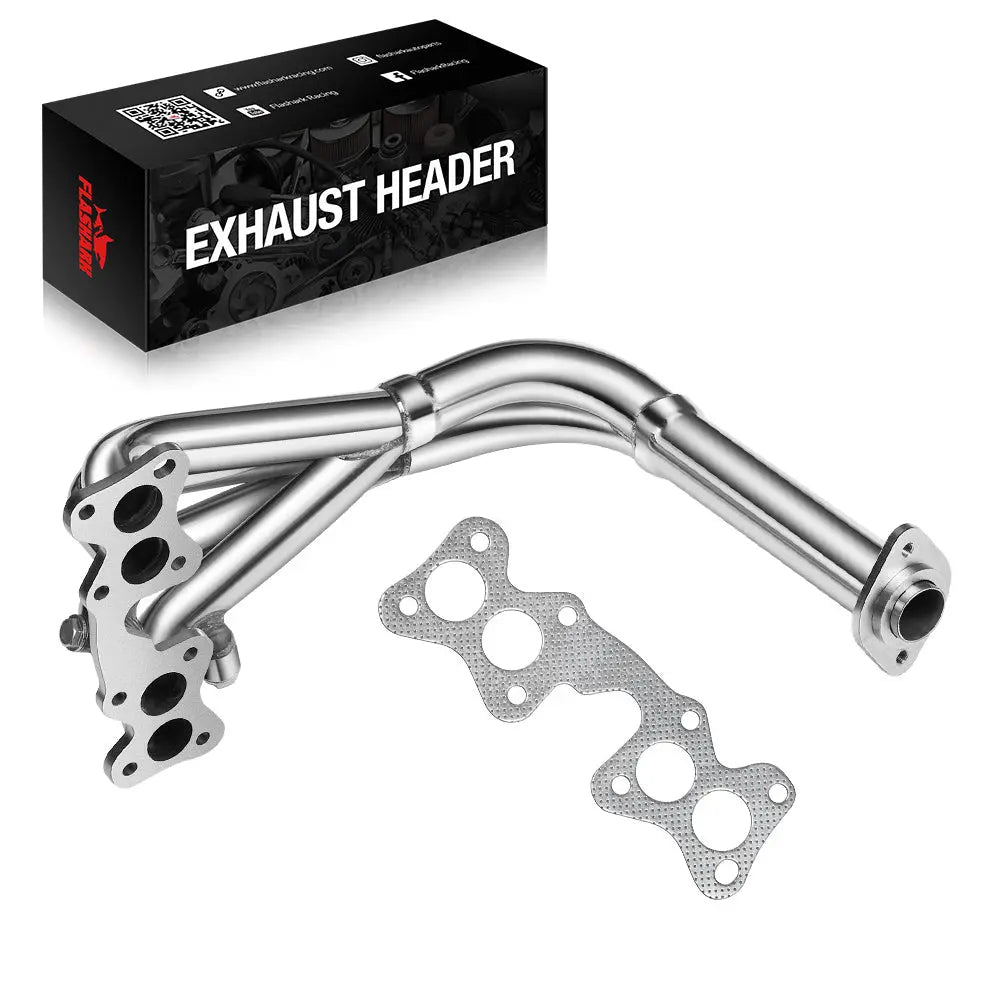
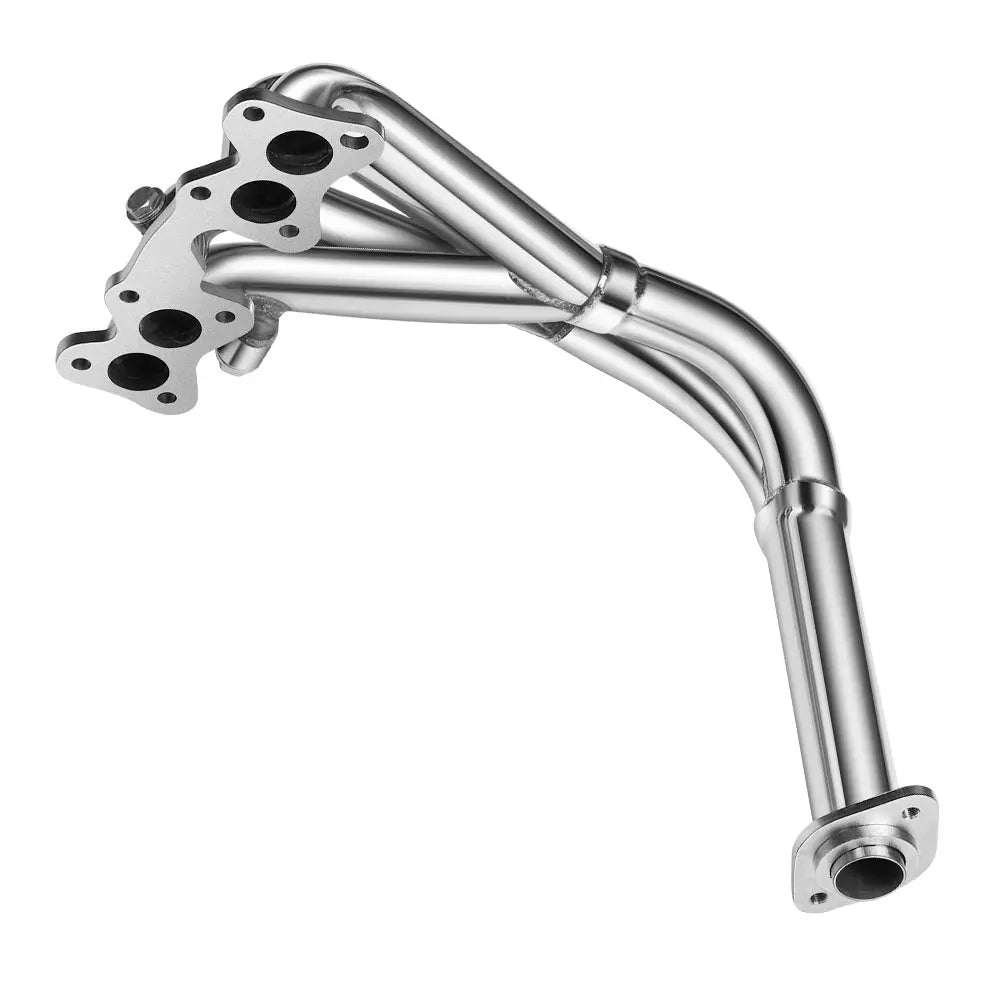
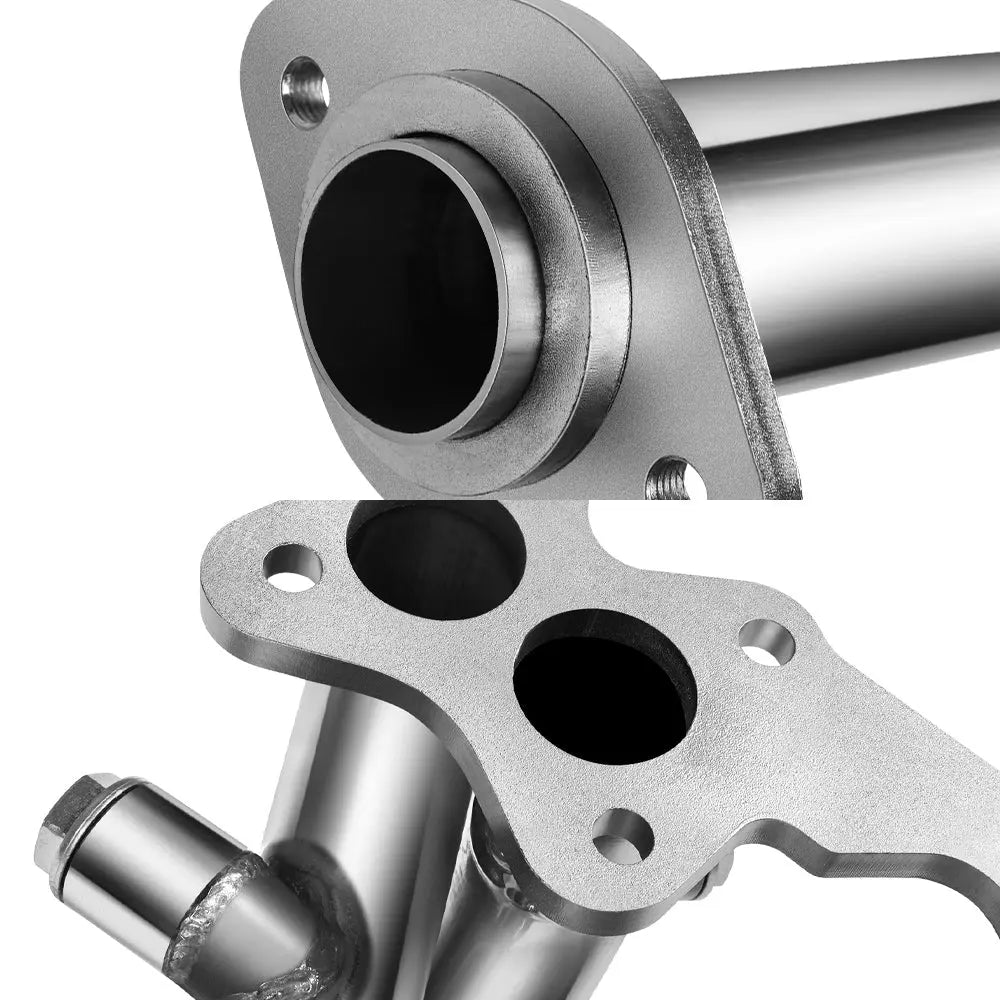
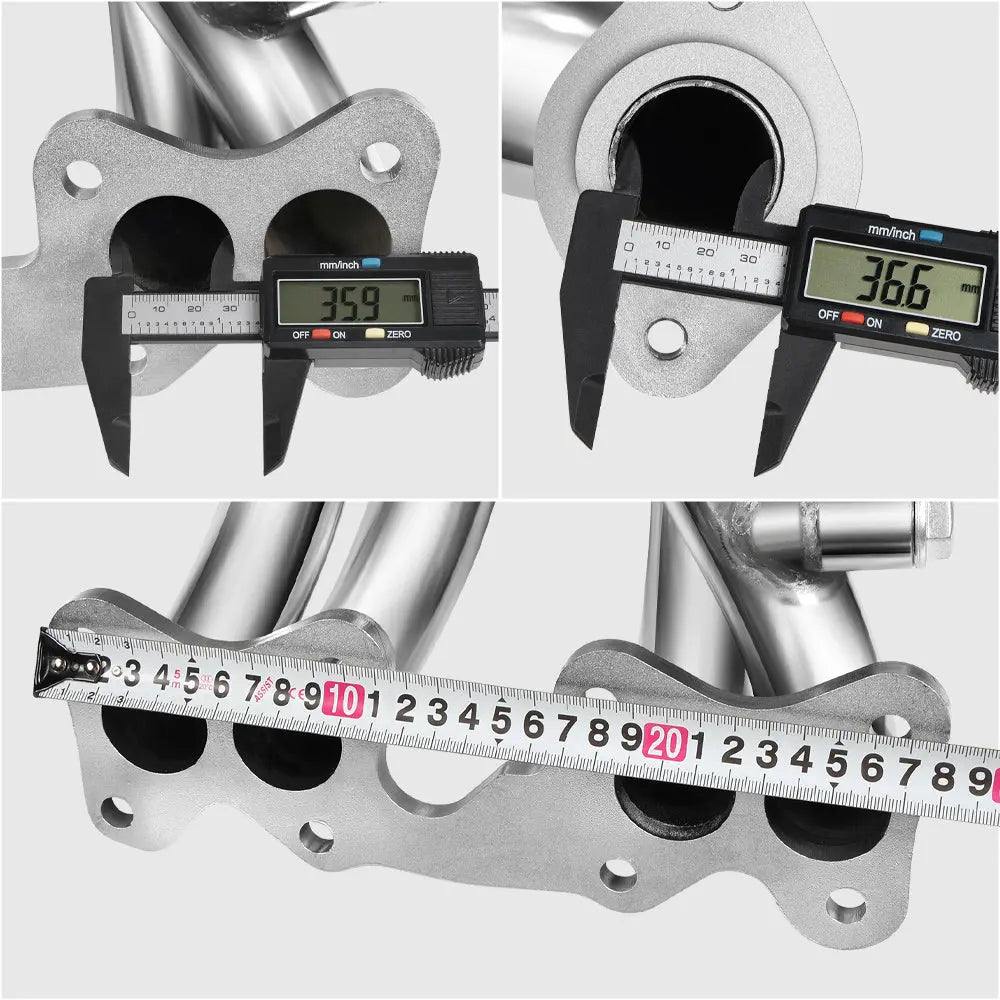
A4: We use high-quality T-304 stainless steel. The flanges are CNC machined for a precision fit, and the tubes are TIG welded to ensure maximum durability and resistance against cracking under high heat.
Q5: Do I need to buy gaskets or hardware separately for the installation?
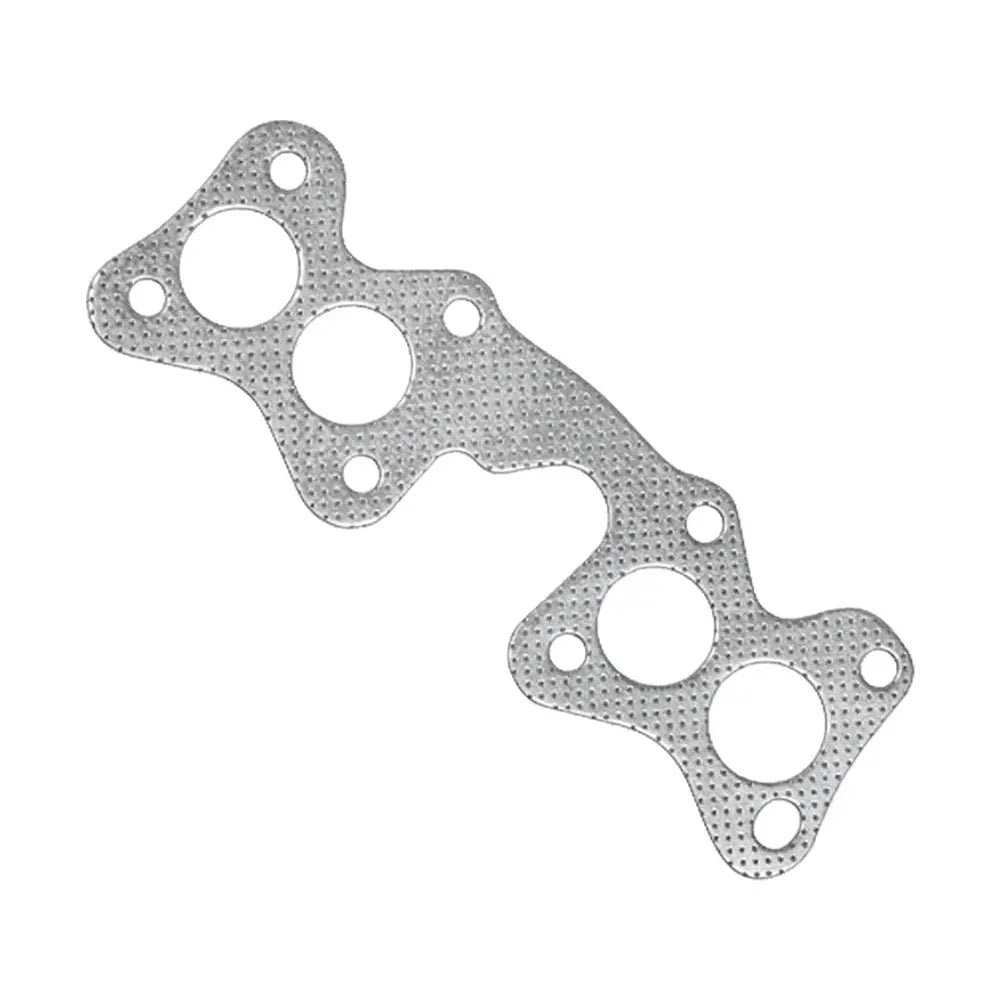
A5: No, the kit comes complete with the necessary gaskets and bolts required for a standard installation. You won’t need to hunt for extra parts to get your Sentra back on the road.
Q6: Can I perform the Sentra headers installation myself?
A6: If you have basic mechanical skills and standard garage tools, you can complete the installation. However, because exhaust components can be difficult to reach or seized due to age, some customers prefer hiring a professional Sentra headers installer.
Q7: Does this header include a bung for the O2 sensor?
A7: Yes, our headers feature pre-welded O2 sensor bungs in the correct positions to ensure your engine management system functions properly and to help minimize the risk of a Check Engine Light (CEL).
Q8: Will these headers change the sound of my Nissan 200SX?
A8: Yes, installing these performance headers will give your 1.6L engine a deeper, more aggressive exhaust note compared to the muffled sound of the stock manifold. It provides a much sportier "tone" without being overly raspy.
Q9: Why should I choose these headers over a standard OEM replacement?
A9: Standard manifolds are made of heavy cast iron and often crack over time. Flashark headers are lightweight, dissipate heat more efficiently, and significantly improve exhaust scavenging, which leads to better engine efficiency and power.
Q10: Will these headers fit the 2.0L SR20DE engine?
A10: No, this specific model is designed exclusively for the 1.6L GA16DE engine. If you are looking for headers for the 2.0L Sentra SE-R or 200SX SE-R, please check our listings for the SR20DE specific headers.
Q11: Are these headers street legal?
A11: These headers are designed for off-road, track, or show use. Since they may bypass or alter the position of original emissions equipment, we recommend checking your local and state regulations regarding exhaust modifications before street use.
Q12: How does the 4-2-1 design benefit my daily driving?
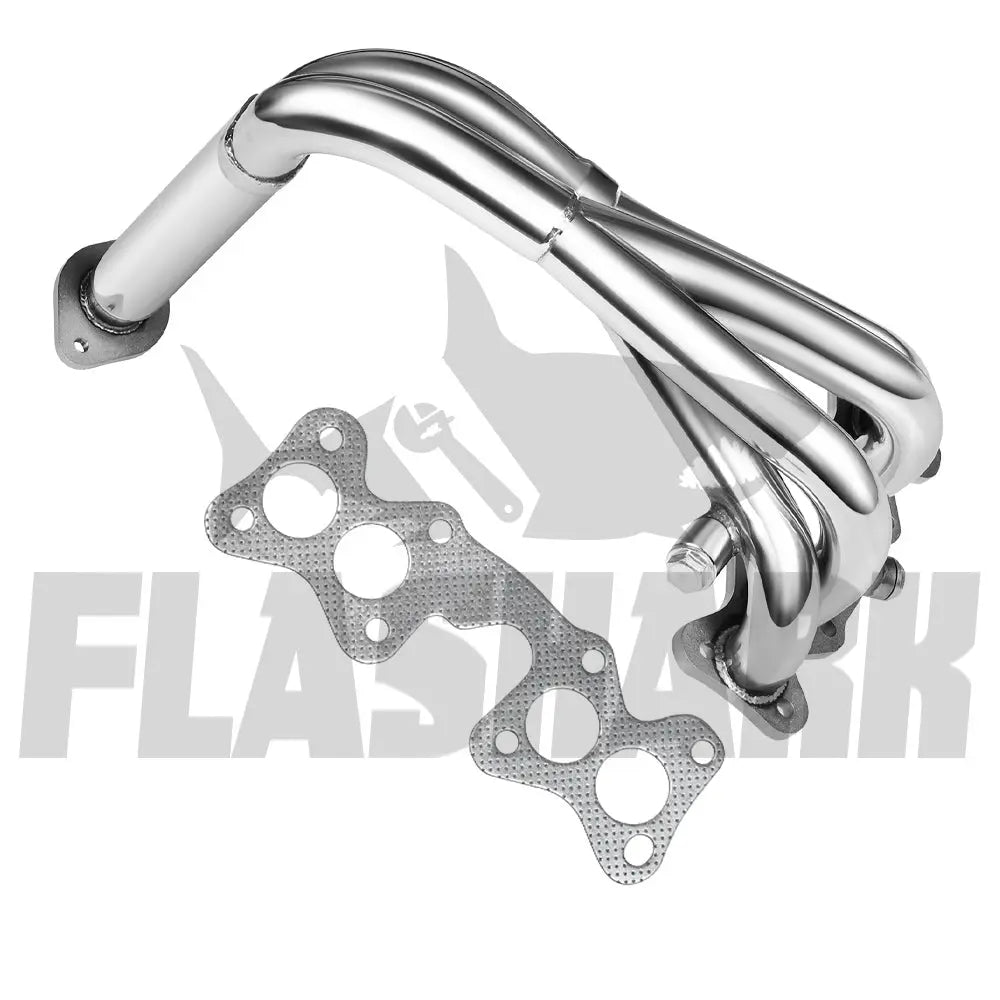
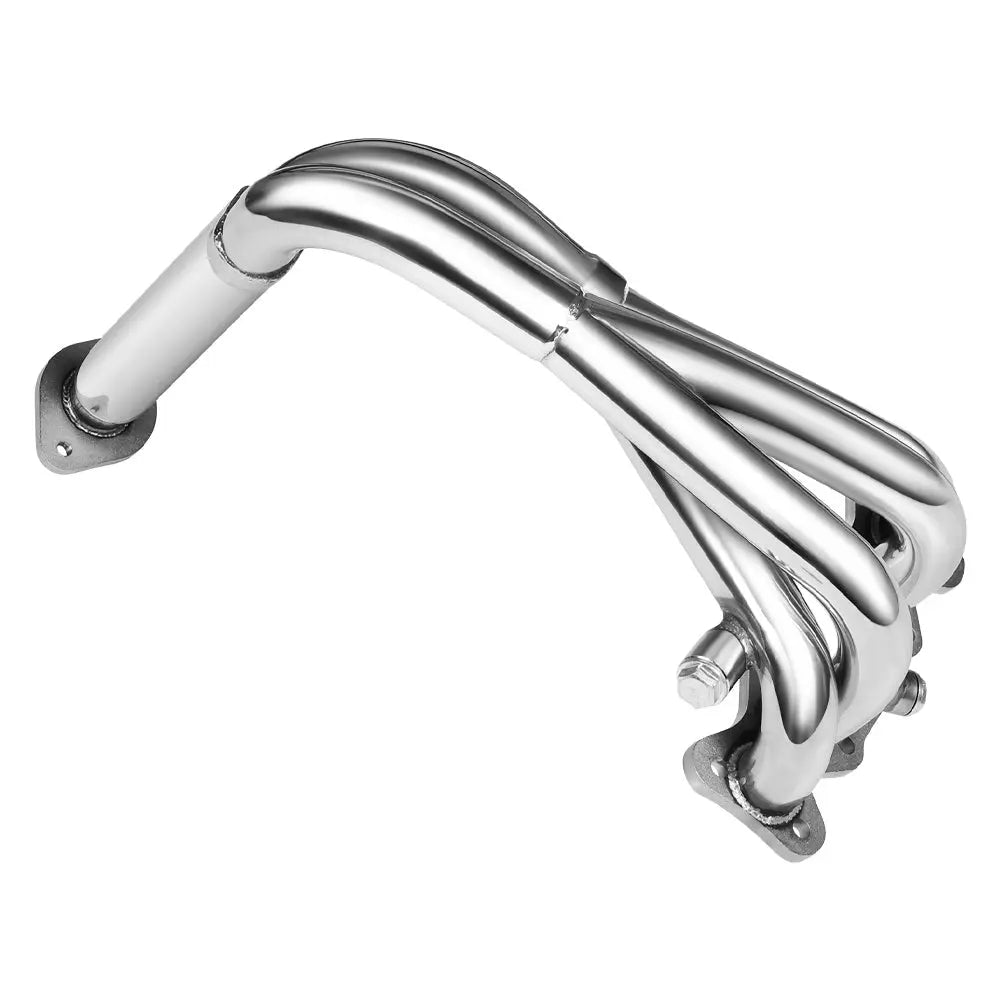
A12: The 4-2-1 (tri-y) design is optimized to increase mid-range torque. This makes the car feel more responsive during daily city driving and merging on highways, compared to a 4-1 design which is strictly for high-RPM racing.
Q13: What should I do to ensure a leak-free Sentra headers installation?
A13: We recommend cleaning the cylinder head surface thoroughly before installing the new gaskets. After the first few heat cycles (about 50-100 miles), it is a pro-tip to re-torque the header bolts to ensure everything has seated correctly.




 Product Specifications


