


 Need car parts? Shop by vehicle
(Select the exact fit for your vehicle)
Need car parts? Shop by vehicle
(Select the exact fit for your vehicle)
Chevrolet/GMC Cold Air Intake
Shop Cold Air Intakes by Brand: Dodge | Ford | Chevrolet & GMC | Nissan | Volkswagen | Honda | Infiniti | Jeep | Toyota
Shop by Model: Silverado & Sierra Cold Air Intake
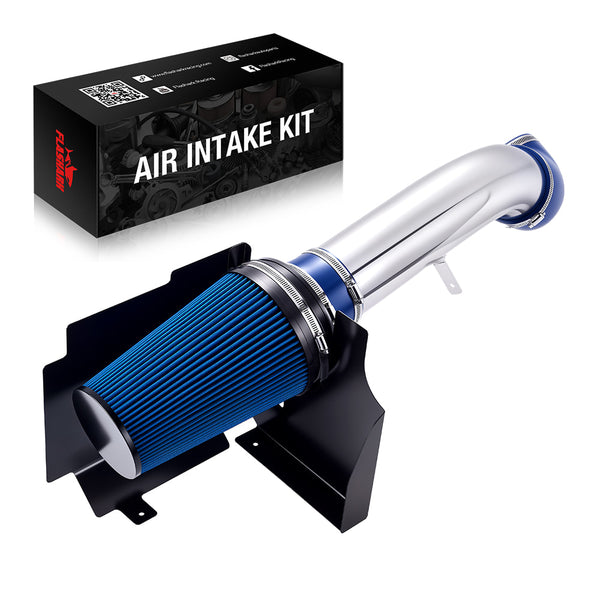
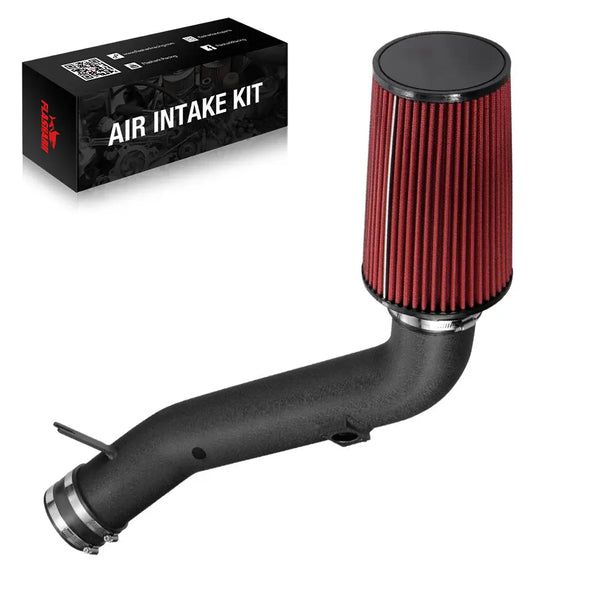
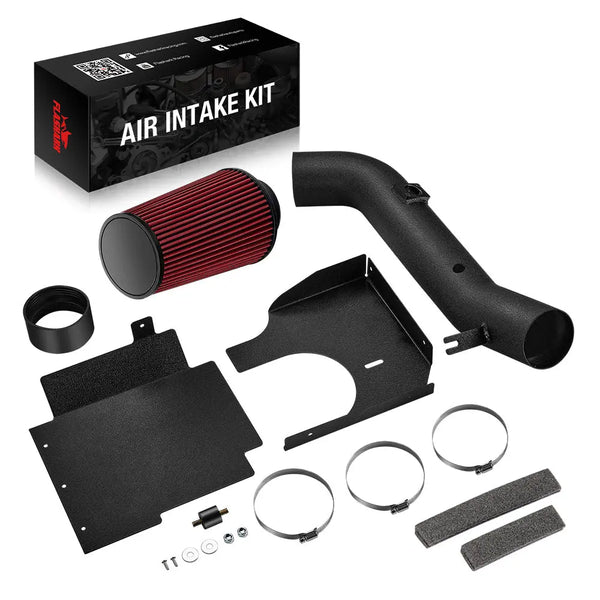
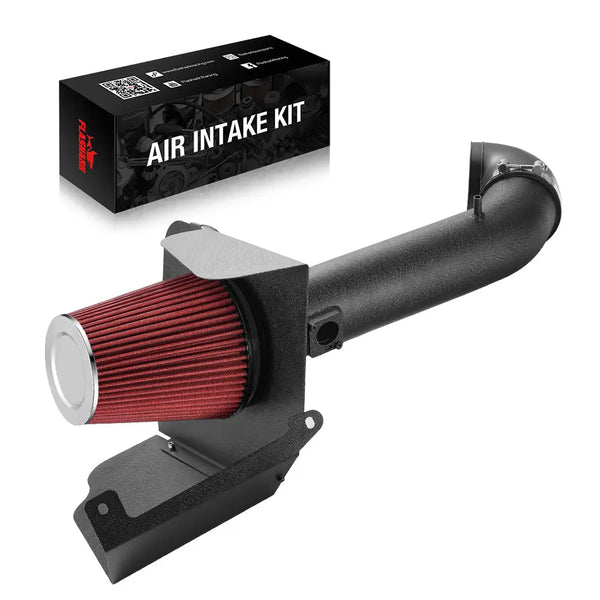
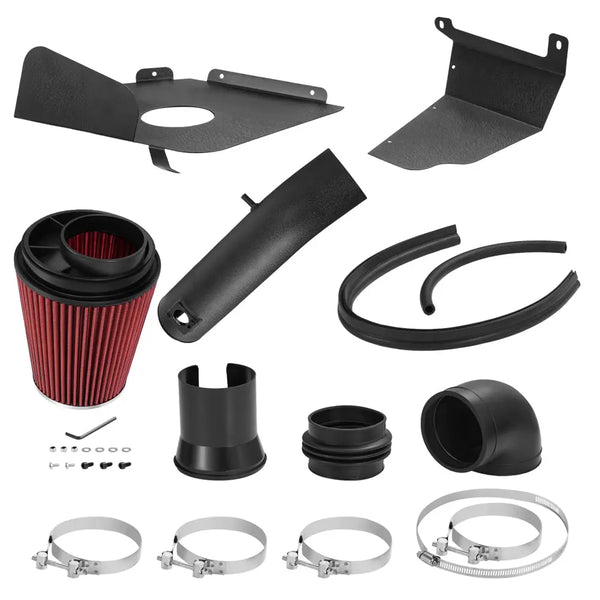
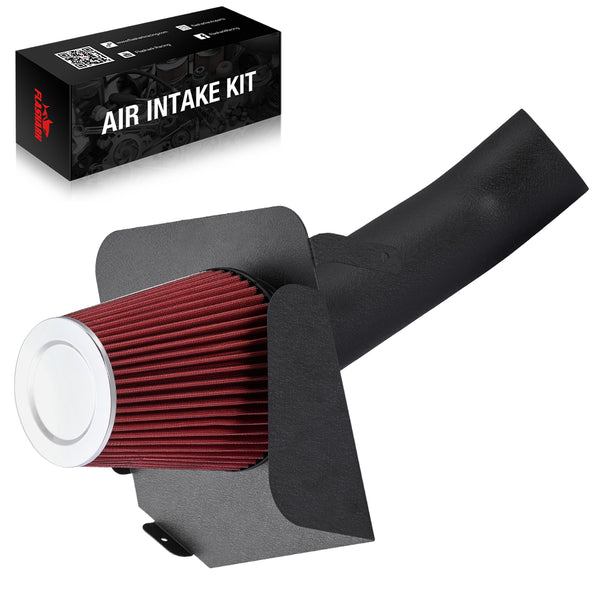
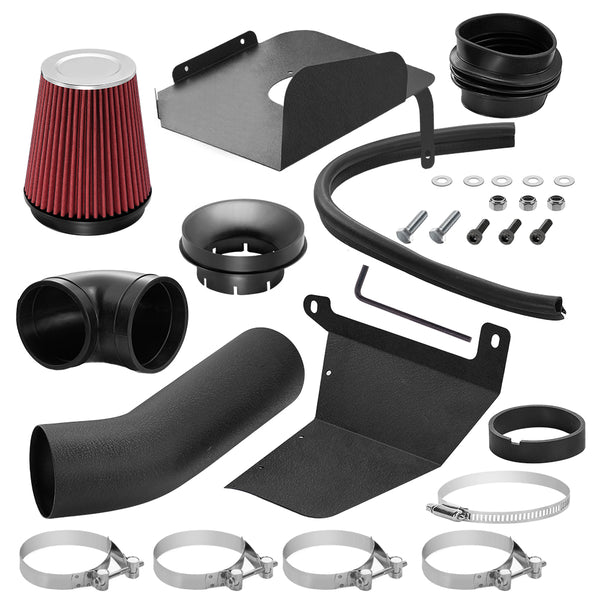
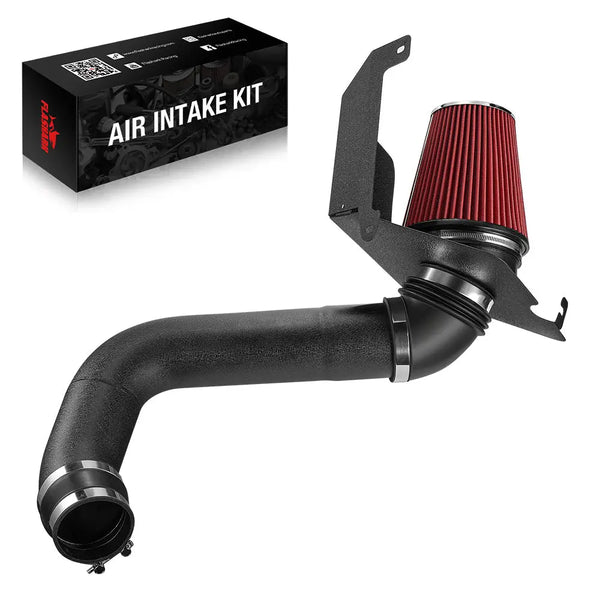
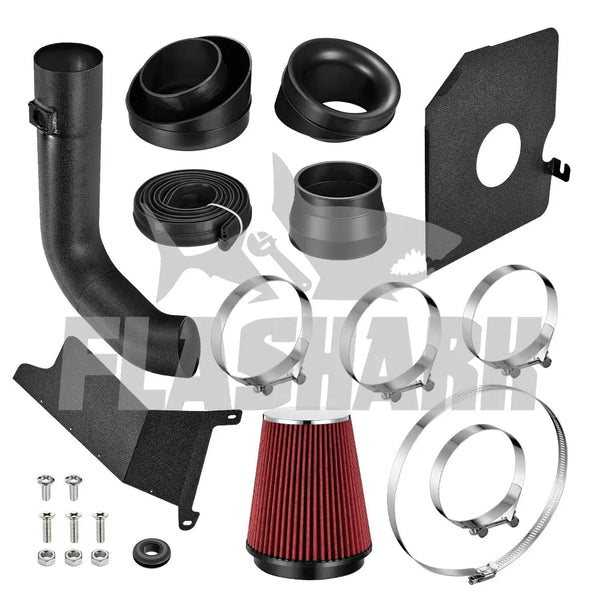
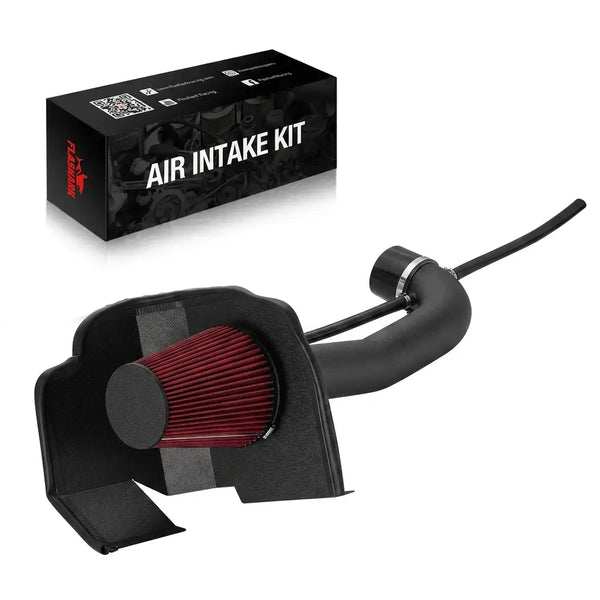
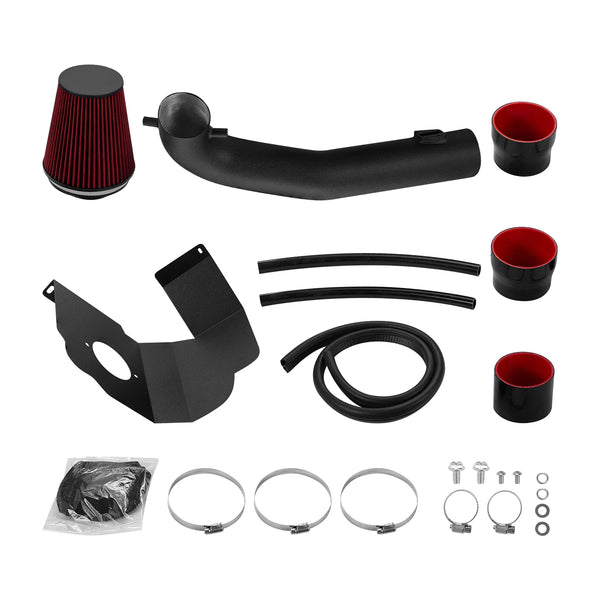
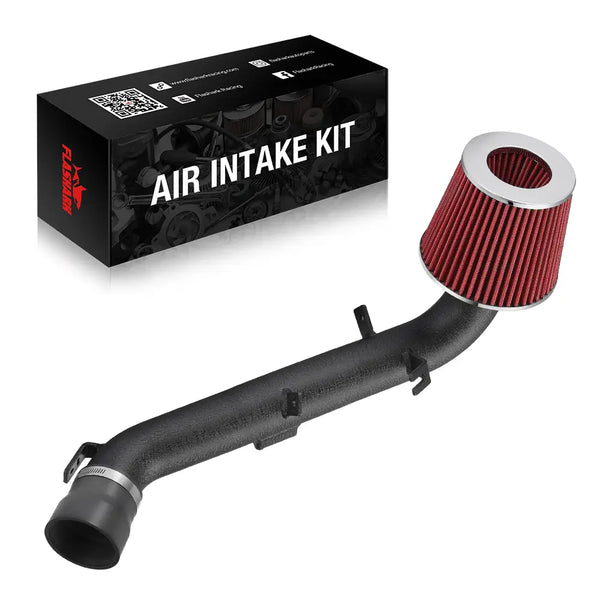
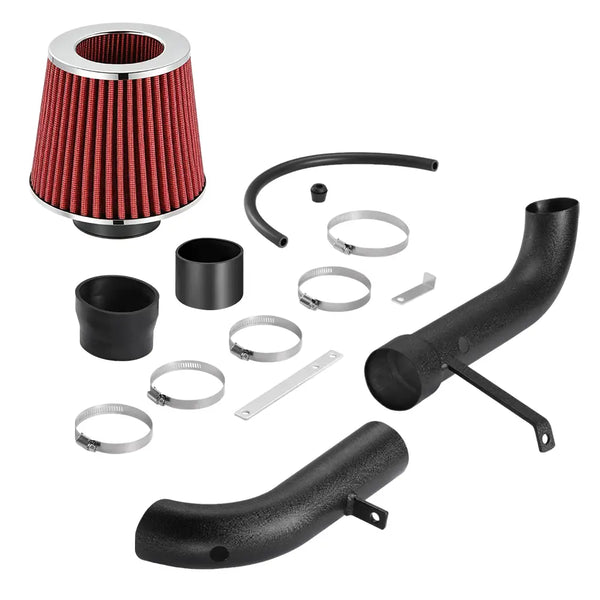
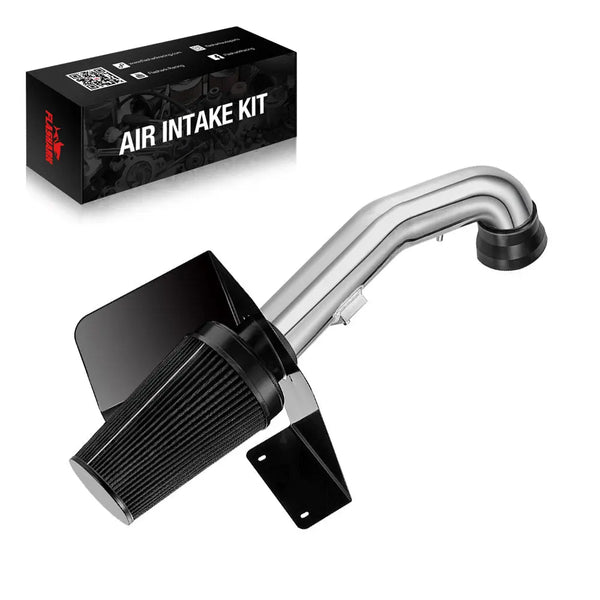
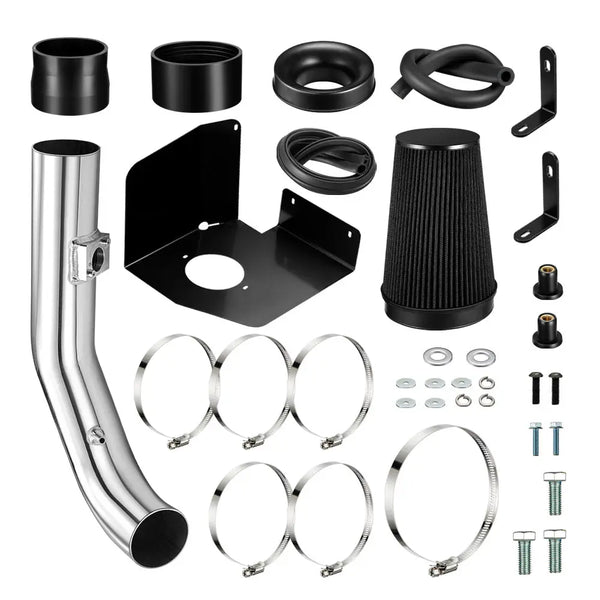
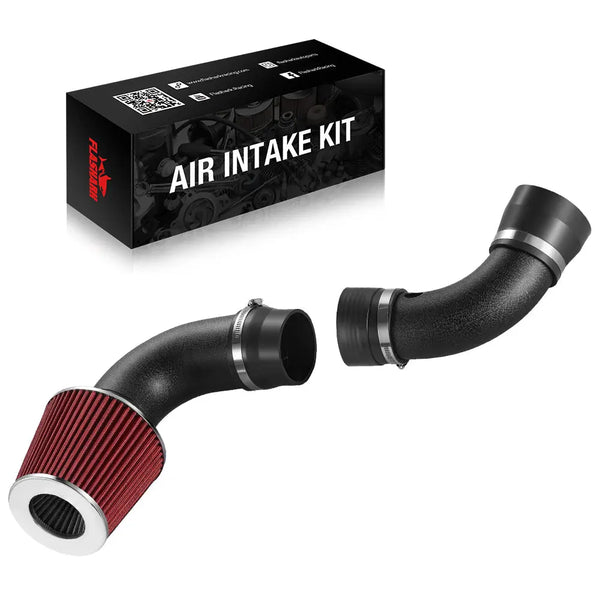
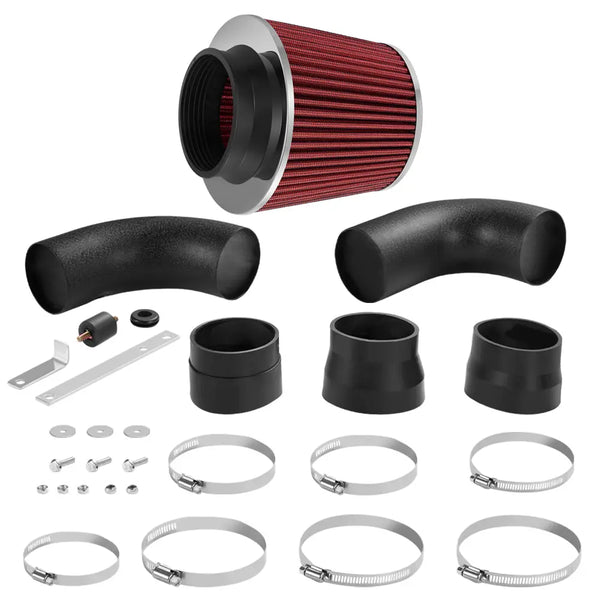
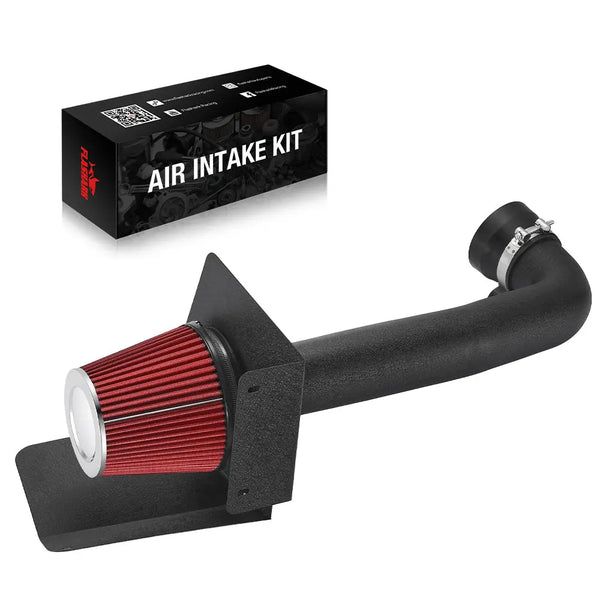
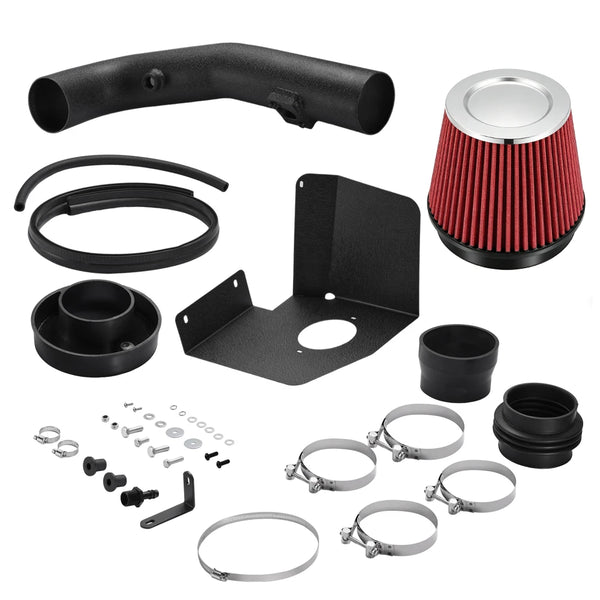
Flashark Chevrolet and GMC air intake kits cover selected trucks and SUVs, from compact S-truck applications to full-size Vortec and early Duramax platforms. These kits are aimed at owners replacing cracked factory ducting, looking for a stronger induction note, or building a cleaner and easier-to-service intake setup.
Current applications include selected Silverado, Sierra, Yukon, Tahoe, Suburban, Avalanche, S10, Sonoma, and related shared-platform vehicles. Engine coverage ranges from 2.2L and 4.3L applications to 4.8L, 5.3L, 6.0L, and 6.2L gasoline V8s, plus LB7 and LLY 6.6L Duramax trucks.
Select your exact model, model year, engine, and truck series, then confirm the fitment details on the individual product page before ordering.

Shop Cold Air Intakes by Brand: Dodge | Ford | Chevrolet & GMC | Nissan | Volkswagen | Honda | Infiniti | Jeep | Toyota
Shop by Model: Silverado & Sierra Cold Air Intake
Flashark Chevrolet and GMC air intake kits cover selected trucks and SUVs, from compact S-truck applications to full-size Vortec and early Duramax platforms. These kits are aimed at owners replacing cracked factory ducting, looking for a stronger induction note, or building a cleaner and easier-to-service intake setup.
Current applications include selected Silverado, Sierra, Yukon, Tahoe, Suburban, Avalanche, S10, Sonoma, and related shared-platform vehicles. Engine coverage ranges from 2.2L and 4.3L applications to 4.8L, 5.3L, 6.0L, and 6.2L gasoline V8s, plus LB7 and LLY 6.6L Duramax trucks.
Select your exact model, model year, engine, and truck series, then confirm the fitment details on the individual product page before ordering.
Choosing the Right Chevrolet or GMC Air Intake Kit
Picking a Chevrolet or GMC air intake kit by engine displacement alone is how people end up with the wrong tube, the wrong sensor housing, or a bracket that lands nowhere near its mounting point. A 5.3L Silverado and a 5.3L Yukon may share a basic engine family, but the model year, platform, accessory layout, mass airflow sensor arrangement, and available engine-bay space still matter.
The same rule applies to early Duramax trucks. An LB7 and an LLY are both 6.6L Duramax engines, but that does not make their intake hardware automatically interchangeable. Start with the truck. Then verify the engine and production year. That order saves far more trouble than shopping by displacement and hoping the couplers line up.
Before You Buy
- Match the kit to the exact year, model, engine, and truck series—not just the badge on the grille.
- Do not assume every 4.8L, 5.3L, 6.0L, or 6.2L GM truck uses the same MAF housing or intake routing.
- Expect the induction sound to be more noticeable than the measurable power change on a mostly stock naturally aspirated truck.
- Most drivability complaints after installation come back to an air leak, sensor problem, loose hose, or incorrect kit selection.
- LB7 and LLY Duramax kits should be selected by engine code and model year, not by the 6.6L displacement alone.
Start with the Truck Platform, Not Just the Engine Size
Chevrolet and GMC have reused engine families across pickups, SUVs, and related shared-platform vehicles for decades. That sounds convenient until you put two intake systems side by side. Tube bends change. Radiator shrouds change. Battery placement moves. The MAF section may use a different diameter or connector position. Even a few years within the same generation can be enough to change the required hardware.
This collection is best understood as several separate application groups rather than one universal GM intake catalog.
- 1996–2005 S-truck applications: Selected Chevrolet S10 and Blazer, GMC Sonoma and Jimmy, Isuzu Hombre, and Oldsmobile Bravada applications using supported 2.2L or 4.3L engines.
- 1999–2006 GMT800 gasoline applications: Selected Silverado, Sierra, Tahoe, Suburban, Yukon, Avalanche, SSR, TrailBlazer, and Envoy applications with supported 4.8L, 5.3L, and 6.0L engines.
- 2001–2005 GMT800 HD diesel applications: Silverado and Sierra 2500HD or 3500 trucks using either an LB7 or LLY 6.6L Duramax.
- 2007–2014 GMT900 gasoline applications: Selected Silverado, Sierra, Tahoe, Suburban, Yukon, Avalanche, and related applications using supported 4.8L, 5.3L, 6.0L, or 6.2L V8 configurations.
Do not treat those groups as interchangeable. A shared platform or engine family is a starting point for identification—not a fitment guarantee.
Why Owners Replace the Factory Intake
Not every factory GM intake is a badly designed restriction. Let us get that out of the way. On a healthy stock truck, the original airbox often does a respectable job of controlling heat, water, dust, and intake noise. Replacing it only makes sense when the new setup fits the way the truck is actually used.
Plenty of owners are dealing with something more basic than a horsepower chase: old plastic ducting that has hardened, split bellows, missing airbox tabs, tired clamps, or a filter housing that no longer seals correctly. In those cases, an aftermarket Chevy or GMC cold air intake can replace worn components while simplifying future filter access.
Other drivers simply want to hear more of the engine. Opening the intake path and using a cone-style filter usually makes the induction note more obvious under load. A V8 develops a harder, deeper inhale when the throttle opens. A 4.3L V6 becomes more mechanical and noticeable. That sound change is usually easier to feel from the driver’s seat than a small intake-only dyno difference.
An intake may also make sense as part of a mild bolt-on combination with exhaust work or a properly calibrated tune. Just keep the order straight: correct fitment first, leak-free installation second, tuning decisions third.
What Actually Matters in an Intake Kit
The filter gets most of the attention because it is the visible part. In practice, the less glamorous pieces often determine whether the truck runs correctly.
- MAF flange and housing: The sensor must sit in the correct orientation and in a housing sized for the intended calibration.
- Tube routing: The tube must clear the fan shroud, coolant hoses, wiring, hood, battery area, and nearby bodywork.
- Couplers and clamps: A coupler that looks installed can still leak at the lower edge where it is difficult to see.
- Breather and vacuum connections: Every required hose must be reconnected and sealed. An open nipple is unmetered air.
- Bracket support: The intake should not hang from the throttle body or MAF section. Unsupported tubing moves, loosens clamps, and rubs nearby parts.
- Filter location: Position affects heat exposure, water exposure, service access, and the amount of intake sound heard in the cabin.
- Heat shielding: A shield can reduce direct radiant heat and separate the filter from some engine-bay airflow, but it does not turn every engine-bay filter into a sealed outside-air system.
Honest advice? Do not buy a kit because the tube looks large in a product photo. A larger diameter is not automatically better. If the MAF housing diameter changes enough to alter how the ECU interprets airflow, the truck may need calibration work to maintain correct fueling.
Cold-Air-Style Routing vs. a Heat-Shielded Short Ram Intake
The products in this collection do not all place the filter in the same location. Some use a shorter engine-bay route with a heat shield. Others use longer routing intended to move the filter toward a cooler air source. Neither layout wins every argument.
| Comparison Point | Heat-Shielded Short Ram | Cold-Air-Style Routing |
|---|---|---|
| Filter location | Usually remains in the upper engine bay behind a partial heat shield. | Routes the filter farther from the main engine heat source when the vehicle layout allows it. |
| Installation access | Typically easier to reach, inspect, and service from above. | May require more disassembly and tighter work around the fender or lower body area. |
| Heat exposure | More exposed to engine-bay temperature during idling and low-speed operation. | Can reduce direct engine-bay heat exposure when the routing is properly isolated. |
| Water exposure | Generally lower because the filter remains high in the engine bay. | Can be higher if the filter sits low near a wheel well, splash path, or bumper opening. |
| Induction sound | Usually loud and immediate because the filter is close to the throttle body. | Still more noticeable than stock, though the tube length and filter enclosure affect tone. |
| Best use | Daily drivers that prioritize access, sound, and a straightforward installation. | Street builds where cooler filter placement is useful and local water conditions are considered. |
A heat shield helps, but it is not magic. At a stoplight, nearly every open filter located under the hood is surrounded by warmer air. Once the truck is moving, airflow through the grille and body openings changes that picture. This is why a real comparison needs repeatable intake-air-temperature and dyno testing—not just a hand placed near the filter after idling.
Silverado, Sierra, Yukon, Tahoe, and Vortec Fitment
Full-size Chevrolet and GMC applications make up the largest part of this collection, but they also create the most room for ordering mistakes. The terms “5.3 Vortec intake” or “Chevy truck intake” cover too much ground on their own.
For 1999–2006 GMT800 gasoline trucks and SUVs, supported engine families may include LR4 4.8L, LM4/LM7/L59 5.3L, and LQ4/LQ9 6.0L applications. These vehicles share plenty of architecture, yet the exact vehicle, throttle-body arrangement, accessory layout, and product configuration still need to match.
Owners shopping for those earlier Vortec applications can review the dedicated 1999–2006 Chevrolet and GMC Vortec air intake kit.
The 2007–2014 GMT900 range needs even closer attention. Some kits divide 2007–2008 applications from 2009–2014 applications because of intake and MAF-related differences. Others may exclude certain 2500, 3500, 6.0L, or specialty configurations. Read the individual product Fitment section instead of assuming a kit labeled “Silverado” fits every Silverado produced during that period.
For a more focused selection of supported pickup applications, browse the Silverado & Sierra Cold Air Intake collection.
LB7 and LLY Duramax Intake Kits Are Not the Same
Both engines displace 6.6 liters. That is where the shortcut ends. The LB7 was used in the earlier 2001–2004 HD applications covered here, while the LLY appears in supported 2004–2005 applications. Their engine-bay hardware, intake connections, and production-year details need to be treated separately.
For an early LB7 truck, use the product-specific 2001–2004 LB7 Duramax air intake kit. For an LLY application, review the 2004–2005 LLY Duramax air intake kit.
Do not order by the phrase “6.6L Duramax” alone. Verify the engine code, the vehicle build year, and the exact Silverado or Sierra HD series before choosing a kit.
MAF, Fitment, and Installation Checks
A modern GM engine does not know that a shiny new intake has been installed. It only knows what its sensors report. If the MAF signal no longer matches the airflow the ECU expects, or if unmetered air enters downstream of the sensor, the truck may idle poorly, hesitate, set a fault code, or develop abnormal fuel corrections.
Before starting the engine, work through this checklist:
- Confirm the MAF arrow or sensing direction matches the original airflow direction.
- Make sure the MAF electrical connector is fully locked and the harness is not stretched tight.
- Inspect the entire circumference of each coupler, especially the hidden lower edge.
- Reconnect every breather, PCV, and vacuum hose required by the original system.
- Check that clamps sit behind the tube bead rather than on the outer edge of the coupler.
- Verify the intake tube does not touch the fan shroud, radiator hose, hood, battery terminal, or bodywork.
- Install the support bracket before tightening the complete system.
- After the first full heat cycle, recheck the clamps and filter connection.
Mechanic’s Diagnostic Note
When a truck develops a rough idle or P0101-style airflow fault immediately after an intake installation, do not start by blaming the ECU. Begin at the throttle body and work outward. Check the throttle-body coupler, every hose connection, the MAF seal, the sensor direction, and the filter-side clamp.
A common failure is a coupler that appears square from above but has folded inward underneath. The tube looks installed. The clamp feels tight. Yet the engine is pulling air through the hidden gap after the MAF has already measured the incoming flow. Correct the physical leak first, clear the code, and then evaluate whether any calibration issue remains.
Realistic Power, Sound, and Tune Expectations
Ignore the forum math that stacks the biggest advertised gain from every bolt-on and calls the total guaranteed horsepower. Engines do not work that way.
On a mostly stock naturally aspirated truck, the measurable intake-only change is often modest and may remain in the single-digit wheel-horsepower range. The exact result depends on the engine, original airbox condition, tube design, inlet temperature, ECU behavior, test method, and any supporting modifications. Without a same-truck, same-dyno, same-day comparison, a specific Flashark horsepower claim would be guesswork.
The sound change is usually clearer. Under heavier throttle, an open-filter setup can produce a stronger induction roar. At light throttle and steady cruising, the difference may be much smaller.
Many correctly sized kits that retain the factory MAF sensor and expected housing dimensions can operate on the stock calibration. That is not a blanket promise. A substantially oversized tube, altered MAF housing, forced-induction setup, or heavily modified engine may require calibration changes.
If the truck runs poorly after installing a standard replacement-style kit, check the hardware before shopping for a tune. A tune cannot repair a folded coupler, reversed MAF sensor, disconnected breather hose, or loose clamp.
Water, Emissions, and Street-Use Warning
Filter position matters. A filter mounted high in the engine bay generally has less direct water exposure than one routed low behind a bumper or inner fender, but no open intake should be driven through deep standing water. Water ingestion can damage an engine, and a low filter position increases that risk.
Intake legality also varies by location. Do not assume a kit is legal for California or another regulated jurisdiction unless the individual product has the required certification or exemption for that exact application. Check local requirements before installing an intake on a street-driven vehicle.
Which Chevrolet or GMC Air Intake Fits Your Build?
The best choice depends on what the truck actually does every week—not the most aggressive product photo.
- Stock daily driver: Prioritize correct MAF compatibility, secure brackets, straightforward filter access, and reasonable protection from engine heat and road splash.
- Sound-focused street truck: An open-filter or short-ram-style layout can deliver a more obvious induction note without requiring an extreme tube size.
- Naturally aspirated bolt-on build: Match the intake to the engine and calibration, then evaluate it as part of the complete airflow system rather than a guaranteed standalone power fix.
- Tuned or heavily modified vehicle: Confirm the MAF housing diameter and calibration requirements before installation. Oversized hardware may need dedicated tuning.
- Towing or work truck: Put sealing, filter protection, bracket support, and serviceability ahead of maximum intake noise.
- Duramax HD truck: Select by LB7 or LLY engine code and verify the exact model year and truck series.
Flashark offers kits for several Chevrolet and GMC platforms, but the catalog should be treated as a group of vehicle-specific solutions—not a universal tube-and-filter system. Confirm the product-page Fitment details, inspect the listed engine range, and look closely at any exclusions before ordering.
Need a different make or platform? Browse the complete cold air intake kit collection.
Chevrolet and GMC Air Intake FAQs
Q1: Does this collection include both Chevrolet and GMC air intake kits?
A1: Yes. The collection includes selected Chevrolet and GMC truck and SUV applications, plus a small number of shared-platform Cadillac, Isuzu, and Oldsmobile applications. Always use the individual product Fitment section as the final reference.
Q2: Which Chevrolet and GMC models are currently covered?
A2: Current product coverage includes selected Silverado, Sierra, Yukon, Tahoe, Suburban, Avalanche, S10, Sonoma, Blazer, Jimmy, TrailBlazer, Envoy, and related applications. Coverage is not continuous across every model year or engine.
Q3: Will one 5.3L intake fit every Silverado, Sierra, Yukon, and Tahoe?
A3: No. Vehicles sharing a 5.3L engine may still use different tube routing, MAF housings, brackets, throttle-body connections, or engine-bay layouts. Match the exact year, model, engine, and product configuration.
Q4: What is different between the 2007–2008 and 2009–2014 intake kits?
A4: The required intake tube, sensor housing, and supported engine or chassis range may change across those production periods. Some products separate 2007–2008 from 2009–2014 applications, so do not select a kit based only on the GMT900 body style.
Q5: Can LR4, LM4, LM7, L59, LQ4, and LQ9 engines use the same intake?
A5: Not automatically. These engines appear across related GM platforms, but vehicle packaging, intake routing, throttle-body hardware, and product design can differ. Use the verified engine and vehicle list on the product page.
Q6: Are LB7 and LLY Duramax intake kits interchangeable?
A6: No. LB7 and LLY applications should be treated as separate fitments even though both engines displace 6.6 liters. Verify the engine code, model year, and Silverado or Sierra HD series before ordering.
Q7: What is the difference between a cold air intake and a heat-shielded short ram intake?
A7: A short ram generally keeps the filter higher and closer to the engine, making installation and servicing easier but increasing engine-bay heat exposure. Cold-air-style routing moves the filter toward a cooler location when space allows, though a lower filter can face more water and road-splash exposure.
Q8: Does a Chevrolet or GMC cold air intake require a tune?
A8: Many correctly sized kits that retain the factory MAF sensor can operate without a tune. A substantially oversized tube, altered MAF housing, forced-induction setup, or heavily modified engine may require calibration changes.
Q9: Can an incorrect MAF installation cause a P0101 code or lean condition?
A9: Yes. Incorrect sensor direction, an air leak after the MAF, a loose electrical connector, contamination, or the wrong housing diameter can create airflow faults and drivability problems.
Q10: Can an oiled filter contaminate the MAF sensor?
A10: Excess filter oil can migrate onto a MAF sensing element. Many kits in this collection use dry filters, but any reusable oiled filter should be serviced with the correct amount of oil and allowed to dry as directed before installation.
Q11: Can these intake kits cause hydrolock?
A11: Hydrolock requires enough water to enter the engine, so risk depends heavily on filter position and driving conditions. A low-mounted filter is more exposed than one located high in the engine bay. Never drive through deep standing water with an open intake system.
Q12: Are these air intake kits legal for use in California?
A12: Do not assume California legality unless the individual product has the required CARB exemption or certification for the exact vehicle and engine. Check the product information and local regulations before installing it on a street-driven vehicle.