





 Product Specifications

Long Tube Headers & Y-Pipe for 1999-2006 Chevy/GMC Silverado, Sierra & Avalanche 1500
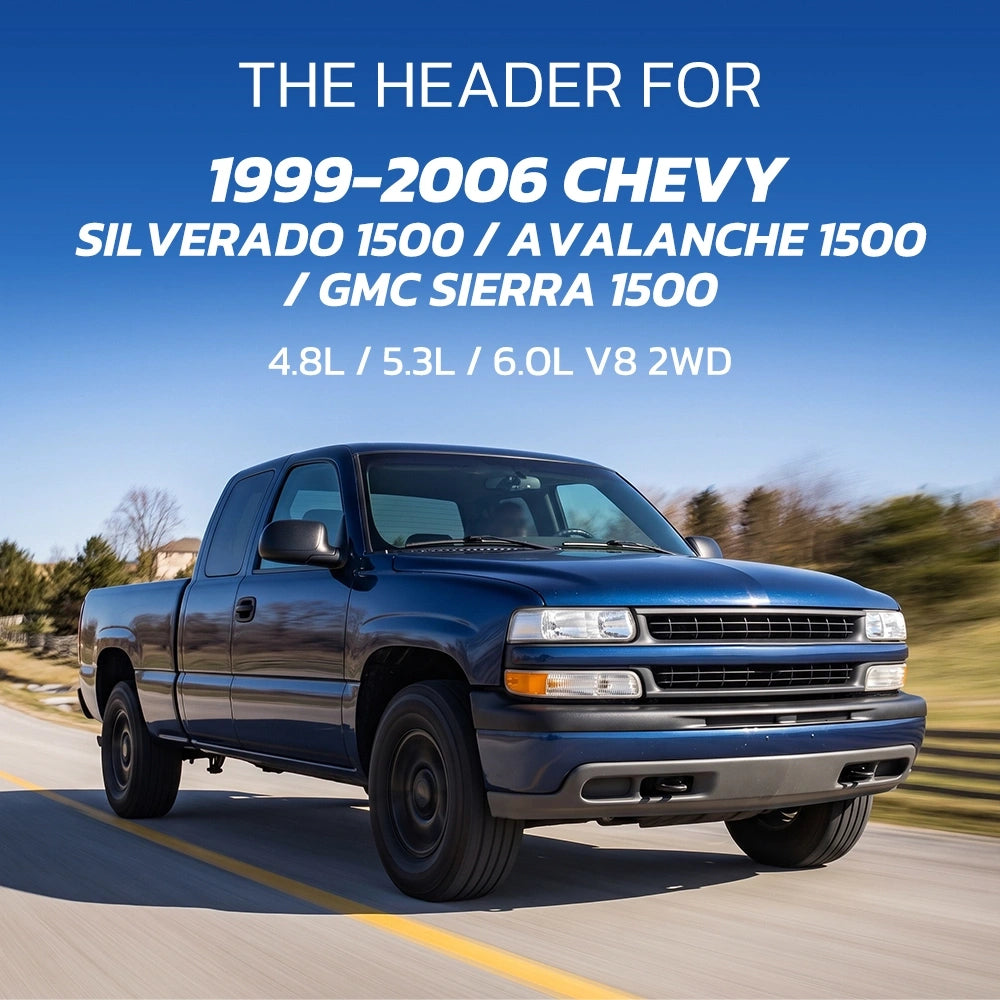
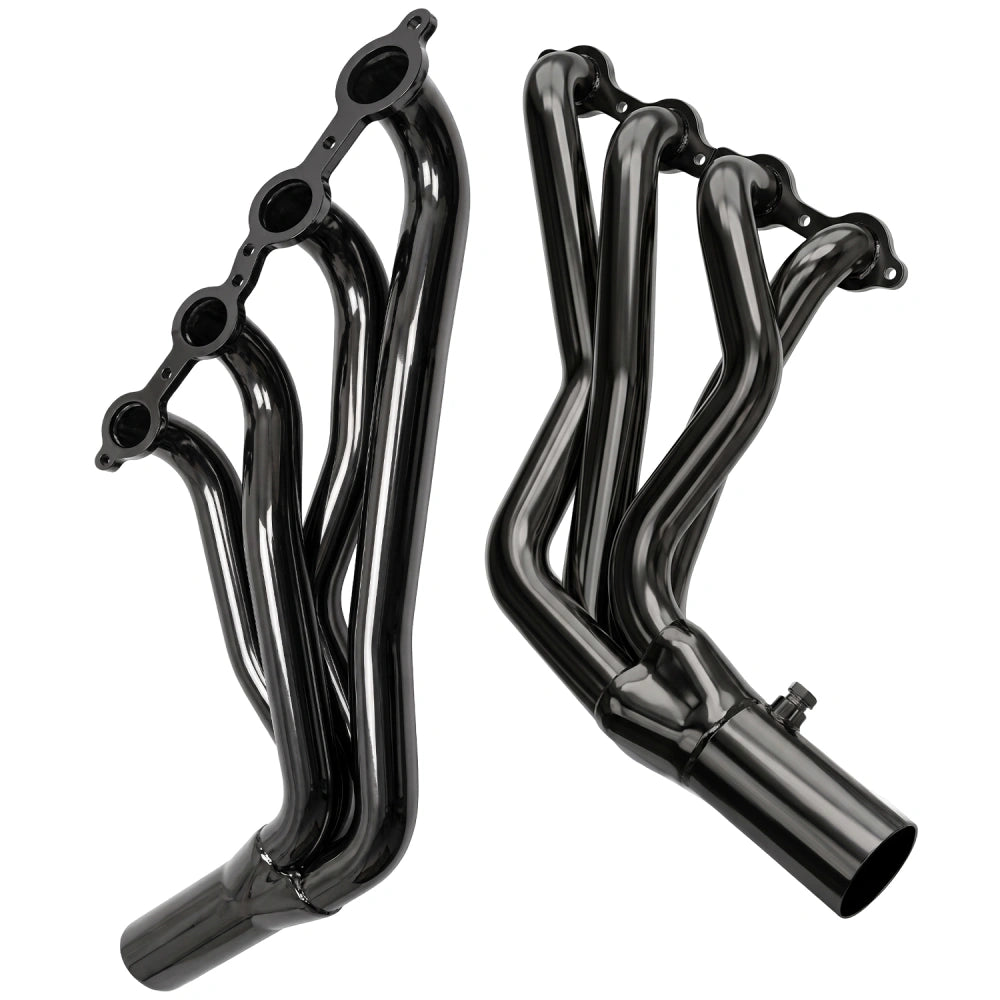
A stronger-flowing exhaust path can give a GMT800 truck a deeper V8 tone, sharper response and better pull through the upper rpm range. This long tube header and Y-pipe kit is designed for listed 1999-2006 Chevrolet Silverado 1500 and GMC Sierra 1500 applications with 4.8L, 5.3L or 6.0L Vortec V8 engines, with the cleanest installation path on 2WD trucks.
The kit replaces the restrictive factory manifold layout with paired long tube headers feeding into a matching 3-inch Y-pipe. It is intended for owners building a more responsive street-performance, project or track-oriented exhaust system. Check the vehicle, drivetrain, transmission and EGR configuration before selecting a variant.
Header Specifications
| Product Type | Long tube headers with matching Y-pipe |
|---|---|
| Vehicle Platform | GM GMT800 1500 trucks and listed SUV application |
| Engine Fitment | 4.8L / 5.3L / 6.0L Vortec V8 for listed Silverado and Sierra applications |
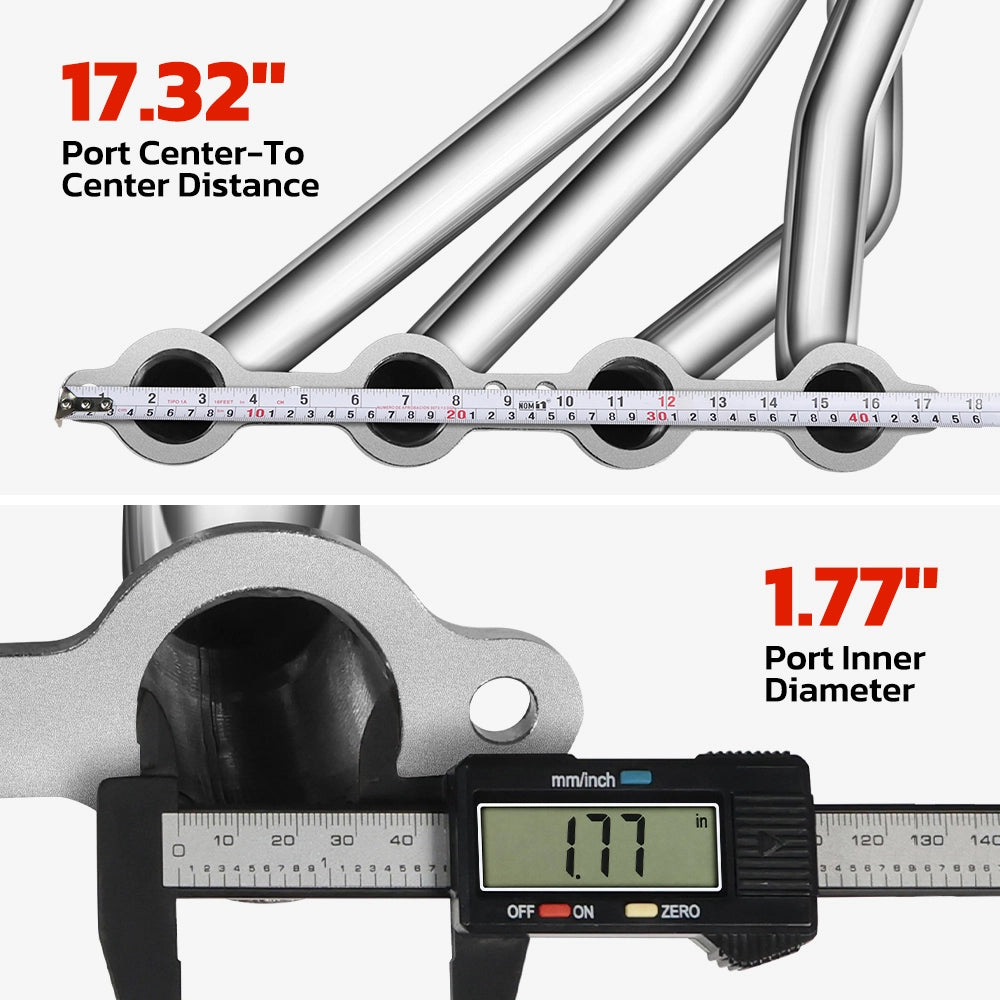
| Header Inlet / Outlet | 1.83 in. / 2.84 in. |
| Header Layout | Dual 4-into-1 long tube headers |
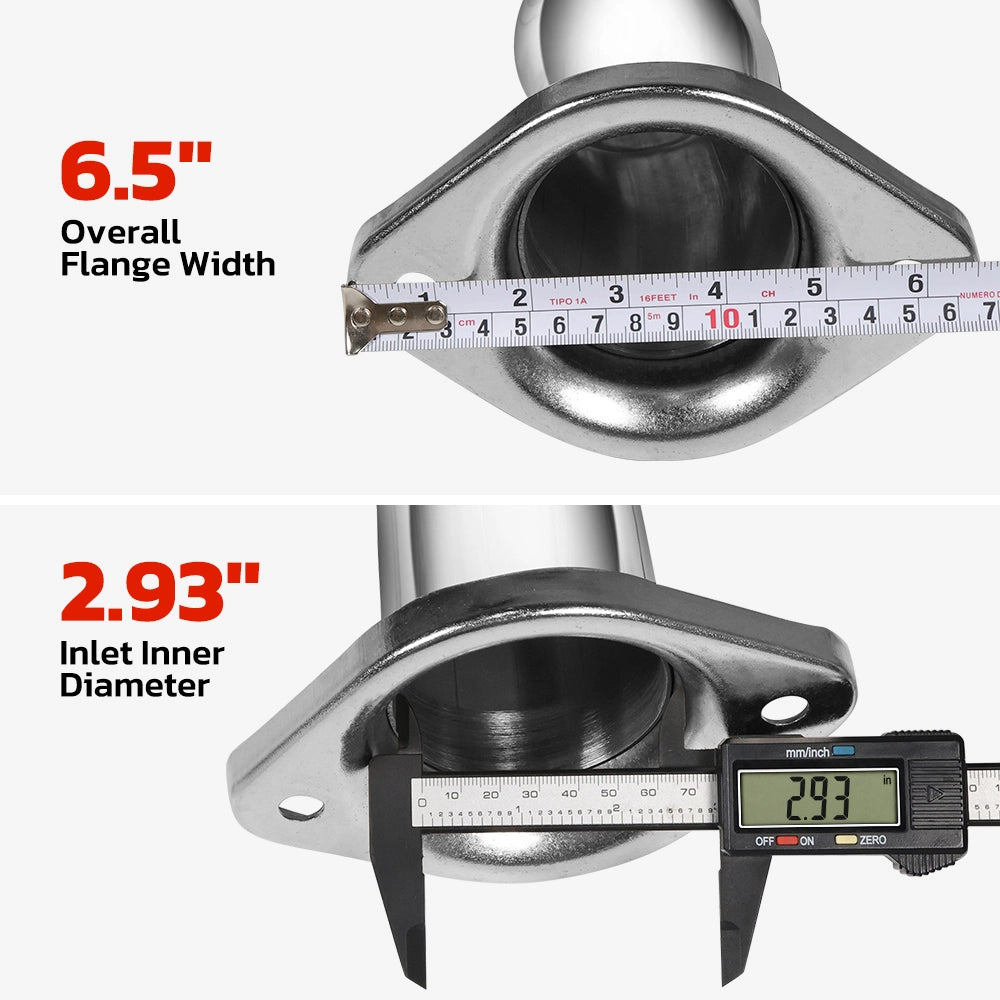
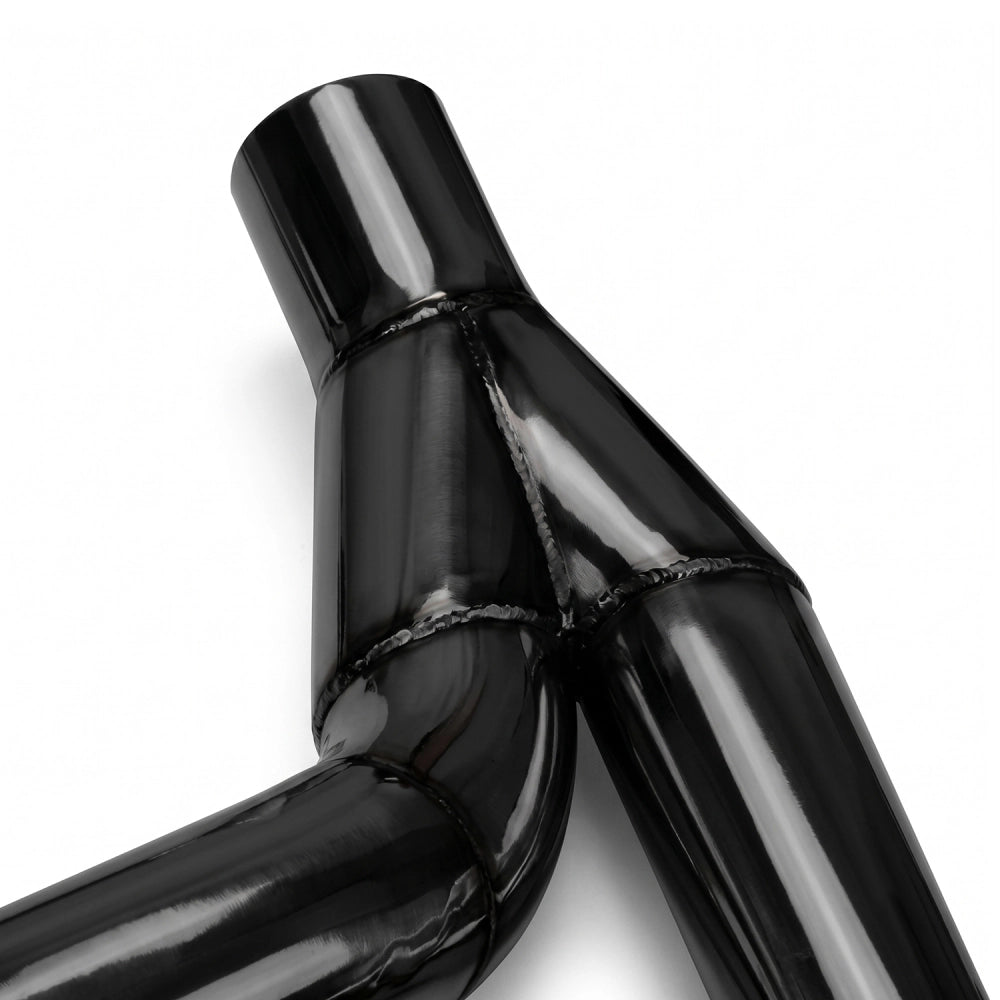
| Y-Pipe | 3-inch matching Y-pipe |
| Material | 201 stainless steel |
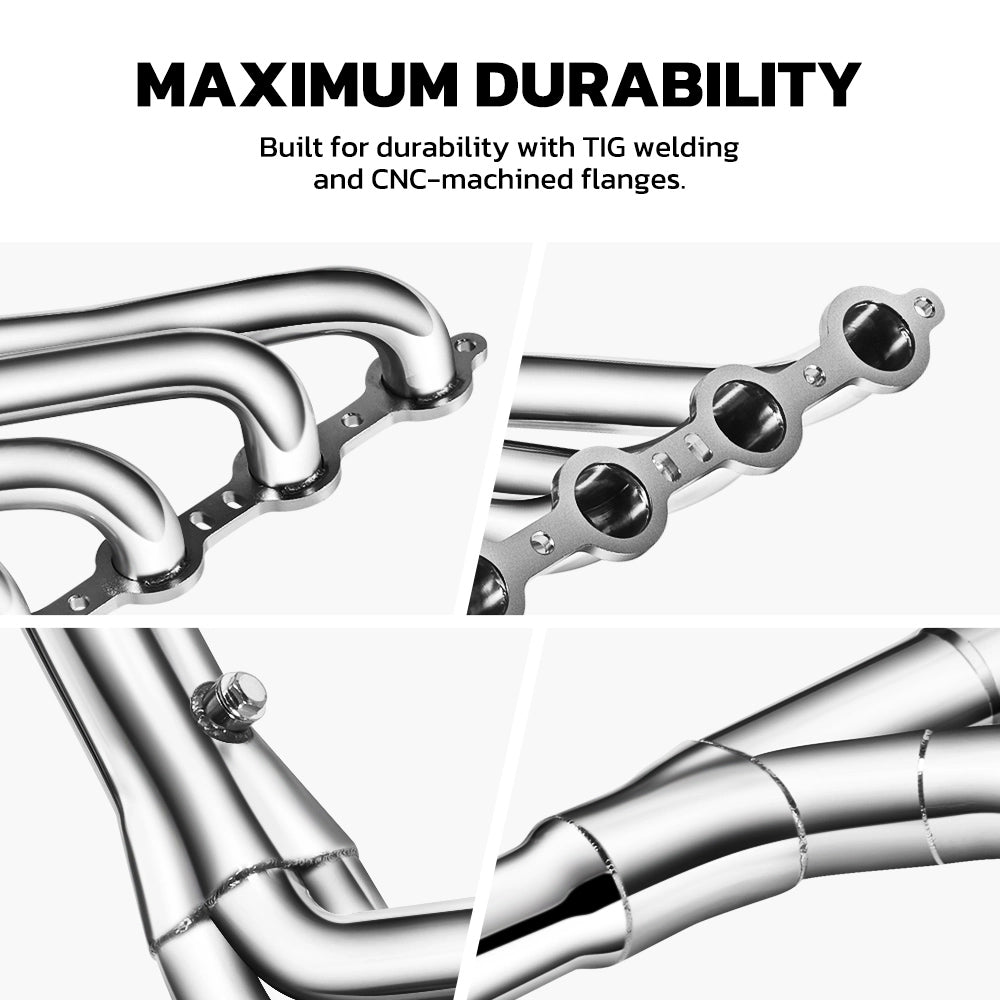
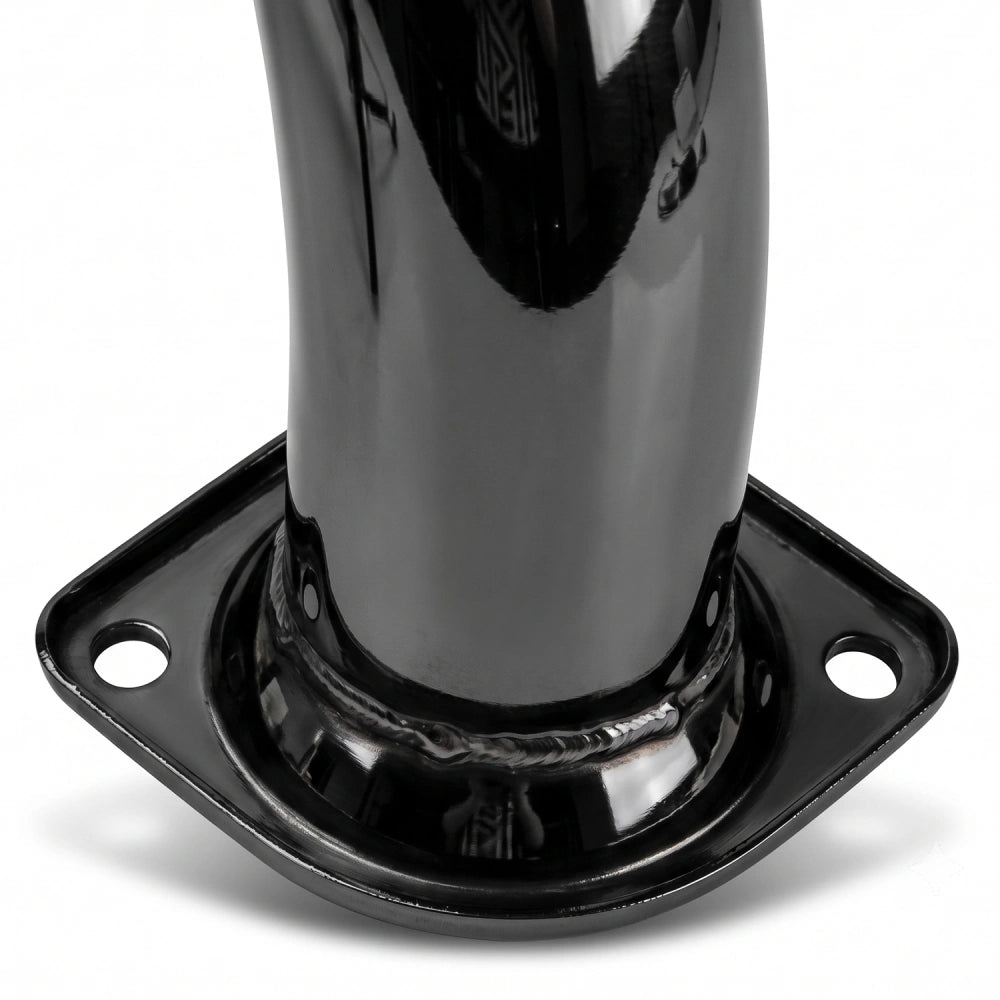
| Construction | TIG-welded tubing with CNC-machined flanges |
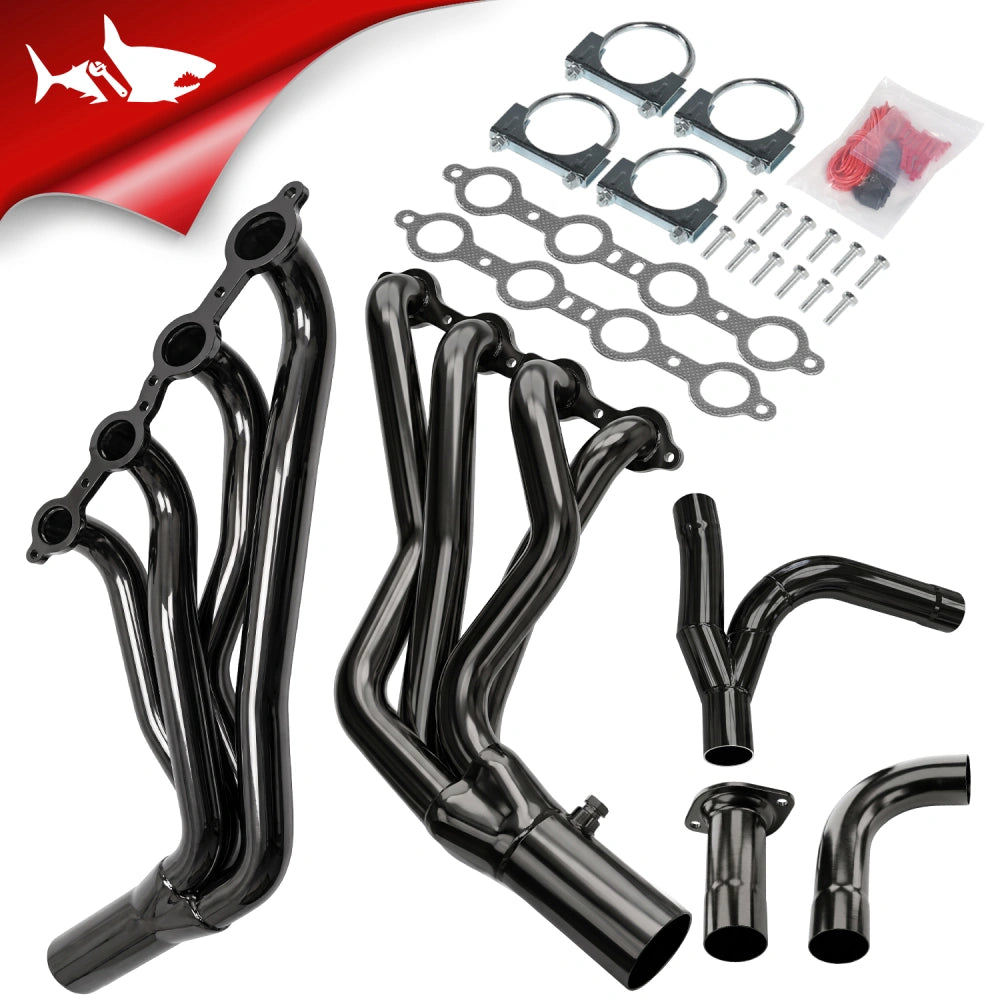
| Finish Options | Silver or black, depending on the selected configuration |
| Base SKU | FLES08356 |

Key Features
- Long tube exhaust path: Reduces restriction compared with the factory cast manifold layout and supports smoother exhaust movement at higher engine speeds.
- Matching 3-inch Y-pipe: Brings both header collectors into a single exhaust path without requiring the factory Y-pipe to connect directly to the long tube collectors.
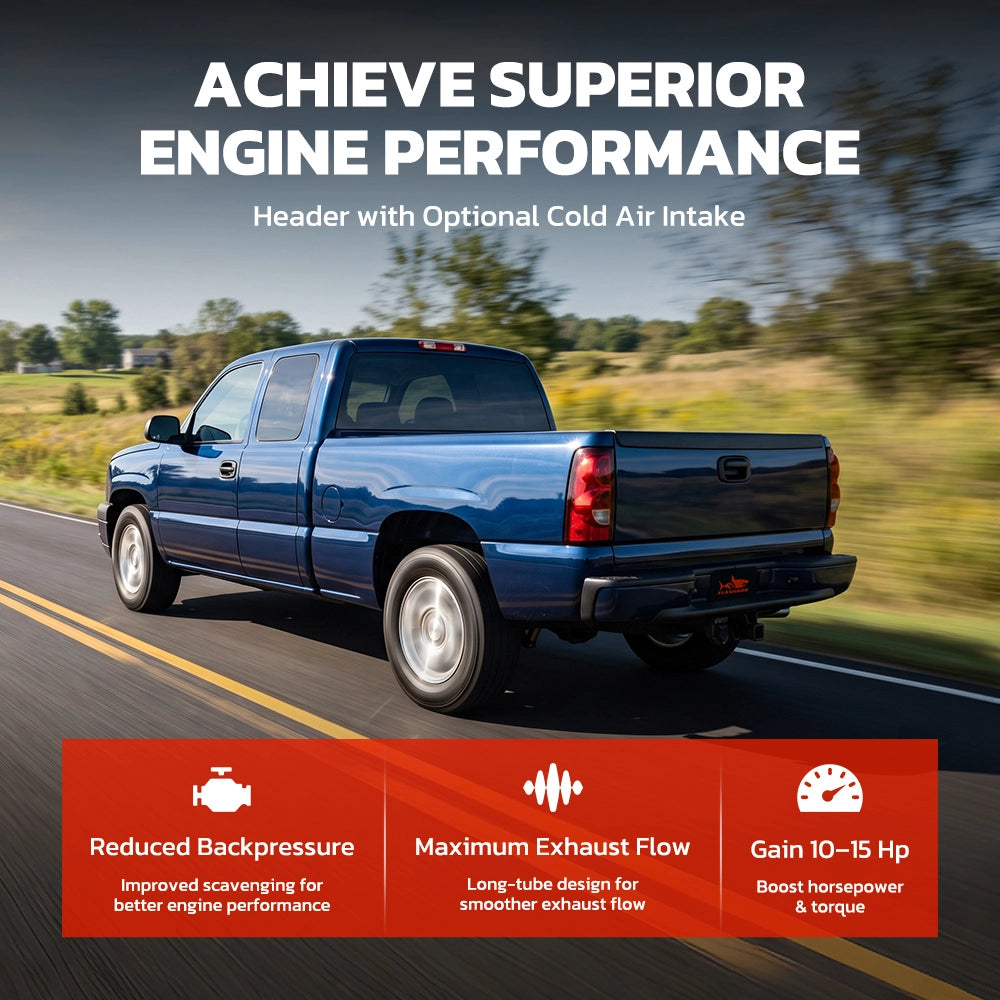
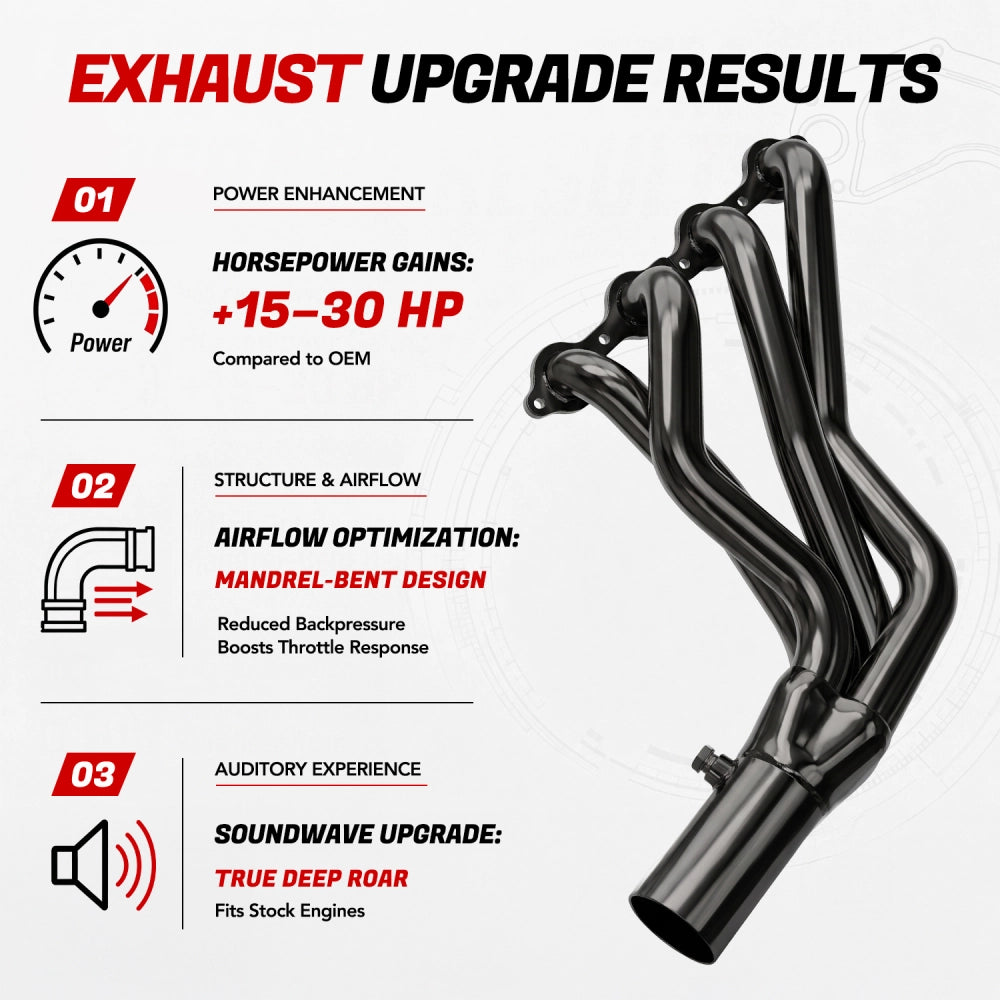
- Estimated performance support: Supports an estimated 10-15 HP and 5-10 ft-lbs of torque depending on the full exhaust setup, tune, engine condition and installation quality. Individual results vary.
- More pronounced V8 sound: Produces a deeper and more aggressive exhaust character, with the final volume and tone determined by the catalytic converters, muffler, resonator and remaining exhaust system.
- 201 stainless steel construction: Uses TIG-welded tubing and CNC-machined flanges for the heat and vibration of a truck exhaust system.
- Standard and EGR configurations: Multiple configurations are available for different truck setups. Select the correct SKU before ordering.
Built for Better Flow and Sound
Long tube headers use longer primary tubes before the exhaust streams merge at each collector. On a naturally aspirated 4.8L, 5.3L or 6.0L Vortec V8, this layout can improve exhaust scavenging and reduce restriction compared with tired or leaking factory manifolds.
On a mostly stock 5.3L Silverado, the most noticeable changes are usually the exhaust note and throttle response. Engines with a camshaft, intake, tune or less restrictive downstream exhaust can make greater use of the additional flow. Results depend on the complete combination rather than the headers alone.
Mechanic’s Note: Check the flange surfaces, gasket position, plug-wire clearance, steering-shaft clearance and collector alignment before final tightening. Recheck accessible fasteners after the first complete heat cycle to reduce the chance of an exhaust leak.
Factory Manifolds vs. Long Tube Headers
| Area | Factory Cast Manifolds | Long Tube Header Kit |
|---|---|---|
| Exhaust path | Compact factory routing | Longer primary tubes feeding a 3-inch Y-pipe |
| Sound | Quieter, factory-style tone | Deeper and more aggressive V8 character |
| Installation | Designed around the original exhaust system | More installation work with additional clearance and alignment checks |
| Best suited for | Factory-style repair and quiet daily use | Performance builds, cammed trucks and owners wanting stronger exhaust sound |
How the Headers and Y-Pipe Fit the GMT800 Exhaust Path
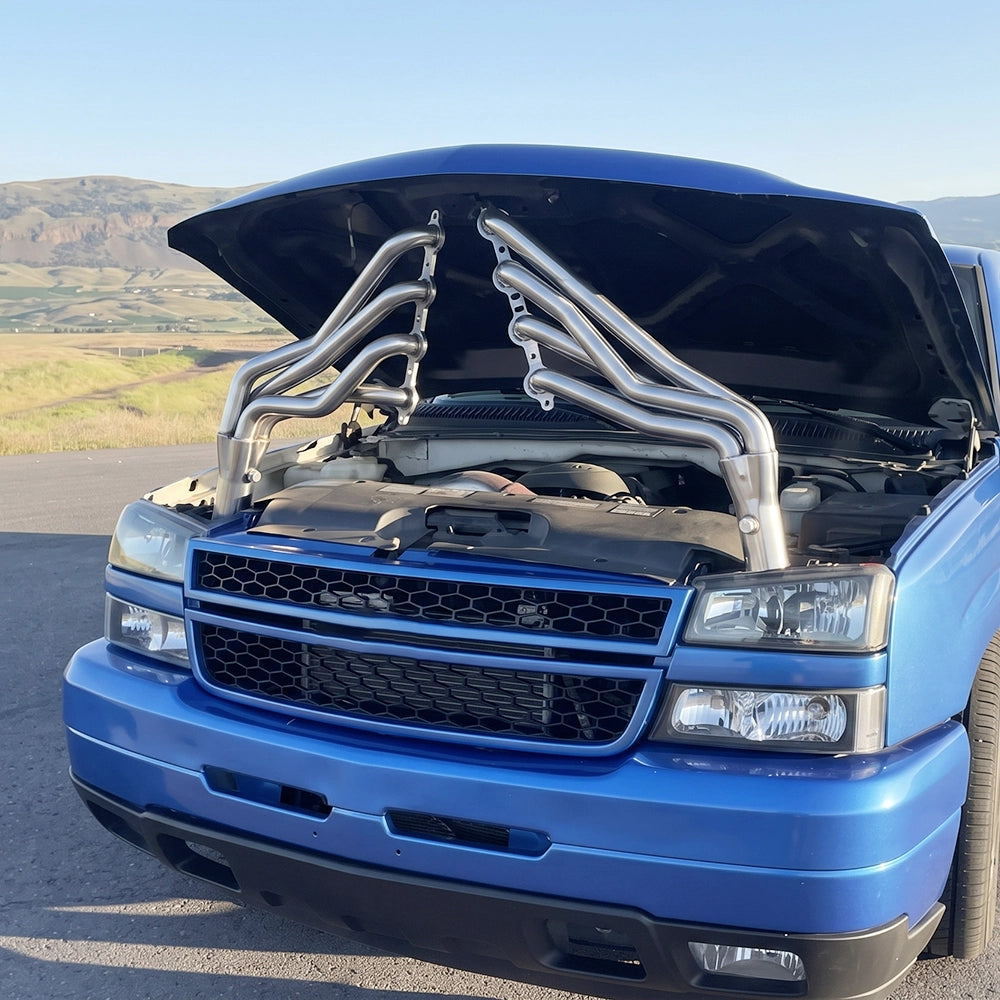
The long tube headers replace the left and right factory exhaust manifolds. Each bank feeds a collector beneath the truck, and the supplied Y-pipe merges the two sides into a single downstream exhaust path.
The Y-pipe is part of the header installation and should not be confused with a cat-back exhaust. A cat-back system begins farther downstream and controls much of the final exhaust volume, drone and tailpipe tone. Connection work can be required where the new Y-pipe meets an existing factory or aftermarket exhaust.
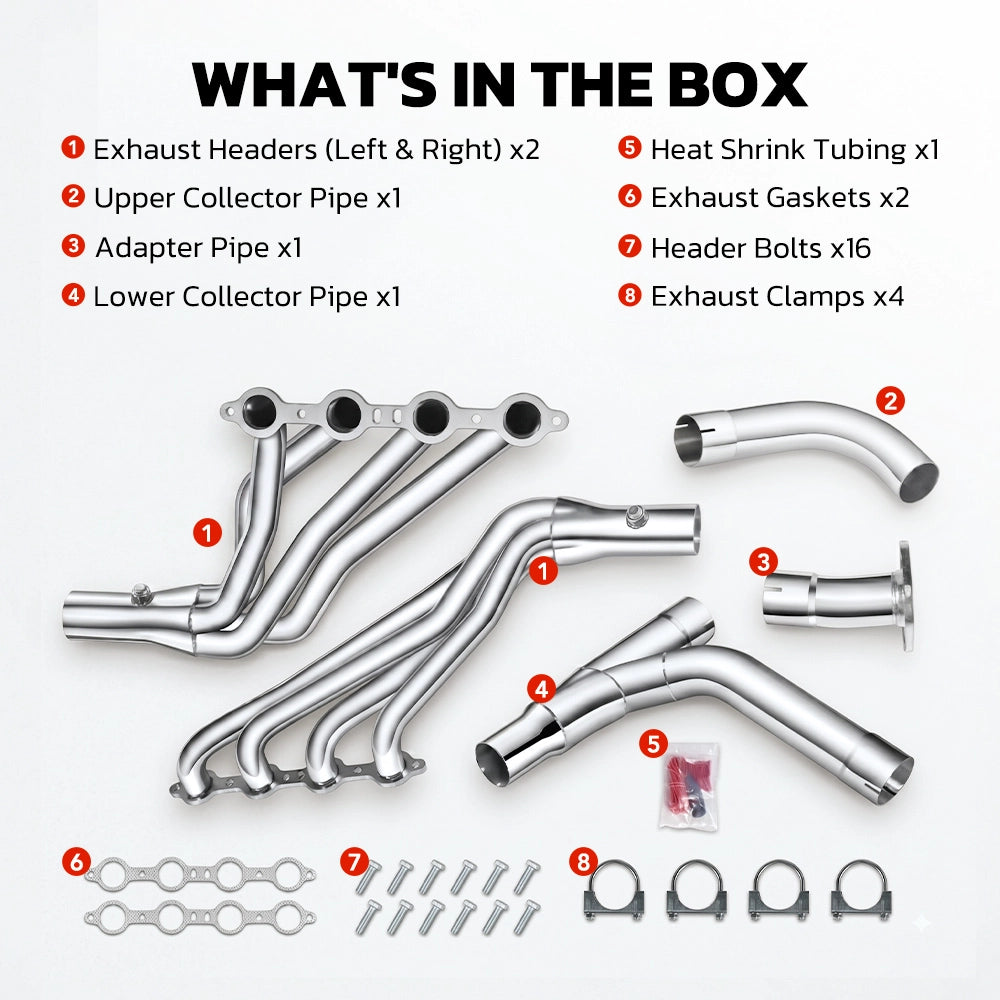
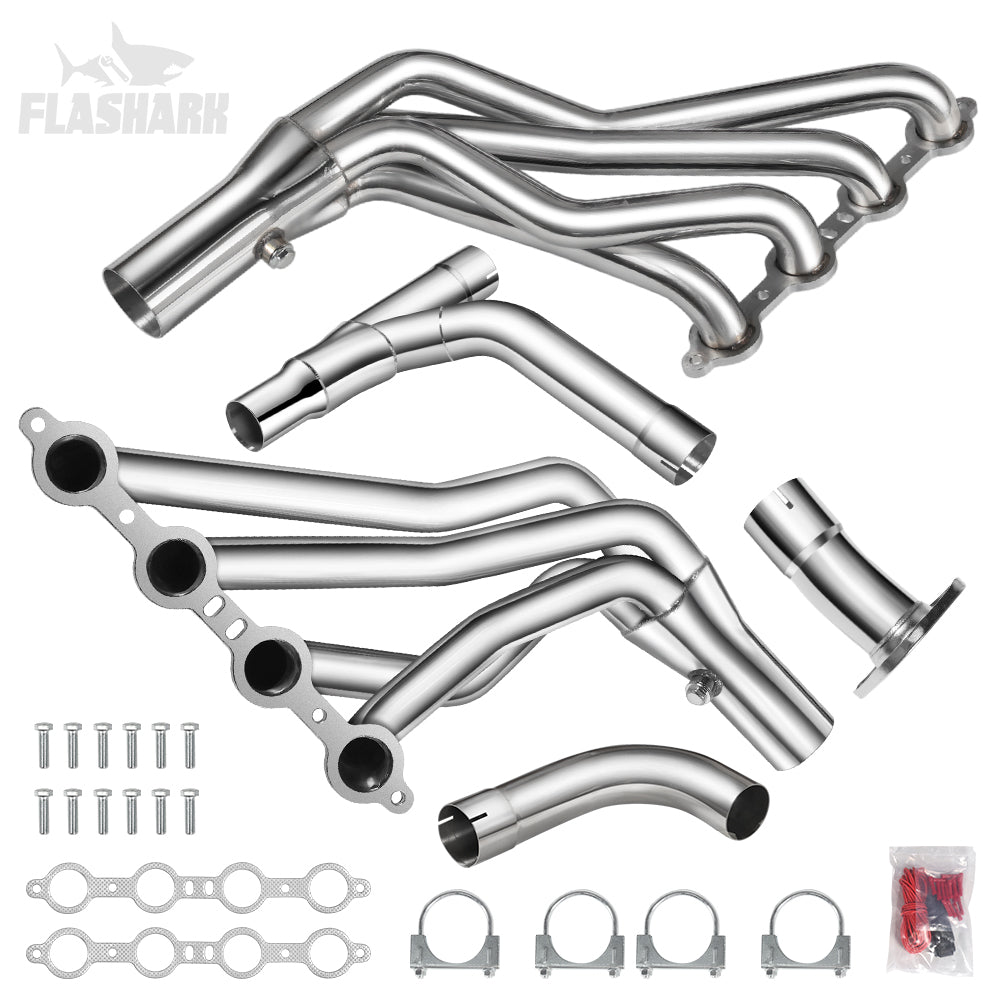
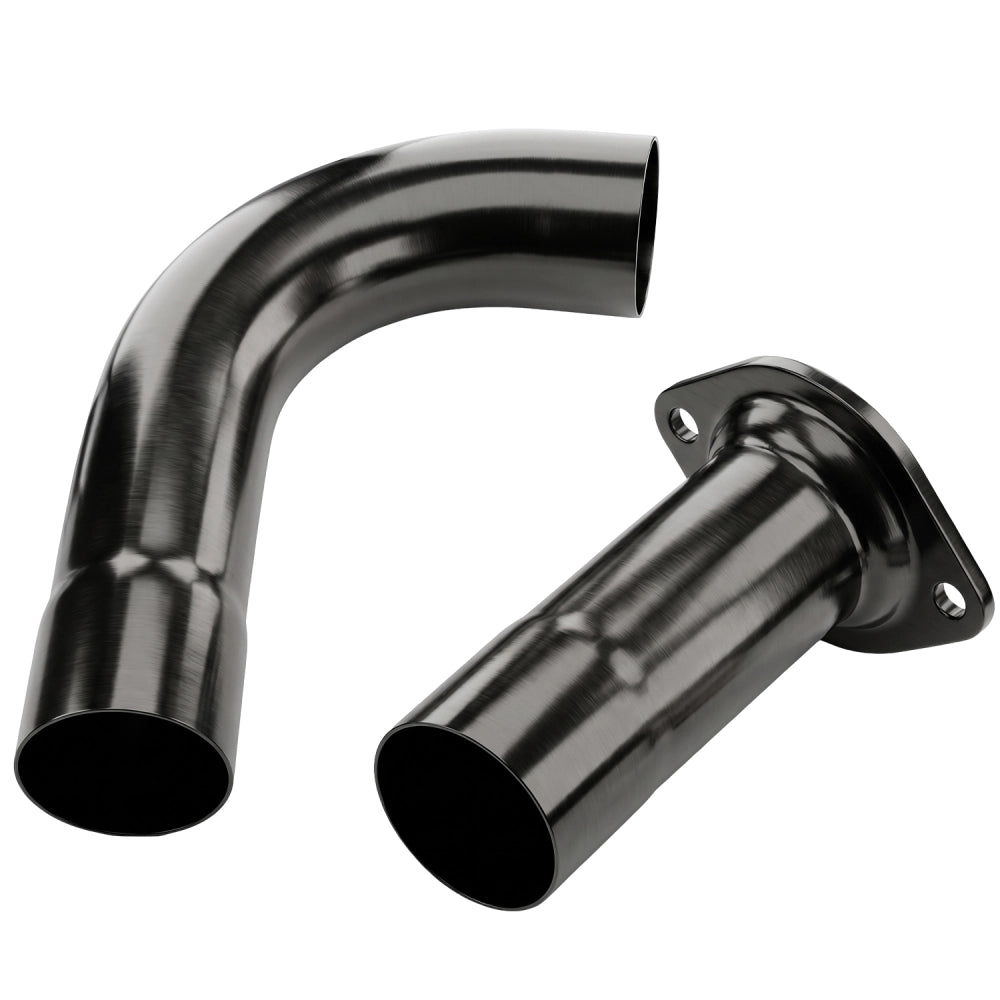
What Is Included
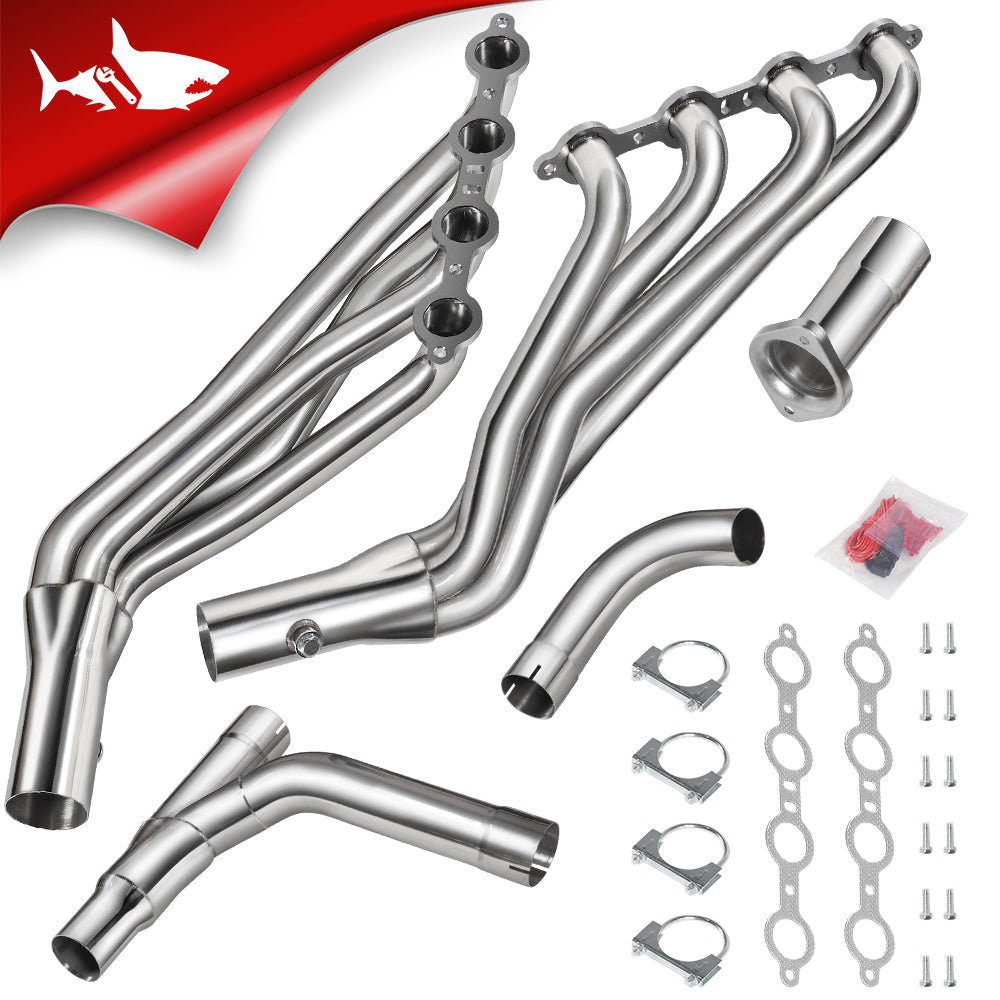
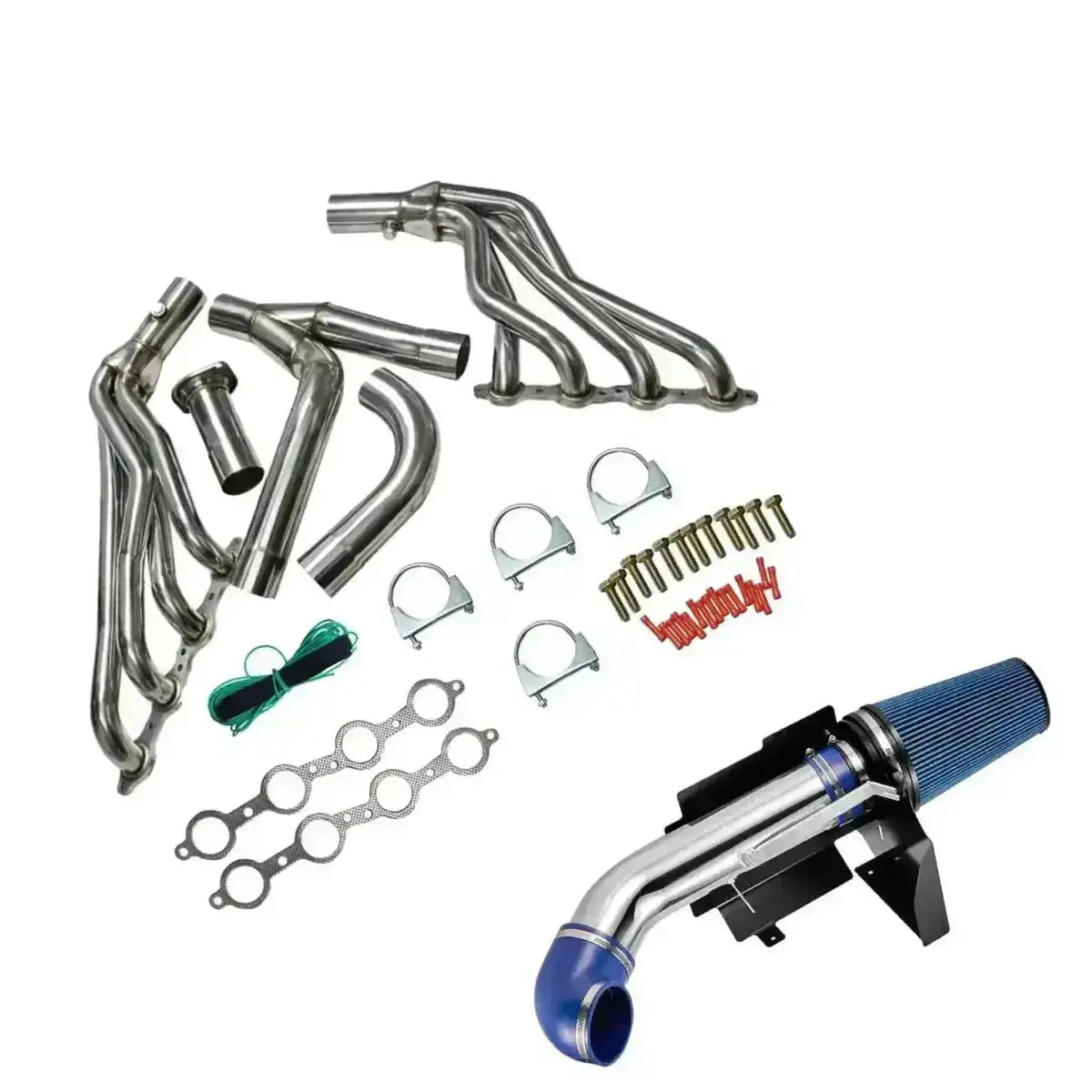
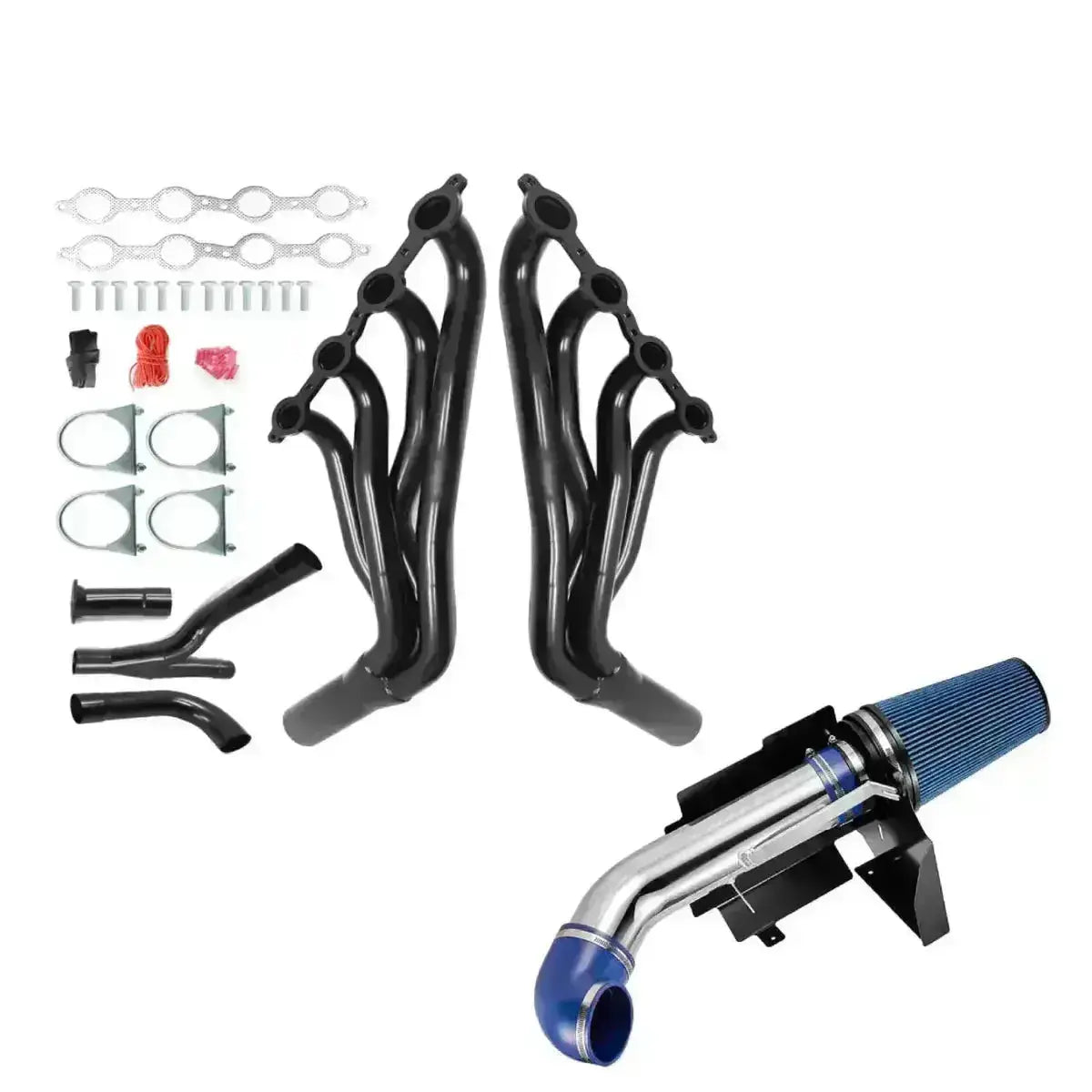
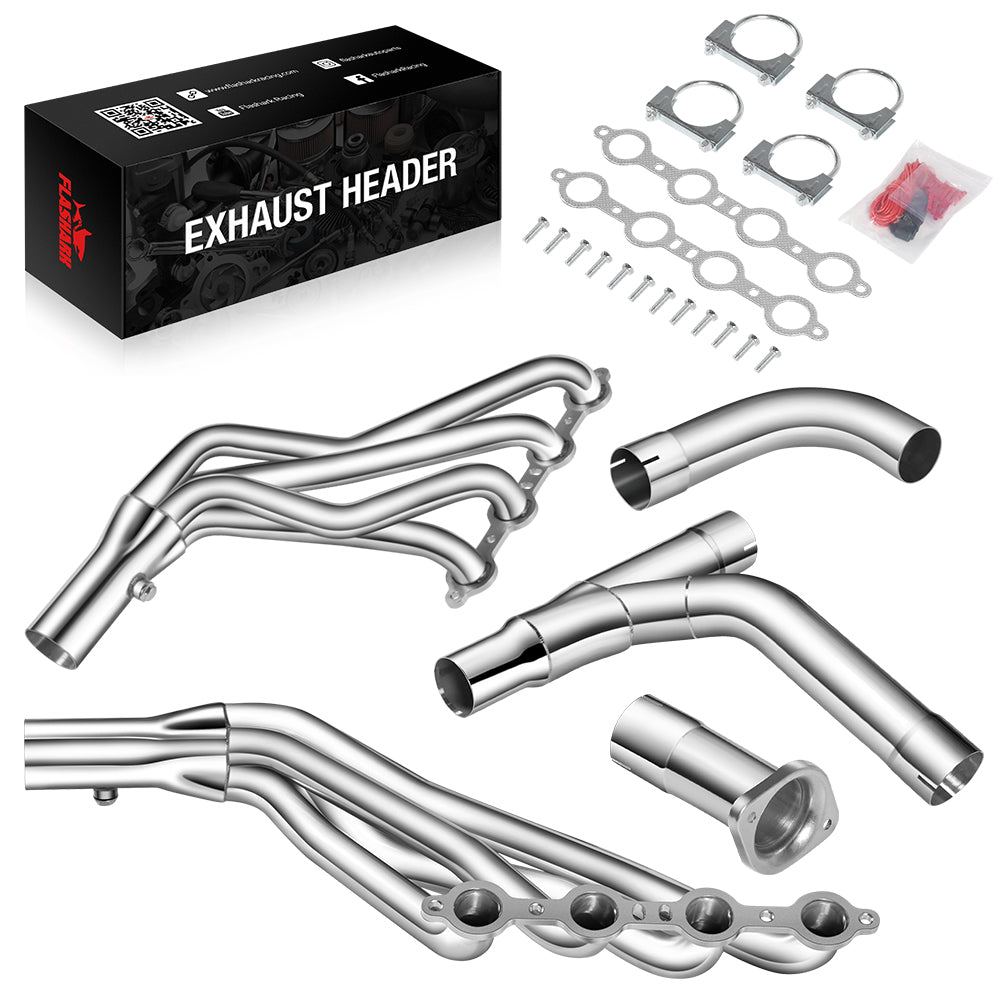
- One pair of long tube headers
- One matching 3-inch Y-pipe
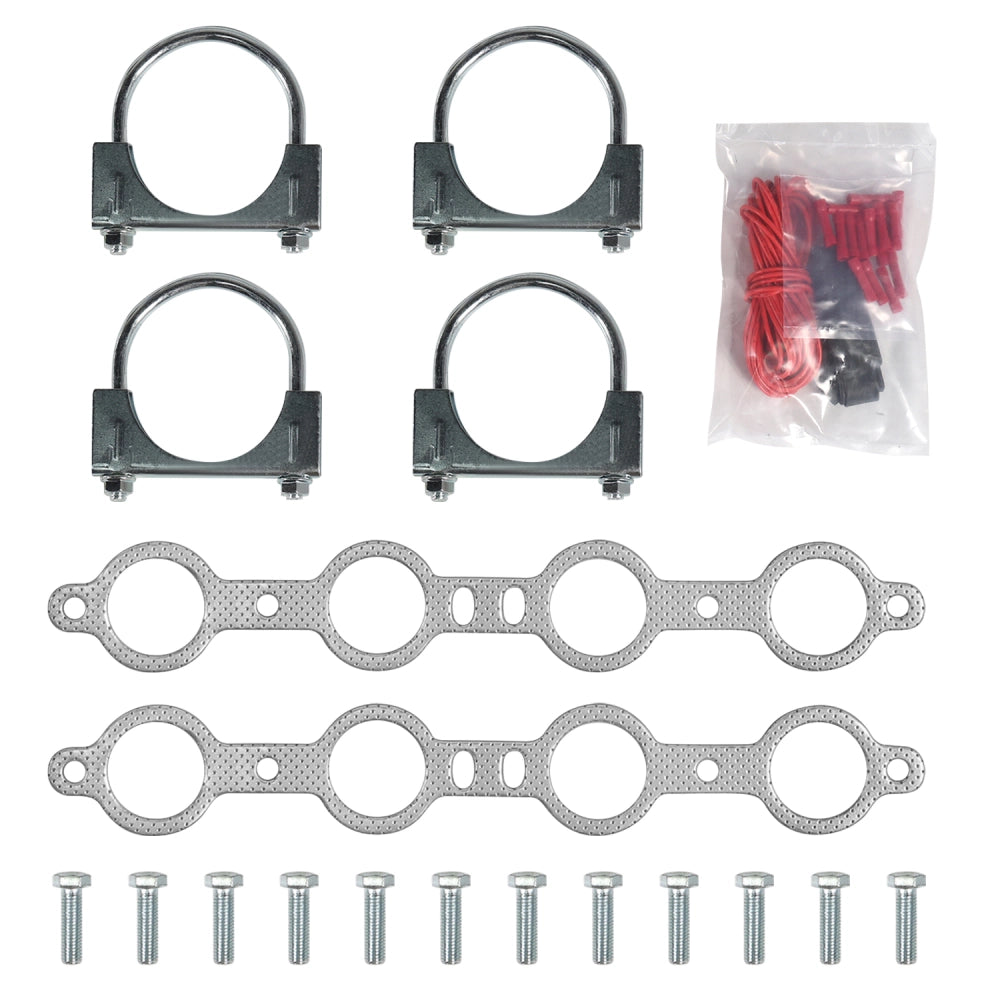
- Header gaskets
- Installation hardware
Package contents differ when a header-and-intake combination is selected. Check the selected configuration before installation.
Installation and Setup Notes
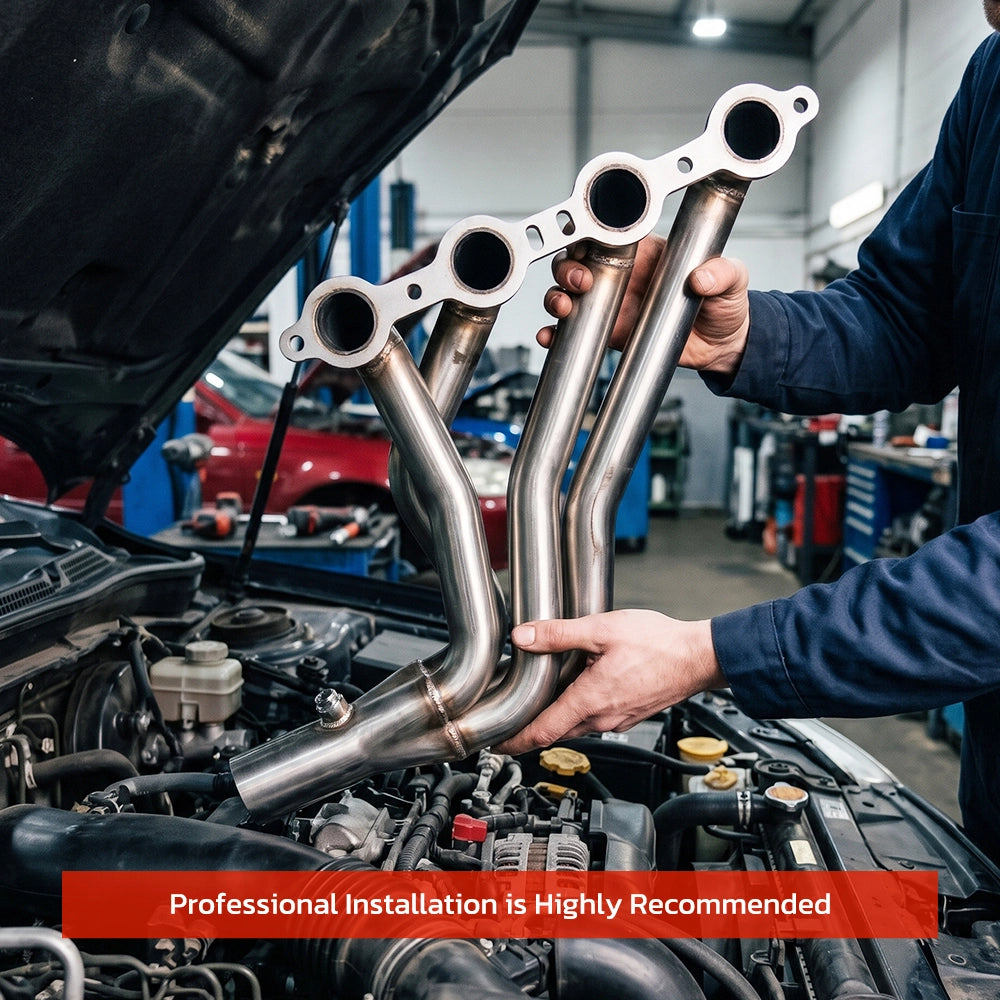
- Professional installation is recommended.
- Allow time for rusted manifold bolts, broken factory hardware and gasket-surface preparation.
- Check spark-plug wire, steering-shaft, transmission, cooler-line and floor clearance before completing the installation.
- Confirm O2 sensor wire reach before starting the truck. Extensions may be needed.
- Do not use exhaust putty to correct a misaligned collector or Y-pipe connection.
- A 4WD installation can require Y-pipe fabrication around the front driveshaft.
- A calibration review is recommended when sensor locations, catalytic converters or the rest of the exhaust configuration are changed.
Who This Kit Is Best For
- 1999-2006 Silverado or Sierra 1500 owners replacing cracked, warped or leaking factory exhaust manifolds
- 5.3L Vortec owners wanting a deeper exhaust note and a less restrictive exhaust path
- Cammed, tuned or intake-and-exhaust-equipped GMT800 performance builds
- 2WD owners looking for the most straightforward listed installation path
- 4WD owners who understand that the supplied Y-pipe can require professional modification
Important Fitment Notes
- The supplied Y-pipe is configured around the 2WD installation path.
- On 4WD or 4x4 trucks, front-driveshaft clearance can require Y-pipe cutting, welding or rerouting by an exhaust shop.
- A larger 4L80E transmission can create bellhousing clearance issues, and trimming of the bellhousing ears may be required.
- Long tube headers move the O2 sensor locations farther downstream. O2 sensor extensions may be required and are not listed as part of the standard package.
- Existing cat-back systems, engine swaps, transmission swaps, lifts, worn engine mounts and previous exhaust work can affect alignment and clearance.
- Select the correct standard or EGR-equipped header configuration before ordering.
Who Should Choose a Different Setup?
- Owners who want a quiet, factory-style manifold replacement
- Owners who cannot accommodate professional exhaust fitting or fabrication
- 4WD owners who require a no-cut, no-weld Y-pipe installation
- Vehicles outside the listed years, engines, models or drivetrain conditions
- Owners who require a product-specific street-use or emissions certification
Emissions and Street-Use Notice
Exhaust modifications can affect catalytic converter placement, O2 sensor operation, emissions readiness and local inspection requirements. Do not remove or disable required emissions equipment. Check the rules that apply to your vehicle and location before installation.
A tune does not make a non-compliant exhaust configuration legal and does not guarantee that a check-engine light will remain off.
Shipping & Returns
Free U.S. Shipping: Orders are typically processed within 1–2 business days and delivered within 7–9 business days. Additional charges may apply to remote areas.
30-Day Returns: Unopened and unused items in their original packaging may be returned within 30 days of receipt. Return shipping is covered for verified quality issues.
Worry-Free Delivery: Optional protection against eligible loss, theft, delay, or transit damage is available at checkout.


