




 Product Specifications
1999–2006 Chevy and GMC GMT800 V8 Exhaust Headers
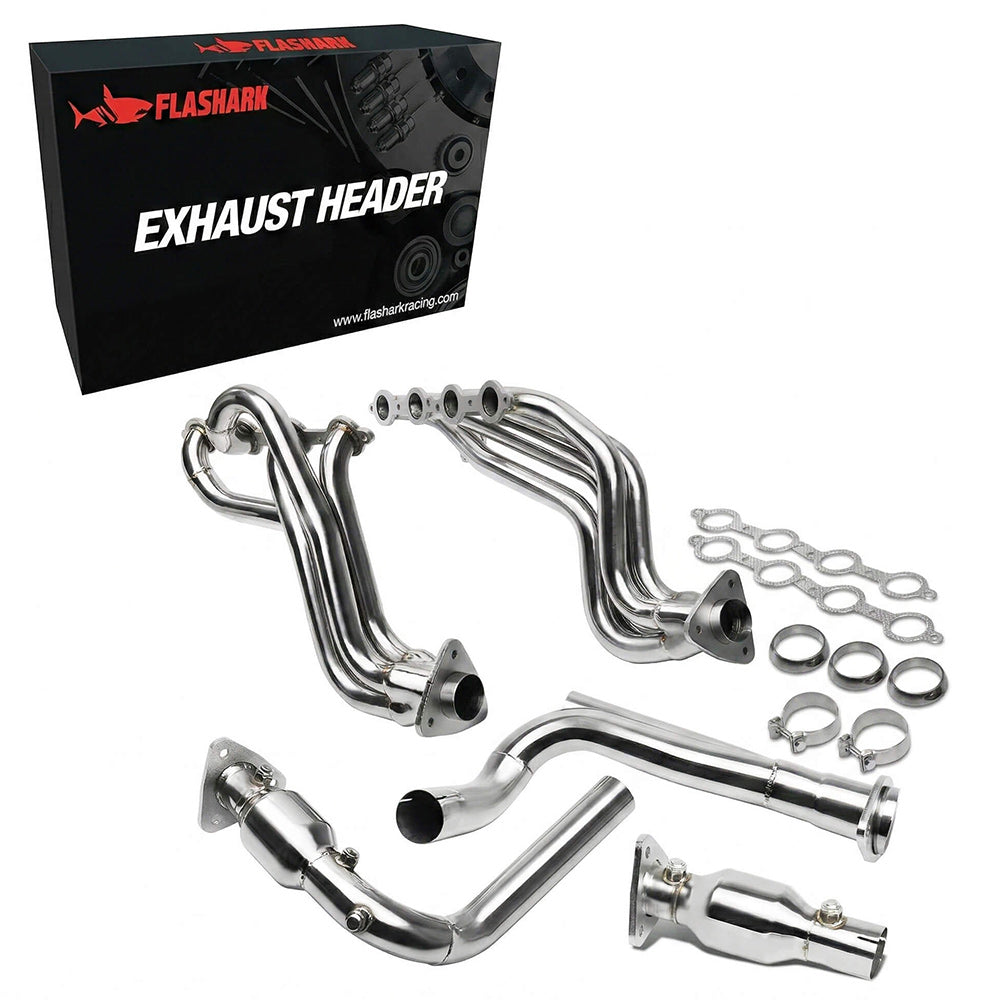
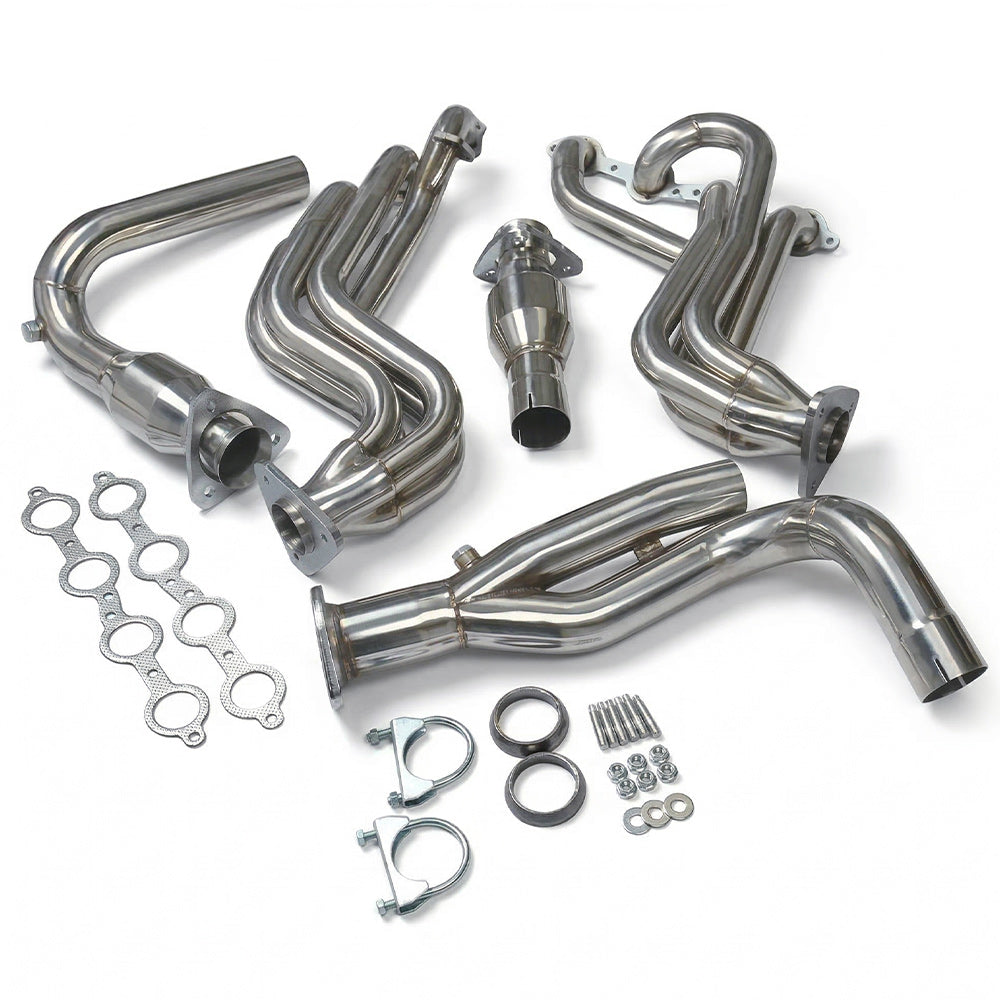
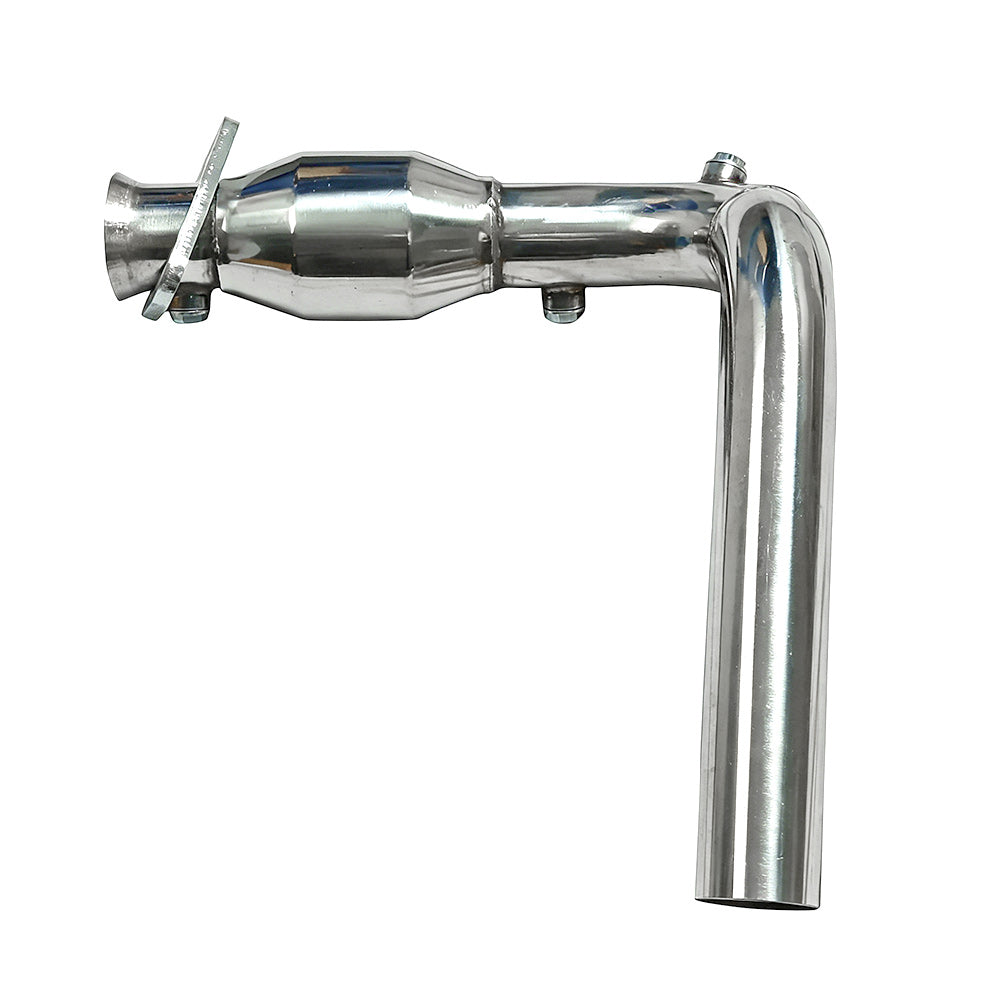
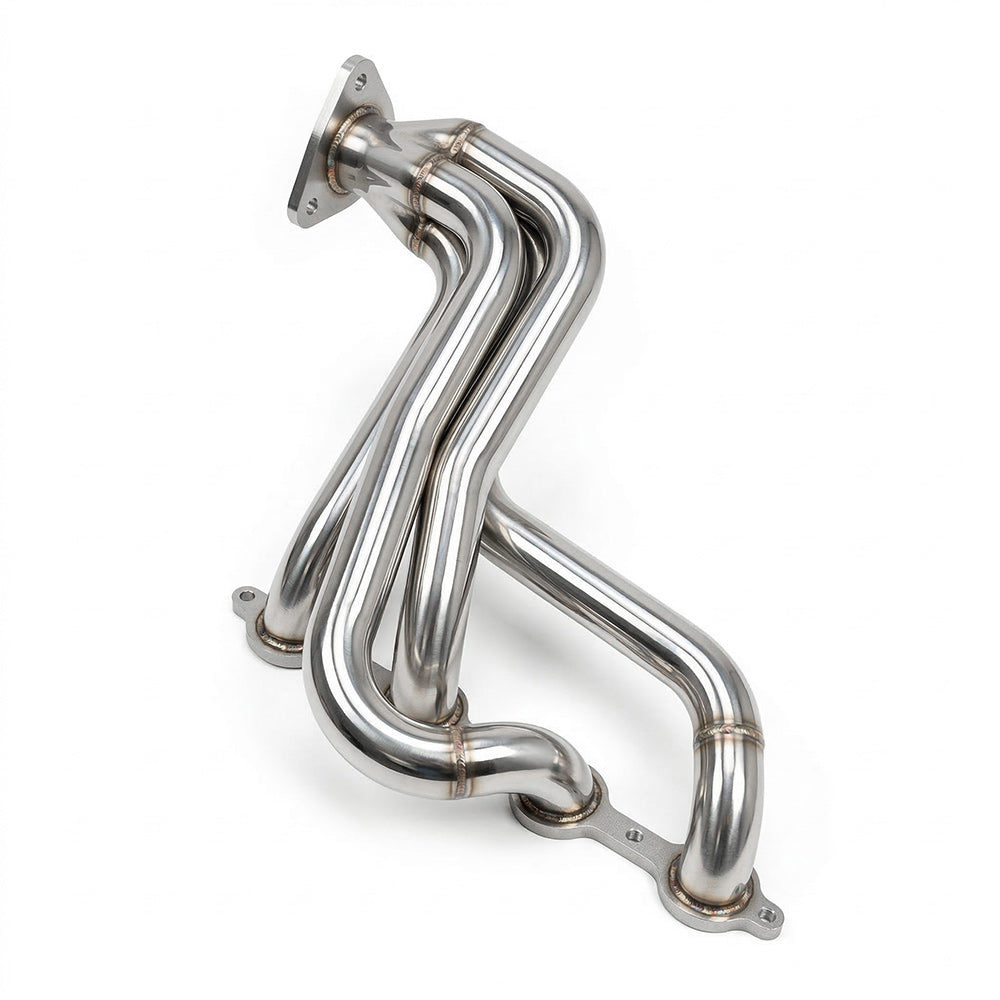
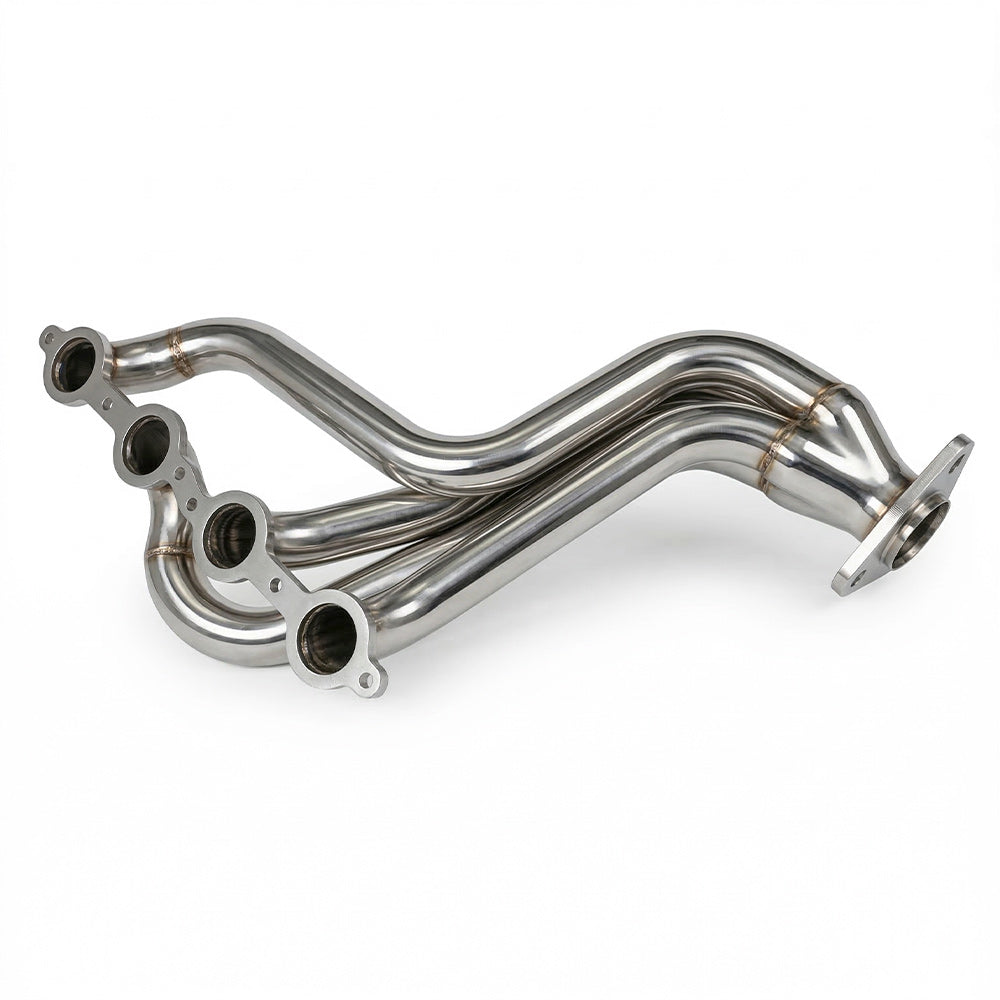
Replace restrictive factory-style exhaust manifolds with a smoother-flowing header layout and a more pronounced V8 exhaust character. This FLASHARK exhaust header is designed for listed Chevrolet and GMC GMT800 applications equipped with 4.8L, 5.3L or 6.0L V8 engines and uses a mirror-polished 201 stainless steel construction.
This configuration is identified as the EGR-valve version. Match the vehicle year, model, engine, drivetrain and factory EGR layout before ordering. Existing exhaust modifications can change outlet alignment and the work required to connect the headers to the rest of the exhaust system.
Specifications
| Brand | FLASHARK |
|---|---|
| SKU | FLES08203 |
| Product Model | EH28136 |
| Product Type | V8 exhaust header with EGR-valve configuration |
| Material | 201 stainless steel |
| Finish | Mirror polished |
| Manifold-Port Measurement | 1.875 inches, eight ports |
| Header Outlet | 2.5-inch outside diameter |
| Main Piping Diameter | 2.5 inches |
| Engine Platform | Listed GMT800 4.8L, 5.3L and 6.0L V8 applications |
Key Features
- Smoother exhaust path: Separate header runners help exhaust gases leave each cylinder with less interference than a shared cast-iron manifold layout.
- Natural V8 sound: The header layout can produce a deeper, clearer exhaust note. Final volume and tone depend on the catalytic converters, Y-pipe, muffler and cat-back system.
- Stainless steel construction: The 201 stainless steel tubing uses a mirror-polished finish for a clean appearance.
- EGR-version configuration: Intended for listed applications that require the corresponding factory EGR layout.
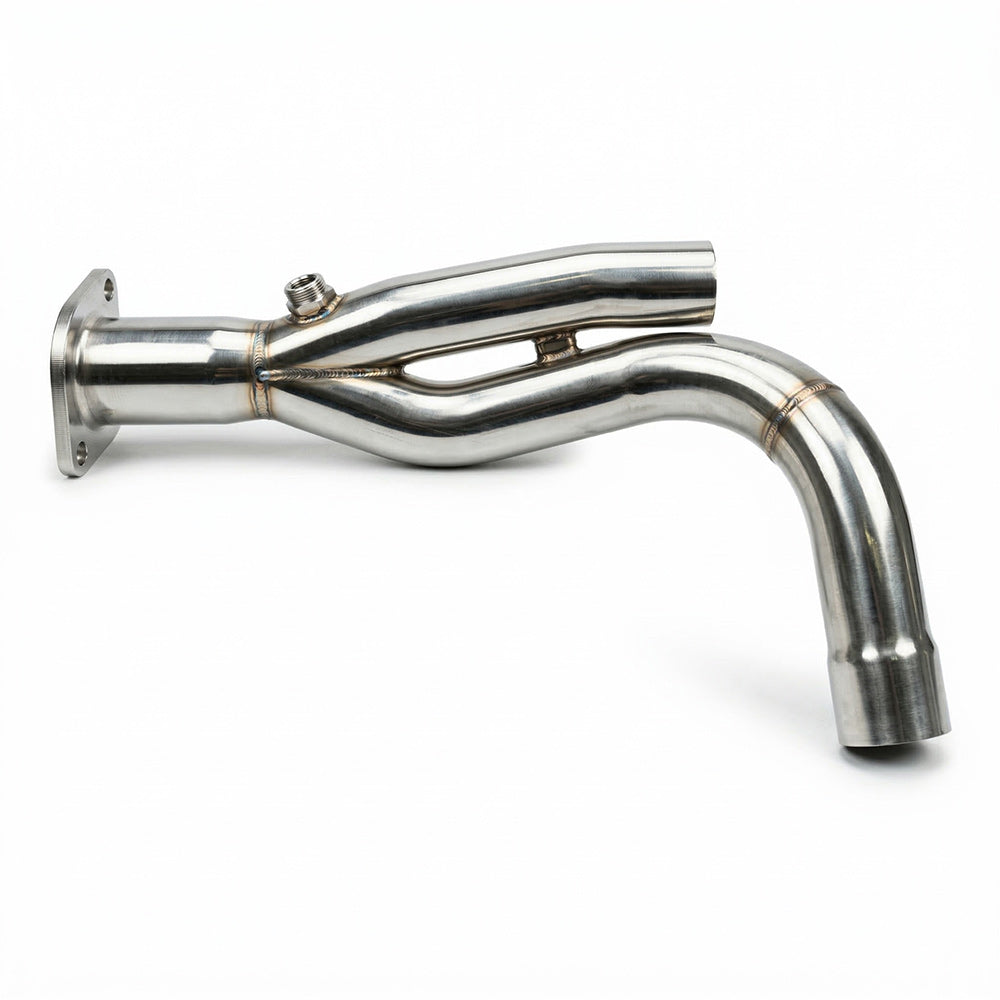
- Defined outlet size: The 2.5-inch outside-diameter outlet provides a reference point when planning the downstream exhaust connection.
GMT800 Header Installation, Review & Sound Videos
See the header installation process, component layout and finished exhaust sound on GMT800 Chevrolet and GMC V8 applications.
Silverado 5.3L Installation: A closer look at the header installation process and the completed setup.
GMT800 Installation & Review: An owner review covering Flashark stainless headers and a cold air intake installation.
Installation, Review & Sound Test: A real-vehicle walkthrough showing the installation and resulting exhaust tone.
Built for Better Flow and Sound
Factory cast-iron manifolds collect several exhaust pulses into a compact passage. A tubular header gives the cylinders separate runners before the exhaust streams merge, supporting smoother exhaust movement and a more distinct exhaust note.
Throttle response, torque delivery and upper-rpm pull depend on the complete vehicle setup, including engine condition, header sealing, downstream exhaust, catalytic-converter configuration and calibration. Proper installation and a leak-free connection are essential to obtaining a consistent result.
Factory Manifold vs. Tubular Header
| Area | Factory-Style Manifold | FLASHARK Header |
|---|---|---|
| Exhaust path | Compact shared collector | Separate tubular runners before the merge point |
| Material | Commonly cast iron | 201 stainless steel |
| Sound character | More subdued at the cylinder head | Exhaust pulses may sound deeper and more defined |
| Installation planning | Matches the factory exhaust layout | Requires clearance and downstream-connection checks |
Installation Notes
Technician note: Header installation involves high-temperature exhaust joints and limited working space around the engine and drivetrain. Professional installation is recommended when fabrication, seized fasteners or downstream exhaust changes are involved.
- Allow the engine and exhaust system to cool completely before work begins.
- Inspect the cylinder-head sealing surfaces and correct damaged threads before fitting the headers.
- Keep spark-plug wires, wiring, hoses and cooler lines away from the header tubes.
- Check steering, transmission, driveline and chassis clearance before final tightening.
- Align the downstream exhaust without forcing the header outlets sideways or upward.
- Start the engine and inspect every flange and connection for exhaust leaks.
- Recheck accessible fasteners after the first complete heat cycles.
Who This Header Is For
This header is intended for owners of the listed Chevrolet Silverado 1500, GMC Sierra 1500 and Chevrolet Avalanche 1500 applications who want a tubular exhaust-header layout, a stronger V8 exhaust character and a platform for additional exhaust-system work.
It is not the right choice for a vehicle that falls outside the listed fitment, uses a different factory EGR layout, requires a fully documented emissions-compliant replacement, or must retain an unchanged factory downstream exhaust connection.
Emissions & Street-Use Notice
Exhaust modifications can affect catalytic-converter placement, oxygen-sensor operation, diagnostic codes and local emissions compliance. Check the vehicle configuration and applicable regulations before installation. No check-engine-light or road-use guarantee is provided.
Related GMT800 Exhaust and Intake Options
Browse additional FLASHARK exhaust headers for different header layouts and listed applications. Owners planning a broader GMT800 airflow upgrade can also compare the 1999–2006 Chevy and GMC Vortec cold air intake. Check each product’s fitment and selected configuration separately.
Shipping & Returns
Free U.S. Shipping: Orders are typically processed within 1–2 business days and delivered within 7–9 business days. Additional charges may apply to remote areas.
30-Day Returns: Unopened and unused items in their original packaging may be returned within 30 days of receipt. Return shipping is covered for verified quality issues.
Worry-Free Delivery: Optional protection against eligible loss, theft, delay, or transit damage is available at checkout.


