Installing a catback exhaust does not normally cancel an entire vehicle warranty in the United States. However, a manufacturer or dealer may deny coverage for a specific repair if the exhaust system—or the way it was installed—caused the damage behind that claim. The distinction between a voided warranty and a denied repair matters.
This guide applies to owners considering a conventional catback, cat-back, axle-back, muffler replacement, or similar downstream exhaust modification. The exact risk depends on the vehicle’s exhaust layout, sensor locations, installation quality, written warranty terms, and local road-use rules.
- An aftermarket catback exhaust does not automatically void the entire vehicle warranty in the United States.
- Coverage may be denied for a particular failure if the exhaust or its installation caused that failure.
- A conventional catback usually begins after the catalytic converter, but exhaust layouts and sensor positions vary by vehicle.
- Keep the original parts, purchase records, installation invoice, photographs, and maintenance history.
- Check year, make, model, engine, drivetrain, body configuration, exhaust connection, and emissions equipment before ordering.
- Review local noise, emissions, inspection, and road-use requirements before installing any exhaust modification.

What Is a Catback Exhaust?
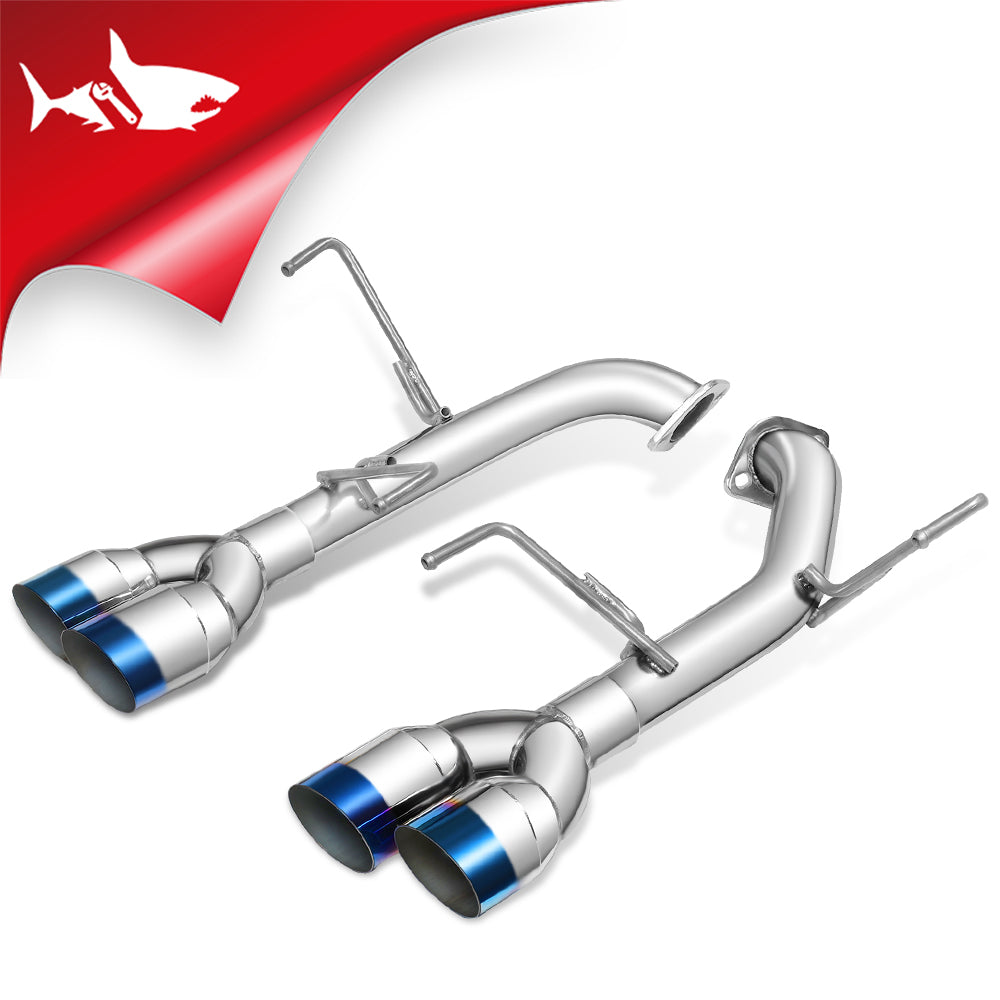
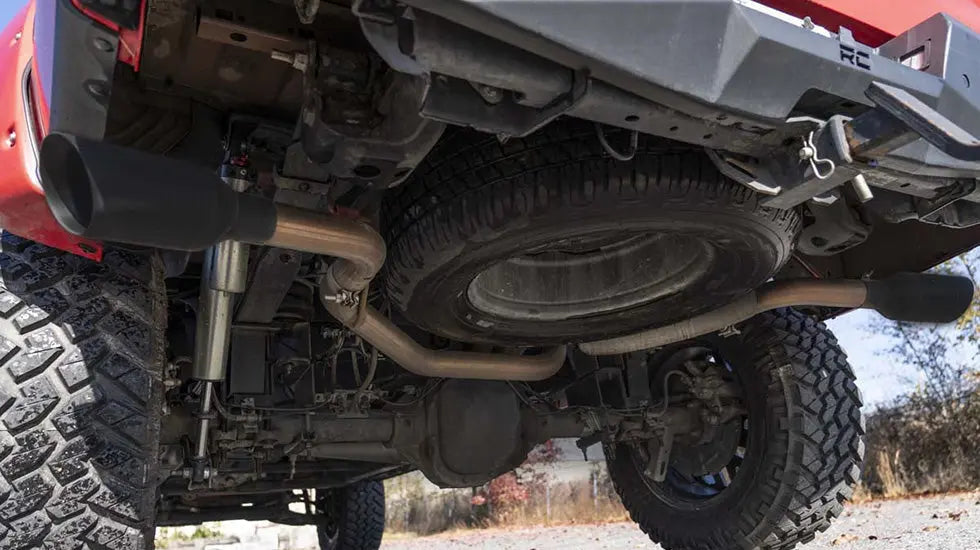
A catback exhaust replaces the exhaust components behind the catalytic-converter section. Depending on the vehicle, that portion of the system can contain intermediate piping, one or more resonators, mufflers, hangers, clamps, flanges, and exhaust tips.
The exact starting point is vehicle-specific. Some systems connect directly behind the final catalytic converter. Others attach to a factory mid-pipe, Y-pipe, or flange farther downstream. Two similar-looking exhausts are not automatically interchangeable, even when they are sold for vehicles that share an engine family.

A catback can change exhaust volume, tone, resonance, and flow restriction in the section it replaces. The final result depends on pipe routing, pipe diameter, muffler and resonator design, engine output, catalytic converters, upstream hardware, exhaust leaks, and calibration. A larger pipe is not automatically the right pipe: excessive diameter can reduce exhaust-pulse energy at lower flow rates, while an undersized or restrictive section may limit flow as demand increases.
Catback, axle-back, muffler delete, header, and downpipe differences
| Modification | Typical area changed | Primary considerations | Warranty-claim risk factors |
|---|---|---|---|
| Catback | Downstream exhaust behind the catalytic-converter section | Connection type, pipe routing, hangers, resonators, mufflers, tip clearance, and vehicle-specific layout | Leaks, poor clearance, damaged wiring, incorrect fitment, or contact with the body, suspension, fuel system, or driveline |
| Axle-back | Rear portion of the exhaust, commonly around the muffler and tips | Rear connection, hanger location, bumper clearance, sound level, and tip alignment | Incorrect support, heat damage, leaks, rattles, or contact caused by poor alignment |
| Muffler delete | Muffler section is removed or replaced with tubing | Noise, drone, fabrication quality, support, sealing, and local rules | Poor fabrication, insufficient support, leaks, heat exposure, or excessive movement |
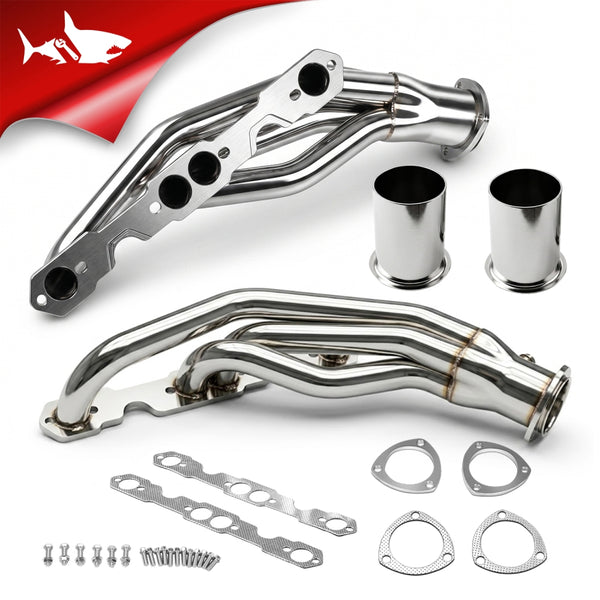
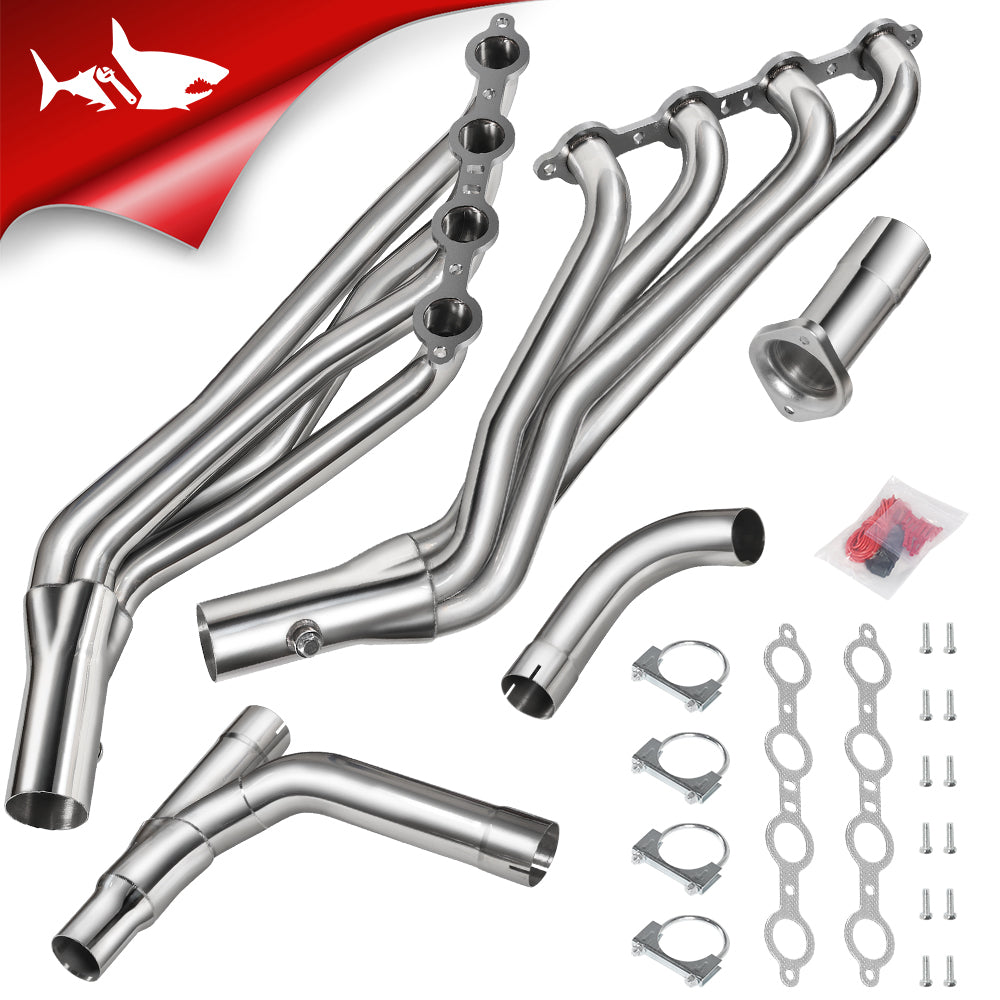
| Header or exhaust manifold | Exhaust ports at the cylinder head and the upstream exhaust path | Engine configuration, primary routing, collector position, steering and chassis clearance, sensors, catalytic converters, and calibration | Heat management, leaks, sensor changes, emissions-equipment changes, wiring damage, clearance, and calibration |
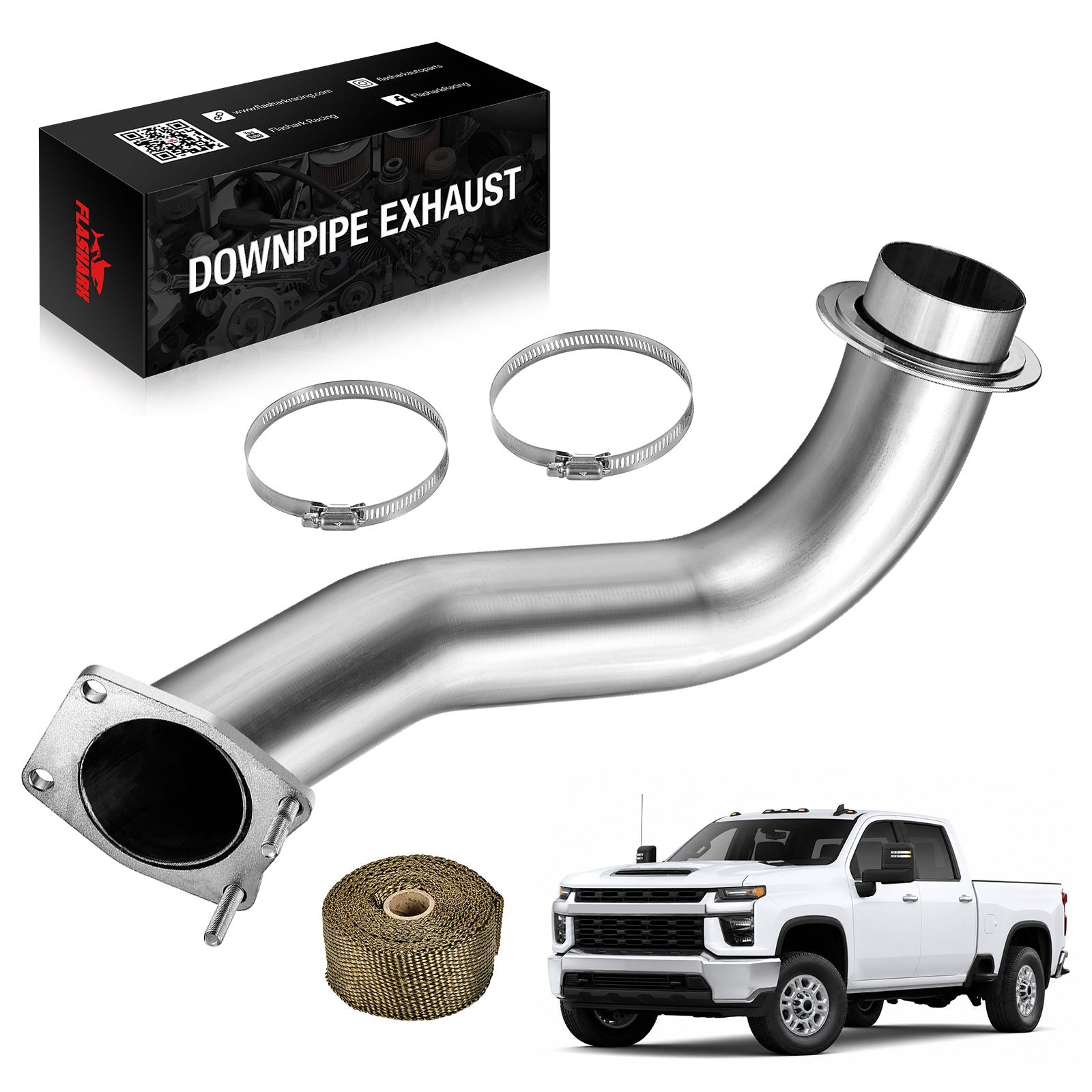
| Downpipe or front pipe | Upstream exhaust section; its meaning varies by engine and platform | Turbocharger or manifold connection, catalytic converters, sensors, emissions equipment, downstream connection, and calibration | Sensor or catalyst changes, leaks, heat, warning lights, emissions compliance, and tune requirements |
Owners sometimes use “aftermarket exhaust” as a broad term for all five modifications. That language is useful when shopping, but the parts do not carry the same technical or warranty implications. Always identify which section of the exhaust is actually being changed.
Understanding Car Warranties
A vehicle may have several forms of coverage, and each one applies to a different group of components. The written terms supplied with the vehicle determine the duration, exclusions, maintenance obligations, and claim process.
- New-vehicle or bumper-to-bumper coverage: commonly covers defects in many factory-installed systems, subject to the written exclusions.
- Powertrain coverage: generally focuses on listed engine, transmission, and drivetrain components.
- Emissions coverage: applies to specified emissions-related components and can follow different time and mileage limits.
- Corrosion coverage: addresses defined forms of corrosion and may distinguish surface corrosion from perforation.
- Service contracts: are separate agreements with their own definitions and exclusions. They should not be treated as identical to a manufacturer’s written warranty.
Aftermarket equipment does not become a factory-covered part simply because it is attached to the vehicle. The aftermarket manufacturer or seller may provide separate coverage for that component, while the vehicle manufacturer continues to administer claims involving factory parts.
A modification and a warranty claim are not judged in the abstract. The practical question is whether the modification caused or contributed to the specific failure for which coverage is requested.
Does Installing a Catback Exhaust Affect Your Car Warranty?
Installing a catback exhaust should not, by itself, cancel an entire U.S. vehicle warranty. The Federal Trade Commission explains that warranty coverage remains in effect when aftermarket parts are used, although coverage for damaged components can be denied if an aftermarket part or an incorrect installation caused the damage.
You can review the FTC guidance on auto warranties and aftermarket parts for the federal consumer guidance behind this distinction.
Consider a simple example. A correctly installed rear exhaust section has no logical connection to a defective window motor. The presence of the exhaust should not turn an unrelated window repair into an exhaust-caused failure. On the other hand, if an exhaust pipe is installed against a wiring harness and heat damages that harness, coverage for the resulting repair may be disputed or denied.
This article addresses general U.S. warranty principles, not the outcome of an individual claim. State law, the written warranty, a separate service contract, the installed hardware, and the facts behind the failure can change the result.
What Can Increase Warranty-Claim Risk?
Here is the part that matters: the risk usually comes from what was changed, how it was installed, and whether that work can be connected to the failure.

Changing more than the catback section
A system described casually as a catback may be connected to other modified components. Headers, manifolds, front pipes, downpipes, catalytic converters, oxygen-sensor locations, exhaust valves, and ECU calibration can introduce separate considerations. Check the complete exhaust path rather than relying only on the name used in a product listing or conversation.
Installing a system that does not match the vehicle
Fitment should be checked against the complete vehicle configuration: year, make, model, engine, drivetrain, transmission where relevant, wheelbase or body configuration, factory exhaust connection, emissions equipment, and sensor layout. Two trims can share a badge while using different pipe routing or flange locations.
Exhaust leaks
Leaks can result from misaligned flanges, damaged gaskets, uneven clamp loading, an incorrect pipe overlap, poor fabrication, or a system installed under tension. Depending on location and severity, a leak can create noise, allow fumes to enter the cabin, affect nearby components, or complicate diagnosis.
Heat and clearance problems
Check clearance around heat shields, wiring, hoses, brake lines, fuel-system components, the driveshaft, suspension links, body panels, and the rear bumper. Exhaust systems move as the engine loads, the chassis flexes, and the tubing heats and cools. A small cold clearance may disappear during operation.
Unsupported or misaligned tubing
Factory-style hanger locations help control movement, but the system still needs to sit naturally before final tightening. A common installation mistake is locking every clamp and flange while one section is being pushed or pulled into place. That stored tension can move the tips, load a flange, distort a gasket, or create a rattle after several heat cycles.
Changes involving sensors, valves, or calibration
A conventional catback often leaves primary emissions sensors in place, but that should not be assumed for every vehicle. Some exhausts include factory valves, wiring, control modules, or model-specific sensor arrangements. Tune requirements and warning-light behavior depend on the vehicle and the complete installed combination.
Does a Catback Exhaust Void a Powertrain Warranty?
In most situations, the mere presence of a catback exhaust does not cancel the entire powertrain warranty. A powertrain claim still has to be considered in relation to the component that failed and the cause of that failure.
A downstream exhaust change is less likely to be connected to an internal transmission defect than to an exhaust leak, heat-damaged wire, damaged exhaust valve, or installation-related contact. That does not make every catback harmless. It means the mechanical relationship must be examined instead of treating every modification as the same.
Exhaust flow also should not be reduced to “less backpressure is always better.” Pipe diameter, gas velocity, pressure-wave behavior, muffler construction, resonator design, engine demand, and the rest of the exhaust system work together. Without a controlled before-and-after test, a specific horsepower or torque claim would not be meaningful.
Take a minute before tightening the final clamp. Center the exhaust in its available clearance, check that the hangers are not twisted, and confirm that the tips can move slightly without touching the bumper or body.
How to Reduce Warranty-Claim Risk During Installation
No installation method can promise that a future claim will be approved. These steps can, however, reduce preventable mechanical problems and create a clearer record of what was changed.

- Read the vehicle warranty and installation instructions. Note maintenance requirements, excluded damage, claim procedures, connection points, tightening sequence, and safety instructions.
- Match the system to the complete vehicle configuration. Check year, model, engine, drivetrain, body or wheelbase, factory exhaust layout, sensor arrangement, and flange or slip-joint connection.
- Inspect the parts before installation. Look for shipping damage, distorted flanges, damaged threads, crushed tubing, missing hardware, or a configuration that does not match the selected application.
- Work on a fully cooled exhaust. Support the vehicle with equipment suitable for its weight and lifting points. Never rely on a jack alone.
- Support the factory exhaust before disconnecting it. Long exhaust sections can rotate or fall when the final fastener or hanger is released.
- Assemble the new system loosely. Engage the connections and hangers without fully tightening them. This leaves room to align the complete system.
- Check the entire exhaust path. Inspect flange seating, pipe overlap, hanger position, body clearance, wiring clearance, hose clearance, driveshaft clearance, bumper clearance, and tip alignment.
- Tighten in the specified sequence. Use the instructions supplied with the selected system and the applicable vehicle service information. Do not invent a universal torque value for unrelated clamps or flanges.
- Start the engine in a ventilated area and check for leaks. Listen for escaping gas and inspect the connections without touching hot tubing.
- Recheck the installation after heat cycling. Once the exhaust has cooled completely, inspect alignment, fasteners, clamps, hangers, and contact points again.
Exhaust components can remain hot long after the engine is switched off. Stop driving and inspect the system if you smell exhaust inside the cabin, see heat damage, hear severe metal contact, or find a pipe close to a fuel, brake, electrical, or structural component.
Keep a useful installation record
- Save the purchase receipt and the exact product or configuration ordered.
- Keep the installation instructions and any professional installation invoice.
- Photograph the factory layout, connection points, hangers, clearances, and completed installation.
- Record any related exhaust, emissions, intake, or calibration changes.
- Keep the factory parts in serviceable condition if practical.
- Continue following the vehicle manufacturer’s maintenance schedule.
What to Do If a Warranty Claim Is Denied
A denied claim is not necessarily the same as a cancelled warranty. Ask which repair was denied, which provision is being applied, and how the exhaust modification is connected to the failure.
- Request the decision in writing. The explanation should identify the failed component and the reason coverage was declined.
- Ask for the causal connection. Request an explanation of how the exhaust or its installation produced the claimed damage.
- Collect your records. Gather the written warranty, maintenance history, receipts, photographs, installation invoice, diagnostic report, and communications.
- Separate related from unrelated repairs. A dispute involving one damaged component should not automatically be treated as a decision about every covered system.
- Escalate through the manufacturer’s process. Contact the manufacturer’s customer-assistance department if the dealership cannot resolve the issue.
- Seek an independent technical assessment. A qualified repair facility may be able to document whether the exhaust caused, contributed to, or was unrelated to the failure.
- Use the appropriate consumer channel. Depending on the situation, options may include a state consumer-protection office, an attorney, an arbitration process listed in the warranty, or an FTC complaint.
Do not assume that a separately purchased service contract follows the same terms as the manufacturer’s warranty. Read its exclusions carefully; some contracts address modified vehicles or aftermarket equipment differently.
Conclusion
So, does a catback exhaust void warranty coverage? In the United States, installing one does not normally cancel the entire vehicle warranty. A specific repair may still be denied when the exhaust, an associated modification, or incorrect installation caused the damage.
The safest approach is practical: understand which section of the exhaust is changing, match the system to the vehicle, install it without leaks or mechanical interference, keep clear records, and read the written warranty. If a claim is disputed, focus on the failed component and the mechanical connection rather than arguing about the modification in general.
Owners ready to compare downstream exhaust configurations can browse Flashark catback exhaust systems. Match the selected system to the vehicle’s year, model, engine, drivetrain, body configuration, factory connection, and emissions layout before ordering.
Frequently Asked Questions About Catback Exhausts and Warranties
Q1: Does a catback exhaust automatically void the entire vehicle warranty?
A1: No. In the United States, installing an aftermarket catback does not automatically cancel the entire warranty. Coverage for a specific repair may be denied if the exhaust or its installation caused the damage involved in that claim.
Q2: Can a dealer deny an unrelated warranty repair because the car has a catback?
A2: The presence of a catback should not, by itself, determine an unrelated claim. Ask for a written explanation identifying the failed component and the connection between the modification and the requested repair.
Q3: Does a catback exhaust void a powertrain warranty?
A3: A catback does not normally cancel the entire powertrain warranty. A powertrain repair can still be disputed if the exhaust or an installation error caused or contributed to the specific failure.
Q4: Is an axle-back treated the same as a catback?
A4: Both are downstream exhaust modifications, but they replace different amounts of the system. An axle-back commonly changes the rear muffler and tip section, while a catback generally replaces more piping behind the catalytic-converter section. The exact layout depends on the vehicle.
Q5: Can a muffler delete affect warranty coverage?
A5: A muffler delete does not automatically cancel an entire warranty, but poor fabrication, leaks, inadequate support, heat damage, or contact with nearby components can create repair issues. Noise and road-use rules also vary by location.
Q6: Will a catback exhaust cause a check-engine light?
A6: Warning-light behavior depends on the vehicle, sensor arrangement, exhaust valves, leaks, wiring condition, installed hardware, and calibration. A conventional catback often leaves primary emissions sensors untouched, but that should be checked for the specific vehicle.
Q7: Does a catback exhaust require an ECU tune?
A7: Tune requirements vary by vehicle and by the complete intake, exhaust, emissions, and calibration combination. Do not assume that every catback requires a tune or that every vehicle will respond the same way.
Q8: Does a catback exhaust add horsepower?
A8: A catback can change restriction in the section it replaces, but the power result depends on pipe diameter, routing, muffler and resonator design, engine demand, upstream hardware, calibration, and test conditions. A fixed horsepower claim requires a controlled before-and-after test.
Q9: Should I reinstall the factory exhaust before requesting warranty service?
A9: Keeping the original parts can be useful if you later choose to return the vehicle to its factory configuration. However, service records and modification history should remain accurate. Reinstalling parts does not erase damage or installation problems caused earlier.
Q10: What records should I keep after installing an aftermarket exhaust?
A10: Keep the purchase receipt, product identification, installation instructions, photographs, professional installation invoice if applicable, maintenance history, and notes describing other related hardware or calibration changes.
Q11: Is a catback exhaust legal in every state?
A11: No universal road-use conclusion applies to every system or location. Noise limits, emissions rules, inspection procedures, and equipment requirements vary. Review the rules that apply where the vehicle is registered and operated.
Q12: What should I check before buying a catback exhaust?
A12: Match the system to the vehicle year, make, model, engine, drivetrain, body or wheelbase configuration, factory exhaust connection, emissions equipment, sensor layout, and selected product configuration. Contact customer support if the connection or configuration is unclear.

Steven Chen
Automotive Performance Specialist | Engine & Exhaust Systems
Steven focuses on practical engine performance, exhaust fitment, and real-world upgrade paths for classic and modern enthusiast vehicles. He reviews small-block Ford, LS, truck, and street/strip applications with one goal in mind: helping builders choose parts that actually work together. His philosophy: "Good power starts with the right combination, not the biggest part."