




 Product Specifications
Flashark Air Intake Kit for Honda Civic 1.5L Turbo
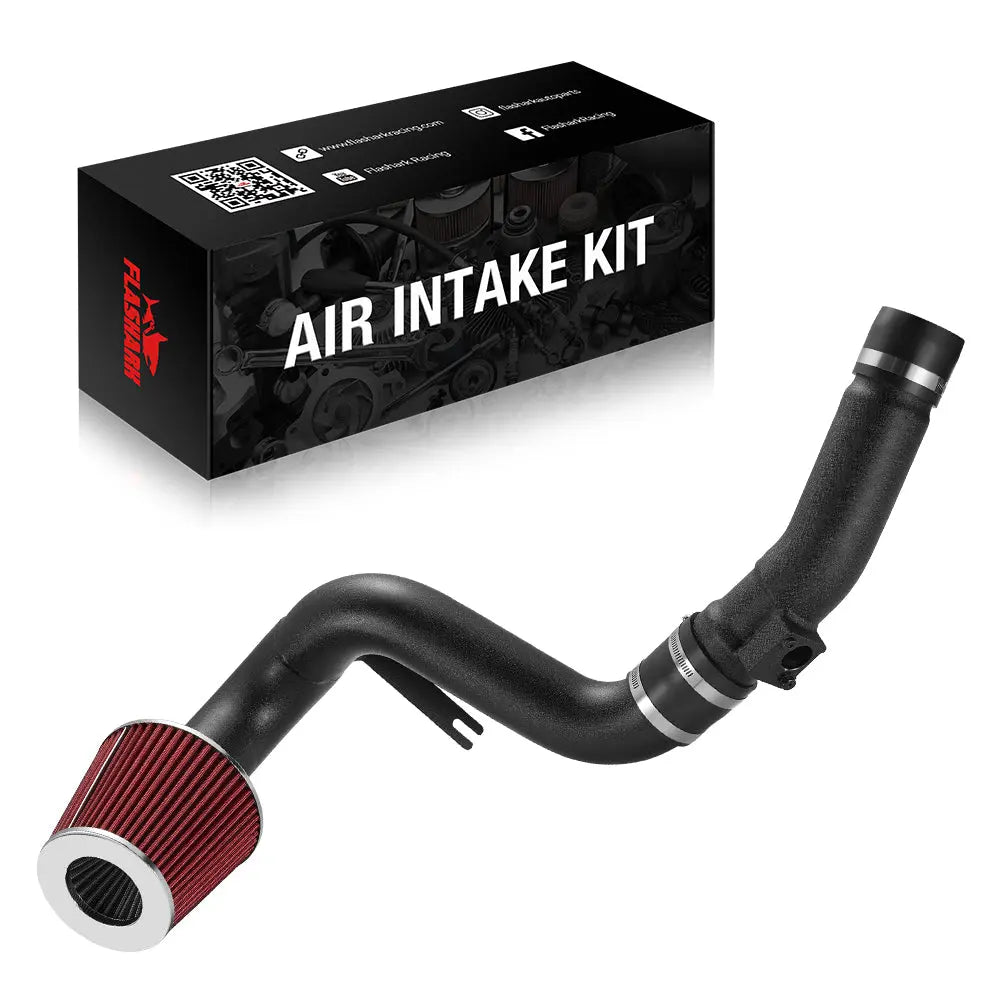
Upgrade the intake system of your Honda Civic 1.5L with a Flashark aluminum air intake kit. Two configurations are available, allowing you to choose between a more exposed intake setup and an enclosed version with additional separation from engine-bay heat.
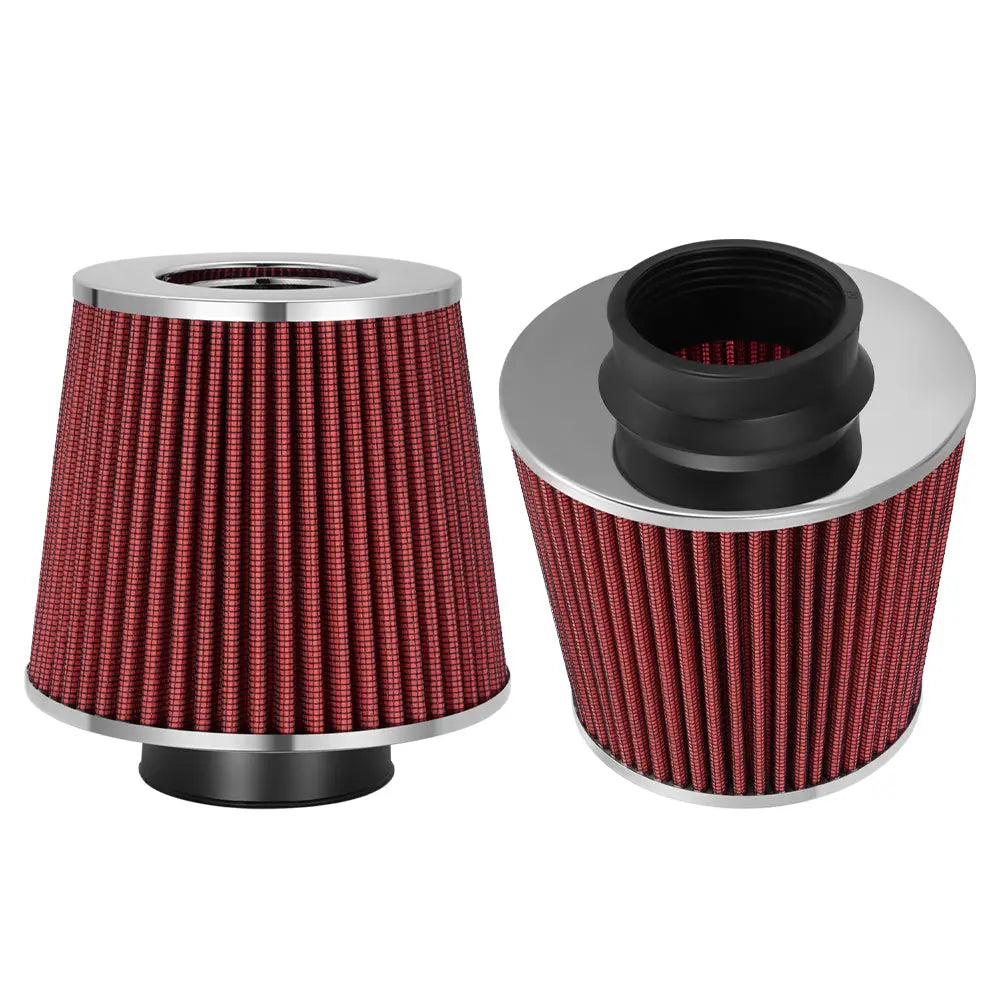
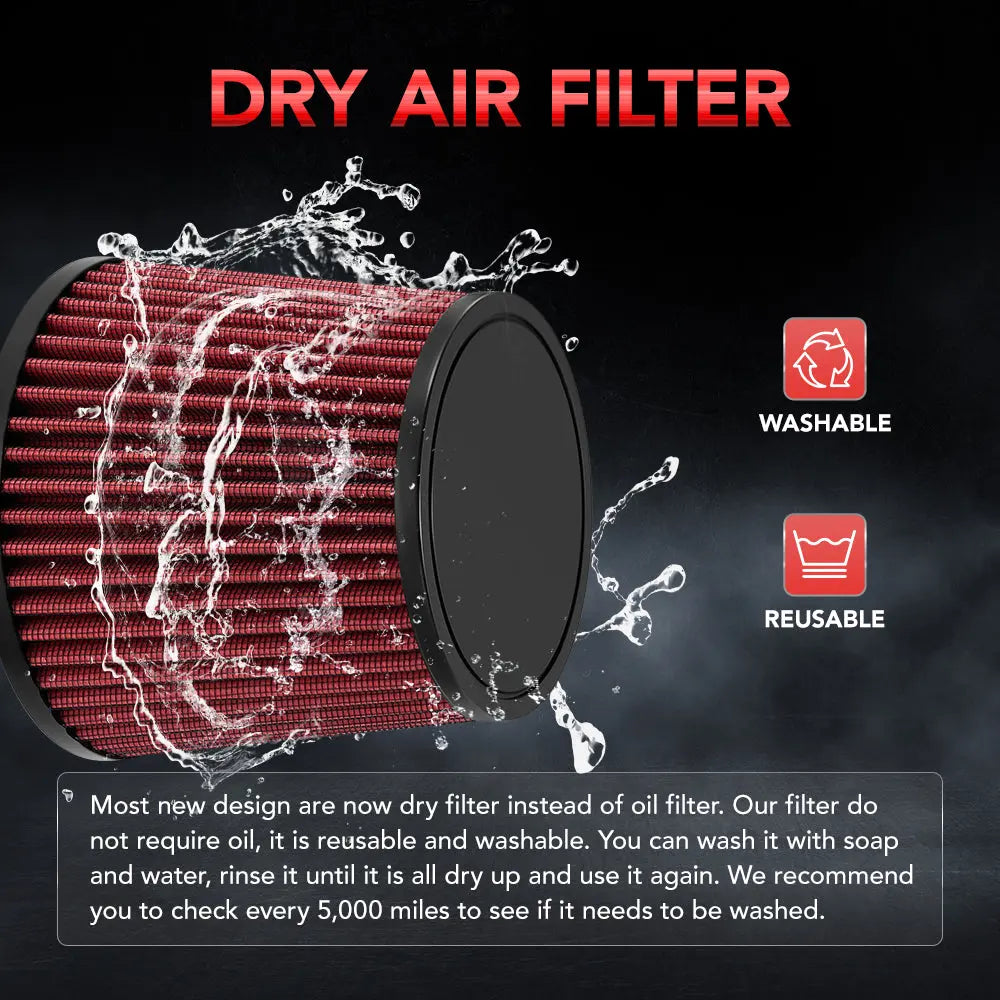
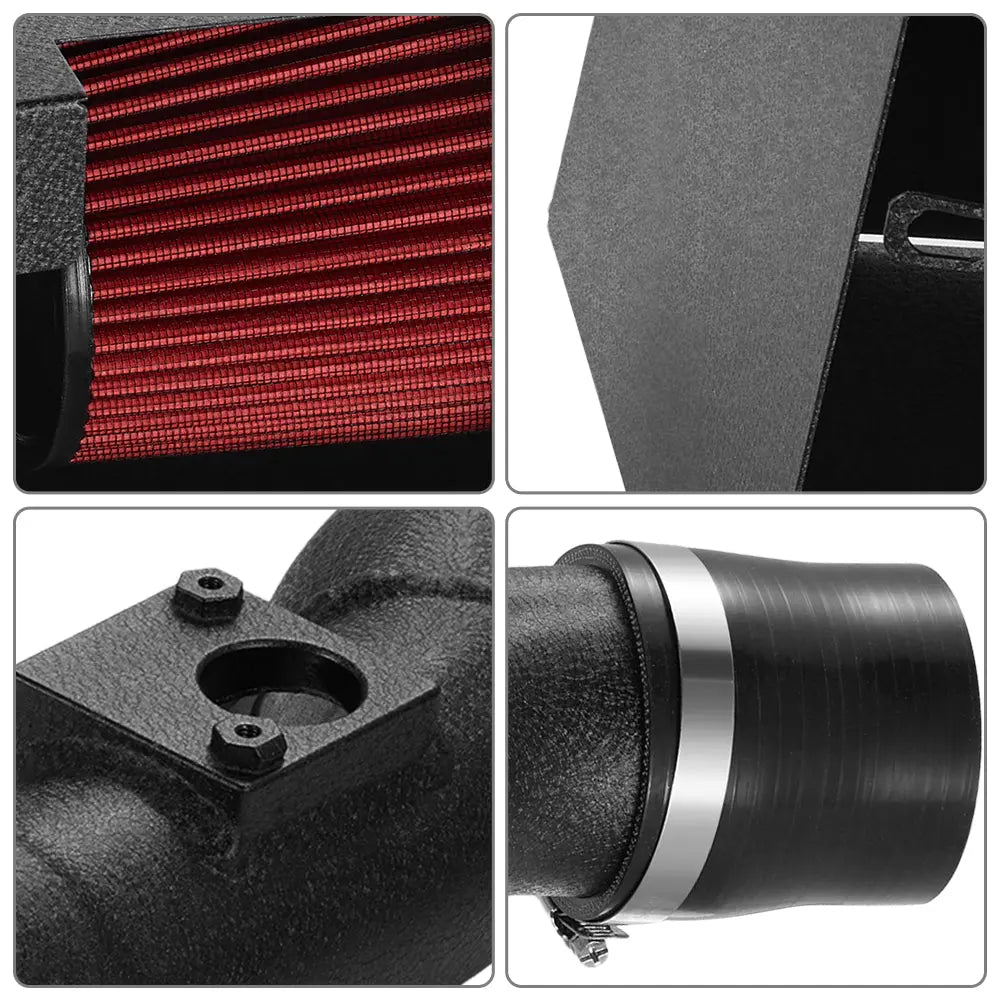
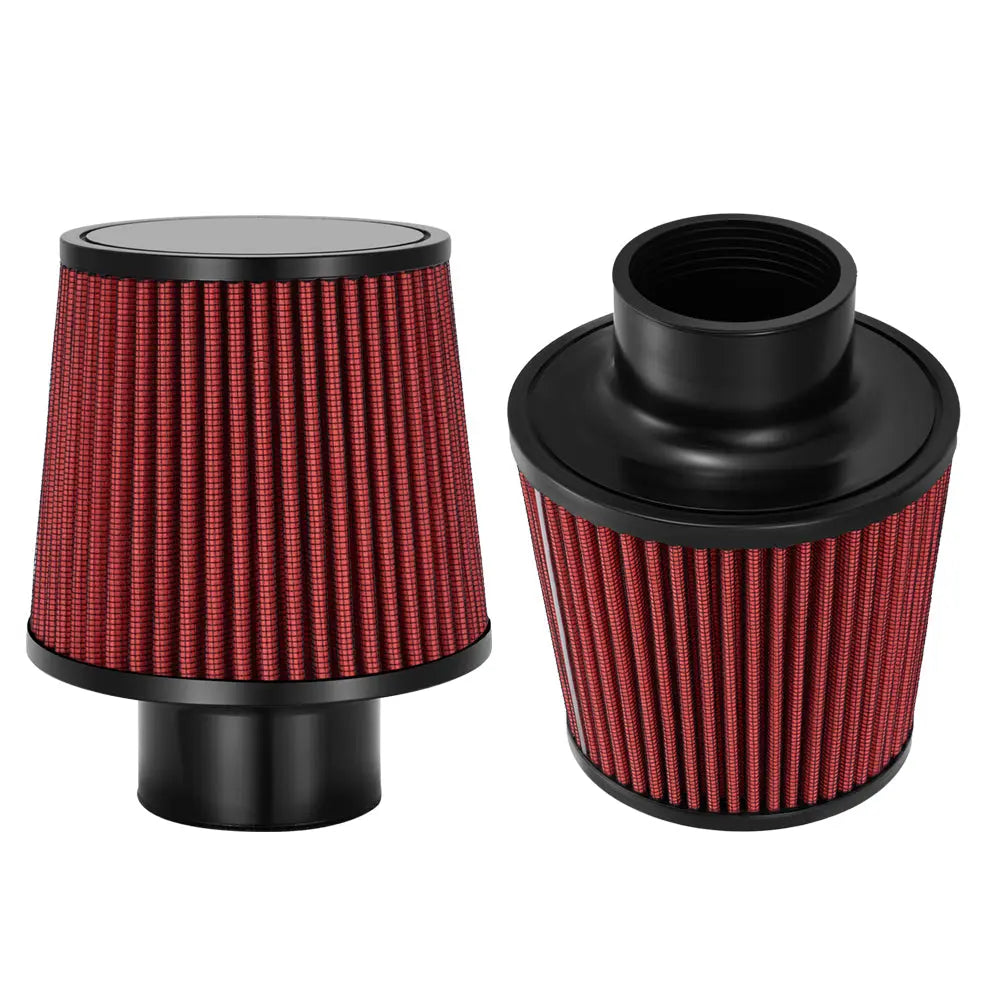
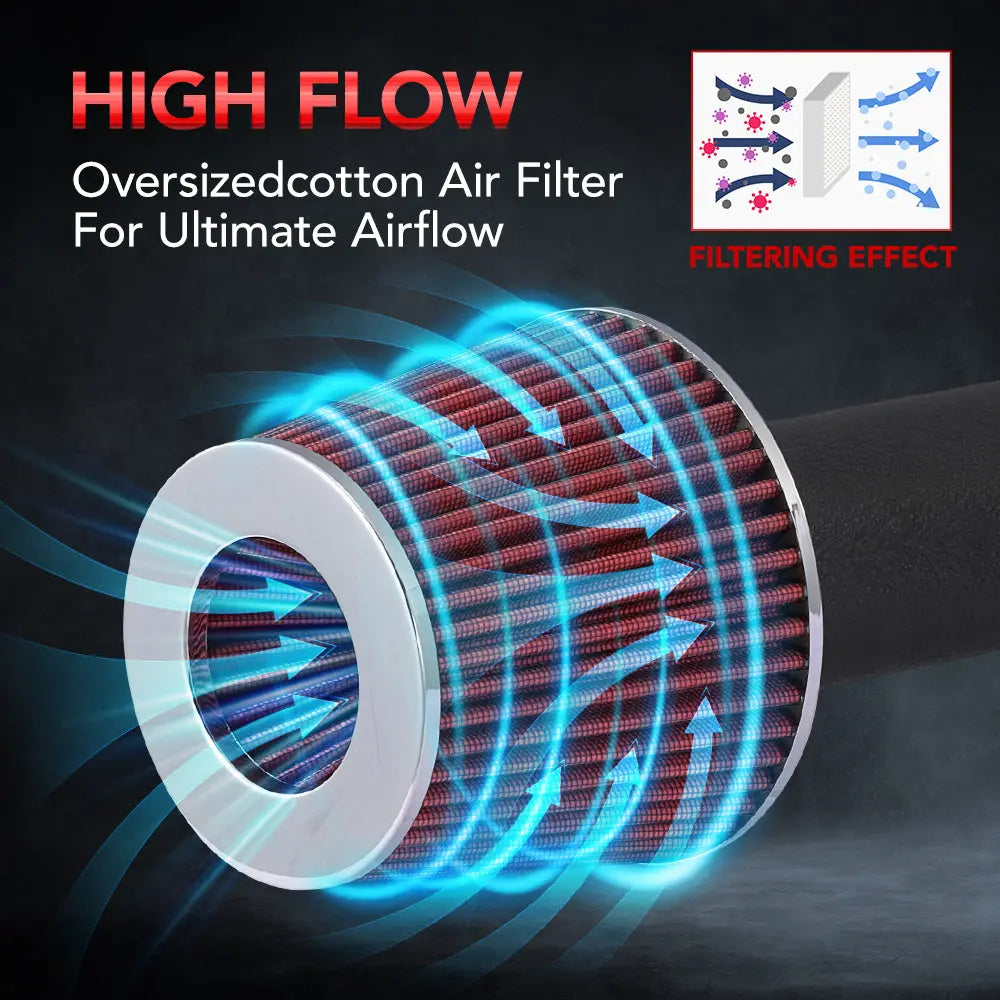
Both versions use an aluminum intake tube and a washable, reusable dry cone air filter. The dry filter does not require filter oil, helping simplify routine maintenance.
The smooth intake tube and high-flow filter are designed to reduce intake restriction and produce a more noticeable turbo and induction sound. Actual performance changes depend on the vehicle condition, ECU calibration and any other modifications.
Choose Your Intake Version
Open Intake — FLIS25107
- Fits confirmed 2016–2021 Honda Civic 1.5L L4 applications
- Exposed cone-filter design
- More noticeable turbo spool and induction sound
- Easy access for filter inspection and cleaning
- Does not include an enclosed airbox
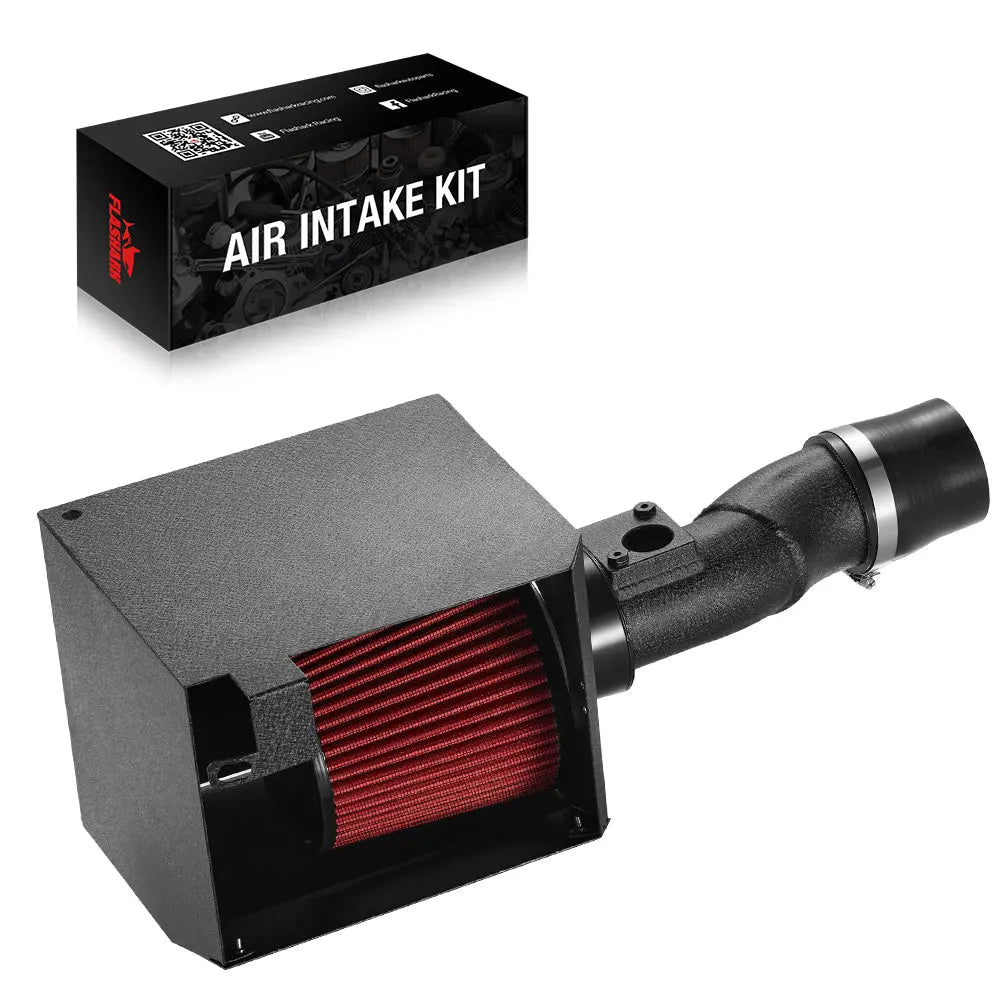
Enclosed Intake with Heat Shield — FLIS25119
- Fits confirmed 2016–2019 Honda Civic 1.5L L4 applications
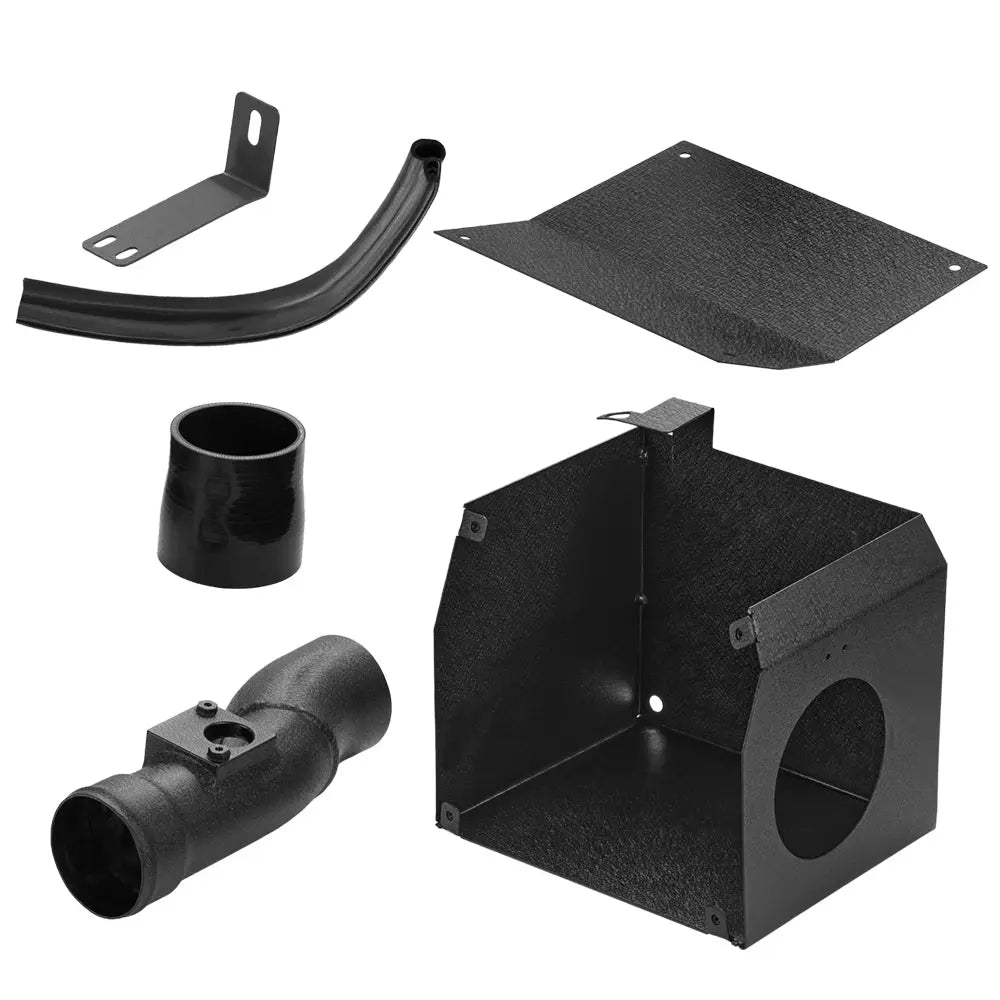
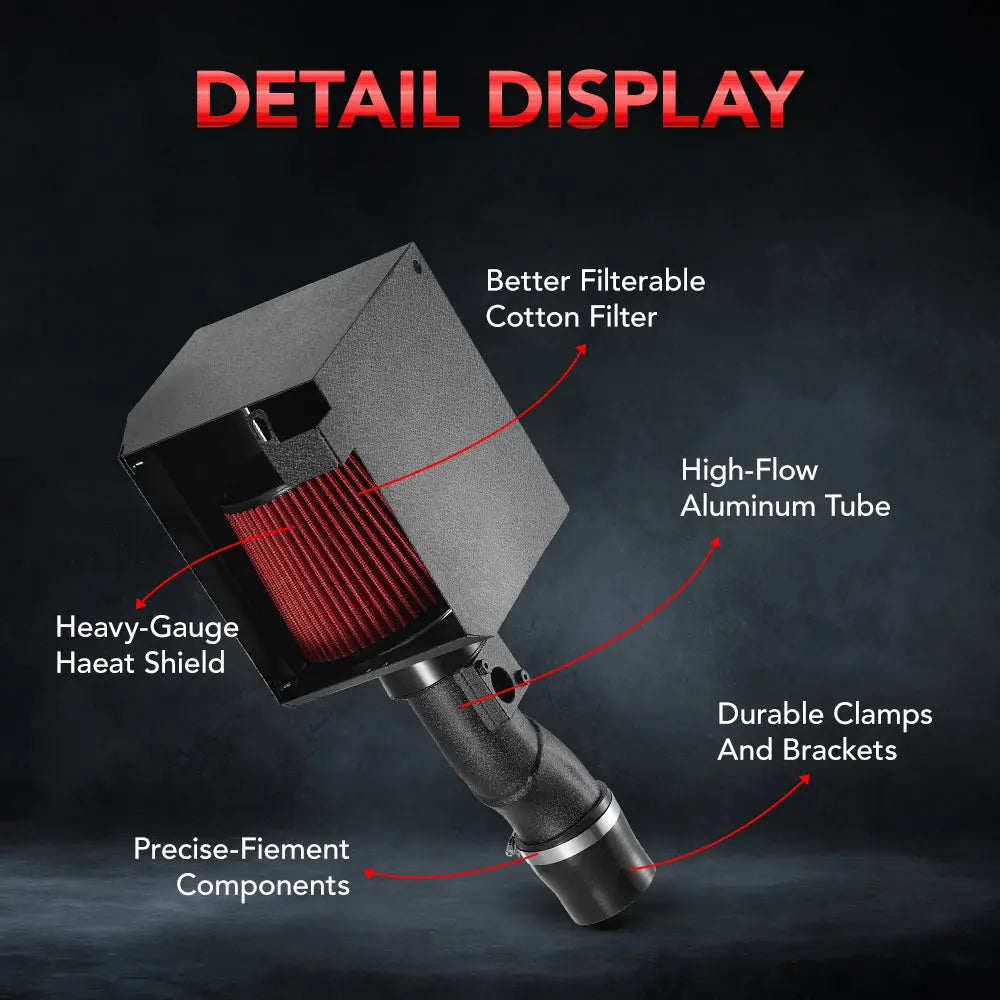
- Includes an enclosure/heat shield around the filter area
- Helps reduce direct exposure to radiant engine-bay heat
- Provides a more contained, factory-inspired appearance
- Not confirmed for 2020–2021 models
Key Features
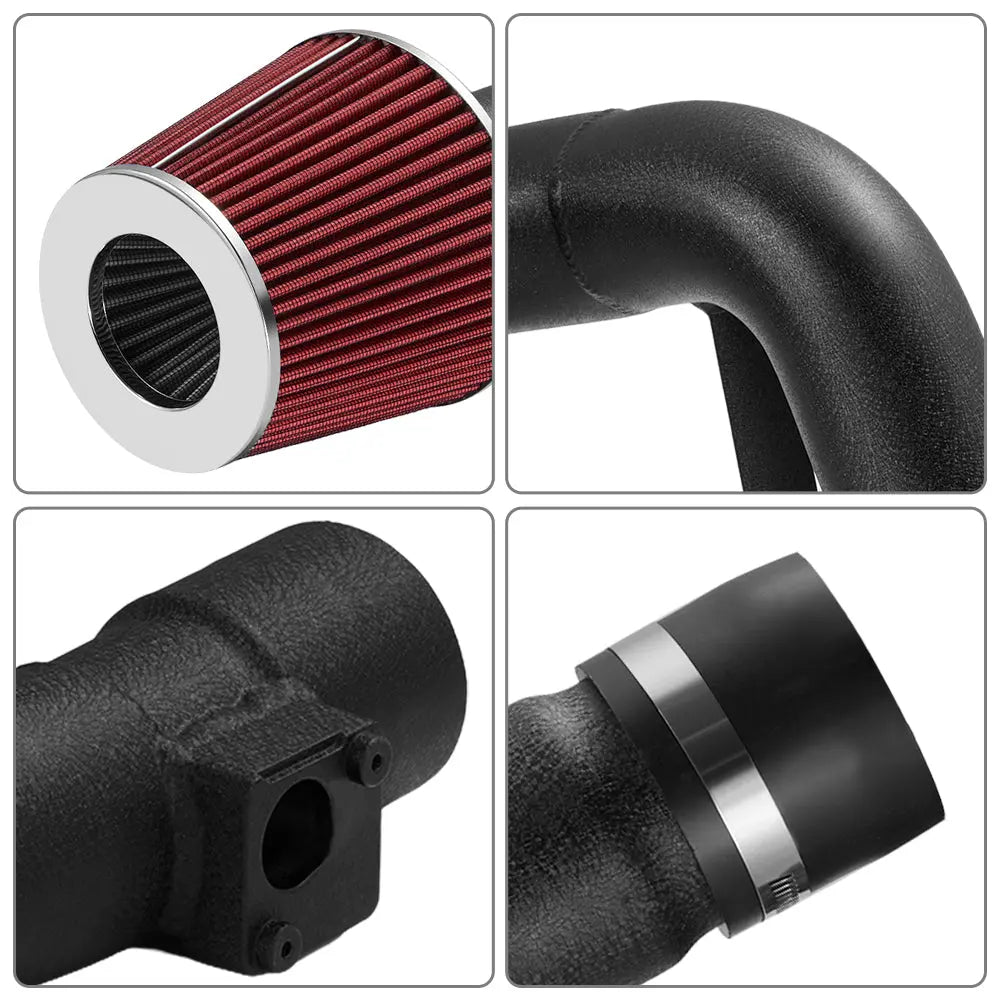
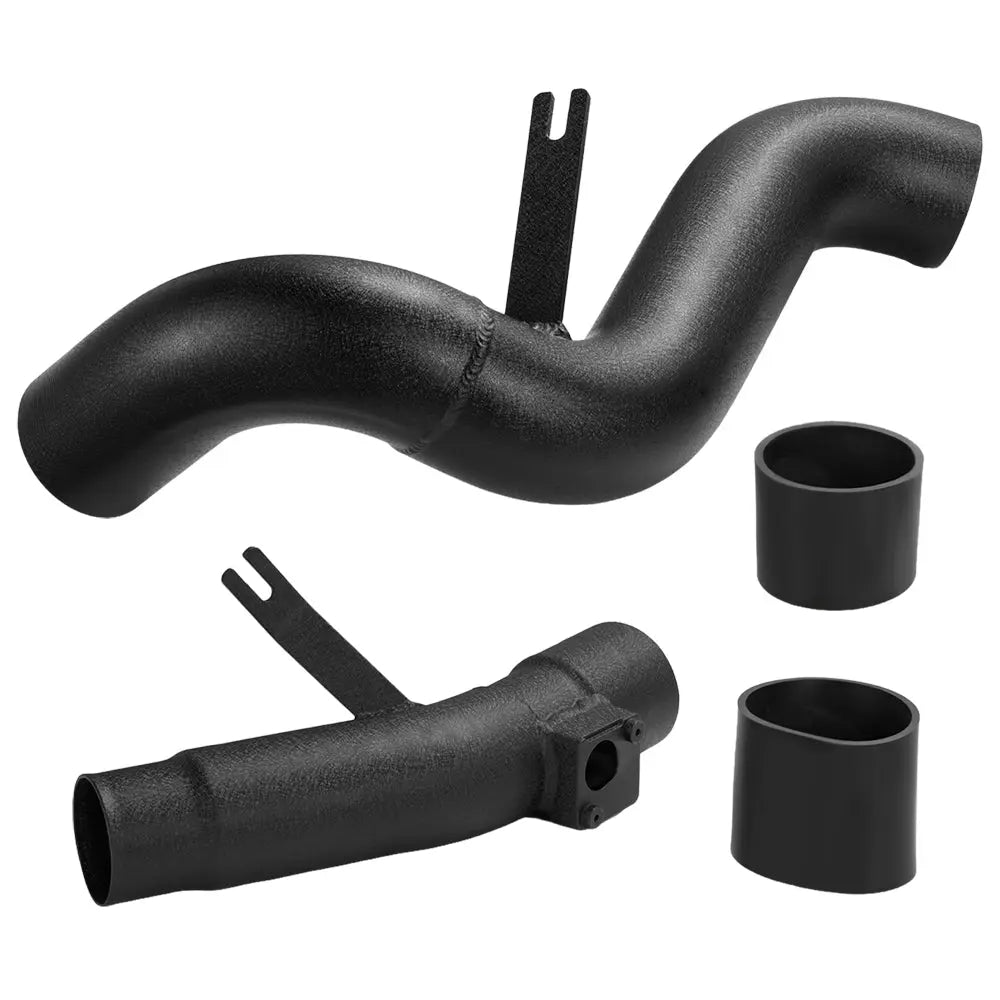
- Vehicle-specific aluminum intake tube
- Washable and reusable dry cone air filter
- No filter oil required
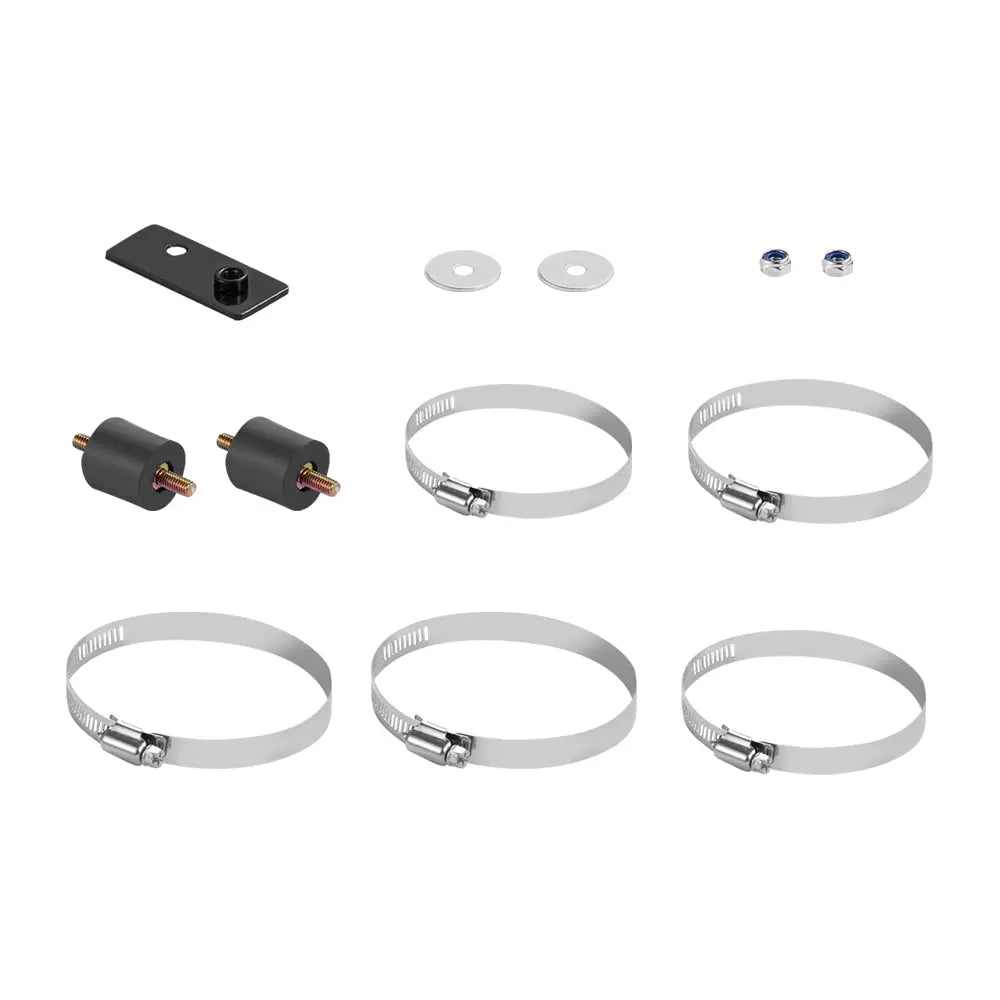
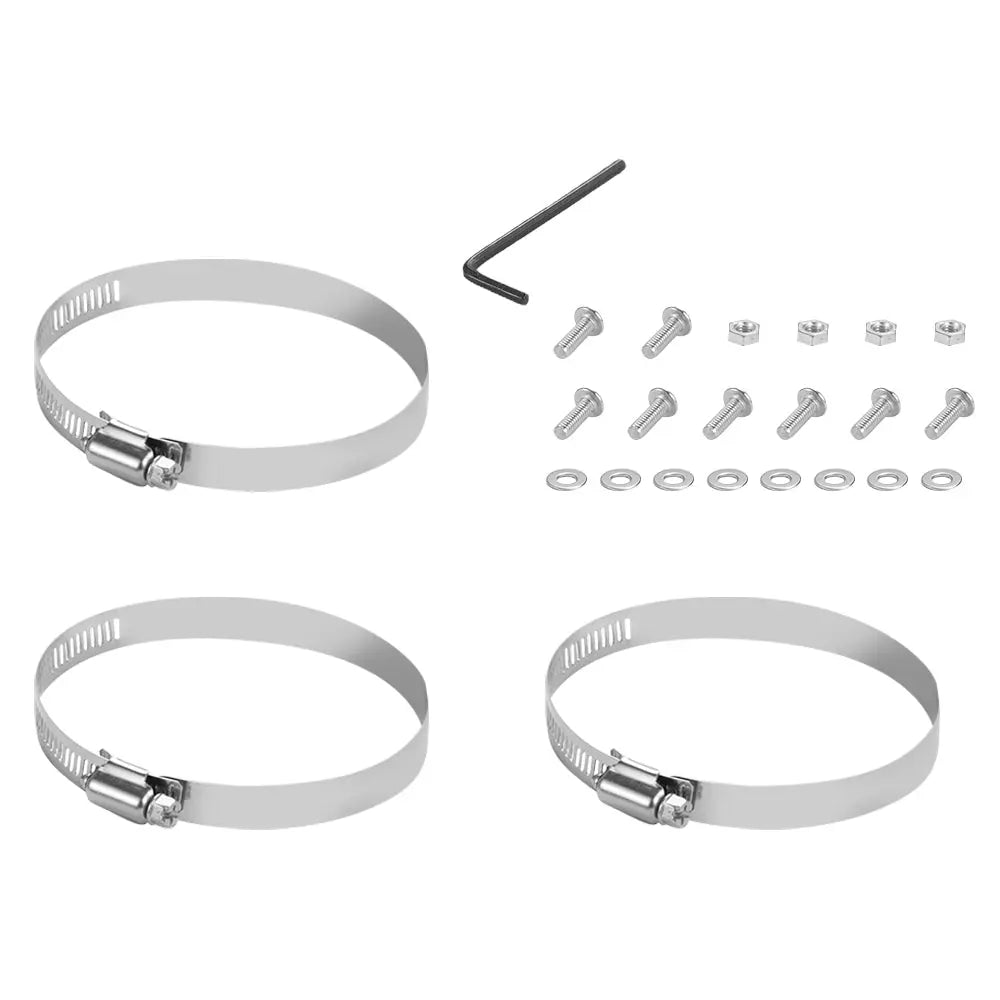
- Secure silicone couplers and hose clamps
- Sensor mounting provision and installation hardware included as shown
- Designed to produce a more noticeable turbo and intake sound
- Open and enclosed configurations available
Specifications
| Brand | Flashark |
| Product Type | Performance Air Intake Kit |
| Tube Material | Aluminum |
| Filter Type | Washable and Reusable Dry Filter |
| Filter Oil Required | No |
| Open Version SKU | FLIS25107 |
| Enclosed Version SKU | FLIS25119 |
Package Contents
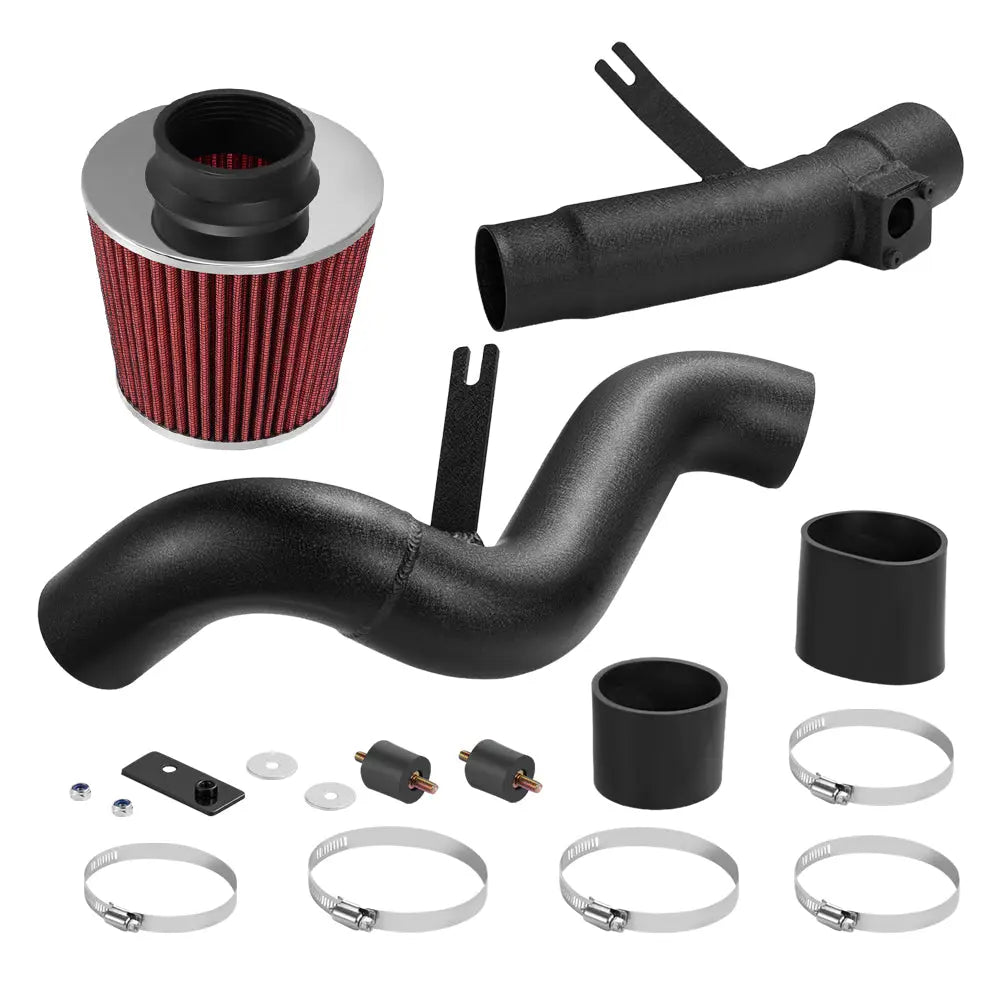
Open Intake — FLIS25107
- 1 × Aluminum intake tube
- 1 × Washable dry cone air filter
- Silicone couplers
- Hose clamps
- Sensor adapter/mounting components
- Installation hardware as shown
Enclosed Intake — FLIS25119
- 1 × Aluminum intake tube
- 1 × Washable dry cone air filter
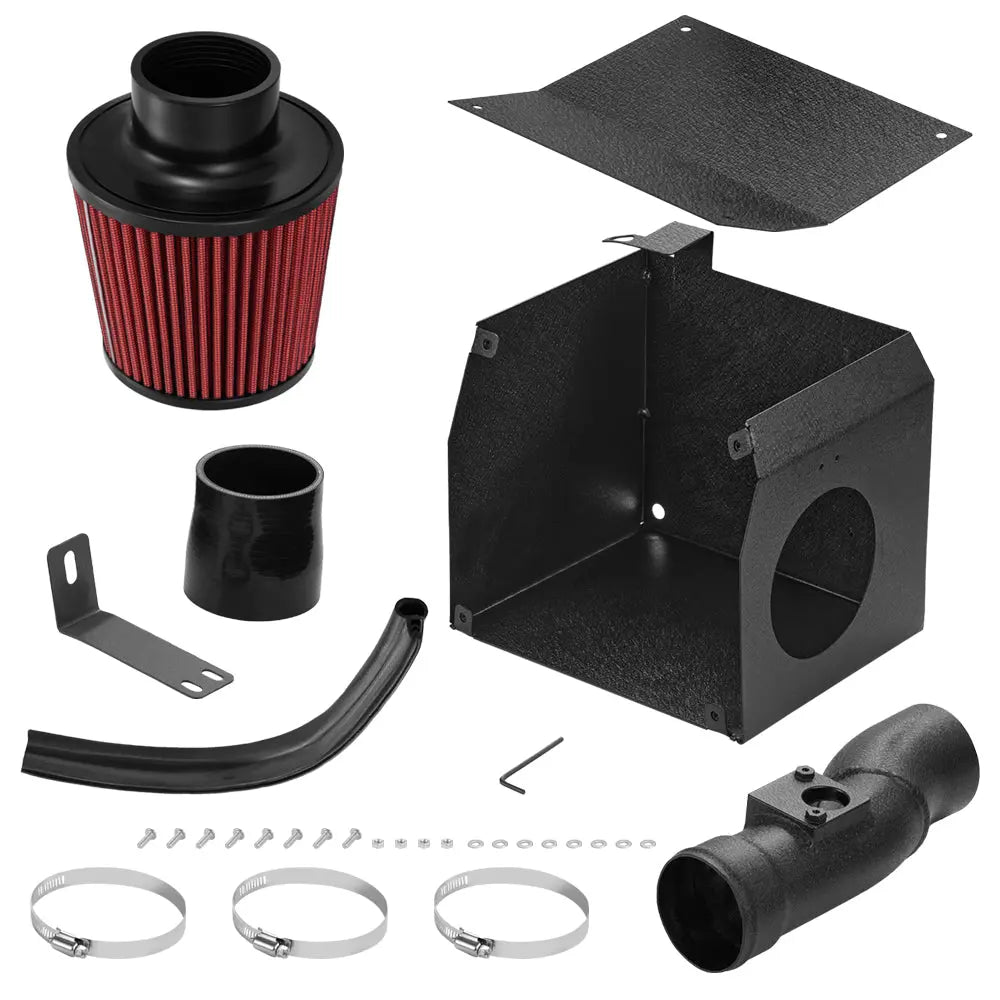
- 1 × Airbox/heat-shield assembly
- Protective edge trim
- Silicone couplers
- Hose clamps
- Mounting bracket and installation hardware as shown
Only the components shown for the selected version are included. Review the variant-specific package image before installation.
Dry Filter Cleaning Instructions
- Remove the filter carefully from the intake tube.
- Gently remove loose dirt and debris.
- Rinse or wash the filter using low water pressure and a suitable filter-cleaning solution.
- Allow the filter to air-dry completely.
- Do not use compressed air, excessive heat or a pressure washer.
- Do not apply filter oil.
- Do not reinstall the filter while it is wet.
Inspect and clean the filter more frequently when the vehicle is operated in dusty or dirty conditions.
Installation Notes
Professional installation is recommended. Before starting, compare the selected kit with the factory intake and confirm the tube routing, sensor mount, hose connections, couplers and mounting points.
- Transfer the original sensor only where required by the selected kit.
- Install the sensor in the correct direction.
- Tighten all clamps and check for unmetered-air leaks.
- Confirm that the intake tube does not contact hot or moving components.
- Reconnect every factory hose and electrical connector removed during installation.
After installation, start the engine and check for unstable idle, intake leaks, warning lights or abnormal drivability before driving aggressively.
Performance Expectations
The intake is designed to provide a smoother airflow path and a more noticeable turbo and induction sound. The open version generally produces the strongest intake sound, while the enclosed version provides additional separation between the filter and radiant engine-bay heat.
No fixed horsepower, torque or fuel-economy increase is guaranteed.
Shipping, Returns & Warranty
- Orders are normally processed within 1–2 business days.
- Unused and uninstalled products may be returned within 30 days in their original packaging, subject to the Flashark return policy.
- Return-shipping coverage applies to confirmed product-quality or fulfillment issues.
- Covered by a 12-month limited warranty against eligible manufacturing defects.


