


 Need car parts? Shop by vehicle
(Select the exact fit for your vehicle)
Need car parts? Shop by vehicle
(Select the exact fit for your vehicle)
Honda Civic Cold Air Intake
Shop Honda Cold Air Intakes: Honda Cold Air Intake
Shop Honda Civic cold air intake kits for selected 1988–2021 applications, from early 1.5L and 1.6L D-series cars to later 1.8L, 2.0L, 2.4L, and 1.5L turbo models. The collection includes open-filter, heat-shielded, enclosed-airbox, short-ram, and long-ram layouts for drivers comparing intake sound, filter position, and under-hood packaging.
Fitment is not universal across those years. Standard Civic, Civic Si, Hybrid, manual-transmission applications, and different body styles may use different tube routing, brackets, hose connections, and filter locations. A shared engine size does not automatically mean shared intake hardware.
Start with your model year, trim, and engine, then compare the intake layout that fits your daily driving or sound goals. Confirm every fitment note and selected product variant on the individual product page before ordering.
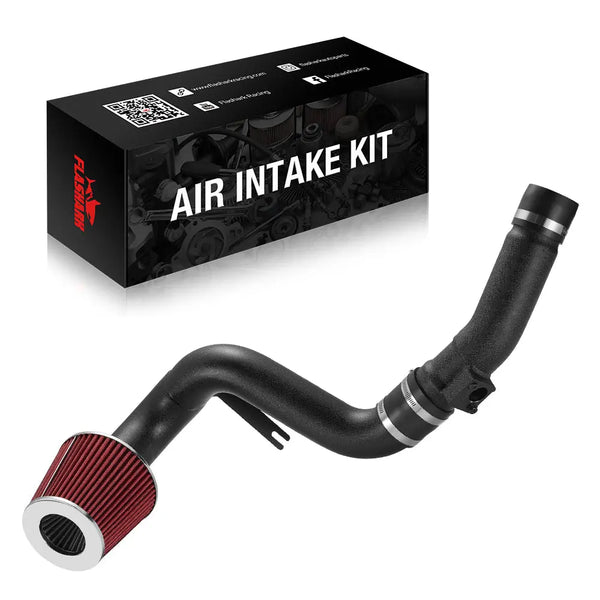
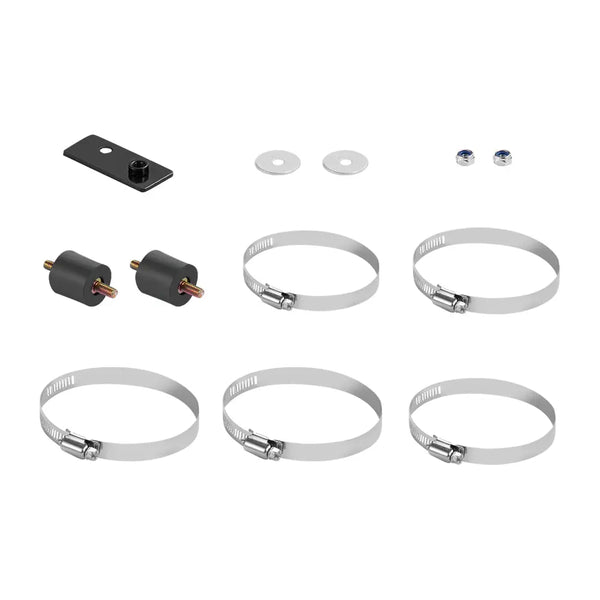
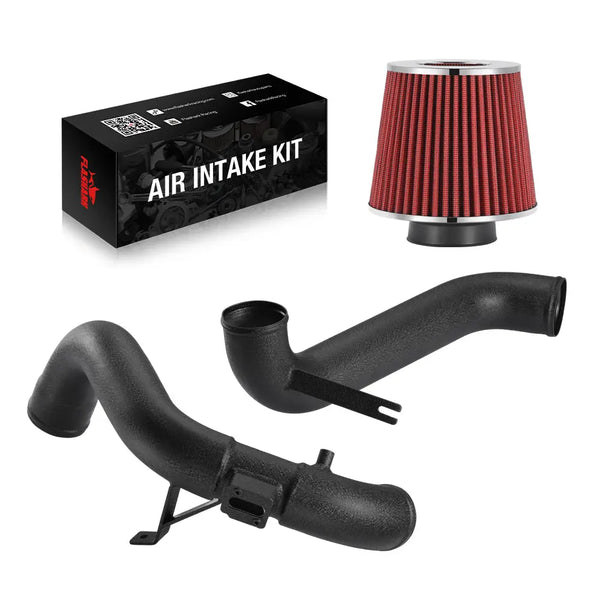
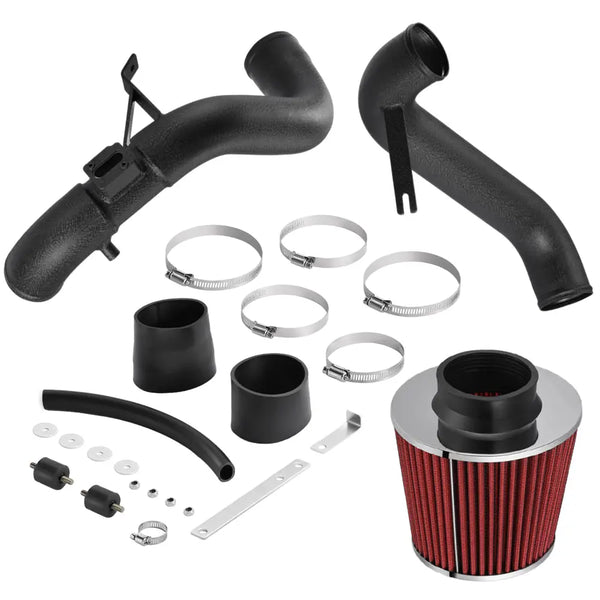

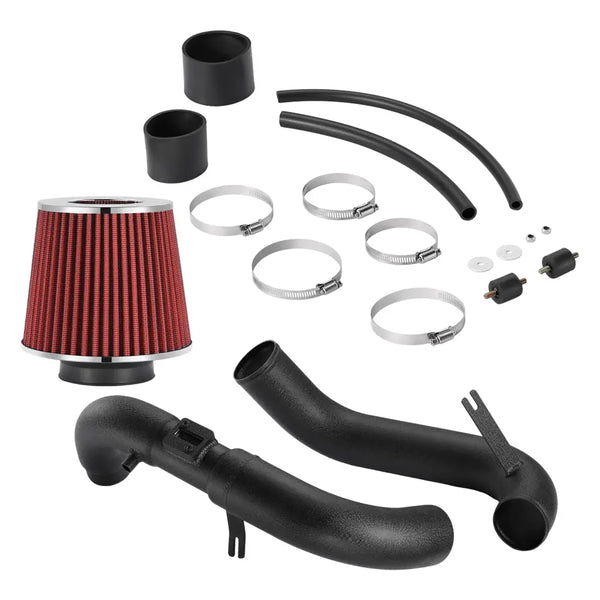
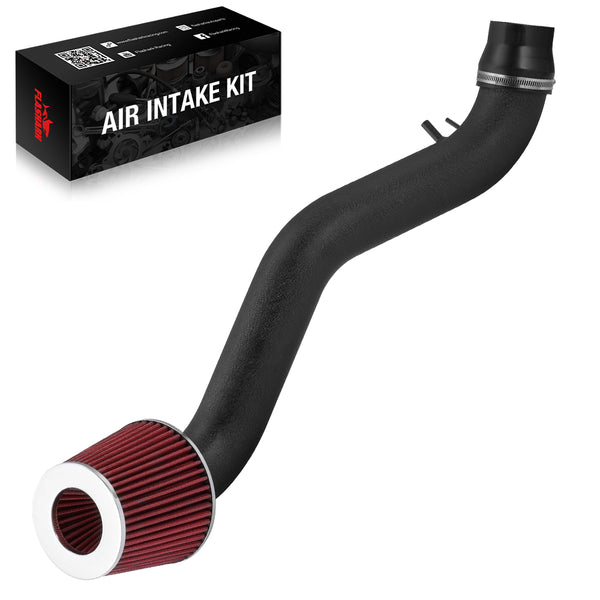
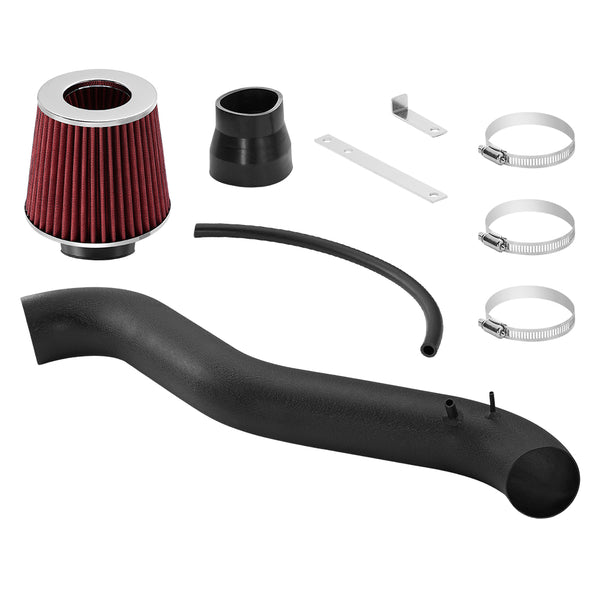
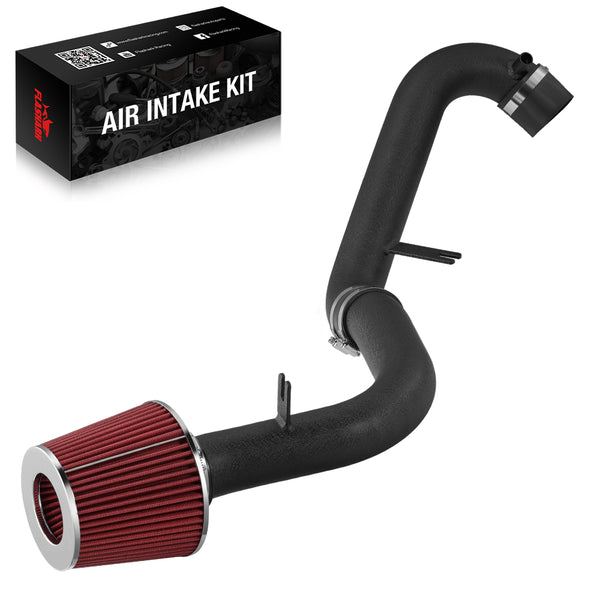
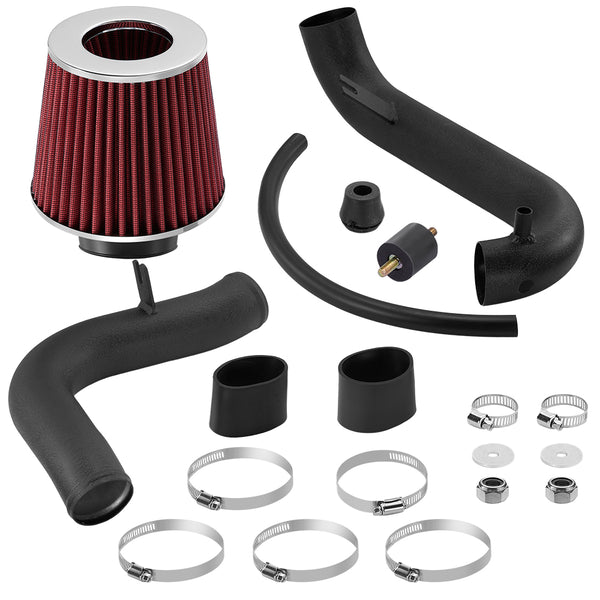
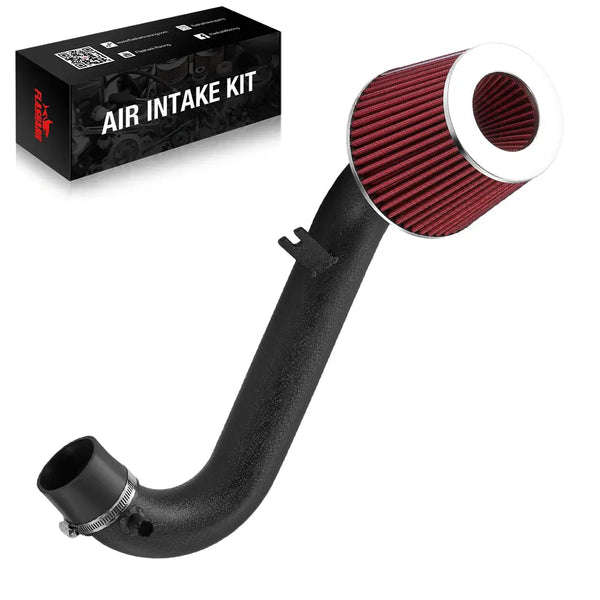
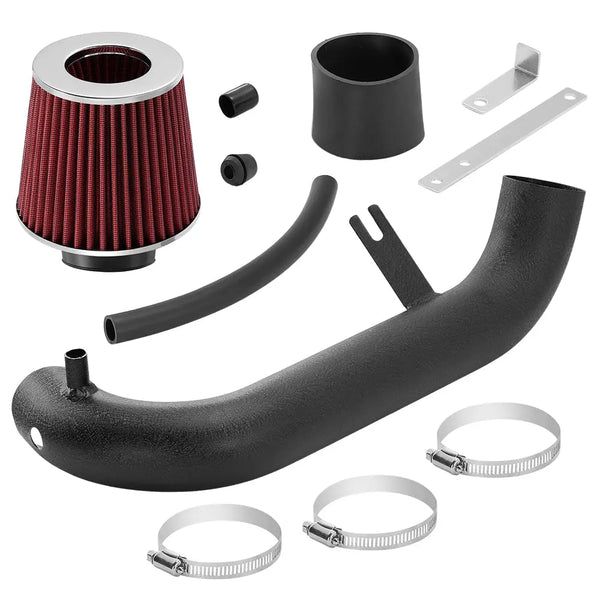
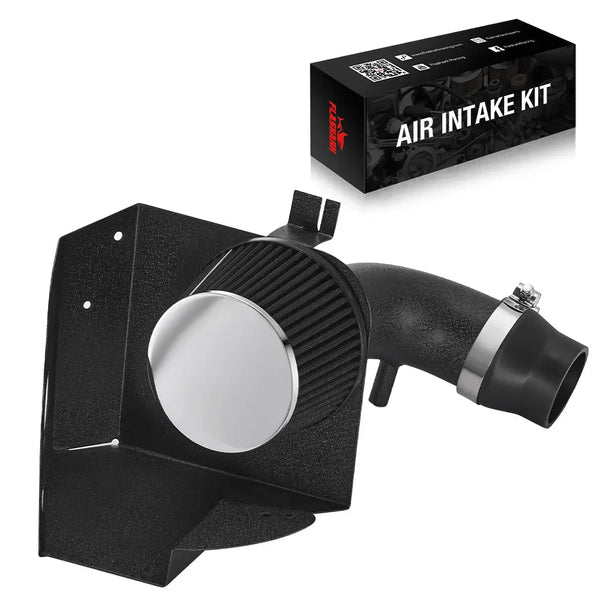
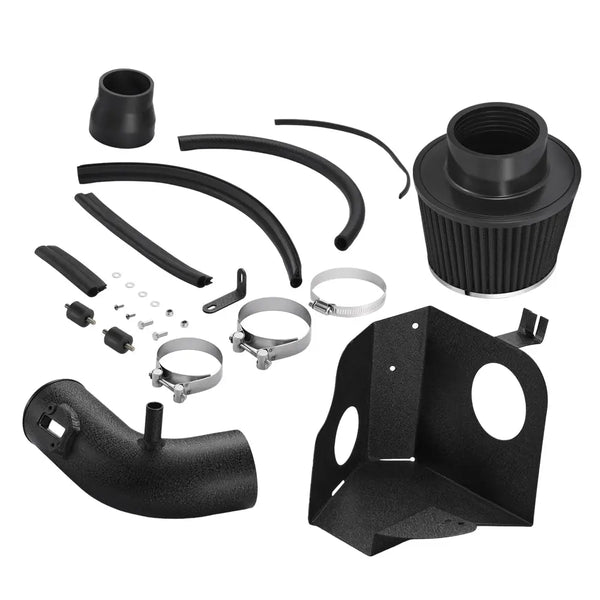
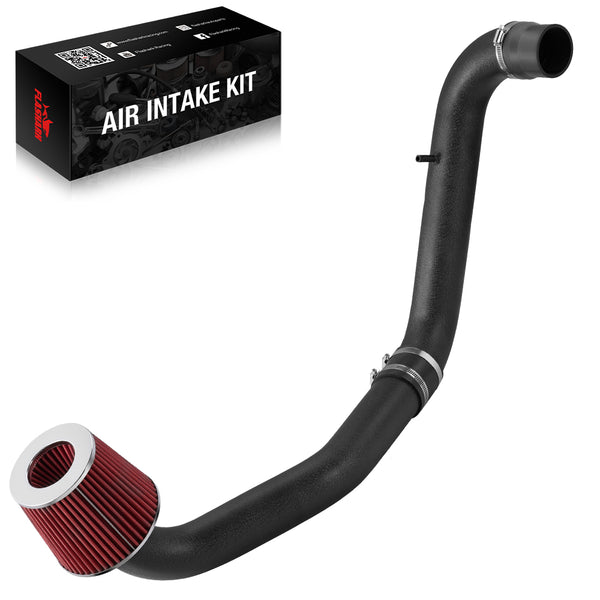
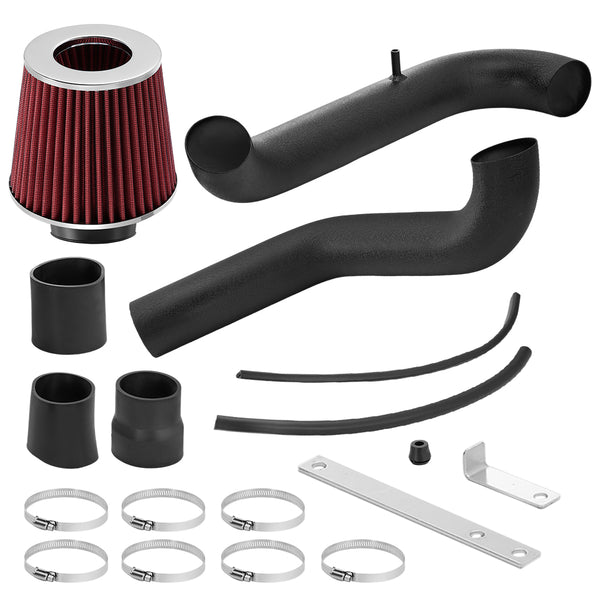


Shop Honda Cold Air Intakes: Honda Cold Air Intake
Shop Honda Civic cold air intake kits for selected 1988–2021 applications, from early 1.5L and 1.6L D-series cars to later 1.8L, 2.0L, 2.4L, and 1.5L turbo models. The collection includes open-filter, heat-shielded, enclosed-airbox, short-ram, and long-ram layouts for drivers comparing intake sound, filter position, and under-hood packaging.
Fitment is not universal across those years. Standard Civic, Civic Si, Hybrid, manual-transmission applications, and different body styles may use different tube routing, brackets, hose connections, and filter locations. A shared engine size does not automatically mean shared intake hardware.
Start with your model year, trim, and engine, then compare the intake layout that fits your daily driving or sound goals. Confirm every fitment note and selected product variant on the individual product page before ordering.
Choosing the Right Honda Civic Cold Air Intake
Honda kept the Civic name on the trunk lid for decades, but what sits behind the headlights changed repeatedly. Engine families changed. Throttle-body locations moved. Battery trays, radiator supports, transmission cases, breather hoses, and inner-fender clearances changed with them.
That is why buying an intake by pipe color or engine displacement alone is a bad shortcut. A kit for a standard 1.8L Civic is not automatically suitable for a Civic Si, and two cars carrying a 2.0L badge may have completely different engines and intake routing. Flashark groups several Civic intake applications in this collection, but the final decision still has to come down to the exact vehicle and product variant.
Before You Buy
- Match the year, trim, engine, and transmission. Do not shop by displacement alone.
- Standard Civic and Civic Si applications are usually different. Hybrid models also require separate confirmation.
- Open, enclosed, short-ram, and long-ram systems do different jobs. Filter location matters as much as pipe shape.
- Most correctly matched bolt-on systems are intended to work without an immediate tune, but sensor housing changes, air leaks, or an incorrect variant can still cause drivability problems.
- Lower-mounted filters need more caution around standing water. A missing splash shield makes that risk worse.
Start With the Year, Trim, and Engine
Here is the blunt part: “Honda Civic” is not enough information. Before opening a product page, identify the model year, engine displacement, trim, transmission, and body style where the listing calls for it. For older cars, an engine code can be more useful than the badge on the decklid, especially after an engine swap.
Trim matters because the standard Civic and Civic Si often use different engine families. A 2006–2011 Civic with the 1.8L R18 engine does not share its intake layout with an Si using a 2.0L K-series engine. The same warning applies to the 2012–2015 1.8L Civic and the 2.4L Civic Si.
| Model Years | Applications Represented | Intake Layouts on This Page | Main Fitment Checks |
|---|---|---|---|
| 1988–1991 | Selected Civic and CRX applications | Single-tube intake with cone filter | Confirm the exact chassis, engine, and whether the listing covers Civic, CRX, or both. |
| 1992–1995 | Selected 1.5L and 1.6L Civic applications; one listing also covers 1993–1997 Civic del Sol | Short-ram and long-ram variants | Check the selected body, engine, and intake-length variant rather than assuming Civic and del Sol hardware is identical. |
| 1996–2000 | Selected 1.6L DX, LX, CX, EX, HX, and Si-related applications | Open-filter, short-ram, and longer intake layouts | Verify engine code, trim exclusions, tube route, and whether the product is truly a cold-air or short-ram design. |
| 2001–2005 | Selected 1.7L standard Civic and 2.0L Civic Si applications | Open-filter, heat-shielded, short-ram, and long-ram variants | Confirm 1.7L versus 2.0L, standard Civic versus Si, and any manual-transmission requirement. |
| 2006–2011 | Selected 1.8L standard Civic and 2.0L Civic Si applications | Long-ram, short-ram, heat-shielded, and open-filter systems | Do not interchange standard 1.8L, Si 2.0L, or Hybrid applications. |
| 2012–2015 | Selected 1.8L Civic and 2.4L Civic Si applications | Open-filter and heat-managed intake layouts | Confirm 1.8L versus 2.4L, standard Civic versus Si, and whether a listing also names another vehicle platform. |
| 2016–2021 | Selected Civic 1.5L Turbo applications | Open intake and enclosed-airbox variants | The listed year range and Si exclusions differ between the open and enclosed versions. |
Use this table as a starting point, not as a universal fitment guarantee. For example, the 2016–2021 Honda Civic 1.5L Turbo intake has open and enclosed configurations with different listed year coverage. The selected variant matters.
Open, Enclosed, Short-Ram, or Long-Ram?
Do not get hung up on whichever label sounds fastest. Look at where the filter sits, how the tube reaches the throttle body or turbo inlet, and how much shielding separates the filter from radiator and exhaust heat. Those physical details tell you more than the marketing name.
| Intake Type | Filter Position | What You May Notice | What to Check |
|---|---|---|---|
| Open intake | Exposed in the engine bay, sometimes near a heat shield | More induction and turbo sound, easier filter access | Heat shielding, filter clearance, sensor orientation, and hood clearance |
| Enclosed intake | Inside an airbox or enclosed shield | More isolation from engine-bay air and a more contained appearance | Airbox lid fit, inlet duct alignment, year range, and trim exclusions |
| Short-ram intake | Usually high in the engine bay with a shorter tube | Strong intake sound and relatively direct installation | Under-hood heat, battery clearance, and accurate product classification |
| Long-ram intake | Farther from the throttle body, often toward the inner fender | A different intake tone and filter placement away from some engine-bay heat | Splash shielding, wheel-liner clearance, coupler alignment, and water exposure |
The 2006–2011 Honda Civic 1.8L intake options include different tube-length configurations. That does not make one automatically better. A daily-driven car that sees heavy rain, rough roads, or missing splash shields may need a different setup from a weekend car built mainly for sound.
Set Realistic Expectations
A Honda Civic air intake can make the engine easier to hear. On naturally aspirated models, that usually means a deeper induction note when the throttle opens. On the 1.5L turbo application, the driver may also hear more compressor, bypass, and airflow noise depending on the intake enclosure.
What should you not expect? A guaranteed horsepower number for every engine, year, weather condition, fuel grade, and vehicle condition. There is no single collection-wide Dyno result that can honestly cover a late-1980s D-series Civic, an R18 daily driver, a K24 Civic Si, and a modern 1.5L turbo car.
The condition of the vehicle matters too. A dirty throttle body, leaking breather hose, weak ignition component, clogged catalytic converter, or old oxygen sensor does not become healthy because a shiny tube was installed. Sort out existing drivability problems first.
Check the Hardware Before Installation
Lay every component on a clean bench before removing the factory airbox. Match the couplers, clamps, brackets, hose fittings, filter, heat shield, and mounting hardware to the product photos and instructions. If the selected version does not match what arrived, stop there. Do not force the wrong tube around the battery or pull a hose tight enough to kink it.
- Confirm the throttle-body or turbo-inlet coupler diameter.
- Check every breather, vacuum, and bypass-hose connection.
- Verify the sensor housing and sensor direction where a sensor is used.
- Make sure the tube does not press against the battery, radiator support, hood, wiring harness, brake lines, or transmission case.
- Confirm that the filter cannot rub the inner fender or wheel liner.
- Retighten clamps after the first full heat cycle.
On 2001–2005 cars, pay close attention to whether the product is intended for a 1.7L standard Civic or a 2.0L Civic Si. One listing may present those as selectable versions, but the hardware should not be treated as interchangeable. The same logic applies to the 2012–2015 Civic Si 2.4L intake and a standard 1.8L Civic kit.
Mechanic's Diagnostic Note
A rough idle or check-engine light immediately after an intake installation is often blamed on the filter or pipe before the basic connections are checked. Start at the throttle body or turbo inlet and work backward. Look for a coupler folded underneath itself, a clamp sitting behind the sealing bead, an uncapped vacuum nipple, a loose breather hose, a sensor installed backward, or a wiring connector placed under tension.
Scan data helps. A double-digit positive long-term fuel-trim reading at idle that improves as engine speed rises often points toward unmetered air entering near the intake manifold or throttle-body side of the system. A smoke test can find a small leak that is almost impossible to see by eye. Fix the leak first; do not try to hide it by clearing the code repeatedly.
Watch Filter Position, Water, and Local Rules
Lower filter placement can move the filter away from some engine-bay heat, but it also puts the filter closer to road spray. That tradeoff is real. Do not drive through deep standing water with a low-mounted intake, and do not assume a plastic wheel liner will protect the filter if the liner is cracked, missing, or poorly secured.
Risk Warning
- Water ingestion: A submerged or heavily soaked low-mounted filter can allow water into the intake tract and may cause severe engine damage.
- Incorrect fitment: Shared displacement does not guarantee identical brackets, sensor housings, hose locations, or body clearance.
- Check-engine lights: Air leaks, incorrect sensor placement, damaged wiring, or the wrong intake variant can affect fuel control and drivability.
- Filter servicing: Do not apply filter oil to a dry filter. Do not over-oil an oiled filter, especially on vehicles using an airflow sensor near the filter path.
- Emissions compliance: Do not assume every intake is legal for every road or inspection program. Check the product information and the rules that apply where the vehicle is registered.
Match the Intake to the Way You Drive
Daily driver? An enclosed or well-shielded setup may make more sense when you want a tidy installation and less exposure to hot engine-bay air. Want more induction sound and easier filter access? An open or short-ram layout may be the better fit, provided it clears the surrounding hardware and matches the exact engine.
A long-ram design can suit a driver who accepts a more involved installation and understands the lower filter position. Listen, the loudest option is not automatically the smartest option. Think about rain, road conditions, how often the car is serviced, and whether the splash shields are still intact.
Modified cars need another layer of checking. Engine swaps, aftermarket throttle bodies, relocated batteries, turbo conversions, catch cans, and non-factory radiator layouts can invalidate a normal bolt-on fitment claim. In those cases, compare measurements and connection points instead of relying only on the vehicle selector.
Make the Final Fitment Check
Before adding a Honda Civic cold air intake to the cart, compare the complete product title, selected variant, fitment table, engine information, product photos, and listed exclusions. Watch for manual-transmission restrictions, Si exclusions, Hybrid exclusions, and different year ranges between open and enclosed versions.
When two products appear to cover the same years and engine, do not choose only by price. Compare the tube route, heat shield, filter position, included fittings, SKU, and variant notes. If those details still do not explain the difference, confirm the application with Flashark before ordering.
Honda Civic Cold Air Intake FAQ
Q1: Does this collection fit every 1988–2021 Honda Civic?
A1: No. The collection covers selected applications within that range, not every Civic engine, trim, transmission, or body style. Confirm the exact fitment information on the individual product page.
Q2: How do I choose a cold air intake for my Honda Civic?
A2: Start with the model year, then verify the trim, engine displacement or engine code, transmission, and body style where listed. After that, compare the available open, enclosed, short-ram, or long-ram layout.
Q3: What is the difference between the open and enclosed 2016–2021 Civic 1.5L Turbo intakes?
A3: The open version uses an exposed filter and generally makes the intake and turbo sounds easier to hear. The enclosed version places the filter inside an airbox, but its listed year coverage and Civic Si exclusions differ, so the two versions should not be treated as identical fitment options.
Q4: What is the difference between a short-ram and long-ram Civic intake?
A4: A short-ram system normally keeps the filter higher in the engine bay and uses a shorter tube. A long-ram system places the filter farther away, sometimes toward the inner fender, which changes installation space and increases the need to check splash protection and water exposure.
Q5: Will a 2006–2011 Civic 1.8L intake fit a Civic Si or Hybrid?
A5: It should not be assumed to fit. The standard 1.8L Civic, 2.0L Civic Si, and Hybrid use different powertrain and intake configurations. Buy only from a listing that specifically names your engine and trim.
Q6: Can the same intake fit both a 2001–2005 Civic 1.7L and Civic Si 2.0L?
A6: Not as one universal piece of hardware. A product page may offer separate variants for those applications, but the 1.7L standard Civic and 2.0L Civic Si use different engines and chassis packaging. Confirm that the selected variant matches your car.
Q7: Are the 2012–2015 Civic 1.8L and Civic Si 2.4L intake kits interchangeable?
A7: No. The standard 1.8L Civic and 2.4L Civic Si use different engines and intake routing. Select a product that specifically lists the correct engine and trim.
Q8: Does a Honda Civic cold air intake require a tune?
A8: Many properly matched bolt-on systems are designed to operate with the factory calibration, but that is not a universal rule. A changed sensor housing, incorrect pipe diameter, air leak, or heavily modified engine may require additional diagnosis or calibration.
Q9: What should I check if the Civic develops a check-engine light or rough idle after installation?
A9: Check every coupler, clamp, breather hose, vacuum connection, sensor connector, and unused fitting. Confirm that the sensor is installed in the correct direction and that the selected intake variant matches the engine. Scan the trouble codes instead of repeatedly clearing them.
Q10: How should I maintain the filter and reduce water-ingestion risk?
A10: Follow the cleaning method for the specific dry or oiled filter supplied with the kit. Keep the splash shields and wheel liners installed, inspect lower-mounted filters after heavy rain, and avoid driving through water deep enough to reach the filter location.


