


Escape del Nissan Catback
Marca: TODOS | Honda | Nissan | Toyota | Ford | Chevy | BMW | Mazda | Subaru | Lexus | Hyundai | Mitsubishi | Otro
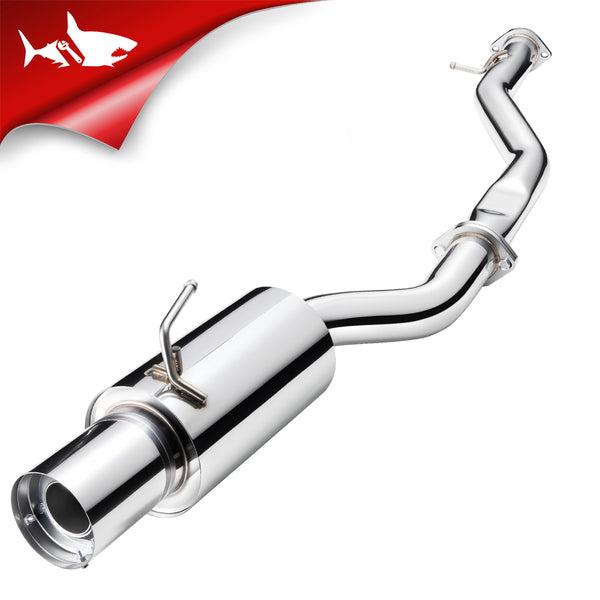
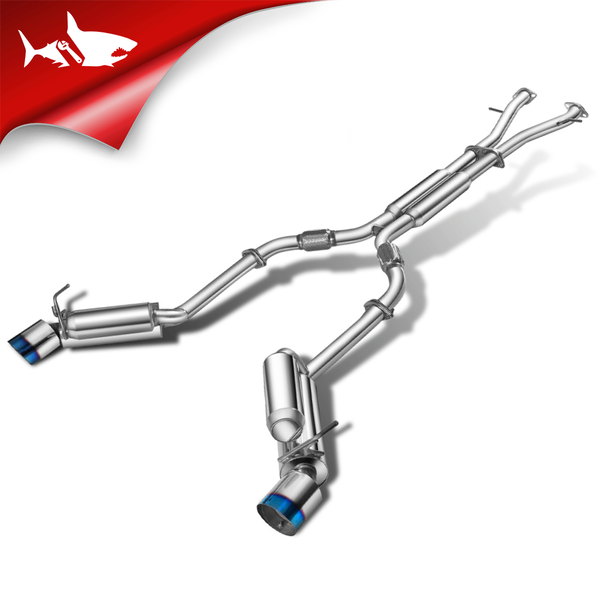
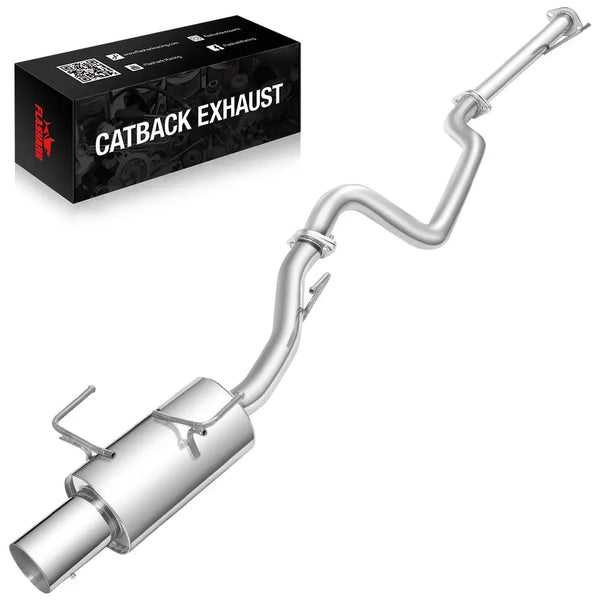
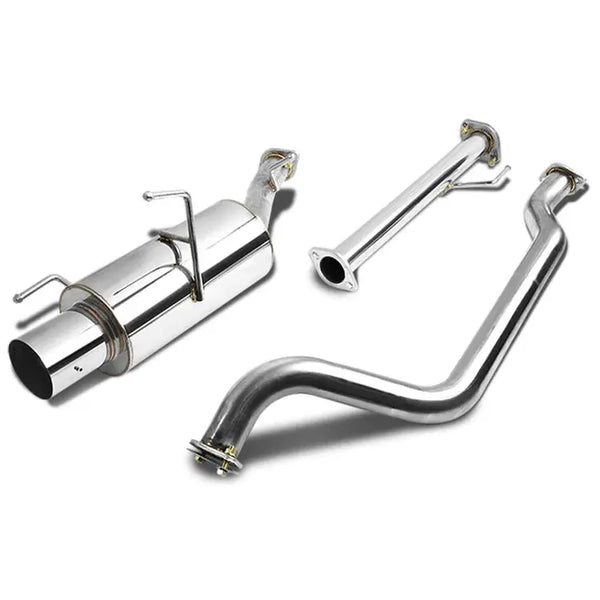
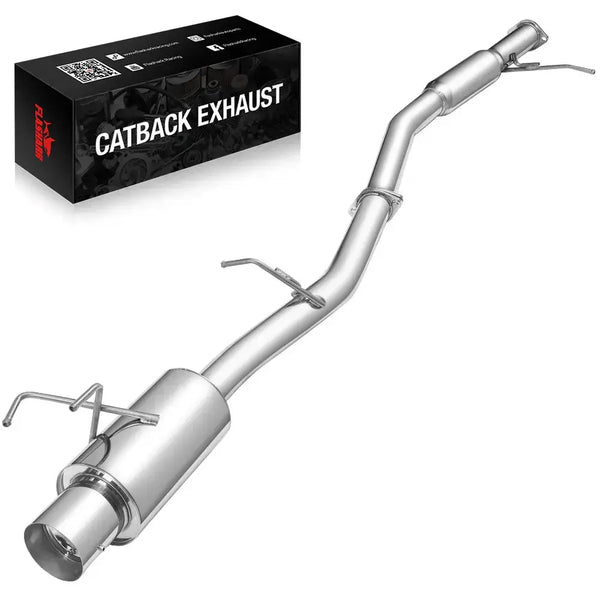
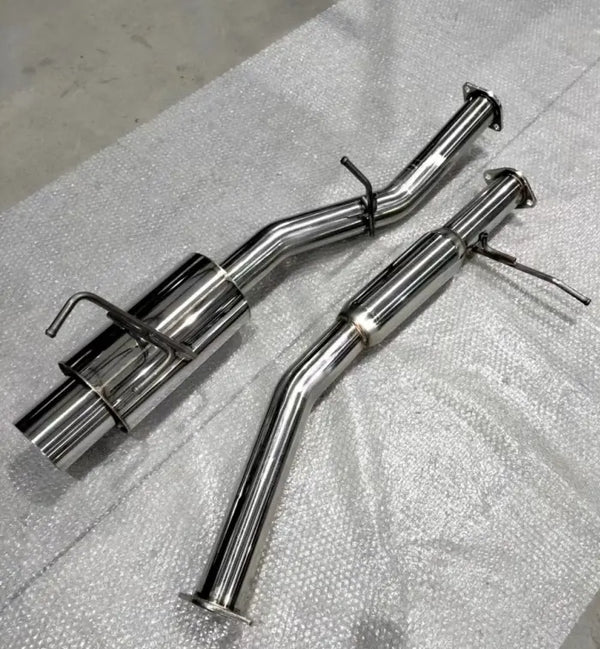
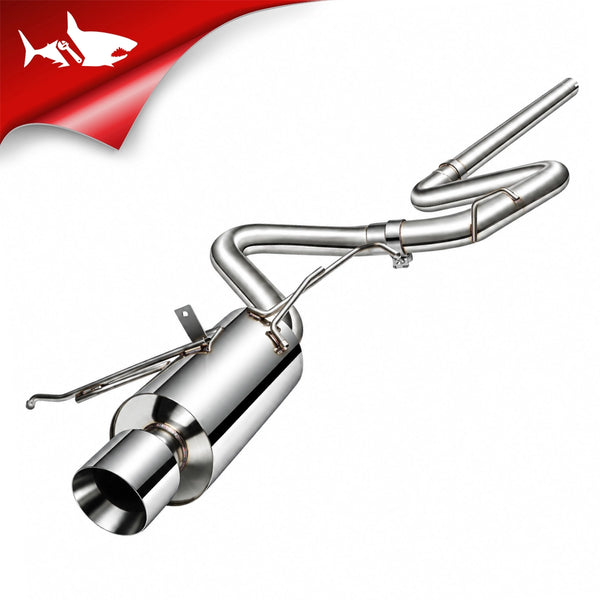
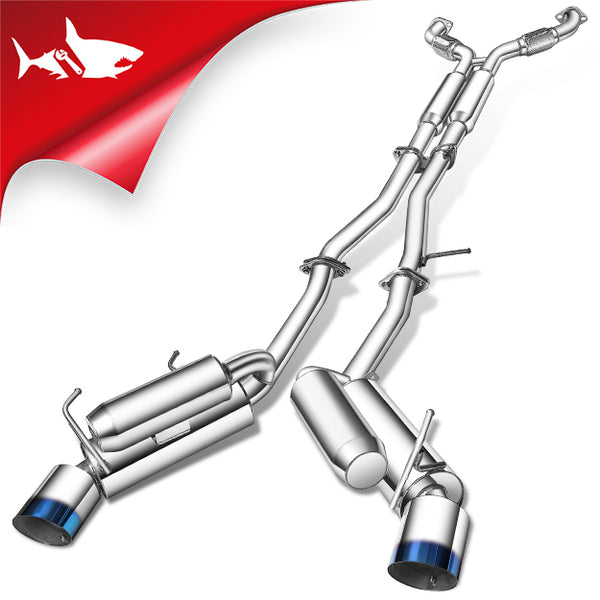
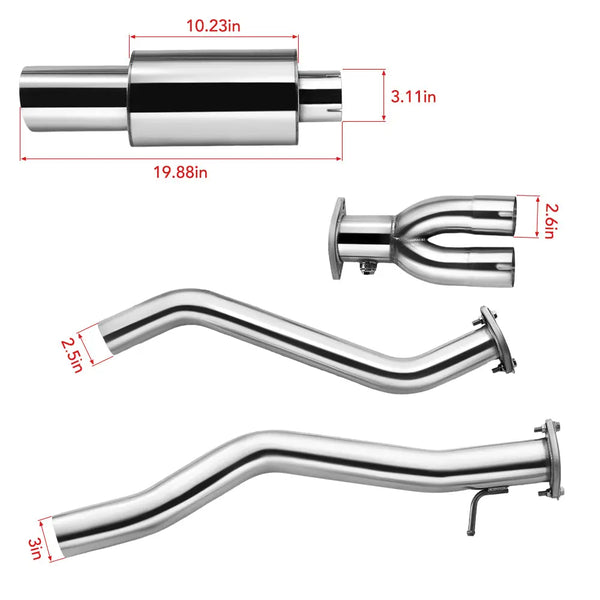
Un escape catback para Nissan mejora el rendimiento al reemplazar el escape de serie con un tubo intermedio, silenciador y cola de escape de mayor diámetro y más eficientes. Los sistemas de escape catback Flashark Nissan están fabricados con acero inoxidable SUS-304, con una superficie totalmente pulida, bridas mecanizadas por CNC y dobleces con mandril. Este diseño de flujo directo mejora la potencia, el par motor y el rendimiento general, proporcionando una experiencia de conducción más potente y eficiente.



Marca: TODOS | Honda | Nissan | Toyota | Ford | Chevy | BMW | Mazda | Subaru | Lexus | Hyundai | Mitsubishi | Otro
Un escape catback para Nissan mejora el rendimiento al reemplazar el escape de serie con un tubo intermedio, silenciador y cola de escape de mayor diámetro y más eficientes. Los sistemas de escape catback Flashark Nissan están fabricados con acero inoxidable SUS-304, con una superficie totalmente pulida, bridas mecanizadas por CNC y dobleces con mandril. Este diseño de flujo directo mejora la potencia, el par motor y el rendimiento general, proporcionando una experiencia de conducción más potente y eficiente.
Libera el Verdadero Rugido de tu Nissan: La Guía Definitiva de los Escapes Catback Flashark
Seamos directos. Tu tubería de fábrica es básicamente una pajita glorificada, ahogando el motor por el que pagaste un buen dinero. Olvídate de lo que dicen los folletos de los concesionarios; los ingenieros de Nissan se ven obligados a estrangular estos hermosos motores solo para cumplir con las cuotas de ruido globales y para ahorrar dinero en materiales. No necesitas un título en dinámica de fluidos para darte cuenta de que empujar los gases de escape a través de tuberías aplastadas y restrictivas mata tu respuesta del acelerador.
El Gancho del Mecánico: Hace poco, tuve un 370Z con alto kilometraje en mi elevador. Desmontar ese escape de serie oxidado, pesado y restrictivo me recordó la dura realidad. La diferencia de peso entre la basura de fábrica y un sistema de posventa adecuado es asombrosa. Sostener una tubería bellamente soldada en una mano y un silenciador de fábrica corroído en la otra... es físicamente doloroso ver lo malo que es realmente el sistema de serie.
- Potencia Verificada: Espera una ganancia real de 8-15 whp (potencia a la rueda) en el dinamómetro, dependiendo de tu chasis y ajuste. Nada de tonterías infladas de foros.
- Velocidad de Flujo: Reemplaza las curvas aplastadas de fábrica por tuberías suaves y uniformes para reducir drásticamente la contrapresión.
- Perfil Sonoro: Añade aproximadamente 10-15 decibelios a máxima aceleración (WOT) mientras elimina el desagradable sonido metálico agudo.
- Durabilidad: Construido estrictamente con metal resistente a la corrosión para durar más que el chasis de tu coche.
Artesanía y Rendimiento: Anatomía de un Catback Flashark Nissan
Escúchame: no todo el metal es igual. He visto a tipos atornillar escapes de acero aluminizado baratos que parecen queso suizo después de dos inviernos con sal de carretera. Si vas a hacer esto, hazlo bien la primera vez. Construimos el sistema Flashark para que sea el último escape que compres.
Acero Inoxidable T304 Premium y Soldadura TIG de Nivel Maestro
Utilizamos estrictamente acero inoxidable T304 de pared gruesa. Combate los ciclos de calor y el óxido como un tanque. Pero el material es solo la mitad de la batalla. Observa de cerca las uniones en nuestro Catback Nissan. Utilizamos soldadura TIG (Tungsten Inert Gas). Estamos hablando de "monedas apiladas", sin escoria desordenada, sin microagujeros que causen molestos tics en el escape cuando el metal se calienta. Soporta la vibración del motor y las temperaturas extremas de los gases de escape sin agrietarse.
Doblado de Mandril de Precisión para un Flujo Máximo
Mira debajo de un Nissan de serie. ¿Ves esas esquinas? Están dobladas por aplastamiento. Parece una lata de refresco aplastada, lo que crea turbulencia y ralentiza la velocidad de los gases de escape. Un escape Catback Flashark Nissan utiliza doblado de mandril de precisión. Arrastramos una matriz de acero sólido a través de la tubería mientras se dobla, garantizando que el diámetro interior se mantenga 100% uniforme. Flujo suave equivale a una evacuación más rápida. Punto.
La Banda Sonora de la Potencia: Decodificando el Sonido del Escape Catback Nissan
El sonido es subjetivo, pero seamos realistas, nadie quiere sonar como una desbrozadora moribunda. Estás mejorando para escuchar el motor funcionando, no solo para hacer ruido inútil en un estacionamiento.
Tono Profundo y Agresivo vs. Ruido Metálico de Serie
El infame ruido de "trompeta VQ"... sabes exactamente a qué me refiero. Algunos lo defienden; yo creo que suena a hojalata barata traqueteando. Nuestros sistemas están diseñados para profundizar la nota del escape. Nos centramos en mejorar el rugido de baja frecuencia en ralentí y ofrecer un grito crudo y agresivo al límite de revoluciones, eliminando por completo ese sonido metálico.
Eliminación del Zumbido en Carretera con Resonadores Ajustados
Un escape ruidoso es divertido en una carretera secundaria, pero el zumbido en carretera te hará querer tirar tu coche por un puente. El zumbido es ese zumbido de baja frecuencia que te revuelve el cerebro (generalmente alrededor de 120Hz a 150Hz) que ocurre cuando viajas a 110 km/h en 6ª marcha. Al usar resonadores empaquetados con precisión, cancelamos esas ondas sonoras específicas. Obtienes paz en la cabina al conducir y pura agresión cuando bajas una marcha.
Ganancias Probadas en Dinamómetro: Cómo Extraemos Más Caballos de Fuerza
No me importa lo ruidoso que sea tu coche si es lento. Atornillar un tubo no crea mágicamente caballos de fuerza; libera los caballos de fuerza que tu motor ya está produciendo pero que está perdiendo debido a las pérdidas por bombeo.
Reducción de la Contrapresión para un Spool Más Rápido y Mayores Revoluciones
Los motores son bombas de aire. Cuanto más duro tienen que trabajar los pistones para expulsar los gases de escape de un tubo restrictivo, mayor es la pérdida de potencia parasitaria. Al aumentar el diámetro del tubo y suavizar las curvas, un escape Flashark reduce la contrapresión. Para los chicos con VR30DDTT, esto significa que sus turbos aceleran notablemente más rápido. Para los chicos con VQ, significa que el motor tira limpiamente hasta las 7,500 RPM sin ahogarse.
Estilos de Escape: Eligiendo la Configuración Correcta para tu Nissan
No compres solo lo que parece genial. Compra el diseño que coincida con lo que realmente haces con tu coche. He expuesto los hechos a continuación para que no malgastes tu dinero.
Análisis Profundo: Motores Nissan Populares y Sinergias Catback
Cada familia de motores reacciona de manera diferente a un escape liberado. Esto es lo que realmente sucede cuando trabajas con estas plataformas específicas.
VQ35DE / VQ37VHR (350Z / 370Z / G35 / G37)
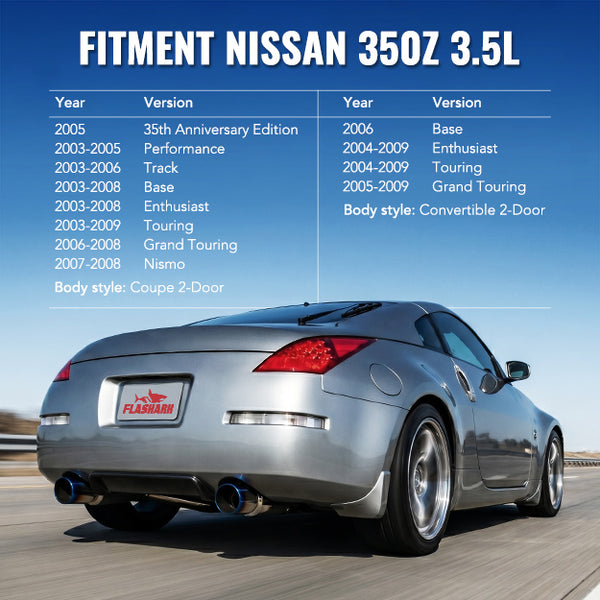
Estos V6 de aspiración natural necesitan espacio para respirar, pero si te excedes, pierdes par a bajas revoluciones. Un sistema dual de 2.5 pulgadas de tamaño adecuado es el punto ideal aquí. Refina el ladrido del VQ en un aullido de nivel de deporte motor y generalmente logra entre 10 y 12 whp en el dinamómetro.
VR30DDTT (Nissan Z / Q50 / Q60)
Los turbos dobles generan una enorme cantidad de calor. El escape de fábrica atrapa ese calor. Abrir la tubería post-catalizador reduce drásticamente las Temperaturas de los Gases de Escape (EGT). Sentirás el par a medio régimen entrar unos cientos de RPM antes. Esta plataforma se beneficia enormemente de tuberías completas de 3 pulgadas si planeas ajustar el motor.
VK56VD y VQ38DD (Titan y Frontier)
Amigos de los camiones, escuchen. Cuando arrastras un remolque de 2.700 kilos por una pendiente, tu motor está bajo una carga masiva. Un escape de flujo libre extrae ese calor de las culatas más rápido. Además, nada supera el rugido al arrancar en frío de un motor Nissan de gran cilindrada que despierta al vecindario.
La Verdad del Taller: Modificaciones Ocultas y Guía Experta para Evitar Problemas
Olvídate de los grupos de Facebook. Si vas a subir tu coche a caballetes, necesitas conocer los verdaderos escollos mecánicos.
No puedo decir cuántos tipos llegan al taller sudando a chorros porque creen que un catback encenderá la luz de "Check Engine" (CEL). Cada vez que un cliente se para junto a mi elevador preguntando esto, cojo mi linterna y apunto directamente al túnel de escape. Los sensores de O2 se encuentran en la parte delantera, conectados a los convertidores catalíticos o a los colectores. Un escape Catback Nissan se atornilla después de los catalizadores primarios y secundarios. No elimina equipos de emisiones. Sin interferencia de sensores significa absolutamente cero problemas de CEL. Estás a salvo.
Lista de Verificación de Hardware: Juntas, Soportes y Ajuste de Bridas
No seas ese tipo que reutiliza una junta metálica incrustada de 10 años. Compra hardware nuevo. Al colocar las bridas, apriétalas uniformemente en forma de cruz para que asienten perfectamente a ras. ¡Y revisa los soportes de goma del escape! Si están caídos o agrietados, tu nuevo escape vibrará contra el subchasis. Gasta esos 20 euros extra en soportes de poliuretano.
Preguntas Frecuentes (FAQ del Mecánico)
P1: ¿Un escape Catback Flashark Nissan anulará la garantía de fábrica?
R1: No. Según la Ley de Garantía Magnuson-Moss, un concesionario no puede anular la garantía completa de tu vehículo simplemente porque instalaste un catback de posventa. Tendrían que demostrar legalmente que el escape causó directamente la falla de otra pieza. Dado que un catback se sitúa después del motor y los sistemas de emisiones, es completamente seguro.
P2: ¿Necesito una reprogramación de la ECU después de instalar un escape Catback?
R2: Sinceramente, no. Tu ECU de fábrica es perfectamente capaz de adaptar sus ajustes de combustible para manejar el aumento del flujo de aire de un catback por sí solo. Sin embargo, si quieres extraer cada caballo de fuerza de ese nuevo flujo de aire, una reprogramación de la ECU optimizará la sincronización y el suministro de combustible para que coincidan.
P3: ¿Cuánta potencia añade realmente un escape Catback Nissan?
R3: En un coche completamente de serie, puedes esperar una ganancia realista de 5 a 15 caballos de fuerza a la rueda (whp). Más importante aún, obtendrás una mejora significativa en la respuesta del acelerador. El motor se sentirá mucho más dispuesto a subir de revoluciones.
P4: ¿Es el escape Catback Flashark demasiado ruidoso para el uso diario?
R4: Los diseñamos para la calle. En ralentí y a velocidades de crucero bajas, tiene un rugido profundo y notable pero se mantiene civilizado. Solo se vuelve agresivamente ruidoso cuando pisas el acelerador a fondo. Los resonadores ajustados hacen el trabajo pesado para mantener el zumbido fuera del habitáculo.
P5: Axle-Back vs. Catback: ¿Cuál es el adecuado para mi Nissan?
R5: Un axle-back solo reemplaza los silenciadores traseros, es puramente una modificación de sonido y añade casi cero potencia. Un catback reemplaza los tubos intermedios, los resonadores y los silenciadores hasta el convertidor catalítico. Si quieres ganancias de rendimiento reales y un mejor flujo, necesitas el catback completo.
P6: ¿Puedo instalar un Catback Flashark Nissan yo mismo con caballetes?
R6: Absolutamente. Es un trabajo de atornillar directamente. Consigue un amigo, un buen juego de caballetes y mucho líquido penetrante (como WD-40 o PB Blaster). Quitar los tornillos oxidados de fábrica es el 90% del trabajo. Atornillar el nuestro lleva menos de una hora.
P7: ¿Por qué mi nuevo escape huele raro después de la primera conducción?
R7: Que no cunda el pánico. Ese olor a quemado es completamente normal. Son solo los aceites de máquina del proceso de doblado por mandril y los residuos de la soldadura que se calientan y se queman del acero inoxidable. Desaparece después de unos pocos ciclos de calor.
P8: ¿Este escape solucionará el sonido de "trompeta VQ" en mi 350Z/370Z?
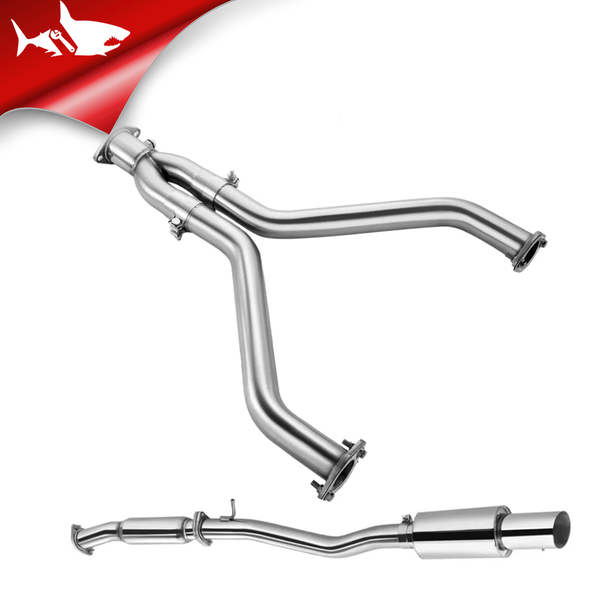
R8: Sí. El sonido áspero de trompeta proviene de un diseño deficiente del resonador de fábrica y de la fusión turbulenta de los tubos en Y. Nuestro sistema utiliza un tubo en X de alto flujo o un tubo en Y optimizado combinado con resonadores específicamente empaquetados para cancelar esas frecuencias duras exactas, dejándote con un tono limpio y profundo.
P9: ¿Cuál es la diferencia entre tubería de 2.5 pulgadas y 3 pulgadas para Nissan?
R9: Se reduce a la dinámica de fluidos. Para motores V6 de aspiración natural (como el VQ37), la tubería dual de 2.5 pulgadas mantiene la contrapresión necesaria para el par a bajas revoluciones. Para motores turboalimentados (como el VR30), la tubería dual de 3 pulgadas es ideal porque los turbos quieren el camino de menor resistencia para evacuar los gases calientes instantáneamente.
P10: ¿Un escape Catback mejorará el consumo de combustible (MPG) de mi Nissan?
R10: Técnicamente, sí. Un motor más eficiente consume ligeramente menos combustible para hacer la misma cantidad de trabajo. Sin embargo, seamos totalmente honestos: vas a pisar el acelerador el doble de fuerte solo para escuchar el rugido del escape, así que tu MPG probablemente bajará. Vale la pena.


