


 Need car parts? Shop by vehicle
(Select the exact fit for your vehicle)
Need car parts? Shop by vehicle
(Select the exact fit for your vehicle)
Escape Catback de BMW
Marca: TODAS | Honda | Nissan | Toyota | Ford | Chevy | BMW | Mazda | Subaru | Lexus | Hyundai | Mitsubishi | Otras
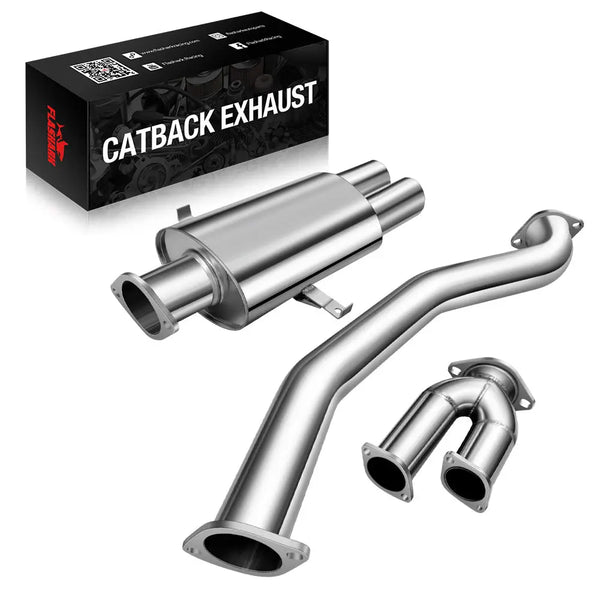
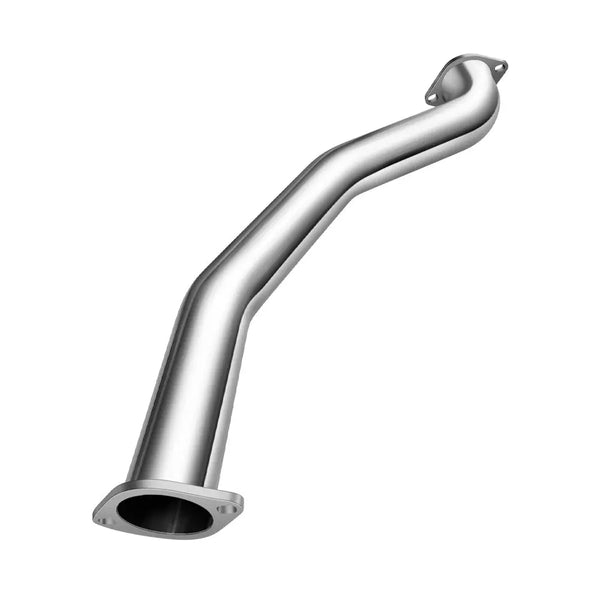
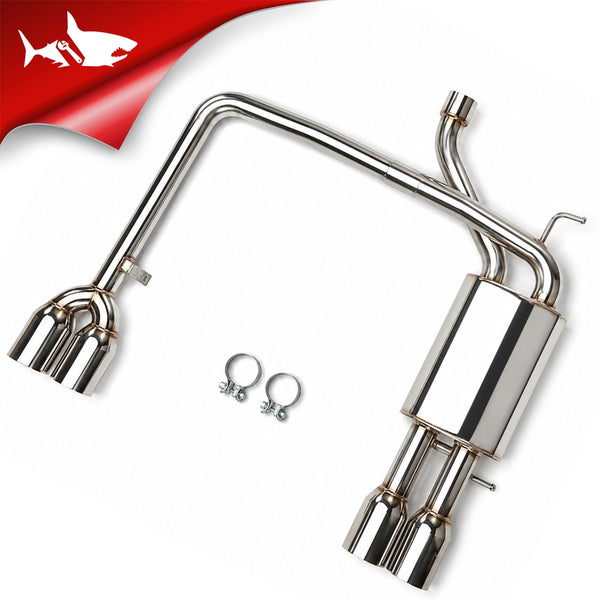
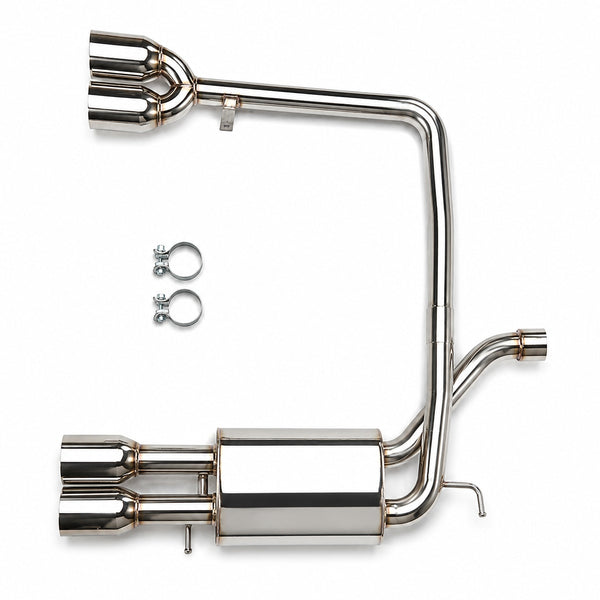
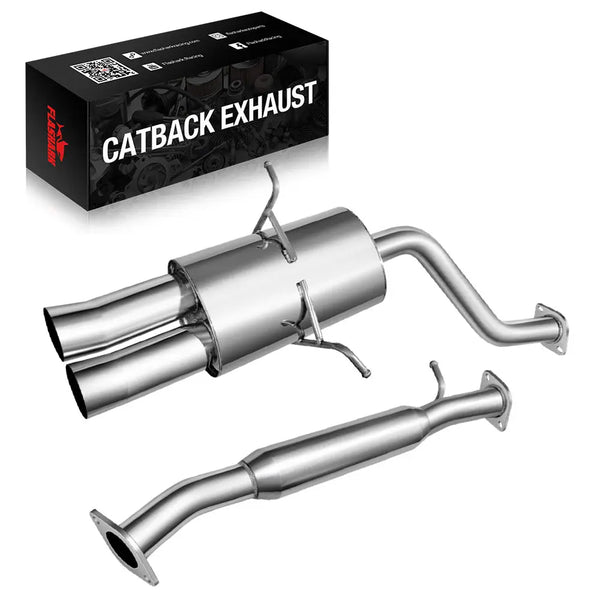
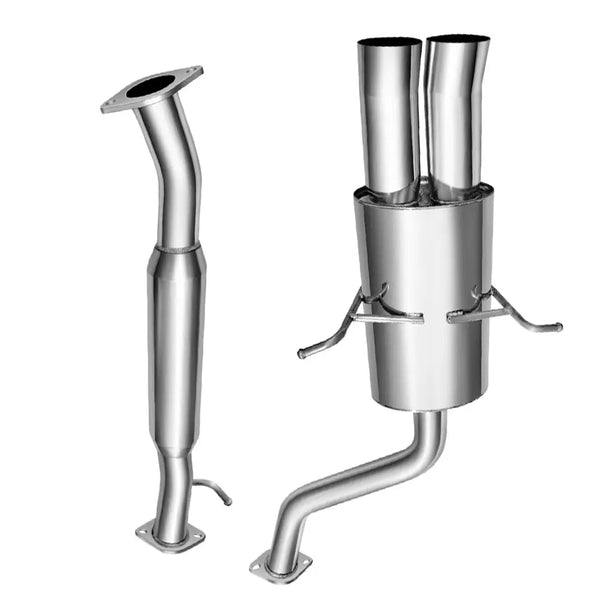
Un escape catback de BMW mejora el rendimiento al actualizar el sistema original con un tubo intermedio, silenciador y tubo de escape de mayor diámetro y eficiencia. Los sistemas de escape Flashark, fabricados en acero inoxidable SUS-304 resistente con superficie pulida, bridas mecanizadas por CNC y codos de mandril, aumentan la potencia, el par motor y el rendimiento general con un diseño de paso recto.
Marca: TODAS | Honda | Nissan | Toyota | Ford | Chevy | BMW | Mazda | Subaru | Lexus | Hyundai | Mitsubishi | Otras
Un escape catback de BMW mejora el rendimiento al actualizar el sistema original con un tubo intermedio, silenciador y tubo de escape de mayor diámetro y eficiencia. Los sistemas de escape Flashark, fabricados en acero inoxidable SUS-304 resistente con superficie pulida, bridas mecanizadas por CNC y codos de mandril, aumentan la potencia, el par motor y el rendimiento general con un diseño de paso recto.
Desata la Bestia Bávara: La Guía Definitiva del Catback Flashark para BMW
Coge una linterna y mira debajo de tu coche. Seamos completamente realistas. BMW construye algunos de los trenes motrices con la ingeniería más increíble del planeta, pero luego los traiciona con el escape. Para cumplir con las brutales regulaciones europeas de ruido y emisiones, colocan un silenciador de "maleta" masivo, pesado y restrictivo en la parte trasera de tu chasis. Está construido para el silencio de un sedán de lujo, no para permitir que un motor de seis cilindros en línea turboalimentado respire. Olvida los debates del foro que afirman que necesitas esa contrapresión. Es una tontería. Esa configuración de fábrica está ahogando activamente tu potencia máxima, retrasando el spool de tu turbo y sepultando ese rugido bávaro característico. Si quieres saber lo que tu Bimmer realmente puede hacer, tienes que deshacerte de esa restricción.
Lo esencial: Lo que realmente ofrece un Catback Flashark para BMW
- Potencia Dyno Medible: Espera un aumento comprobado de 12-18 whp y hasta 22 lb-ft de torque, especialmente si estás usando una reprogramación (flash tune).
- Spool del Turbo y Alivio Térmico: Reduce drásticamente la contrapresión de la turbina. Los turbos spoolan aproximadamente 250-300 RPM antes, mientras que las Temperaturas de los Gases de Escape (EGTs) bajan 40-50°F durante aceleraciones fuertes.
- Masiva Reducción de Peso: Quitar el silenciador de fábrica elimina aproximadamente de 25 a 30 libras de peso muerto de la parte trasera del coche.
- Ingeniería Acústica: Despierta el rugido agresivo y profundo del motor de seis cilindros en línea y los burbujeos agresivos, al mismo tiempo que apunta específicamente a eliminar el zumbido de la autopista a 75 mph.
Deshacerse de la Restrictiva Configuración de Fábrica: Puntos de Dolor y Soluciones Flashark
El acero dulce de fábrica y las aleaciones baratas de la serie 400 se degradan. Después de unos años, especialmente si vives donde se salan las carreteras, la tubería se ve terrible. Pero lo que es más importante, las tuberías de fábrica utilizan curvas pinzadas para dejar espacio al subchasis trasero. Eso mata tu flujo.
Materiales de Grado Aeroespacial y Artesanía con Curvado por Mandril
Flashark utiliza acero inoxidable T304 de pared gruesa. ¿Por qué T304? Porque en un chasis europeo premium con aerodinámica extensa debajo de la carrocería, necesitas una aleación que ignore por completo la corrosión. Cada curva en nuestro Escape Catback para BMW está curvada por mandril CNC. Una curva de fábrica aplasta la tubería, reduciendo el diámetro interno. Nuestras curvas por mandril permanecen perfectamente redondas. Una tubería de 3 pulgadas sigue siendo de 3 pulgadas desde el tubo medio hasta las puntas, manteniendo la velocidad de los gases de escape peligrosamente alta.
El Sonido de la Potencia: Afinando el Icónico Rugido de BMW
No compraste un BMW para que sonara como un Honda con escape directo. Quieres refinamiento mezclado con violencia. Afinar esto es una ciencia literal. Flashark llena nuestros silenciadores con fibra de vidrio de alta densidad y alta temperatura y utiliza cámaras de resonancia Helmholtz. Esto absorbe los ruidos ásperos de alta frecuencia. Lo que obtienes es una cabina silenciosa y cómoda en modo Confort, y un absoluto grito de guerra de un profundo rugido de seis cilindros en línea cuando activas el modo Sport Plus.
Ganancias de Rendimiento Comprobadas: Spool del Turbo y Efecto de Vaciado
Hablemos de dinámica de fluidos. La contrapresión es el enemigo mortal de un turbocompresor. Al abrir el flujo de escape después del downpipe, un Catback BMW adecuado maximiza el efecto de vaciado. Los gases de escape que se mueven rápidamente crean un vacío, extrayendo los gases quemados de la rueda de la turbina. Menos pérdidas por bombeo significan que el motor revoluciona libremente y la respuesta del acelerador se vuelve increíblemente precisa.
Eligiendo tu Configuración: Con Válvulas vs. Sin Válvulas y Puntas Cuádruples
No compres un sistema a ciegas. Necesitas la configuración que se adapte a tu estilo de conducción y al hardware específico de tu coche.
| Configuración del Escape | Mejor Para | Perfil de Sonido y Características |
|---|---|---|
| Con Válvulas (Escape Activo) | Conductores Diarios, Modelos M-Performance | Conserva los actuadores electrónicos de fábrica. Silencioso en Comfort, completamente abierto y agresivo en modo Sport. |
| Sin Válvulas (Carrera/Pista) | Coches de Pista, Entusiastas Extremos | Ruidoso todo el tiempo. Máximo flujo, cero piezas móviles que fallen bajo el calor extremo de la pista. |
| Puntas Cuádruples Estilo M | Mejoras Visuales (Requiere Difusor) | Transforma un parachoques estándar de doble salida en la estética agresiva y verdadera de cuatro salidas de un M-Power. |
El Nervio Hardcore: Beneficios Ocultos de un Escape BMW de Flujo Libre
Aquí hay algo que las hojas de dinamómetro no te dirán: la gestión del calor. Si estás aplicando una alta presión de turbo en un BMW moderno, ese silenciador de fábrica atrapa un calor extremo justo debajo del piso del maletero. Un sistema de alto flujo le da a esa energía térmica una vía de escape inmediata. Reducir tus EGTs protege tus válvulas de escape y evita que la ECU retire el tiempo del motor debido al calor excesivo durante una larga sesión en pista.
Análisis en Profundidad Específico de la Plataforma: Motores BMW y Dinámica de Potencia
Cada motor BMW respira de manera diferente. Aquí es exactamente cómo diseñamos el flujo de aire para las leyendas modernas.
B58 y B48 (M340i, 440i, 330i): Desatando el Moderno 2JZ
El B58 es un monstruo. Pero si lo reprogramas con Bootmod3 o MHD, el escape de serie se convierte en una responsabilidad inmediata. Nuestros sistemas utilizan tuberías optimizadas de 3 pulgadas para manejar el masivo aumento de volumen de escape. Es compatible perfectamente con reprogramaciones agresivas de burbujeo, dándote esos fuertes disparos de fusil al decelerar sin ahogar la potencia de gama alta.
S55 y S58 (M2 Comp, M3, M4): Arreglando el Raspado de Fábrica
Abordemos el elefante en la habitación. El motor S55 de fábrica suena como una cortadora de césped rota. Es notorio por ese terrible y raspado desgarro a 4,000 RPM. Esto se debe a las longitudes desiguales de las tuberías de escape de fábrica. Flashark rediseña por completo la ruta de flujo. Utilizamos puntos de cruce específicos y resonadores ajustados para filtrar físicamente ese raspado de alta frecuencia, devolviendo el aullido profundo y exótico de seis cilindros en línea que un coche M se merece.
N54 y N55 (335i, 435i): El Clásico Turbo de Seis Cilindros en Línea
Para los motores más antiguos de la serie N, es fundamental alejar el calor de los turbos que envejecen. Un catback de flujo libre reduce en gran medida la carga térmica en la carcasa de la turbina. Además, despierta ese sonido clásico y suave de BMW de la era de la dirección hidráulica que los coches más nuevos luchan por replicar.
La Advertencia del Mecánico: Evitando Trampas en el Escape BMW y Pesadillas con la Luz de Avería
⚠️ Verdades del Garaje: No Estropees la Electrónica
"Escúchame. En mi taller, lo veo constantemente. El mes pasado, un chico trajo un M340i. Quería que sonara fuerte de forma barata, cogió una sierra de sable, cortó el tubo medio de fábrica en el lugar equivocado y arrancó por completo el actuador de la válvula de escape de fábrica sin asegurar el muelle.
Una pesadilla total. En el momento en que encendió el coche, el salpicadero mostró un error de 'Fallo en el Tren de Transmisión'. La ECU Bosch no pudo encontrar el motor de la válvula, entró en pánico y bloqueó el coche en modo de emergencia. Ni siquiera pudo generar presión de turbo.
Un verdadero Escape Catback para BMW de Flashark está diseñado para el chasis. Cortas exactamente en las marcas de dimple de fábrica, encajas el tubo medio y atornillas correctamente tus actuadores electrónicos de fábrica en nuestros soportes de precisión. Obtendrás el sonido, mantendrás los modos de conducción y tu salpicadero permanecerá 100% libre de códigos. Hazlo bien."
Preguntas Frecuentes (Escapes Catback para BMW)
P1: ¿Un escape catback anula la garantía de fábrica de mi BMW?
R1: No. Según la Ley Federal de Garantía Magnuson-Moss, un concesionario BMW no puede anular legalmente la garantía general de tu vehículo simplemente porque hayas instalado un escape de posventa. Tendrían que probar matemáticamente que el escape causó directamente una falla específica.
P2: ¿Un catback Flashark encenderá la luz de "Check Engine" (CEL) en mi BMW?
R2: Absolutamente no. Debido a que el sistema se instala después del downpipe (aguas abajo de los catalizadores primarios y los sensores de O2), el sistema de monitoreo de emisiones de tu ECU permanece completamente intacto. Nunca habrá códigos de error.
P3: ¿Tengo que cortar mi escape de fábrica para instalar un catback en un Serie 3?
R3: Por lo general, sí. BMW construye muchos de sus escapes de fábrica como una sola pieza masiva y continua desde el downpipe hacia atrás. Sin embargo, los ingenieros de BMW estampan "marcas de hendidura" en el tubo de fábrica para mostrarte exactamente dónde cortar para una instalación limpia y ajustada.
P4: ¿Cómo mantengo la funcionalidad de la válvula de escape activa de fábrica?
R4: Los sistemas con válvulas de Flashark vienen con soportes mecanizados a medida. Simplemente desenroscas el motor actuador electrónico de fábrica del escape antiguo, lo atornillas a nuestra nueva válvula y lo conectas. La computadora del coche seguirá controlándolo sin problemas según tus modos de conducción.
P5: ¿Cómo solucionar el desagradable raspado de mi S55 M3/M4?
R5: El raspado del S55 es causado por las longitudes desiguales de los downpipes que provocan que los pulsos de escape choquen. Diseñamos nuestros tubos medios para S55 con una sección de cruce específica (diseño de tubería X o tubería media simple) que fusiona los gases perfectamente, cancelando el ruido de "cortacésped" de alta frecuencia.
P6: ¿Necesito una reprogramación Bootmod3 o MHD después de instalar un catback?
R6: No se requiere ninguna reprogramación personalizada. La DME (ECU) Bosch de fábrica es increíblemente inteligente y adaptará sus ajustes de combustible al mayor flujo de aire. Sin embargo, si quieres reprogramaciones agresivas de burbujeos/explosiones, una reprogramación combinada con nuestro escape de alto flujo es la combinación perfecta.
P7: Acero inoxidable T304 vs. T409: ¿Cuál necesita mi BMW?
R7: Para un BMW, el T304 es la única opción. Los coches europeos premium merecen aleaciones premium. El T304 tiene un alto contenido de níquel y cromo, lo que significa que prácticamente ignora el óxido y la corrosión, manteniendo la parte inferior de tu coche con un aspecto impecable.
P8: ¿Cuánta potencia real añade un catback a un B58?
R8: De manera realista, verás una ganancia de 12 a 18 caballos de fuerza a la rueda (whp) con el downpipe de fábrica aún instalado. Sin embargo, lo que realmente sentirás es la reducción significativa del turbo lag. El coche tirará mucho más fuerte en el rango medio.
P9: ¿Es un escape catback Flashark para BMW legal en cuanto a emisiones y conforme con CARB?
R9: Sí. Un escape catback no altera, quita ni reubica los catalizadores primarios de fábrica dentro de tu downpipe. Se clasifica legalmente como un componente modificador de sonido y es legal en los 50 estados, incluyendo California.
P10: ¿Qué es el "drone" del escape y este sistema lo produce en modo Confort?
R10: El "drone" es una vibración de baja frecuencia terrible dentro de la cabina a velocidades de autopista (generalmente alrededor de 2,000 RPM). Ajustamos específicamente nuestro relleno de silenciador y utilizamos el sistema de válvulas de fábrica para asegurar que cuando estás en modo Confort en la autopista, la cabina permanezca silenciosa y libre de "drone".


