


Tubos de escape y de prueba de Nissan
Comprar por marcas: TODAS | Chevy | Nissan | BMW | Audi | Honda | VW Golf | Subaru | Otros
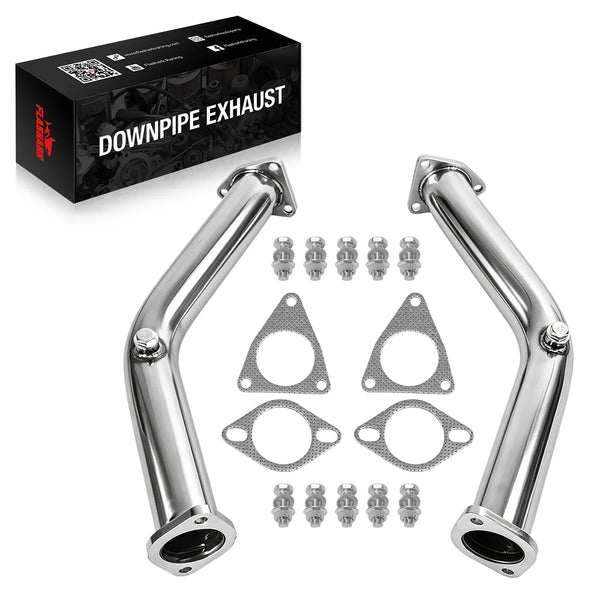
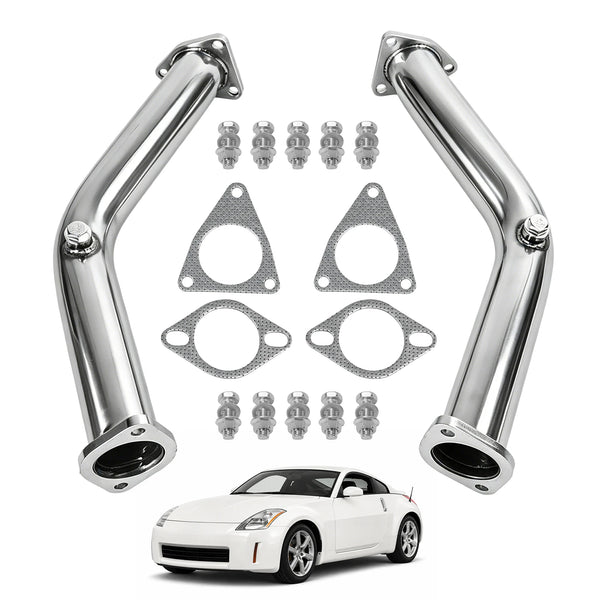
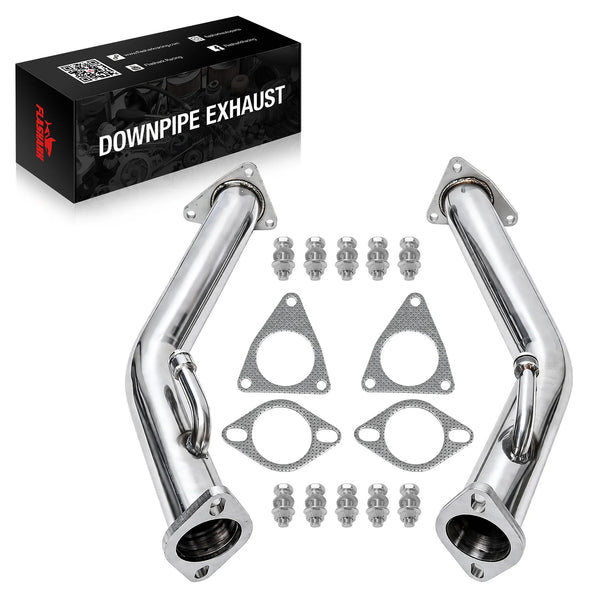
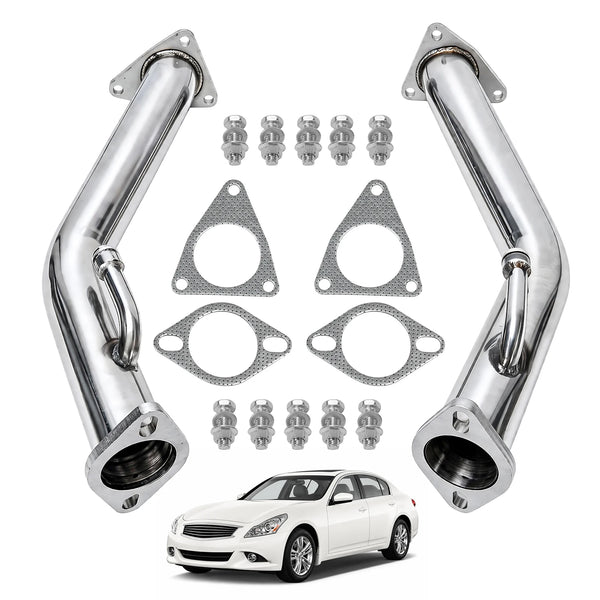
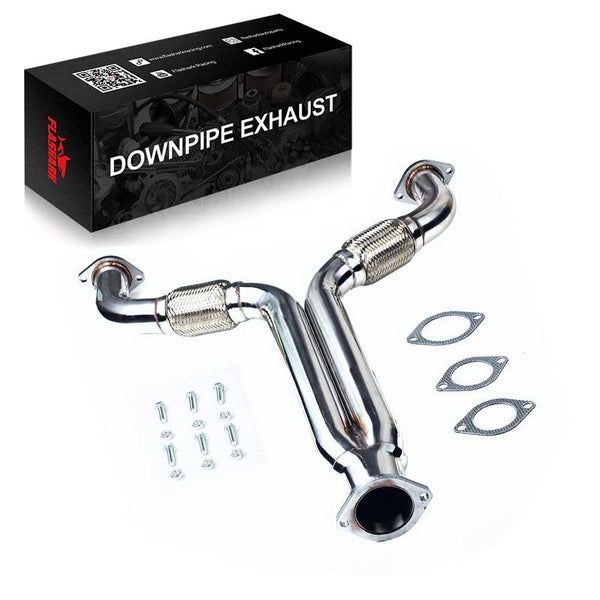
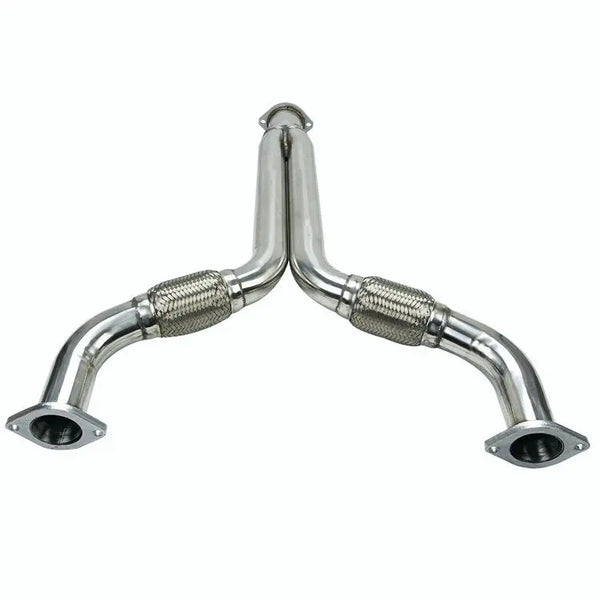
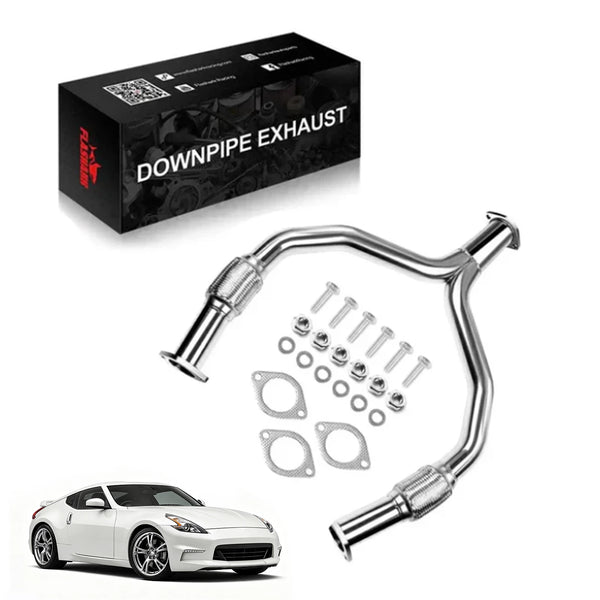
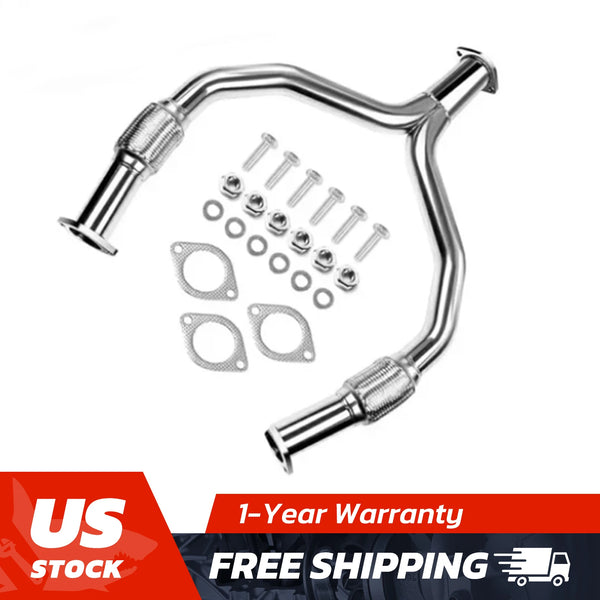
Los tubos de escape y de prueba de Flashark para Nissan están diseñados para optimizar la eficiencia del turbocompresor al mejorar el flujo de escape, lo que se traduce en un aumento de la potencia. Ambas opciones reemplazan las piezas originales restrictivas, permitiendo que los gases de escape salgan con mayor libertad y potenciando el rendimiento del motor. Tanto si elige el tubo de escape como los tubos de prueba, notará una mejora significativa en potencia y precisión. Mejore su experiencia de conducción con las soluciones de escape de alto rendimiento de Flashark.
Comprar por marcas: TODAS | Chevy | Nissan | BMW | Audi | Honda | VW Golf | Subaru | Otros
Los tubos de escape y de prueba de Flashark para Nissan están diseñados para optimizar la eficiencia del turbocompresor al mejorar el flujo de escape, lo que se traduce en un aumento de la potencia. Ambas opciones reemplazan las piezas originales restrictivas, permitiendo que los gases de escape salgan con mayor libertad y potenciando el rendimiento del motor. Tanto si elige el tubo de escape como los tubos de prueba, notará una mejora significativa en potencia y precisión. Mejore su experiencia de conducción con las soluciones de escape de alto rendimiento de Flashark.
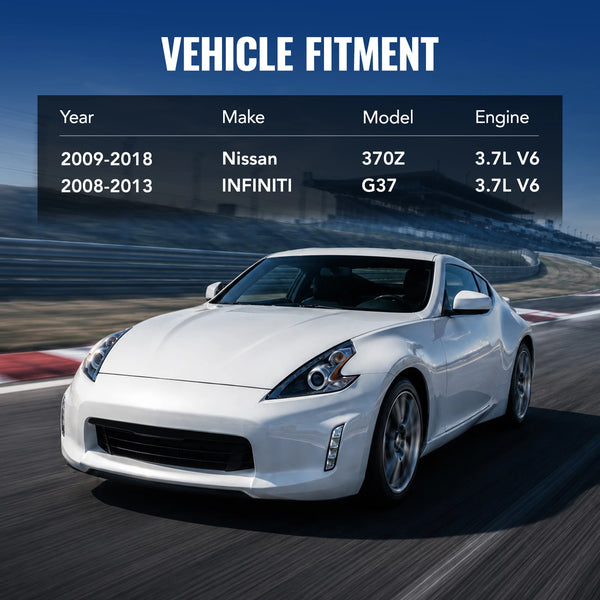
Escape de bajada y tubos de prueba Nissan para 350Z, 370Z, G35 y G37
Mira, seré directo contigo. Un coche Nissan VQ puede sonar brutal en el buen sentido, tirar más limpio en la parte superior y sentirse un poco más despierto con la configuración de escape adecuada. Pero, ¿atornillar la tubería equivocada? Ahora tienes resonancia, fugas de escape, una luz de advertencia del motor, olor a combustible, vecinos enfadados y un coche que suena como una trompeta con herrajes sueltos.
Esa es exactamente la razón por la que esta página es importante. Si estás buscando un escape de bajada Nissan, tubos de prueba VQ, o una configuración de tubería en Y para un 350Z, 370Z, G35 o G37, no compres solo por el código del motor. He visto ese error más veces de las que puedo contar. El año, el chasis, la disposición de las bridas, la posición del sensor de oxígeno, la configuración del escape posterior y las normas de emisiones, todo importa.
BLUF — Conclusión Directa:
- Ideal para: Propietarios de Nissan e Infiniti VQ que desean una nota de escape más nítida, un mejor flujo de escape y un carácter más fuerte a altas revoluciones.
- Plataformas principales: Nissan 350Z 2003-2007, Infiniti G35, Nissan 370Z 2009-2020 e Infiniti G37, según el ajuste exacto del producto.
- Sensación esperada: En un VQ35 o VQ37 en buen estado con tubos de prueba, tubería en Y, catback y una puesta a punto adecuada, una ganancia realista de la trayectoria completa del escape puede ser de entre 12 y 25 whp. Los tubos de prueba solos en un coche mayoritariamente de serie tienen más que ver con el sonido, la respuesta y el flujo que con una potencia milagrosa.
- Advertencia importante: Los tubos de prueba sin catalizador pueden activar códigos CEL, aumentar el olor del escape, agudizar la resonancia y crear problemas en la inspección de emisiones. Consulta tus normas locales antes de la instalación.
- Regla de compra inteligente: Haz coincidir la pieza con el año de tu coche, el chasis, la versión del motor, la disposición de las bridas y el sistema de escape actual. No busques solo "tubos de prueba VQ" y hagas clic en el primer juego brillante.
Por qué los escapes de bajada y los tubos de prueba Nissan VQ confunden a tantos propietarios
Aquí está el lío: los propietarios de Nissan e Infiniti a menudo usan "downpipe", "test pipe", "cat delete", "front pipe" y "Y-pipe" como si todo significara lo mismo. No es así. En muchos coches VQ de aspiración natural, la pieza que la gente llama tubo de prueba suele reemplazar la sección del catalizador, mientras que el tubo en Y controla cómo se fusionan ambos bancos de escape más abajo.
Eso suena simple hasta que estás debajo del coche, cubierto de óxido, tratando de alinear una brida que está a media pulgada de diferencia porque el coche es de un año, acabado o configuración de escape diferente de lo que decía el anuncio. Me ha pasado. No es divertido.
Nota del mecánico: Recuerdo un 370Z negro que llegó al taller hace unos años. El propietario compró "tubos de prueba VQ" porque el hilo del foro decía que las piezas del 370Z y el G37 eran básicamente las mismas. Suena inofensivo, ¿verdad? Subimos el coche al elevador e inmediatamente vimos el problema: el ángulo de la brida no se alineaba limpiamente con el resto del escape, y la junta vieja ya se había aplastado por un mal primer intento de instalación. El propietario había estado persiguiendo una fuga de escape con un tic durante dos semanas. Un hardware nuevo, una junta correcta, una alineación cuidadosa y el tubo adecuado lo arreglaron. Pero la lección fue fea y simple: una familia de motores similar no significa un ajuste ciego.
Restricciones de escape de fábrica en coches Nissan VQ
El escape de fábrica de un 350Z, 370Z, G35 o G37 no está construido solo para la potencia. Debe manejar las emisiones, el ruido, el calor, el coste, la comodidad de la garantía y el comportamiento en la conducción diaria. Esto significa que la zona del catalizador y los puntos de unión pueden convertirse en importantes puntos de estrangulamiento una vez que el coche tiene un catback, admisión, colectores o una reprogramación.
En un coche de uso diario de serie, el sistema de fábrica es aceptable. En un coche que ve tramos de carretera de montaña, noches en circuito o una reprogramación con todos los componentes, esas restricciones empiezan a ser más obvias. El motor revoluciona, pero no siempre respira con la misma urgencia que se oye en la nota del escape.
Por qué los tubos de prueba se sienten diferentes de un escape cat-back básico
Un escape cat-back cambia la sección después del área del convertidor catalítico. Puede mejorar el sonido, reducir algunas restricciones aguas abajo y limpiar el tono de la sección trasera. Pero los tubos de prueba se sitúan más cerca de la trayectoria del flujo de escape del motor, por lo que el cambio puede sentirse más agresivo.
Por eso, los tubos de prueba Nissan a menudo cambian más que solo el volumen. Puedes notar un carácter de revoluciones más rápido, un sonido más fuerte a altas revoluciones, un olor de escape más crudo y una mayor probabilidad de problemas de CEL. Una verdad de taller a la antigua: cuanto más cerca del motor y del área del convertidor catalítico modifiques, más consecuencias tendrás que considerar.
Problemas comunes en el taller: resonancia, fugas, CEL y sorpresas de ajuste
No dejes que una tubería pulida te engañe. La tubería es solo una parte del trabajo. La mayoría de las malas instalaciones provienen de los pequeños detalles: juntas reutilizadas, pernos oxidados, tornillos roscados en cruz, sensores de oxígeno retorcidos como cables telefónicos o un tubo en Y que se introduce a la fuerza bajo tensión.
- Resonancia: Común en coches VQ cuando los tubos sin catalizador se combinan con un escape sin resonador o de pared delgada.
- Fugas: Generalmente causadas por juntas viejas, presión irregular de las bridas o alineación forzada.
- CEL (luz de advertencia del motor): A menudo relacionada con códigos de eficiencia del catalizador después de cambiar o quitar la zona del convertidor catalítico.
- Olor: Las configuraciones sin catalizador pueden producir un olor a escape crudo más fuerte, especialmente al ralentí y a baja velocidad.
- Zumbido: Depende en gran medida de las elecciones de tubería en Y, resonador, silenciador y diámetro de la tubería.
La principal ventaja: flujo, sonido y respuesta a altas revoluciones
Cuando la configuración se elige correctamente, un escape de bajada Nissan Flashark o un conjunto de tubos de prueba pueden ayudar al motor VQ a mover los gases de escape con menos restricción. Esto es lo que más importa cuando el resto del sistema lo soporta: tubo en Y, catback, colectores, admisión y calibración de la ECU.
No esperes que un 350Z de serie se sienta de repente como un coche de carreras modificado solo con tubos de prueba. Eso es fantasía de foro. Pero una tracción más limpia después de las 4.500 rpm, una nota de escape más nítida y una mejor respuesta cuando se combina con las piezas de apoyo adecuadas. Sí, esa es una razón realista por la que la gente hace esta mejora.
Material del producto, soldadura y calidad de ajuste de Flashark
Las buenas piezas de escape no son solo tubos brillantes. El valor real está en el material, las curvas, la precisión de las bridas, la consistencia de la soldadura y si la pieza puede soportar ciclos de calor sin convertirse en una máquina de fugas. Flashark se centra en esos puntos débiles físicos en lugar de adornar una tubería débil con bonitas palabras de marketing.
Construcción de acero inoxidable T-304 de calibre 16
El acero inoxidable T-304 importa porque esta pieza vive en un área caliente, sucia y de alta vibración. El acero dulce puede oxidarse rápidamente. El acero inoxidable barato puede decolorarse, picarse o agrietarse alrededor de las soldaduras estresadas cuando el material y el ajuste son deficientes. Una tubería de acero inoxidable bien construida te da una mejor oportunidad de durabilidad a largo plazo, especialmente en coches que ven una conducción real en lugar de solo fotos en el aparcamiento.
La mayoría de los propietarios notan el aspecto pulido primero. Bastante justo. Pero desde el punto de vista de un mecánico, me preocupo más por el espesor de la pared, la superficie de la brida, la penetración de la soldadura y cómo se comporta la pieza después de 20 ciclos de calor.
Tubos doblados con mandril para un flujo de escape más suave
Los codos de mandril ayudan a que la tubería mantenga un diámetro interior más consistente a través de las curvas. Eso importa porque los codos aplastados crean turbulencias y restricciones locales. No, el doblado con mandril no duplica mágicamente la potencia. Pero en una ruta de escape VQ, los codos más suaves son parte de la construcción de un sistema más limpio de adelante hacia atrás.
Uniones soldadas TIG y bridas mecanizadas CNC
Las uniones soldadas TIG y las bridas mecanizadas por CNC no son solo adornos de la hoja de especificaciones. Una brida defectuosa puede hacer que la instalación sea un suplicio. Una soldadura deficiente puede agrietarse. Una superficie de acoplamiento deformada puede crear una fuga que suena a tic-tac de válvulas y hace que el propietario entre en pánico.
El uso de soldadura TIG y el trabajo de bridas CNC por parte de Flashark ayuda a abordar los problemas aburridos pero importantes: sellado, alineación y resistencia a ciclos de calor repetidos. Eso es lo que aprecias después de la instalación, no mientras miras las fotos del producto.
Juntas, tornillos y herrajes incluidos
El hardware incluido es útil porque el hardware de escape antiguo de Nissan e Infiniti puede ser feo. Tornillos oxidados, juntas aplastadas y tuercas medio redondeadas son normales en coches de alto kilometraje. Aún así, inspecciona todo antes de empezar. Si un espárrago parece dudoso, soluciónalo pronto. No esperes hasta que el coche esté colgado en el aire y la tienda de repuestos esté cerrada.
Superficie pulida a espejo y expectativas reales de ciclos de calor
Un tubo de acero inoxidable pulido a espejo se ve limpio al sacarlo de la caja. Después de un uso real, se decolorará por el calor. Eso es normal. El tinte de calor azul, dorado y marrón en las piezas de escape de acero inoxidable no significa automáticamente una falla.
Lo que debes vigilar son grietas, fugas en las bridas, soportes rotos, daños en el sensor de oxígeno o marcas de hollín alrededor de las áreas de las juntas. El hollín cerca de una brida generalmente significa que se escapa el escape. Eso no es "carácter". Eso es una fuga.
Downpipes con catalizador vs. sin catalizador y tubos de prueba
Aquí es donde los propietarios deben ir con calma. Las piezas con y sin catalizador realizan trabajos diferentes y conllevan riesgos diferentes. Si alguien te dice "simplemente quita el catalizador, hermano", pregúntale si pasa tu inspección local, paga tus multas y arregla tu CEL gratis. Por lo general, la respuesta se vuelve silenciosa.
| Configuración | Beneficio principal | Inconveniente común | Ideal para |
|---|---|---|---|
| Downpipe con catalizador / Tubo frontal con catalizador | Mejor control de olores, tono más adecuado para la calle, menor riesgo de CEL en comparación con el sin catalizador en muchos casos. | Más restricción que el sin catalizador y generalmente mayor costo. | Coches de uso diario, propietarios preocupados por el olor, la comodidad y las inspecciones. |
| Tubos de prueba sin catalizador | Máximo potencial de flujo, sonido más fuerte, carácter más nítido a altas revoluciones. | Más olor, mayor riesgo de resonancia, mayor riesgo de CEL, graves problemas de emisiones. | Coches enfocados en pista, todoterreno o de rendimiento donde las leyes locales permiten este uso. |
| Tubos de prueba + tubo en Y | Mejora la trayectoria del flujo de ambos bancos hacia el escape aguas abajo. | El sonido puede volverse más fuerte y nítido; el ajuste debe revisarse cuidadosamente. | Propietarios de VQ que construyen una configuración de escape más completa. |
Qué hace una bajante catalítica
Una bajante catalítica mantiene un convertidor catalítico en la trayectoria de escape. Esto puede ayudar a reducir el olor a escape crudo, suavizar algunas asperezas y disminuir la probabilidad de problemas de CEL relacionados con el catalizador en comparación con una configuración completamente sin catalizador. Generalmente es la opción más adecuada para la calle.
Aun así, no asumas que cada pieza catalítica es legal en todas partes. En algunas regiones, los convertidores catalíticos de reemplazo deben cumplir con reglas, certificaciones o requisitos de exención específicos. Verifica antes de gastar dinero.
Qué hace un tubo de prueba sin catalizador
Un tubo de prueba sin catalizador elimina la sección del catalizador de esa parte de la trayectoria del escape. El flujo mejora, el sonido se vuelve más agresivo y el motor puede sentirse menos ahogado a altas revoluciones cuando el resto del escape lo soporta.
Pero aquí está la parte que los principiantes ignoran: los tubos sin catalizador pueden oler más fuerte, sonar más ásperos, activar códigos CEL y no pasar la inspección de emisiones. En un coche de calle, eso no es un pequeño detalle. Esa es la diferencia entre una mejora divertida de fin de semana y un dolor de cabeza en cada ciclo de inspección.
¿Cuál debería elegir un propietario de Nissan?
Para un 350Z, 370Z, G35 o G37 de uso diario, una configuración con catalizador suele ser más fácil de llevar. Para un coche de pista o de uso todoterreno, donde las normas locales lo permitan, los tubos de prueba sin catalizador pueden tener sentido si el propietario acepta las consecuencias del olor, el sonido y la ECU.
Las opciones de tubos de prueba y tuberías en Y de Flashark están diseñadas para propietarios que desean una mejora más directa del flujo de escape, pero lo inteligente es hacer coincidir la pieza con tu caso de uso real. Un coche de pista de fin de semana y un coche de uso diario atascado en el tráfico no son el mismo animal.
Advertencia de emisiones: Quitar, deshabilitar o eludir el equipo de emisiones puede ser ilegal para uso en la calle en tu área. Los tubos de prueba sin catalizador pueden afectar la preparación para la inspección y pueden activar códigos de eficiencia del catalizador como P0420 o P0430. Usa estas piezas solo donde esté permitido y verifica las leyes locales antes de la instalación.
Ventajas ocultas y ciencia de taller de alta gama
Ahora, limpiemos un poco el ruido del foro. La teoría del escape se masacra en línea. Alguien lee un comentario sobre la "contrapresión", lo repite durante cinco años, y de repente la mitad de Internet piensa que todo motor quiere el tubo más grande posible. No. Así no es como funciona un VQ.
La contrapresión no siempre es el villano
A la gente le encanta decir "menos contrapresión equivale a más potencia". Eso es demasiado simple. Lo que realmente importa es el flujo de escape, la velocidad de los gases, la sincronización de los pulsos, el barrido, el diámetro del tubo y cómo funciona todo el sistema en conjunto.
Si el tubo es demasiado restrictivo, el motor tiene dificultades para expulsar el escape. Si la configuración del tubo no coincide bien, la velocidad y la calidad del sonido pueden verse afectadas. Un buen trabajo de escape no consiste solo en quitar piezas. Es construir una trayectoria que se adapte al rango de RPM del motor y a las necesidades de flujo de aire.
Por qué el motor VQ se vuelve áspero con la combinación de escape incorrecta
Los VQ35 y VQ37 ya tienen un carácter de escape nítido. Quita el material catalítico, añade tubos de pared delgada, omite los resonadores y atornilla un catback ruidoso de salida única, y es posible que obtengas esa resonancia metálica de la que la gente se queja alrededor de las 2.500-4.000 rpm.
A algunos propietarios les gusta. Otros lo odian después de tres días. ¿Mi consejo? Si este es un coche de calle, piensa en los resonadores, el diseño del silenciador y la disposición del tubo en Y antes de culpar solo a los tubos de prueba.
Calor, catalizadores envejecidos y flujo de escape
Los convertidores catalíticos viejos pueden volverse restrictivos, especialmente en coches de entusiastas con mucho kilometraje que han experimentado calor, consumo de aceite, funcionamiento rico o uso intensivo. Un catalizador cansado puede hacer que el coche se sienta perezoso y también puede crear olores extraños o ruidos.
Pero no diagnostiques con ilusiones. Inspecciona el escape. Busca el sustrato que vibra, rastros de hollín, tubos aplastados, secciones flexibles defectuosas y bridas con fugas. Un diagnóstico adecuado es mejor que lanzar piezas al coche.
Sensores de O2, lógica de la ECU y por qué aparece el CEL
Los sensores de oxígeno posteriores monitorean el comportamiento del catalizador. Cuando se cambia o se quita la zona del convertidor catalítico, la ECU puede ver lecturas que no coinciden con la eficiencia esperada del catalizador. Así es como aparecen los códigos CEL.
Algunas personas prueban espaciadores de sensores o trucos rápidos. A veces funcionan por un tiempo. A veces no. Y a veces ocultan un problema diferente. Si el coche está ajustado, el sintonizador debe comprender la configuración completa del escape, la ubicación del sensor y los requisitos de uso local.
Por qué el tubo en Y importa más de lo que piensan los principiantes
En muchos coches Nissan e Infiniti VQ, el tubo en Y es un punto de fusión importante. Dos bancos de escape se unen, y la forma de esa unión afecta al flujo, el sonido y la vibración. Un tubo en Y barato o mal diseñado puede ahogar la configuración incluso si los tubos de prueba se ven bien.
Por eso, una configuración de escape de bajada Nissan no debe juzgarse pieza por pieza. Los tubos de prueba, el tubo en Y, los resonadores, los silenciadores y el diámetro del tubo funcionan todos juntos. Una sección defectuosa puede hacer que todo el coche suene barato.
Análisis de motores, coches y etapas de potencia populares de Nissan e Infiniti
La mayoría de los compradores en esta página no están construyendo un coche misterioso. Suelen trabajar en un 350Z, 370Z, G35 o G37. Los motores suelen ser VQ35DE, VQ35HR o VQ37VHR. Familia similar, sí. ¿El mismo ajuste siempre? Absolutamente no.
Nissan 350Z Z33 y Infiniti G35 V35: Enfoque en el ajuste VQ35DE
Los propietarios de 350Z y G35 de primera generación a menudo buscan tubos de prueba 350Z, tubos de prueba G35, bajantes VQ35DE y escapes de bajada 350Z. Estos coches son populares porque el VQ35DE responde bien a las modificaciones de respiración, especialmente cuando el resto del escape no está ahogado de fábrica.
Para estos coches, comprueba el año exacto de producción, la versión del motor, el patrón de bridas, la posición del sensor de oxígeno y si el coche es coupé o sedán, según corresponda. Una suposición errónea puede costarte un fin de semana.
Etapa 1: Escape de serie o catback básico
En un 350Z o G35 mayoritariamente de serie, los tubos de prueba cambian principalmente el sonido y la respuesta. Es posible que sientas una tracción un poco más limpia en la parte superior, pero el tubo en Y de fábrica y el escape trasero aún pueden frenar el sistema.
En esta etapa, el riesgo de CEL, el olor y la resonancia se vuelven más notables que la potencia pura. Si el propietario solo quiere un tono más profundo con menos efectos secundarios, un catback puede ser un mejor primer paso.
Etapa 2: Tubos de prueba + Tubería en Y + Catback
Aquí es donde la trayectoria del escape empieza a tener más sentido. Los tubos de prueba reducen la restricción de la sección delantera, el tubo en Y mejora el área de unión y el catback controla el tono y el flujo aguas abajo.
En un VQ35DE saludable, esta combinación con una afinación adecuada puede mostrar a menudo alrededor de 10-20 whp dependiendo de las piezas exactas, el tipo de dinamómetro, el combustible, el estado del motor y la configuración de referencia. Sin afinación, el cambio de sonido suele ser más obvio que la ganancia de potencia.
Etapa 3: Colectores + Tubos de prueba + Tubería en Y + Afinación
Esta es la ruta atmosférica más seria. Los colectores, los tubos de prueba Flashark, una mejor tubería en Y, un buen catback, el soporte de admisión y la afinación de la ECU pueden convertir el coche en una configuración VQ mucho más nítida.
Espere más mano de obra de instalación. Espere más ruido. Espere más calor. Y por favor, no construya este nivel de configuración pretendiendo que las normas de emisiones no existen. Así es como la gente se mete en problemas.
Nissan 350Z y G35 posteriores de 2007-2008: Precaución con el VQ35HR
La era del VQ35HR crea confusión porque algunos propietarios asumen que todas las piezas de escape del 350Z o G35 son intercambiables. No lo son. Los coches HR pueden tener detalles de diseño diferentes a los modelos DE anteriores, y eso importa al comprar tuberías cerca del área del catalizador.
Si posee un 350Z o G35 posterior, verifique el ajuste del producto por año, motor, chasis y disposición de la brida antes de realizar el pedido. "Tiene un VQ35" no es suficiente información.
Por qué los coches HR necesitan verificación de ajuste adicional
Los motores HR cambiaron más de lo que piensan los compradores ocasionales. La disposición del escape y el embalaje circundante pueden variar de las aplicaciones DE anteriores. Si la página del producto indica un rango de años específico, respételo.
He visto a personas intentar "hacerlo encajar" con palancas, soportes sueltos y bridas demasiado apretadas. Eso suele terminar con grietas por tensión, fugas o un tubo golpeando el chasis. Hágalo una vez. Hágalo bien.
Nissan 370Z Z34 y Infiniti G37 V36: Enfoque en el ajuste del VQ37VHR
El público del 370Z y G37 suele buscar un sonido más nítido, una mejor aceleración a altas rpm y una nota de escape más agresiva. Al VQ37VHR le gusta revolucionar y responde bien cuando el sistema de escape se planifica como una ruta completa en lugar de piezas aleatorias colocadas al azar.
Para los propietarios de 370Z y G37, las preguntas principales suelen reducirse al ajuste, el sonido, el riesgo de CEL y si el coche ya tiene una tubería en Y o un catback instalados. El coupé, la berlina, la configuración AWD, el rango de años y el recorrido del escape aguas abajo pueden cambiar lo que encaja correctamente.
Etapa 1: Tubos de prueba en un VQ37VHR mayormente de serie
En un 370Z o G37 de serie, los tubos de prueba pueden hacer que el coche sea más ruidoso y reactivo. Pero también pueden añadir un ruido áspero y un fuerte olor a escape rápidamente. El VQ37VHR no es tímido; si se elimina demasiado control de sonido, lo hará saber.
Si desea un tono más limpio para el uso diario, planifique el resto del sistema con cuidado. Los tubos de prueba resonados, los tubos en Y resonados o un catback más refinado pueden marcar una gran diferencia, dependiendo de las piezas disponibles para su aplicación exacta.
Etapa 2: Tubos de prueba + Tubería en Y en 370Z o G37
Esta es una fuerte ruta de mejora porque la tubería en Y controla la unión después de los dos bancos. Una unión más suave puede ayudar al flujo y limpiar parte de la aspereza cuando se combina con el escape trasero adecuado.
Preste atención al diámetro de la tubería. Muchas piezas de la sección delantera de VQ utilizan un tamaño tipo 2,5 pulgadas, mientras que algunas salidas de tubería en Y pasan a un tamaño de salida mayor. Más grande no siempre es mejor. Haga coincidir la tubería con el motor, las modificaciones de soporte y el objetivo de sonido.
Etapa 3: Colectores + Downpipes/Tubos de prueba + Tubería en Y + Catback
Este es el enfoque de la ruta de escape completa. Bien hecho, puede hacer que un 370Z o G37 se sienta más vivo en el rango de RPM superior. Mal hecho, convierte el coche en un dolor de cabeza ruidoso, monótono y con el CEL parpadeando.
En un VQ37VHR bien configurado con admisión, colectores, tubos de prueba, tubería en Y, catback y afinación profesional, una configuración completa de "bolt-on" puede lograr a menudo una mejora de 15-25 whp con respecto a la línea de base, dependiendo en gran medida de las condiciones del dinamómetro y la calidad de las piezas. No lo considere una promesa para todos los coches. Considérelo una estimación realista de rango de garaje.
350Z vs G35: Motor similar, diferentes prioridades del comprador
Los propietarios de un 350Z suelen preocuparse más por la sensación en pista, el sonido puro, la respuesta del acelerador y el peso. Los propietarios de un G35 a menudo se preocupan más por la conducción diaria, el zumbido en la cabina, el tono limpio y no hacer que el coche sea incómodo en la autopista.
Misma familia VQ, diferente caso de uso. Por eso, a un propietario le encanta una configuración ruidosa con tubos de prueba y otro quiere quitarla después de una semana. Sea honesto sobre cómo conduce.
370Z vs G37: Misma familia VQ, diferentes preguntas de ajuste
Las configuraciones del 370Z y el G37 se superponen, pero no siempre son idénticas debajo del coche. El coupé, el sedán, la tracción total, el rango de años y el recorrido del escape pueden cambiar el ajuste. Un producto que encaja en una versión puede no encajar en otra sin modificaciones.
Antes de comprar tubos de prueba o una tubería en Y Flashark para Nissan, compare las notas de ajuste de la página del producto con su coche exacto. Si su coche tiene colectores del mercado de accesorios, escape personalizado o piezas misteriosas del propietario anterior, inspeccione antes de realizar el pedido.
Coches Nissan VQ manuales vs. automáticos
La transmisión no siempre cambia la pieza del escape, pero puede cambiar el espacio de trabajo, la situación del escudo térmico y cómo se siente el coche después de la instalación. Los coches automáticos también pueden hacer que el zumbido sea más notorio a ciertas RPM de crucero.
Los coches manuales permiten sortear las zonas de zumbido con mayor facilidad. Los automáticos pueden quedarse justo en esa molesta banda de RPM en la autopista. Por eso es importante planificar el tono del escape.
Guía de prevención: Conformidad con las emisiones, catalizadores, CEL y advertencias de instalación
Esta es la sección que ahorra dinero a la gente. No la parte llamativa. No la charla del dinamómetro. Las aburridas advertencias. Ignórelas y puede que acabe comprando piezas dos veces.
No ignores las leyes locales de emisiones
La extracción o el reemplazo de los convertidores catalíticos puede crear problemas legales y de inspección, dependiendo de dónde se utilice el vehículo. Algunas áreas requieren convertidores catalíticos certificados. Algunas áreas inspeccionan los monitores de preparación. Algunas áreas realizan controles visuales.
Así que, antes de instalar tubos de prueba sin catalizador, hágase la pregunta incómoda: ¿puede este coche utilizarse legalmente de esta manera donde lo conduzco? Si no, mantenga la configuración solo para uso fuera de carretera o en pista permitido.
Los tubos sin catalizador pueden encender la luz de "check engine"
Los códigos CEL como P0420 y P0430 son conversaciones comunes en torno a los tubos de prueba porque la ECU está monitoreando la eficiencia del catalizador. Si las lecturas del sensor de O2 posterior ya no coinciden con el comportamiento esperado, la ECU se queja.
Una CEL no es solo una pequeña decoración naranja. Puede bloquear la preparación para la inspección y ocultar otros problemas del motor. Si su salpicadero ya está encendido, puede que se pierda el próximo problema real.
El olor a combustible y el ruido áspero del escape son reales
Los tubos sin catalizador pueden oler. No es "quizás si tienes una nariz sensible". Pueden oler, especialmente al ralentí, a baja velocidad o en el tráfico. Si eso le molesta, piénselo bien antes de prescindir del catalizador.
El ruido áspero también es real en los coches VQ. La combinación incorrecta de tubos de prueba, tubería en Y y catback puede convertir una nota de escape potente en un zumbido áspero. Algunos propietarios lo llaman coche de carreras. Otros lo llaman insoportable. Sus oídos, su coche.
Las fugas de escape suelen provenir de cosas pequeñas
La mayoría de las fugas de escape no son fallas dramáticas. Provienen de juntas aplastadas, torque de bridas desigual, herrajes reutilizados, superficies de acoplamiento sucias o tuberías forzadas a alinearse bajo tensión.
No apriete un tornillo del todo y luego pase al siguiente. Asiente las bridas de manera uniforme. Verifique la posición de la junta. Apoye el escape. Encienda el coche e inspeccione si hay hollín o tictac antes de dar por terminado el trabajo.
No compre solo por código de motor
"VQ35" o "VQ37" no es una verificación completa de ajuste. Necesita el año, el chasis, la versión del motor, las notas de la transmisión cuando sean relevantes, el estilo de la brida, la ubicación del sensor de O2 y la configuración del escape posterior.
Eso es especialmente importante al comparar al mismo tiempo las piezas de escape Nissan de bajante, tubos de prueba, tubos en Y y secciones de escape delanteras.
Cuando una afinación tiene sentido
No siempre se requiere una afinación para instalar físicamente los tubos de prueba. Pero la afinación puede ayudar a optimizar el comportamiento aire/combustible, la respuesta del acelerador, la calidad del ralentí y la forma en que el coche se comporta con todas las modificaciones.
Lo que una afinación no hace es hacer que una configuración ilegal para emisiones sea legal de forma mágica. Mantenga esas dos ideas separadas. La calibración de rendimiento y el cumplimiento legal no son lo mismo.
Dificultad de instalación y lista de verificación previa a la instalación
Si lo estás haciendo en casa, respeta el trabajo. Un coche sureño limpio con herrajes nuevos es una cosa. Un G35 del Noreste con 180.000 millas y sujetadores oxidados es otra historia completamente diferente.
- Utilice caballetes de seguridad o un elevador. No se la juegue debajo de un coche.
- Empape los tornillos viejos con aceite penetrante antes de retirarlos.
- Tenga a mano una llave de sensor de O2.
- Verifique las juntas y las superficies de la brida antes de apretar.
- Utilice antigripante donde sea apropiado, especialmente alrededor de las roscas del sensor de O2.
- Apoye el escape para que el tubo no cuelgue bajo tensión.
- Vuelva a verificar si hay fugas después del primer ciclo de calentamiento.
Lección de taller en primera persona: Vi a un principiante instalar tubos de prueba en un G35 usando solo un gato barato, juntas viejas y una pistola de impacto medio muerta. Forzó la brida del lado del pasajero en su lugar, apretó los pernos de manera desigual y se fue orgulloso. Dos días después, volvió con un ruido de tictac que sonaba como un colector agrietado. No era un colector agrietado. Era una junta quemada y una brida torcida bajo tensión. Limpiamos las superficies de contacto, reemplazamos la junta, aflojamos el escape más atrás, alineamos toda la sección y luego la apretamos uniformemente. El ruido desapareció. El problema no era el tubo. Fue la instalación apresurada.
¿Por qué elegir el escape y los tubos de prueba Flashark Nissan Downpipe?
Flashark no necesita pretender que un tubo es mágico. Una buena pieza de escape resuelve problemas físicos: restricción, material débil, ajuste deficiente, sellado de bridas defectuoso y soldaduras frágiles. Ahí es donde la construcción de acero inoxidable de Flashark, la soldadura TIG, las curvas de mandril, las bridas CNC y los herrajes incluidos son importantes.
Para los propietarios de Nissan e Infiniti VQ, el objetivo es simple: conseguir un tubo que se ajuste a la plataforma prevista, que mejore el flujo de escape y que no genere dramas innecesarios en la instalación. Ese es el tipo de mejora que tiene sentido.
Construido para plataformas VQ de Nissan e Infiniti comunes
La línea de escapes de Flashark para Nissan se centra en las plataformas de entusiastas que la gente realmente modifica: 350Z, 370Z, G35 y G37. Estos coches tienen enormes comunidades de posventa, pero eso también significa que hay mucha información contradictoria.
El camino más seguro es hacer coincidir el producto con el vehículo real, no solo con el apodo del foro. Verifique el rango de años, las fotos del producto, el diseño de la brida y las piezas incluidas antes de finalizar la compra.
Construcción orientada al rendimiento sin conjeturas
El material resistente y las soldaduras limpias son importantes porque las piezas de escape viven en una zona brutal. El calor, la vibración, la humedad y la suciedad de la carretera no les importa lo que diga la lista del producto. Si la pieza es débil, el coche la expondrá.
El enfoque de Flashark tiene sentido para los propietarios que desean hardware de rendimiento real sin convertir la instalación en un proyecto de fabricación. Eso no es exageración. Eso es simplemente lo que debería hacer una pieza de escape decente.
Mejor ruta de compra: Haga coincidir el tubo con todo el sistema de escape
Los mejores resultados se obtienen cuando se planifica toda la trayectoria del escape. Si ya tiene un catback, piense cómo afectarán los tubos de prueba y la tubería en Y al tono. Si planea añadir colectores más tarde, anticipe. Si el coche es de uso diario, piense en el olor y el zumbido antes de buscar la configuración más ruidosa.
Una configuración de escape Nissan downpipe Flashark bien combinada debería respaldar el objetivo real del coche: un flujo más limpio, un sonido más potente, una mejor respuesta y menos sorpresas debajo del coche.
Preguntas frecuentes sobre bajantes de Nissan, tubos de prueba, CEL, ajuste y configuraciones de escape VQ
P1: ¿Son lo mismo los bajantes y los tubos de prueba de Nissan?
R1: No siempre. En muchos coches Nissan e Infiniti VQ, "tubo de prueba" suele referirse al tubo que reemplaza la sección del convertidor catalítico, mientras que "bajante" es un término más amplio que la gente usa para las tuberías de escape delanteras. Siempre verifique las fotos del producto, la disposición de la brida, la posición del sensor de oxígeno y las notas de ajuste exactas antes de comprar.
P2: ¿Los tubos de prueba aumentan la potencia en un 350Z?
R2: Los tubos de prueba pueden ayudar a un 350Z a respirar mejor, especialmente cuando se combinan con un tubo en Y, un catback, colectores y una afinación adecuada. En un coche mayormente de serie, el cambio de sonido y respuesta puede ser más notorio que un gran aumento de potencia. Con mods de apoyo y afinación, las ganancias en el rango de 10-20 whp son realistas en muchas configuraciones VQ35 saludables, dependiendo de las condiciones.
P3: ¿Los tubos de prueba aumentan la potencia en un 370Z?
R3: Sí, pueden soportar ganancias de potencia en un 370Z, especialmente como parte de una configuración de escape completa. El VQ37VHR responde mejor cuando los tubos de prueba, el tubo en Y, el catback, la admisión, los colectores y la afinación de la ECU se combinan correctamente. Una configuración completa de "bolt-on" a menudo puede mostrar alrededor de 15-25 whp sobre la línea base, pero los tubos de prueba por sí solos no deben tratarse como un milagro garantizado en el dinamómetro.
P4: ¿Los tubos de prueba de Nissan causarán que se encienda la luz de "check engine"?
R4: Pueden hacerlo. Cuando la sección del convertidor catalítico se cambia o se retira, la ECU puede detectar lecturas de eficiencia del catalizador fuera del rango esperado. Esto puede activar códigos como P0420 o P0430, dependiendo del coche, el estado del sensor, la configuración del escape y la afinación.
P5: ¿Necesito una afinación después de instalar los tubos de prueba?
R5: Es posible que no necesite una afinación solo para instalar físicamente las piezas, pero una afinación puede ayudar a optimizar una configuración de escape completa y mejorar la manejabilidad. Una afinación también puede ayudar a gestionar algunos comportamientos relacionados con el CEL, pero no convierte automáticamente una configuración sin catalizador en legal para el uso en la calle.
P6: ¿Son legales los tubos de prueba sin catalizador para uso en la calle?
R6: Los tubos de prueba sin catalizador pueden ser ilegales para uso en la calle en muchas áreas porque eliminan o eluden la función del convertidor catalítico. Las reglas varían según el estado, el país y el uso del vehículo. Verifique las leyes locales de emisiones antes de instalarlos en cualquier coche de uso en la calle.
P7: ¿Qué es mejor para un conductor diario, con o sin catalizador?
R7: Para la mayoría de los conductores diarios, una configuración con catalizador es más fácil de llevar, ya que puede reducir el olor, la aspereza y los dolores de cabeza relacionados con las emisiones. Los tubos de prueba sin catalizador son más ruidosos, más agresivos y tienen más probabilidades de crear problemas de CEL o de inspección.
P8: ¿Por qué los tubos de prueba hacen que un motor VQ huela más fuerte?
R8: El convertidor catalítico ayuda a tratar los gases de escape. Cuando se retira esa sección, puede pasar más olor a escape crudo a través del sistema. Ese olor es especialmente notorio al ralentí, en el tráfico o cuando el coche está estacionado en un área cerrada.
P9: ¿Por qué los tubos de prueba del 350Z y 370Z suenan roncos?
R9: Los motores VQ ya tienen un tono de escape agudo. Los tubos sin catalizador, los escapes sin resonador, los tubos de pared delgada y ciertos diseños de tubería en Y o catback pueden hacer que ese tono sea más metálico y ronco. Los resonadores y una mejor adaptación del escape pueden ayudar a controlarlo.
P10: ¿Los tubos de prueba del 350Z le servirán a un G35?
R10: Algunas aplicaciones del 350Z y G35 se superponen, pero el ajuste depende del año, el chasis, la versión del motor, los detalles de la transmisión y la disposición de la brida. No asuma que todos los tubos de prueba del 350Z se ajustan a todos los G35. Verifique el ajuste exacto del producto antes de realizar el pedido.
P11: ¿Los tubos de prueba del 370Z le servirán a un G37?
R11: Algunas piezas VQ37VHR del 370Z y G37 están relacionadas, pero el ajuste puede variar según el coupé, el sedán, la configuración AWD, el rango de años y la configuración del escape posterior. Siempre compare su coche con las notas de ajuste de la página del producto y la disposición debajo del coche.
P12: ¿Necesito una tubería en Y con los tubos de prueba de Nissan?
R12: No siempre se requiere una tubería en Y, pero es una mejora de apoyo inteligente para muchas configuraciones de escape VQ. La tubería en Y controla cómo se fusionan ambos bancos de escape, por lo que puede afectar el flujo, el tono, el raspado y el zumbido.
P13: ¿Cuál es el mejor tamaño de tubería para una configuración de escape Nissan VQ?
R13: Muchas piezas comunes de la sección delantera del escape VQ utilizan un tamaño tipo 2.5 pulgadas, mientras que algunos tubos en Y utilizan un tamaño de salida más grande después de la fusión. El mejor tamaño depende de la configuración del motor, los objetivos de potencia, el diseño del catback y si el coche es de aspiración natural o está modificado aún más. No busque la tubería más grande sin un plan.
P14: ¿Puedo instalar tubos de prueba de Nissan en casa?
R14: Sí, los propietarios experimentados que lo hacen por sí mismos pueden instalarlos en casa con equipo de elevación seguro, una llave de sensor de O2, aceite penetrante, juntas adecuadas y paciencia. Los tornillos oxidados y el acceso reducido pueden complicar el trabajo, así que no se apresure.
P15: ¿Los tubos de prueba anularán mi garantía?
R15: Una modificación no anula automáticamente toda la garantía del vehículo, pero un concesionario o fabricante puede denegar la cobertura si la modificación causa o contribuye a un fallo. Mantenga registros, comprenda el riesgo y sea realista sobre la propiedad de un coche modificado.
P16: ¿Es bueno un escape Nissan downpipe Flashark para una construcción VQ "full bolt-on"?
R16: Sí, las opciones de escape Nissan downpipe y tubos de prueba Flashark pueden tener sentido como parte de una configuración VQ "full bolt-on" cuando se combinan con el vehículo correcto, tubo en Y, catback, colectores y plan de afinación. La clave es elegir el ajuste correcto y comprender los compromisos de sonido, CEL y emisiones antes de la instalación.


