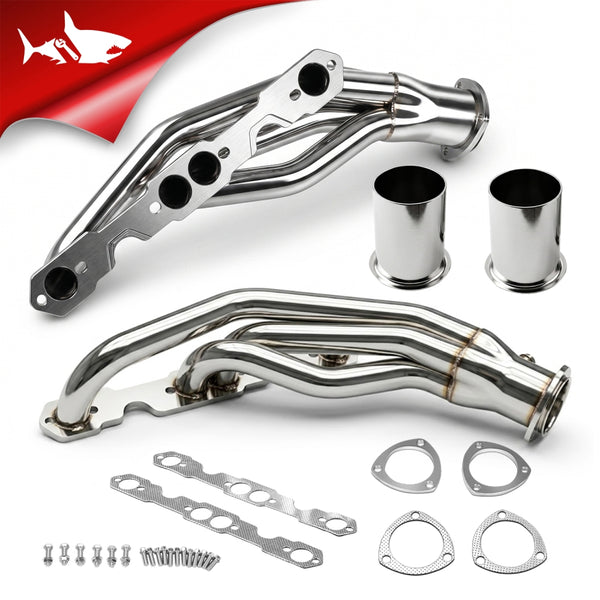
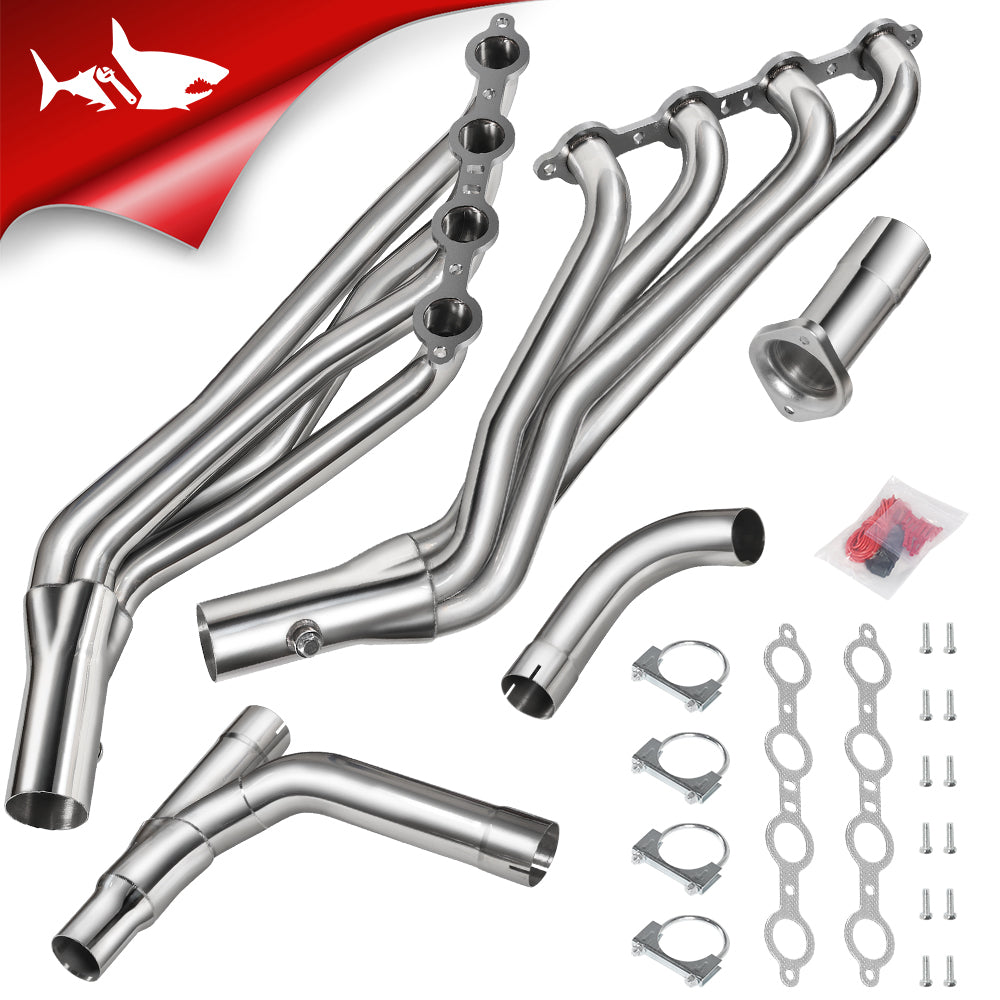
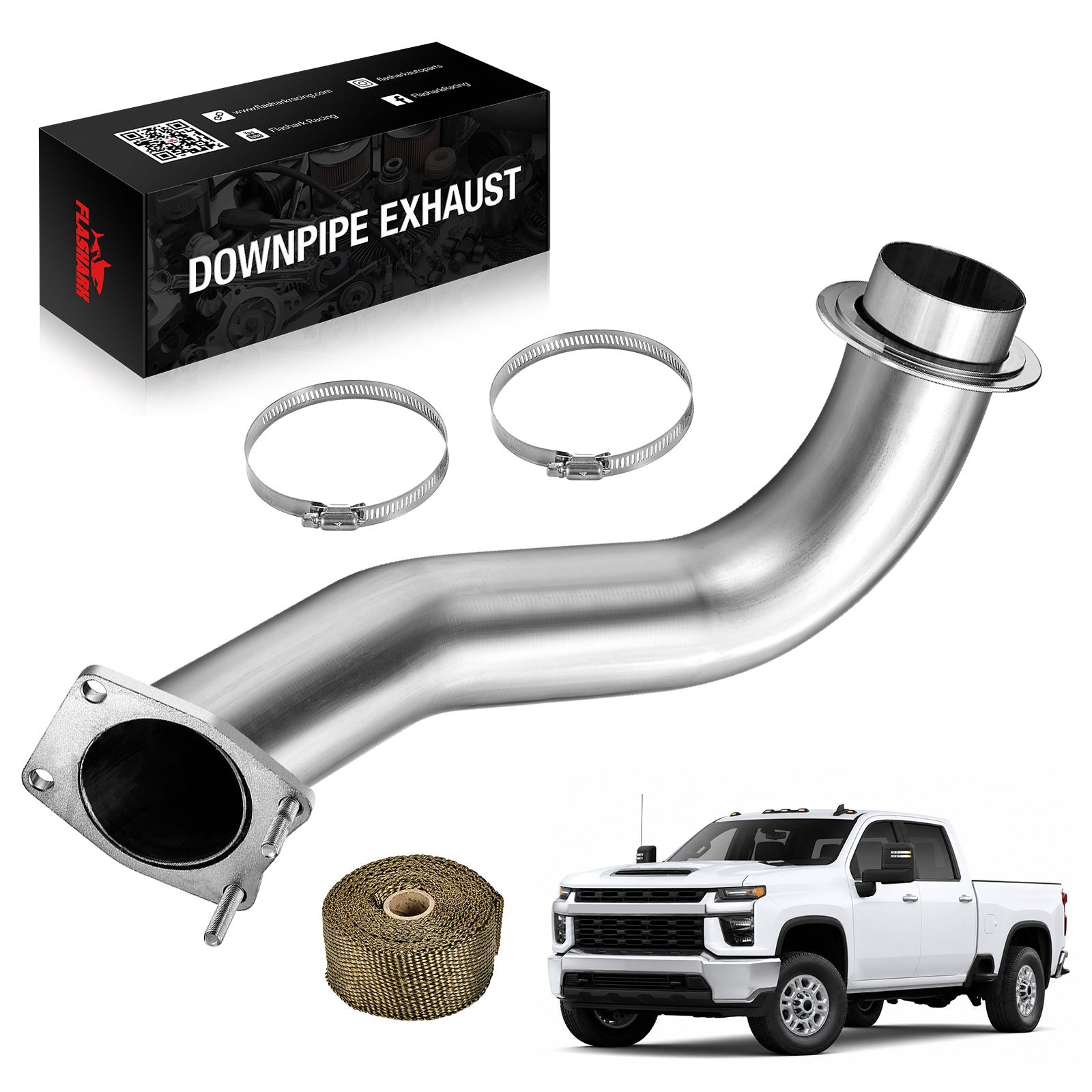
El viernes pasado, otro 335i de 2008 se quedó atascado en el elevador de nuestro taller durante cuatro horas adicionales porque un perno de bajante oxidado y agarrotado decidió arruinar el fin de semana. Si estás trabajando en un N54, ya conoces el procedimiento. Este motor es una potencia biturbo, pero BMW lo asfixió directamente de fábrica con catalizadores masivos y densos atornillados directamente contra las carcasas del turbo.
Encontrar los mejores bajantes N54 no se trata de la publicidad del foro o de comprar los tubos más brillantes que puedas encontrar. Se trata de gestionar la dinámica de fluidos, bajar las temperaturas de los gases de escape (EGT) y, lo que es crucial, asegurarse de que las malditas cosas realmente encajen sin que tengas que abollar el subchasis o estirar los cables del sensor de O2 hasta el punto de ruptura.
En resumen (TL;DR):
- El factor potencia: Es obligatorio sustituir los restrictivos catalizadores de fábrica por un diseño recto de 3 pulgadas para MHD Stage 2. Espera un aumento de 20-30 WHP con una configuración de serie y fácilmente más de 50 WHP al flashear.
- La trampa del ajuste: No compres a ciegas. Los tubos mal diseñados provocan fugas de escape, vibraciones horribles contra el subchasis y el estiramiento de los cables del sensor de O2.
- Nuestra principal recomendación: Si conduces un 335i o 135i de 2007-2010, el modelo Flashark V2 de 3 pulgadas ofrece un ajuste de banda en V de estilo OEM verdadero y acero inoxidable 304 grueso a un precio que deja presupuesto para tu mejora del intercooler.
Por qué mejorar el escape es la "Regla de Oro" para la puesta a punto del N54
Necesitamos hablar de la contrapresión. El N54 utiliza dos turbos Mitsubishi TD03 muy pequeños y de carga muy rápida. BMW diseñó los bajantes de serie con núcleos catalíticos masivos y densos de panal de abeja atornillados directamente contra el lado caliente de las carcasas del turbo. Genial para las emisiones. Absolutamente terrible para el rendimiento y la longevidad del motor.
El salto de potencia y par (expectativas del dinamómetro)
Cuando eliminas esa restricción, la diferencia es violenta. En el dinamómetro, un N54 completamente de serie entregará 15-20 caballos de fuerza a la rueda (WHP) adicionales solo con la instalación de un tubo de alto flujo. Pero nadie se detiene ahí. Una vez que flasheas un mapa personalizado o una configuración MHD Stage 2 lista para usar, los turbos finalmente pueden mover el aire de manera eficiente. Estamos hablando de pasar de ~270 WHP de serie a más de 380 WHP con modificaciones básicas (FBO). El tiempo de carga también se reduce drásticamente: sentirás el impulso completo cientos de RPM antes.

Reducción de las EGT y protección de los turbos
La potencia es excelente, pero hablemos de supervivencia. La alta contrapresión de los gases de escape hace que las temperaturas de los gases de escape (EGT) se disparen. Ese calor no tiene a dónde ir, salvo de vuelta al colector del turbo. Con el tiempo, esto hornea los sellos de aceite y destruye las ya frágiles válvulas de descarga del N54. Eliminar esa trampa de calor prolonga significativamente la vida útil de los turbos de fábrica.
¿Qué define el "mejor" bajante N54? (Lista de verificación del mecánico)
Veo a menudo a la gente discutiendo en Bimmerpost sobre qué tubo produce más potencia. Noticia de última hora: un tubo vacío de 3 pulgadas es un tubo vacío de 3 pulgadas. Todos fluyen aproximadamente lo mismo. Lo que realmente separa la basura de los mejores bajantes N54 se reduce a tres cosas: material, soldaduras y ajuste.
Escucha, no reutilices tus viejas abrazaderas y juntas OEM con banda en V. Punto. Han pasado por miles de ciclos de calor extremos y están permanentemente deformadas. Colocar abrazaderas viejas en un tubo nuevo de 3 pulgadas es una receta garantizada para una fuga de escape que suena como un tractor. Compra juntas nuevas.
Además, si conduces un modelo xDrive (AWD), presta muchísima atención. La mitad de los tubos baratos del mercado chocarán fuertemente contra la cremallera de dirección delantera o el subchasis. Necesitas tubos específicamente diseñados para dejar espacio libre a la transmisión xDrive; de lo contrario, estarás atascado el día de la instalación. El ajuste lo es todo.
Importancia del material: Acero inoxidable 304 frente al resto
Los gases de escape que salen directamente del turbo superan fácilmente los 1600 °F (870 °C). Si un fabricante utiliza acero inoxidable 409 o acero aluminizado barato, se calentará, se deformará y, finalmente, se agrietará. Necesitas acero inoxidable de grado 304. Resiste la corrosión incluso si conduces tu coche a diario en zonas con mucho óxido.
Diámetro y flujo: Por qué 3 pulgadas es el punto ideal
Al planificar la construcción de tu escape, elegir un bajante de alto flujo es el paso fundamental antes de tocar el sistema cat-back. Ir a más de 3 pulgadas en los tubos primarios para turbos de bastidor estándar en realidad mata la velocidad de los gases de escape, lo que perjudica el par a bajas revoluciones. Tres pulgadas se adapta perfectamente a las conexiones de tubo intermedio de 2.5 pulgadas de fábrica, manteniendo alta la velocidad de los gases mientras elimina el punto de estrangulamiento.
Ajuste de precisión y soldadura TIG
Las soldaduras MIG son rápidas y baratas, pero parecen mocos apilados y son propensas a fugas por poros. La soldadura TIG proporciona una penetración profunda y un cordón limpio y duradero. Además, las bridas de banda en V en la parte superior deben ser mecanizadas por CNC. Si la brida está deformada incluso un milímetro, tendrás una fuga de escape que sonará como un tractor traqueteando bajo el capó.

Enfoque: El bajante Flashark N54 V2 de 3 pulgadas (el equilibrio definitivo)
¿Quieres evitar las conjeturas? Hemos diseñado una solución que aborda directamente las pesadillas con las que he lidiado debajo del elevador. Si quieres una pieza que se atornille exactamente como la OEM pero que fluya exponencialmente mejor, el bajante n54 de Flashark ofrece un valor inigualable para tu viaje FBO.
Rediseñamos específicamente el V2 para el BMW 335i/135i de 2007-2010 para asegurar que los soportes del sensor de oxígeno estén angulados exactamente bien. Muchos tubos del mercado secundario apuntan los sensores directamente al escudo térmico de la transmisión, lo que hace que los cables se rocen y se cortocircuiten. Hemos solucionado eso.

| Característica | Bajante BMW de serie | Mejora Flashark V2 de 3" |
|---|---|---|
| Material | Fundición pesada / Núcleo cerámico | Acero inoxidable T304 |
| Diámetro interno | Restringido / Nido de abeja | Flujo recto real de 3 pulgadas |
| Potencial de potencia | Limitado a ~330 WHP de forma segura | Soporta configuraciones de más de 500 WHP |
| Sonido | Suave, silencioso | Silbido de turbo agresivo y gorgoteos |
Errores comunes de instalación (y cómo evitarlos)

No te lances a hacer este trabajo un domingo por la tarde si necesitas el coche para trabajar el lunes. Puede complicarse. Aquí tienes algunas lecciones aprendidas a duras penas en el taller:
- Empapa todo en PB Blaster: Hazlo la noche anterior. Los pernos de la abrazadera de banda en V que conectan los turbos a los tubos pasan por cientos de ciclos de calor extremos. Te van a dar guerra. Si dañas la cabeza de la abrazadera del turbo trasero, te espera un fin de semana miserable.
- Etiqueta tus sensores de O2: Muchos principiantes leen los foros, quitan todo y conectan el sensor precatalizador al arnés postcatalizador. El coche funcionará con una mezcla excesivamente rica, mostrará media docena de códigos y el ralentí sonará como un V8 con árbol de levas deportivo. Márcalos con cinta antes de quitarlos.
- Nunca aprietes primero las abrazaderas en V: Cuelga los tubos holgadamente de los turbos, atornilla la conexión del tubo intermedio y luego aprieta las abrazaderas en V superiores. Esto asegura que no haya tensión en las secciones flexibles, evitando grietas prematuras.
Preguntas frecuentes sobre los mejores bajantes N54
P1: ¿Cuántos CV añade un bajante N54?
R1: En un mapa de motor completamente de serie, verás una ganancia de unos 15-20 caballos de fuerza a la rueda debido a la mejora del flujo mecánico. Sin embargo, cuando se combina con un flasheo MHD Stage 2, las ganancias aumentan a 50-60 WHP sobre el stock.
P2: ¿Necesito un ajuste (MHD/JB4) después de instalar los bajantes?
R2: Técnicamente, el coche funcionará sin un ajuste, pero encenderá la luz de "Check Engine" (CEL) y funcionará con una mezcla ligeramente pobre. Para maximizar las ganancias de potencia y mantener la ECU contenta, se recomienda encarecidamente un ajuste inmediato después de la instalación.
P3: ¿La instalación de bajantes encenderá la luz de "Check Engine" (CEL)?
R3: Sí. Debido a que estás eliminando los catalizadores de fábrica, los sensores de oxígeno post-catalizador detectarán niveles de emisiones más altos y activarán un código (generalmente 29F4 y 29F5). Un ajuste suprime esto automáticamente.
P4: ¿Son los bajantes de 3 pulgadas mejores que los de 2.5 pulgadas para el N54?
R4: Sí. La tubería de 3 pulgadas permite la máxima expansión de los gases de escape inmediatamente después del rodete de la turbina, reduciendo drásticamente la contrapresión antes de reducirse para ajustarse a los tubos intermedios de 2.5 pulgadas de fábrica.
P5: ¿Cuánto tiempo se tarda en instalar los bajantes N54?
R5: Para un mecánico experimentado en un elevador, se tarda entre 2 y 3 horas. Si lo estás haciendo con caballetes en tu entrada por primera vez, calcula de 4 a 6 horas y ten mucha paciencia con la banda en V del turbo trasero.
P6: ¿Los bajantes solucionarán el famoso traqueteo de la wastegate del N54?
R6: Seamos brutalmente honestos: no. No repararán mágicamente los casquillos desgastados de las válvulas de descarga. De hecho, si tus válvulas de descarga ya están traqueteando como monedas en una lata, quitar el catalizador hará que el traqueteo sea más notorio. Los catalizadores de fábrica actúan como silenciadores densos y masivos; una vez que los quitas, escucharás cada tic mecánico de los turbos. Si bien la reducción de la contrapresión del escape reduce el estrés térmico en las válvulas de descarga, no es una solución mecánica para el traqueteo existente.
P7: ¿Los bajantes hacen que el escape sea significativamente más ruidoso?
R7: Sí. Tus arranques en frío serán mucho más ruidosos y profundos. Con el acelerador a fondo, escucharás un silbido distintivo del turbo, y la deceleración presentará burbujeos y petardeos notables, especialmente si conservas el silenciador de serie.
P8: ¿Puedo pasar las emisiones con bajantes N54 aftermarket?
R8: Si instalas un sistema sin catalizador, tu coche no pasará una prueba de emisiones de preparación OBD2 ni una prueba visual de gases de escape. Estas piezas están diseñadas solo para uso fuera de carretera y en pista.
P9: ¿Cuál es la diferencia entre los bajantes N54 con y sin catalizador?
R9: Los tubos sin catalizador son tubos metálicos rectos: ofrecen la mayor potencia, el sonido más fuerte y cuestan menos, pero huelen a combustible sin quemar. Las versiones con catalizador tienen un elemento de panal de abeja de alto flujo en el interior para reducir el olor a gas y mantener el escape ligeramente más silencioso, pero cuestan más y fluyen un poco menos.
P10: ¿Necesito mejorar mi tubo de carga al instalar un bajante?
R10: Absolutamente. Si estás mejorando tu escape, es probable que estés aumentando tus objetivos de presión. El tubo de carga N54 de fábrica está hecho de plástico quebradizo y es notoriamente conocido por explotar con cualquier presión superior a 12 psi. Actualiza a un tubo de carga de aluminio simultáneamente.