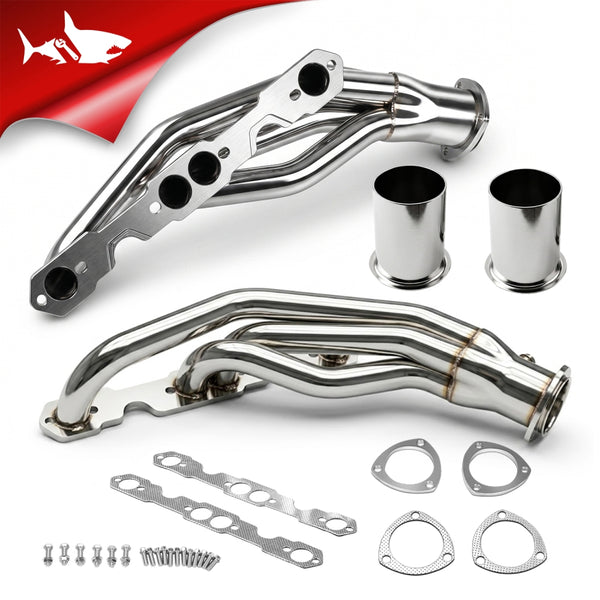
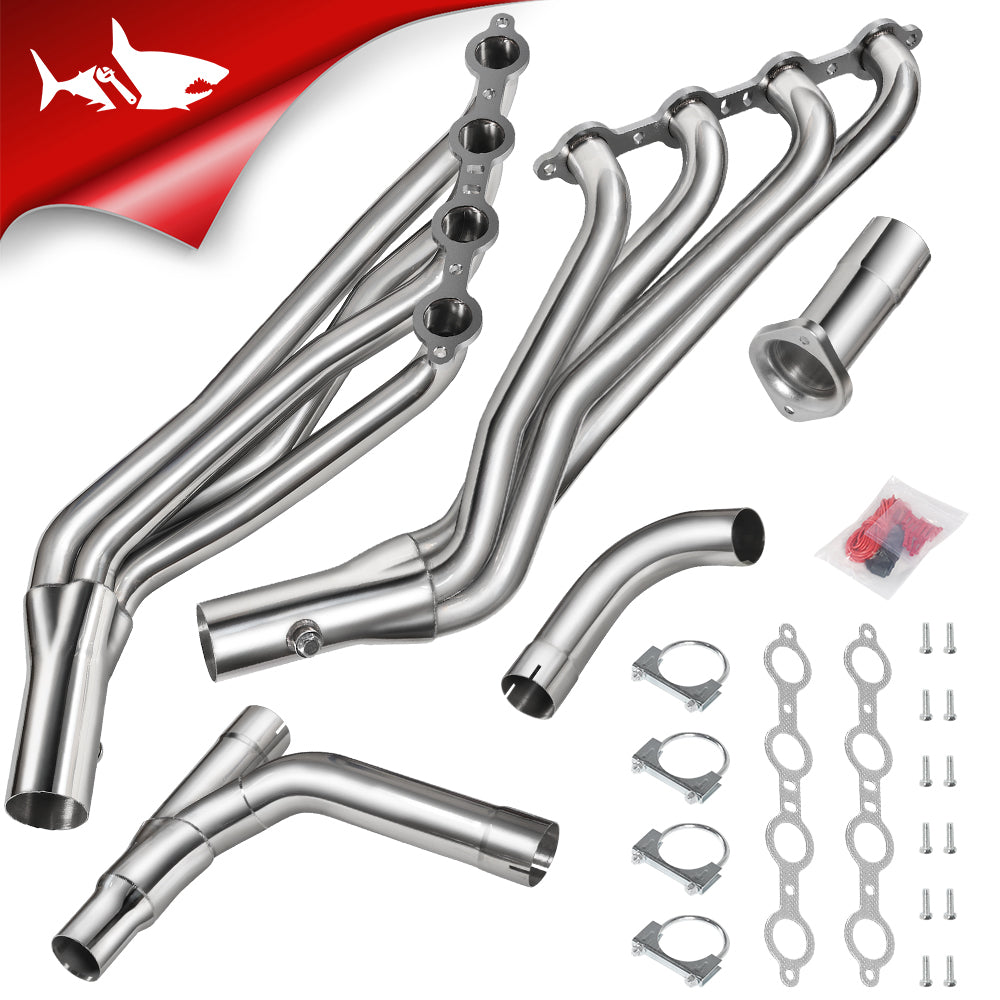
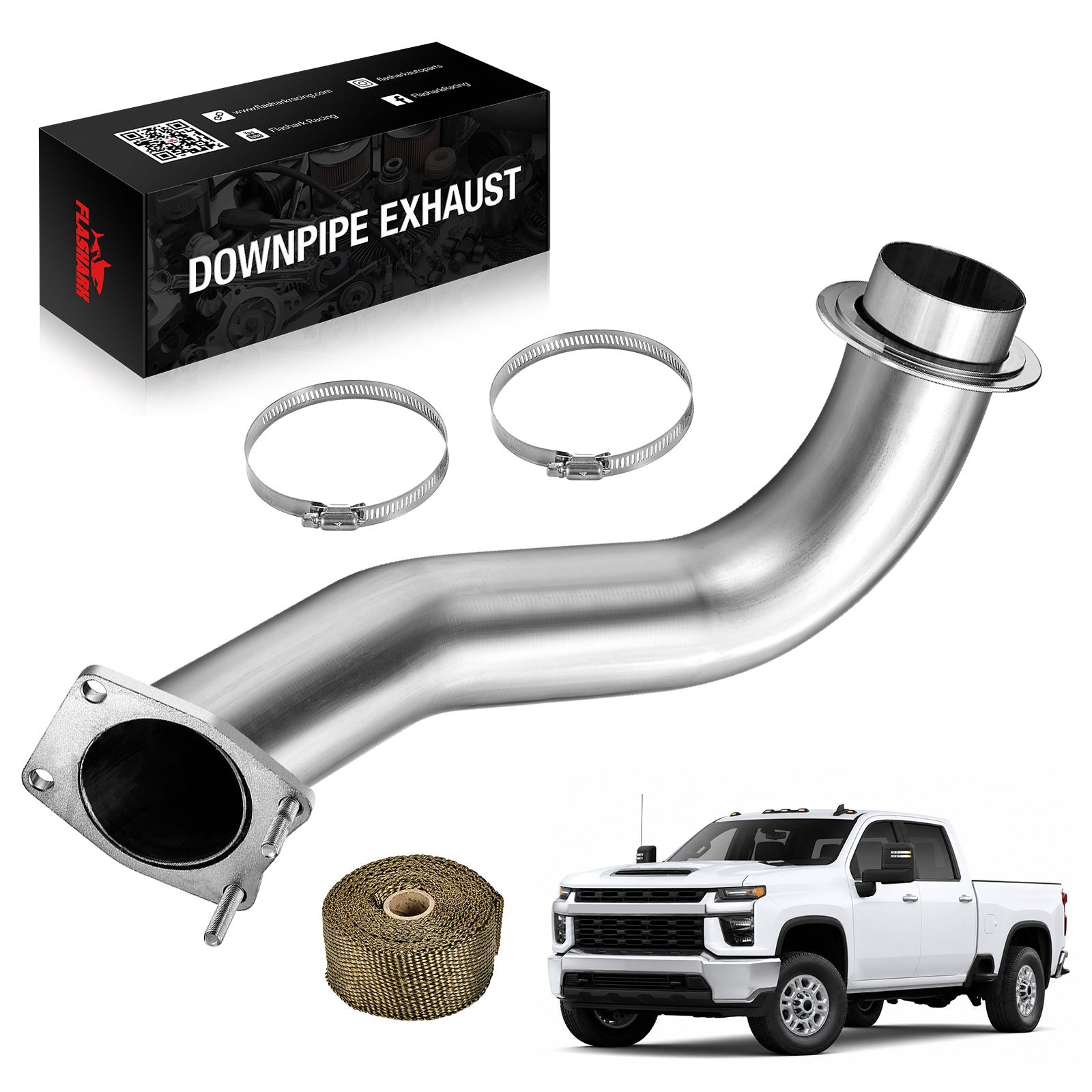
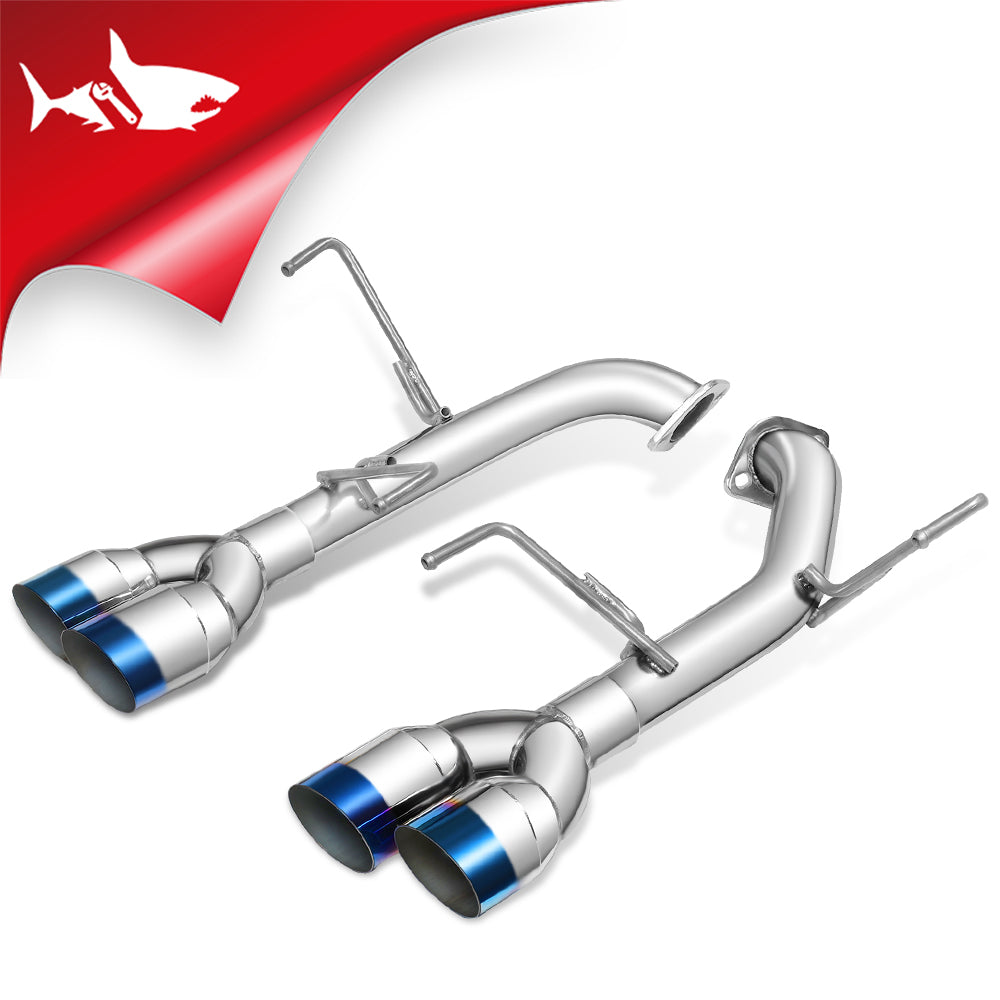
Seamos realistas. Tienes un BMW con un motor N55. Es un motor turbo de seis cilindros en línea de 3.0L bellamente sobre diseñado, pero directamente de fábrica, se siente ahogado. ¿Por qué? Porque el catalizador OEM que se encuentra justo detrás del turbo es básicamente un ladrillo cerámico. He trabajado en cientos de estos coches a lo largo de los años, y la primera modificación que siempre les digo a los chicos que hagan es el downpipe.
Pero en el momento en que decides dar el paso, te encuentras con el clásico dilema: downpipe con catalizador de alto flujo vs. sin catalizador N55? ¿Cuál tiene más sentido para tu coche? Voy a cortar las tonterías de marketing. Aquí no hay edulcorantes. Solo grasa, hojas de dinamómetro reales y las verdades incómodas sobre el olor del escape y las luces de verificación del motor que los guerreros de los foros suelen olvidar convenientemente mencionar.
Lo esencial (TL;DR)
¿No quieres desplazarte? Aquí tienes la respuesta directa a tu dilema downpipe de alto flujo con catalizador vs. sin catalizador N55, basada en cómo usas tu coche:
- Elige sin catalizador SI: Tu N55 es un vehículo de pista dedicado, quieres la máxima presión de turbo absoluta (típicamente +20-25 whp en Stage 2), anhelas los estallidos y petardeos más fuertes, y no te importa un fuerte olor a combustible crudo en los semáforos.
- Elige con catalizador de alto flujo SI: Es tu coche de uso diario, ocasionalmente llevas a la familia o a una cita, quieres un sonido de escape profundo y refinado sin el zumbido áspero, y estás dispuesto a sacrificar aproximadamente 8-12 whp por una experiencia de cabina más limpia.
Entendiendo la restricción del N55: ¿Por qué mejorar el downpipe?
Para entender por qué esta modificación es obligatoria, hay que ver cómo respira un turbocompresor. El N55 utiliza un sistema de turbo de doble entrada. Cuando el gas de escape sale del colector, choca directamente contra el catalizador cerámico de 600 celdas de fábrica. Esto crea una contrapresión masiva. La contrapresión equivale a la acumulación de calor, y el calor es el enemigo de la potencia.
Al quitar esa densa estructura de panal de cerámica y reemplazarla con un tubo recto o un núcleo metálico de 200 celdas menos restrictivo, se permite que el turbo se cargue significativamente más rápido. Estamos hablando de alcanzar la máxima presión de turbo 300 a 400 RPMs antes. La respuesta del acelerador pasa de "déjame pensarlo" a instantánea.

El Downpipe Sin Catalizador: Potencia Bruta y Sonido Agresivo
Un tubo recto sin catalizador no ofrece absolutamente ninguna resistencia. Es simplemente un tubo de acero inoxidable de 3.5 o 4.0 pulgadas de ancho que expulsa los gases de escape tan rápido como la turbina puede girarlos. Honestamente, si solo buscas números en un dinamómetro o en una pista de arrancones, esta es la única opción.
Para los que trabajan en un chasis E antiguo (como un E90 335i o un E82 135i), instalar un downpipe N55 sin catalizador para modelos 2011-2012 de curvatura precisa es la forma más sencilla de eliminar la contrapresión. El sonido es desinhibido. Obtendrás un prominente silbido del turbo al ralentí y agresivos estallidos de arma en la desaceleración si tu configuración lo permite.

El Downpipe con Catalizador de Alto Flujo: El Compromiso Urbano
Ahora, hablemos del compromiso. Un tubo con catalizador de alto flujo suele utilizar un núcleo metálico de 200 celdas. Fluye un 80% tan eficientemente como un tubo recto, pero aún realiza una reacción química para quemar los hidrocarburos no quemados.
¿Qué significa esto para ti? Significa que obtendrás una nota de escape más profunda y gutural sin las frecuencias ásperas y chirriantes que a menudo acompañan a un tubo recto completo. Suaviza el zumbido a 2500 RPM en la autopista. Lo más importante es que evita que huelas a cortadora de césped.
Downpipe N55 con catalizador de alto flujo vs. sin catalizador: El enfrentamiento
Analicemos las métricas reales. Al decidir el camino de downpipe N55 con catalizador de alto flujo vs. sin catalizador, debes sopesar estos tres factores exactos.
Caballos de fuerza y tiempo de carga del turbo
En nuestro Dynojet de taller, con un mapa Bootmod3 (BM3) Stage 2 de 93 octanos, una configuración completamente sin catalizador suele producir entre 22 y 26 caballos de fuerza en las ruedas (whp) adicionales sobre el valor de fábrica. Una configuración con catalizador de alto flujo de 200 celdas con la misma configuración y combustible suele producir entre 14 y 18 whp adicionales sobre el valor de fábrica.
¿Esa diferencia de 8-10 whp es perceptible en la calle? Apenas. ¿El tiempo de carga del turbo es diferente? La configuración sin catalizador alcanzará los 15 psi de presión de turbo una fracción de segundo más rápido. Para un coche de uso diario, la diferencia de potencia es insignificante. Para una configuración de carreras de aceleración, cada caballo de fuerza cuenta.
🛠️ Banco del mecánico: La realidad del olor del escape
Recuerdo que en 2018, un F30 335i llegó al taller. El dueño tenía poco dinero y optó por un downpipe sin catalizador barato. Lo atornillamos, flasheamos Stage 2, y el coche tiraba como un tren de carga. Le encantó. Exactamente dos semanas después, volvió a mi taller con cara de miseria. Su esposa se negaba rotundamente a viajar en el coche porque el olor a combustible crudo se le impregnaba en la ropa en los semáforos y en su garaje subterráneo. Terminé cortando el tubo recto y soldándole un núcleo metálico vibrante de 200 celdas. ¿La lección? Sin catalizador apesta. Literalmente. Tómate esto en serio si es tu coche de uso diario.
Luz de verificación del motor (CEL) y ajuste
Escucha atentamente: modificar tu downpipe, ya sea con catalizador o sin él, activará una luz de verificación del motor (CEL) por ineficiencia del catalizador (normalmente el código 180001). El sensor de O2 secundario detectará que el gas de escape no está lo suficientemente limpio.
No confíes en "espaciadores de O2" o mini-catalizadores baratos atornillados en el agujero. En el N55, funcionan quizás el 30% de las veces, y suelen retrasar la CEL solo unos pocos cientos de kilómetros. La única forma correcta de manejar esto es flashear la ECU con una plataforma como MHD o Bootmod3 para suprimir la CEL. Necesitas un ajuste de todos modos para aprovechar el mayor flujo, así que prevé el software.
| Característica | Downpipe sin catalizador | Con catalizador de alto flujo (200 celdas) |
|---|---|---|
| Ganancias de potencia máxima (Etapa 2) | +22 a 26 whp | +14 a 18 whp |
| Olor del escape | Fuerte olor a combustible crudo | Mínimo o nulo (una vez caliente) |
| Perfil de sonido | Muy ruidoso, áspero, silbido prominente del turbo | Profundo, gutural, burbujeo controlado |
| ¿Activa la CEL? | Sí (100% garantizado) | Sí (90% de probabilidad, depende del número de celdas) |
Encontrando el ajuste correcto: PWG vs EWG N55
Aquí es donde los chicos pierden tiempo y dinero. BMW no hizo solo una versión del N55. Alrededor de julio de 2013, cambiaron de una válvula de descarga neumática (PWG) a una válvula de descarga electrónica (EWG). Los turbos son diferentes, y los tamaños de las bridas del downpipe son completamente diferentes.
- PWG (antes de julio de 2013): Utiliza una conexión v-band de 3.5 pulgadas en el turbo.
- EWG (después de julio de 2013): Utiliza una conexión v-band de 4.0 pulgadas.
Si conduces un F-chasis de fabricación temprana, comprueba la fecha de fabricación en el marco de la puerta. Asegúrate de conseguir un downpipe N55 de 3.5 pulgadas para que tu abrazadera v-band cierre correctamente. Pide el tamaño equivocado y estarás en un callejón sin salida. Si tienes un chasis diferente, verifica dos veces la fecha de fabricación con un catálogo completo de downpipes N55 antes de finalizar la compra.

Guía del mecánico: Trampas en la instalación del downpipe N55
¿Instalar esto tú mismo sobre borriquetas? Buena suerte. El downpipe del N55 es notoriamente ajustado. El perno superior de la abrazadera V-band suele mirar hacia el cortafuegos, lo que significa que estás luchando a ciegas con un vaso giratorio.
⚠️ Advertencia de instalación crítica: Los sensores de O2
Muchos novatos ven un tutorial de YouTube, cogen una llave inglesa ajustable e intentan sacar los sensores de oxígeno del tubo caliente viejo con fuerza. He visto a gente arrancar por completo las roscas del sensor. Eso es un error de $200 de Bosch. Te lo ruego, no hagas esto. Remoja la base de los sensores de O2 en WD-40 o PB Blaster durante al menos 30 minutos antes de ponerles una herramienta. Compra una llave de vaso para sensores de O2 de 22 mm con ranura. Si se resiste, aplica un poco de calor con soplete al casquillo.
Termina con una junta nueva entre el turbo y el downpipe. Nunca reutilices el viejo anillo de metal aplastado a menos que te guste buscar fugas de escape.
Preguntas frecuentes (FAQ)
P1: ¿Un downpipe sin catalizador activará la luz de verificación del motor (CEL) en mi N55?
R1: Sí, absolutamente. Eliminar el convertidor catalítico garantiza que el sensor de O2 secundario detecte una falla en la eficiencia de las emisiones. Necesitarás una reprogramación (como BM3 o MHD) para suprimir la luz.
P2: ¿Cuántos caballos de fuerza añade un downpipe sin catalizador a un N55?
R2: Cuando se combina con una reprogramación Stage 2 y combustible de 93 octanos, puedes esperar un aumento de aproximadamente 20 a 30 caballos de fuerza en las ruedas (whp) sobre la configuración restrictiva de fábrica.
P3: ¿Un downpipe con catalizador de alto flujo huele mal?
R3: A diferencia de un tubo recto, un downpipe con catalizador de alto flujo (200 celdas) tendrá un olor a combustible crudo mínimo o nulo una vez que el núcleo metálico alcance la temperatura de funcionamiento. Es mucho más adecuado para el uso diario.
P4: ¿Necesito una reprogramación después de instalar un downpipe N55?
R4: Es muy recomendable. Aunque el coche funcionará sin reprogramación, lo hará de forma rica, activará la CEL y no aprovecharás los beneficios reales del flujo. Una reprogramación Stage 2 optimiza la sincronización y la inyección para las nuevas características de flujo.
P5: ¿Son los downpipes PWG y EWG iguales?
R5: No. Los motores N55 fabricados antes de aproximadamente julio de 2013 utilizan una válvula de descarga neumática (PWG) con una brida de turbo de 3.5 pulgadas. Los motores fabricados después utilizan una válvula de descarga electrónica (EWG) con una brida de 4.0 pulgadas. No son intercambiables.
P6: ¿Un downpipe del mercado de accesorios anulará la garantía de mi BMW?
R6: Sí, modificar el equipo de emisiones primarias y reprogramar la ECU generalmente anulará cualquier reclamo de garantía del tren motriz restante a través del concesionario.
P7: ¿Puedo pasar las emisiones con un downpipe con catalizador de alto flujo?
R7: Depende de tus leyes locales. Algunos catalizadores GESi de 400 celdas de alta calidad pueden pasar los monitores de preparación OBD sin una reprogramación, pero en estados estrictos (como California), es muy probable que falle una inspección visual sin una etiqueta CARB.
P8: Sin catalizador vs. con catalizador: ¿Cuál suena mejor?
R8: Esto es subjetivo. Sin catalizador es significativamente más ruidoso, más áspero y produce estallidos y petardeos agresivos. Con catalizador proporciona un tono de seis cilindros en línea más profundo, suave y refinado con menos zumbido en la cabina.
P9: ¿Cuánto tiempo se tarda en instalar un downpipe N55?
R9: Para un mecánico experimentado en un elevador, se tarda entre 1.5 y 2 horas. Para un aficionado que lo haga en borriquetas luchando contra pernos oxidados, espera pasar de 3 a 5 horas.
P10: ¿Necesito mejorar mi intercooler con un downpipe?
R10: Sí. Aumentar la presión de turbo requerida para maximizar el downpipe (Stage 2) sobrecargará rápidamente el pequeño intercooler frontal de fábrica (FMIC). La mejora a un intercooler de núcleo escalonado es obligatoria para mantener las temperaturas del aire de admisión (IAT) seguras.