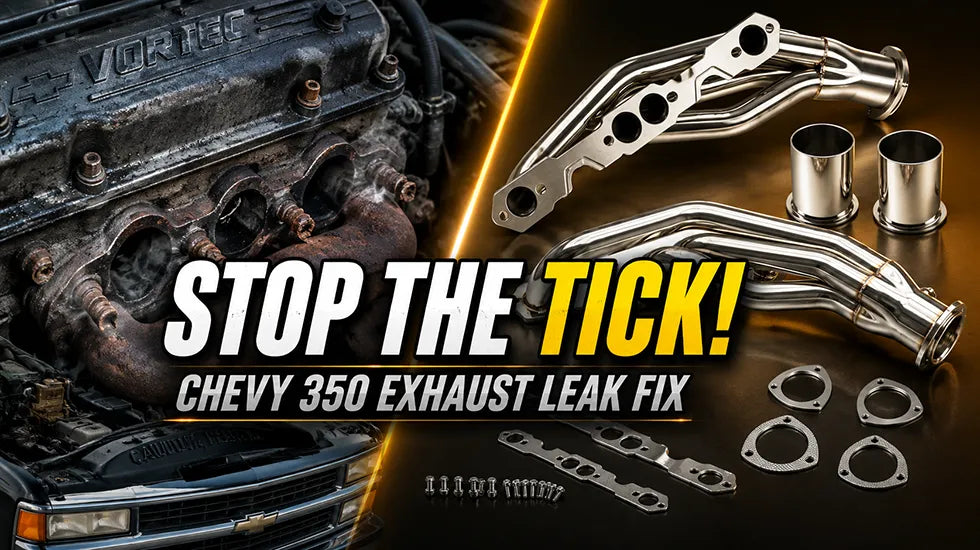
Ya conoces el procedimiento. Es una mañana fría, te subes a tu GMT400 o a tu Silverado de primera generación, giras la llave, y ahí está. Tic-tac-tic-tac. Tu legendario Chevy 5.7 Vortec de repente suena como una máquina de coser desgastada. Se te cae el alma a los pies. ¿Se borró el árbol de levas? ¿Se colapsó un taqué?
Escúchame: antes de que entres en pánico, quites el colector de admisión y empieces a calcular los precios de los kits de reconstrucción del tren de válvulas, respira hondo. Como mecánico que ha pasado demasiadas noches cubierto de grasa debajo de estas camionetas específicas, te puedo decir esto: el 90% de las veces, ese aterrador ruido de tic-tac del 5.7 Vortec es solo una clásica fuga de escape del Chevy 350 causada por un perno del colector roto.
Te guiaré exactamente cómo diagnosticarlo, cómo extraer esos obstinados pernos rotos sin quitar la culata y cómo arreglarlo permanentemente para que nunca más vuelvas a escuchar ese tic-tac.
Diagnóstico Rápido y Resumen: Taqué vs. Fuga de Escape
No empieces a comprar piezas hasta que verifiques la condición exacta del ruido de tic-tac:
- Si el tic-tac DESAPARECE después de 3-5 minutos de conducir: Es casi seguro que sea una fuga de escape. La expansión térmica hace que el colector se caliente, se hinche y cierre la grieta con fugas.
- Si el tic-tac PERMANECE o se VUELVE MÁS FUERTE a medida que el motor se calienta: Probablemente tengas un problema mecánico en el tren de válvulas (golpeteo de taqués, varilla de empuje doblada o desgaste del balancín).
- El culpable más común: El perno más trasero del colector de escape del lado del conductor que se rompe al ras de la culata.
- La solución definitiva: Extraer los espárragos rotos, aplanar la superficie de contacto y actualizar a un colector de escape del mercado de accesorios adecuado con juntas metálicas gruesas para evitar futuras deformaciones.
El infame ruido de tic-tac del 5.7 Vortec: ¿Golpeteo de taqués o fuga de escape?
Internet está lleno de tipos discutiendo en foros sobre esto. La verdad es que la acústica de un Small Block Chevy (SBC) puede jugarte una mala pasada. El gas de escape a alta presión que se escapa por una grieta fina o una junta reventada suena exactamente como metal golpeando metal.
¿Por qué se detiene el tic-tac cuando el motor se calienta?
Todo se reduce a la física básica. Los colectores de escape de hierro fundido de fábrica absorben una cantidad masiva de calor. Cuando el motor está completamente frío, el metal se contrae. Si tienes un perno roto, el colector se separa ligeramente de la culata de aluminio o hierro, creando un pequeño espacio. Cada vez que se abre esa válvula de escape específica, el gas presurizado sale de ese espacio, produciendo un "tic" agudo.
Una vez que conduces una manzana, el gas de escape calienta rápidamente el hierro fundido. El colector se expande físicamente, cerrando ese espacio y apretando la junta nuevamente. ¡Puf! El ruido desaparece mágicamente.
Las pruebas del "billete de dólar" y del estetoscopio de mecánico
No necesitas una máquina de humo elegante para encontrar esto. Coge un trozo de papel de seda o un billete de dólar. Arranca el motor en frío y mueve con cuidado el papel alrededor del borde de acoplamiento de los colectores de escape (cuidado con las correas en movimiento y las superficies calientes). Si tienes una fuga, el pulso de escape que se escapa soplará el papel visiblemente.

¿Por qué los pernos del colector de escape del Chevy 350 siguen rompiéndose?
No eres la primera persona en lidiar con esto, y no serás la última. General Motors no usó pernos baratos; el diseño simplemente los somete a una tensión inmensa. El colector de escape se expande y se contrae longitudinalmente (de adelante hacia atrás). Los pernos en los extremos absolutos, especialmente cerca del cortafuegos donde el flujo de aire es peor y la acumulación de calor es mayor, soportan la mayor parte de esta fuerza de cizallamiento. Después de una década de ciclos de calor, el perno simplemente se fatiga y se rompe.

Nota del mecánico: Recuerdo que en el '19, un tipo trajo una Silverado C1500 del '94 en perfectas condiciones. Estaba convencido de que su motor estaba arruinado y estaba listo para cambiar todo el 350. Le eché un vistazo al colector del lado del conductor. Efectivamente, la cabeza del perno trasero había desaparecido por completo.
Muchos principiantes ven un video rápido de YouTube, cogen un extractor Easy-Out e intentan inmediatamente sacar un perno oxidado y roto al ras en frío. ¿El resultado? Rompen el extractor endurecido dentro del perno, convirtiendo una reparación de 2 horas en un trabajo de pesadilla para quitar la culata. Le dije sin rodeos: "Lo remojamos toda la noche, o no lo tocamos". Deja que mis dolores de cabeza te ahorren tiempo, nunca te apresures en este trabajo.
La solución definitiva para la fuga de escape del Chevy 350 (paso a paso)
Muy bien, manos a la obra. Reparar una fuga de escape en un Chevy 350 requiere paciencia y preparación.
Herramientas y piezas de repuesto que necesitarás
- Aceite penetrante: PB Blaster o Kroil (el WD-40 no servirá aquí).
- Fuente de calor: Gas MAP o un soplete de oxicorte.
- Herramientas de extracción: Brocas zurdas, un taladro de ángulo recto y una soldadora MIG.
- Mejoras: En lugar de reinstalar el hierro fundido oxidado, consulta una colección de colectores de escape Chevy dedicada para encontrar un reemplazo de acero inoxidable resistente a la deformación para tu bloque específico.
Paso 1: Remojar y quitar el colector oxidado
Al menos 24 horas antes de poner una llave en tu camioneta, rocía cada perno de escape con aceite penetrante. Arranca la camioneta durante dos minutos para calentar los pernos, apágala y rocíalos de nuevo. El calor atrae el aceite a las roscas. Al quitar los pernos restantes, si uno se siente como si estuviera atascado, detente. Muévelo hacia adelante y hacia atrás (aprieta, luego afloja) para romper el óxido.
Paso 2: El truco de la "tuerca soldada" para extraer pernos rotos
Si tienes un perno roto al ras de la culata, olvídate de taladrar a menos que sea absolutamente necesario. Usa el arma secreta del mecánico: La Tuerca Soldada.
Toma una tuerca hexagonal (ligeramente más grande que el espárrago de 3/8") y colócala sobre el perno roto. Usa una soldadora MIG para hacer un fuerte punto de soldadura directamente a través del centro de la tuerca, fusionándola con el espárrago roto. El calor extremo rompe la unión del óxido. Deja que se enfríe hasta que deje de brillar al rojo vivo, rocía un poco de PB Blaster y gírala suavemente con un dado.

¿Deberías actualizar a colectores de tubo largo para evitar futuras fugas?
Aquí hay una conversación honesta de taller: si acabas de pasar un sábado extrayendo pernos rotos y forcejeando con un trozo de hierro fundido oxidado de 30 libras de tu motor, ¿por qué demonios lo volverías a poner? El hierro fundido retiene el calor y se deforma con el tiempo. Una vez que se deforma, simplemente romperá tus pernos nuevos un año después.
Este es el momento exacto para actualizar. Cambiar a colectores de acero inoxidable de alta calidad es la solución definitiva para la fuga de escape del Chevy 350. Si estás lidiando con un GMT400, instalar un juego de colectores de tubo largo para Chevy/GMC 5.7L de 1988-1995 es la medida más inteligente que puedes tomar. No solo disipan el calor mucho más rápido (salvando tus pernos), sino que también mejoran drásticamente el barrido de escape. Consistentemente vemos una ganancia real de 10-15 caballos de fuerza y torque solo al deshacernos de los restrictivos colectores de fábrica.

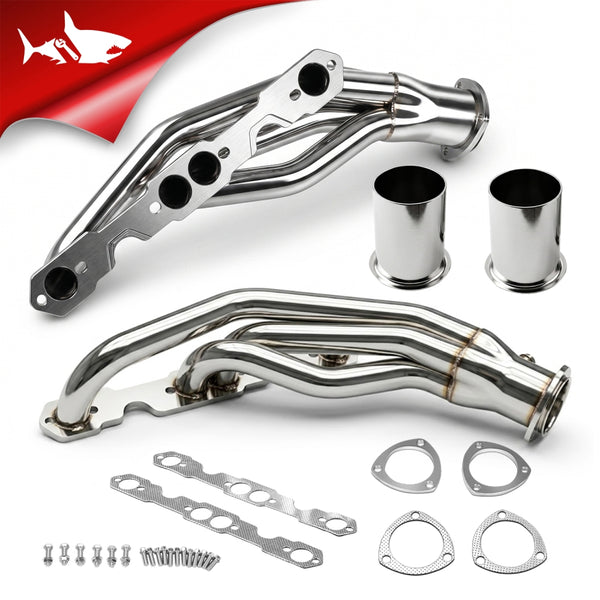
Colectores de tubo largo para Chevy/GMC 5.7L/5.0L 305/350 SBC 1988-1997
- Libera la potencia: El diseño optimizado de los tubos largos reduce la contrapresión, ganando instantáneamente 10-15 CV y par para tu Vortec/TBI.
- Durabilidad: Fabricado en acero inoxidable T-304 de primera calidad con bridas mecanizadas CNC soldadas con TIG para evitar futuras fugas.
- Kit completo: Incluye reductores, pernos y juntas metálicas para las series C/K, Tahoe y Blazer de 88-97.
| Característica | Colector de hierro fundido de fábrica | Colectores de tubo largo Flashark T-304 |
|---|---|---|
| Disipación de calor | Pobre (retiene el calor, causa fatiga de los pernos) | Excelente (enfriamiento rápido) |
| Peso | ~25-30 lbs por lado | ~10-12 lbs por lado |
| Rendimiento | Muy restrictivo | +10-15 HP/TQ, respuesta del acelerador mejorada |
¿Qué pasa con el F-Body de 4ª generación? El LT1 5.7L Tick
Ahora, si no conduces una camioneta, sino un Camaro o Firebird de 4ª generación, la historia es muy similar. El motor Chevy LT1 5.7L V8 es un small-block fenomenal, pero sus colectores de escape de serie son increíblemente restrictivos y propensos a las mismas fugas con el mismo "tic-tac".
Dado que el compartimento del motor del F-Body es notoriamente estrecho, extraer los pernos rotos con el motor en el coche es un gran dolor de cabeza. Para los chicos del F-Body, arreglar el "tic-tac" significa que también podrías instalar unos colectores de escape LT1 para Camaro/Firebird 93-97 mientras estás allí. Pasas de un escape apagado y restrictivo a un rugido profundo y agresivo de V8, y eliminas para siempre los colectores de fábrica propensos a la deformación.

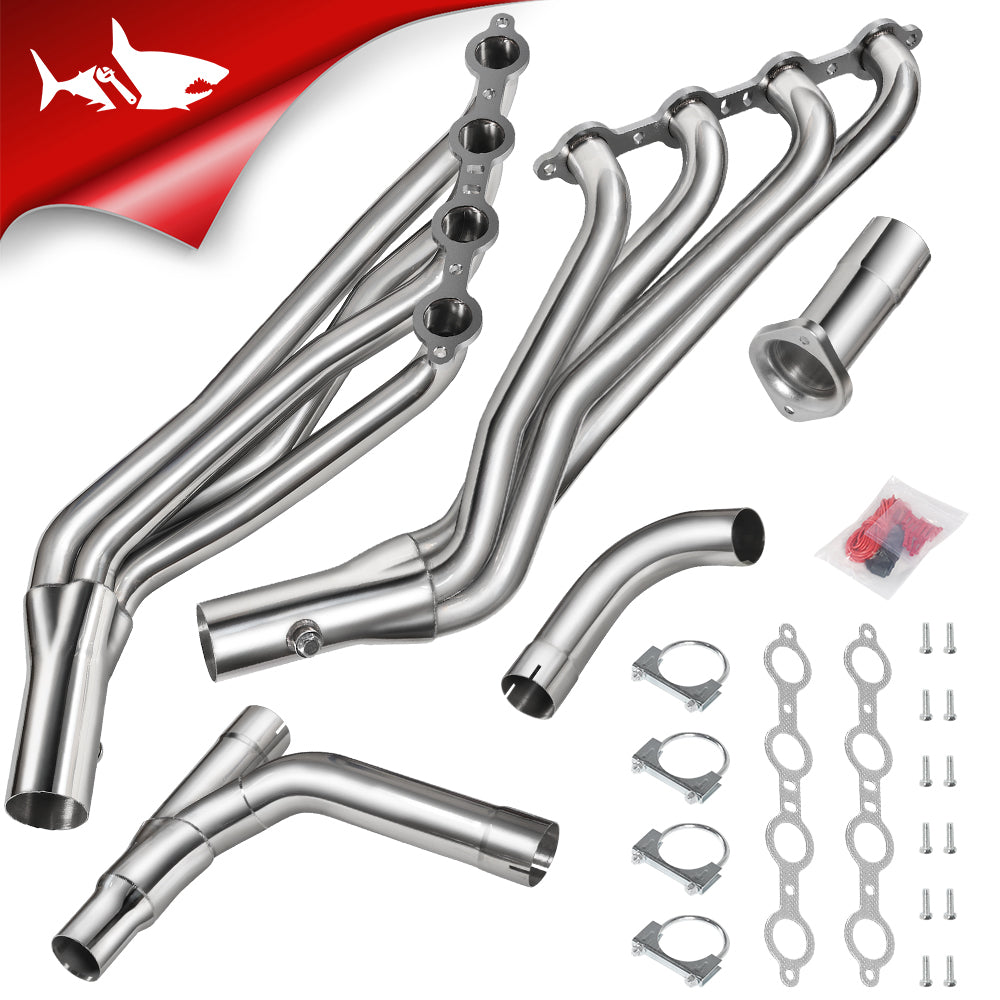
Colectores de tubo largo para Chevy Camaro/Firebird 5.7L LT1 1993-1997
- Máximo barrido: Los mandriles doblados por ordenador reemplazan los restrictivos colectores de serie para un flujo de escape más suave y rápido.
- Sonido agresivo: Ofrece ese rugido V8 profundo y distintivo mientras optimiza la eficiencia del motor y la respuesta del acelerador.
- Ajuste directo: Diseñado específicamente para el ajustado compartimento del motor del F-Body de 4ª generación. 100% atornillado, no se necesitan modificaciones.
Preguntas frecuentes sobre fugas de escape y ruidos de tic-tac del 5.7 Vortec
P1: ¿Cuánto cuesta reparar una fuga de escape de un Chevy 350 en un taller?
R1: Las tarifas de mano de obra lo hacen caro. Un taller normalmente cobrará entre $500 y más de $1,000. Las piezas son baratas, pero si tienen que taladrar pernos rotos cerca del cortafuegos, las horas de mano de obra se disparan. Por eso, hacerlo tú mismo, junto con colectores de escape del mercado de accesorios, es la ruta más rentable.
P2: ¿Es seguro conducir mi 5.7 Vortec con una fuga de escape?
R2: ¿A corto plazo? Sí, no harás explotar el motor hoy. ¿A largo plazo? Absolutamente no. Una fuga de escape cerca de la culata aspira aire ambiente frío cuando sueltas el acelerador. Este aire frío que golpea una válvula de escape al rojo vivo puede causar válvulas quemadas. Además, altera las lecturas de tu sensor de O2, lo que hace que la camioneta funcione rica y destruya el ahorro de combustible.
P3: ¿Una fuga de escape causará una pérdida de potencia en un Chevy 350?
R3: Sí. El barrido del escape se basa en una contrapresión y velocidad precisas. Una fuga interrumpe este flujo, afectando negativamente tanto tu torque a bajas revoluciones como la potencia, mientras que simultáneamente altera tu mezcla aire/combustible.
P4: ¿Son mejores las juntas Remflex para colectores de Chevy 350 deformados?
R4: Las juntas Remflex (grafito grueso) son excelentes porque pueden comprimirse hasta el 50% de su grosor, lo que ayuda a sellar espacios en colectores de hierro fundido ligeramente deformados. Sin embargo, si el colector está severamente curvado, incluso una buena junta acabará fallando.
P5: ¿Cómo se quita un perno de escape roto al ras con la culata sin soldar?
R5: Necesitarás un taladro de ángulo recto, un punzón de centrar y brocas izquierdas de cobalto de alta calidad. Punzona el centro muerto del perno, comienza con un pequeño orificio piloto y aumenta lentamente el tamaño de la broca. A menudo, la broca izquierda se agarra al metal y hace girar el espárrago roto por sí solo.
P6: ¿Por qué mi Vortec solo hace un "tic-tac" cuando está bajo carga o acelerando?
R6: Cuando pisas el acelerador, el motor produce significativamente más volumen y presión de escape. Esta mayor presión fuerza los gases de escape a través de fugas microscópicas que podrían permanecer completamente selladas al ralentí, creando el ruido de "tic-tac" solo bajo carga.
P7: ¿Necesito quitar la culata para arreglar el perno de escape roto?
R7: No, normalmente no. Quitar el revestimiento interior del guardabarros te da un acceso decente al costado del motor. Solo necesitas quitar la culata si alguien perforó previamente el perno descentrado y destruyó las roscas internas de aluminio/hierro.
P8: ¿Qué tamaño tienen los pernos del colector de escape en un 5.7 Vortec?
R8: Los pernos del colector de escape de fábrica para un Small Block Chevy 350 (incluido el 5.7 Vortec) son generalmente de rosca 3/8"-16. La longitud varía dependiendo de si estás atornillando colectores de hierro fundido o de acero.
P9: ¿Puedo usar cinta aislante de fibra de vidrio para colectores en un colector de escape de hierro fundido de serie?
R9: Lo desaconsejo encarecidamente. El hierro fundido retiene la humedad. Envolver un colector de hierro fundido de fábrica atrapa tanto el calor extremo como la humedad, lo que provoca una oxidación agresiva, descamación y, finalmente, el agrietamiento estructural del colector.
P10: ¿Cómo evitar que los pernos de escape del Chevy 350 se aflojen?
R10: Los ciclos de calor provocan una expansión y contracción que afloja naturalmente los pernos. Utiliza pernos de colector Stage 8 con bloqueo, arandelas Nord-Lock con bloqueo de cuña o vuelve a apretar los pernos después de los primeros 3-5 ciclos de calor al instalar colectores nuevos.
P11: ¿Un Vortec 5.7 tiene empaques de escape tipo "donut"?
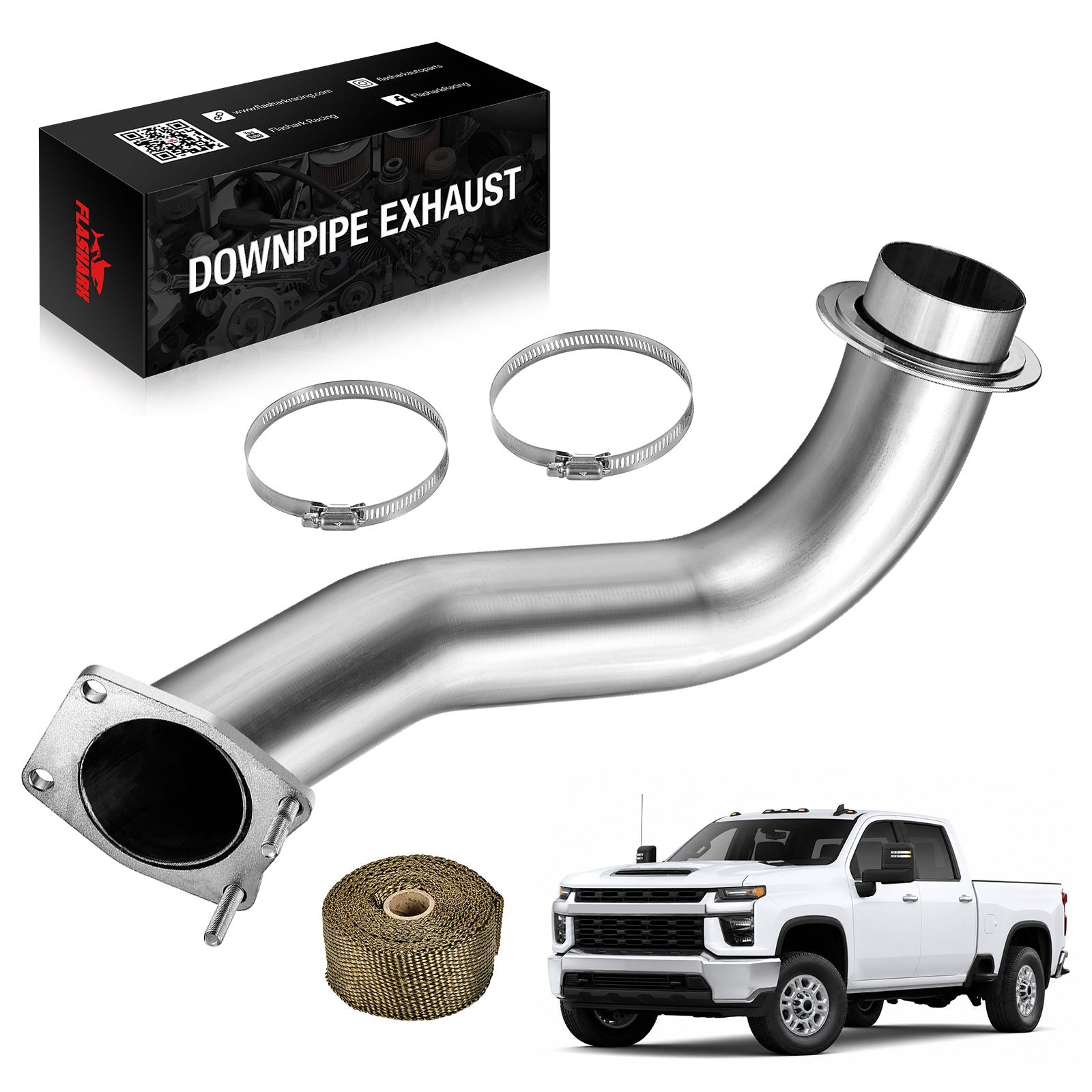
R11: Sí, dependiendo del diseño específico del escape (como la conexión del tubo en Y), a menudo hay empaques tipo "donut" donde el colector del múltiple se une al tubo de bajada. Este es otro punto muy común de fuga que puede simular un motor que "golpetea".