


 Need car parts? Shop by vehicle
(Select the exact fit for your vehicle)
Need car parts? Shop by vehicle
(Select the exact fit for your vehicle)
Escape Catback del Ford Mustang
El Ford Mustang es conocido por su icónico rendimiento de muscle car, y un sistema de escape catback de alto rendimiento es la manera perfecta de llevarlo al siguiente nivel. Este sistema mejora el flujo de escape, reduce la contrapresión y aumenta la potencia, el par y la respuesta del acelerador. Con un tono de escape más agresivo, tu Mustang se destacará, ya sea que estés conduciendo por las calles o en la pista.
Además, el escape catback mejora la eficiencia del combustible y ofrece un mejor rendimiento del motor en diversas condiciones de conducción. Diseñado para ofrecer más potencia y un sonido de escape ronco, es la mejora ideal para los entusiastas del Mustang que exigen el máximo rendimiento y estilo.
Comprar por marca: Ford F150
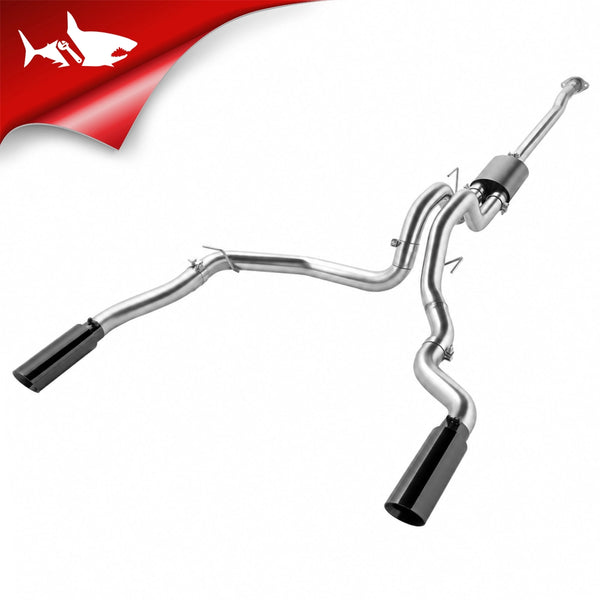
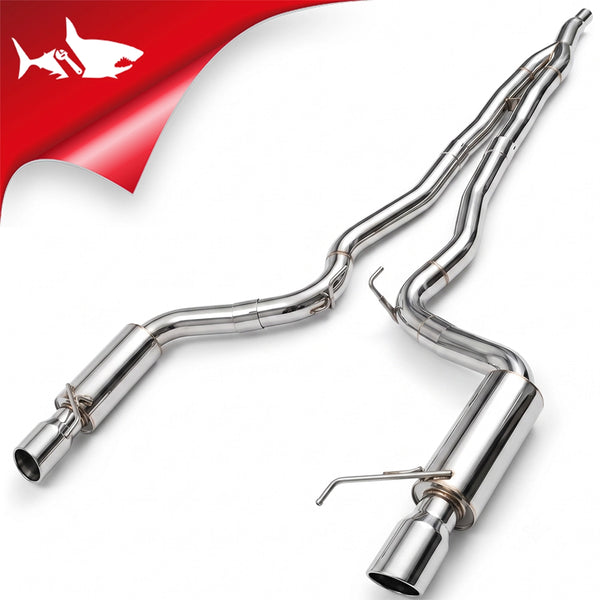
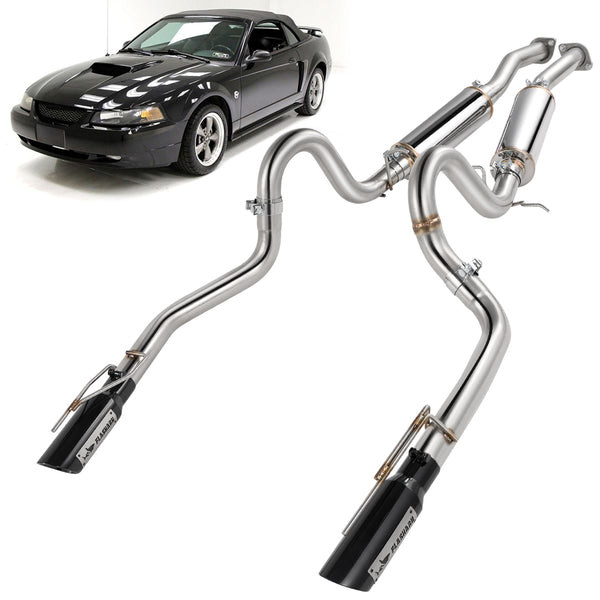
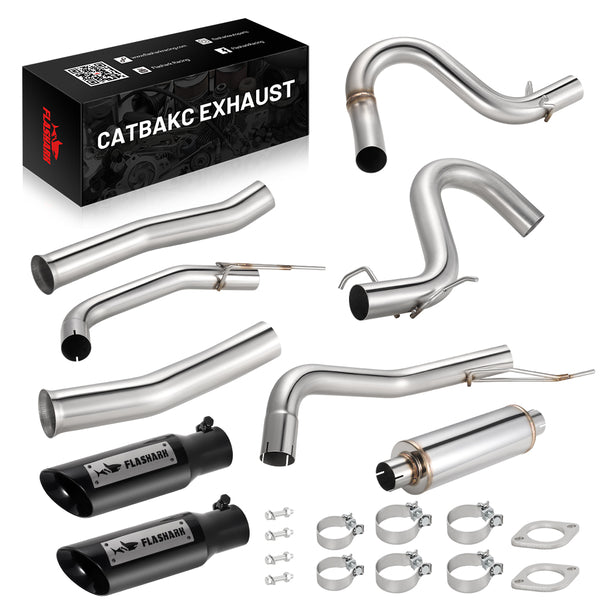
El Ford Mustang es conocido por su icónico rendimiento de muscle car, y un sistema de escape catback de alto rendimiento es la manera perfecta de llevarlo al siguiente nivel. Este sistema mejora el flujo de escape, reduce la contrapresión y aumenta la potencia, el par y la respuesta del acelerador. Con un tono de escape más agresivo, tu Mustang se destacará, ya sea que estés conduciendo por las calles o en la pista.
Además, el escape catback mejora la eficiencia del combustible y ofrece un mejor rendimiento del motor en diversas condiciones de conducción. Diseñado para ofrecer más potencia y un sonido de escape ronco, es la mejora ideal para los entusiastas del Mustang que exigen el máximo rendimiento y estilo.
Comprar por marca: Ford F150
Liberando al Poni: La Guía Definitiva del Catback Flashark Ford Mustang
Permítame ser brutalmente honesto con usted. Si alguna vez ha tenido su Mustang en un elevador de dos postes, sabe exactamente de lo que estoy hablando. Los ingenieros de Ford construyeron algunos de los mejores motores del mundo, y luego los contadores de la empresa arruinaron la fiesta. Justo en el medio de su sistema de escape se encuentra esta caja masiva de acero estampado de 40 libras, el infame "resonador de maleta". Es peso muerto. Peor aún, es un cuello de botella físico que obliga a los gases de escape a navegar por un laberinto de cámaras de deflectores antes de que lleguen a los tubos de escape. No escuche a los tipos del foro que afirman que la configuración de fábrica está "ajustada para una contrapresión óptima". Eso es pura ficción. El sistema de serie ahoga la respiración a altas RPM del Coyote V8 y amortigua completamente el silbido del turbo del EcoBoost. Es un crimen contra la potencia. Tiene que arrancarlo.
Lo Esencial de Antemano (BLUF): Qué Hace Realmente un Catback Flashark Mustang
- Potencia Medible en el Dyno: Espere un aumento comprobado de 12-18 whp y hasta 20 lb-pie de torque, despertando el rango medio y el grito final.
- Dieta de Peso Masiva: Eliminar el resonador de maleta de fábrica y los silenciadores pesados reduce físicamente 30 a 45 libras de peso muerto del chasis en el eje trasero.
- Ingeniería Acústica: Ofrece un rugido profundo y crudo de coche musculoso a pleno acelerador, mientras utiliza cámaras de resonancia Helmholtz internas para garantizar una cabina sin zumbidos a 75 mph.
- Gestión Térmica: Reduce drásticamente las temperaturas de los gases de escape (EGTs) en los modelos EcoBoost, disminuyendo significativamente el calor del turbo durante los días de pista.
Abandonando la Maleta de Fábrica: Puntos Dolorosos y Soluciones Flashark
He quemado suficientes tubos de fábrica oxidados para saber que el acero dulce simplemente no sobrevive. Dele tres inviernos, y parece corteza de árbol pelándose. Pero no se trata solo del óxido, se trata de cómo están doblados los tubos de fábrica.
Materiales de Grado Aeroespacial y Artesanía Doblada con Mandril
Flashark no se anda con aleaciones baratas. Construimos nuestros sistemas utilizando acero inoxidable T304 y T409 de pared gruesa. Sin embargo, la verdadera magia es el doblado con mandril CNC. Cuando un tubo de fábrica se dobla alrededor del subchasis trasero, la máquina lo aplasta, reduciendo el diámetro interno y matando la velocidad de escape. Un doblado con mandril permanece perfectamente redondo. Si compra un Catback Ford Mustang de 3 pulgadas, se mantiene en un verdadero 3 pulgadas desde el tubo medio hasta las puntas de escape.
Ajustando la Nota Musculosa: Sin Raspe, Solo Puro Rugido
Nadie quiere que su Mustang suene como una desbrozadora cabreada. Ajustar el sonido es una ciencia literal. Poner un tubo recto en un Coyote solo crea un ruido metálico desagradable y rasposo. Flashark rellena nuestros silenciadores con fibra de vidrio de alta densidad y resistente al calor para absorber esos ruidos ásperos de alta frecuencia. Lo que queda es un arranque en frío profundo y estremecedor que se asienta en un ralentí suave, y un grito de guerra absoluto cuando se cambian las marchas.
Ganancias de Rendimiento Comprobadas: Barrido y Dinámica de Flujo
Hablemos de dinámica de fluidos. Reemplazar su restrictivo tubo de fábrica con un Catback Mustang de alto flujo maximiza el efecto de barrido. Los gases de escape de movimiento rápido crean un vacío de baja presión detrás de ellos, literalmente succionando el siguiente pulso de gases gastados de la culata. Menos pérdida de bombeo para el motor significa una respuesta del acelerador más nítida y violenta desde el arranque.
Eligiendo Su Configuración: X-Pipe vs. H-Pipe y Configuraciones de Punta
Para los entusiastas del Mustang, el diseño del tubo medio dicta toda la personalidad del coche. No compre simplemente lo más barato. Elija la configuración que coincida con el perfil de sonido que realmente desea.
| Configuración de Tubo Medio | Construcción Ideal del Mustang | Perfil de Sonido | Característica de Rendimiento |
|---|---|---|---|
| X-Pipe (Tubo Cruzado) | Días de Pista, GTs de Altas Revoluciones | Chillido agudo, agresivo, exótico a RPM más altas. Grita en la parte superior. | Maximiza la potencia de gama alta al fusionar completamente los pulsos de escape. |
| H-Pipe | Cruceros de Calle, Fanáticos del Muscle Clásico | Rugido profundo y grave. El sonido tradicional de V8 de la vieja escuela. | Tiende a proporcionar un ligero aumento en el torque de gama baja. |
| Y-Pipe (EcoBoost) | 2.3L EcoBoost / 3.7L V6 | Suaviza el pulso de 4 cilindros, amplificando el silbido del turbo y profundizando el tono. | Reduce drásticamente la contrapresión de la turbina para un spooling más rápido. |
El Detalle para Nerds Extremistas: Beneficios Ocultos de un Escape de Flujo Libre
¿Quieres saber un secreto que las hojas de dyno no te dirán? La distribución del peso. Los chasis del Mustang S550 y S650 están increíblemente bien equilibrados, pero colgar 40-50 libras adicionales de acero restrictivo detrás del eje trasero actúa como un péndulo durante las curvas cerradas. Reemplazar la configuración de fábrica por un Escape Catback Ford Mustang ligero reduce físicamente el momento polar de inercia. La parte trasera se sentirá ligeramente más asentada y receptiva cuando la meta en una curva cerrada.
Análisis Detallado por Plataforma: Motores Mustang y Dinámicas de Potencia
No se puede tratar un cuatro cilindros turboalimentado de la misma manera que se trata un enorme V8 de aspiración natural. Aquí le explicamos exactamente cómo diseñamos el flujo de aire para su motor específico.
5.0L Coyote V8 (GT/Mach 1): Liberando el Rugido Americano
Los Coyotes Gen 3 y Gen 4 son obras maestras de altas revoluciones que adoran superar las 7,000 RPM. El escape de serie restringe en gran medida este impulso de gama alta. La instalación de un sistema Flashark X-Pipe dual de 3 pulgadas transforma completamente el coche. Le da ese ladrido icónico y agresivo al tiempo que libera la potencia de gama alta que el sistema de fábrica sofoca a medida que se acerca al límite de revoluciones.
2.3L EcoBoost I4: Spool del Turbo y Gestión del Calor
Escuche, la mayor queja de los propietarios de EcoBoost es que el coche suena como una aspiradora moribunda. Nunca hará que un 2.3L suene como un Coyote; no deje que nadie le mienta. Pero la contrapresión es el enemigo mortal de un turbocompresor. Al abrir el escape, reducimos drásticamente la contrapresión. Su turbo entra en acción unos 300 RPM antes, y la nota de escape se convierte en un tono de bajo profundo y agresivo en lugar de un traqueteo metálico.
3.7L Cyclone V6: Eliminando el Raspe de Trompeta
Para los antiguos S197 y los primeros S550 V6, el "raspe de trompeta" a 4,000 RPM es infame. Flashark utiliza longitudes de resonador específicas y silenciadores rellenos de fibra de vidrio para cancelar físicamente esas desagradables ondas de sonido de alta frecuencia, dejándole con una nota de escape limpia y deportiva que realmente suena ajustada, no rota.
La Advertencia del Mecánico: Evitando Trampas en el Escape y Pesadillas con la Luz de Avería
⚠️ Verdades del Taller: No Mutile al Poni
"En mi taller, lo veo todo el tiempo. El mes pasado, un chico trajo su Mustang GT 2021 equipado con el Escape de Válvula Activa de Rendimiento. Intentó hacer ruido a bajo costo, tomó una sierra de sable, cortó los catalizadores de fábrica y arrancó los actuadores de la válvula eléctrica sin asegurar el cableado.
Fue un desastre total. Su tablero se encendió con las luces de verificación del motor (CEL), el coche lanzó un error de 'Modo de Conducción No Disponible' y se bloqueó en modo de emergencia. Ni siquiera podía acelerar más allá de las 3,000 RPM.
Escúchenme bien: un verdadero Catback Flashark se atornilla estrictamente después de los catalizadores de fábrica. No se metan con los sensores de O2. Si tienen un escape activo, transfieran correctamente los actuadores a nuestros soportes provistos, o utilicen un módulo simulador. Obtendrán el sonido, obtendrán la potencia y mantendrán su tablero completamente libre de códigos. Háganlo bien."
Preguntas Frecuentes (Escapes Catback para Ford Mustang)
P1: ¿Un escape catback anula la garantía de fábrica de mi Mustang?
R1: No. Según la Ley federal de Garantías Magnuson-Moss, un concesionario Ford no puede anular la garantía general de su vehículo simplemente porque usted instaló un escape del mercado de accesorios. Tendrían que probar matemáticamente que el catback causó directamente una falla mecánica específica.
P2: ¿Un catback Flashark encenderá la luz de revisión del motor (CEL) en mi Mustang GT?
R2: Absolutamente no. Debido a que el sistema se instala completamente después de los catalizadores de fábrica y los sensores de O2, el sistema de monitoreo de emisiones de su ECU permanece completamente intacto. No se generarán códigos.
P3: ¿Cuál es la diferencia entre un H-Pipe y un X-Pipe para un Mustang?
R3: Se reduce a la dinámica de fluidos y el sonido. Un X-Pipe fuerza a los gases de escape a fusionarse y cruzarse violentamente, creando un chillido agudo, áspero y exótico a altas RPM. Un H-Pipe utiliza un pequeño tubo cruzado que equilibra la presión mientras mantiene los bancos separados, lo que resulta en un rugido y un "golpe" más profundo y clásico de coche musculoso.
P4: ¿Cómo lidio con el sistema de escape de válvula activa al actualizar?
R4: Si su Mustang tiene el escape activo de fábrica, tiene dos opciones: comprar un catback específico compatible con válvula activa que incluya soportes para atornillar sus actuadores eléctricos de fábrica a las nuevas válvulas, o comprar un catback estándar y usar tapones simuladores electrónicos para engañar a la computadora haciéndole creer que las válvulas aún están conectadas. De cualquier manera, no habrá errores.
P5: ¿Puedo hacer que mi 2.3L EcoBoost suene como un 5.0L V8?
R5: Honestamente, no. Un motor de 4 cilindros no puede imitar físicamente el orden de encendido de un V8. Sin embargo, un catback Flashark de calidad eliminará ese terrible sonido de aspiradora de fábrica, reemplazándolo con un tono de bajo profundo y agresivo mientras amplifica significativamente el spool de su turbo.
P6: ¿Cuánta potencia agrega un catback a un Coyote 5.0L?
R6: Realísticamente, verá una ganancia de 12 a 18 caballos de fuerza en la rueda (whp) cerca del límite superior de revoluciones. Más importante aún, aliviar esa enorme contrapresión permite que el motor revolucione mucho más libremente, lo que le brinda una respuesta del acelerador más nítida e inmediata.
P7: ¿Un escape catback Flashark Mustang cumple con la normativa CARB en California?
R7: Sí. Debido a que un escape catback no altera, retira ni reubica el equipo de emisiones de fábrica (los catalizadores), se clasifica legalmente como un componente modificador de sonido y es legal en los 50 estados, incluyendo California.
P8: ¿Qué es el zumbido de escape y lo tendré a 70 mph en la autopista?
R8: El zumbido es una onda de sonido de baja frecuencia enervante que hace vibrar la cabina alrededor de 1,800 a 2,200 RPM. Flashark elimina esto diseñando silenciadores de precisión con relleno acústico de alta densidad y resonadores Helmholtz que cancelan naturalmente esas frecuencias específicas, manteniendo el crucero en carretera cómodo.
P9: ¿Puedo instalar un escape catback Mustang yo mismo con soportes de gato?
R9: Sí. Si tiene un buen juego de llaves de vaso, un juego seguro de soportes de gato y una lata de PB Blaster, puede hacerlo en su garaje. Los sistemas Flashark son 100% atornillables. La parte más difícil suele ser sacar la pesada maleta de fábrica de debajo del coche. Espere que tarde de 2 a 3 horas.
P10: ¿Necesito un ajuste de ECU personalizado después de instalar un catback en mi Mustang?
R10: No se requiere ninguna afinación personalizada. La ECU de fábrica de Ford es increíblemente inteligente. A través de sus ajustes de combustible a largo plazo (LTFT), la computadora reconocerá automáticamente el flujo de escape mejorado y ajustará las relaciones aire/combustible de forma segura después de unos pocos ciclos de conducción normales.


