


 Need car parts? Shop by vehicle
(Select the exact fit for your vehicle)
Need car parts? Shop by vehicle
(Select the exact fit for your vehicle)
Admisión de aire frío de Nissan
Comprar entradas de aire frío por marca: Dodge | GMC | Ford | Nissan | VW | Honda | Infiniti
Comprar por modelo: Entrada de aire frío Nissan Altima
Comprar una entrada de aire más ruidosa es fácil. Comprar una que realmente se adapte a tu Nissan, mantenga la lectura del MAF estable, libre el hardware circundante y no active una luz de "revisar motor" requiere un poco más de cuidado. Solo el nombre del modelo no es suficiente. Todavía necesitas confirmar el año, el código del motor, la disposición de los sensores, el recorrido de los tubos y la ubicación del filtro.
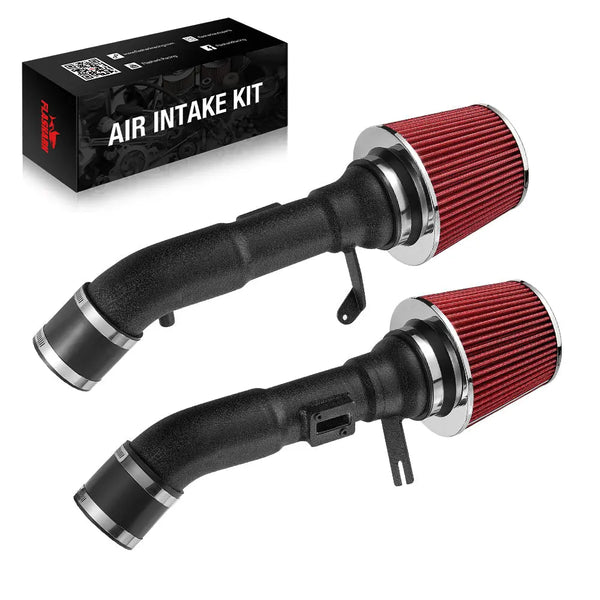
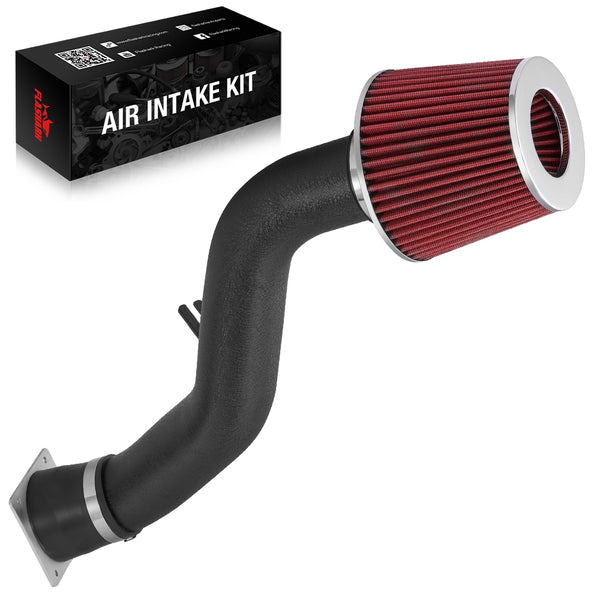
Las entradas de aire Flashark Nissan cubren aplicaciones populares como el 240SX, Altima, Maxima, 350Z y 370Z. Ya sea que estés reemplazando tuberías de fábrica agrietadas, buscando una nota de inducción más nítida o preparándote para una configuración de admisión y escape, comienza con el kit que coincida con el hardware debajo de tu capó, no simplemente con el que se vea mejor en una foto de producto.


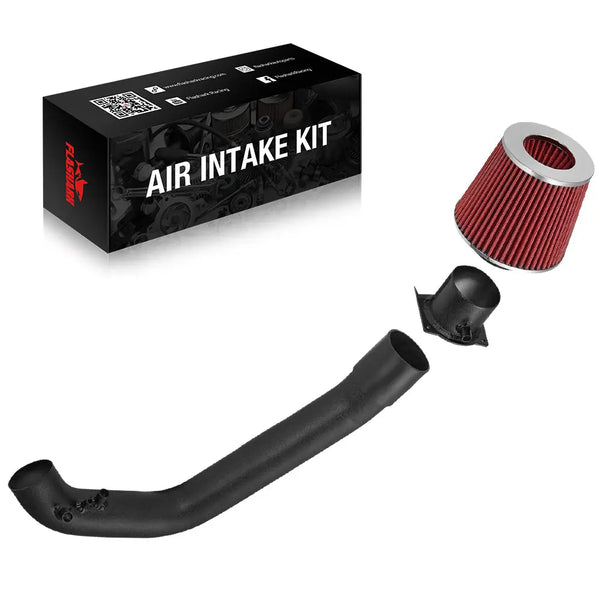
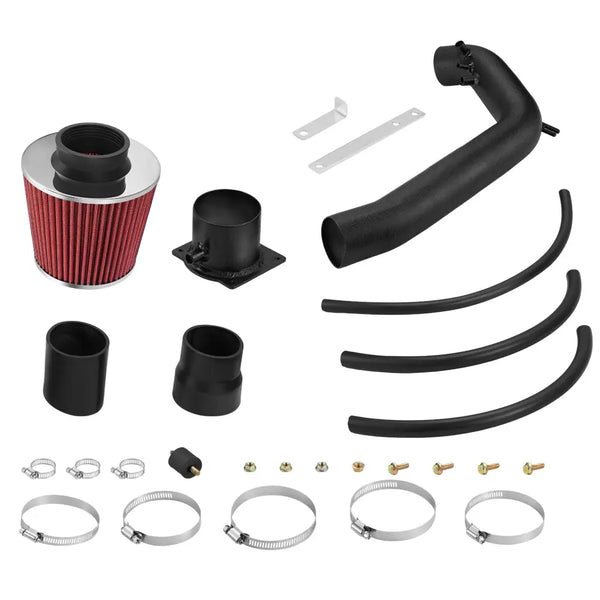
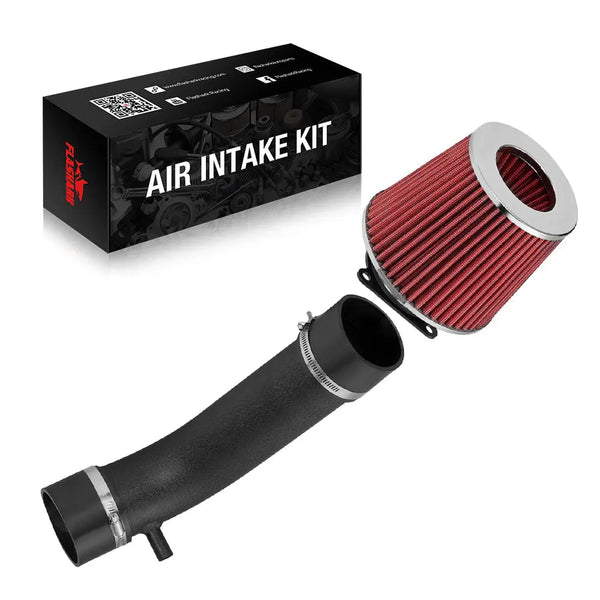
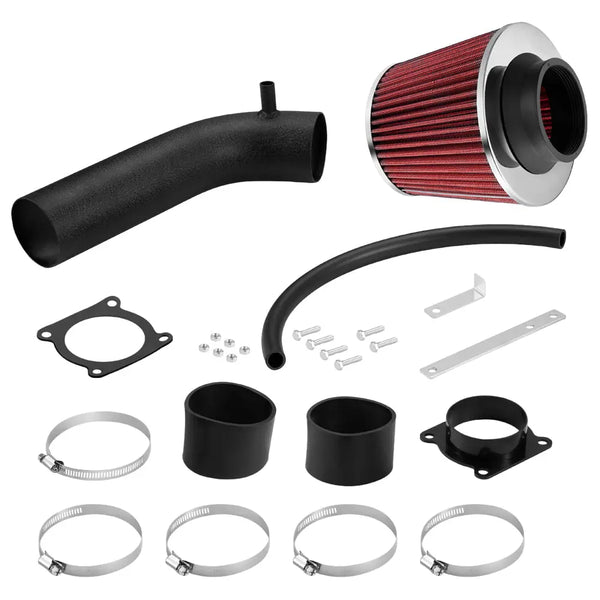


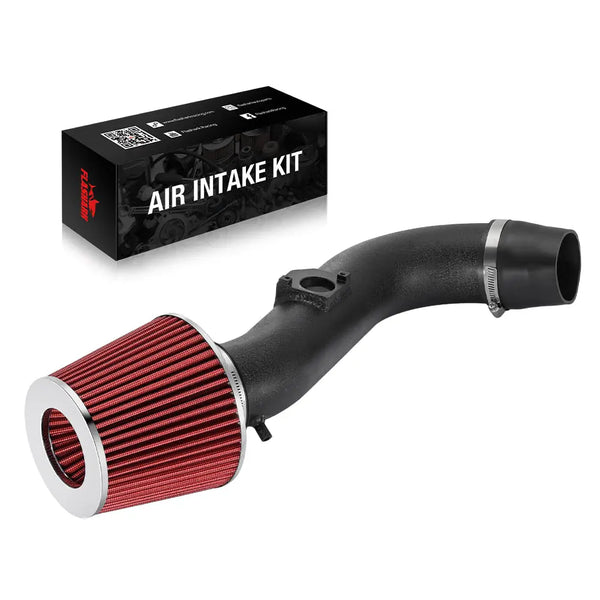
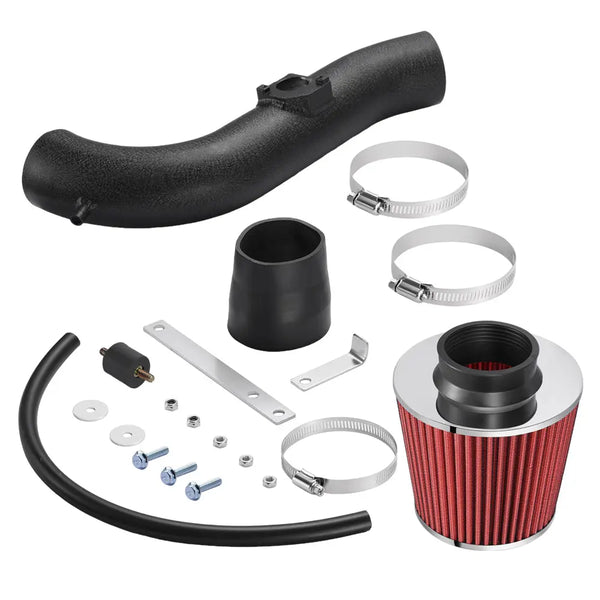

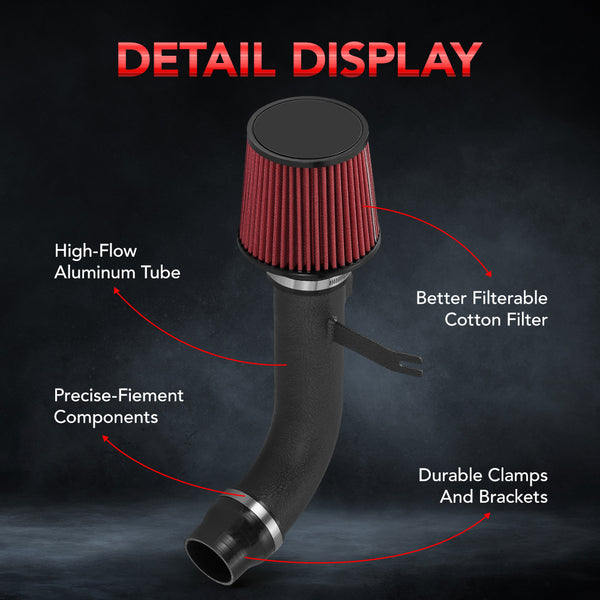
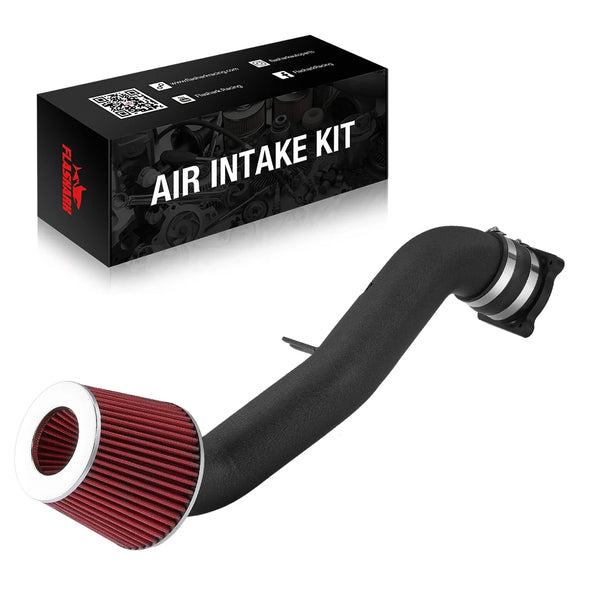

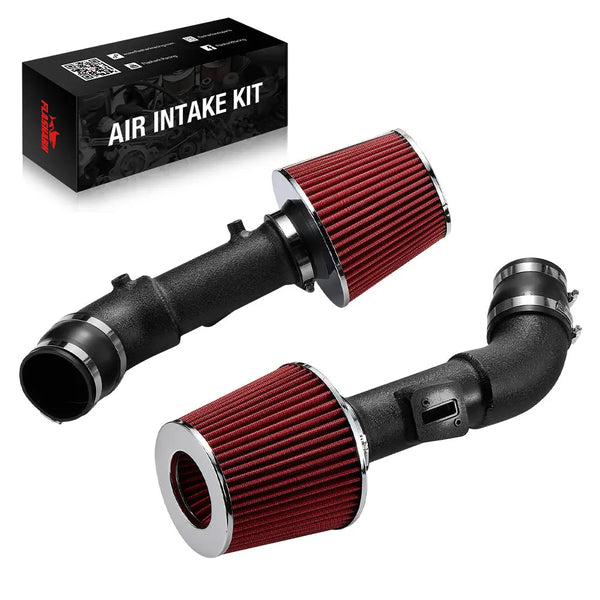
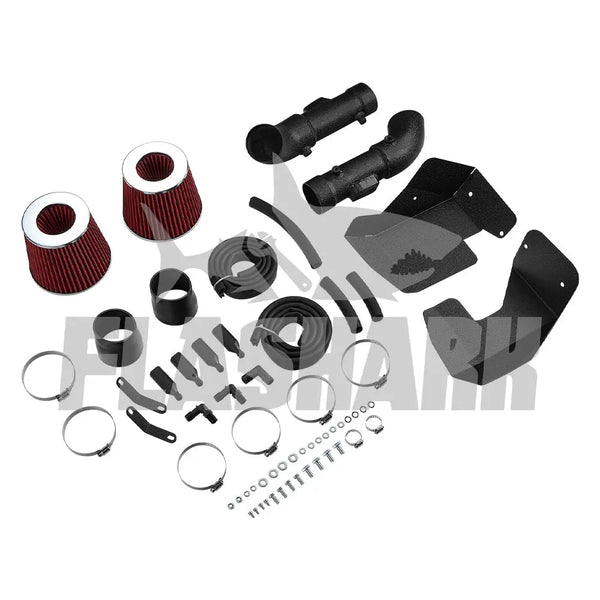
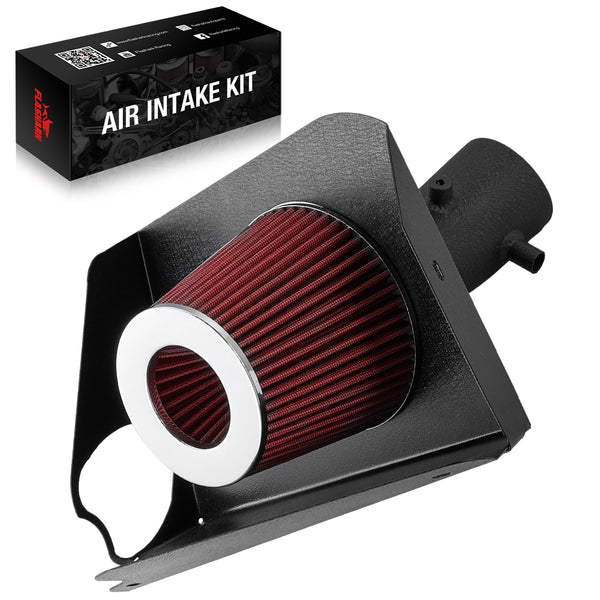
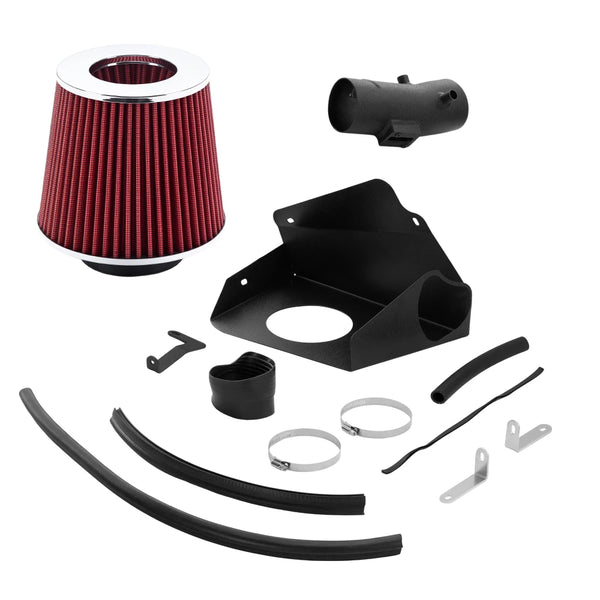


Comprar entradas de aire frío por marca: Dodge | GMC | Ford | Nissan | VW | Honda | Infiniti
Comprar por modelo: Entrada de aire frío Nissan Altima
Comprar una entrada de aire más ruidosa es fácil. Comprar una que realmente se adapte a tu Nissan, mantenga la lectura del MAF estable, libre el hardware circundante y no active una luz de "revisar motor" requiere un poco más de cuidado. Solo el nombre del modelo no es suficiente. Todavía necesitas confirmar el año, el código del motor, la disposición de los sensores, el recorrido de los tubos y la ubicación del filtro.
Las entradas de aire Flashark Nissan cubren aplicaciones populares como el 240SX, Altima, Maxima, 350Z y 370Z. Ya sea que estés reemplazando tuberías de fábrica agrietadas, buscando una nota de inducción más nítida o preparándote para una configuración de admisión y escape, comienza con el kit que coincida con el hardware debajo de tu capó, no simplemente con el que se vea mejor en una foto de producto.
Cómo elegir el kit de admisión de aire Nissan adecuado
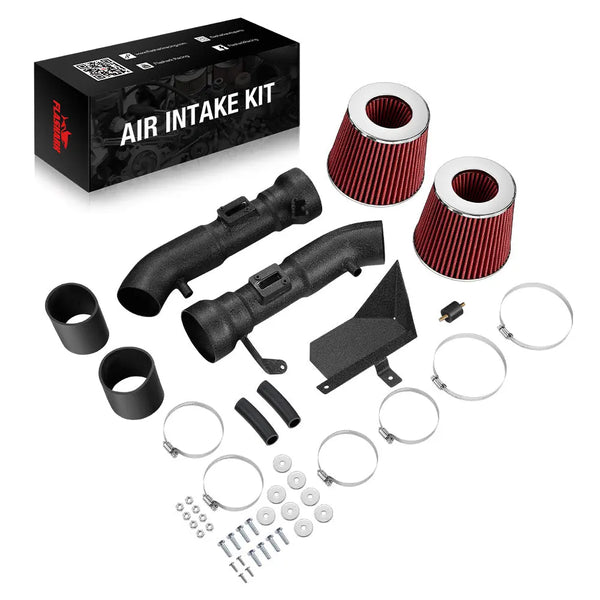
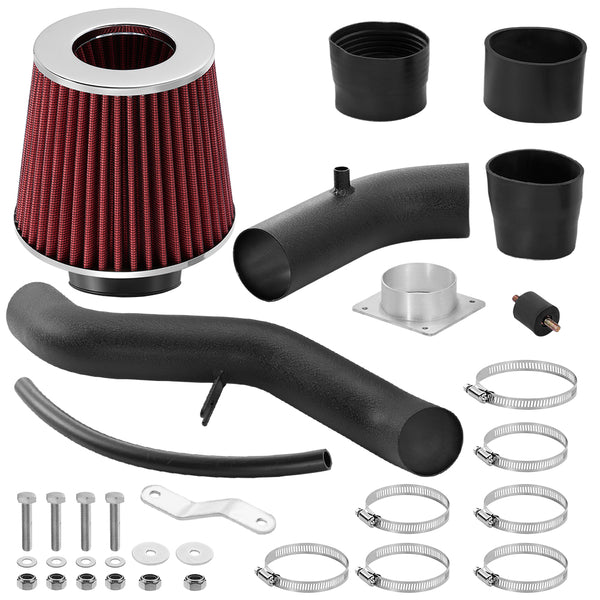
Un kit de admisión de aire Nissan parece simple cuando se extiende sobre un banco de trabajo: uno o dos tubos, un filtro, algunas abrazaderas y algunos acopladores. Dentro del compartimento del motor, los pequeños detalles empiezan a tomar el control. Un acoplador puede parecer ajustado desde arriba mientras gotea por su borde inferior. Un filtro grande puede estar en un bolsillo de aire caliente. Un tubo pulido puede colocar el sensor MAF directamente detrás de una curva pronunciada.
Por eso, la mejor admisión no siempre es la más grande, la más baja o la más ruidosa. Es la que se ajusta al motor y al chasis exactos, mantiene predecible la señal del flujo de aire y se adapta a la forma en que se usa el coche.
Antes de comprar
- El ajuste es lo primero: las aplicaciones KA24DE, QR25DE, VQ35DE y VQ37VHR utilizan diferentes rutas de admisión, soportes y configuraciones MAF.
- Espere un cambio de sonido más grande que un cambio de potencia: en un Nissan atmosférico mayormente de serie, la ganancia medible solo por la admisión suele ser modesta y a menudo permanece en el rango de un solo dígito de CV a la rueda.
- Los tubos más grandes no siempre son mejores: una carcasa MAF sobredimensionada puede cambiar la lectura del sensor y puede requerir una recalibración de la ECU.
- Un CEL merece un diagnóstico: P0101, P010B, códigos de mezcla pobre o ralentí inestable suelen indicar una fuga, un problema del sensor, un tamaño de tubo incorrecto o un error de instalación.
- La ubicación del filtro importa: un filtro de aire frío montado bajo puede ver un flujo de aire más frío, pero también está más cerca del agua estancada y los escombros de la carretera.
Por qué los propietarios de Nissan reemplazan la admisión de fábrica
No todas las cajas de aire de fábrica son restrictivas. Algunos sistemas Nissan ya toman aire del exterior de la parte más caliente del compartimento del motor y proporcionan una excelente protección contra el agua. Los propietarios suelen reemplazarlos por una de estas cuatro razones: un sonido de inducción más fuerte, el reemplazo de piezas viejas, un acceso más fácil al filtro o el soporte para una construcción con más modificaciones atornillables.
Tubos, acopladores y mangueras de ventilación viejos
En un 240SX o un 350Z temprano, el sistema de admisión original puede haber soportado miles de ciclos de calor. El caucho se endurece. Las mangueras pequeñas se rompen por debajo donde no se pueden ver. Los accesorios de plástico se vuelven quebradizos y las abrazaderas pierden tensión.
Una fuga después del sensor MAF permite la entrada de aire no medido al motor. La ECU añade combustible para el flujo de aire que midió, no para el aire adicional que se escapa por la grieta. El resultado puede ser un código de mezcla pobre, un ralentí inestable, dudas o ajustes de combustible que continúan aumentando a medida que el motor se calienta.
Más sonido de inducción
El resonador de fábrica está diseñado para mantener el habitáculo silencioso. Elimine esa amortiguación de sonido y un KA24DE se vuelve más áspero, mientras que un VQ35DE o VQ37VHR desarrolla el familiar gruñido de bordes duros a medida que se abre el acelerador.
Escuche, esto importa porque el sonido cambia la forma en que se siente el coche. Un motor más ruidoso a menudo parece más reactivo incluso cuando el dinamómetro muestra solo una pequeña diferencia. Eso no es necesariamente algo malo. Simplemente no confunda el volumen con un gran aumento de potencia.
Preparación para otras modificaciones atornillables
Una admisión tiene más sentido como parte de un plan completo de flujo de aire. Un motor de serie con un escape de fábrica puede no necesitar mucho más aire del que ya proporciona el sistema original. Añada colectores, un escape de flujo más libre, trabajo en el colector o ajuste de la ECU, y la admisión se convierte en una parte de un paquete más grande.
Las piezas aún deben estar de acuerdo entre sí. Un tubo de admisión masivo en un motor ligeramente modificado puede crear problemas de calibración sin proporcionar una ventaja útil en el flujo de aire.
Nota del mecánico: compruebe la parte inferior del acoplador
Un patrón de falla se repite una y otra vez después de las instalaciones de admisión en el camino de entrada. El borde superior del acoplador del cuerpo del acelerador o MAF parece perfectamente asentado, pero el borde inferior se ha doblado hacia adentro o se ha salido del tubo.
El coche puede seguir al ralentí. Incluso puede conducir normalmente con poco acelerador. Una vez que el movimiento del motor y un mayor flujo de aire comienzan a tirar de la unión, la fuga se abre y la ECU comienza a agregar combustible. Antes de culpar al filtro o reemplazar el MAF, inspeccione toda la circunferencia de cada acoplador con una luz y un espejo.
Lo que realmente importa en un kit de admisión
No juzgue un kit solo por el acabado de los tubos. Los detalles de ingeniería que afectan la manejabilidad suelen ser menos glamorosos: calidad de la curvatura, diámetro del tubo, ubicación del MAF, alineación de los soportes, ubicación de los puertos de las mangueras y qué tan seguro está el filtro.
Flashark ofrece opciones específicas para vehículos en varias plataformas Nissan, pero la construcción y los componentes incluidos pueden variar según el producto. Siempre verifique la lista individual antes de asumir que todos los kits utilizan el mismo filtro, diámetro de tubo o hardware.
Material y acabado del tubo
Los tubos de aluminio son populares porque son ligeros, resistentes a la corrosión y pueden formarse con curvas internas relativamente suaves. También absorben el calor del compartimento del motor. Al ralentí, un tubo de metal cerca del radiador puede calentarse rápidamente; una vez que el vehículo está en movimiento, el flujo de aire externo puede enfriarlo de nuevo.
Los acabados pulidos, negros y recubiertos cambian principalmente la apariencia y la protección de la superficie. Un tubo pulido no es más potente simplemente porque brilla.
Diseño y ubicación del filtro
Un filtro seco es fácil de mantener y conlleva menos riesgo de que el exceso de aceite del filtro llegue al elemento MAF. Un filtro engrasado puede funcionar correctamente, pero engrasarlo en exceso después de la limpieza puede contaminar el sensor.
El tamaño del filtro es solo una parte de la ecuación. Un filtro cónico enorme presionado contra el guardabarros interior puede utilizar menos de su área de superficie que un filtro más pequeño con espacio abierto a su alrededor. La ubicación también decide cuánto calor del compartimento del motor, pulverización de la carretera y agua estancada ve el filtro.
Posición de la brida MAF
El sensor MAF necesita un perfil de flujo de aire estable. Una curva pronunciada inmediatamente antes del sensor, un escalón interno, una conexión de manguera cercana o una orientación incorrecta del sensor pueden alterar la lectura.
Dos tubos con el mismo diámetro anunciado pueden comportarse de manera diferente porque los sensores se encuentran en diferentes partes de la trayectoria del flujo de aire. Esta es una de las razones por las que una admisión visualmente limpia aún puede causar recortes de combustible deficientes.
Acopladores, abrazaderas y soportes
Los acopladores deben superponerse a ambas superficies de acoplamiento lo suficiente como para permanecer sellados a medida que el motor se mueve. Las abrazaderas deben asentarse correctamente y apretarse sin cortar la silicona ni aplastar tubos delgados.
El soporte también es importante. Un tubo sin soporte puede rozar contra una manguera del radiador, tirar del cableado del MAF o permitir que el filtro golpee la carrocería bajo carga.
Admisión de aire frío vs. Admisión de aire corto
No hay un ganador universal. Una configuración de aire frío real puede colocar el filtro más cerca del flujo de aire exterior más frío. Una admisión corta suele ofrecer una instalación y un acceso al servicio más sencillos. La mejor opción depende de dónde se conduzca el coche y de lo que el propietario espere de la modificación.
| Tipo de admisión | Ubicación típica del filtro | Ventaja principal | Desventaja principal | Mejor uso |
|---|---|---|---|---|
| Caja de aire de fábrica | Compartimento del motor con conductos de fábrica | Manejabilidad consistente y buena protección contra el agua | Sonido silencioso y cambio visual limitado | Conductores diarios de serie |
| Admisión de aire corto | Parte superior del compartimento del motor | Fácil acceso y fuerte sonido de inducción | Mayor exposición al calor en el tráfico lento | Coches de calle centrados en el sonido y el mantenimiento sencillo |
| Admisión de aire frío | Zona del guardabarros o parachoques inferior | Mejor aislamiento del calor directo del compartimento del motor | Acceso más difícil y mayor exposición al agua | Propietarios que entienden la posición del filtro y las condiciones de la carretera local |
| Admisión tuneada sobredimensionada | Varía según la plataforma | Admite un mayor flujo de aire en construcciones desarrolladas | Puede requerir ajuste del MAF y ajuste de la ECU | Construcciones de plataforma Z con todos los "bolt-on" y tuneadas |
Admisión de aire corto
Una admisión de aire corto suele utilizar menos tuberías y menos curvas. El filtro sigue siendo fácil de inspeccionar y el sonido de la admisión es fuerte. Para un coche de uso diario que se mantiene alejado de aguas profundas y pasa la mayor parte de su vida en la calle, esa simplicidad tiene un valor real.
El inconveniente es el calor residual. Al estar parado en el tráfico, el filtro puede aspirar aire calentado por el radiador y el motor. No espere que un filtro abierto caliente genere una potencia heroica durante una arrancada en un semáforo.
Admisión de aire frío real
Un diseño de aire frío real mueve el filtro más cerca de una fuente de aire externa. Una vez que el coche está en movimiento, esto puede reducir la exposición directa al calor del compartimento del motor. La posición inferior también acerca el filtro a las salpicaduras de la carretera, los escombros y el agua estancada.
La lluvia normal no es lo mismo que sumergir la entrada. El peligro grave comienza cuando el filtro se encuentra lo suficientemente profundo en el agua como para que el motor aspire líquido a través del tubo.
Motores y plataformas Nissan que necesitan diferentes estrategias de admisión
Compartir una familia de motores no garantiza una compatibilidad de admisión compartida. La disposición del chasis, la posición del cuerpo del acelerador, la configuración del sensor y el empaquetado del compartimento del motor son importantes.
KA24DE: Nissan 240SX S13
El KA24DE en sí es sencillo. Las mangueras, conectores y modificaciones del propietario anterior de 30 años de antigüedad suelen ser la mayor preocupación.
Antes de instalar una nueva admisión, inspeccione el conector del MAF, el acoplador del cuerpo del acelerador, las líneas de PCV y ventilación, las mangueras de vacío y cualquier accesorio tapado. Repare primero las fugas de aire. Una admisión no puede compensar una manguera agrietada aguas abajo del MAF.
Para una construcción atmosférica de calle, primero aborde el mantenimiento y los problemas de encendido, instale la admisión y luego agregue un colector y un escape de tamaño razonable. ¿Planea una construcción turbo? La ruta de admisión atmosférica original puede no ser útil una vez que cambien las ubicaciones del compresor y del MAF.
QR25DE: Nissan Altima 2.5L
La mayoría de los Altima QR25DE son coches de uso diario. El ralentí suave y los ajustes de combustible estables importan más que perseguir un número de gama alta espectacular.
No compre solo por cilindrada. Un Altima 2007–2012 y un Altima 2013–2018 pueden llevar la insignia de 2.5L mientras usan diferentes soportes, posiciones de manguera, diseños de sensores y empaquetado del compartimento del motor.
Escanee el coche antes de la instalación. Si el P0101 ya está almacenado o pendiente, aborde el problema existente primero. Una admisión puede exponer un acoplador débil o un sensor sucio, pero no causa automáticamente todos los códigos de flujo de aire.
Una cosa más: una admisión no reparará el comportamiento lento de la CVT. Cambia la trayectoria de admisión del motor, no la transmisión.
VQ35DE: Nissan 350Z, Altima y Maxima
El VQ35DE aparece en varios modelos de Nissan, pero las configuraciones no son intercambiables. El 350Z utiliza una disposición longitudinal de tracción trasera. Las aplicaciones de Altima y Maxima colocan el motor transversalmente.
Un tubo diseñado para un 350Z no se ajustará automáticamente a la batería, el soporte del radiador, el capó o la posición del cuerpo del acelerador en un Altima simplemente porque ambos motores llevan el nombre VQ35DE.
El año del modelo también importa. Las configuraciones estándar VQ35DE, Rev-Up y VQ35HR pueden usar diferentes rutas de admisión y arreglos del cuerpo del acelerador. "Compatible con 350Z" no es suficiente información por sí solo.
Para un coche mayormente de serie, elija por ajuste, sonido y facilidad de servicio. Para una construcción atmosférica más desarrollada, considere la admisión junto con el plenum o colector, el sistema de escape y la calibración de la ECU.
VQ37VHR: Nissan 370Z
El VQ37VHR utiliza dos tubos de admisión, dos sensores MAF y dos cuerpos de aceleración. Eso significa que un pequeño error en cualquiera de los lados puede crear un problema de flujo de aire específico del banco.
Ambos acopladores deben estar asentados a una profundidad similar. Ambos filtros deben mantenerse en condiciones similares. El cableado del sensor debe permanecer holgado en lugar de estirado o presionado contra un borde afilado.
Las tomas de aire sobredimensionadas del 370Z merecen una atención adicional. Pasar de una carcasa MAF de 2.5 pulgadas a una de 3 pulgadas aumenta el área de la sección transversal en aproximadamente un 44%. Este es un cambio importante, no un aumento de tamaño cosmético. Con la misma tasa de flujo de aire, la velocidad del aire alrededor del sensor disminuye y la ECU puede necesitar una escala MAF revisada para interpretar la señal correctamente.
No instale una configuración de 3 pulgadas y asuma que la ECU de fábrica simplemente se adaptará. Confirme el requisito de ajuste para el kit exacto antes de realizar el pedido.
¿Cuánta potencia debería esperar?
Ignore por un momento las afirmaciones descabelladas de los foros. Una admisión atmosférica no fabrica caballos de fuerza. Puede reducir la restricción, alterar la temperatura de entrada y soportar un mayor flujo de aire cuando el motor pueda usarlo.
En un Nissan mayormente de serie, el resultado solo con la admisión suele ser modesto y a menudo se mantiene en el rango de un solo dígito de CV a la rueda. El número exacto depende del motor, el diseño de la admisión, el comportamiento de la ECU, la temperatura ambiente, la condición del vehículo y el método de prueba.
Tome con cautela una gran afirmación de potencia a menos que provenga del mismo coche, en el mismo dinamómetro, con la misma calibración de la ECU, bajo temperaturas comparables, antes y después de la instalación de la admisión.
Por qué el coche puede sentirse mucho más rápido
La nota de inducción se vuelve más fuerte a medida que se abre el acelerador. Ese sonido le da al conductor más retroalimentación, y más retroalimentación a menudo se siente como una mayor aceleración.
Sus oídos pueden reportar un evento importante. El dinamómetro puede reportar unos pocos caballos de fuerza. Ambas experiencias pueden ser reales, pero no son la misma medida.
Verificaciones de instalación que previenen la mayoría de los problemas
La mayoría de las quejas sobre la admisión no son causadas por el material del filtro o el acabado del tubo. Provienen de detalles de ajuste omitidos, fugas de aire, manejo del sensor o piezas que tocan donde no deberían.
Confirme el vehículo antes de ordenar
- Año exacto del modelo.
- Modelo de Nissan y generación del chasis.
- Código del motor y versión del motor.
- Configuración de MAF simple o doble.
- Cuerpo del acelerador de serie o de posventa.
- Modificaciones existentes de separador de aceite (catch can), radiador, reubicación de batería o inducción forzada.
- Requisitos locales de uso en carretera y emisiones.
Inspeccione el kit antes de la instalación
Coloque el tubo, el filtro, los acopladores, las abrazaderas, los soportes, el hardware del MAF y los accesorios de ventilación. Mire a través de la tubería y retire cualquier material de embalaje o escombros antes de que llegue al motor.
Manipule el sensor MAF con cuidado
No toque el elemento sensor. Instale el sensor en la dirección de flujo de aire prevista y asegúrese de que el conector del cableado no esté estirado ni presionado contra un borde afilado.
Vuelva a conectar cada manguera
Se debe tener en cuenta cada conexión de vacío y de ventilación. No deje un puerto abierto ni fuerce una manguera a una posición en la que se doble.
Vuelva a comprobar el sistema después de un ciclo de calentamiento
Una vez que el motor haya alcanzado la temperatura de funcionamiento y se haya enfriado de nuevo, inspeccione cada abrazadera, acoplador, manguera y soporte. La silicona se asienta y las piezas pueden moverse después del primer viaje.
Advertencia: No siga borrando un CEL relacionado con la admisión
Un P0101, P010B, código de mezcla pobre o ralentí inestable repetidos no es algo que se deba ocultar con una herramienta de escaneo. Borrar la luz no soluciona el problema del flujo de aire.
Inspeccione los acopladores, las mangueras de ventilación, la orientación del MAF, el cableado, el estado del filtro y el diámetro del tubo antes de continuar conduciendo agresivamente.
CEL, catalizadores, emisiones y agua
¿Qué causa P0101 o P010B después de la instalación?
P0101 generalmente significa que la señal de flujo de aire no coincide con lo que la ECU espera de las condiciones de funcionamiento del motor. En un Nissan de doble admisión, P010B se relaciona con el segundo circuito de monitoreo del flujo de aire.
Comience con la instalación física:
- Revise la circunferencia completa de cada acoplador.
- Inspeccione todas las mangueras de vacío y de ventilación.
- Verifique la dirección y el asiento del MAF.
- Inspeccione los pines del conector y la tensión del cableado.
- Revise el filtro en busca de contaminación u obstrucción.
- Confirme que el diámetro del tubo coincida con la aplicación prevista.
¿Una admisión dañará el catalizador?
Una admisión no elimina ni reemplaza el convertidor catalítico. Los códigos de flujo de aire como P0101 y P010B son diferentes de los códigos de eficiencia del catalizador como P0420 y P0430.
Una condición de mezcla rica o pobre continua debe repararse. Una inyección incorrecta puede afectar la manejabilidad, la temperatura de escape, el rendimiento de las emisiones y la vida útil del catalizador. Quitar el convertidor no reparará un acoplador suelto o una lectura incorrecta del MAF.
Uso en la calle y cumplimiento de las normas de California
La legalidad de la admisión depende del número de pieza exacto, la aplicación del vehículo y las regulaciones locales. Los conductores de California deben confirmar si el kit y el vehículo específicos están cubiertos por una Orden Ejecutiva CARB válida.
No asuma que un producto aprobado hace que cada admisión del mismo fabricante sea legal para cada Nissan.
Ingesta de agua
Un filtro montado bajo exige sentido común. Evite las carreteras inundadas y el agua lo suficientemente profunda como para alcanzar la entrada.
La lluvia normal no es lo mismo que sumergir el filtro. El riesgo grave de bloqueo hidráulico comienza cuando la admisión introduce una gran cantidad de agua líquida en el motor.
¿Qué kit de admisión de aire Nissan se adapta a su configuración?
Comience con el vehículo, no con el acabado. Un tubo negro que encaja es mejor que un tubo pulido que no.
| Plataforma Nissan | Motor común | Diseño de admisión | Objetivo típico | Advertencia principal |
|---|---|---|---|---|
| 240SX S13 | KA24DE | Admisión única y MAF | Reemplace piezas viejas y soporte las mejoras básicas | Inspeccione las mangueras viejas, el cableado y las modificaciones anteriores |
| Altima 2.5L | QR25DE | Admisión única y MAF | Sonido y respuesta para el día a día | Confirme la generación y el año del modelo |
| Altima / Maxima 3.5L | VQ35DE | Admisión transversal única | Sonido V6 y soporte para mejoras leves | Una admisión de 350Z no encaja automáticamente |
| 350Z Z33 | VQ35DE | Diseño de admisión longitudinal | Sonido y mejoras de aspiración natural | Confirme la compatibilidad con DE, Rev-Up o HR |
| 370Z Z34 | VQ37VHR | Doble admisión y doble MAF | Construcción completa con mejoras o afinada | Confirme el diámetro del tubo y las necesidades de afinación |
Para un coche de uso diario de serie, priorice un ajuste seguro, una ubicación protegida del filtro, lecturas estables del MAF y un mantenimiento sencillo. Para un coche de calle centrado en el sonido, una admisión corta puede tener más sentido que un sistema de montaje bajo. Para una construcción afinada de la plataforma Z, confirme el diámetro del tubo y los requisitos de la ECU antes de realizar el pedido.
¿Busca un modelo específico? Explore la colección de admisiones de aire frío para Nissan Altima. Los propietarios que comparan aplicaciones VQ compartidas también pueden revisar la colección de kits de admisión de aire Infiniti.
Preguntas frecuentes sobre los kits de admisión de aire Nissan
P1: ¿Valen la pena las admisiones de aire frío de Nissan?
R1: Pueden valer la pena por un sonido de inducción más fuerte, un acceso más fácil al filtro, el reemplazo de componentes de fábrica viejos y el soporte para modificaciones posteriores. El valor depende del objetivo del propietario y del estado de la admisión original.
P2: ¿Cuánta potencia puede añadir una admisión de aire Nissan?
R2: En un Nissan de aspiración natural en su mayoría de serie, el resultado solo con la admisión suele ser modesto y a menudo se mantiene en el rango de un solo dígito de caballos de fuerza en la rueda. El resultado exacto depende del motor, el diseño de la admisión, la ECU, la temperatura ambiente y el método de prueba.
P3: ¿Es mejor una admisión de aire frío o una admisión corta para un coche de uso diario?
R3: Una admisión corta es generalmente más fácil de instalar y mantener, y tiene menos exposición al agua profunda. Una verdadera admisión de aire frío puede ofrecer un mejor aislamiento del calor del compartimento del motor, pero requiere más cuidado con el agua estancada y el acceso al filtro.
P4: ¿Una admisión de aire Nissan necesita una afinación?
R4: Muchos sistemas específicos para vehículos que utilizan una carcasa de MAF similar a la de fábrica pueden funcionar con la ECU de serie. Los tubos de MAF sobredimensionados y las combinaciones de mejoras más desarrolladas pueden requerir afinación de la ECU.
P5: ¿Los tubos de admisión de 3 pulgadas requieren una afinación en un Nissan 370Z?
R5: Muchos sí. Una carcasa de 3 pulgadas cambia el área de la sección transversal y la velocidad del flujo de aire alrededor del sensor MAF. Confirme el requisito para el kit exacto antes de la instalación.
P6: ¿Una admisión VQ35DE puede adaptarse a todos los Nissan con un VQ35DE?
R6: No. El 350Z utiliza un diseño de motor longitudinal, mientras que las aplicaciones Altima y Maxima son transversales. El enrutamiento de los tubos, los soportes, la ubicación de la batería, la posición del cuerpo del acelerador y el espacio disponible difieren.
P7: ¿Una admisión puede causar P0101 o P010B?
R7: Estos códigos pueden aparecer cuando hay un acoplador suelto, una fuga de vacío, un sensor MAF sucio o instalado incorrectamente, un problema de cableado, un filtro obstruido o una carcasa de MAF que no coincide con la calibración de la ECU.
P8: ¿Una admisión Nissan puede causar una condición de mezcla pobre?
R8: Sí. El aire no medido que entra a través de un acoplador suelto, una manguera agrietada, un accesorio abierto o un sellado deficiente puede empujar los ajustes de combustible hacia una mezcla pobre. Una escala incorrecta del MAF puede crear un problema similar.
P9: ¿Una admisión de aire frío puede causar bloqueo hidráulico?
R9: El riesgo se vuelve grave cuando un filtro montado bajo se sumerge y aspira una gran cantidad de agua hacia el motor. La lluvia normal no es lo mismo que conducir a través de agua estancada profunda.
P10: ¿Dañará una admisión el catalizador?
R10: La admisión no retira ni reemplaza físicamente el convertidor. Sin embargo, una condición persistente de mezcla rica o pobre debe repararse porque una inyección incorrecta puede afectar el rendimiento de las emisiones y la vida útil del catalizador.
P11: ¿Una admisión de aire frío Nissan es legal en California?
R11: El número de pieza exacto y la aplicación del vehículo deben estar cubiertos por una Orden Ejecutiva CARB válida para su uso legal en las calles de California. La aprobación para un producto no cubre automáticamente todas las admisiones de la misma marca.
P12: ¿Con qué frecuencia se debe limpiar o reemplazar un filtro de admisión?
R12: Siga las instrucciones para el filtro específico e inspecciónelo con mayor frecuencia en condiciones de mucho polvo, humedad, arena o alto kilometraje. Un filtro aceitado nunca debe sobreaceitarse después de la limpieza.
Consejo de compra final
Elija la admisión que coincida con su año de modelo exacto, código de motor, diseño del sensor y condiciones de conducción. No compre solo por la cilindrada del motor y no asuma que un tubo más grande produce automáticamente más potencia.
Revise los detalles de ajuste de cada kit de admisión de aire Nissan, confirme si se requiere afinación o aprobación de emisiones, e inspeccione cada conexión después de la instalación. Si hace bien esos puntos básicos, la admisión se convierte en una mejora útil y limpia. Si los hace mal, puede pasar el fin de semana persiguiendo una fuga de aire en lugar de conducir el coche.


