


Nissan Altima Cold Air Intake
Shop Nissan Cold Air Intakes: Chevrolet & GMC Air Intake Kits
Shop Nissan Altima cold air intake kits for select 2002–2018 applications, including 2.5L QR25DE and 3.5L VQ35DE setups. These kits replace the bulky factory airbox with a more direct intake path, an open cone-filter design, and a stronger induction note when you get into the throttle.
Fitment is not the same across every Altima. The 2007–2012 2.5L and 3.5L engines use completely different intake layouts, while the earlier 2002–2006 V6 kits and later 2013–2018 four-cylinder kits have their own tube routing, mounting points, and included components.
Select your exact model year, engine, and body style, then confirm the fitment and included parts on the individual product page before ordering.

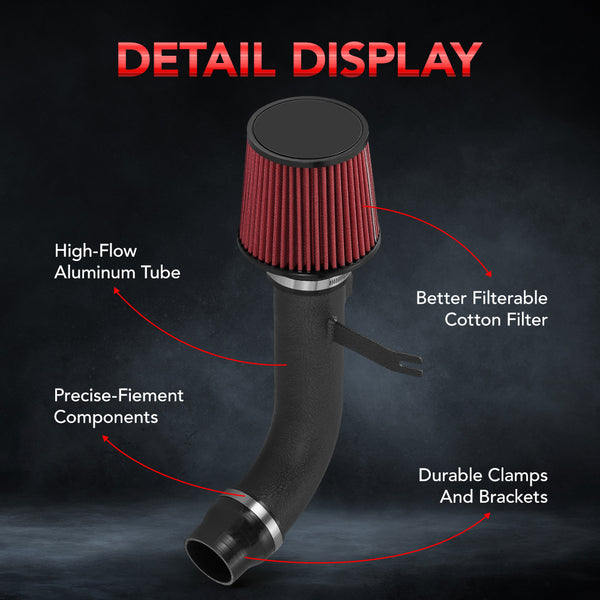
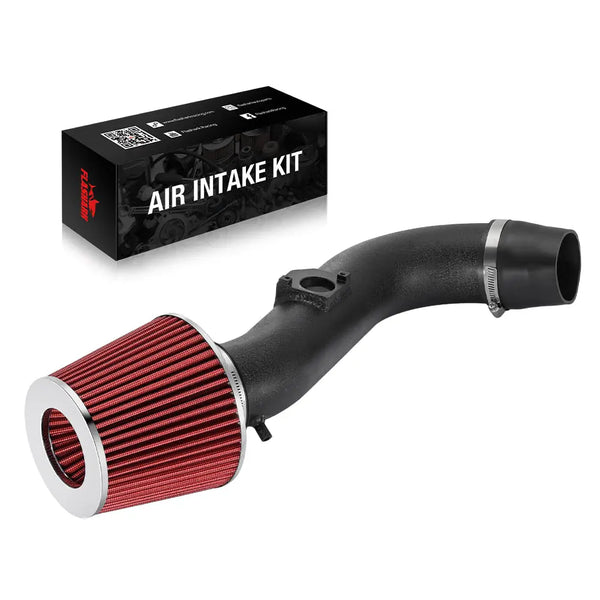
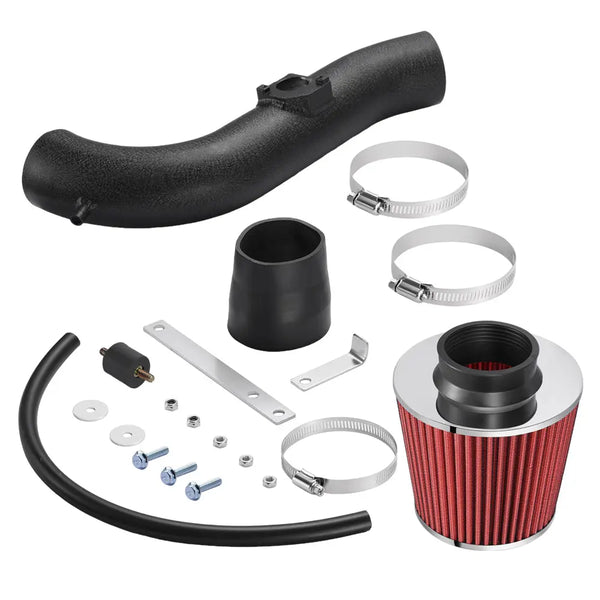
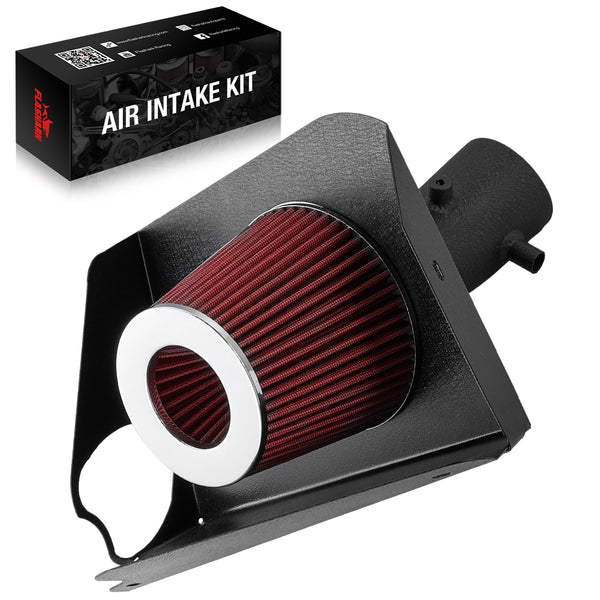
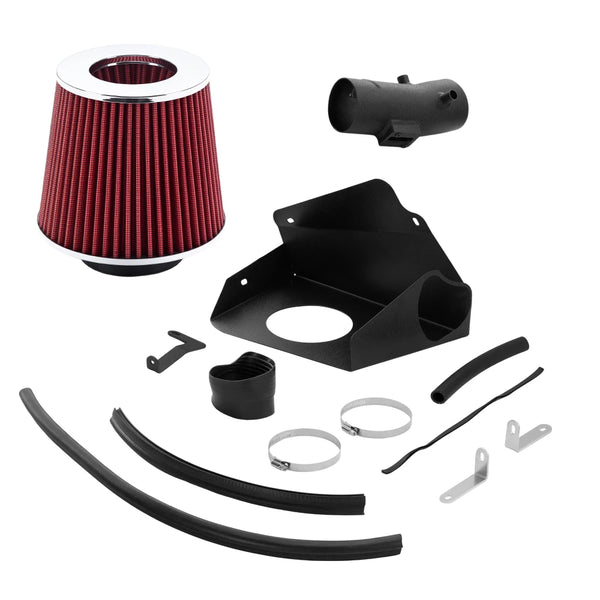


Shop Nissan Cold Air Intakes: Chevrolet & GMC Air Intake Kits
Shop Nissan Altima cold air intake kits for select 2002–2018 applications, including 2.5L QR25DE and 3.5L VQ35DE setups. These kits replace the bulky factory airbox with a more direct intake path, an open cone-filter design, and a stronger induction note when you get into the throttle.
Fitment is not the same across every Altima. The 2007–2012 2.5L and 3.5L engines use completely different intake layouts, while the earlier 2002–2006 V6 kits and later 2013–2018 four-cylinder kits have their own tube routing, mounting points, and included components.
Select your exact model year, engine, and body style, then confirm the fitment and included parts on the individual product page before ordering.
Choosing the Right Nissan Altima Cold Air Intake
Here is the part that matters: an Altima badge by itself does not tell you which intake fits. Nissan used different engine families, intake paths, MAF locations, throttle-body positions, and engine-bay layouts across the model years covered on this page. A pipe that fits a 2007 Altima 2.5L will not bolt onto a 2007 Altima 3.5L just because both cars share the same body generation.
Start with the year. Then check the engine. After that, look at the actual hardware in the kit. Flashark offers several intake configurations for these applications, including heat-shielded open-filter systems, shorter engine-bay intake pipes, and multi-section tube kits. They may sit in the same collection, but they are not interchangeable.
Before You Buy
- 2007–2018 2.5L owners: Confirm that the kit is made for the correct QR25DE model-year range. A 2007–2012 kit should not be assumed to fit a 2013–2018 car.
- 2002–2012 3.5L owners: Look beyond the engine size. Compare the tube layout, heat shield, body-style notes, and listed model years.
- Altima Coupe owners: Do not rely on the word “Altima” alone. Sedan and Coupe engine bays may require different brackets or routing.
- Maxima owners: Shared VQ35DE fitment only applies when the exact Maxima year is listed on the individual product page.
- Check-engine light after installation: Inspect the MAF position, couplers, clamps, breather hoses, and unused ports before assuming the sensor has failed.
Match the Intake to Your Altima Year and Engine
The collection breaks into four practical application groups. The engine code is the fastest way to separate the four-cylinder kits from the V6 kits, but it is not the only check. The model-year range and body style still matter because tube bends and mounting locations changed as the Altima platform evolved.
| Altima Application | Engine | Available Intake Layout | What to Verify | Product Options |
|---|---|---|---|---|
| 2002–2006 Altima | 3.5L VQ35DE V6 | Single-filter systems with one-piece or multi-section intake tubing | Exact year, Altima versus Maxima listing, tube layout, included brackets, and filter position |
2002–2006 Altima 3.5L two-piece intake kit 2002–2006 Altima 3.5L aluminum intake kit |
| 2007–2012 Altima | 2.5L QR25DE inline-four | Single-MAF, open-filter intake with vehicle-specific tube routing | 2.5L engine, Sedan or Coupe coverage, MAF flange, heat-shield contents, and hose connections | 2007–2012 Altima 2.5L QR25DE intake |
| 2007–2012 Altima | 3.5L VQ35DE V6 | Heat-shielded or shorter open-filter aluminum intake designs | V6 engine, Sedan or Coupe coverage, heat-shield inclusion, tube length, and mounting hardware |
2007–2012 Altima 3.5L heat-shield intake 2007–2012 Altima 3.5L aluminum intake |
| 2013–2018 Altima | 2.5L QR25DE inline-four | Single-filter intake designed around the later Altima engine-bay layout | 2.5L naturally aspirated engine only; do not use for 3.5L, Hybrid, or unlisted applications | 2013–2018 Altima 2.5L cold air intake |
Do not choose from that table by pipe color or price alone. Two kits can both be labeled for a 3.5L Altima while using different tube lengths, brackets, shields, and filter locations. Look at the product photos, compare the listed components, and make sure the MAF mounting section matches the factory layout on your car.
What the Different Altima Intake Designs Actually Change
Not every product sold as a cold air intake puts the filter deep behind the bumper. Some of the Altima kits use an open cone filter inside the engine bay with a partial heat shield. Others use a shorter aluminum tube with no enclosed airbox. The earlier VQ35DE options may use multiple tube sections to route the filter farther from the throttle body.
That distinction matters. A heat shield can reduce direct exposure to radiator and exhaust-side heat, but it is not the same thing as a sealed airbox. A shorter intake usually produces a sharper, more immediate induction sound because the filter sits closer to the engine. A longer tube may move the filter toward a cooler area, though it also creates more joints, clamps, and potential leak points.
Listen, the polished pipe is the easy part. The important hardware is less glamorous: the MAF flange, couplers, hose fittings, support bracket, filter location, and clearance around the battery, radiator hose, hood, and surrounding wiring. Those pieces decide whether the intake fits cleanly or spends the next six months rubbing against something.
Sound, Power, and Daily Driving Expectations
The most obvious change is usually sound. With the factory resonator and closed airbox removed, the engine becomes more vocal when the throttle opens. A QR25DE four-cylinder tends to produce a harder intake growl through the midrange. The VQ35DE has a deeper induction note, especially as engine speed climbs.
At light throttle, the difference may be subtle. Push farther into the pedal and the intake becomes much easier to hear. That is normal. It does not mean the engine is suddenly making huge power, and it does not mean anything is wrong.
Ignore the forum claims promising a fixed double-digit wheel-horsepower increase from every intake. Without a same-car, same-dyno, same-weather baseline test, that number is just noise. Actual results depend on the intake geometry, MAF calibration, filter restriction, exhaust setup, ECU behavior, ambient temperature, fuel quality, and the mechanical condition of the car.
A properly fitted Nissan Altima cold air intake can support a cleaner intake path and make the engine sound less muted. It should not be sold as a guaranteed cure for weak acceleration, poor fuel economy, a dirty throttle body, failing ignition coils, a clogged catalytic converter, or an aging CVT.
MAF Fitment and Check-Engine Light Diagnosis
Both the QR25DE and VQ35DE rely on the mass airflow sensor to tell the ECU how much air is entering the engine. When an aftermarket intake changes the MAF housing diameter, sensor depth, airflow angle, or the amount of turbulence passing the sensor, fuel-trim behavior can change.
A vehicle-specific intake that retains a factory-style MAF position will often operate without an ECU tune. Still, “usually” is not the same as “always.” If the car develops a rough idle, hesitation, lean code, or P0101-style airflow code after installation, start with the hardware you just touched.
Mechanic’s Diagnostic Note
A common failure pattern goes like this: the intake looks fully installed from above, the engine starts, and the idle seems acceptable. Under light acceleration, though, it hesitates or sets an airflow or lean code. The MAF gets blamed first. That is often the wrong starting point.
Shut the engine off and inspect the complete circumference of every coupler. The lower edge of a tube can sit outside the silicone coupler even when the top edge looks perfect. Loosen the clamp, seat the tube fully past the coupler lip, and retighten it evenly. Then confirm that the MAF sensor is installed in the same airflow orientation as it was in the factory housing and that the electrical connector latch is fully engaged.
Next, check every breather hose and vacuum connection. An unused nipple must be capped only when the product instructions call for it; a required crankcase hose must never be left open. Make sure the filter clamp is tight, the filter neck is not folded, and the intake pipe is not pulling sideways against the throttle-body coupler.
If the installation passes those checks and the code returns, inspect the MAF sensor for contamination and smoke-test the intake tract for unmetered air before replacing parts. Swapping sensors without finding the leak usually wastes money and leaves the original fault untouched.
Why Shared Engines Do Not Guarantee Shared Fitment
Nissan used the QR25DE and VQ35DE across several vehicles, but an engine code is only one part of fitment. The Altima uses a transverse engine layout. A 350Z or G35 with a longitudinal VQ35DE positions the throttle body, radiator support, battery, and intake path differently. Those systems do not become interchangeable just because the valve covers say VQ35DE.
The same caution applies to Altima and Maxima applications. Some early 3.5L products may list both models, but you still need the exact year range. Body clearance, bracket locations, hose routing, and MAF placement can change even when both cars use a transverse V6.
Sedan and Coupe fitment also deserves a second look on 2007–2012 Altimas. The engines may match, but the front structure and available routing space are not always identical. When a product page limits coverage to one body style, take that note seriously.
Fitment and Safety Warning
- Do not order by engine displacement alone. Confirm the year, model, engine, and body style.
- Do not assume an Altima kit fits a Maxima, 350Z, G35, or another Nissan simply because it uses the same engine family.
- If the selected intake places the filter low in the fender or bumper area, avoid deep standing water and inspect the filter after severe rain or flooding.
- An intake rubbing against wiring, a radiator hose, the battery tray, or the hood must be repositioned before regular driving.
- Emissions legality varies by location and part number. Verify local requirements and any required CARB Executive Order before road use.
Filter Care and Installation Checks for a Daily-Driven Altima
Open cone filters are easy to inspect, but they are not maintenance-free. Dirt accumulates faster when the filter sits in an exposed engine-bay location or behind a fender opening. Check it during routine oil-service intervals and inspect it sooner if the car sees dusty roads, construction zones, heavy rain, or long daily commutes.
Follow the cleaning method specified for the filter supplied with the kit. A dry filter should not be soaked in filter oil. An oiled filter should not be saturated until oil drips from the media. Excess oil can migrate onto the MAF sensing element and create inaccurate airflow readings.
After installation, check the intake again after several heat cycles. Silicone couplers settle, brackets shift, and clamps that felt tight on a cold engine may need a small adjustment. Look for polished rub marks on the tube, torn coupler edges, loose filter necks, stretched wiring, and contact with nearby hoses.
Also confirm that the intake pipe has enough movement to follow normal engine motion without striking the body. The engine rocks under load. A pipe installed with zero clearance in the driveway can knock against the chassis as soon as the car is placed in gear.
Final Checks Before Ordering
Keep the decision simple. Match the application first, then choose the intake layout that suits the car and the way you drive it.
- Confirm the Altima model year.
- Confirm the 2.5L QR25DE or 3.5L VQ35DE engine.
- Check Sedan or Coupe coverage where applicable.
- Compare the intake tube shape with the factory engine-bay layout.
- Verify whether the heat shield, brackets, couplers, clamps, and hose fittings are included.
- Check the filter location if the car is driven through frequent heavy rain or standing water.
- Review the individual product Fitment section before placing the order.
A clean fit is worth more than a flashy pipe that does not belong on the car. Pick the Flashark intake designed around your exact Altima application, install it without air leaks, and give every clamp and hose connection one final inspection before closing the hood.
Nissan Altima Cold Air Intake FAQs
Q1: Is a Nissan Altima cold air intake worth installing?
A1: It can be worthwhile when you want a stronger induction sound, an open reusable-filter design, and a less bulky intake path. Do not expect the intake alone to transform a stock Altima or guarantee a fixed horsepower increase.
Q2: What will an aftermarket intake change on my Altima?
A2: The clearest change is usually a louder intake note when the throttle opens. The engine may feel less muted, but the exact performance result depends on the intake design, MAF calibration, vehicle condition, weather, fuel, and other modifications.
Q3: Does an Altima cold air intake require a tune?
A3: Many vehicle-specific kits that retain a factory-style MAF position can operate on the stock ECU. A tune may be needed when the MAF housing size changes significantly, the car has additional modifications, or fuel trims cannot remain within a normal range.
Q4: Will a 2007–2012 Altima 2.5L intake fit the 3.5L V6?
A4: No. The QR25DE four-cylinder and VQ35DE V6 use different throttle-body locations, tube shapes, MAF arrangements, hose connections, and mounting points.
Q5: Do 2007–2012 V6 intake kits fit both the Altima Sedan and Coupe?
A5: Body-style coverage varies by kit. Confirm whether the individual product page specifically lists the Sedan, Coupe, or both before ordering.
Q6: Can an Altima 3.5L intake also fit a Nissan Maxima?
A6: Some early VQ35DE products list both vehicles, but shared engine displacement does not guarantee shared fitment. The exact Maxima model year must appear in the product-level Fitment information.
Q7: Can an intake cause a P0101 code or check-engine light?
A7: Yes. Common causes include a loose coupler, an open breather connection, incorrect MAF orientation, a partially connected sensor plug, contaminated MAF elements, or an intake housing that changes airflow across the sensor.
Q8: How often should I clean the cone filter?
A8: Inspect it during routine service and more often in dusty or wet conditions. Clean it according to the instructions for the exact dry or oiled filter supplied with the kit.
Q9: Is a cold air intake safe to use in heavy rain?
A9: Normal rain is generally different from submerging the filter. If the selected kit places the filter low in the fender or bumper, avoid deep standing water because drawing liquid into the engine can cause severe damage.
Q10: Are these Altima intake kits emissions legal?
A10: Legality depends on the exact product, vehicle application, and local regulations. Check whether a CARB Executive Order or other approval is required in your area before using the intake on public roads.


