


 Need car parts? Shop by vehicle
(Select the exact fit for your vehicle)
Need car parts? Shop by vehicle
(Select the exact fit for your vehicle)
Toma de aire frío de VW
Comprar entradas de aire frío por marca: Chevrolet/GMC | Dodge | Ford | Nissan | Volkswagen | Honda | Infiniti | Jeep | Toyota
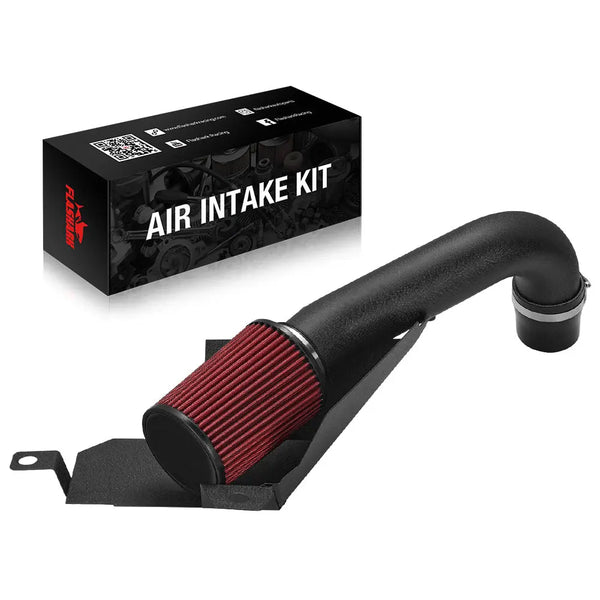
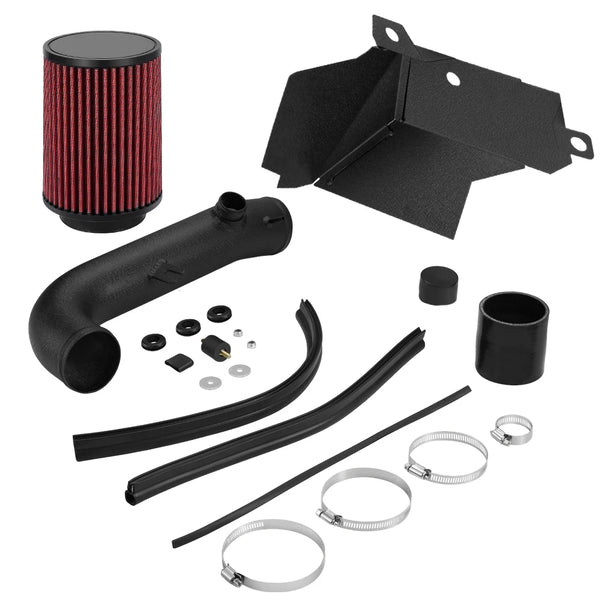
Compre kits de admisión de aire frío VW para aplicaciones seleccionadas de Golf, GTI, Jetta, GLI, Passat y Beetle. Los sistemas que se muestran aquí utilizan tuberías específicas para la aplicación, filtros cónicos y blindaje térmico en kits seleccionados para reemplazar las secciones restrictivas de la trayectoria de admisión de fábrica y producir un mayor sonido de inducción sin convertir el compartimento del motor en un proyecto científico.
La cobertura actual incluye aplicaciones seleccionadas de Volkswagen desde 1999 hasta 2017, incluidos los motores 2.8L VR6, 2.0L TDI y motores 1.8T y 2.0T TSI seleccionados. Estos motores no comparten la misma carcasa MAF, conexiones de manguera, puntos de montaje o enrutamiento de admisión, incluso cuando dos coches tienen la misma cilindrada o el mismo nombre EA888.
Seleccione su modelo exacto, año del modelo y motor, luego confirme los detalles de ajuste en la página del producto individual antes de realizar el pedido.
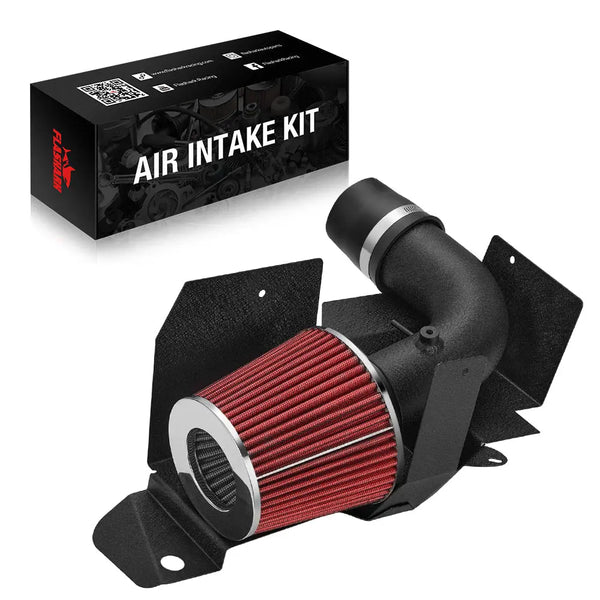
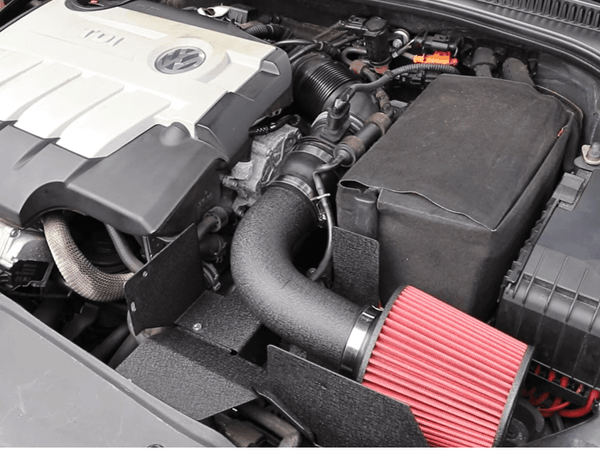


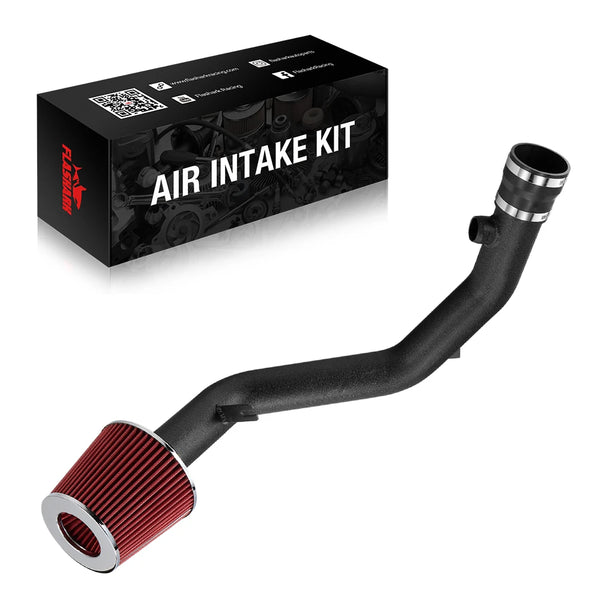
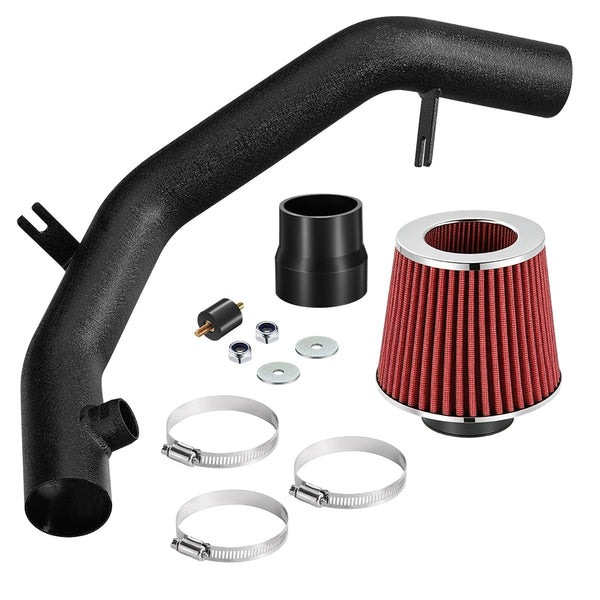
Comprar entradas de aire frío por marca: Chevrolet/GMC | Dodge | Ford | Nissan | Volkswagen | Honda | Infiniti | Jeep | Toyota
Compre kits de admisión de aire frío VW para aplicaciones seleccionadas de Golf, GTI, Jetta, GLI, Passat y Beetle. Los sistemas que se muestran aquí utilizan tuberías específicas para la aplicación, filtros cónicos y blindaje térmico en kits seleccionados para reemplazar las secciones restrictivas de la trayectoria de admisión de fábrica y producir un mayor sonido de inducción sin convertir el compartimento del motor en un proyecto científico.
La cobertura actual incluye aplicaciones seleccionadas de Volkswagen desde 1999 hasta 2017, incluidos los motores 2.8L VR6, 2.0L TDI y motores 1.8T y 2.0T TSI seleccionados. Estos motores no comparten la misma carcasa MAF, conexiones de manguera, puntos de montaje o enrutamiento de admisión, incluso cuando dos coches tienen la misma cilindrada o el mismo nombre EA888.
Seleccione su modelo exacto, año del modelo y motor, luego confirme los detalles de ajuste en la página del producto individual antes de realizar el pedido.
Cómo elegir el kit de admisión de aire frío VW adecuado
Una admisión de aire Volkswagen no es algo que deba elegirse solo por la cilindrada del motor. VW utilizó varias configuraciones de admisión no relacionadas en los modelos Golf, GTI, Jetta, GLI, Passat y Beetle, e incluso los automóviles con el mismo distintivo de 2.0L pueden tener diferentes sensores, accesorios de manguera, entradas de turbo, soportes y holguras en el compartimiento del motor. Esta es la respuesta directa: compare la aplicación completa, no solo el número impreso en la tapa del motor.
Antes de comprar
- Cobertura actual: Aplicaciones seleccionadas de Golf, GTI, Jetta, GLI, Passat y Beetle de 1999 a 2017.
- Familias de motores: 2.8L VR6, 2.0L TDI CJAA y motores 1.8T o 2.0T EA888 TSI seleccionados.
- Diseño de la admisión: Los productos disponibles son principalmente sistemas de un solo paso y elemento abierto con tubos de aluminio y filtros cónicos secos.
- No asuma la intercambiabilidad: Una cilindrada compartida, el nombre EA888 o la plataforma no garantizan un ajuste coincidente.
- Expectativas de rendimiento: Espere más sonido de admisión y una ruta de flujo de aire revisada, pero no trate una afirmación genérica de caballos de fuerza como un resultado de dinamómetro específico del producto.
Compare el ajuste de la admisión de aire frío VW
La siguiente tabla es un punto de partida, no un sustituto de la lista de productos individual. Volkswagen cambió suficiente hardware entre estas familias de motores como para que un kit pueda parecer similar en una foto y aun así ser incorrecto en la carcasa del MAF, la entrada del turbo, la conexión de vacío o el soporte de montaje.
| Aplicación Volkswagen | Motor | Estructura de admisión | Lo que debe verificarse |
|---|---|---|---|
| Golf, GTI y Jetta 1999–2004 | 2.8L VR6 | Tubo de admisión único de aluminio con filtro cónico de elemento abierto | Confirme la aplicación exacta del VR6, la disposición del sensor, las ubicaciones de las mangueras y el hardware de montaje incluido. |
| Golf y Jetta 2010–2014; Passat 2012–2014; Beetle 2013–2014 | 2.0L TDI CJAA | Tubo de admisión único de 70 mm, o aproximadamente 2.75 pulgadas, con filtro cónico seco y aislamiento térmico listado | Verifique el código del motor, la carcasa del MAF, las conexiones de la caja de aire de fábrica y la lista exacta de vehículos que se muestra en la página del producto. |
| Aplicaciones seleccionadas de Golf GTI MK5/MK6 y Jetta GLI | 1.8T o 2.0T TSI EA888 | Admisión única de elemento abierto con tubos de aluminio y aislamiento térmico en configuraciones seleccionadas | Confirme el año del modelo, la generación del EA888, la conexión del PCV, el diámetro de la entrada del turbo y la disposición de los sensores. |
| Golf GTI MK7 2015–2017 y aplicaciones seleccionadas de Golf 1.8T | 1.8T o 2.0T TSI EA888 Gen 3 | Admisión única de elemento abierto con tubo de aluminio, filtro seco y escudo térmico | No asuma el ajuste para Golf R, Audi A3/S3 o aplicaciones MK7.5 de 2018 en adelante. |
Las admisiones VR6, TDI y TSI no son intercambiables
Una admisión VR6 de 2.8L tiene casi nada en común con un sistema TDI de 2.0L más allá de la función básica de alimentar aire al motor. El VR6 utiliza una configuración de seis cilindros de aspiración natural, mientras que el TDI dirige el aire medido a un sistema diésel turboalimentado. Si pasamos a un 2.0T TSI, estamos tratando con otra combinación de geometría de entrada del turbo, tuberías del PCV, ubicación de los sensores y empaquetado de la cubierta del motor.
El nombre EA888 causa mucha confusión por sí mismo. Hay múltiples generaciones de EA888, y no se debe asumir que una admisión diseñada para un compartimento del motor MK5 o MK6 se ajustará a un MK7 solo porque ambos coches usan un 2.0T TSI. El filtro puede caber físicamente en la esquina. Eso no prueba nada. El ángulo del tubo, la pestaña de montaje, la conexión del respiradero y el acoplador del lado del turbo aún tienen que alinearse correctamente.
La misma advertencia se aplica a las plataformas compartidas de VW y Audi. Un Golf, Audi A3 y Audi S3 pueden compartir partes de su arquitectura subyacente, pero el empaquetado de accesorios y el enrutamiento de la admisión pueden diferir. No deje que un comentario de un foro que diga "misma plataforma, hermano" reemplace una verificación de ajuste real.
Qué cambian realmente estos diseños de admisión de aire de VW
Estos kits de admisión de VW utilizan principalmente una única ruta de admisión, tubos de aluminio y un filtro cónico seco expuesto. Algunos kits seleccionados también utilizan un escudo térmico para separar el filtro de parte del aire caliente que sale del radiador, el turbocompresor o el lado de escape del motor.
Un filtro abierto suele hacer que la admisión sea más fácil de escuchar. En un motor TSI, eso puede significar más sonido de giro del turbo, movimiento del compresor y válvula de desvío. Un TDI tiende a producir una nota de respiración del turbo más aguda que el mismo rugido del motor de gasolina. El VR6 es diferente de nuevo; sus pulsos de admisión más largos pueden producir un sonido de inducción más profundo y mecánico a medida que aumentan las revoluciones del motor.
Eso no hace de cada filtro abierto un verdadero sistema de aire frío montado en el guardabarros. La ubicación del filtro, la cobertura del escudo térmico, la temperatura del motor, la velocidad del vehículo y el conducto de aire fresco de fábrica afectan el aire que llega al filtro. La descripción honesta es un sistema de admisión del mercado de accesorios con un filtro de elemento abierto y un enrutamiento específico para la aplicación.
Establezca expectativas realistas de potencia y manejabilidad
No se han proporcionado datos de dinamómetro para la misma colección de vehículos y en el mismo día, por lo que una afirmación fija de caballos de fuerza en las ruedas sería una conjetura. Los resultados de la admisión cambian con el motor, la calibración de fábrica, la demanda del turbocompresor, la configuración del escape, la temperatura ambiente, la acumulación de calor y si la calibración de la ECU se escribió para la nueva ruta de flujo de aire.
En un vehículo de uso diario que, por lo demás, es de serie, el cambio más obvio suele ser el sonido. El motor se hace más fácil de escuchar bajo carga, mientras que la conducción normal puede permanecer bastante contenida. Algunos conductores también pueden notar una respuesta más directa al abrir el acelerador, pero eso no es algo que se pueda prometer en todas las aplicaciones de VR6, TDI y TSI.
Los coches turboalimentados tuneados pueden exigir más a la admisión que los coches de serie, especialmente cuando aumentan los objetivos de sobrealimentación y el flujo de aire. En esa situación, la admisión es una parte del sistema. La entrada del turbo, el intercooler, las tuberías de carga, la restricción del escape, la calidad del combustible y la calibración siguen siendo importantes.
Comprobaciones de ajuste e instalación que realmente importan
Antes de quitar la caja de aire de fábrica, compare el nuevo kit con el vehículo que tiene delante. Compare las fotos del producto con la carcasa del MAF, los accesorios del respiradero, la manguera del PCV, los puertos de vacío, la entrada del turbo, la ubicación de la batería, el depósito de refrigerante y los puntos de montaje. Luego inspeccione los diámetros de los acopladores. Estar unos pocos milímetros fuera es suficiente para crear una conexión que parece ajustada hasta que el motor se mueve bajo carga.
- Haga coincidir el año del modelo y el motor completos, no solo "2.0L".
- Confirme el código del motor cuando la lista del producto lo especifique.
- Compruebe la dirección del sensor MAF antes de apretar la carcasa.
- Asegúrese de que todas las conexiones del respiradero, el PCV y el vacío estén reconectadas.
- Mantenga el tubo de admisión alejado de correas, ventiladores, cableado y superficies metálicas calientes.
- Verifique que el escudo térmico y el filtro no puedan golpear el capó cuando el motor se mueva.
- Inspeccione cada abrazadera de nuevo después del primer ciclo de calor completo.
Nota del técnico: Diagnostique lo simple primero
Cuando un VW desarrolla un ralentí irregular o se enciende la luz de revisión del motor inmediatamente después de la instalación de una admisión, empiece por las piezas que acaba de tocar. Compruebe el conector MAF, la dirección del sensor, el asentamiento del acoplador, las conexiones de la manguera y las abrazaderas antes de culpar al filtro o de pedir una reprogramación.
Una pequeña fuga después del MAF puede introducir aire que la ECU no midió. Un acoplador doblado puede hacer lo mismo solo cuando el motor se balancea bajo carga. El orden de diagnóstico sensato es la inspección visual, la prueba de humo o fugas, los códigos de error del escáner, la revisión del ajuste de combustible y solo entonces una discusión sobre la calibración.
Reprogramación, luz de verificación del motor, emisiones y exposición al agua
Algunos kits de admisión de aire frío VW específicos para cada aplicación pueden funcionar con la calibración de la ECU de fábrica, pero esto debe confirmarse en la página de producto individual. Una carcasa de MAF más grande o con una forma diferente puede cambiar la relación entre el flujo de aire real y la señal que espera la ECU. Cuando esa relación se desvía demasiado, pueden aparecer ajustes de combustible, problemas de conducción o códigos de avería.
Una luz de verificación del motor no significa automáticamente que la admisión sea defectuosa. Las causas comunes incluyen un sensor desconectado, una orientación del MAF invertida, una fuga de aire después del sensor, una manguera del PCV conectada incorrectamente o un kit destinado a una generación de motor diferente. Lea el código antes de reemplazar piezas. Adivinar se vuelve caro rápidamente.
Advertencia de ajuste y legal
Una cilindrada compartida, una etiqueta de familia de motores EA888 o una plataforma compartida VW/Audi no garantizan que una admisión se ajuste. Confirme el modelo, el año del modelo, el código del motor, la disposición de los sensores, las conexiones de las mangueras y las exclusiones del producto antes de realizar el pedido.
Los requisitos de emisiones varían según el estado y la jurisdicción. No asuma que una admisión del mercado de accesorios es legal para todos los vehículos de carretera a menos que el producto tenga la documentación requerida en su área.
Los filtros aquí representados generalmente se colocan en el compartimento del motor en lugar de muy abajo detrás del parachoques, pero ningún filtro de admisión expuesto debe sumergirse o golpearse con un chorro directo de agua durante la limpieza.
Elija su admisión de VW por motor y generación
Flashark actualmente separa estos productos por motor y plataforma en lugar de tratar un solo tubo como una solución universal de Volkswagen. Utilice los enlaces a continuación para comparar los detalles confirmados del producto, las piezas incluidas y las exclusiones para la aplicación en la que está trabajando.
- Kit de admisión de aire frío para VW Golf y Jetta 2.8L VR6 1999–2004
- Admisión para VW Golf, Jetta, Passat y Beetle 2.0L TDI 2010–2014
- Admisión EA888 para VW Golf GTI MK5/MK6 y Jetta GLI
- Las opciones de admisión para VW Golf GTI MK7 2015–2017 y Golf 1.8T EA888 Gen 3 seleccionados están disponibles en la cuadrícula de productos anterior.
¿Busca una marca o plataforma de motor diferente? Explore todos los kits de admisión de aire frío disponibles en Flashark.
Comprobación final de ajuste antes de realizar el pedido
Compare el año del modelo, el motor, la forma de la admisión de fábrica, la posición del sensor, los accesorios de las mangueras y los puntos de montaje con la lista de productos. Luego, compare las fotos del producto con el compartimiento del motor. Si una conexión importante parece diferente, deténgase ahí y verifique la aplicación antes de añadir el kit al carrito.
Una admisión de aire frío de VW correctamente seleccionada debería instalarse sin forzar las tuberías, estirar una manguera de ventilación, dejar un sensor sin soporte o presionar el filtro contra el capó. Primero el ajuste. El sonido y el rendimiento vienen después.
Preguntas frecuentes sobre el ajuste e instalación de la admisión de aire VW
P1: ¿Qué modelos de Volkswagen están actualmente cubiertos por esta colección?
R1: La cobertura actual incluye aplicaciones seleccionadas de Volkswagen Golf, GTI, Jetta, GLI, Passat y Beetle. Los productos disponibles no cubren todos los años o motores ofrecidos en esos modelos.
P2: ¿Esta colección incluye una admisión para cada modelo y motor de VW?
R2: No. La colección se centra actualmente en aplicaciones seleccionadas de 1999–2017 que utilizan los motores 2.8L VR6, 2.0L TDI CJAA y motores 1.8T o 2.0T TSI seleccionados. Consulte la página del producto individual para obtener la lista exacta de vehículos.
P3: ¿Pueden un Golf y un Jetta usar la misma admisión si tienen el mismo tamaño de motor?
R3: A veces, pero el tamaño del motor por sí solo no es suficiente para confirmar el ajuste. Los dos vehículos también deben compartir la generación correcta del motor, la disposición del MAF, las conexiones de las mangueras, el enrutamiento de la admisión, la entrada del turbo y los puntos de montaje.
P4: ¿Son intercambiables los kits de admisión 2.8L VR6, 2.0L TDI y 2.0T TSI?
R4: No. Estos motores utilizan diferentes rutas de admisión, sensores, conexiones de mangueras y configuraciones del compartimento del motor. Un kit diseñado para una de estas familias de motores no debe instalarse en otra.
P5: ¿Se ajustará una admisión EA888 a todos los modelos de VW o Audi con un motor EA888?
R5: No. Los motores EA888 se produjeron en múltiples generaciones y se instalaron en diferentes plataformas. Un nombre de familia de motores compartido no garantiza entradas de turbo, accesorios de PCV, soportes, carcasas de sensores o espacio disponible en el compartimento del motor coincidentes.
P6: ¿Requiere una admisión de aire frío de VW una reprogramación de la ECU?
R6: Algunos kits específicos de aplicación pueden funcionar con la calibración de fábrica, mientras que otros diseños de admisión o vehículos modificados pueden beneficiarse de cambios de calibración. Siga las instrucciones específicas del producto y los requisitos de la reprogramación ya instalada en el vehículo.
P7: ¿Puede una admisión de VW del mercado de accesorios causar una luz de verificación del motor o un ralentí irregular?
R7: Sí, si hay una fuga de aire, una manguera desconectada, un sensor desconectado, una orientación del sensor MAF invertida, un tamaño de carcasa incorrecto o una aplicación no coincidente. Lea los códigos de avería e inspeccione la instalación antes de asumir que el filtro causó el problema.
P8: ¿Cómo cambiará una admisión de aire frío el sonido de un motor VW TSI, TDI o VR6?
R8: Una admisión TSI suele hacer que el giro del turbo y el sonido de la válvula de desvío sean más fáciles de escuchar. Un TDI puede producir una nota de respiración del turbo más aguda, mientras que un VR6 puede desarrollar un rugido de inducción más profundo bajo carga. El resultado aún depende del diseño de la admisión y del resto del vehículo.
P9: ¿Cómo se debe limpiar y mantener un filtro cónico seco?
R9: Retire los restos sueltos, lave el filtro con un limpiador aprobado para medios sintéticos secos, enjuáguelo suavemente y déjelo secar completamente al aire antes de reinstalarlo. No aplique aceite para filtros a menos que las instrucciones del producto lo indiquen específicamente.
P10: ¿Son los kits de admisión de aire frío de VW legales en cuanto a emisiones en todos los estados?
R10: No se debe asumir una aprobación universal de emisiones. Los requisitos varían según el estado y la jurisdicción, así que verifique las regulaciones locales y cualquier documentación de emisiones específica del producto antes de instalar una admisión en un vehículo de carretera.


