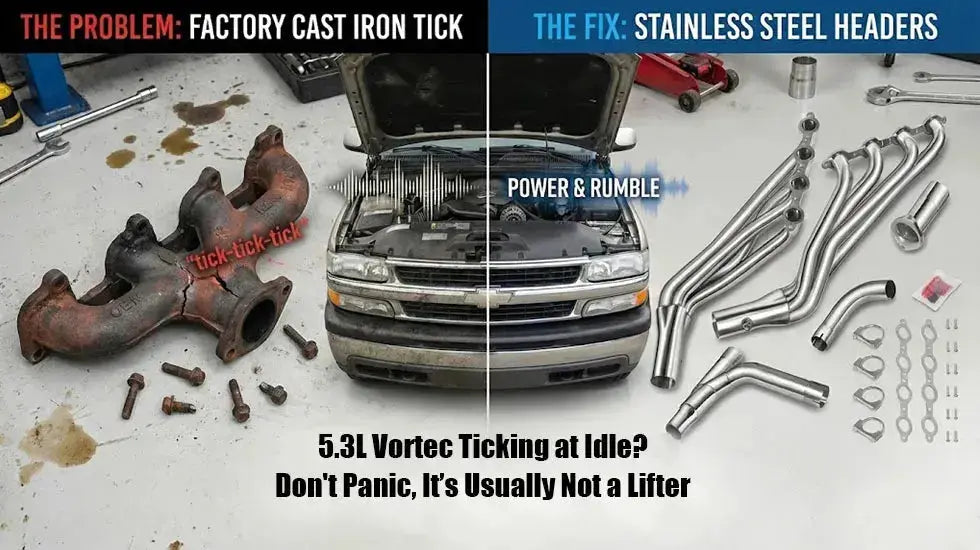
Si su Silverado o Sierra 1999-2006 suena como un tractor diésel en un semáforo en rojo, sé exactamente lo que está pensando: "Ahí va mi taqué, hora de reconstruir el motor". Tranquilícese. En mis 15 años de experiencia en la plataforma GMT800, 9 de cada 10 "tictacs" que diagnostico no son internos, sino pernos rotos del colector de escape.
- Prueba de arranque en frío: ¿Se desvanece el tictac después de que el motor se calienta (5-10 minutos)? Si es así, es 100% seguro que hay una fuga de escape. El metal se expande con el calor y sella el espacio.
- Comprobación visual: Con una linterna, mire el perno trasero del lado del conductor (cilindro n.° 7) o el delantero del lado del pasajero (cilindro n.° 2). Si falta la cabeza del perno, ha encontrado el problema.
El fracaso de la ingeniería: aluminio vs. hierro fundido
El motor 5.3L (LM7/L59) utiliza culatas de aluminio y colectores de hierro fundido de gran resistencia. Estos materiales tienen coeficientes de expansión térmica muy diferentes. El aluminio se expande más rápido que el hierro al calentarse. Cada ciclo de calentamiento somete a los pernos de acero M8x1.25 a un tira y afloja. Finalmente, el perno —normalmente el de la parte trasera, donde se acumula el calor— se desprende a ras de la culata.
Recuerdo que un tipo trajo una Tahoe del 2004 en 2019. Un taller de cadena le cotizó $2,500 por un cambio de taqués. Retiré el revestimiento interior del guardabarros, le mostré el hollín (manchas negras) alrededor del escape trasero y le tomé una foto de la cabeza del tornillo que faltaba. No tocamos el tren de válvulas. Instalamos colectores y la camioneta quedó en silencio. Siempre revisen si hay hollín en la cabeza antes de comprar taqués.

Por qué fallan las reparaciones de fábrica (la trampa del concesionario)
La mayoría de los concesionarios te cobrarán más de $800 por extraer el perno y volver a colocar un colector de hierro fundido Dorman o OEM nuevo. No lo hagas. Estás reinstalando el mismo problema de estrés térmico. En mi experiencia, un colector de hierro fundido nuevo en una camioneta que remolca se deformará y volverá a romper un perno entre 30,000 y 50,000 millas.
Las 3 soluciones (elige tu presupuesto):
- El "remedio" ($30): Abrazaderas de reparación atornillables (como la KAP169). Utilizan un orificio del soporte existente para aplicar presión al colector. Ideales para una solución rápida, pero no solucionan la restricción de flujo.
- El "Estándar" ($150): Extraiga los pernos y reemplácelos con tornillería de grado 10.9 . Advertencia: Si no se siente cómodo soldando una tuerca a un perno roto, no intente esto en casa.
- Solución definitiva (más de 350 $): Cambiar a colectores de escape de acero inoxidable. Esto elimina por completo el hierro fundido.
La solución experta: colectores de tubo largo Flashark
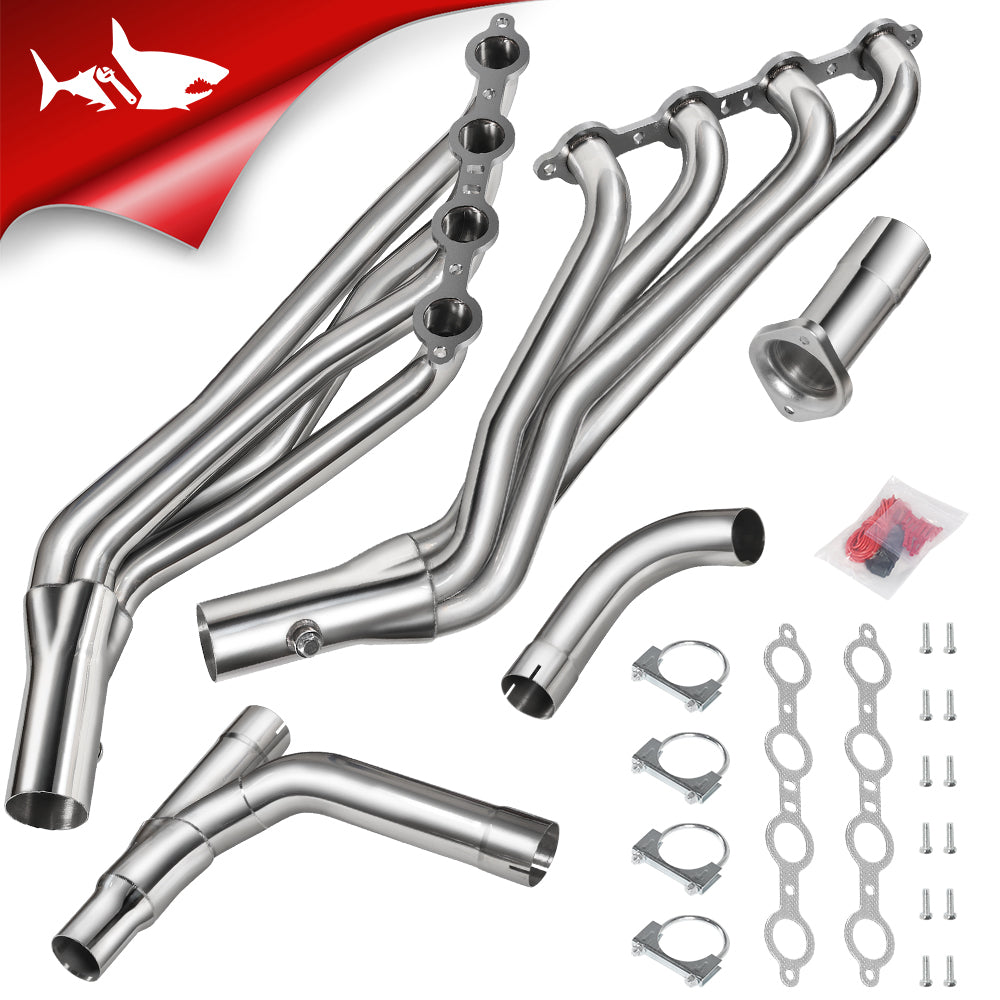
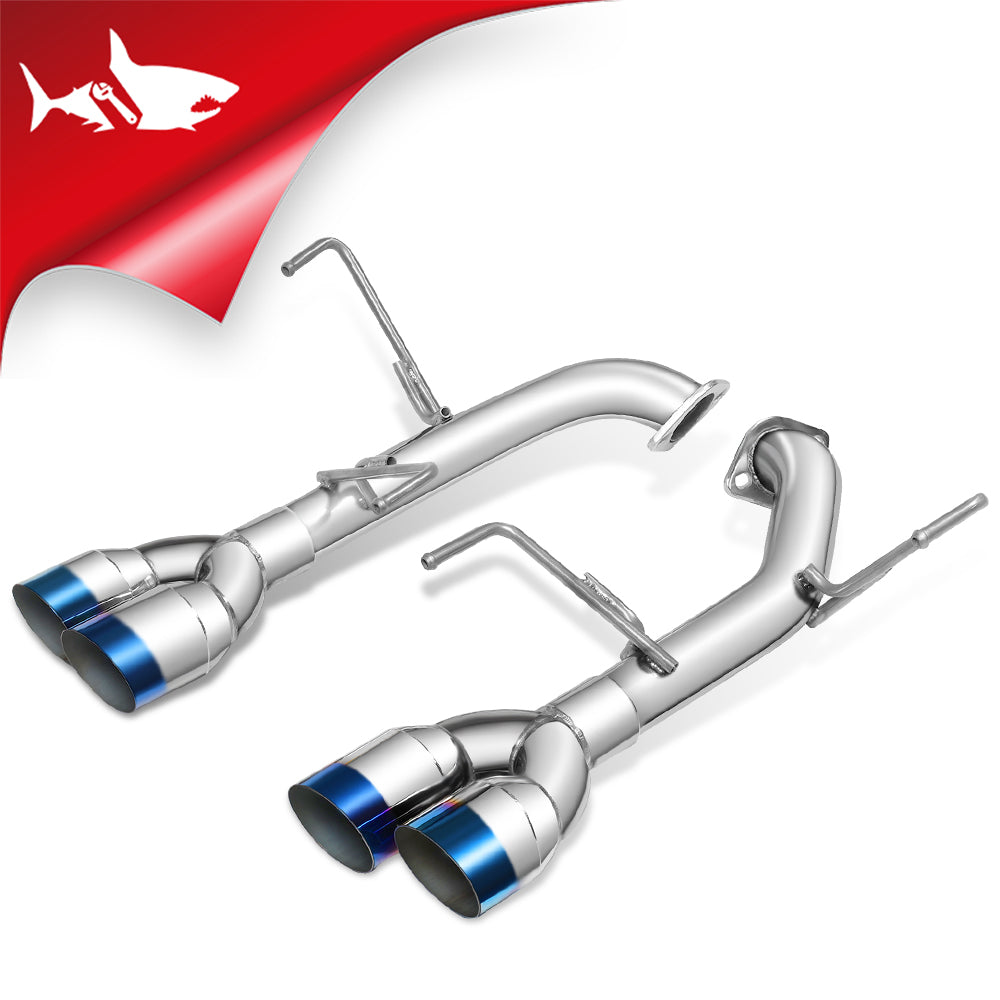
Si de todas formas hay que desmontar el colector, ¿para qué volver a instalar los limitadores de temperatura? Mi recomendación para esta plataforma son los colectores de tubo largo Flashark para Chevy Silverado 1500 5.3L Vortec 1999-2006 . Cambiar a acero inoxidable T304 soluciona el problema térmico, ya que los tubos de pared delgada disipan el calor más rápido y ceden más que el hierro fundido, que es frágil.

Veo en foros que recomiendan las juntas de papel baratas que vienen en algunos kits. No las usen. He tenido que rehacer docenas de reparaciones porque se revientan en seis meses. Solo uso juntas de acero multicapa (MLS) de equipo original de GM (n.° de pieza 12617944). Son lo único que realmente sella una culata LS a largo plazo.

Mejoras de rendimiento (respaldadas por datos)
Más allá del silencio, se observa un aumento considerable de potencia. En un motor de 5.3L de serie con una configuración suave, estos colectores suelen aumentar:
| Métrico | Colector de stock | Tubos largos Flashark |
|---|---|---|
| Caballo de fuerza | Base | +18 a +25 CV |
| Esfuerzo de torsión | Restringido | +20 lb-ft (rango medio) |
| Disipación de calor | Pobre (El calor empapa) | Excelente (Acero inoxidable) |
Guía de mantenimiento: Consejos específicos para el GMT800
Instalarlos en una Silverado/Sierra es sencillo, pero hay tres cosas que te molestarán si no estás preparado:
- El tubo de la varilla de nivel de aceite: Tendrás que forcejear con el tubo de la varilla de nivel de aceite. Retira el perno de 15 mm que lo sujeta a la culata, extrae el tubo (¡cambia la junta tórica ya que estás ahí!) y dóblalo con cuidado para que queden libres los nuevos tubos primarios una vez instalados los colectores.
- Eje de dirección: Si el colector toca el eje de dirección, es probable que los soportes del motor estén dañados y el motor esté combado. Reemplace los soportes en lugar de "desmontar" el colector con un martillo.
- Bujías: Saque las bujías antes de arrancar. Esto toma 5 minutos y evita que se agriete el aislante de porcelana al sacar los pesados colectores de hierro.

Veredicto final
Deja de conducir una camioneta que suena a roto. Si tienes un motor de 5.3L que funciona bien, verifica que sea el escape, olvídate del hierro fundido y ponle acero inoxidable. Obtendrás mejor sonido, más torque de remolque y nunca más tendrás que taladrar un perno del colector roto.
👨🔧 Pregúntale al mecánico: Preguntas frecuentes críticas
• Si tienes un modelo 2003-2006: No necesitas disposiciones EGR.
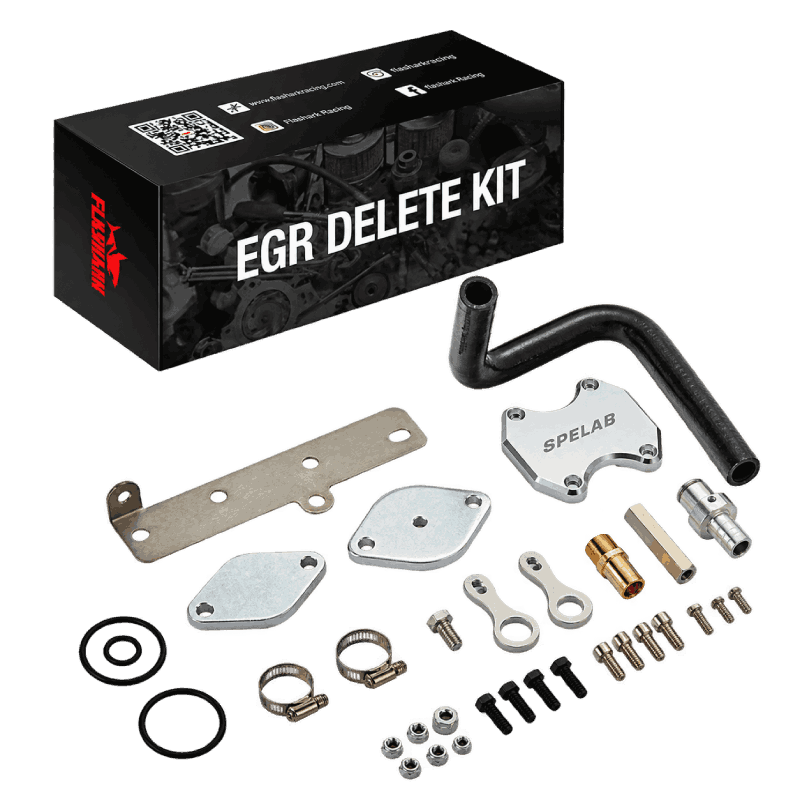
Si tiene un modelo 1999-2002: Tiene dos opciones: comprar colectores con tapón de EGR (más difíciles de encontrar) o comprar los colectores estándar y usar una placa de bloqueo de EGR (y borrar el código en la configuración de la ECU). La mayoría de mis clientes simplemente la borran para limpiar el compartimento del motor.
• Si vive en California (estados de CARB) : Estos vehículos son exclusivamente para uso fuera de carretera. No pasará la inspección visual.
Si vives en un estado donde solo se realizan pruebas OBDII enchufables: Siempre que tengas catalizadores de alto flujo soldados y bien ajustados (sin luz de verificación del motor), muchos aprueban. ¿Pero legalmente? Son para uso todoterreno.