When it comes to optimizing vehicle performance, many car enthusiasts and owners turn to EGR delete to reduce engine load and improve efficiency. However, a common question that arises is whether deleting the EGR system will result in an error code being thrown by the car's ECU (Engine Control Unit). In this article, we will explore the reasons why an EGR delete might trigger codes, how to prevent them, and the overall impact on your vehicle’s performance.
Quick Answer
An EGR delete can improve engine performance by reducing carbon buildup and lowering exhaust temperatures, which can lead to a boost in horsepower, throttle response, and fuel efficiency. However, it can also trigger error codes in the vehicle's ECU because the system is no longer functioning. These codes can be prevented by remapping the ECU or installing an EGR delete kit, which disables the EGR-related functions in the vehicle’s computer. It’s important to consider legal implications, as EGR deletes may violate emissions regulations in certain regions.
What is EGR and How Does It Work?
The EGR (Exhaust Gas Recirculation) system is a crucial component in modern vehicles designed to reduce nitrogen oxide (NOx) emissions. By recirculating a portion of the exhaust gases back into the intake manifold, the system lowers combustion temperatures, which in turn reduces NOx production. However, while the EGR system plays an essential role in lowering emissions, it can also contribute to engine buildup over time and reduce engine efficiency. This is one of the reasons some car owners opt to perform an EGR delete.

When you remove or bypass the EGR system, the vehicle's ECU may register an error because it no longer receives the expected feedback from the system. The ECU is programmed to monitor the flow of exhaust gases through the EGR valve, and if it detects that this system is missing or malfunctioning, it will trigger an error code. These codes indicate specific issues with the EGR system and help pinpoint the underlying problem.
Common EGR Error Codes Triggered by Deletion or Malfunction
Here are some common EGR codes that are triggered by EGR deletion or malfunction:
-
P0401: EGR Flow Insufficient
This code appears when the ECU detects that the EGR valve isn't allowing enough exhaust gas to flow into the intake manifold. It typically happens when the valve is clogged, stuck, or malfunctioning. After an EGR delete, the ECU can no longer measure the flow and will throw this code. -
P0402: EGR Flow Excessive
This code indicates that the EGR system is allowing too much exhaust gas to be recirculated back into the engine, potentially reducing engine performance. In the case of an EGR delete, the system will be removed, causing the ECU to report excessive flow, as it can't detect proper flow rates anymore. -
P0404: EGR Circuit Range/Performance Problem
This code suggests that there is a performance issue in the EGR circuit, which could include electrical issues with the sensors or wiring, or it could mean that the EGR valve is not responding correctly. After an EGR delete, the ECU may still expect to see performance from the system, triggering this code. -
P0405: EGR Sensor A Low Voltage
This code is triggered when the EGR sensor (typically the position sensor) detects a low voltage signal from the EGR valve. It means the ECU isn't getting the expected input from the sensor. In the case of an EGR delete, this code will likely be thrown because the sensor is no longer sending data. -
P0406: EGR Sensor A High Voltage
If the EGR sensor sends a voltage that is too high, the ECU will register this code. This could be due to a malfunctioning sensor or wiring issue. With an EGR delete, this code might appear because the sensor is no longer in operation, and the ECU is still expecting input.
Can You Prevent EGR Codes After a Delete?
Yes, it is possible to prevent EGR codes from appearing after performing an EGR delete. The most effective way to do this is through ECU remapping or tuning. By reprogramming the vehicle’s ECU, the car’s computer is instructed to ignore the EGR system’s feedback, allowing the vehicle to function normally without triggering error codes. (If you are unsure about the software side of this process, check out our dedicated guide on whether you need to tune your truck after an EGR/DPF delete.)
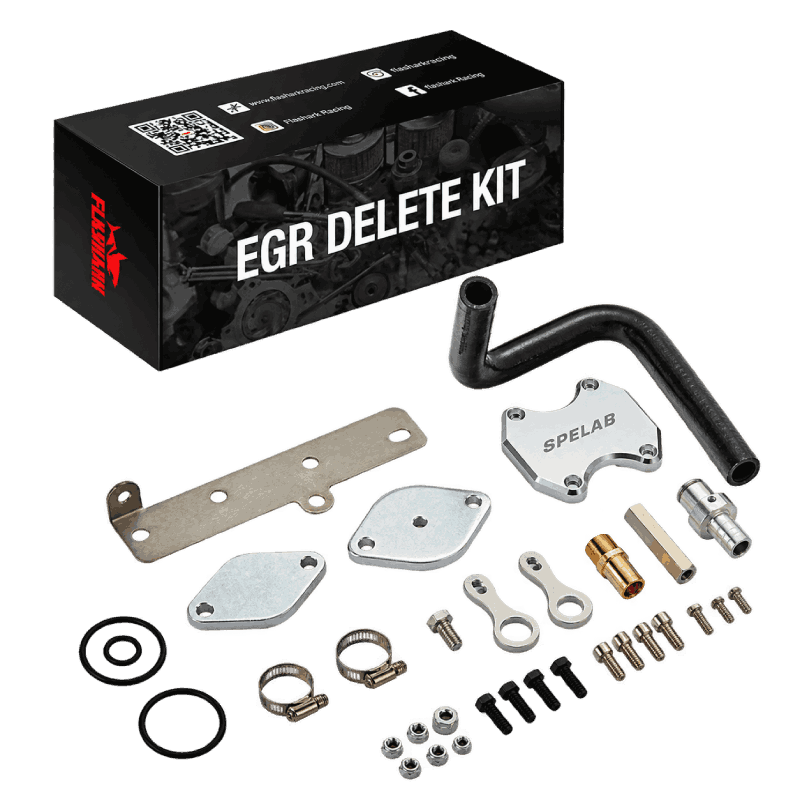
Several manufacturers offer EGR delete kits that include software or chips to effectively disable the EGR-related codes from being thrown. These kits are designed to work seamlessly with your vehicle, ensuring that all the necessary parameters are adjusted in the ECU. However, it’s essential to ensure that this process is done correctly to avoid any long-term damage to the vehicle’s performance.
Solutions to Avoid EGR Codes After Deletion
To avoid the error codes associated with EGR deletes, you have a few reliable solutions:
-
ECU Reprogramming: By reprogramming the ECU, you can disable the EGR monitoring system entirely. This allows the vehicle to run smoothly without triggering any codes related to the deleted EGR system.
-
Installing EGR Delete Kits: Many aftermarket EGR delete kits are available that include the necessary hardware and software to disable the EGR monitoring system. These kits are designed to be compatible with your vehicle’s ECU and will prevent codes from being thrown after the delete.
-
Using Diagnostic Tools: If you don’t want to opt for a full reprogramming, you can use diagnostic tools to clear error codes or even adjust the ECU settings. These tools can help you manage your vehicle’s systems and clear codes as they appear.
By using these solutions, you can effectively perform an EGR delete while keeping your vehicle running efficiently and without the headache of error codes.
The Impact of EGR Delete on Engine Performance
An EGR delete can have a noticeable impact on your vehicle’s performance, both in terms of power and fuel efficiency. By eliminating the EGR system, the engine can avoid the buildup of carbon and soot, which can degrade engine performance. As a result, many users report an increase in horsepower and throttle response.
Additionally, the removal of the EGR system can help reduce engine temperatures, which may improve fuel efficiency. With lower engine load and reduced exhaust temperatures, the engine operates more efficiently, leading to better overall performance. However, it is important to note that, while there are performance benefits, an EGR delete may have long-term effects on engine health if not properly tuned, as the system is designed to handle emissions.
Legal Considerations and Emissions Compliance
One of the most important factors to consider when performing an EGR delete is the legal implications, especially if you live in regions with strict emissions regulations. In places like California, which have some of the most stringent emissions laws in the United States, deleting the EGR system is illegal for street-driven vehicles.
Vehicles that no longer meet emissions standards may fail mandatory emissions tests, which can result in fines or even the inability to legally drive the vehicle. It is crucial to check local laws before proceeding with an EGR delete to ensure compliance. For owners of vehicles that will not be used on public roads (e.g., off-road vehicles or track cars), the legal restrictions may not apply.
Final Thoughts: Should You Delete Your EGR?
While an EGR delete can offer several benefits in terms of performance and efficiency, it is not without its potential downsides. The process of removing the EGR system may lead to increased emissions and could void the manufacturer’s warranty if the vehicle is still under coverage. Additionally, without proper ECU tuning, an EGR delete could result in long-term issues, including potential damage to the engine.
Ultimately, whether or not to delete your EGR system depends on your specific goals for the vehicle. We highly recommend weighing all the pros and cons of an EGR delete before making any major modifications. If you choose to proceed, it is essential to follow the proper steps, including reprogramming the ECU or installing an appropriate delete kit, to avoid error codes and ensure the vehicle runs smoothly.
FAQ
Q1: What does EGR deletion actually do to my vehicle?
A1: EGR deletion removes the exhaust gas recirculation system, which prevents exhaust gases from being recirculated back into the intake manifold. This can improve engine performance by reducing carbon buildup and lowering exhaust temperatures, potentially boosting power and efficiency.
Q2: Is EGR delete legal?
A2: In many regions, especially those with strict emissions laws (e.g., California), EGR delete is illegal for street-driven vehicles. It’s essential to check local regulations before removing the EGR system, as it may lead to fines or failure in emissions testing.
Q3: Can I perform an EGR delete myself?
A3: Yes, it is possible to perform an EGR delete yourself if you have mechanical knowledge and the right tools. However, it is recommended to have a professional handle it to ensure it is done correctly and to avoid any issues with the vehicle’s systems.
Q4: Does EGR deletion affect fuel economy?
A4: In some cases, removing the EGR system can improve fuel economy by reducing engine load and lowering exhaust temperatures. However, the effect on fuel efficiency can vary depending on the vehicle and how well the EGR delete is executed.
Q5: What are the risks of deleting the EGR system?
A5: The risks of deleting the EGR system include increased emissions, potential engine damage if not tuned properly, and voiding the vehicle’s warranty. Additionally, the vehicle may fail emissions tests in regions with strict regulations.
Q6: Will EGR delete improve horsepower?
A6: Yes, many car enthusiasts report a noticeable increase in horsepower and throttle response after performing an EGR delete. This is because removing the EGR system can reduce the buildup of carbon in the engine and improve combustion efficiency.
Q7: How do I prevent EGR codes from appearing after an EGR delete?
A7: The most effective way to prevent EGR codes is by remapping or reprogramming the ECU. This adjusts the vehicle’s settings to ignore the EGR system feedback and prevents the ECU from throwing error codes related to the deleted system.
Q8: Can I just clear EGR codes with a diagnostic tool?
A8: While you can use diagnostic tools to clear error codes, this is only a temporary solution. If you don’t properly tune the ECU or install an EGR delete kit, the codes will likely reappear. A proper ECU remap or tuning is required for a permanent fix.
Q9: What is an EGR delete kit?
A9: An EGR delete kit includes hardware and software designed to replace or bypass the EGR system and prevent error codes from appearing. These kits typically include necessary parts like block-off plates and tuning software to disable EGR functions in the ECU.
Q10: Can deleting the EGR system damage my engine?
A10: If the EGR system is deleted without proper tuning, it can potentially lead to issues such as higher engine temperatures, knocking, and long-term engine damage. It is crucial to reprogram the ECU or install an EGR delete kit to ensure smooth operation.
Q11: Is there an alternative to deleting the EGR system?
A11: If you want to reduce EGR-related problems but don't want to delete the system, you can clean the EGR valve regularly to prevent carbon buildup or replace it with a new one if it’s malfunctioning. EGR coolers can also be replaced if needed.
Q12: Will an EGR delete affect my vehicle’s emissions?
A12: Yes, deleting the EGR system will increase emissions, as the system is designed to reduce nitrogen oxide (NOx) emissions. This can cause your vehicle to fail emissions tests, making it unsuitable for street use in regions with strict environmental regulations.
Q13: What are the common error codes triggered by EGR deletion?
A13: Common codes triggered by EGR deletion include: P0401 (EGR Flow Insufficient), P0402 (EGR Flow Excessive), P0404 (EGR Circuit Range/Performance Problem), P0405 (EGR Sensor A Low Voltage), and P0406 (EGR Sensor A High Voltage).
Q14: Will an EGR delete affect my vehicle’s warranty?
A14: Yes, performing an EGR delete could void your vehicle’s manufacturer warranty, especially if it is still under coverage. Manufacturers may consider this modification as tampering with emissions-related systems, which could lead to a warranty denial.
Q15: Can I still pass emissions tests after an EGR delete?
A15: It is highly unlikely that you will pass emissions tests with the EGR system deleted, as the vehicle will no longer meet the required emissions standards. If you live in an area with strict emissions laws, deleting the EGR system could cause you to fail the test and face penalties.