


 Need car parts? Shop by vehicle
(Select the exact fit for your vehicle)
Need car parts? Shop by vehicle
(Select the exact fit for your vehicle)
Long Tube Headers
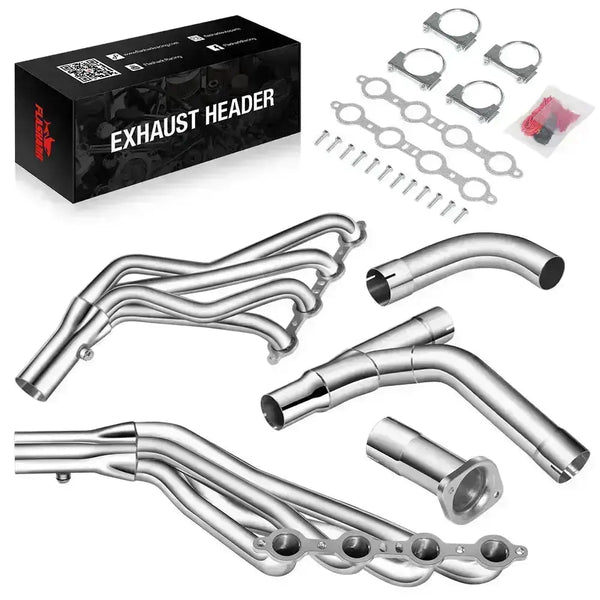
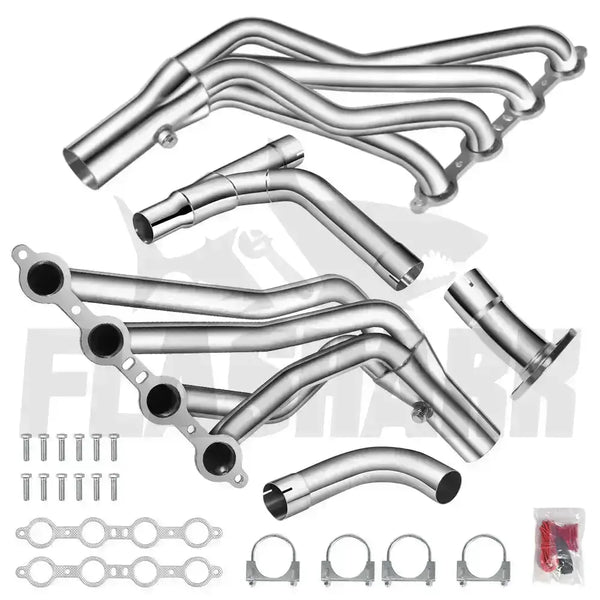
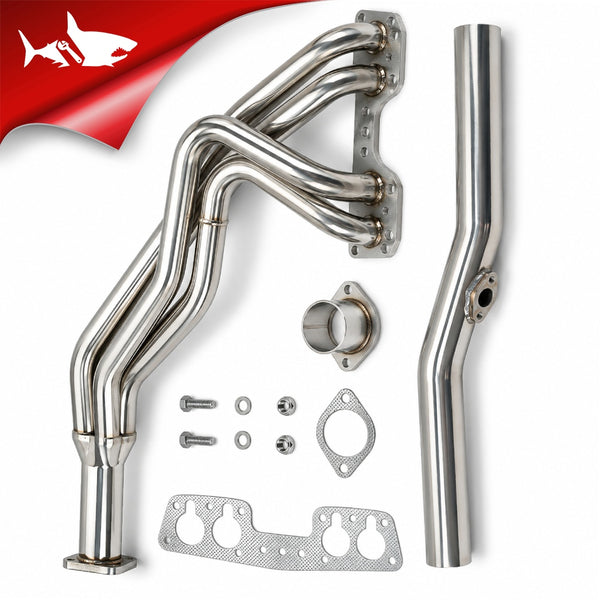
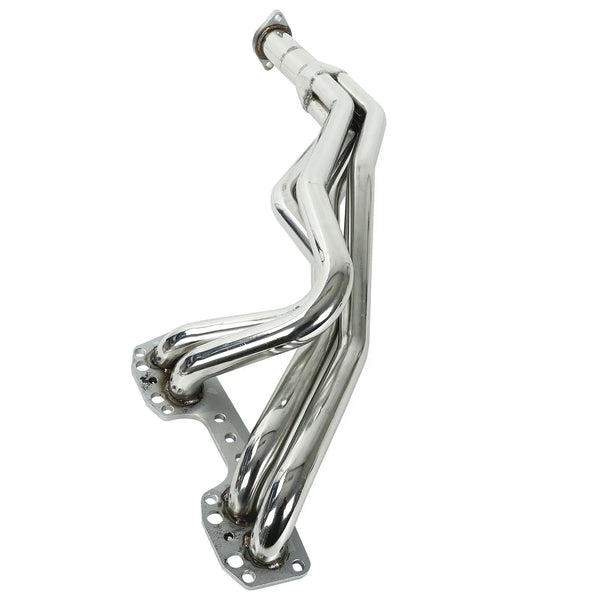
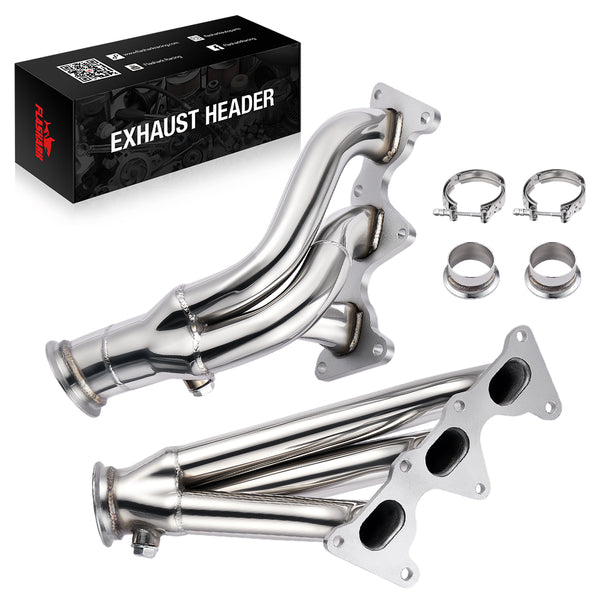
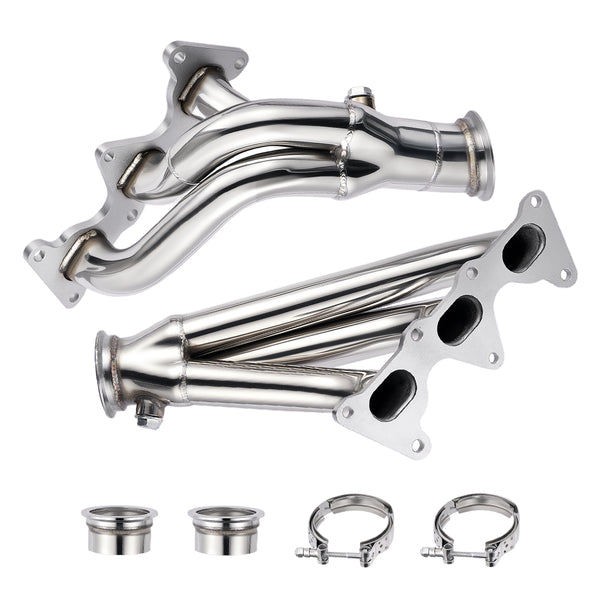
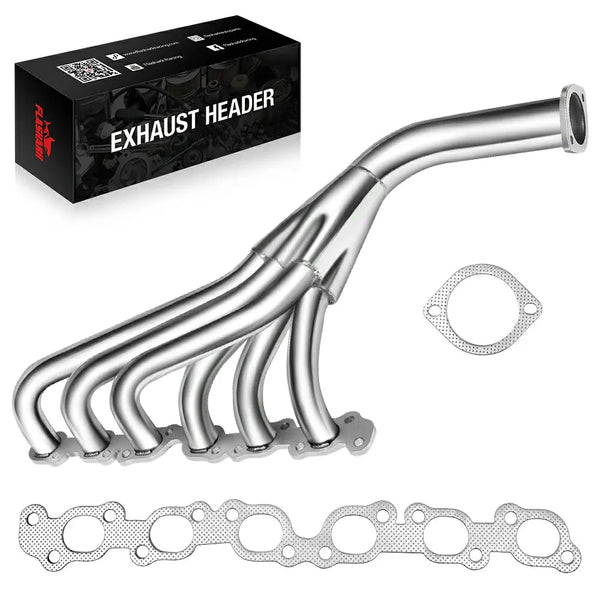
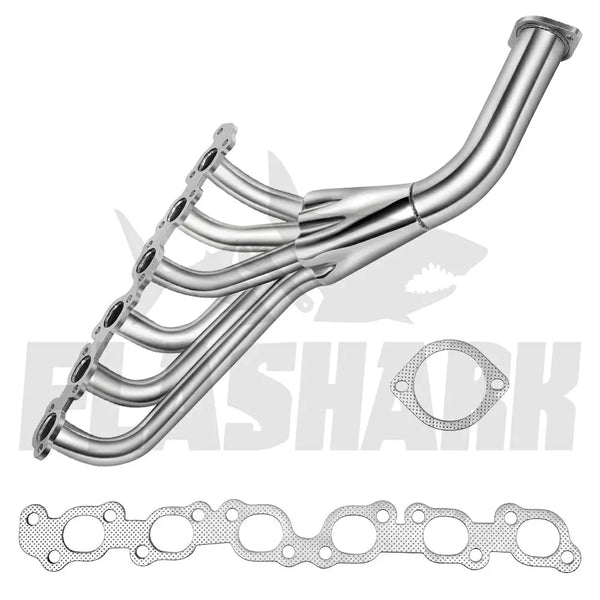


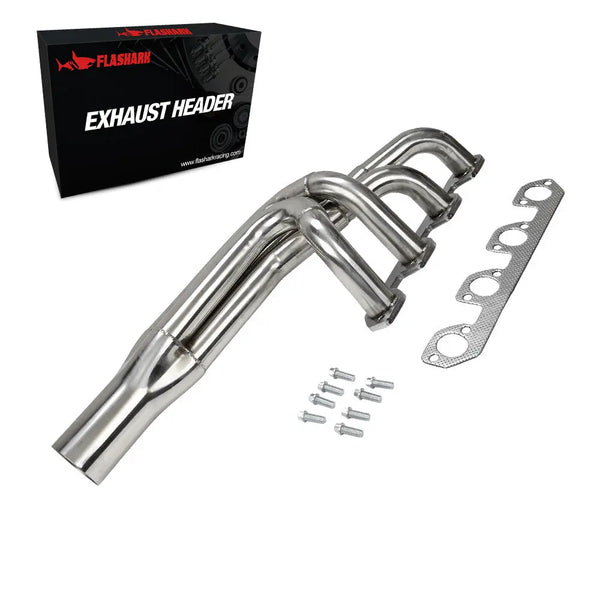
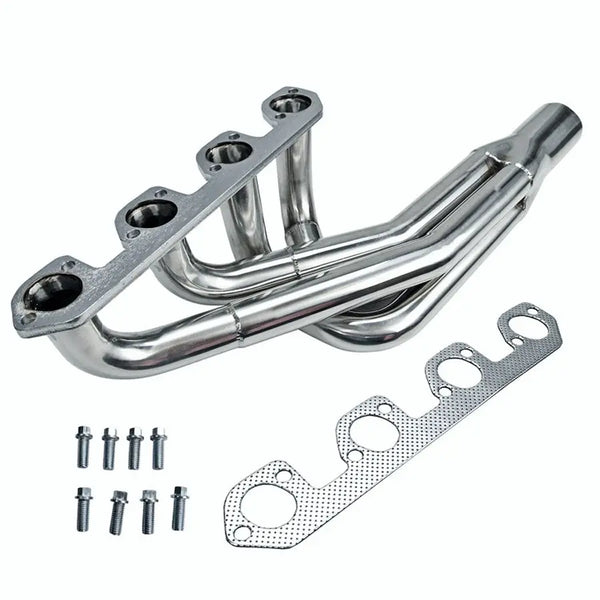
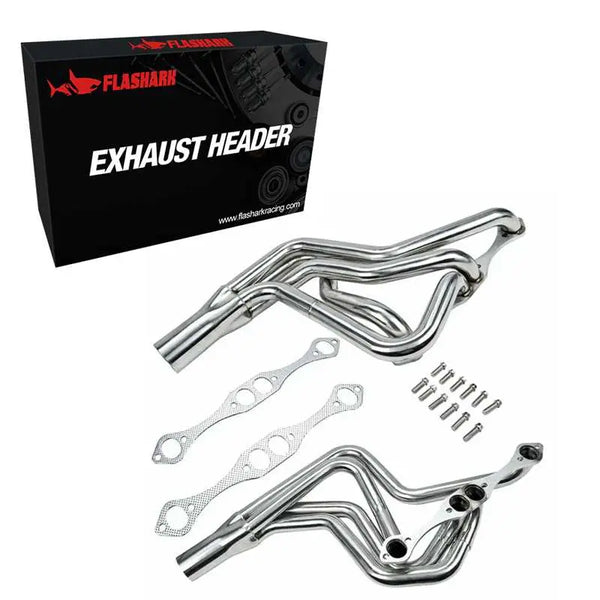
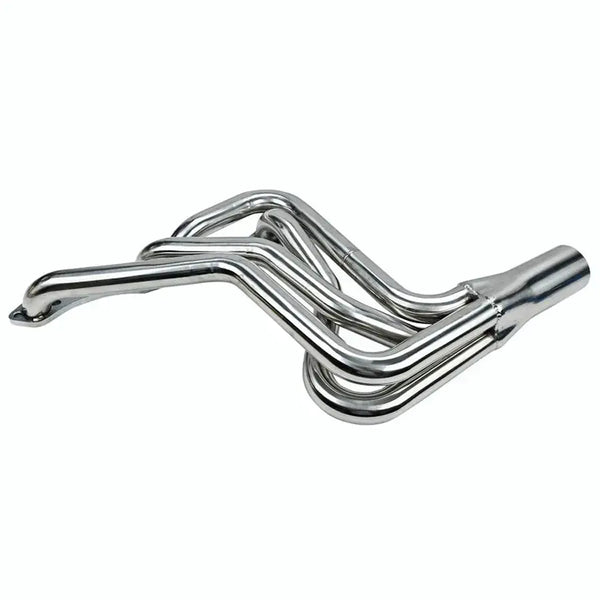


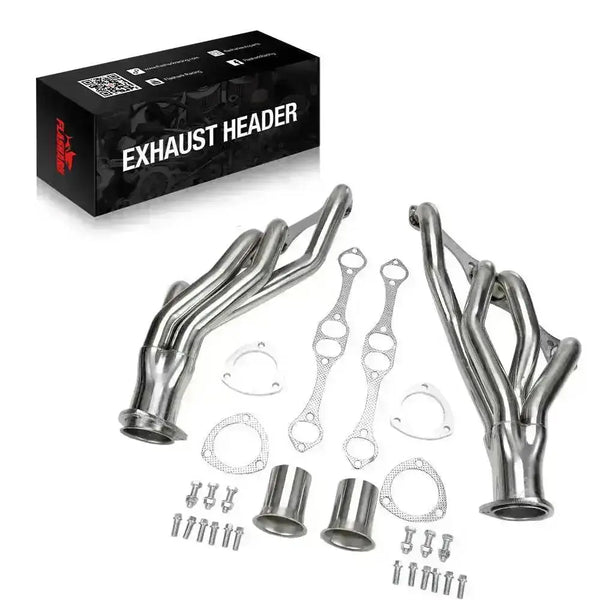
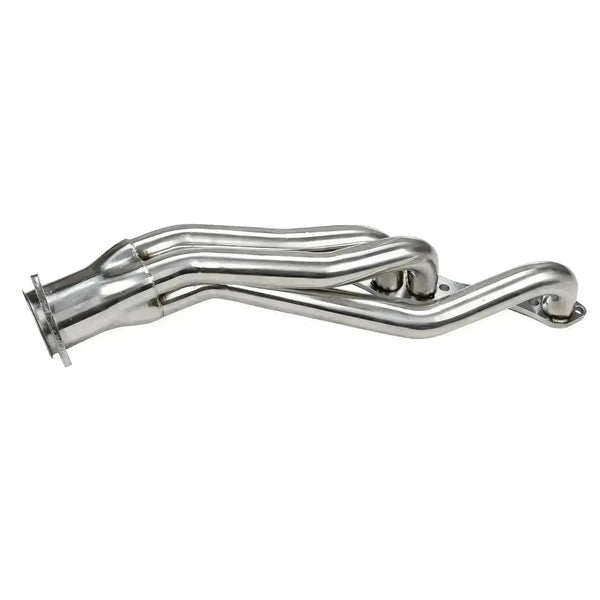
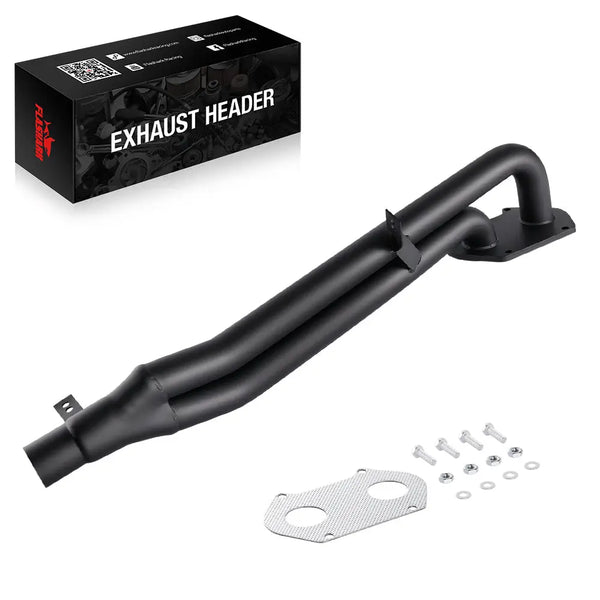
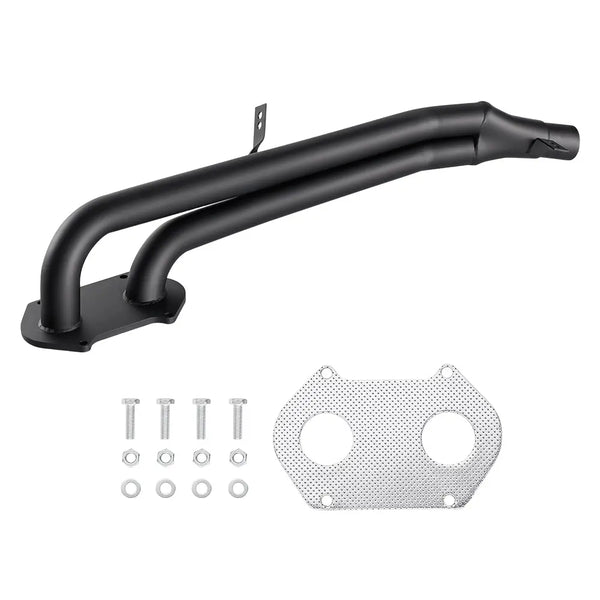
Long Tube Headers Buying Guide
Choosing long tube headers requires more than matching an engine size. The correct setup must also fit the vehicle, clear nearby components and connect properly to the rest of the exhaust system. Use this guide to review fitment, collector and mid-pipe requirements, included parts, O2-sensor provisions, tuning considerations, installation planning and emissions documentation before selecting a product.
What Should You Check Before Buying Long Tube Headers?
Quick answer: Before ordering long tube headers, confirm the complete vehicle and exhaust-system match—not only the engine size. Verify the year, make, model, engine, drivetrain, transmission restrictions, collector connection, required mid-pipe components, oxygen-sensor provisions and emissions status on the individual product page. If any fitment condition is unclear, contact Flashark before installation.
- Match the full vehicle configuration. Confirm the year, make, model, submodel, engine displacement or engine code, drivetrain and any transmission or cab/chassis restrictions shown on the product page. Two vehicles with the same engine may use different steering, crossmember or exhaust layouts.
- Confirm that the selected option is Long Tube. Some Flashark product pages offer more than one header style or package. Review the selected variant, SKU, product images and option name before adding it to the cart.
- Identify the collector-to-exhaust connection. Check whether the headers connect to the factory exhaust, a specific Y-pipe or X-pipe, an included connection pipe, or a separately purchased or custom-fabricated mid-pipe. Do not assume the factory mid-pipe will bolt directly to every long tube application.
- Review what is included—and what is not. Use the package list on the product page to verify whether the kit includes gaskets, bolts, reducers, collector hardware, connection pipes, oxygen-sensor extensions or other installation parts. Contents vary by part number and option.
- Check oxygen-sensor provisions. Confirm the number and location of O2 bungs, whether extensions or relocation are required, and whether the kit includes them. Make sure sensor wiring can be routed away from hot or moving parts.
- Determine the tuning and diagnostic plan. A tune is not a universal yes-or-no requirement. It depends on the vehicle, header configuration, catalytic-converter arrangement and other modifications. Follow the product-specific guidance and consult a qualified tuner before driving if the application changes sensor locations or exhaust flow substantially.
- Check clearance and heat management. Review ground clearance and proximity to the starter, steering shaft, wiring, hoses, transmission, floor and brake lines. Modified ride height, engine mounts or drivetrain swaps may change available clearance.
- Verify emissions and street-use eligibility. Check the exact part number and vehicle application for any listed CARB Executive Order, SEMA Certified-Emissions documentation or other applicable approval. Header style alone does not establish legal status.
- Plan installation and post-install inspection. Long tube installation may require lifting the vehicle, removing surrounding components and aligning multiple exhaust joints. Use the vehicle-specific instructions where supplied, support the vehicle correctly, and inspect for leaks, contact, loose hardware and wiring clearance after installation.
Technician’s note: Treat the collector connection as part of the fitment check. Headers that fit the cylinder heads can still leave the vehicle unusable if the required Y-pipe, X-pipe, connection pipe or fabrication plan has not been confirmed.
Ready to narrow the results? Select your vehicle above, then open the product page and confirm every fitment condition before purchase.
Are Long Tube Headers the Right Choice for Your Build?
Quick answer: Long tube headers are generally best suited to performance-oriented builds whose owners are prepared to verify the entire exhaust connection, installation space, sensor layout, tuning plan and legal-use status. If retaining factory-style connection points and minimizing installation changes are higher priorities, compare the available shorty headers before choosing.
| Decision | Long Tube May Be the Better Fit When… | Consider Shorty Headers When… |
|---|---|---|
| Build goal | You are planning a performance-focused exhaust system and understand that results depend on the complete vehicle setup. | You want a compact header layout and place greater value on factory-style packaging or a simpler replacement path. |
| Exhaust connection | You have confirmed the required collector, Y-pipe, X-pipe, connection pipe or fabrication plan. | You want to retain the existing downstream exhaust layout where the specific shorty product supports it. |
| Installation | You are prepared for tighter access, additional disassembly and application-specific clearance checks. | You prefer a more compact installation, while still checking the exact product instructions and vehicle restrictions. |
| Tuning and diagnostics | You have checked whether tuning, sensor extensions or other calibration work is required or recommended. | You want to minimize system changes, but will still verify O2-sensor and calibration requirements for the exact application. |
| Emissions | You have application-specific documentation confirming how the part may be used in your jurisdiction. | You want to preserve factory emissions-component locations where possible; however, shorty design alone does not prove compliance. |
Long Tube Headers May Not Be the Right Choice If…
- You have not identified a compatible connection from the collectors to the rest of the exhaust.
- You cannot verify the exact drivetrain, transmission or chassis fitment.
- Your vehicle must meet emissions-inspection requirements and the exact part/application has no applicable compliance documentation.
- You need to preserve maximum ground clearance or cannot accommodate additional heat and clearance checks.
- You expect guaranteed horsepower, sound, fuel-economy or check-engine-light results without considering the complete build.
Still comparing options? Read the Shorty vs. Long Tube Headers guide, or return to all exhaust headers.
Long Tube Header Installation and Related Guides
A successful header purchase starts with the whole system. The headers must match the cylinder heads and chassis, but the job is not complete until the collectors, downstream exhaust, oxygen sensors, wiring, ground clearance and emissions configuration also work together. Use the product page as the source for SKU-specific facts, then use the guides below to plan the next decision.
Emissions, Competition-Use and Legal Notice
Check the exact part and application before purchase or installation. Emissions and street-use requirements vary by part number, vehicle, engine, model year and jurisdiction. Long tube construction does not by itself prove that a product is compliant or noncompliant.
Do not install or use a product in a way that bypasses, removes or renders inoperative required emissions controls. For California-registered emissions-controlled vehicles, verify that the exact part and application are covered by a valid CARB Executive Order when required. For federal use, review any manufacturer-provided compliance documentation, including applicable SEMA Certified-Emissions documentation where specifically listed. Products identified for competition or off-road use must be used only as stated and where legally permitted.
Rules and inspection procedures can change. Confirm current requirements with the appropriate federal, state and local authorities before installation. See the California Air Resources Board aftermarket-parts resource and the U.S. EPA vehicle and engine enforcement resource.
Long Tube Headers FAQs
Q1: What are long tube headers?
A1: Long tube headers use extended primary tubes before the exhaust flow merges at the collector. The design changes primary length, collector location and often the connection to the rest of the exhaust. Actual performance, sound and fitment depend on the vehicle, engine, primary diameter, collector design, downstream exhaust and calibration.
Q2: How do I know which long tube headers fit my vehicle?
A2: Start with the year, make, model and engine, then confirm drivetrain, transmission, submodel and any chassis or body-style restrictions on the product page. Also review the selected variant and SKU. Engine size alone is not enough to establish fitment.
Q3: Do long tube headers require a Y-pipe or X-pipe?
A3: Some applications require a specific Y-pipe, X-pipe, connection pipe or custom exhaust work, while others are sold as a matched package. Check the collector type and the “included components” and “required additional parts” sections of the product page. Do not assume the factory mid-pipe will connect directly.
Q4: Do I need a tune after installing long tube headers?
A4: It depends on the vehicle and the complete modification package. Changes to sensor position, catalytic-converter arrangement or exhaust flow may make tuning required or advisable for a particular application. Review the product-specific guidance and consult a qualified tuner; do not use a tune to conceal a mechanical leak or an illegal emissions-system change.
Q5: Will long tube headers cause a check engine light?
A5: No universal result can be promised. A warning light can be related to sensor placement, wiring, exhaust leaks, catalytic-converter efficiency, installation errors or calibration. Confirm the supplied O2 provisions and inspect the installation before attempting any calibration change. Diagnose the stored code instead of assuming the header itself is the cause.
Q6: How much horsepower do long tube headers add?
A6: There is no single gain that applies to every engine or kit. Results vary with primary and collector dimensions, engine condition, displacement, camshaft, intake, downstream exhaust, catalytic converters, tune and test method. Use vehicle- and part-specific dyno evidence when available; generalized ranges are not a guarantee for your build.
Q7: Are long tube headers louder than factory manifolds?
A7: They can change exhaust volume and tone, but the result also depends on catalytic converters, pipe diameter, resonators, mufflers, exhaust leaks and cabin insulation. Review application-specific videos or sound measurements when available. Sound clips from a different engine or exhaust system should be treated only as a reference.
Q8: Are long tube headers street legal?
A8: Not automatically. Legal use depends on the exact part number, vehicle, engine, model year, emissions configuration and jurisdiction. Verify any applicable CARB Executive Order, SEMA Certified-Emissions documentation or other approval listed for the product. A “long tube” or “off-road” label by itself is not a substitute for application-specific documentation.
Q9: What comes with Flashark long tube headers?
A9: Package contents vary by product and selected option. The applicable product page should identify the headers, gaskets, mounting hardware, reducers, connection pipes, O2-related parts and any components that must be purchased separately. Check the SKU and package list before ordering.
Q10: Can I install long tube headers at home?
A10: That depends on your experience, tools, workspace and application. Some installations require working under the vehicle, removing surrounding components, dealing with seized fasteners and aligning or modifying the exhaust. If you cannot safely support the vehicle or verify leak-free clearance around heat-sensitive components, use a qualified installer.


