FLASHARK Cold Air Intake Kit for 2012-2018 Jeep Wrangler JK / JKU 3.6L Pentastar V6

SKU: FLIS25111

🎉Independence Day Sale

Sale price$129.95Limited Time Deal
Checking fitment...
Selected Variant SKU: FLIS25111

🔥 Performance Builds started with this kit in the last 24 hours

Description

Fitment

FAQ

Shipping & Returns

Reviews

The 3.6L Pentastar V6 in the 2012-2018 Jeep Wrangler JK is a fundamentally capable engine — 285 horsepower and 260 lb-ft of torque from the factory is more than adequate for most trail and street use. But Jeep's engineers prioritized NVH refinement and water-ingestion protection over airflow efficiency when designing the stock intake system. The result is a multi-chamber plastic airbox with a convoluted intake tract, a restrictive paper filter, and a snorkel that tucks behind the grille for silence rather than feeding the throttle body directly. On the trail, that means lazy throttle response when you need instant torque to crawl over an obstacle. On the highway with oversized tires, it means the engine constantly hunts for breath.

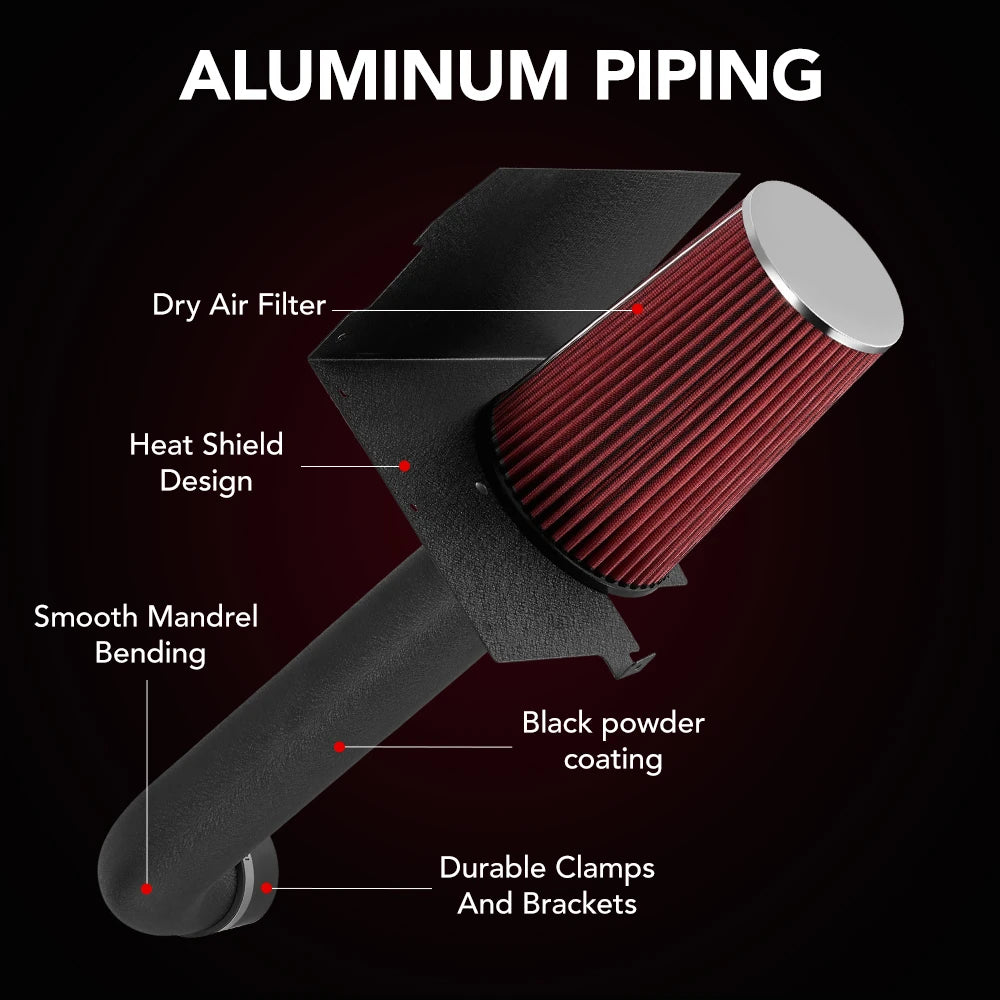
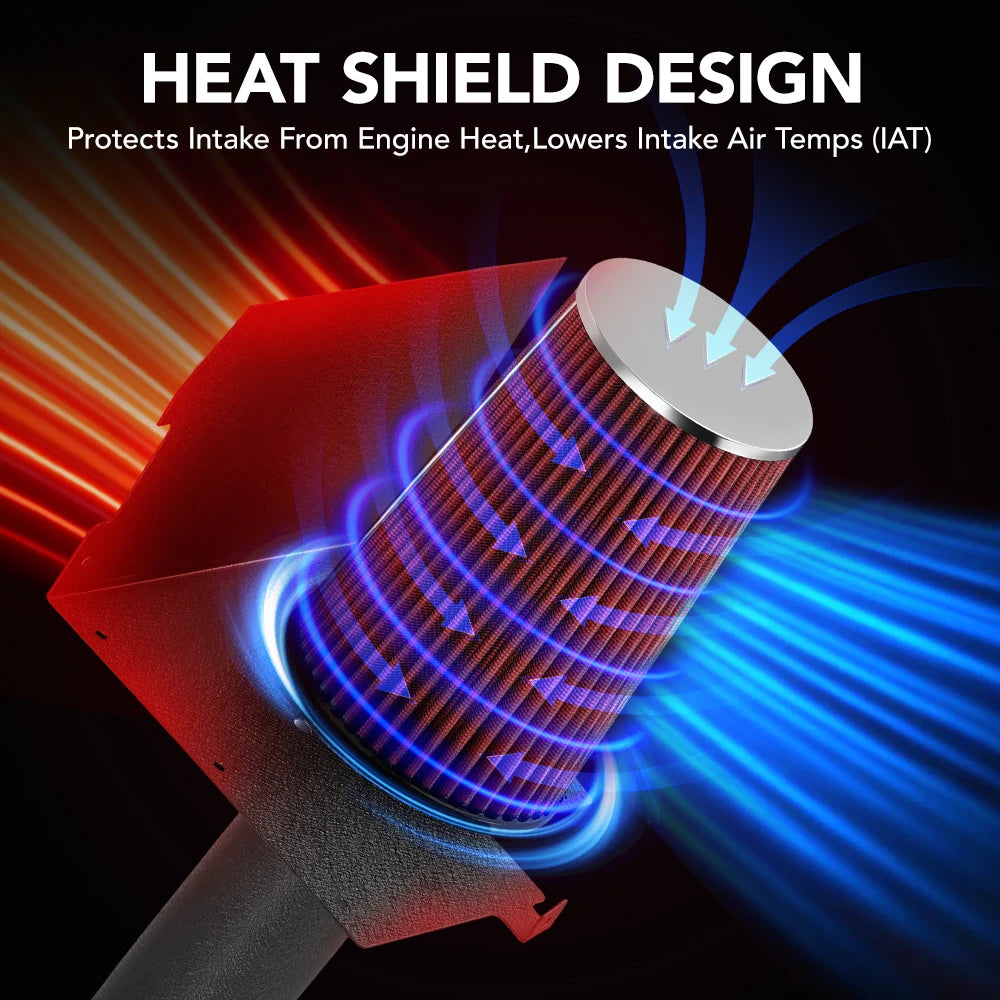
The FLASHARK Cold Air Intake Kit replaces the entire factory airbox assembly with a high-flow mandrel-bent aluminum intake tube, a free-flowing dry cotton gauze air filter, and a black powder-coated steel heat shield. The larger-diameter tubing and smooth internal surface eliminate the turbulence and restriction of the factory plastic tract, while the shield positions the filter away from exhaust manifold heat and directs cooler ambient air from the fender area. For a Pentastar that's working harder than stock — whether due to 35-inch tires, added armor weight, or high-altitude trail use — this airflow upgrade directly translates to sharper throttle response and more usable mid-range torque.

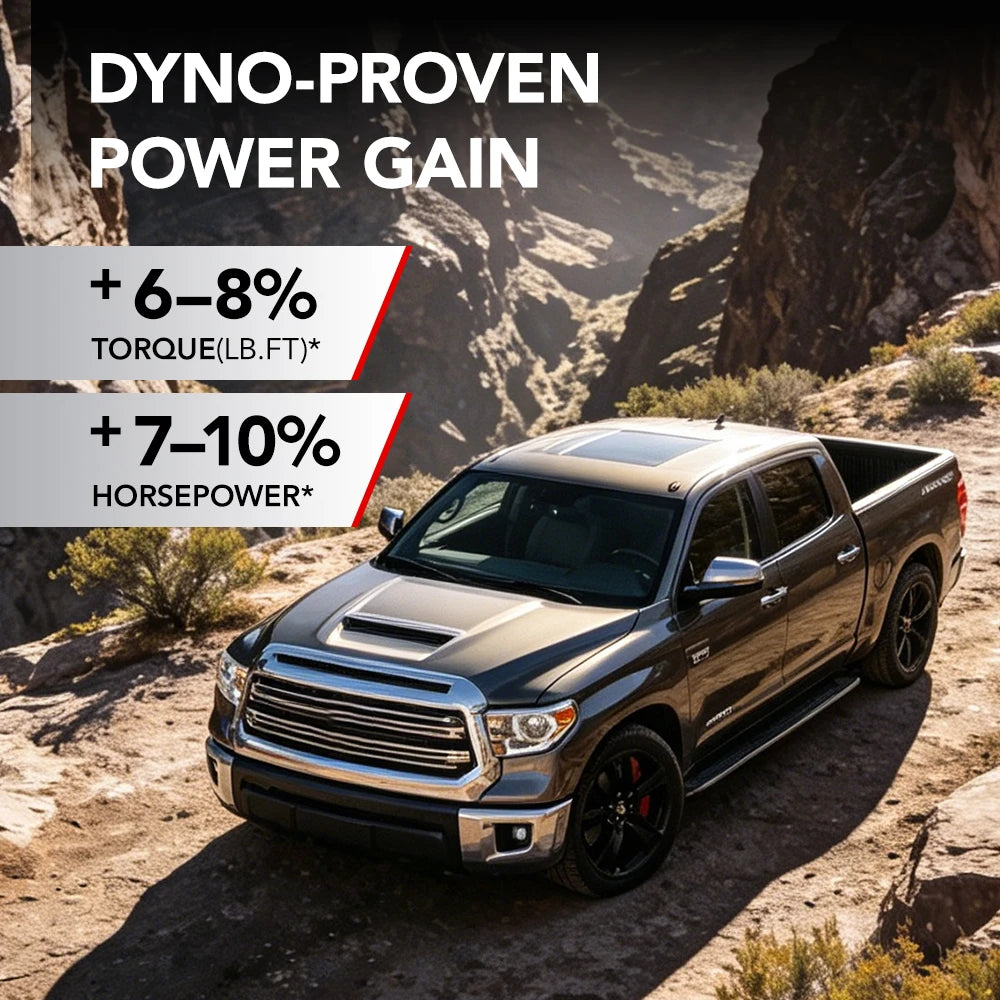
Dyno testing on a near-stock 2012-2018 JK with the 3.6L Pentastar shows an 8-10% gain in peak horsepower, with the most noticeable improvements occurring in the 2,500-4,000 RPM range, where off-road crawling and highway passing both demand the most from the engine. No ECU tune is required — the factory PCM uses adaptive fuel trim learning and will compensate automatically for the increased airflow within normal driving parameters. Installation is a straightforward bolt-on job using all factory mounting points and sensor provisions, taking 45-60 minutes with basic hand tools.

For the Jeep owner who uses their Wrangler as a dual-purpose vehicle — weekday commuter, weekend trail rig — this intake strikes the ideal balance between real performance improvement and daily usability. The induction sound under throttle is deeper and more authoritative, but it doesn't drone at highway speed. The filter is fully washable and reusable, so trail dust doesn't mean a recurring paper filter replacement cost. And the black powder-coated finish on both the tube and heat shield blends cleanly with the factory engine bay, looking more like an OEM+ upgrade than an aftermarket add-on.

Key Features

High-Flow Mandrel-Bent Aluminum Intake Tube — Precision mandrel-bent from aluminum with a black powder-coated finish for heat resistance, corrosion protection, and a clean OEM+ appearance. The smooth-radius bends and larger internal diameter eliminate turbulence and restrictions in the factory plastic intake tract, improving airflow velocity across the entire RPM range.

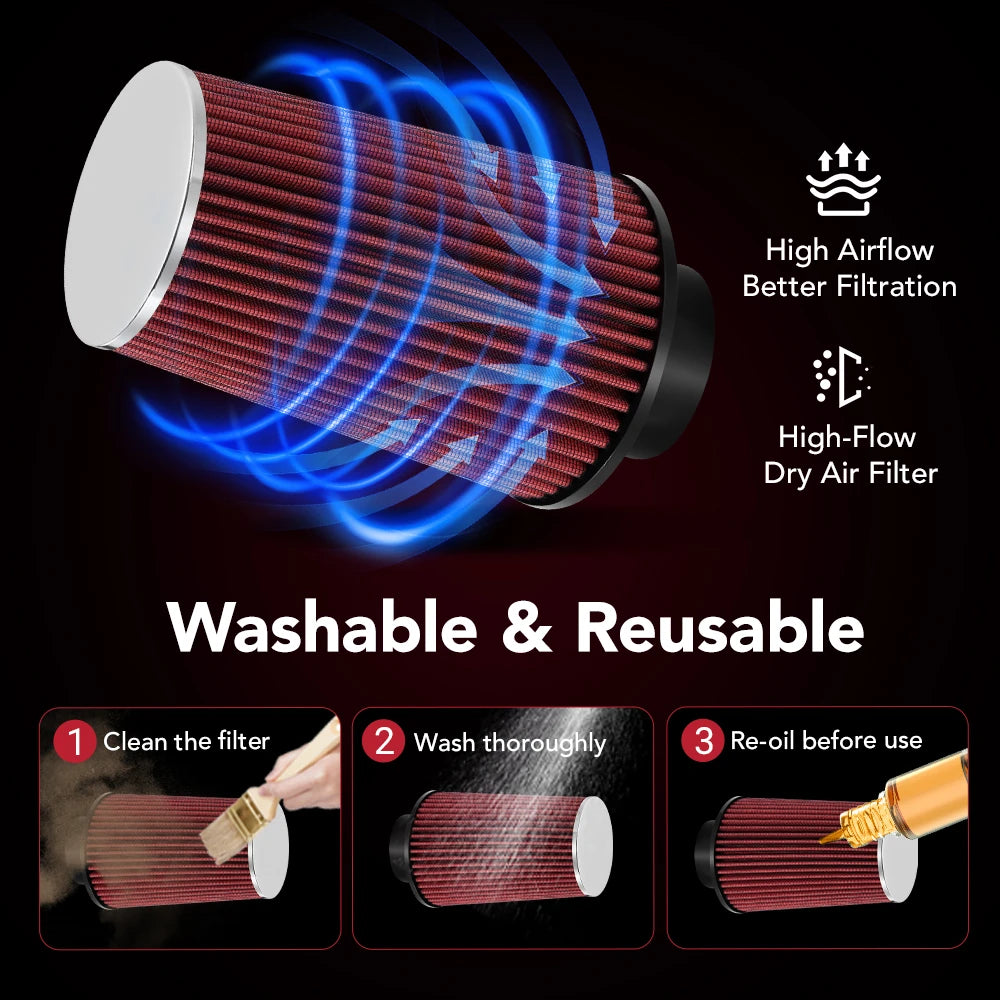
Dry High-Flow Cotton Gauze Air Filter — Multi-layer cotton gauze media delivers superior filtration efficiency without the mess and the risk of MAF sensor contamination associated with oiled filters. Fully washable and reusable — simply rinse, dry, and reinstall after heavy trail use. No oil required, ever.

Black Powder-Coated Steel Heat Shield — Durable steel shield positions the filter away from the exhaust manifold and radiator heat plume, directing cooler ambient air from the fender area toward the intake. The black powder coat finish resists corrosion from trail debris and moisture while blending cleanly with the factory engine bay.

True Bolt-On Installation, No Tune Required — Uses all factory mounting points, MAF sensor location, intake air temperature sensor provision, and PCV connections. The factory PCM adapts automatically through fuel trim learning — no ECU reflash, no check engine light, no special tools. 45-60 minutes with basic hand tools.

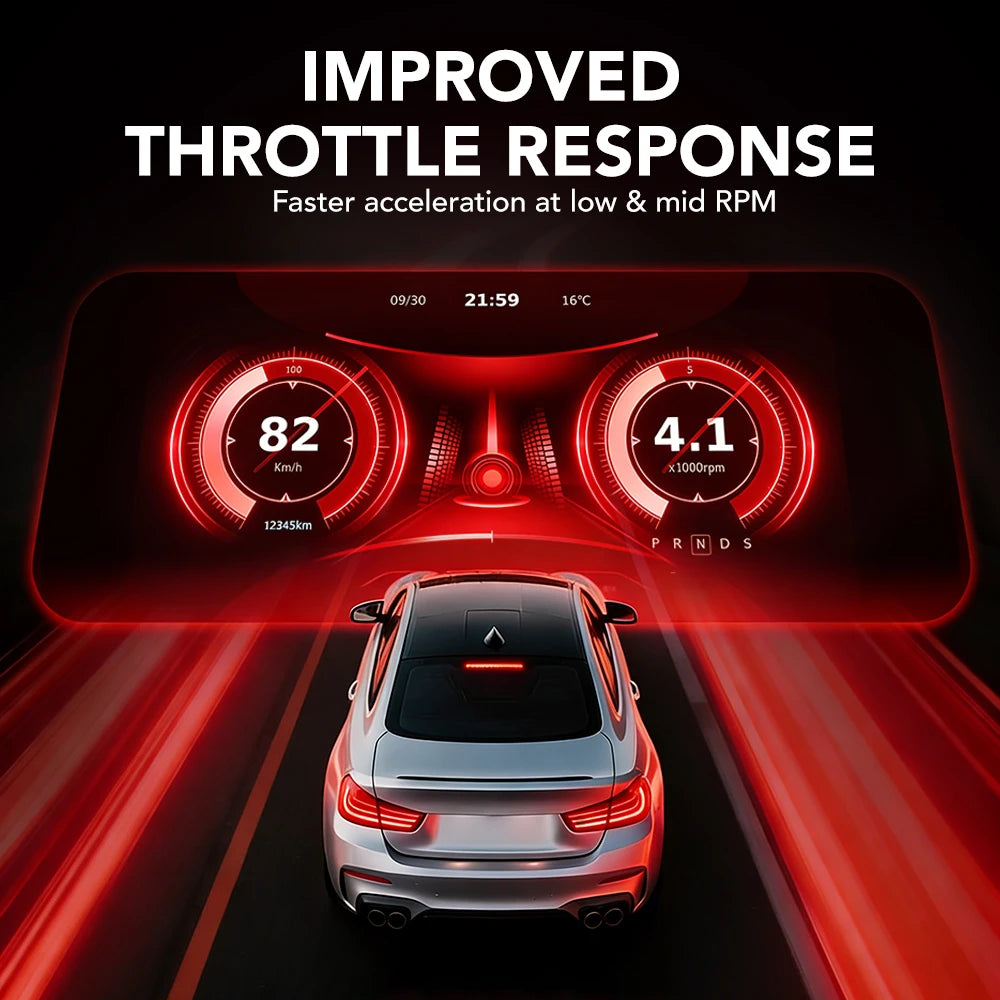
Improved Throttle Response in the RPM Range That Matters — The reduced intake restriction is most noticeable in the 2,500-4,000 RPM band — exactly where you need instant response for off-road crawling, merging onto the highway, or passing with oversized tires. The engine feels crisper and more eager across the board.

Trail-Ready Durability — The washable dry filter handles dust, sand, and trail debris without degrading. The powder-coated tube and shield resist corrosion from moisture, mud, and road salt. No oil means no MAF sensor fouling after wash-day cleaning. Built for the conditions a Jeep actually sees.

Specifications

Brand: FLASHARK
SKU: FLIS25111
Material: Aluminum intake tube
Tubing Finish: Black powder-coated
Filter Type: Dry (no oil required)
Filter Media: Multi-layer cotton gauze
Filter Color: Red
Heat Shield: Included
Installation: Bolt-on, 45-60 minutes
Tuning Required: No
Warranty: 1 Year

Package Includes

1 × Mandrel-bent aluminum intake tube
1 × High-flow dry cotton gauze air filter
1 × Black powder-coated steel heat shield
2 × High-temperature silicone coupler set
5 × Stainless steel hose clamps
1 × Complete mounting hardware kit

2012–2018 Jeep Wrangler JK 3.6L Cold Air Intake FAQ

Q1: Will this cold air intake fit my 2012–2018 Jeep Wrangler JK?

A1: This cold air intake is designed for 2012–2018 Jeep Wrangler JK models equipped with the factory 3.6L Pentastar V6 engine. Before ordering, confirm that your vehicle is a JK and still uses its original 3.6L engine, throttle body, sensor connections, and intake layout. The kit should not be selected solely on the Jeep Wrangler name, as engine and platform differences can affect fitment.

Q2: Does this intake fit both the two-door Wrangler JK and the four-door Wrangler Unlimited JKU models?

A2: The product is listed for the 2012–2018 Jeep JK 3.6L platform, which includes two-door JK and four-door Wrangler Unlimited models commonly called the JKU. Both body styles use a similar engine-bay intake layout, but owners should still compare the factory intake, mounting points, hoses, and surrounding aftermarket accessories before installation.

Q3: How do I know whether my 2018 Wrangler is a JK or a JL?

A3: Jeep sold both the previous-generation Wrangler JK and the newer Wrangler JL during the 2018 model year. This intake is listed for the 2018 JK, not the 2018 JL. Check the VIN, owner’s manual, vehicle build information, and factory intake layout before ordering. A 2018 Wrangler Unlimited is not automatically a JKU because 2018 JL Unlimited models also exist.

Q4: Will this intake fit a 2007–2011 Jeep Wrangler with the 3.8L engine?

A4: No. The listed application starts with the 2012 model year and is designed for the 3.6L Pentastar V6. The 2007–2011 Wrangler JK uses a different 3.8L V6 with different intake routing, throttle-body placement, hoses, sensors, and engine-bay connections. It should not be treated as a direct-fit intake for the earlier 3.8L engine.

Q5: Will this cold air intake fit a Jeep Wrangler JL or Jeep Gladiator JT?

A5: Fitment is only listed for the 2012–2018 Jeep Wrangler JK with the 3.6L engine. A Wrangler JL or Gladiator JT may also use a 3.6L Pentastar, but the intake tube routing, airbox location, sensor configuration, mounting points, and engine-bay dimensions differ. Sharing the same engine displacement does not guarantee direct fitment.

Q6: Does a 3.6L Jeep JK cold air intake require a tune?

A6: A tune is not normally required for a correctly designed and properly installed intake on an otherwise stock 3.6L Wrangler JK. The factory ECU can make limited fuel adjustments during normal operation. A custom tune may be considered when the intake is combined with a larger throttle body, exhaust modifications, internal engine work, forced induction, or other changes that significantly alter airflow.

Q7: How much horsepower can this Jeep JK cold air intake add?

A7: The product page advertises an 8–10% horsepower increase, but real-world results can vary considerably. Actual output depends on engine condition, intake-air temperature, ECU calibration, fuel quality, exhaust restrictions, testing method, and supporting modifications. On a mostly stock Wrangler, the louder induction sound and sharper throttle response may be more noticeable than the change in peak horsepower.

Q8: Will the intake improve throttle response on the 3.6L Pentastar?

A8: The aluminum intake tube and high-flow filter are designed to reduce restriction in the original intake path, which may make the engine feel more responsive when the throttle is opened. The product page states that the improvement is most noticeable in the low- and mid-RPM ranges. Results can still vary depending on tire size, axle gearing, vehicle weight, elevation, engine condition, and ECU adaptation.

Q9: What will this intake sound like on a Jeep Wrangler JK?

A9: Expect a deeper and more aggressive induction sound from the engine bay during acceleration. The change is usually most noticeable when the throttle is opened wide or the engine is operating at higher RPM. Normal cruising should remain quieter. This intake changes the sound entering the engine and does not create the same rear-of-vehicle exhaust note as a muffler or cat-back system.

Q10: Will this cold air intake improve fuel economy?

A10: Better fuel economy is not guaranteed. Reduced intake restriction may help efficiency under certain driving conditions, but MPG is affected much more by tire size, lift height, axle ratio, vehicle weight, speed, terrain, headwind, throttle use, and transmission behavior. Some owners see little measurable change, while others consume more fuel because the louder intake encourages harder acceleration.

Q11: Can this intake cause a check engine light or rough idle?

A11: A correctly installed intake should not automatically cause a check engine light. Problems after installation are often related to a loose clamp, disconnected crankcase ventilation hose, damaged sensor wiring, an air leak, or an incorrectly installed intake-air temperature sensor. If the engine idles roughly or a warning light appears, inspect every connection and scan the ECU for diagnostic trouble codes before replacing components.

Q12: Does the factory intake-air temperature sensor need to be transferred?

A12: Any factory sensor or hose connected to the original intake system must be transferred or reconnected in the correct location when required by the new intake. Handle the sensor carefully, make sure its seal sits correctly, and route the wiring away from sharp edges and hot or moving components. Do not leave an unused opening in the intake tube, as unfiltered or unmetered air can cause drivability problems.

Q13: Is this intake suitable for off-road driving, dust, and water crossings?

A13: The heat shield helps separate the filter from some engine-bay heat, but it does not turn the intake into a sealed snorkel system. Inspect and clean the reusable filter more frequently when driving on dusty trails. Avoid deep water that could reach the filter or intake opening because any engine can suffer serious damage if enough water is drawn into a cylinder. Keep the factory splash protection properly installed.

Q14: How often should the reusable air filter be cleaned?

A14: Inspect the filter during routine oil changes and clean it when the filter surface shows significant dirt or airflow restriction. A Jeep driven mainly on paved roads may need less frequent service than one used on sand, gravel, construction roads, or dusty trails. Use a cleaning method suitable for the supplied filter, allow it to dry completely, and do not reinstall it while wet.

Q15: How difficult is it to install this Jeep JK cold air intake?

A15: Installation is generally suitable for an owner with basic mechanical experience and common hand tools. The work normally involves removing the factory intake, transferring the required sensor and hoses, fitting the aluminum tube and heat shield, and tightening all clamps and mounting hardware. Before driving, make sure the tube does not contact the hood, fan, wiring, coolant hoses, or other moving components. Recheck all fasteners after the first heat cycle and test drive.

Year Make Model Engine Notes
2012-2018 Jeep Wrangler JK (2-Door) 3.6L Pentastar V6 All trims — Sport, Sahara, Rubicon, Willys, Freedom, etc.
2012-2018 Jeep Wrangler Unlimited JKU (4-Door) 3.6L Pentastar V6 All trims — engine bay and intake layout identical to 2-door JK

CRITICAL: 2018 Model Year — JK vs JL

Jeep sold both the outgoing Wrangler JK and the all-new Wrangler JL during the 2018 model year. This intake fits the 2018 JK only — NOT the 2018 JL. Before ordering, verify your platform: the JK has a more traditional grille with separate turn signal housings; the JL has a more swept-back grille with integrated turn signals and a more rounded hood profile. Check your VIN or owner's manual if uncertain.

Q1: Will this cold air intake fit my 2012-2018 Jeep Wrangler JK?

A: This intake is specifically designed for 2012-2018 Jeep Wrangler JK and JKU (Unlimited) models equipped with the factory 3.6L Pentastar V6 engine. It fits both 2-door JK and 4-door JKU — the engine bay and intake layout are identical between the two body styles. It does NOT fit 2007-2011 JK models with the 3.8L V6, or 2018+ JL models. Always verify your engine, platform, and year before ordering.

Q2: How do I know if my 2018 Wrangler is a JK or JL?

A: Jeep sold both the outgoing JK and the all-new JL during the 2018 model year. This intake fits the 2018 JK only. Quick identification: the JK has a traditional grille with separate amber turn signal housings and a flat hood; the JL has a swept-back grille with integrated turn signals, a more rounded hood, and relocated windshield hinges. If unsure, check your VIN (10th digit), owner's manual, or build sheet. A 2018 Wrangler Unlimited is not automatically a "JKU" — 2018 JL Unlimited models also exist.

Q3: Will this fit a 2007-2011 JK with the 3.8L V6?

A: No. The 2007-2011 JK uses a completely different 3.8L V6 engine with unique intake routing, throttle body positioning, sensor configurations, PCV plumbing, and engine bay mounting points. Even though the body shell is similar, the engine-side connections are not interchangeable. This intake is for the 3.6L Pentastar only — using it on a 3.8L will not fit correctly and may cause drivability issues.

Q4: Will this intake fit a Jeep Wrangler JL or Gladiator JT?

A: No. While the JL and JT also use the 3.6L Pentastar V6, the engine bay layout, intake routing, airbox position, sensor locations, and mounting points are entirely different from the JK platform. Same displacement does not mean same intake path. This intake is engineered for the JK platform only.

Q5: Do I need a tune or ECU reflash after installing this intake?

A: No. This intake is designed as a plug-and-play upgrade for the factory PCM on a near-stock 2012-2018 3.6L JK. The factory computer uses adaptive fuel trim learning and will automatically compensate for the airflow changes within normal operating parameters. No check engine light, no driveability issues. A custom tune may be beneficial if you have significant additional modifications — larger throttle body, full exhaust, forced induction — but is not a requirement of this intake itself.

Q6: How much horsepower will this intake add to a 3.6L Pentastar JK?

A: Dyno testing on near-stock 2012-2018 JK 3.6L engines shows an 8-10% increase in peak horsepower, translating to approximately 22-28 additional horsepower depending on engine condition, supporting modifications, and testing conditions. The most noticeable real-world improvement is in the 2,500-4,000 RPM mid-range — where you'll feel sharper throttle response, whether you're merging onto the highway or crawling a trail. On a stock JK, the combination of improved response and deeper induction sound is often more satisfying than the peak horsepower number.

Q7: Will this intake improve throttle response on a lifted JK with big tires?

A: Yes — and this is one of the best reasons to install it. A lifted JK running 35-inch or larger tires, especially with stock axle gearing, puts significantly more load on the Pentastar. The factory intake restriction compounds this problem. By reducing inlet restriction, this intake helps the engine access available torque more quickly when you tip into the throttle. The improvement is most noticeable at part-throttle and mid-RPM — exactly where a heavy, tired JK needs help. It will not replace the need for proper gearing, but it does make the engine feel less strained.

Q8: What does this intake sound like on a Jeep JK?

A: Under acceleration and wide-open throttle, you'll hear a deeper, more aggressive induction growl from the engine bay — a satisfying upgrade from the near-silent factory airbox. The sound is most pronounced above 3,000 RPM when the throttle is opened. At a steady highway cruise, the intake remains quiet and does not drone. This intake affects only induction noise, not exhaust sound — it will not make your exhaust louder or change its tone.

Q9: Is this intake safe for off-road use — dust, mud, and water crossings?

A: The included dry cotton gauze filter is designed to handle dusty trail conditions and is fully washable and reusable — unlike the factory disposable paper filter. The heat shield provides some splash protection, but is NOT a sealed snorkel system. After dusty trail runs, inspect and clean the filter more frequently than you would for street-only use. Avoid water crossings deep enough to reach the filter location, as any engine ingesting water into the cylinders can suffer catastrophic hydrolock damage. Keep all factory splash shields installed.

Q10: How do I clean the air filter, and how often?

A: Inspect the filter at every oil change interval. Clean it when visible dirt buildup is significant or when you notice reduced performance. Cleaning steps: remove the filter, rinse from the inside out with low-pressure water (do NOT use compressed air or solvents), allow to air-dry completely, and reinstall. Never apply oil to this dry filter — oil will contaminate the MAF sensor and cause drivability issues. Vehicles used frequently on dusty trails should clean the filter more often than street-only Jeeps.

Q11: Will this intake cause a check engine light or idle problems?

A: A correctly installed intake on a healthy Pentastar should not cause a check engine light, rough idle, or surging. Post-installation issues almost always trace back to: loose coupler clamps causing an unmetered air leak (vacuum leak after the MAF), a disconnected or damaged PCV breather hose, the intake air temperature sensor not seated correctly, or a contaminated MAF sensor. If problems occur after installation, double-check every connection, clamp, and sensor plug before assuming a defect in a part.

Q12: What's the installation difficulty and time required?

A: Installation is straightforward for anyone with basic mechanical experience and common hand tools. Expect 45-60 minutes. Steps: remove the factory airbox and intake tract; transfer the MAF sensor and intake air temperature sensor to the new tube; mount the heat shield using the factory bolt locations; install the aluminum intake tube with the supplied couplers and clamps; attach the filter; and verify all connections are tight. Before starting the engine, ensure no tubes contact the hood, fan, belts, coolant hoses, or wiring. Re-check all clamps after the first heat cycle and test drive.

Fast Shipping Policy

Your order will be dispatched within 1-2 business days, and the package will arrive within your order's estimated date. Click for Shipping Policy

Easy Return Policy

Every order comes with a 14-day free return, provided the item is brand new, uninstalled, and in its original packaging. We cover return shipping for quality issues. Refunds are processed within 3-5 business days. Click for Return Policy

Worry-Free Delivery Protection

Add Worry-Free Delivery at checkout — if it's lost, stolen, or damaged, you're 100% covered. Click for Worry-Free Delivery Protection

You may also like