Which G35 models do these test pipes fit?
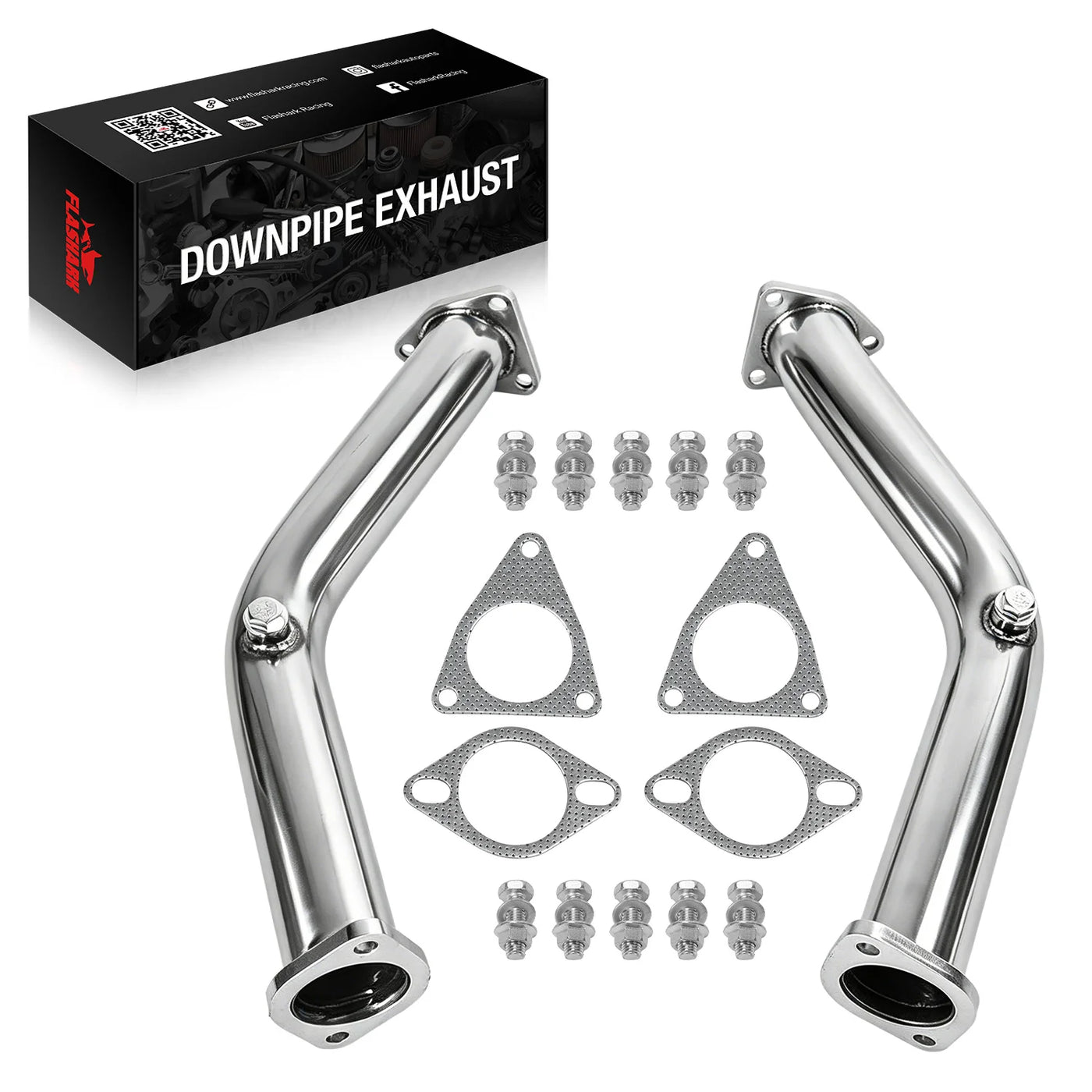
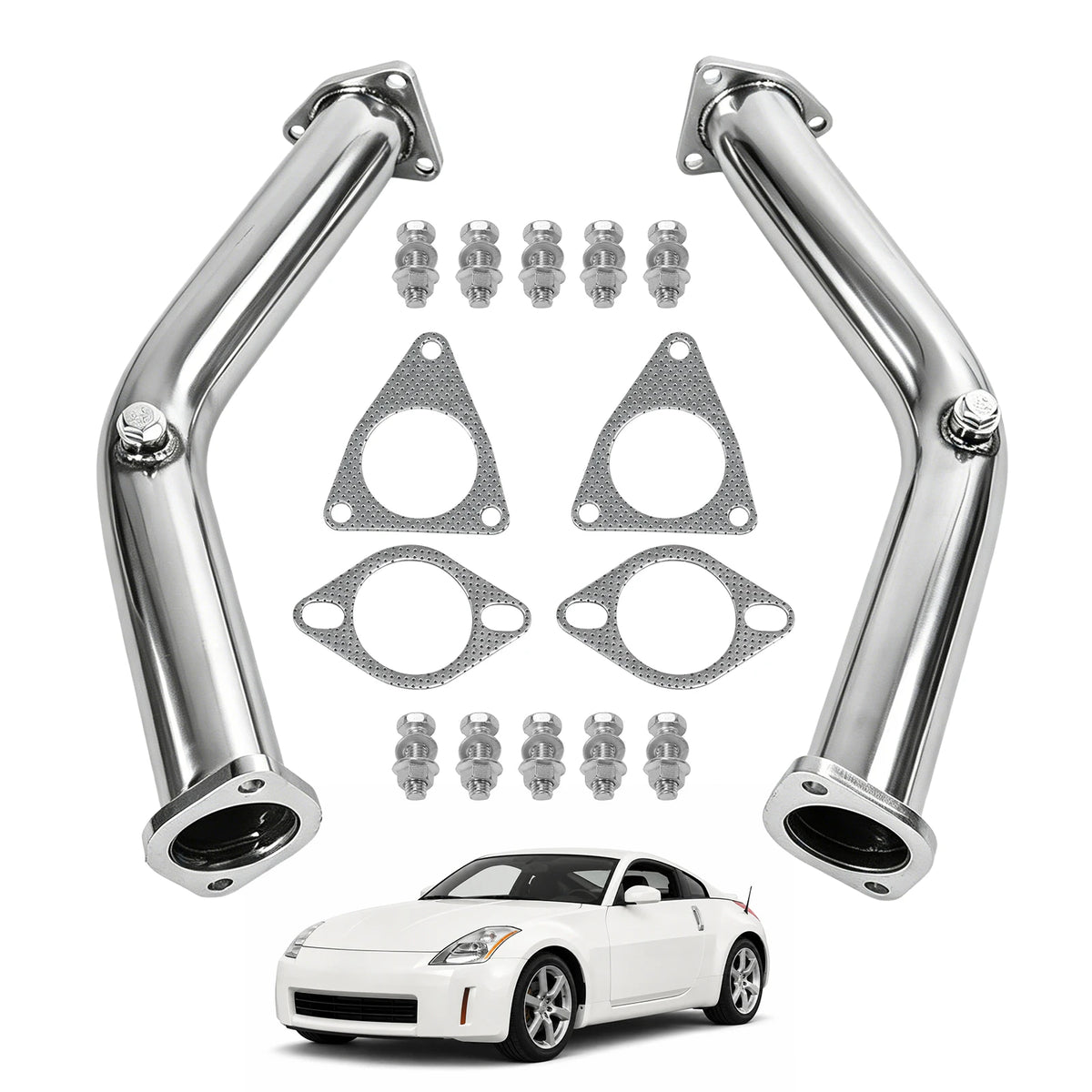
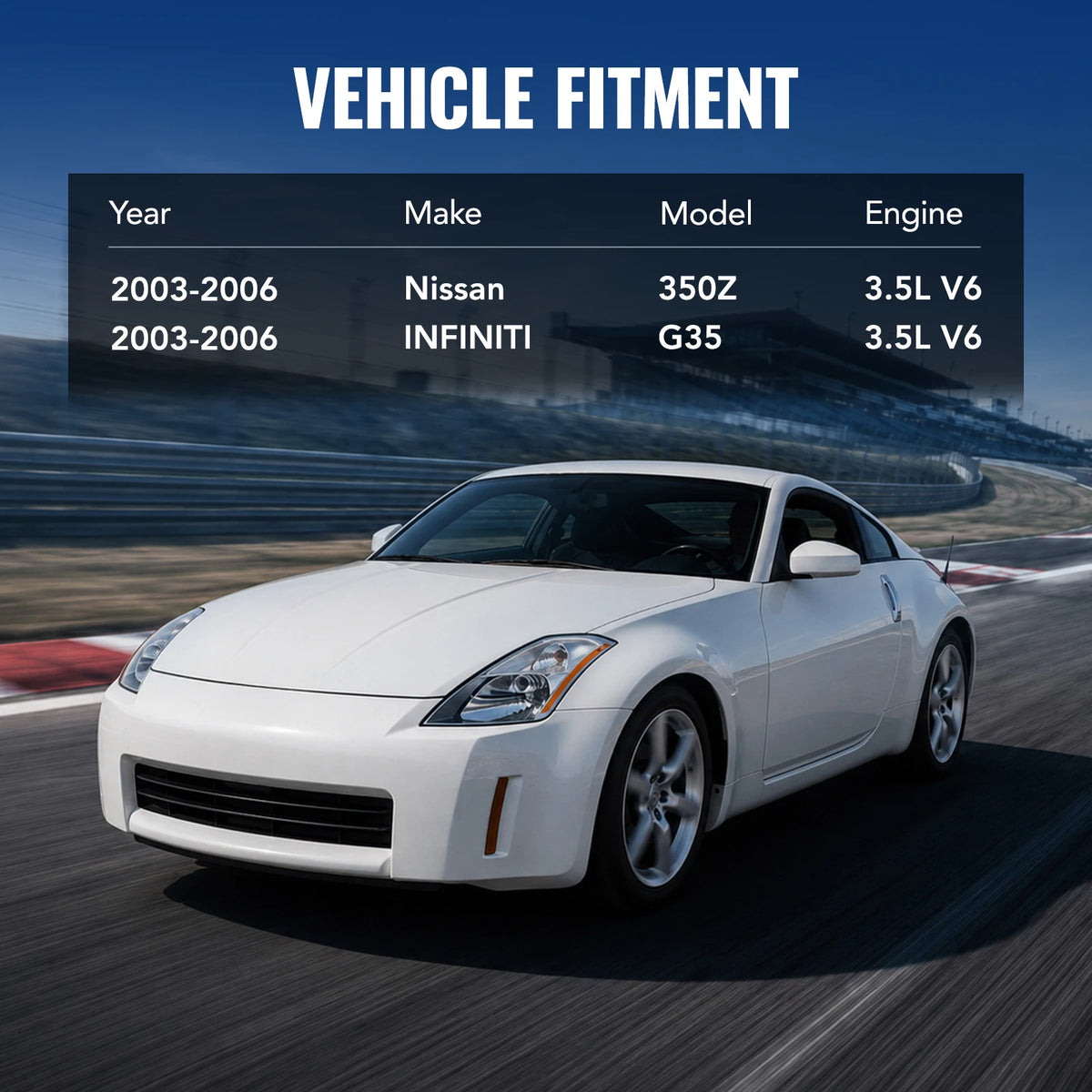
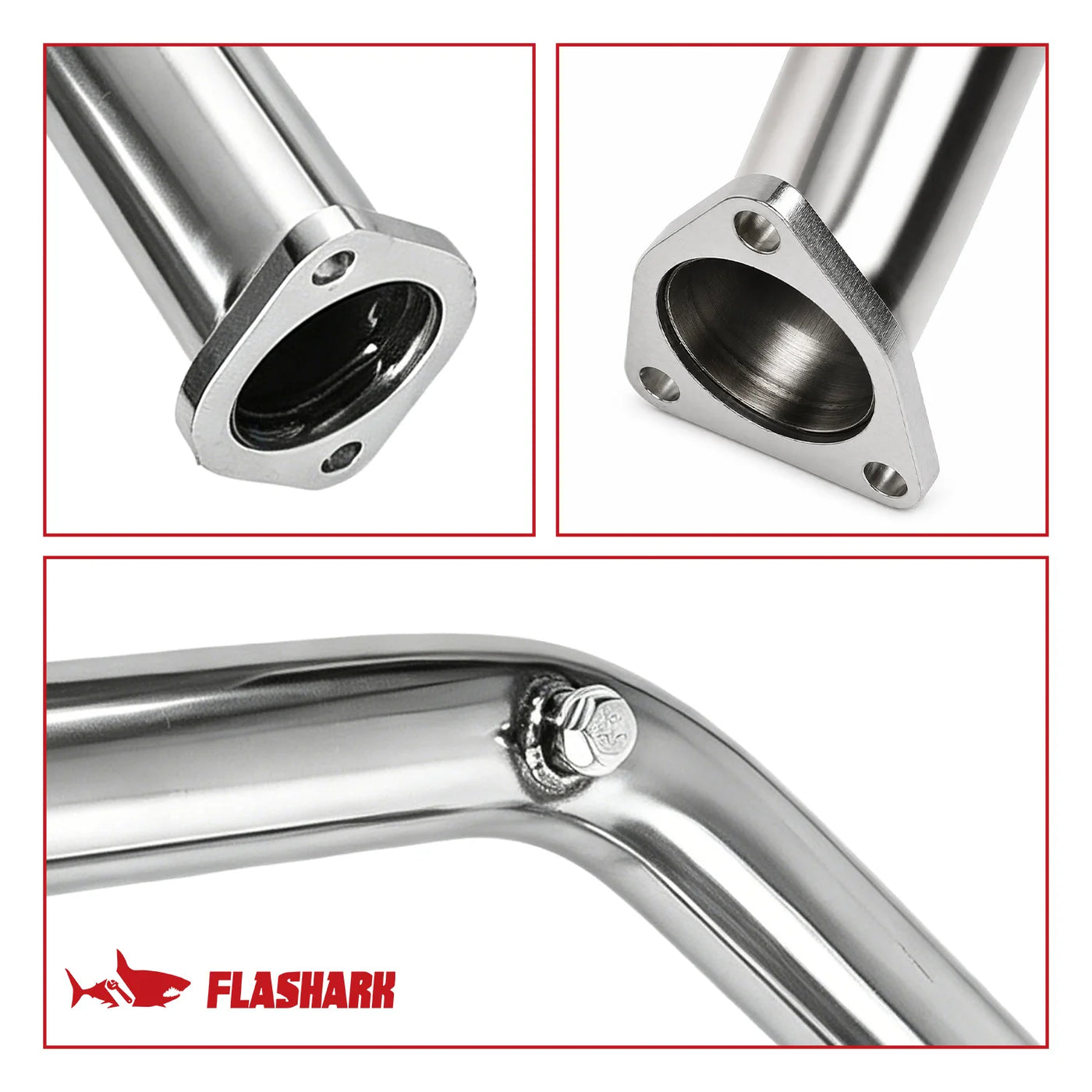
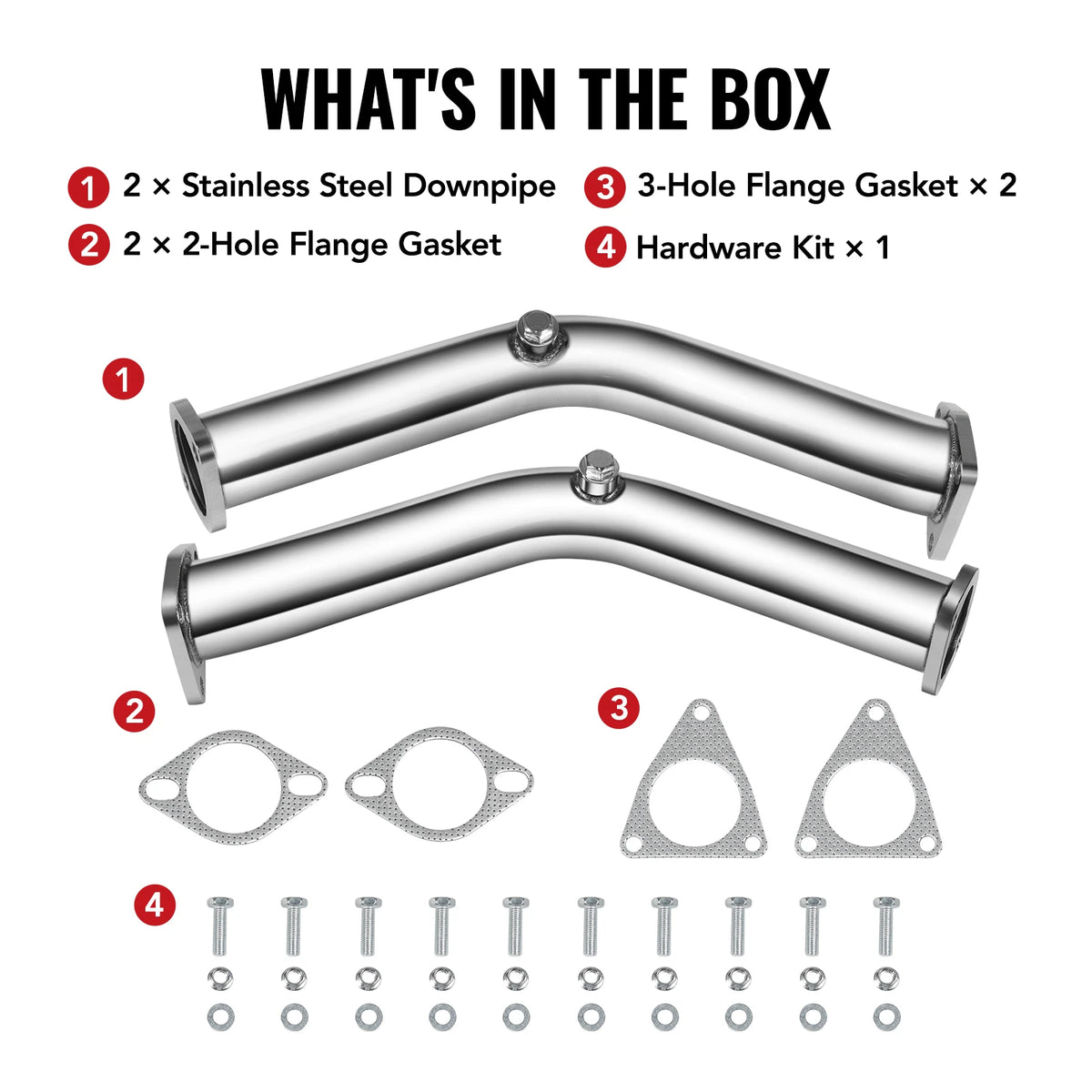
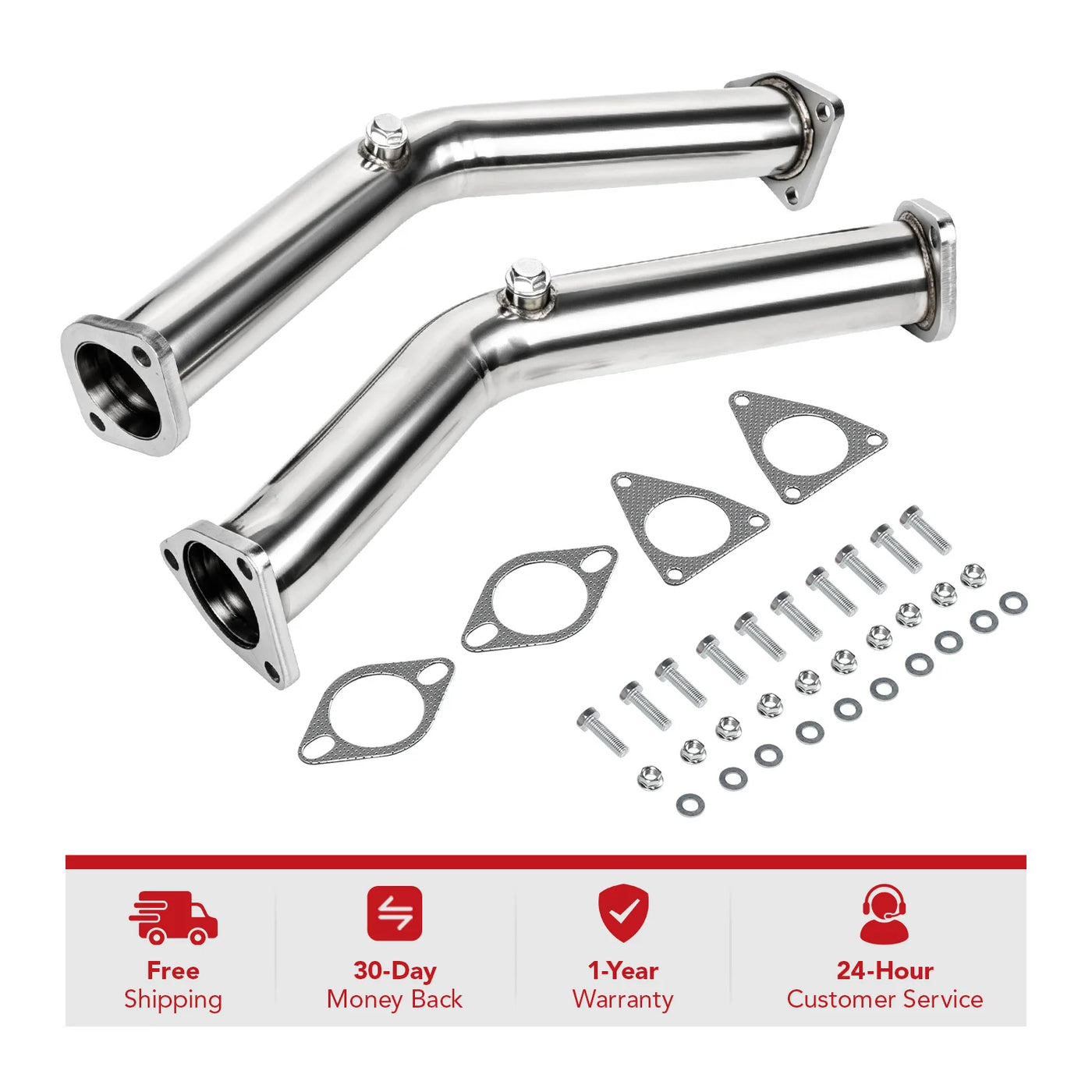
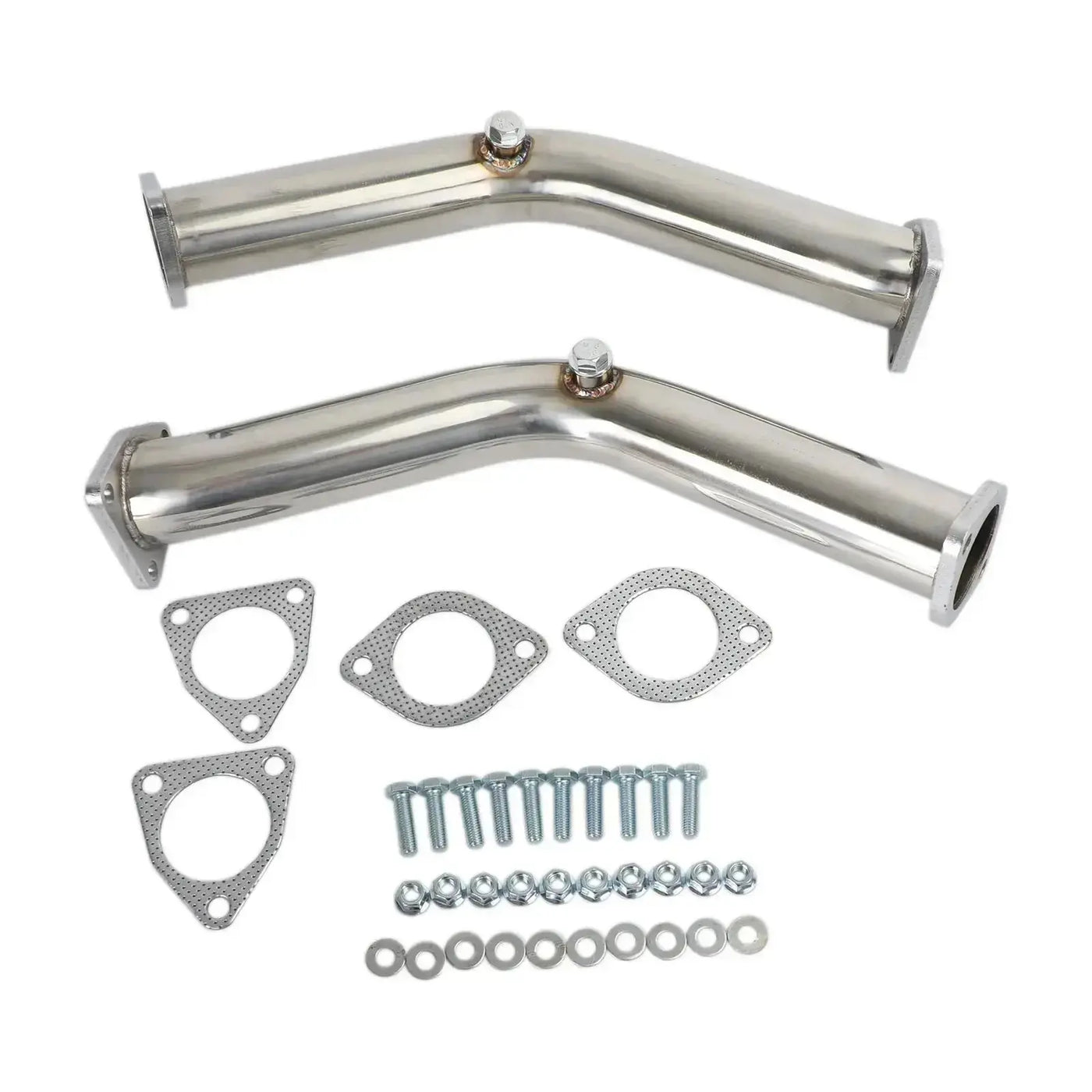
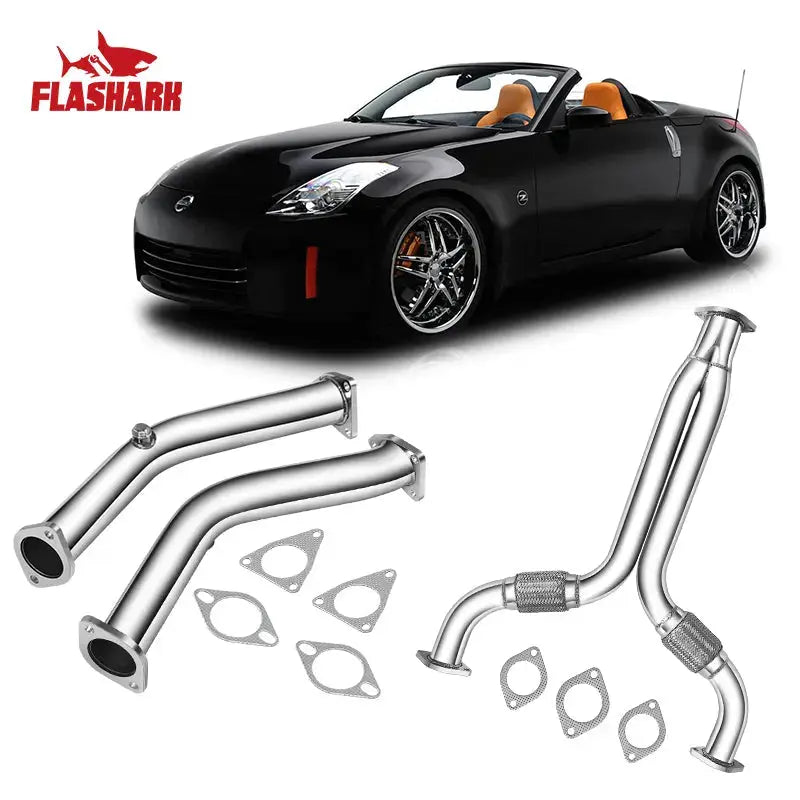
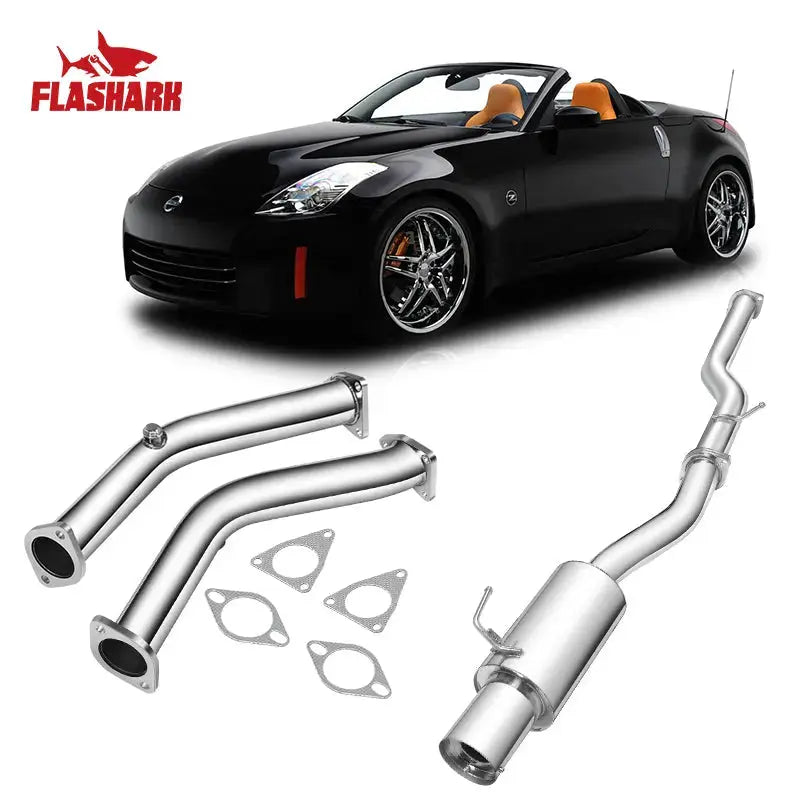
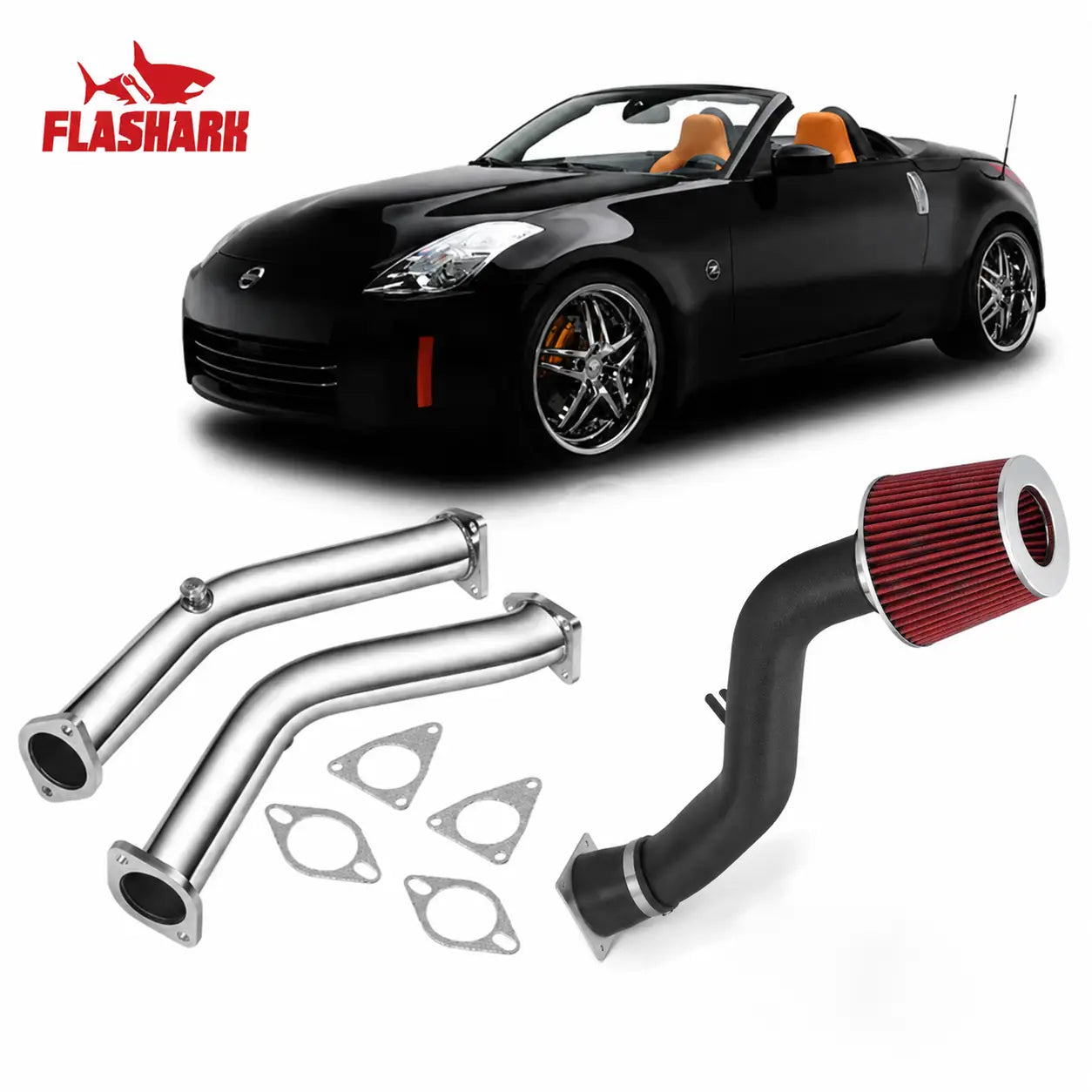
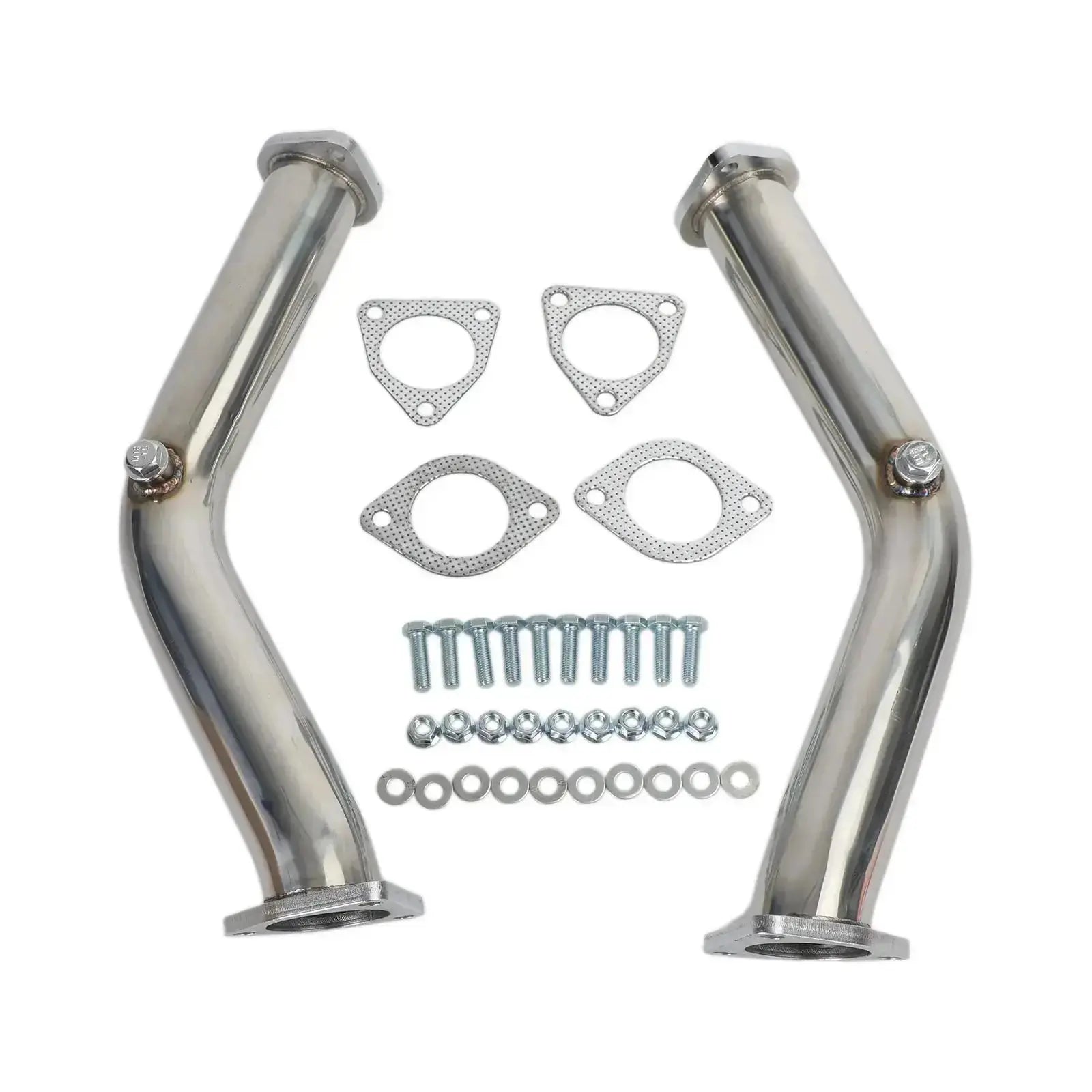
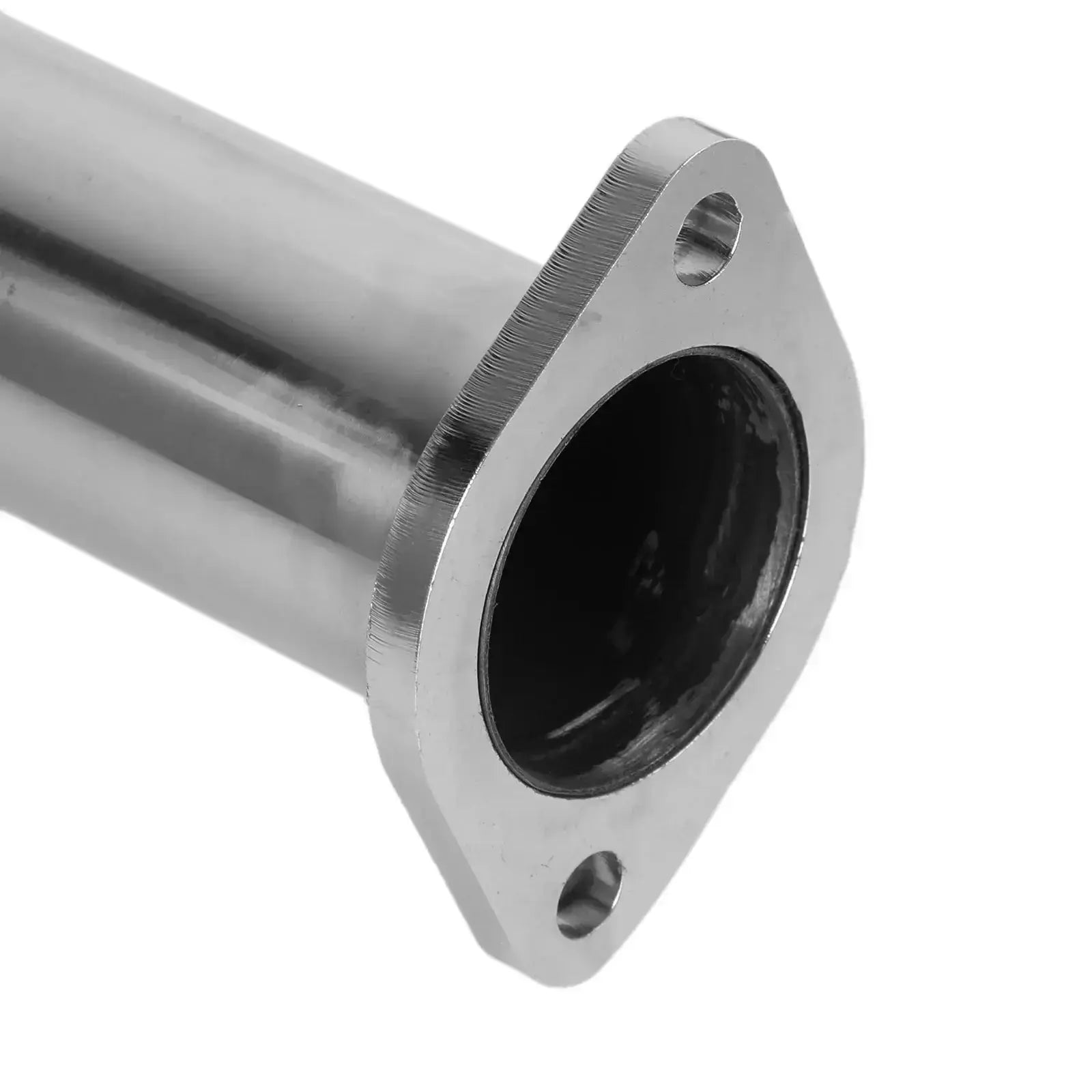
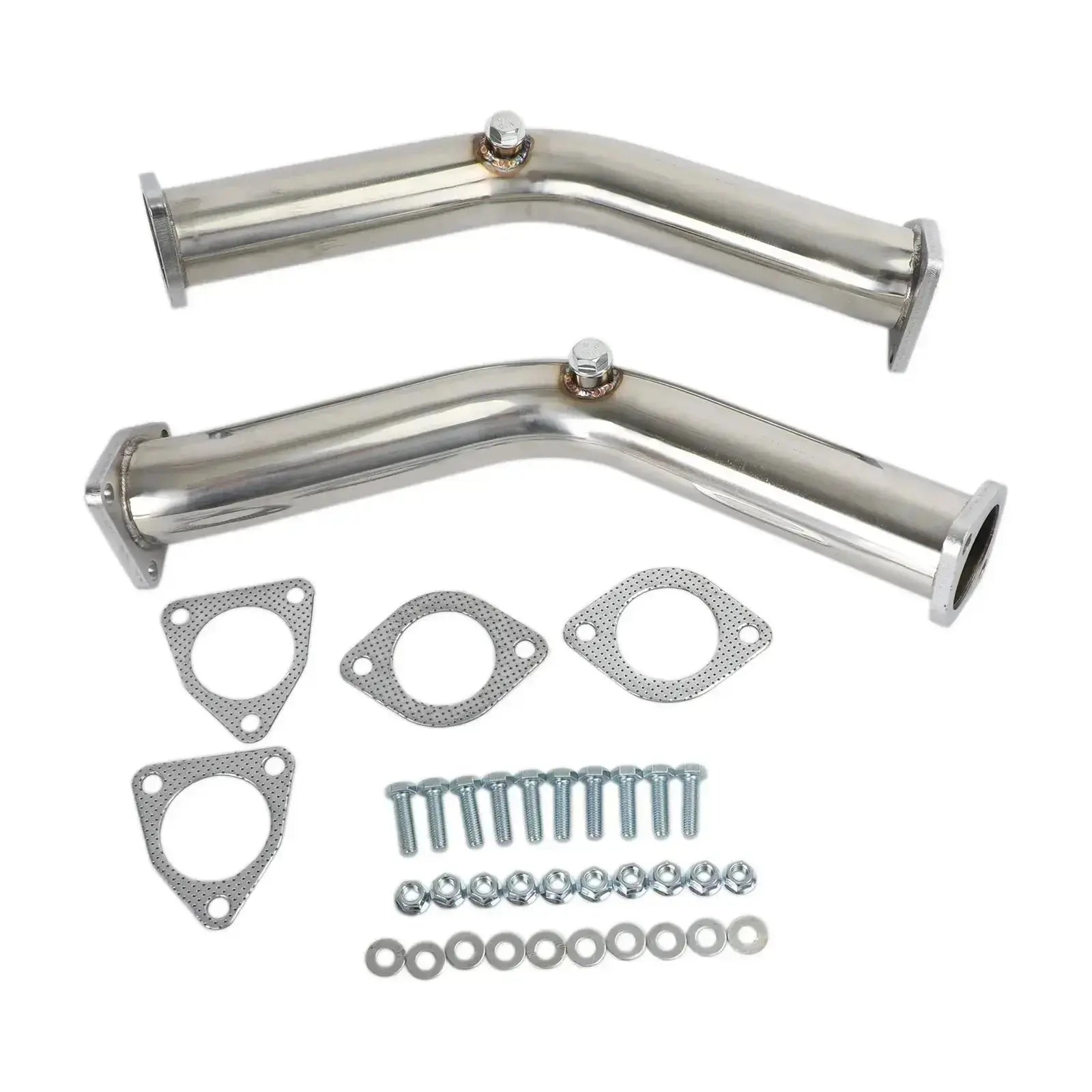
A1: These test pipes are designed for the 2003-2006 Infiniti G35, both coupe and sedan, running the VQ35DE engine. The coupe (V35) and sedan share the same downpipe flange pattern for this generation. If you're running an '03-06 G35, this is a direct bolt-on — no adapters, no welding. The kit includes new gaskets and hardware so you're not hunting for old corroded bolts at the install.
What's the difference between test pipes and a catless downpipe?
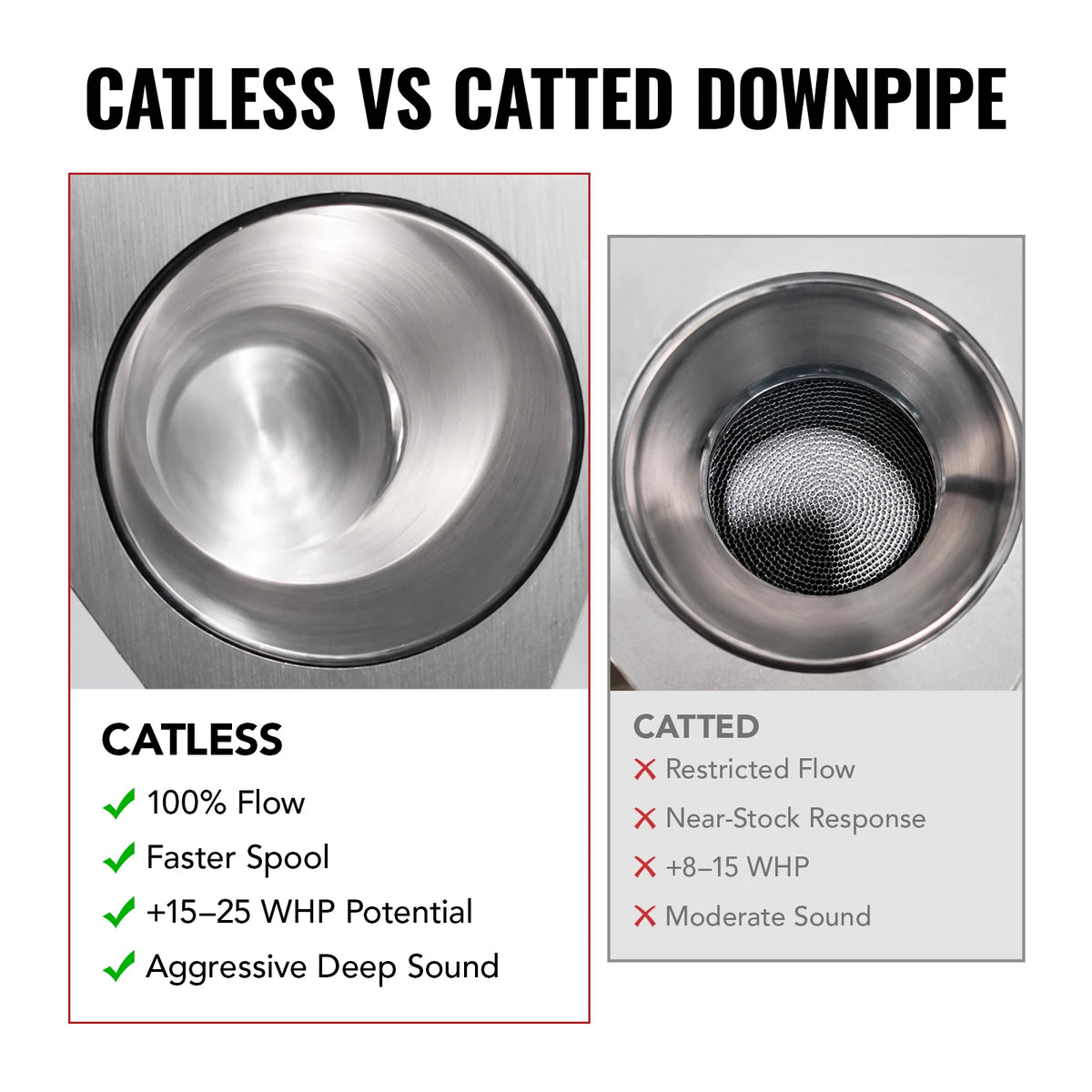
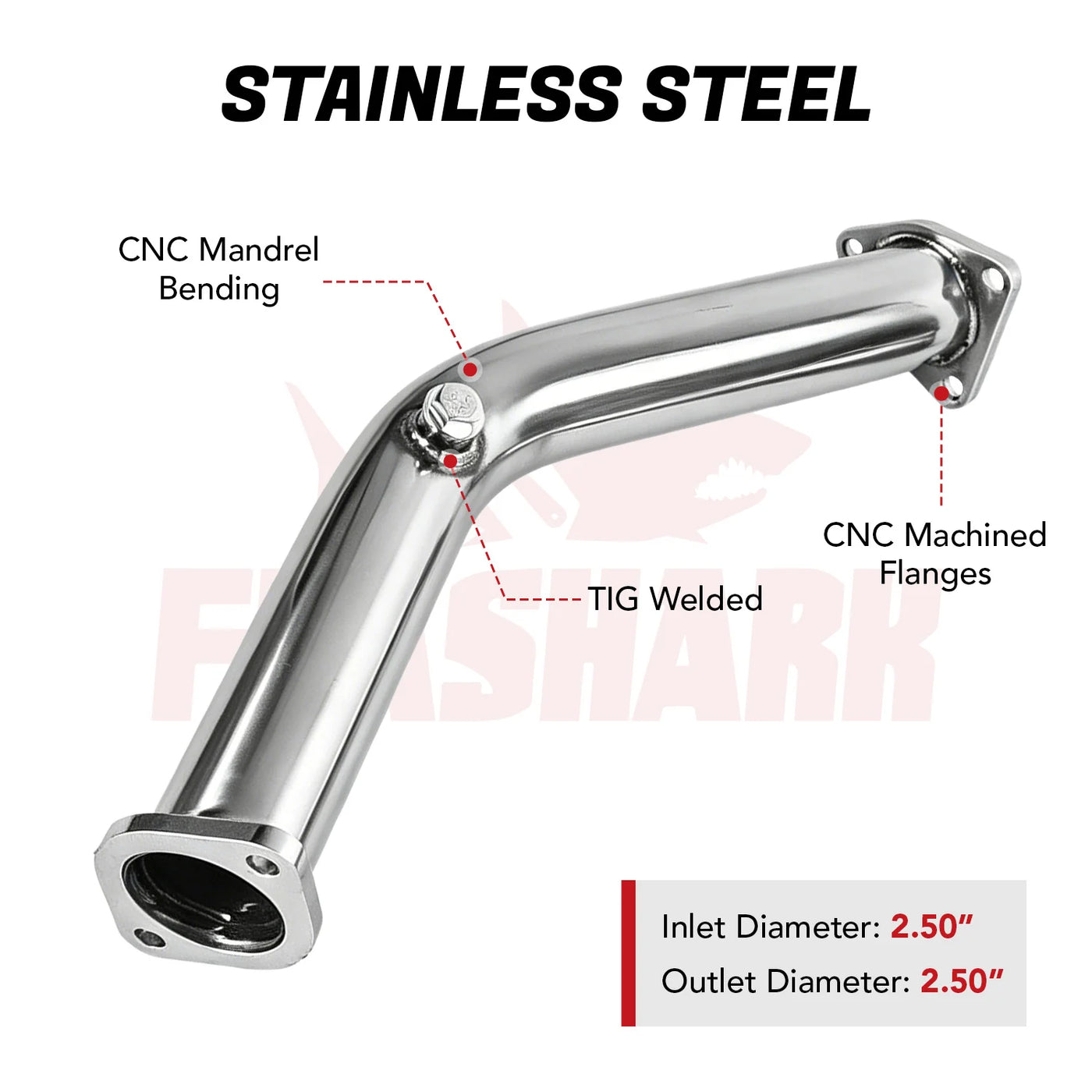
A2: Test pipes replace the catalytic converters entirely — they're just straight-through pipes with O2 sensor bungs. A catless downpipe might still have a high-flow cat or some form of emissions hardware, even if it's less restrictive than OEM. Test pipes are the nuclear option: maximum flow, zero emissions control. Most people running test pipes are building dedicated track cars or don't care about street legality.
Will test pipes trigger a check engine light on my G35?
A3: Almost certainly. The downstream O2 sensors monitor catalytic converter efficiency — with no cats, they detect zero conversion activity and the ECU throws P0420 (bank 1) or P0430 (bank 2). Some people try O2 sensor spacers to physically move the sensor out of the main exhaust flow, which sometimes works to suppress the CEL, but it's not a guaranteed fix. The real solution is a tune that disables post-cat O2 monitoring. APR, UpRev, and ECutek all support the VQ35 platform for this.
How much power do test pipes add to the G35 VQ35DE?
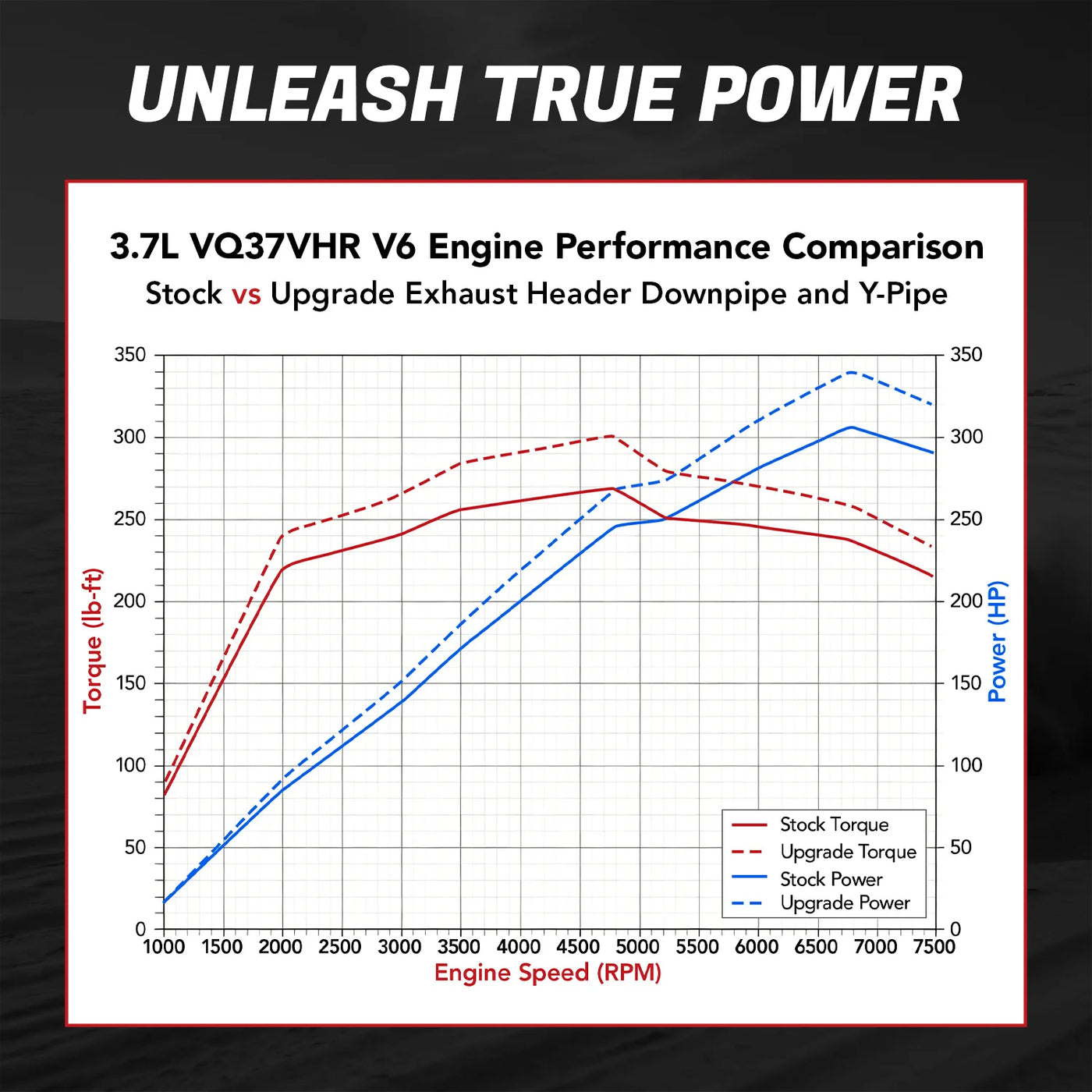
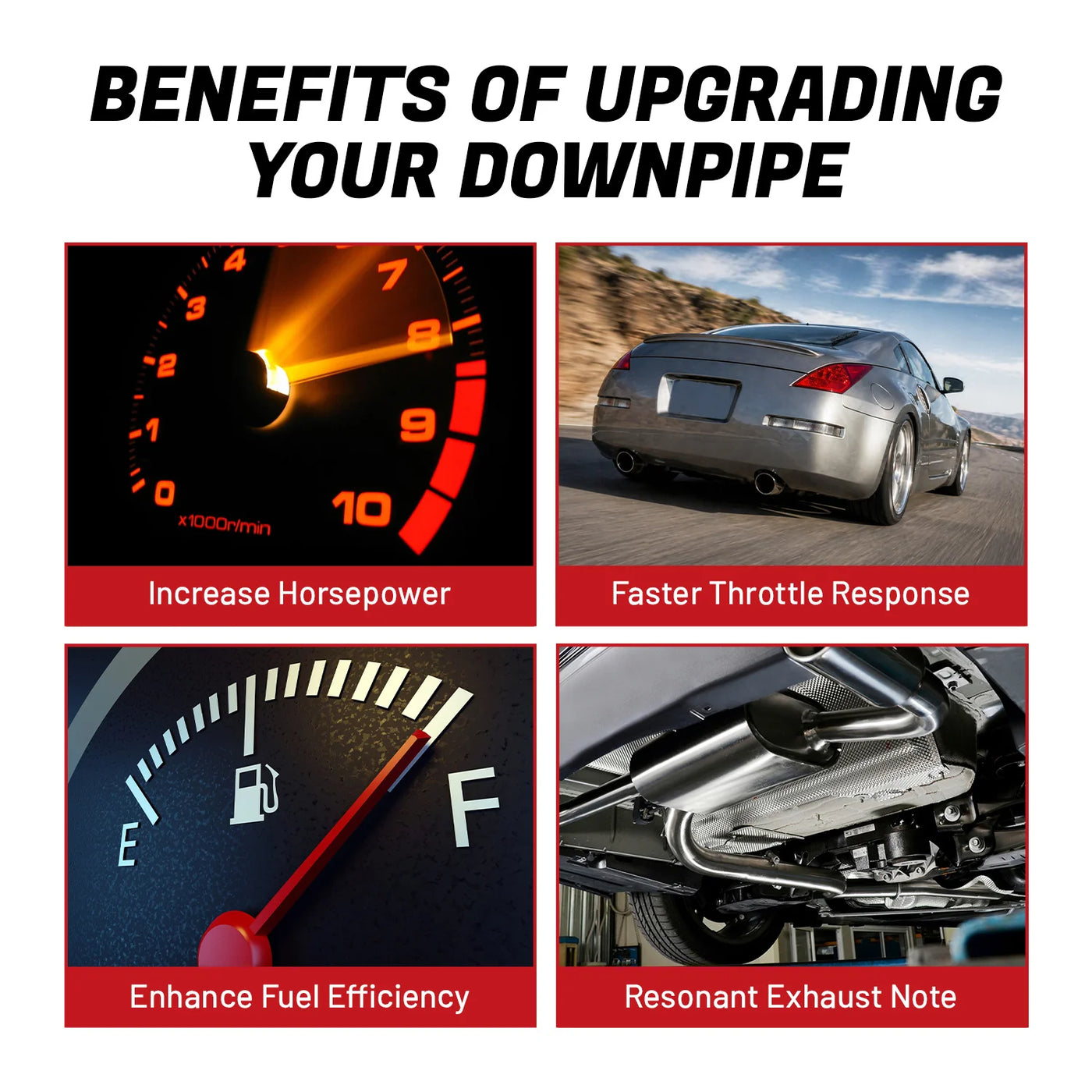
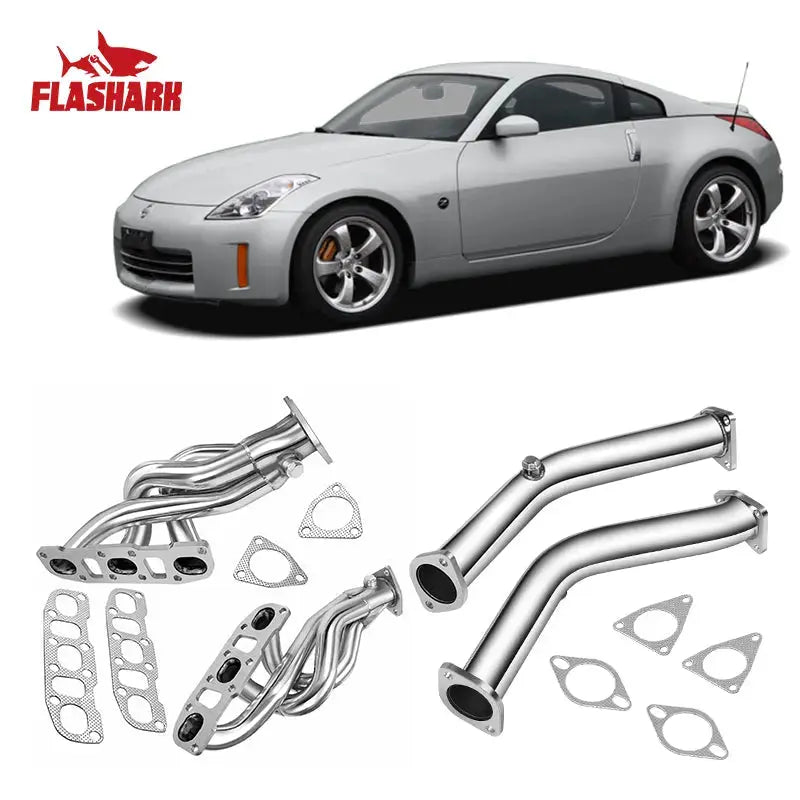
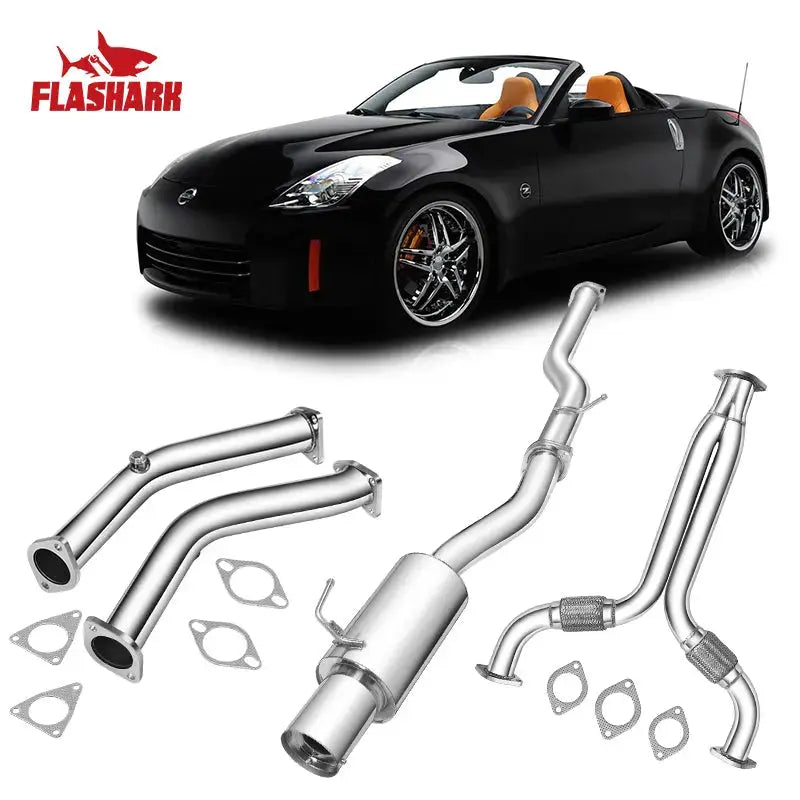
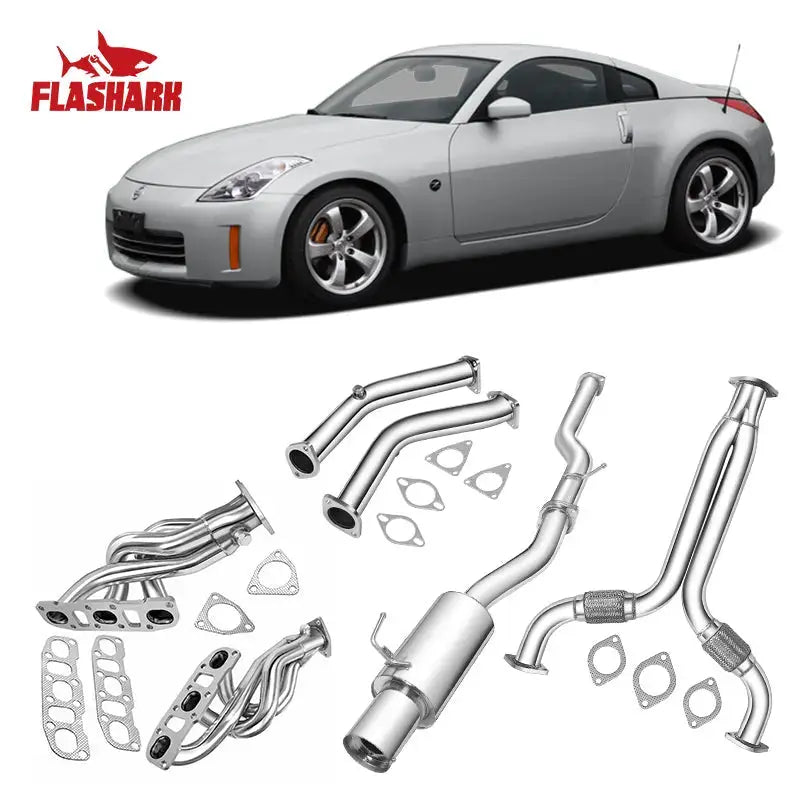
A4: The VQ35DE is a high-revving NA engine — it doesn't respond to exhaust mods the same way a turbo car does. Test pipes alone might give you 5-10whp if you're already at high RPM, mostly from reduced exhaust scavenging losses. The real benefit is when you pair test pipes with headers and a full cat-back exhaust, which can unlock 15-25whp on a tuned VQ35. Don't expect miracles from test pipes alone on a naturally aspirated engine.
Are test pipes street legal?
A5: No. Removing the catalytic converters is illegal in all 50 states under federal Clean Air Act provisions, regardless of what the car came with from the factory. If you live in California or states with CARB regulations, you're looking at potential fines, inspection failures, and a non-registrable vehicle if you're caught. These are for off-road use only, track-only builds, or dedicated show cars that never see public roads.
Do I need O2 sensor extensions or spacers with these test pipes?
A6: The test pipes come with O2 sensor bungs pre-drilled in the correct location, so the sensors mount where they should. If you're still getting a CEL after install, O2 spacers can help — they move the sensor tip away from the direct exhaust flow, which can soften the reading enough to keep the CEL from triggering. But honestly, the real fix is a tune that disables post-cat monitoring. Spacers are a band-aid.
What's the sound difference with test pipes on the G35?
A7: The VQ35DE has a pretty aggressive exhaust note to begin with. Test pipes make it raspier and louder — you'll hear more valvetrain noise, more exhaust chatter, and sharper crackles on deceleration. It's not subtle. If you're running headers with test pipes, the combination is surprisingly loud. Most owners either love it or find it too much for daily driving. Consider resonated test pipes if you want a compromise.
Can I pass inspection with test pipes?
A8: In states with OBD-II emissions testing, no. The readiness monitors for catalytic efficiency will never be "ready" without cats installed, and a scanner will flag it immediately. In states that only do visual inspections or tailpipe sniffer tests, you might slip through — but visual inspection will catch missing cats every time. Don't buy test pipes if you need to pass smog.
Do test pipes work with the G35's secondary air injection system?
A9: The secondary air injection pump on the G35 injects fresh air into the exhaust to help warm up the cats faster during cold starts. With test pipes, the air injection has nowhere useful to go — it just blows into empty space and can cause a slight hissing or fluttering noise. Most people leave the secondary air injection disconnected when running test pipes. It won't hurt the engine, but it's pointless without cats to work with.
What's the installation difficulty on the G35?
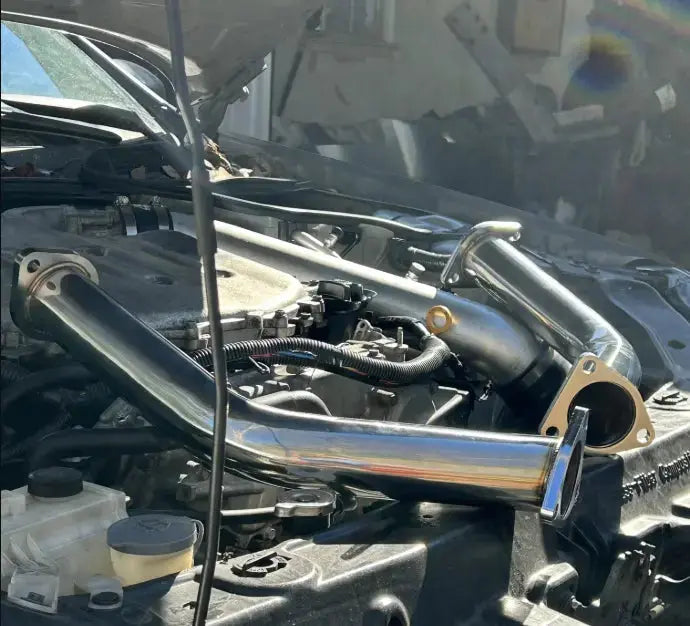
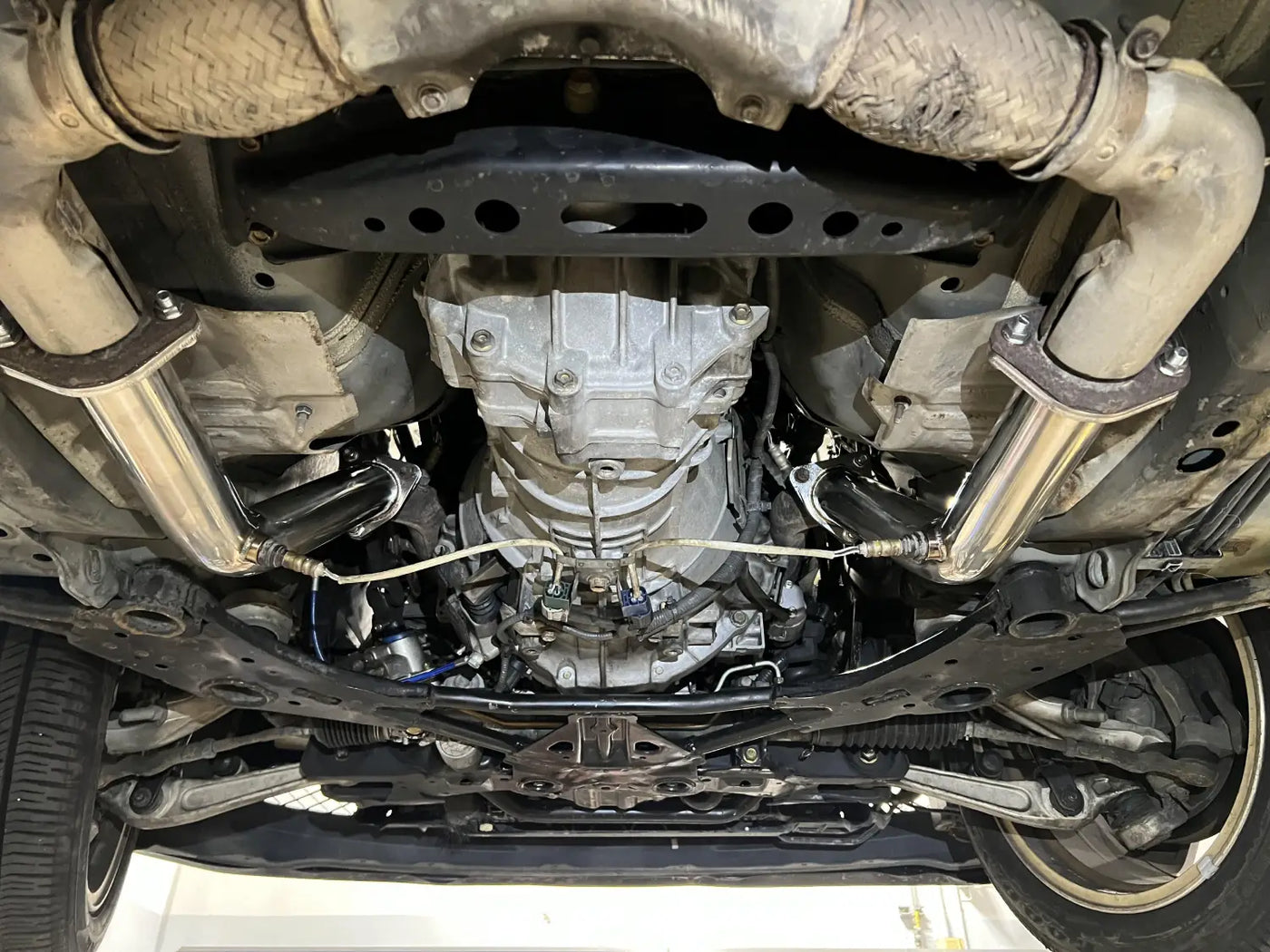
A10: Straightforward for an experienced DIYer. The hardest part is getting the old catalytic converter pipes off — rust and heat have probably welded the flanges together. Soak everything in penetrant the night before. You'll need a 14mm wrench, a 12mm socket, and a breaker bar for stubborn bolts. The test pipes themselves drop right in with the included gaskets. Budget 2-3 hours if this is your first time doing an exhaust job on a G35.
How do test pipes compare to high-flow cats for the G35?
A11: High-flow cats (200-cell or 300-cell) give you 85-95% of the flow of test pipes while keeping some emissions compliance. If you want to maximize flow but still have a chance at passing inspection in some states, high-flow cats are the smarter choice. Test pipes are maximum flow, zero compromise — but you're done with smog checks forever on that car. Pick based on your use case, not just the numbers.
Do I need to retune my G35 after installing test pipes?
A12: The VQ35DE doesn't require a retune just for test pipes — the MAF sensor and primary O2 sensors still function normally. However, the car will run slightly rich at certain RPMs because the fuel trims are trying to compensate for the missing cats. If you're doing a full exhaust build (headers + test pipes + intake), a tune will unlock the actual power gains. On a mostly-stock G35, test pipes alone are acceptable, but you're leaving performance on the table without supporting mods.









 Frequently Bought Together


