


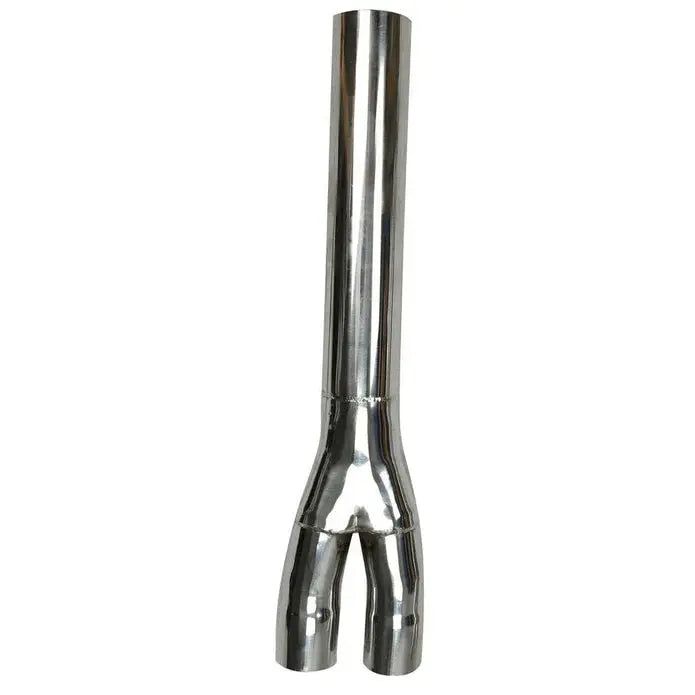
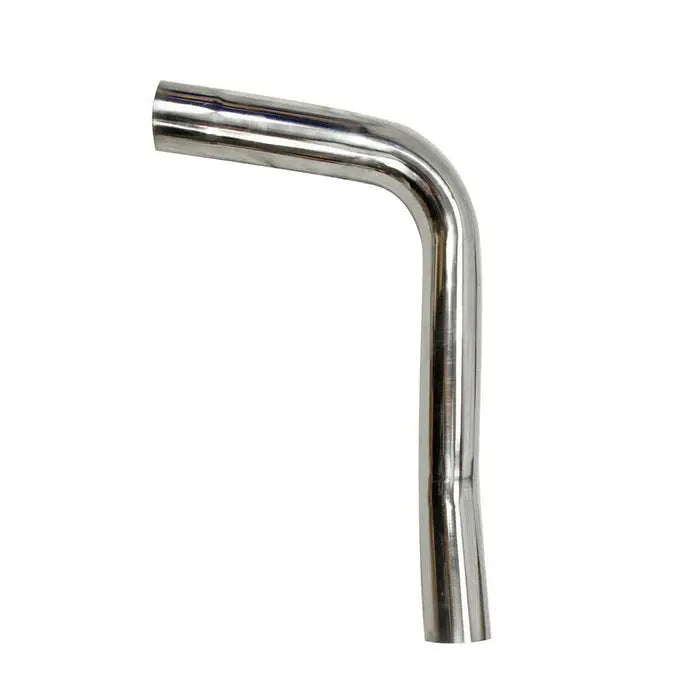
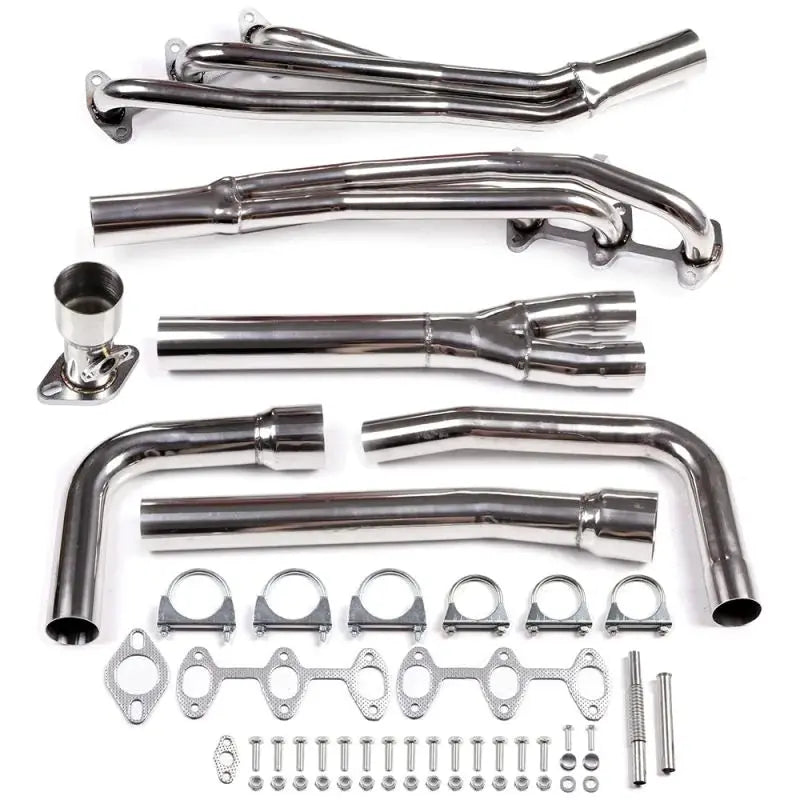
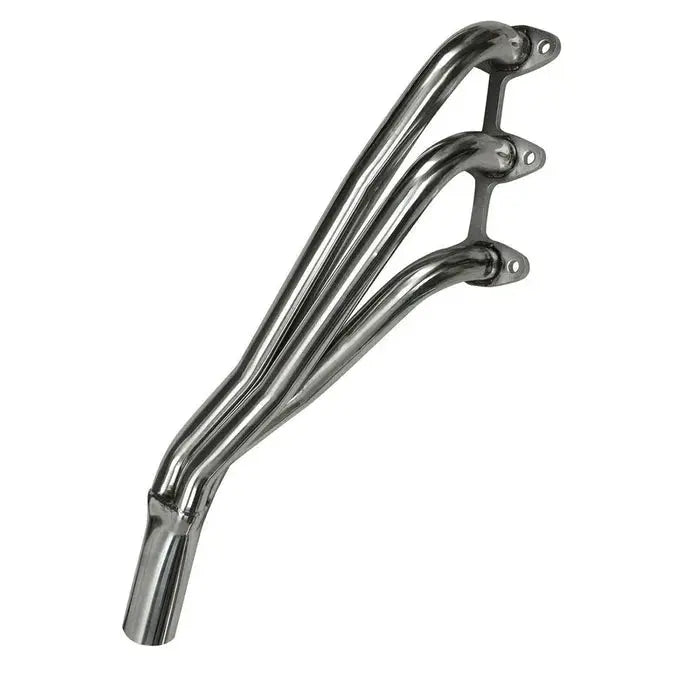


 Product Specifications
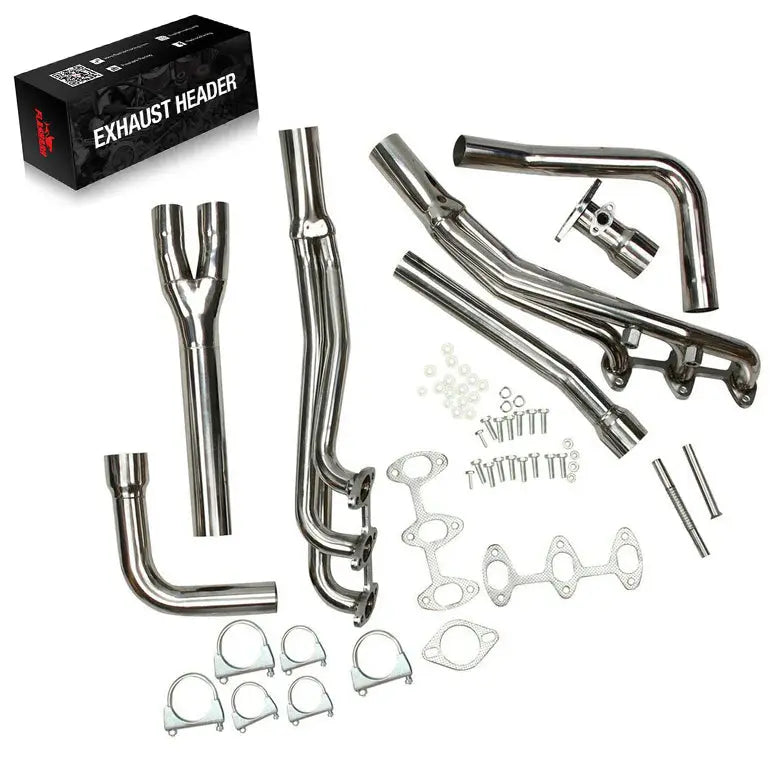
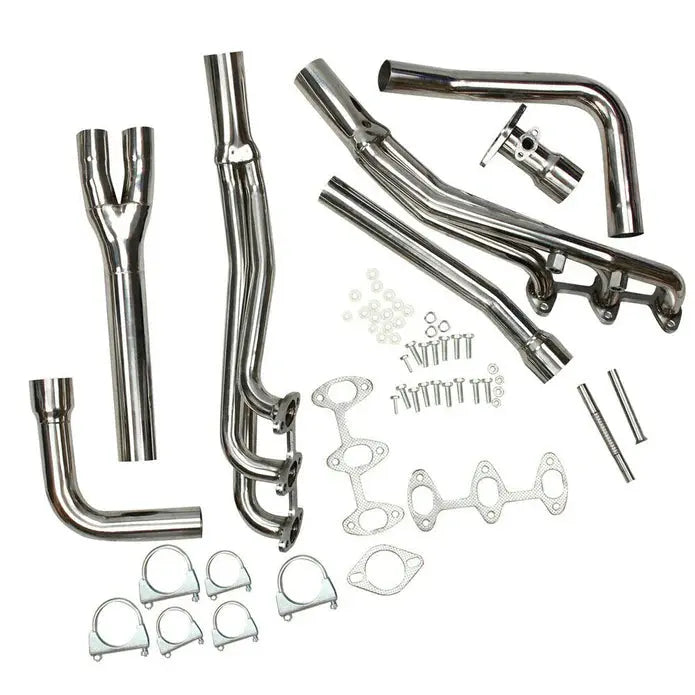
1988–1995 Toyota 4Runner and Pickup 3VZ-E Headers
A freer-flowing header setup gives an older Toyota 3.0L V6 a more responsive exhaust path while replacing the heavy factory exhaust manifolds. This Flashark header assembly is designed for listed 1988–1995 Toyota 4Runner and Pickup models equipped with the 3.0L 3VZ-E SOHC V6.
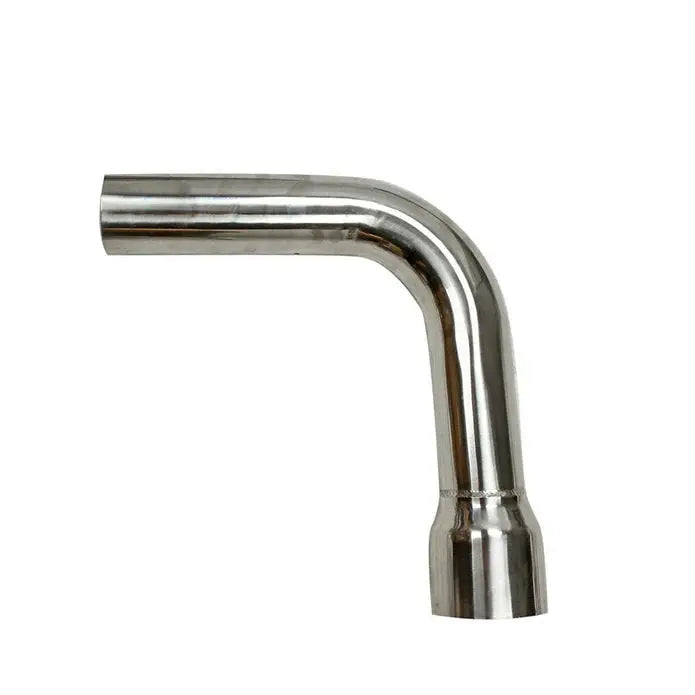
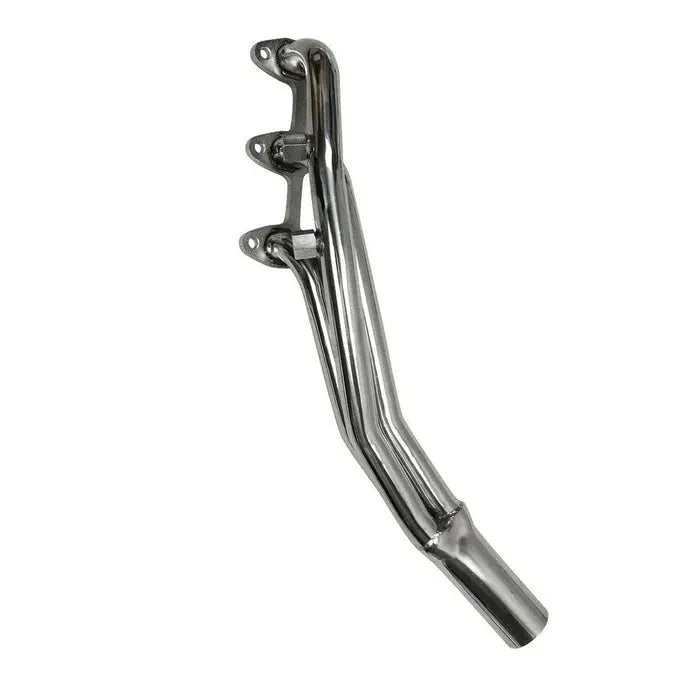
The tubular stainless-steel construction uses TIG-welded runners and CNC-machined flanges, with a 1.50-inch inlet, 2.25-inch outlet and two O2 sensor locations. It is intended for owners replacing worn or restrictive factory manifolds or building a matched 3VZ-E exhaust setup.
Specifications
| Brand | Flashark |
|---|---|
| SKU | FLES08211 |
| Model | EH28910 |
| Condition | New |
| Material | Stainless steel |
| Finish | Silver mirror polish |
| Construction | TIG-welded tubing with CNC-machined flanges |
| Listed Inlet | 1.50 inches |
| Listed Outlet | 2.25 inches |
| O2 Sensor Locations | 2 |
Key Features
- Tubular exhaust path: Individual stainless-steel runners replace the factory cast exhaust manifolds and support smoother exhaust movement into the collector.
- 3VZ-E-specific product identity: The flange layout is intended for the listed Toyota 3.0L 3VZ-E SOHC V6 applications.
- Two O2 sensor locations: Pre-positioned sensor locations support the listed exhaust layout and proper sensor routing.
- TIG-welded construction: Welded stainless-steel tubing and CNC-machined flanges provide a rigid connection at the cylinder heads.
- Estimated performance range: The header setup may support an estimated 8–20 HP depending on engine condition, downstream exhaust configuration, fuel and ignition condition, calibration and installation quality.
- Sound change: A deeper and more defined exhaust note can be expected, while final volume, rasp and cabin drone depend on the catalytic converter, piping, muffler and other downstream components.
Built for Better Exhaust Flow and Sound
The factory manifolds collect exhaust through compact cast passages. These Toyota 3VZ-E headers replace that layout with separate tubular runners, allowing exhaust pulses to move toward the collector through a less restrictive path.
On a naturally aspirated 3.0L engine, the practical goals are sharper throttle response, smoother exhaust movement and better pull through the usable rpm range. Actual results depend on the health of the engine and the complete exhaust system. Headers alone do not turn the vehicle into a complete cat-back exhaust build.
Factory Exhaust Manifold vs. Tubular Header
| Area | Factory Manifold | Flashark Header |
|---|---|---|
| Construction | Compact cast manifold layout | TIG-welded stainless-steel runners |
| Exhaust Path | Short shared cast passages | Separate tubular runners merging toward the outlet |
| Sound | Factory exhaust character | Deeper, more defined tone depending on the downstream system |
| System Role | Original cylinder-head exhaust outlet | Performance-oriented manifold replacement; not a complete cat-back system |
Installation Considerations
Replacing 3VZ-E exhaust manifolds requires access around both cylinder heads, the existing exhaust connections and the O2 sensor wiring. Rusted fasteners, previous exhaust work and limited engine-bay clearance can increase installation time.
- Use professional installation when you are not experienced with exhaust-manifold removal.
- Inspect nearby wiring, hoses and heat-sensitive components for safe clearance.
- Route both O2 sensors and their wiring away from hot tubing and moving components.
- Clean the cylinder-head sealing surfaces before fitting the headers.
- Inspect all flange connections for exhaust leaks after the first complete heat cycle.
- Recheck accessible fasteners after the system has cooled.
- Inspect the downstream exhaust layout when the vehicle has non-original piping or catalytic components.
Technician’s note: A header installation on an older 3VZ-E vehicle should not be treated as a basic cosmetic bolt-on. Vehicle condition, corrosion, wiring clearance and previous exhaust modifications can materially affect the job.
Who This Header Setup Is For
- Owners replacing cracked, leaking or restrictive factory exhaust manifolds.
- 1988–1995 Toyota 4Runner and Pickup owners with the listed 3.0L 3VZ-E engine.
- Street, restoration, performance or off-road builds where the owner accepts a change in exhaust tone.
- Owners building a compatible downstream exhaust around a tubular header setup.
Who Should Choose a Different Part
- Owners of a 1996–2002 third-generation 4Runner.
- Vehicles with a 3RZ, 5VZ-FE, 3.4L or V8 engine.
- Buyers looking for a complete cat-back system rather than a manifold replacement.
- Vehicles that require an emissions-certified replacement part for local inspection.
- Buyers who cannot accommodate possible installation work caused by corrosion, previous exhaust modifications or limited component clearance.
Emissions & Street-Use Notice
Exhaust-component regulations vary by location. Header installation can affect emissions-related equipment, inspection requirements and the routing of oxygen-sensor wiring. Check the requirements that apply where the vehicle is registered and used.
A check-engine light should not be treated as a normal performance feature. If a warning light appears after installation, inspect the O2 sensor connections, wiring, exhaust leaks and emissions-related equipment before driving further.
Shipping & Returns
Free U.S. Shipping: Orders are typically processed within 1–2 business days and delivered within 7–9 business days. Additional charges may apply to remote areas.
30-Day Returns: Unopened and unused items in their original packaging may be returned within 30 days of receipt. Return shipping is covered for verified quality issues.
Worry-Free Delivery: Optional protection against eligible loss, theft, delay, or transit damage is available at checkout.


