




 Product Specifications
Long-Tube L67 Headers for 2004–2005 Chevy Impala and Monte Carlo
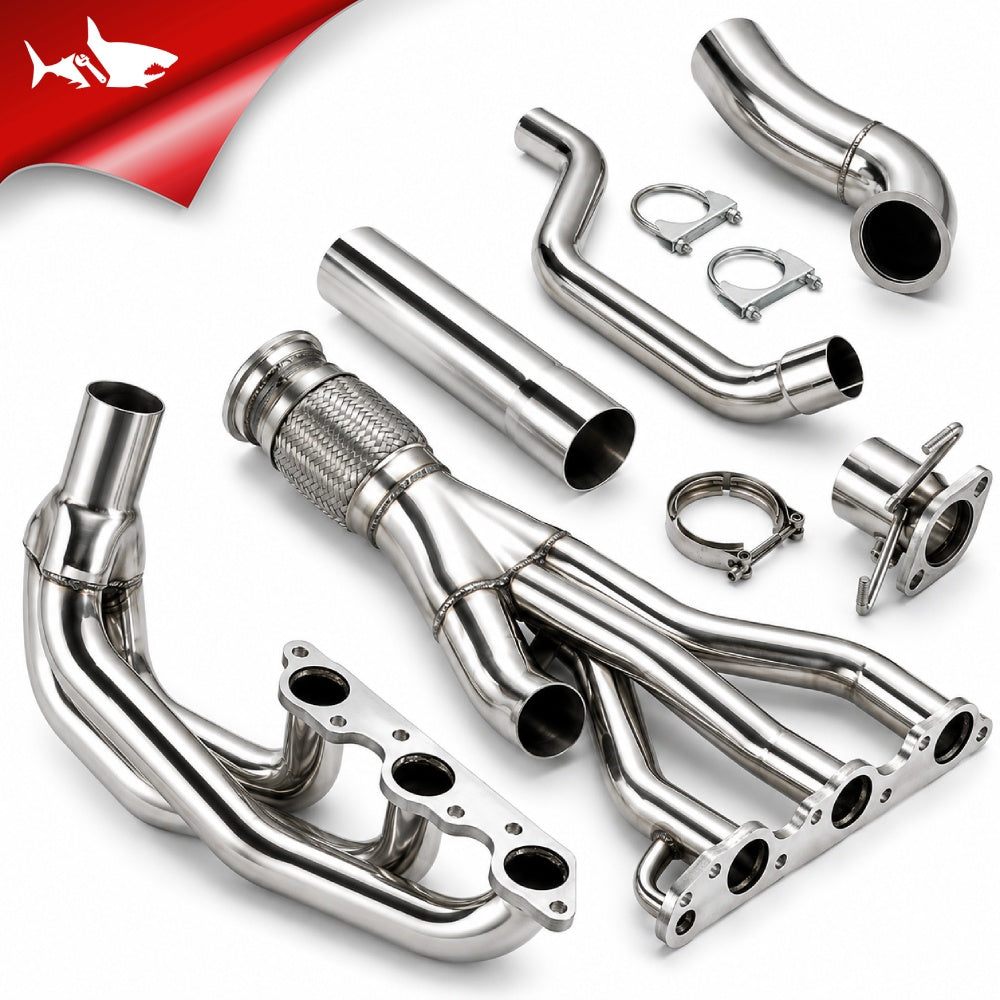
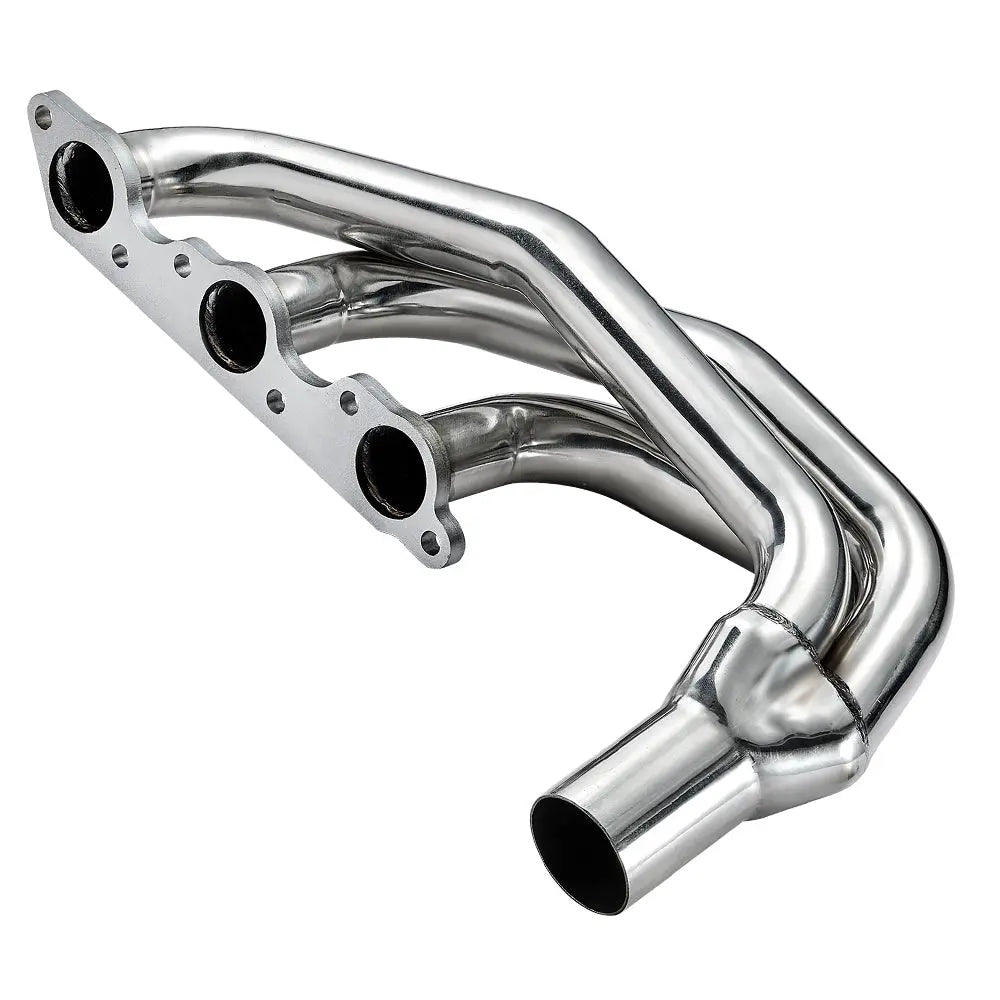
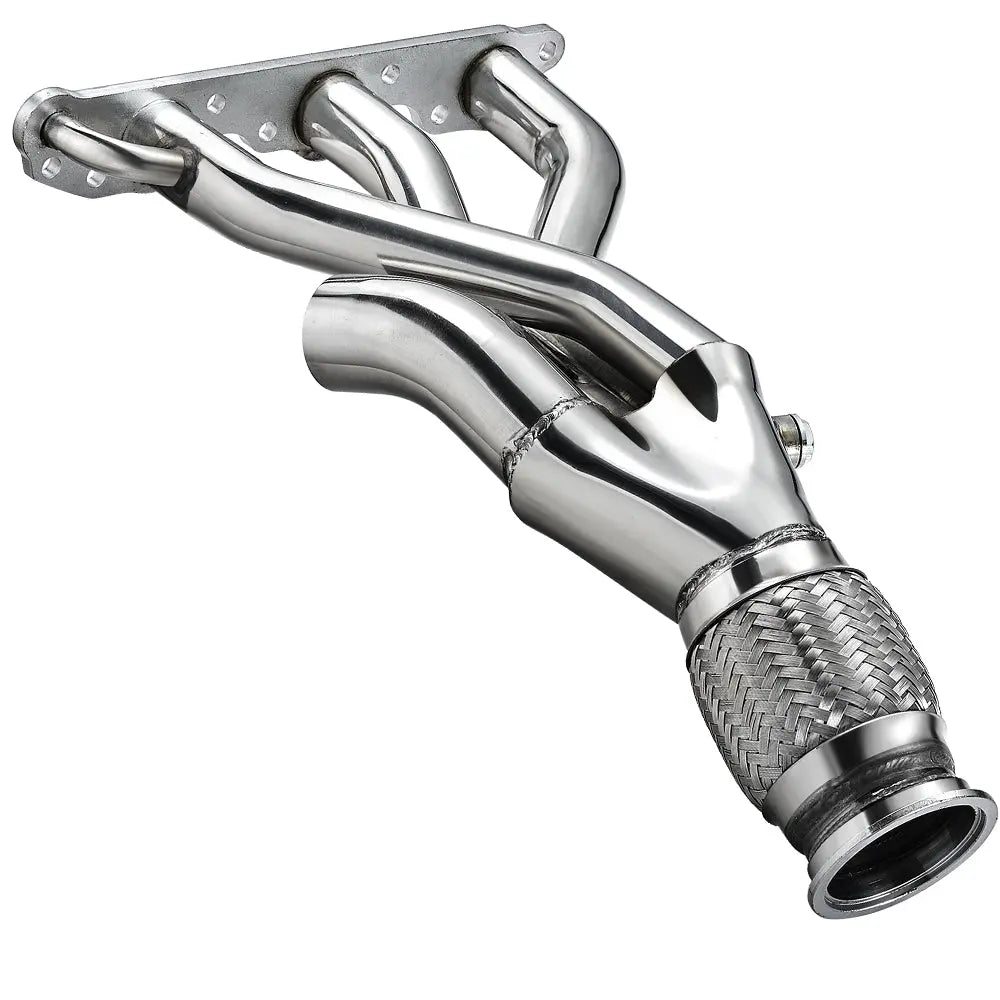
These Flashark long-tube headers replace the front and rear factory exhaust manifolds on 2004–2005 Chevrolet Impala and Monte Carlo models with the supercharged 3.8L L67 V6 and front-wheel drive. The mirror-polished T304 stainless steel kit uses a 6-2-1 layout, with separate primary tubes for all six cylinders and a 3-inch outlet.
Specifications
| Specification | Details |
|---|---|
| Brand | Flashark |
| SKU | FLES08036 |
| Application | Automotive exhaust header |
| Header type | Long tube |
| Runner layout | 6-2-1 |
| Material | T304 stainless steel |
| Finish | Mirror polish |
| Primary tube size | 1.50 in |
| Outlet size | 3.00 in |
| Cylinder-head flange thickness | 7/16 in |
| Outlet flange thickness | 3/8 in |
| O2 sensor locations | 2 |
| Manufacturer-listed quality standard | ISO 9001:2000 |
Key Features
- 6-2-1 layout: Three primary tubes on each bank feed into two collectors before merging into a single outlet. This layout is designed to improve exhaust scavenging on the GM 3800 V6.
- Long-tube construction: Individual runners give each cylinder a dedicated exhaust path before the gases merge.
- T304 stainless steel: The tubing resists corrosion through repeated heat cycles and has a mirror-polished finish.
- TIG-welded construction and CNC-machined flanges: Machined mating surfaces provide a flat seat for the gaskets.
- Two O2 sensor locations: Check the bung positions against your existing sensor leads before installation.
What Is Included
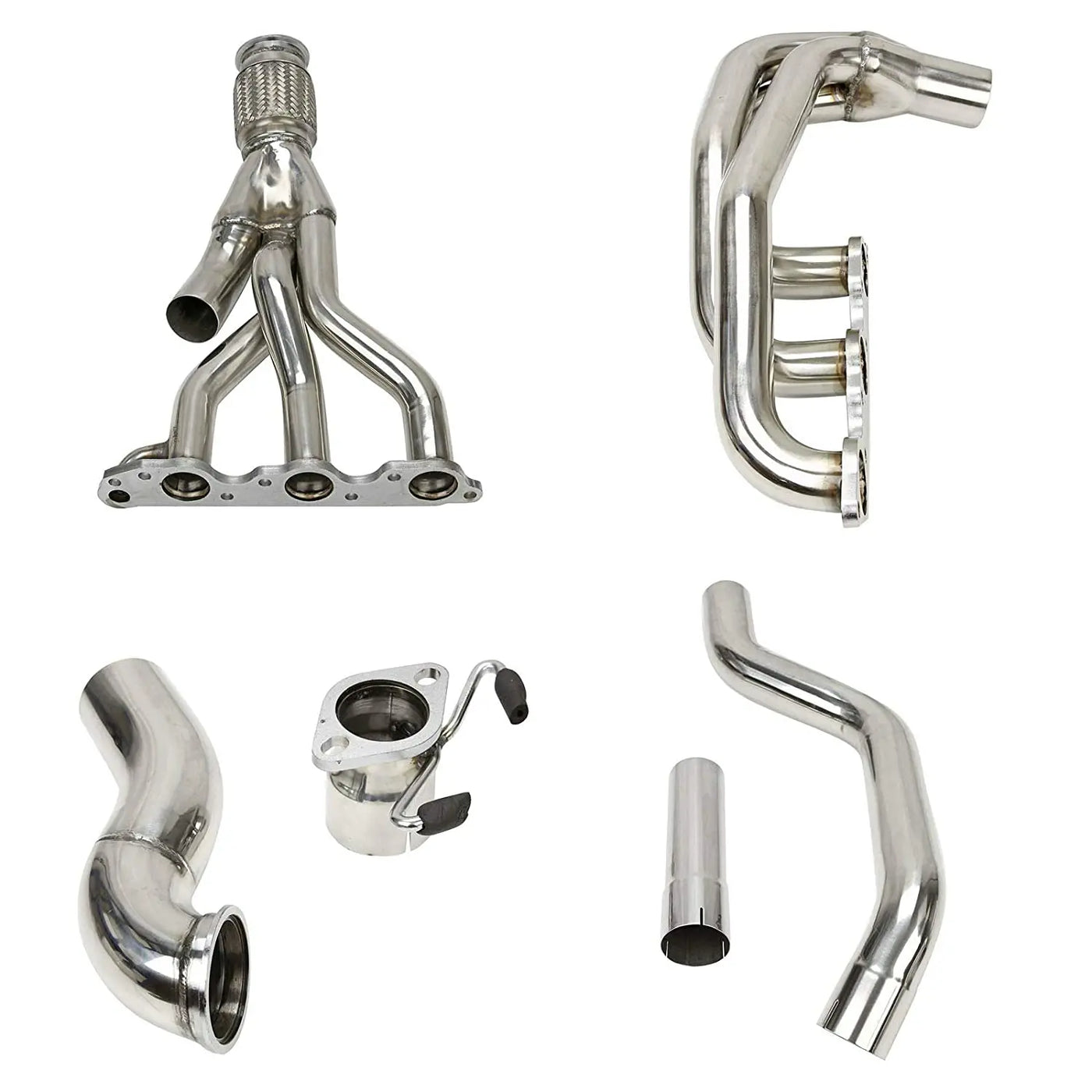
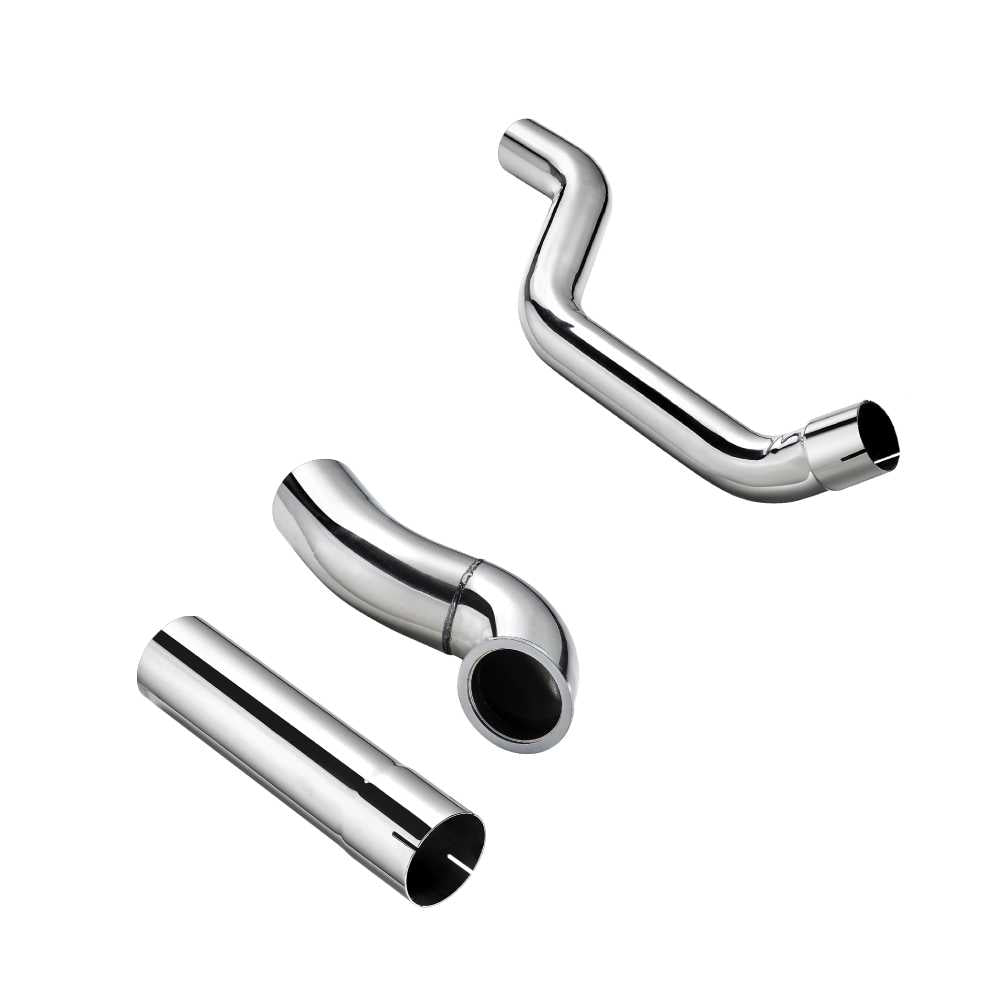
- Front and rear stainless steel headers
- Crossover pipe
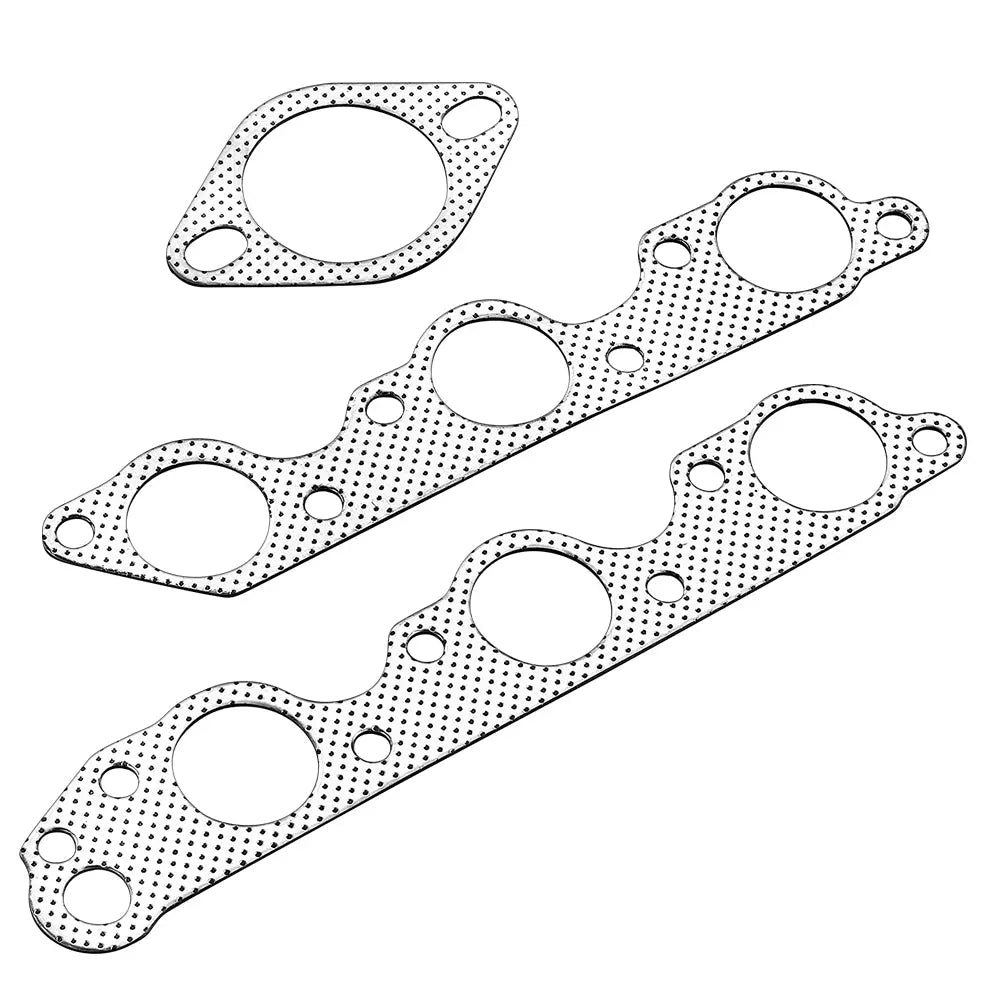
- Metal gaskets
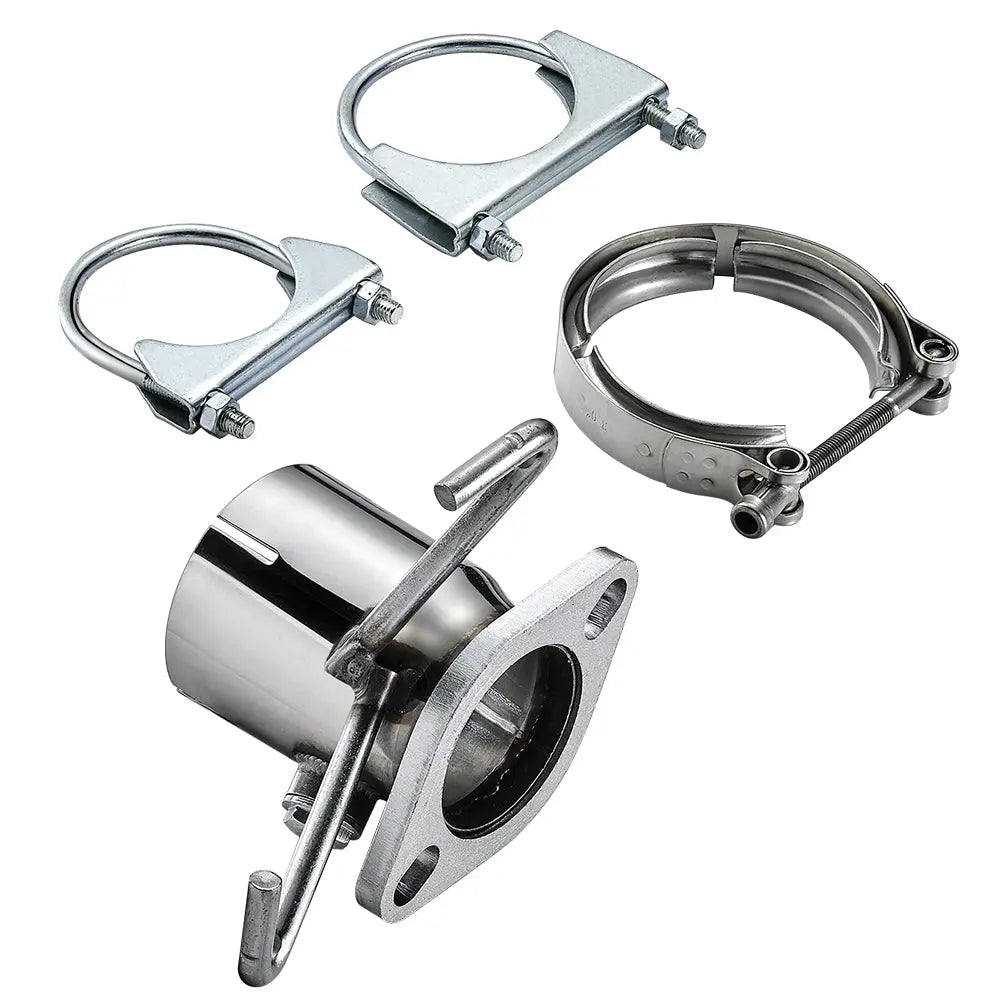
- Mounting hardware and bolts
Check Before Ordering
- Verify the 3.8L L67 supercharged engine and FWD configuration. 4WD and 4x4 applications are excluded.
- The kit is designed for bolt-on installation on the listed L67 applications. Compare the 3-inch outlet flange, crossover and downstream connection with your car, especially if its exhaust has been modified.
- Compare the O2 sensor positions and harness reach. Confirm the catalytic converter layout and applicable emissions requirements for your vehicle before ordering.
- Check room around the steering shaft and spark plug wires. Flashark recommends heat sleeves or angled plug-wire boots where needed, particularly at the rear bank.
Warranty and Customer Support
1-Year Warranty: This product is covered by a one-year warranty against manufacturing defects.
Fitment Support: Check the year, model, engine, drivetrain and selected SKU before ordering. Contact customer support if you need help identifying the correct configuration.
Shipping & Returns
Free U.S. Shipping: Orders are typically processed within 1–2 business days and ground delivery typically takes 7–10 business days. Additional charges may apply to remote areas.
30-Day Returns: Unopened and unused items in their original packaging may be returned within 30 days of receipt. Return shipping is covered for verified quality issues.
Worry-Free Delivery: Optional protection against eligible loss, theft, delay, or transit damage is available at checkout.


