






 Product Specifications
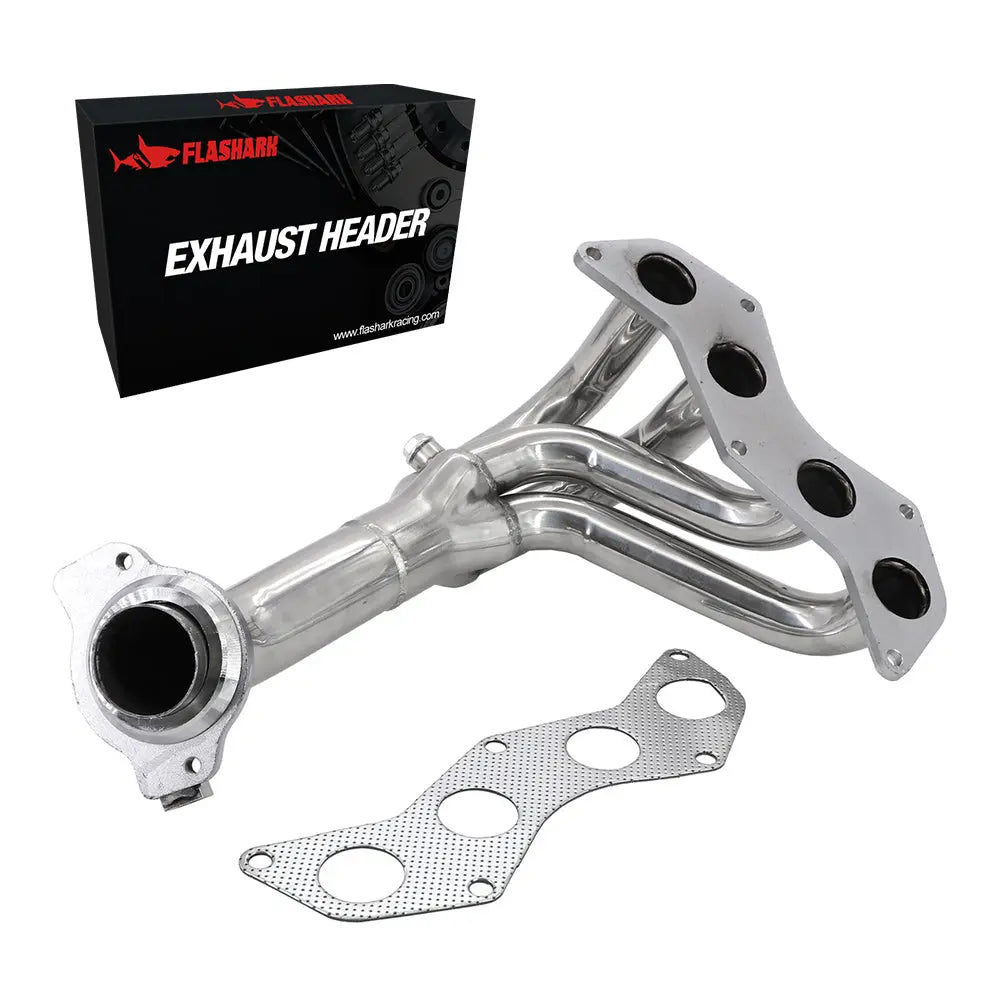
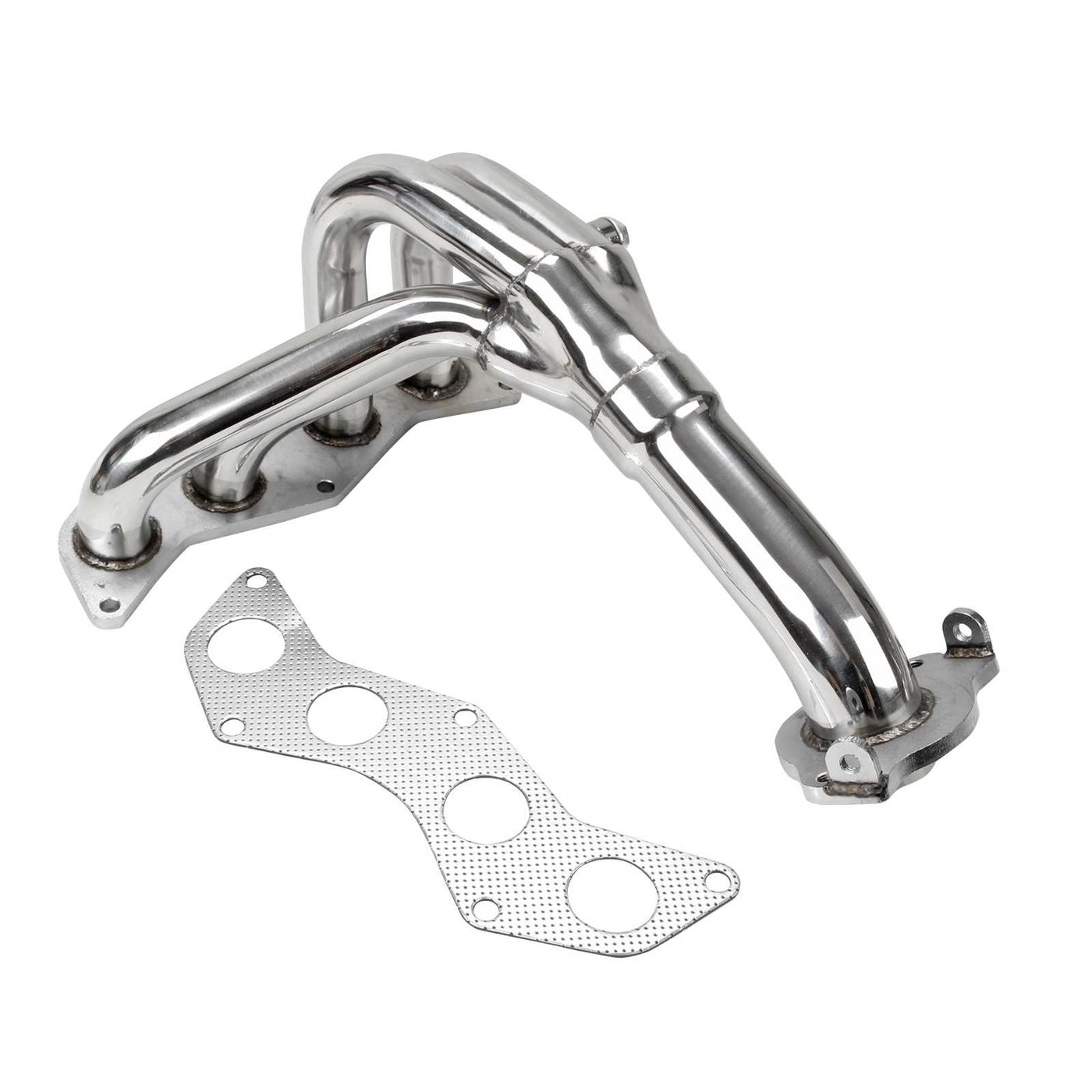
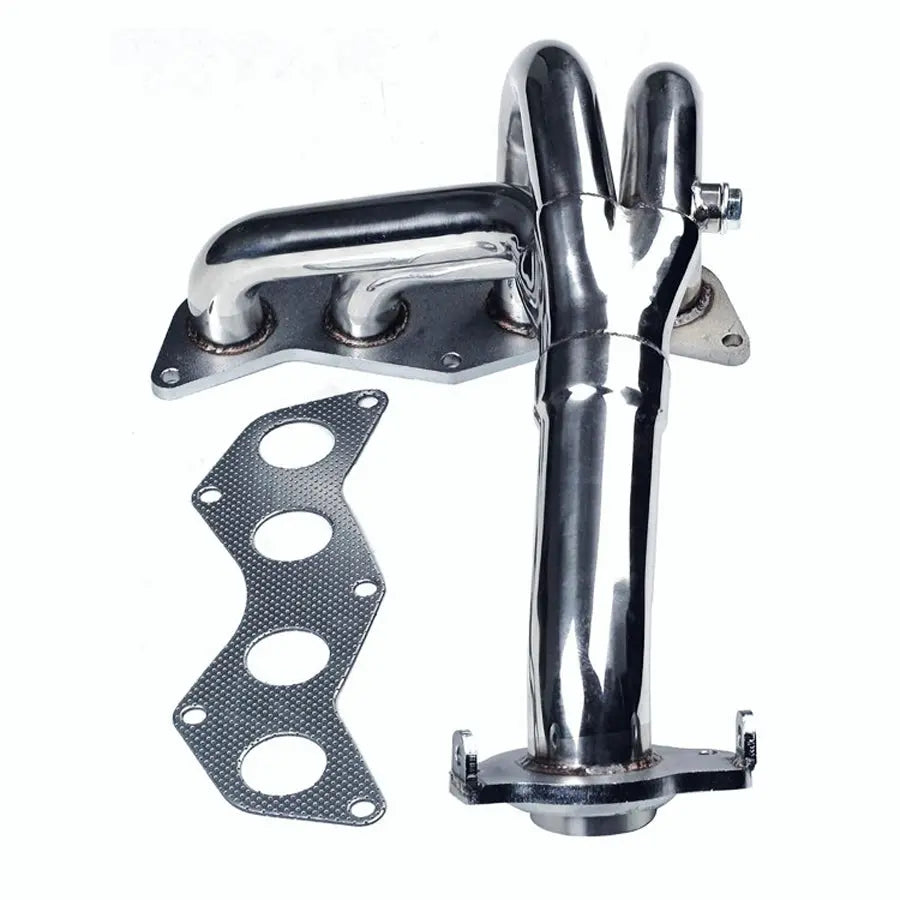
2005–2010 Scion tC 2.4L Long-Tube Exhaust Header
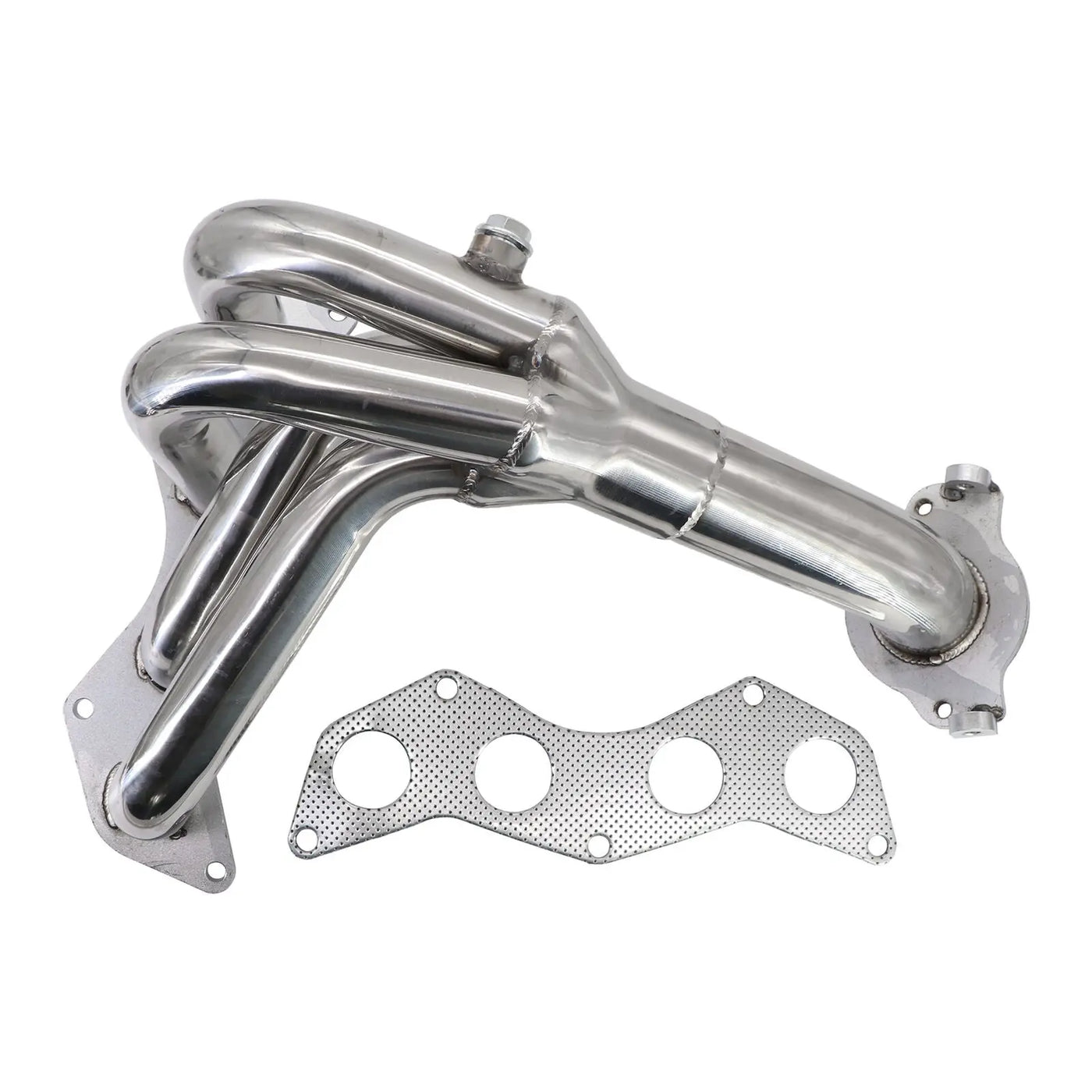
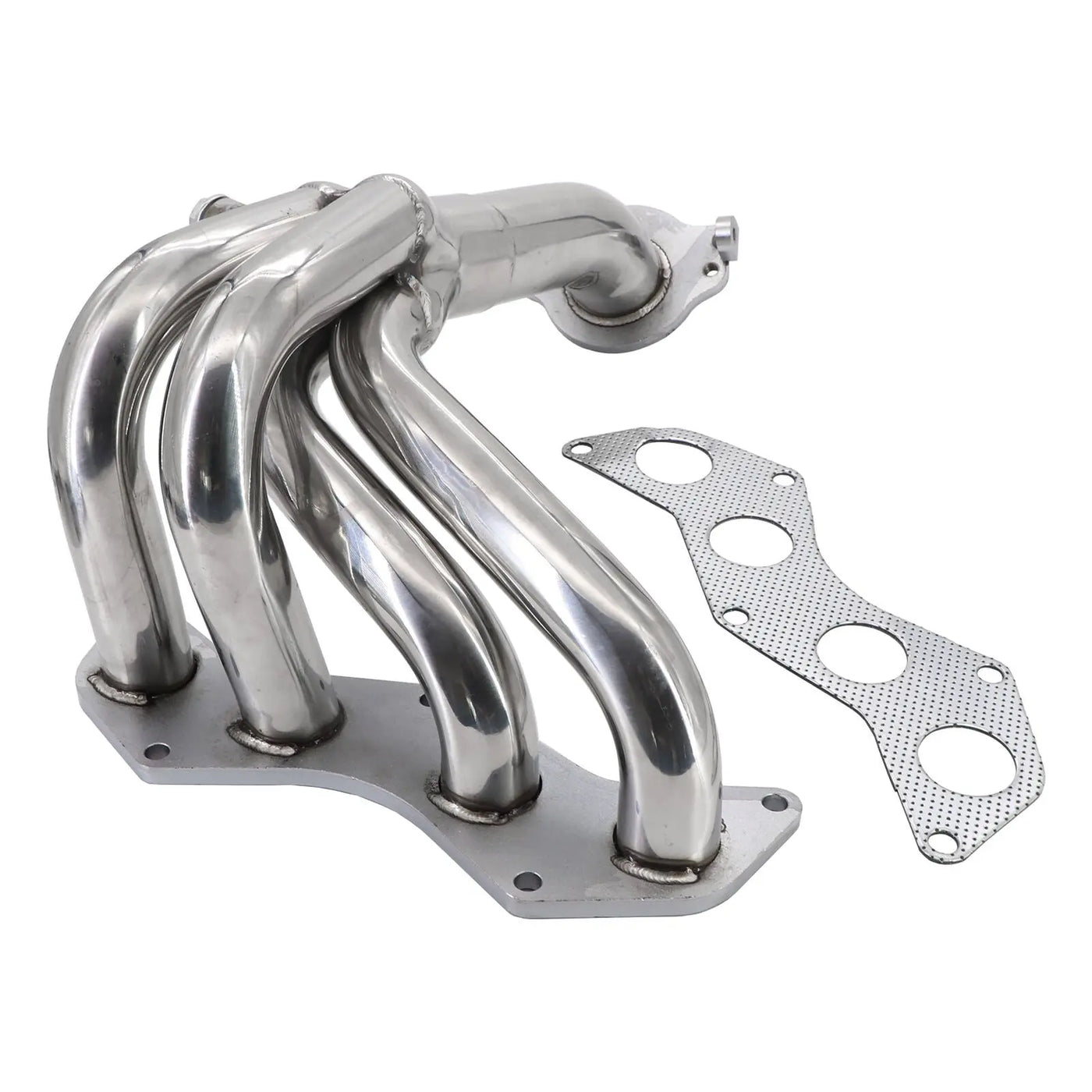
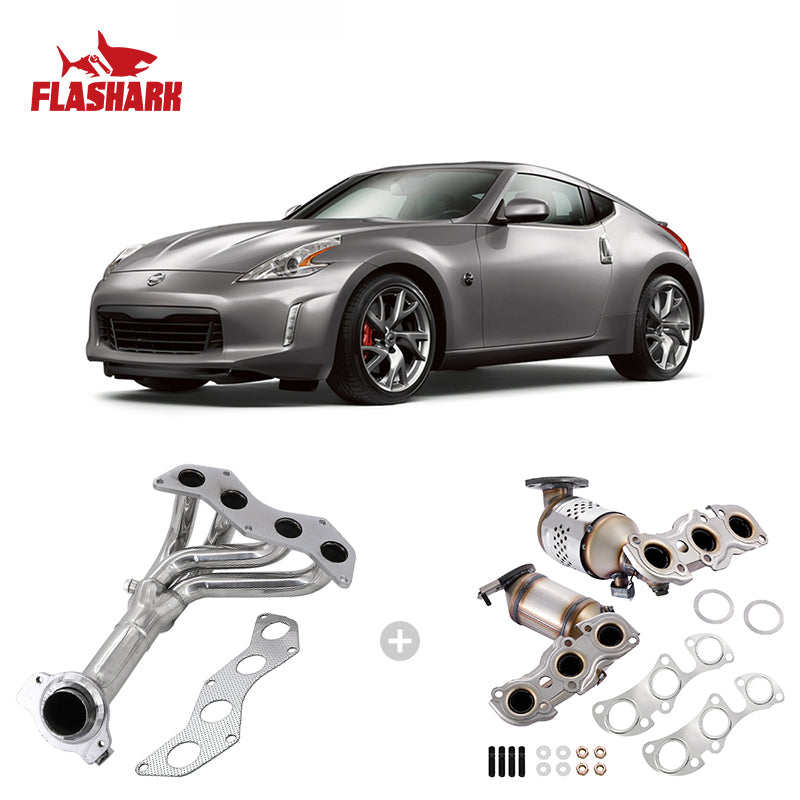
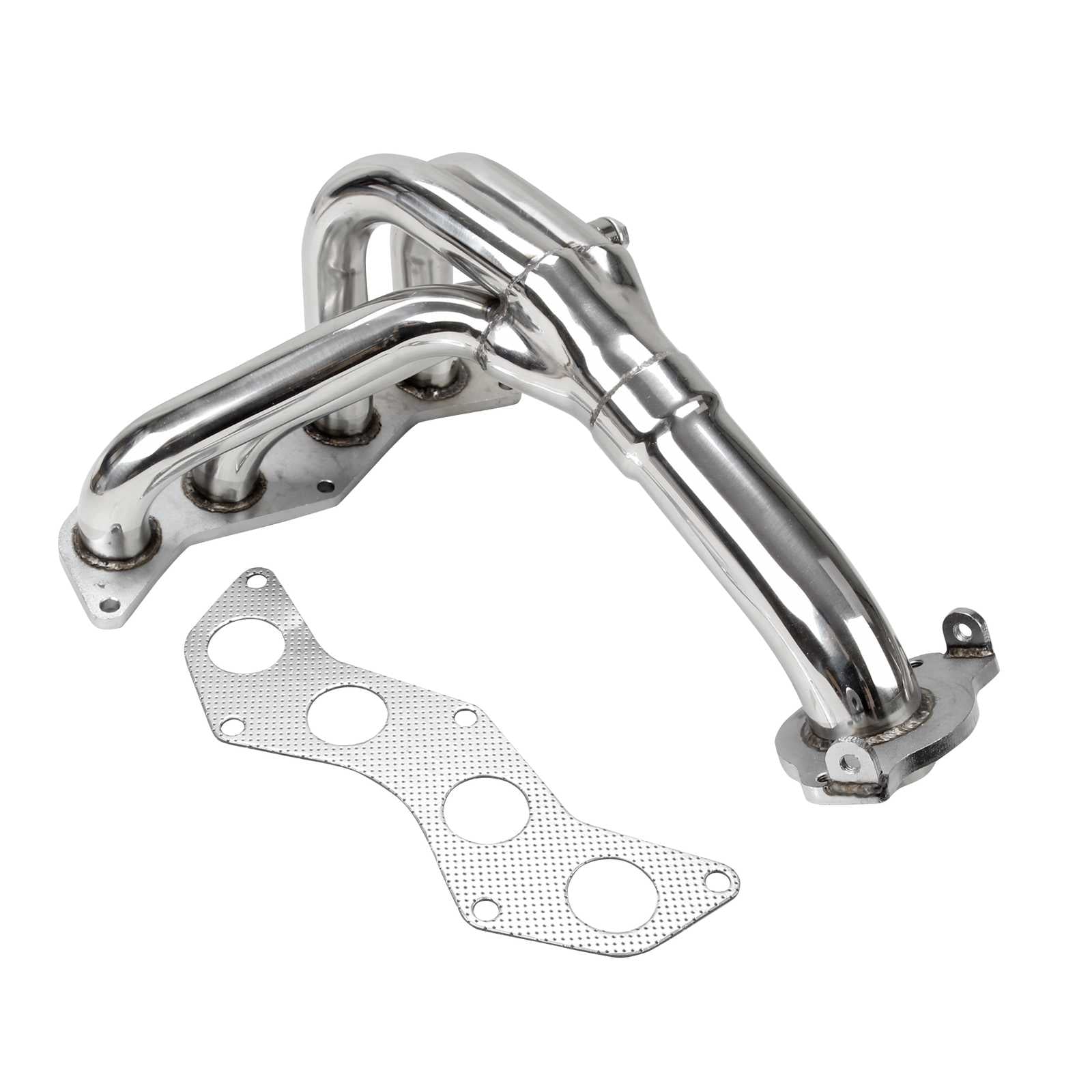
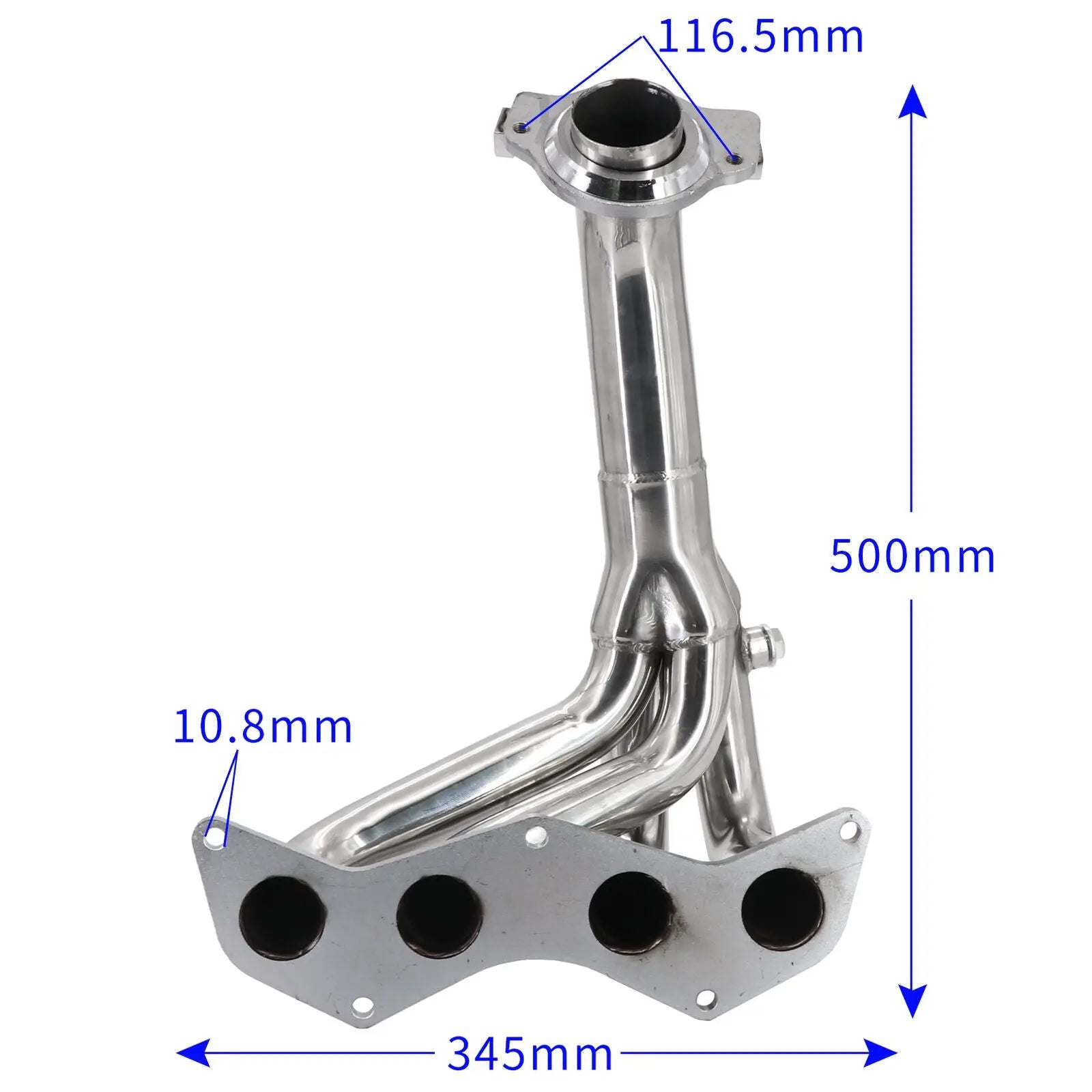
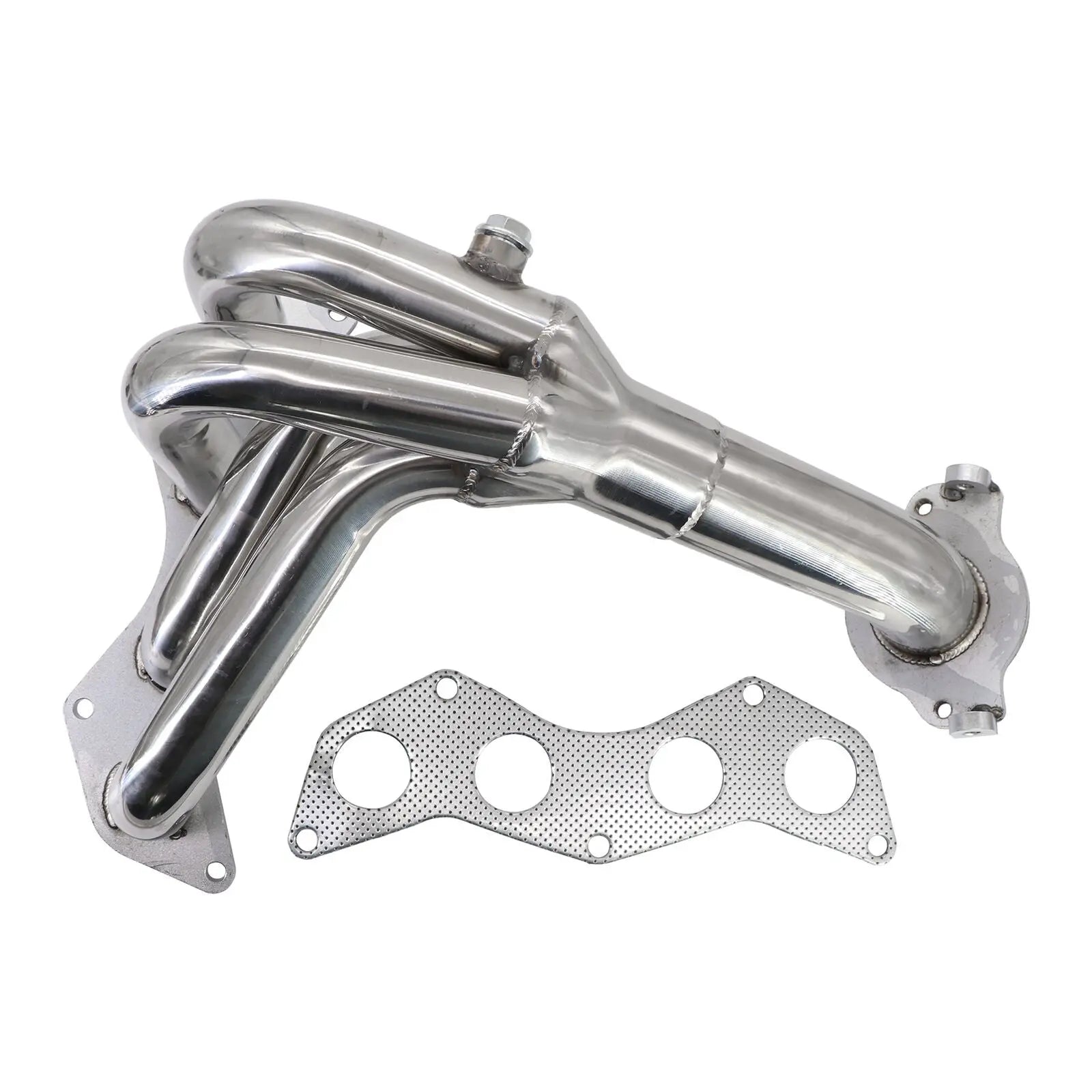
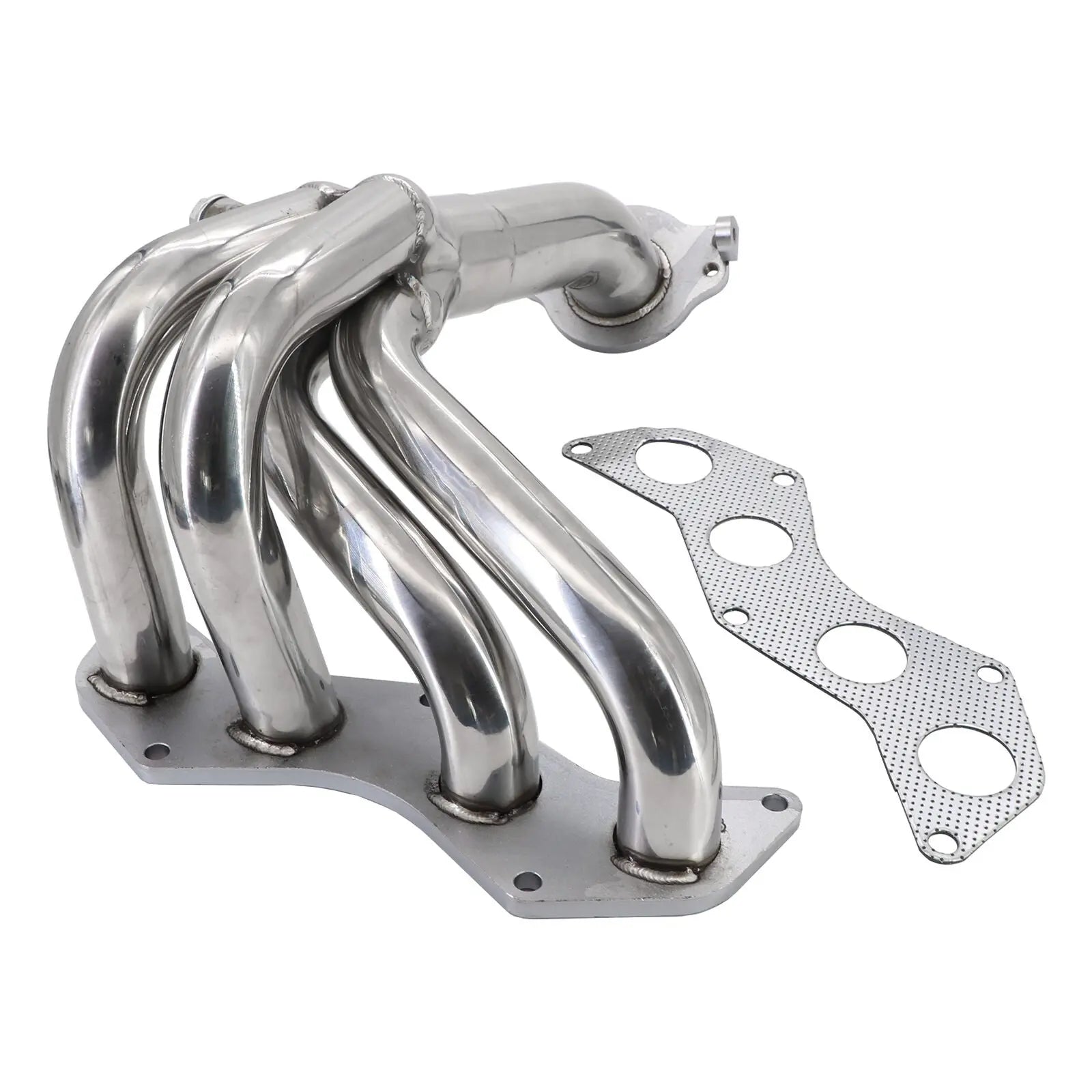
Give your first-generation tC a freer-flowing exhaust path and a more aggressive tone without replacing the entire exhaust system. This Flashark long-tube exhaust header is designed for listed 2005–2010 Scion tC models equipped with the 2.4L inline-four engine and ANT10 chassis.
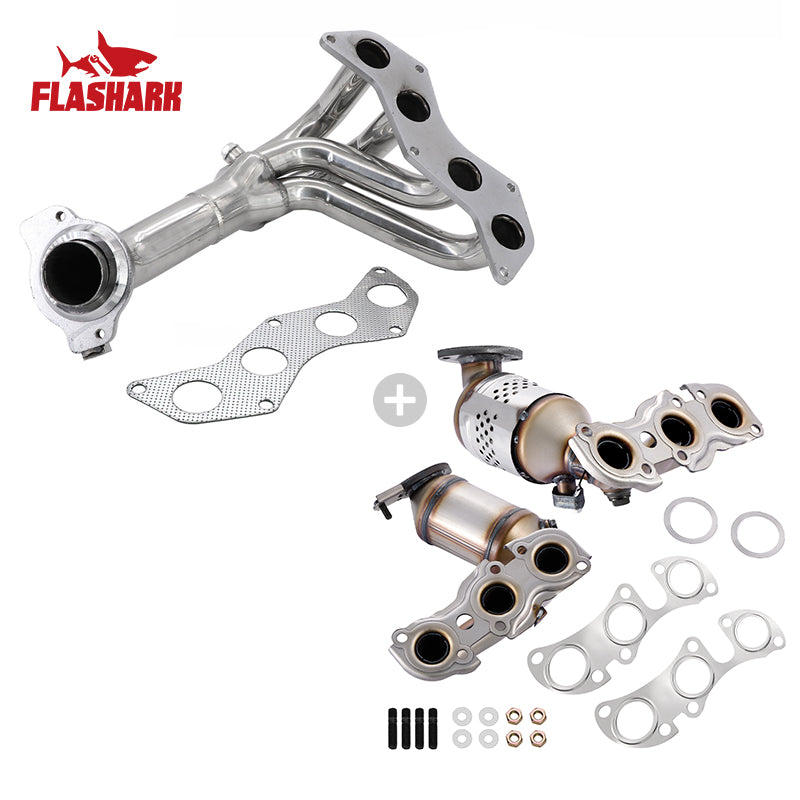
The header replaces the restrictive factory exhaust-manifold section. Depending on the selected configuration, it can be ordered as the header alone or with the listed catalytic-converter assembly. This is not a complete cat-back exhaust system.
Scion tC Project Video
Specifications
| Brand | Flashark |
|---|---|
| Product Type | Long-tube exhaust header |
| Primary SKU | FLES08227 |
| Header + Catalytic Converter SKU | FLES08227-EXS22-00057SR-003-W |
| Product Model | EH28647 |
| Material | Stainless steel |
| Finish | Mirror polished |
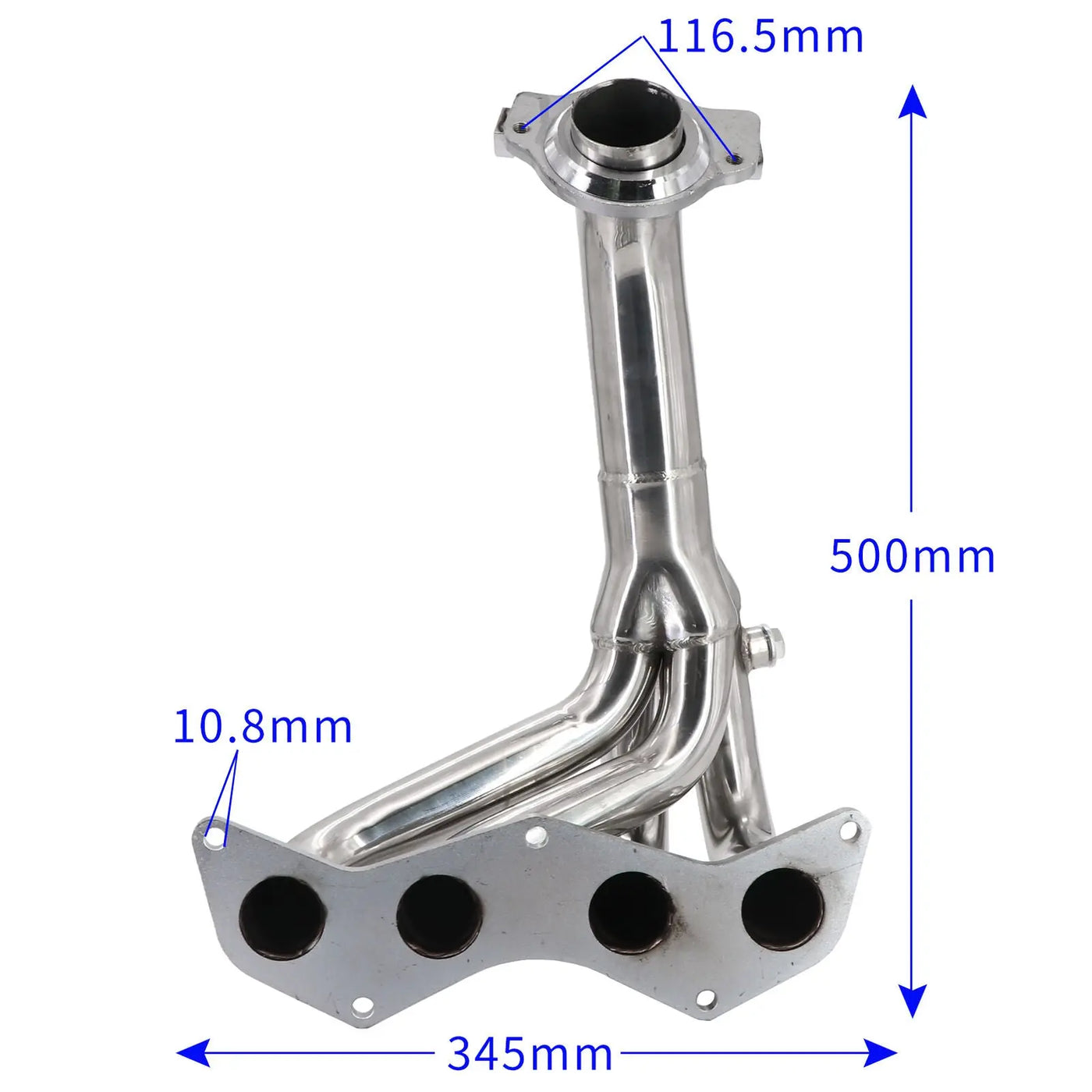
| Listed Inlet / Outlet | 1.500 in / 2.375 in |
| Construction | Mandrel-bent tubing with TIG-welded construction and machined flange surfaces |
Key Features
- Freer exhaust movement: The long-tube layout provides a smoother route for exhaust gases than the compact factory manifold section.
- Upper-rpm pull: Reduced restriction can support stronger breathing as engine speed rises.
- More aggressive sound: Expect a deeper, more noticeable exhaust note, with the final tone determined by the mid-pipe, catalytic converter, resonator and muffler.
- Estimated performance: Supports an estimated 10–15 HP and 5–10 ft-lbs of torque depending on the complete exhaust setup, tune, engine condition and installation quality.
- Stainless-steel construction: The polished tubing and welded joints are intended for exhaust heat and regular vehicle use.
- Two configurations: Choose the header alone or the header with the listed catalytic-converter assembly.
Better Flow and a More Noticeable Exhaust Tone
A long-tube header changes the exhaust path ahead of the mid-pipe and cat-back. The smoother tubing layout can reduce restriction, sharpen throttle response and improve pull through the upper rpm range.
Sound depends on the rest of the exhaust. A factory-style muffler can keep the result more controlled, while a free-flowing mid-pipe or small muffler can make the exhaust louder and more raspy under acceleration. This header should not be treated as a guaranteed sound level or tone.
Scion tC Header vs. Factory Exhaust Manifold
| Area | Factory Manifold | Long-Tube Header |
|---|---|---|
| Exhaust path | Compact factory layout | Longer, freer-flowing tubing layout |
| Sound | Quieter factory character | Deeper and more aggressive, depending on the remaining exhaust |
| Power delivery | Factory-calibrated response | Can support sharper response and improved upper-rpm pull |
| Installation | Factory configuration | Requires flange, gasket, sensor and downstream-exhaust inspection |
Installation Notes
- Professional installation is recommended.
- Allow the exhaust to cool completely before removing the factory components.
- Support the vehicle with properly rated equipment before working underneath it.
- Inspect the lower flange, spring bolts, threads and sealing surfaces before assembly.
- Do not force an oxygen sensor into damaged or mismatched threads.
- Check oxygen-sensor wiring clearance throughout the full exhaust path.
- Start all fasteners by hand before final tightening.
- After the first heat cycle, inspect the joints for leaks, contact points and loose hardware.
- An aftermarket mid-pipe, S-pipe or cat-back can change alignment and may require professional adjustment.
Technician’s note: A ticking sound, soot around a flange or a sudden change in exhaust tone can indicate a leak. Stop and inspect the gasket surfaces, flange alignment and fastener tension before continued driving.
Who This Header Is For
- Owners of a listed 2005–2010 Scion tC 2.4L ANT10 who want a freer-flowing engine-side exhaust section.
- Drivers who want a deeper, more aggressive exhaust tone.
- Enthusiasts who accept that exhaust sound, installation and power changes depend on the complete vehicle setup.
- Owners prepared to inspect flange compatibility, oxygen-sensor routing and local emissions requirements.
Who Should Choose a Different Exhaust Part
- Owners of a 2011–2016 second-generation Scion tC.
- Drivers looking for a complete cat-back exhaust system rather than a header.
- Buyers who require a guaranteed factory-level sound, guaranteed no-CEL operation or a no-adjustment installation.
- Vehicles that must retain a specific certified factory emissions configuration.
- Owners who cannot accept possible increases in exhaust volume, rasp or installation complexity.
Emissions and Street-Use Notice
Changing the header or catalytic-converter arrangement can affect emissions compliance, readiness monitors and check-engine-light behavior. Requirements vary by location and vehicle configuration. Check local regulations and the selected configuration before use on public roads.
Shipping & Returns
Free U.S. Shipping: Orders are typically processed within 1–2 business days and delivered within 7–9 business days. Additional charges may apply to remote areas.
30-Day Returns: Unopened and unused items in their original packaging may be returned within 30 days of receipt. Return shipping is covered for verified quality issues.
Worry-Free Delivery: Optional protection against eligible loss, theft, delay, or transit damage is available at checkout.


