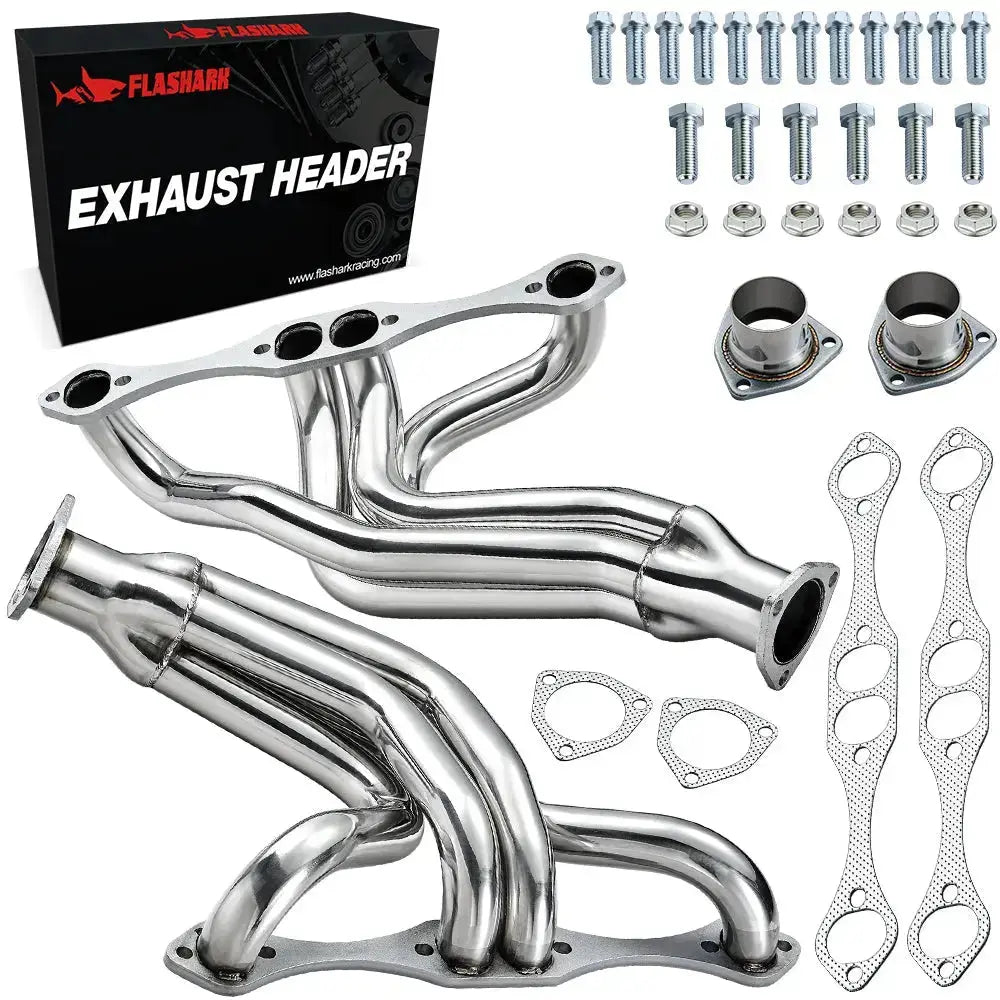
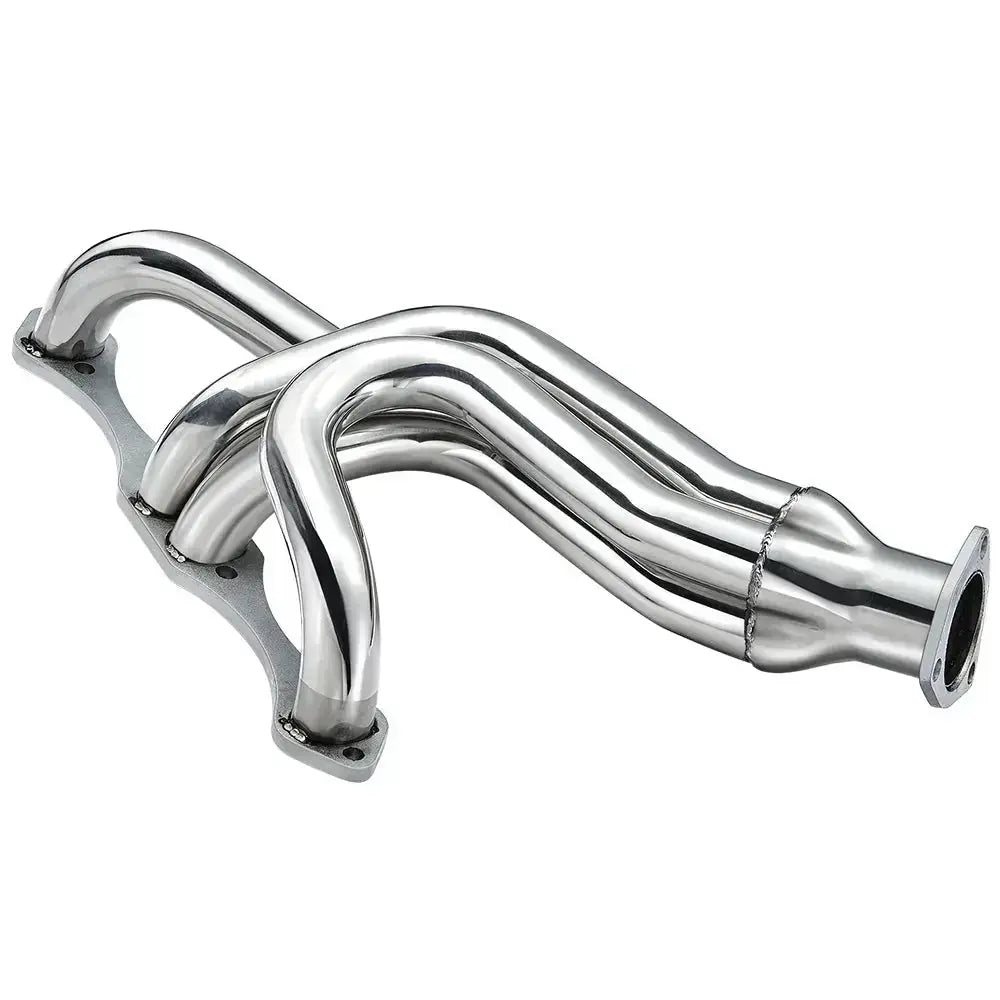
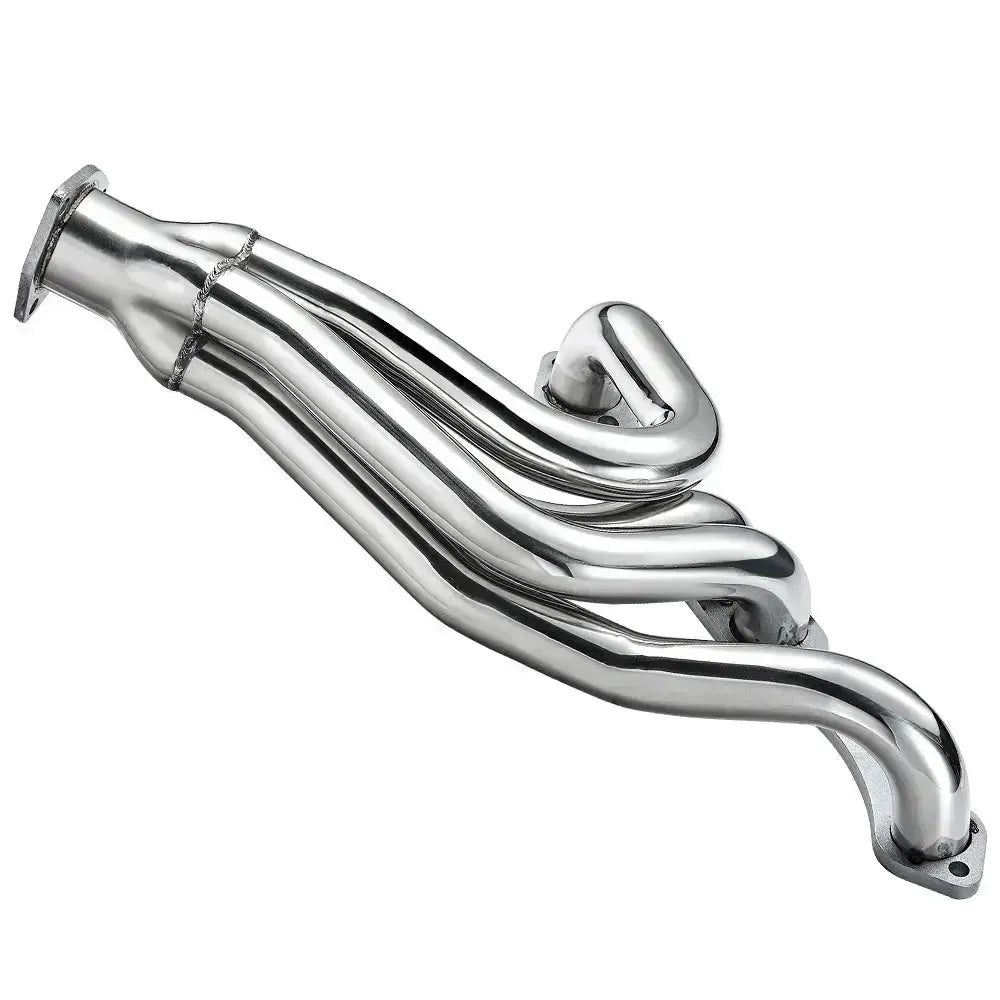
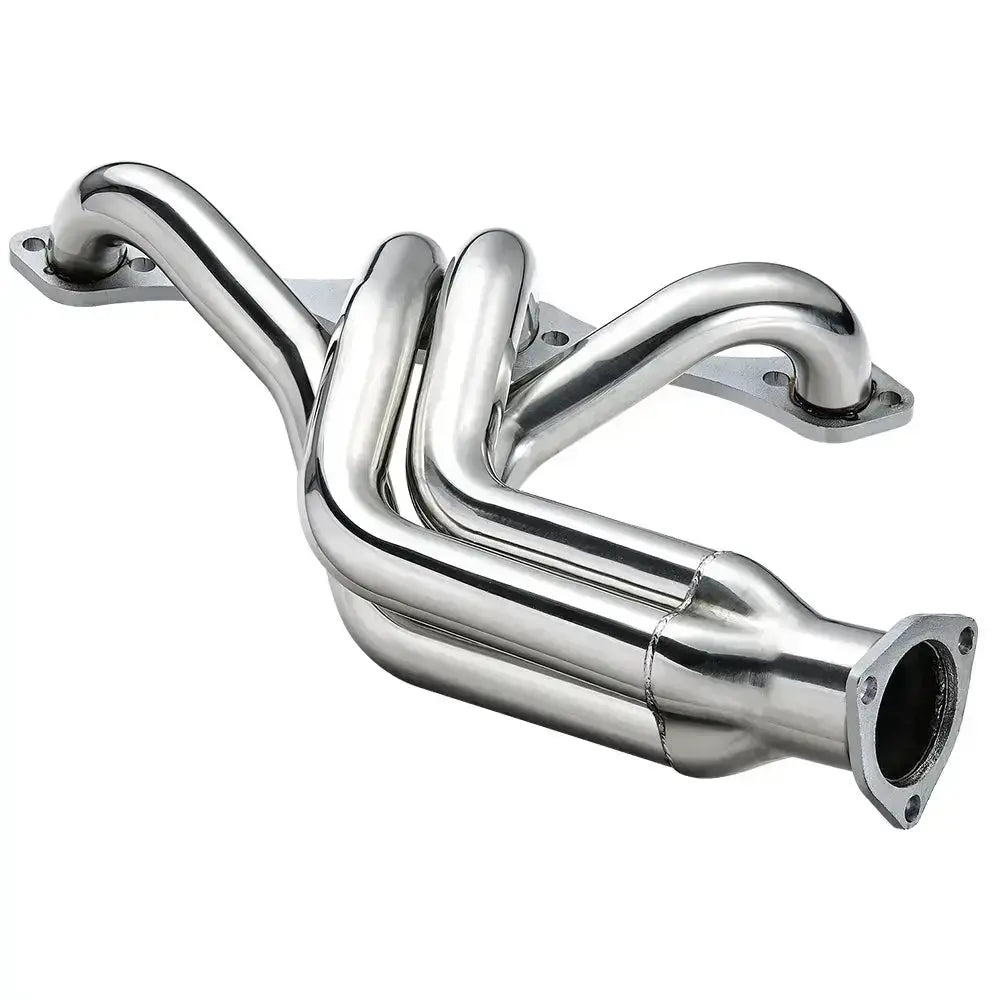
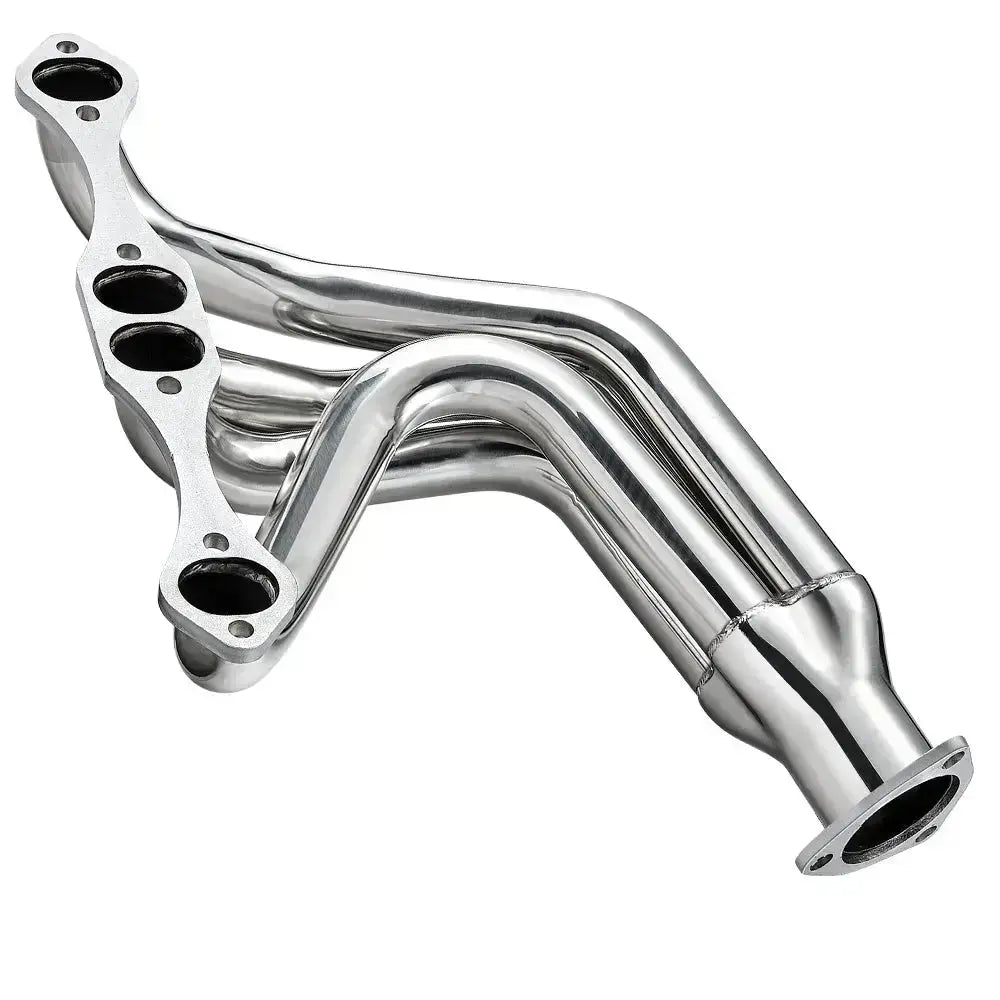
Replacing or upgrading your exhaust header is necessary for both engine performance and sound. Whether on or off the track, exhaust headers provide more horsepower and improved exhaust sound. FLASHARK offers many products to help you create your own custom engine headers. It's really easy and convenient to use: direct bolt-on, no modification needed.
Specifications:
100% brand new, Never been tried or installed
Polished Stainless Steel to resist early corrosion
Material: Stainless Steel
Surface: Mirror Polish
1-5/8" primaries to the 2 1/2" Collectors
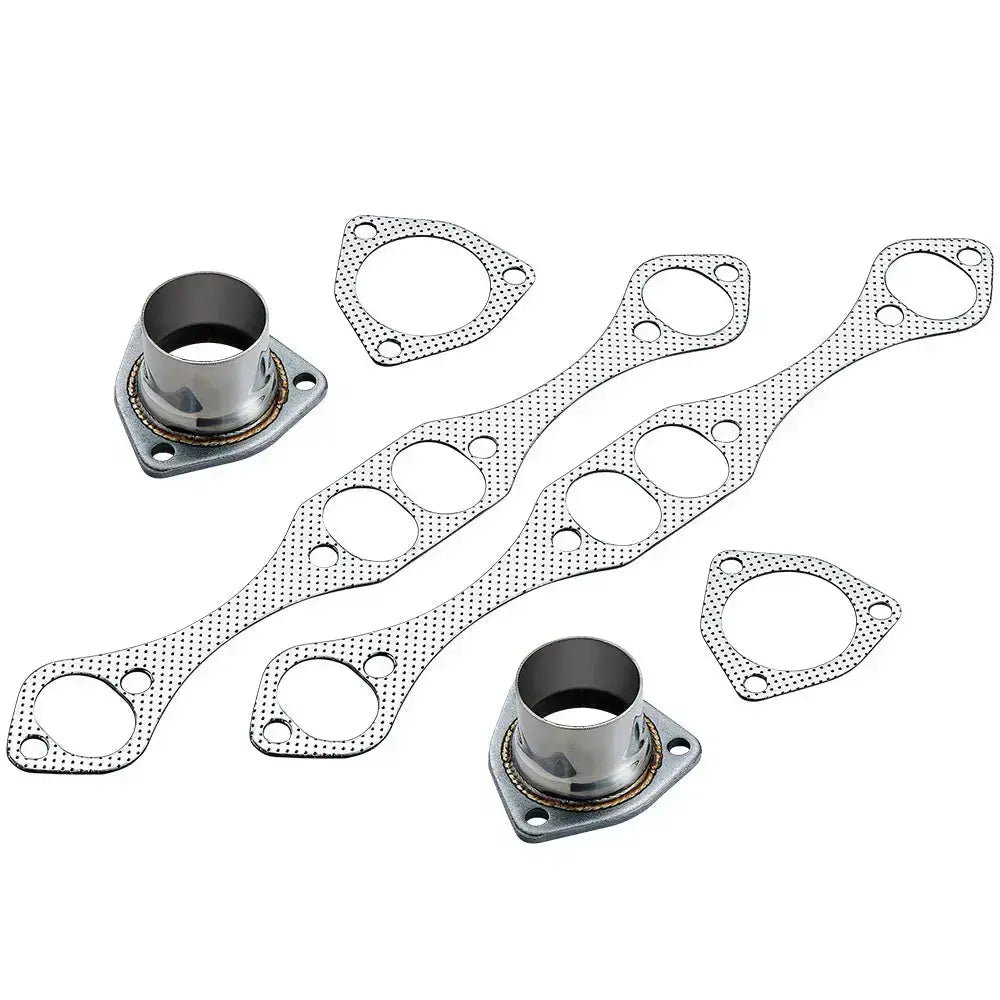
2 1/2" to 2 1/4" reducers
3 Stage polish finish
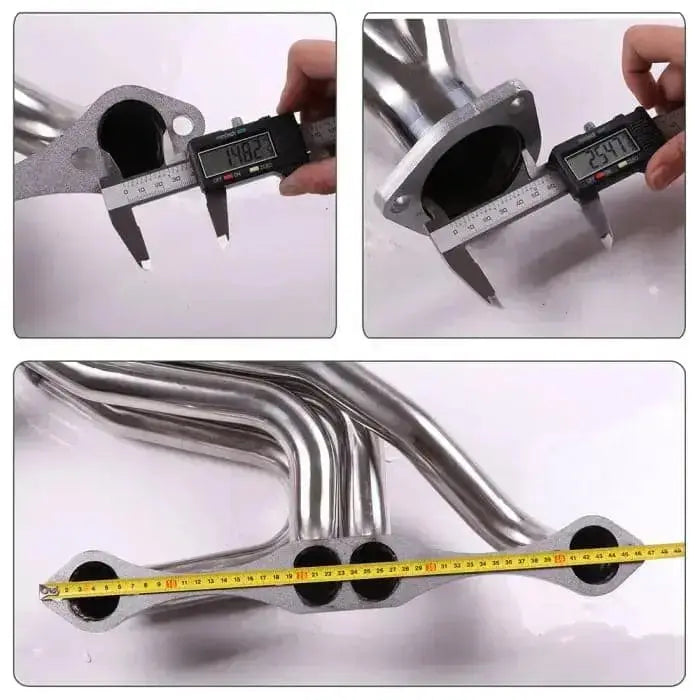
Flange Thickness: 35"
Tube Outside Diameter: 1 5/8"
Collector Diameter: 2 1/2"
Reducers: 2 1/2 to 2 1/4"
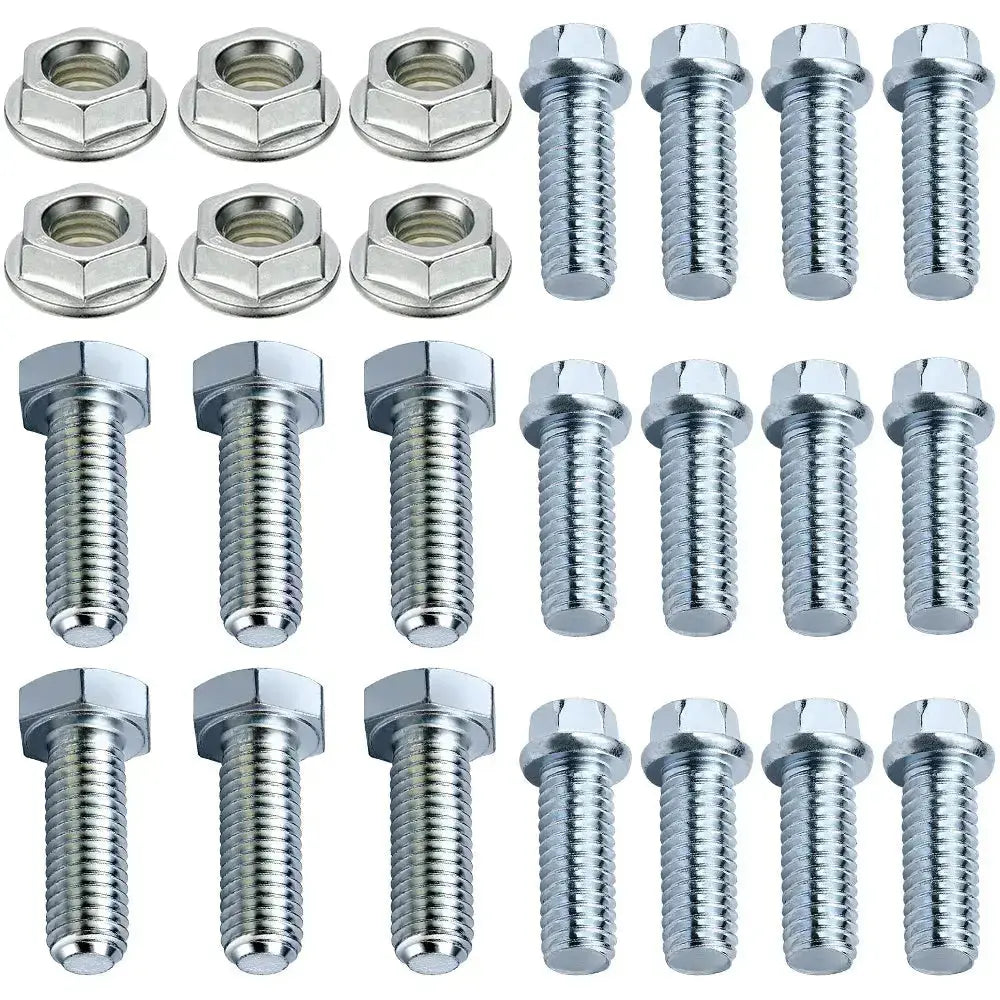
Hardware Included: Yes
Gaskets Included: Yes
What are exhaust manifolds for?
Boost Horsepower and torque, and Save on Gas with Headers and Exhaust System Modifications!"
Replacing a vehicle’s headers and exhaust is a way to add horsepower and torque, and it will also increase your vehicle’s volume. Want a car that sounds like an American muscle car should? This header will help your vehicle achieve that and it can add up to 8-20 horsepower.
Install an exhaust system means about a 0.5 mpg gas mileage improvement. While that might not sound like much, consider this: If gas costs $3 a gallon, and you drive this truck 15,000 miles a year, you’re saving yourself about $85 a year on gas. In five years, you’ll have saved nearly enough money to pay for a complete cat-back exhaust system.
Sharing and affirmation from customers


Exhaust Header VS Manifold, which is the better choice?
The structural differences between exhaust headers and manifolds are the material and size. From the material, exhaust headers are made of lighter, thinner steel, while exhaust manifolds are made of thick iron. Exhaust headers are also longer than exhaust manifolds. When in use, exhaust manifolds create back pressure, which lowers performance. Because each cylinder of the engine is given its own tube, however, headers eliminate this problem; thus, allowing the gases to exit without the creation of back pressure. Therefore, exhaust headers are a BETTER choice than an exhaust manifold.
Fitment & Compatibility
| Brand | Model | Year Range | Full Compatible Specs |
|---|---|---|---|
| Chevrolet | Bel Air | 1955-1957 | Factory Original Model |
| Chevrolet | One-Fifty Series | 1955-1957 | Factory Original Model |
| Chevrolet | Two-Ten Series | 1956-1957 | Factory Original Model |
Q1: What specific vehicles are these small block Chevy exhaust headers designed to fit?
A1: These high-performance headers are specifically designed for the 1955-1957 Chevrolet Bel Air (Tri-Five), 1955-1957 One-Fifty/Two-Ten Series, and the 1955-1978 & 1980-1982 Chevrolet Corvette. They fit models equipped with the 5.7L Small Block Chevy (SBC) V8 engine.
Q2: What are the primary tube and collector dimensions for these SBC headers?
A2: These headers feature 1-5/8" outside diameter primary tubes that merge into a high-flowing 2-1/2" collector. We also include 2-1/2" to 2-1/4" reducers to make connecting to your existing exhaust system as seamless as possible.
Q3: Will these 55 Chevy headers clear the factory steering box and idler arm?
A3: On classic Tri-Five models like the 1955 Chevy Bel Air, the engine bay space is notoriously tight. While these are designed to fit the SBC chassis, tolerances around the steering box (driver side) and idler arm (passenger side) can be very close—sometimes under 1/8 inch. Professional installation or slight adjustments may be required depending on your specific engine mounts and suspension setup.
Q4: Do these Corvette headers come with the necessary gaskets and hardware?
A4: Yes! To make your garage upgrade as straightforward as possible, this complete header kit includes the necessary premium gaskets, reducers, and metric mounting hardware right out of the box.
Q5: How much horsepower can I gain by adding these 5.7L SBC headers?
A5: By eliminating the restrictive factory cast-iron exhaust manifolds, these free-flowing tubular headers can add an estimated 8 to 20 additional horsepower. They significantly improve exhaust scavenging, resulting in better low-end torque and overall engine efficiency.
Q6: Are these headers made of stainless steel, and will they rust?
A6: These exhaust headers are constructed from 100% brand-new, high-quality stainless steel designed to resist early corrosion and withstand extreme exhaust temperatures. They also feature a beautiful 3-stage mirror polish finish that looks incredible under the hood of any classic Corvette or Bel Air.
Q7: Why should I upgrade from stock exhaust manifolds to these headers on my C3 Corvette?
A7: Stock cast-iron manifolds are thick, heavy, and create performance-choking backpressure. Our stainless steel headers assign a dedicated, smooth-flowing 1-5/8" tube to each cylinder. This prevents exhaust gas collision, reduces backpressure, increases horsepower, and gives your C3 Corvette that classic, aggressive American muscle car rumble.
Q8: Will these headers fit a Chevy 305 engine in my classic car?
A8: These specific headers are optimized for the 5.7L (350 cu.in.) Small Block Chevy engine architecture. While the SBC bolt pattern is generally the same across many displacements, physical clearance and port matching are tailored for the 5.7L. Fitting them on a 305 or other non-5.7L variants may result in clearance issues or require major modifications.
Q9: Can these headers improve the fuel efficiency of my 1957 Chevy Bel Air?
A9: Yes, improved engine breathing doesn't just mean more power. By reducing the effort required by the engine to expel exhaust gases, many classic car owners experience a slight improvement in fuel economy—up to roughly 0.5 mpg under normal cruising conditions.
Q10: Are these headers suitable for a 1979 Chevy Corvette?
A10: The 1979 Corvette has very specific emissions and chassis routing requirements that differ slightly from surrounding years. This product is engineered to fit the 1955-1978 and 1980-1982 Corvette chassis. Please verify your specific engine and chassis clearance if attempting to fit a 1979 model.
Q11: Do I need to weld anything to install these SBC exhaust headers?
A11: The headers themselves bolt directly to the engine block using the included hardware and gaskets. However, welding or custom exhaust fabrication will be required to properly connect the included 2-1/2" to 2-1/4" reducers to your vehicle's specific mid-pipes or cat-back exhaust system.
Q12: What is the flange thickness on these Flashark headers?
A12: These headers feature a robust .35" thick flange. A thick mounting flange is critical for classic high-heat V8 applications because it prevents warping over time, ensuring a tight, leak-free seal against the cylinder head.


