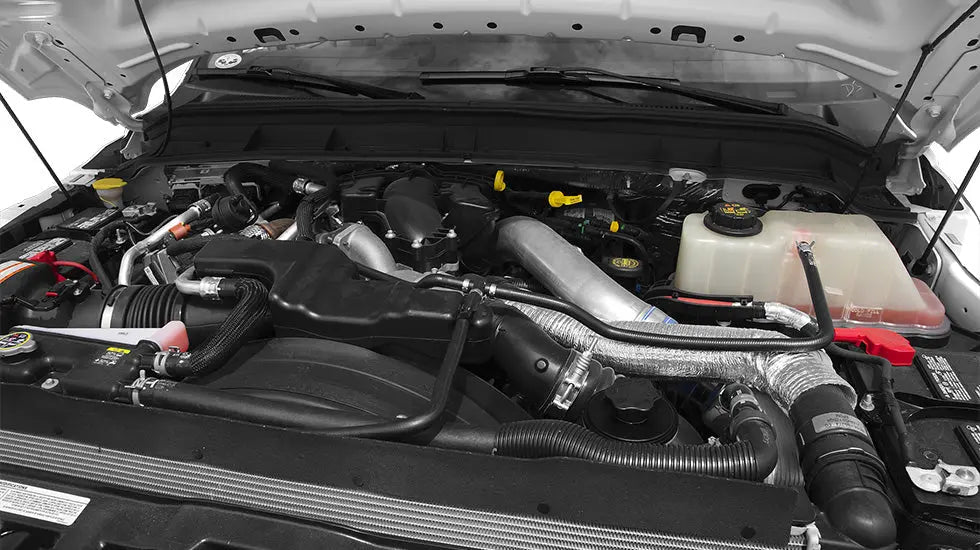
The 6.7L Power Stroke is Ford’s turbo-diesel V8 for Super Duty trucks, including the F-250, F-350, and F-450. It is widely used for towing, commercial work, and long-distance hauling, but there is one detail that matters before comparing specs or choosing parts: a 2011 truck and a late-model Super Duty should not be treated as the same configuration.
Power output, turbo hardware, fuel-system details, emissions equipment, towing ratings, and available calibrations vary by model year and truck configuration. This guide explains the engine’s basic layout, the questions that matter when diagnosing problems, and how to approach upgrades without assuming that similar-looking parts are interchangeable.
Quick answer:
- The 6.7L Power Stroke is a turbocharged Ford Super Duty diesel V8; vehicle year and configuration matter when discussing specifications.
- Factory horsepower and torque figures changed over time, so use a year-specific source rather than one number for every truck.
- Maintenance, exhaust condition, air-path leaks, fuel quality, cooling-system condition, and calibration can all affect how a truck runs.
- When selecting a replacement or upgrade part, match the vehicle year, engine, drivetrain, emissions equipment, and exhaust connection before ordering.
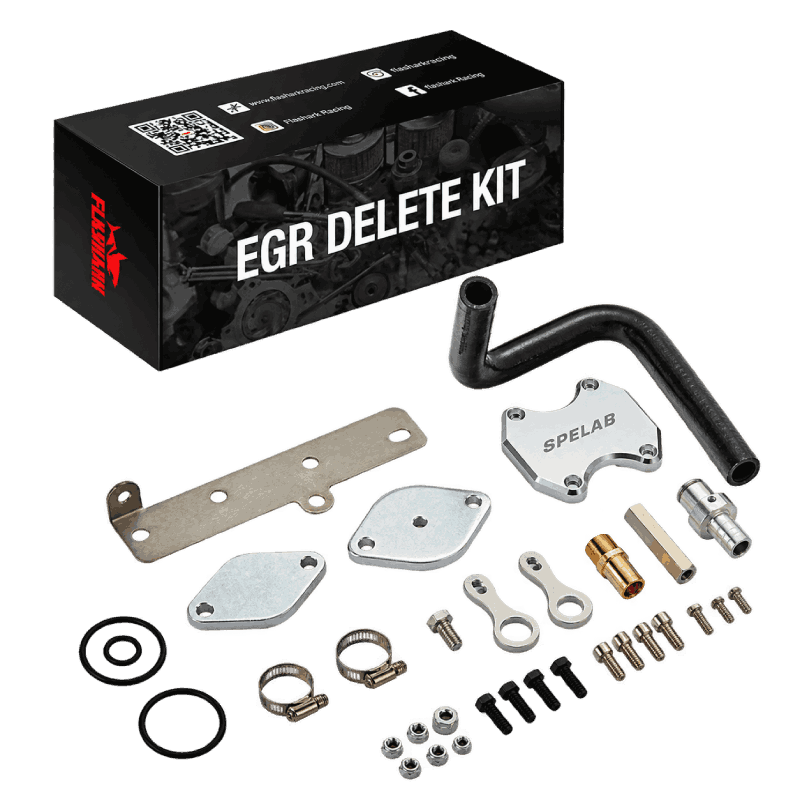
- Changes to emissions-related equipment can affect road-use requirements. Review local emissions and road-use requirements before modifying those systems.
What Is the 6.7L Power Stroke Engine?
The 6.7L Power Stroke is a Ford turbo-diesel V8 used in Super Duty applications. Its combination of low-rpm torque, heavy-duty cooling needs, high-pressure fuel delivery, turbocharging, and modern emissions controls makes it very different from a simple gasoline V8 upgrade project.
That is why the best starting point is not “What is the biggest part available?” It is identifying the truck correctly. Confirm the model year, F-Series model, drivetrain, current exhaust configuration, and intended use before choosing components or interpreting symptoms.

6.7 Powerstroke Engine Specifications: Why Model Year Matters
The engine is commonly described as a 6.7-liter V8 turbo diesel. However, output figures and supporting hardware have changed across the Super Duty product line. A single specification table without a model-year label can be misleading.
| Item | What to Use as the Starting Point | Why It Matters |
|---|---|---|
| Engine layout | 6.7L turbo-diesel V8 used in Ford Super Duty trucks | Identifies the engine family, but not the exact year-specific hardware. |
| Horsepower and torque | Use the rating for the truck’s model year and configuration | Ford changed output ratings during the engine’s production run. |
| Turbo and air path | Match parts to the specific year and installed intake/exhaust hardware | Connection points, sensors, and downstream exhaust details affect compatibility. |
| Towing capacity | Use the truck’s towing guide and door-label information | Ratings depend on cab, bed, axle ratio, drivetrain, hitch type, and trailer setup. |
| Replacement and upgrade parts | Match vehicle year, engine, drivetrain, emissions equipment, and exhaust connection | Two parts that look similar may use different mounting, sensor, or routing details. |
For example, Ford listed 450 horsepower and 935 lb-ft of torque for the upgraded 2018 6.7L Power Stroke. Newer Super Duty trucks use different factory ratings and may also offer a High Output version. Treat those figures as year-specific reference points, not as interchangeable engine-family numbers.
How the 6.7 Powerstroke Supports Towing and Heavy Work
Diesel towing performance is not only about peak torque. The transmission, axle ratio, cooling system, tire size, trailer weight distribution, elevation, ambient temperature, and driver-selected tow mode all influence how the truck behaves under load.
A healthy intake and exhaust path matters because the turbocharger, charge-air system, exhaust system, and calibration work together. Restrictions, leaks, loose clamps, damaged boots, or sensor-related faults can change response and towing behavior. The final result depends on the complete combination, not one part alone.
Technician note: A common mistake is blaming a single component before checking the complete system. Inspect charge-air connections, exhaust connections, visible wiring, fluid levels, and stored diagnostic information before replacing parts.
6.7 Powerstroke Engine Components That Deserve Attention
Turbocharger and charge-air system
The turbocharger and charge-air plumbing influence how the engine responds to load. A leak in a boot, clamp, intercooler connection, or related air path can create symptoms that feel like a turbo problem. Before replacing a major component, inspect the complete intake route and look for oil residue, loose connections, damaged hoses, or contact with nearby hardware.
Fuel system
Modern diesel fuel systems depend on clean fuel and correct service procedures. Poor fuel quality, water contamination, delayed filter service, or incorrect installation can create drivability concerns that are not solved by an intake or exhaust change. Follow the maintenance schedule for the exact truck and use the correct filter and sealing procedure.
Cooling system
Heavy towing puts sustained demand on the cooling system. Monitor coolant level, inspect the degas bottle and visible hoses, and address leaks before they become a temperature-control problem. A replacement coolant reservoir should be selected by vehicle-specific fitment, not by appearance alone.
If you are replacing a worn reservoir, begin with the vehicle-specific 6.7L Power Stroke coolant reservoir listing and match the selected configuration to the truck before ordering.
Common 6.7 Powerstroke Problems: Start With Symptoms, Not Assumptions
| Symptom | Areas Worth Checking | Practical Next Step |
|---|---|---|
| Reduced response under load | Air-path connections, exhaust leaks, fuel service history, stored diagnostic information | Inspect the full intake and exhaust path before replacing major hardware. |
| Coolant smell or visible coolant loss | Reservoir, hose connections, clamps, radiator area, coolant level | Do not continue heavy towing with an unresolved cooling-system leak. |
| Smoke, warning lights, or unusual exhaust behavior | Sensors, wiring, exhaust leaks, emissions-system condition, calibration, fuel quality | Read diagnostic information and inspect the vehicle as a complete system. |
| Noise after exhaust work | Clamp alignment, hangers, clearance, joints, heat shields, downstream exhaust | Check alignment before final tightening; a system installed under tension can shift with heat cycles. |
6.7 Powerstroke Upgrades: Choose the System, Not Just the Part
There is no single “best” 6.7 Powerstroke upgrade for every truck. A work truck that spends its time towing may have different priorities than a truck used for occasional unloaded driving. Start with the condition of the existing system, the truck’s use case, and the compatibility of every connection point.
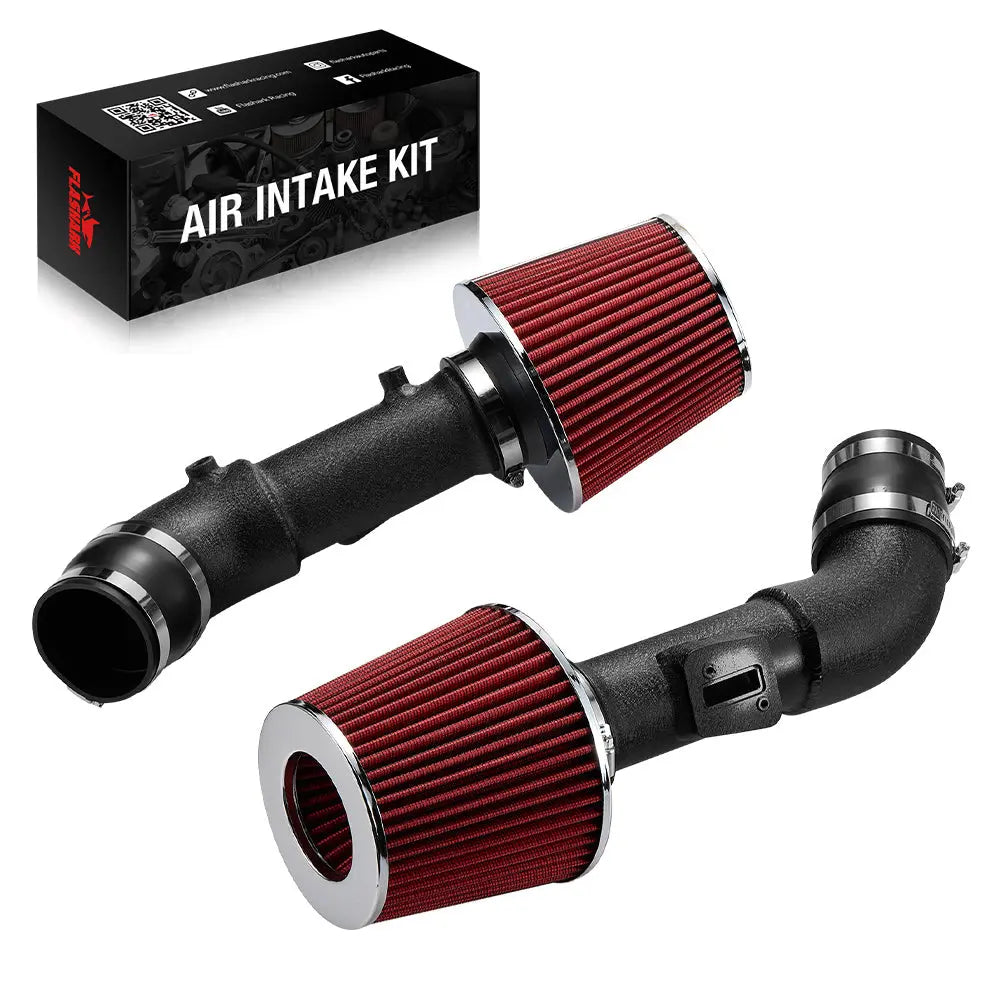
Cold air intake considerations
An intake system can change the inlet path and filter arrangement, but the outcome depends on the complete intake system, engine condition, calibration, and the rest of the truck. Do not assume that a larger filter or intake tube automatically creates a fixed horsepower result.
For applicable Ford Super Duty configurations, review the vehicle-specific details on the 6.7 Powerstroke cold air intake kit before ordering. Match the selected product to the truck’s year, engine, and installed hardware.
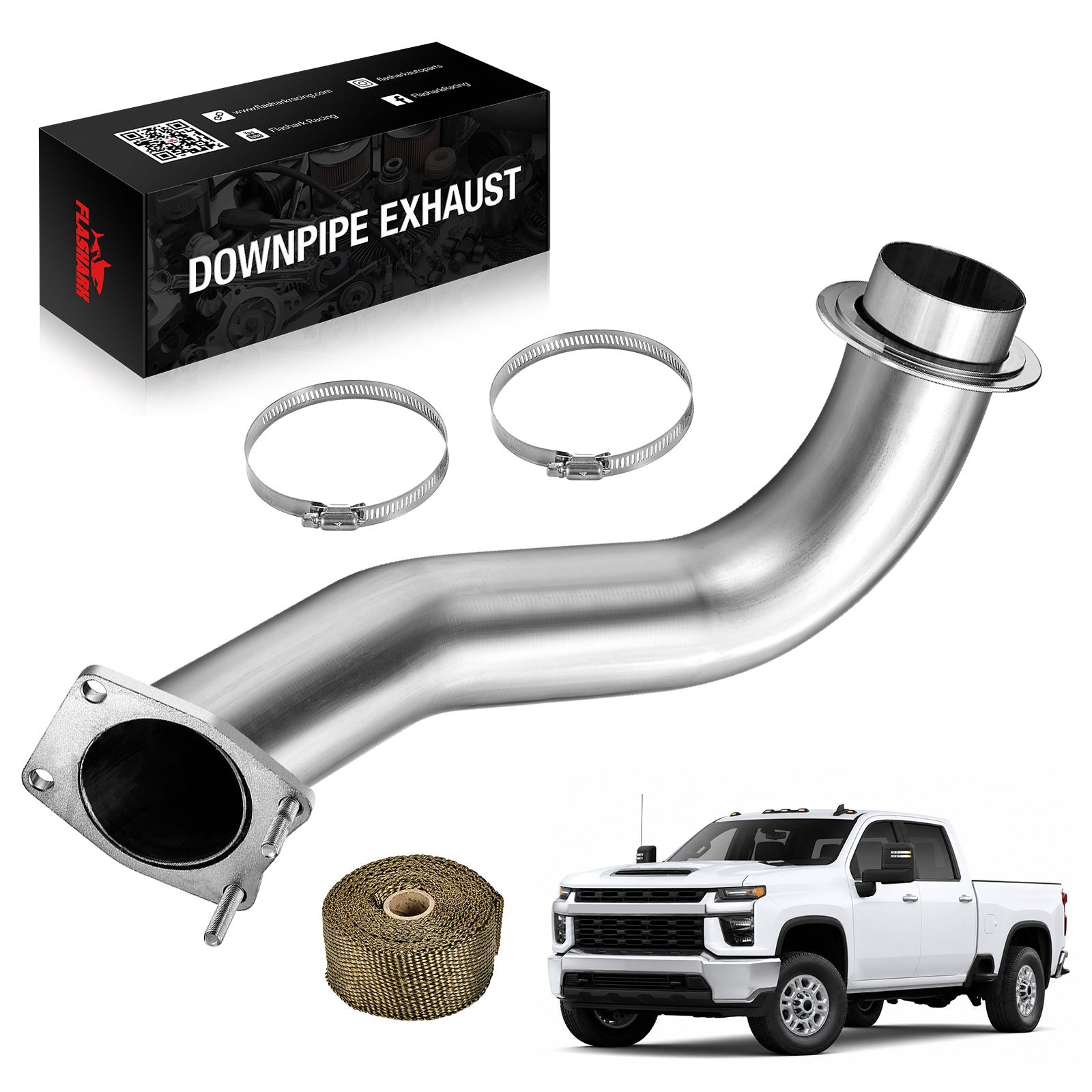
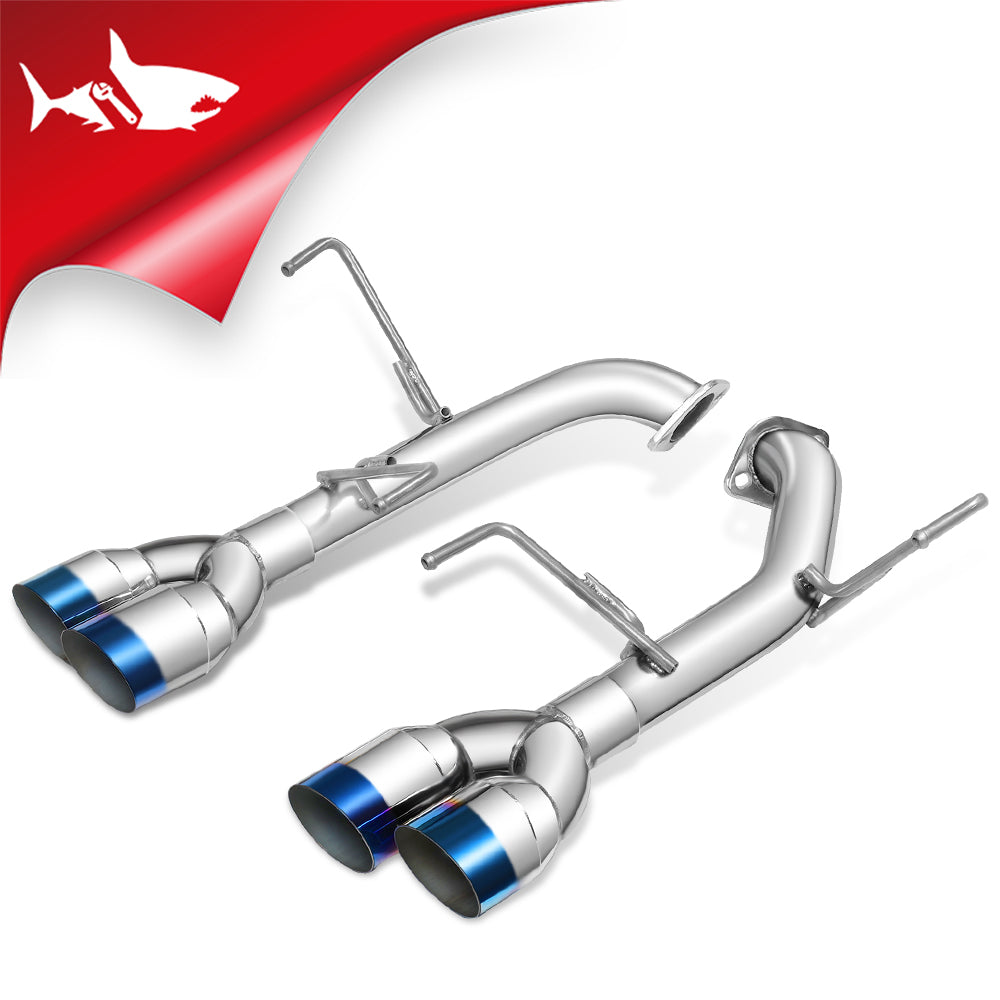
Exhaust and downpipe considerations
An exhaust section can reduce restriction in that part of the system, but the final result depends on the complete exhaust path, turbocharger configuration, emissions equipment, calibration, engine condition, and installation quality. A larger pipe is not automatically the right pipe.
Clearance, sensor locations, wiring routing, clamps, and downstream connections deserve as much attention as tube diameter. Take a minute before tightening each clamp. Align the system first, confirm clearance, and then apply final torque according to the hardware instructions.
Cooling-system service and replacement
Cooling-system repairs are often more valuable than cosmetic changes when a truck is used for heavy work. Replace damaged components with vehicle-matched parts, use the correct coolant procedure, and inspect related hoses and connections while access is available.
Installation and Fitment Checklist
- Confirm the vehicle year, Ford Super Duty model, engine, drivetrain, and current exhaust configuration.
- Compare the selected part’s connection style and sensor provisions with the truck before installation.
- Review the selected product configuration and package contents.
- Inspect charge-air boots, exhaust connections, clamps, hangers, and nearby wiring for clearance.
- Do not tighten every connection until the system is aligned in its installed position.
- After installation, recheck clearance and connections after the first heat cycle.
- Review local emissions and road-use requirements before modifying emissions-related equipment.
Important: Mechanical installation does not by itself establish road-use legality, calibration requirements, warning-light behavior, or emissions compliance. Tune requirements vary by vehicle and installed hardware. Sensor location, exhaust leaks, wiring condition, emissions equipment, and calibration can affect warning-light behavior.
Frequently Asked Questions
Q1. What trucks use the 6.7 Power Stroke engine?
A1. The 6.7L Power Stroke is used in Ford Super Duty applications, including F-250, F-350, and F-450 trucks. Match parts and specifications to the exact model year and configuration rather than relying on the engine name alone.
Q2. How much horsepower does a 6.7 Powerstroke have?
A2. Factory horsepower varies by model year and configuration. Use Ford’s specifications for the exact truck because ratings changed throughout the 6.7L Power Stroke production run.
Q3. Is the 6.7 Powerstroke a V8?
A3. Yes. The 6.7L Power Stroke is a turbo-diesel V8 engine used in Ford Super Duty trucks.
Q4. Why does model year matter when buying 6.7 Powerstroke parts?
A4. Turbo hardware, sensors, exhaust routing, emissions equipment, connection points, and factory output changed over time. Similar-looking parts are not automatically interchangeable.
Q5. Can an intake or exhaust part guarantee more horsepower?
A5. No. Final results depend on the complete intake and exhaust configuration, calibration, engine condition, fuel quality, supporting hardware, and installation quality.
Q6. Does a 6.7 Powerstroke upgrade always require a tune?
A6. Tune requirements vary by vehicle and installed hardware. Consider the intake, exhaust, emissions equipment, sensors, and calibration as one system.
Q7. Can an exhaust modification cause a warning light?
A7. Warning-light behavior can be affected by sensor location, exhaust leaks, wiring condition, emissions equipment, and calibration. Inspect the complete system rather than assuming one fixed outcome.
Q8. What should I check before installing a 6.7 Powerstroke exhaust component?
A8. Confirm vehicle fitment, connection style, sensor provisions, clearance, clamp alignment, hanger position, and the downstream exhaust connection before final tightening.
Q9. What should I do if my 6.7 Powerstroke loses response while towing?
A9. Start with the complete system: inspect charge-air connections, visible exhaust leaks, fuel-service history, coolant condition, and stored diagnostic information. Avoid replacing major components before checking these basics.
Q10. Are emissions-related modifications legal for road use?
A10. Road-use requirements vary by location and vehicle configuration. Review local emissions and road-use requirements before modifying emissions-related equipment.

Steven Chen
Automotive Performance Specialist | Engine & Exhaust Systems
Steven focuses on practical engine performance, exhaust fitment, and real-world upgrade paths for classic and modern enthusiast vehicles. He reviews small-block Ford, LS, truck, and street/strip applications with one goal in mind: helping builders choose parts that actually work together. His philosophy: "Good power starts with the right combination, not the biggest part."