


 Need car parts? Shop by vehicle
(Select the exact fit for your vehicle)
Need car parts? Shop by vehicle
(Select the exact fit for your vehicle)
Admisión de aire frío para Silverado Sierra
Compre tomas de aire frío para Chevrolet y GMC: Kits de admisión de aire para Chevrolet y GMC
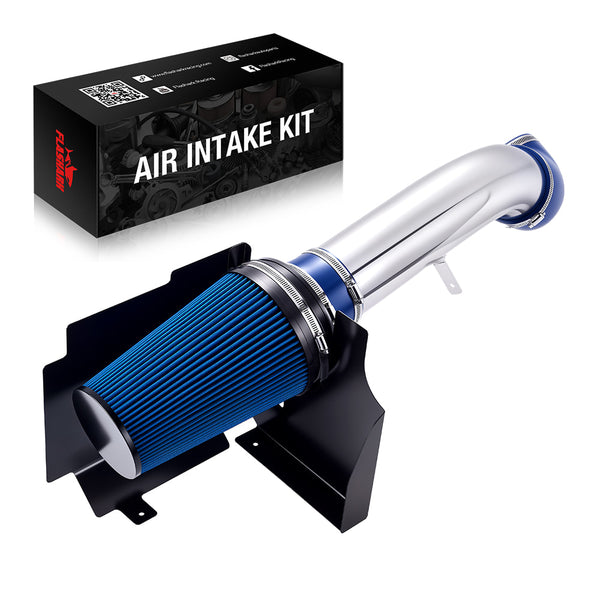
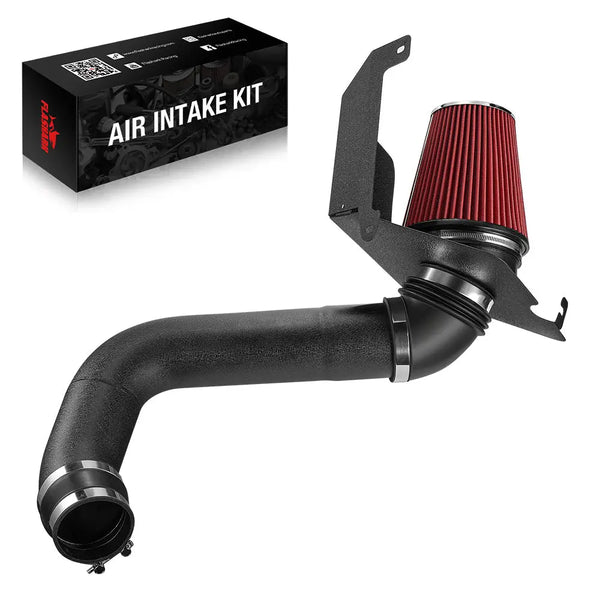
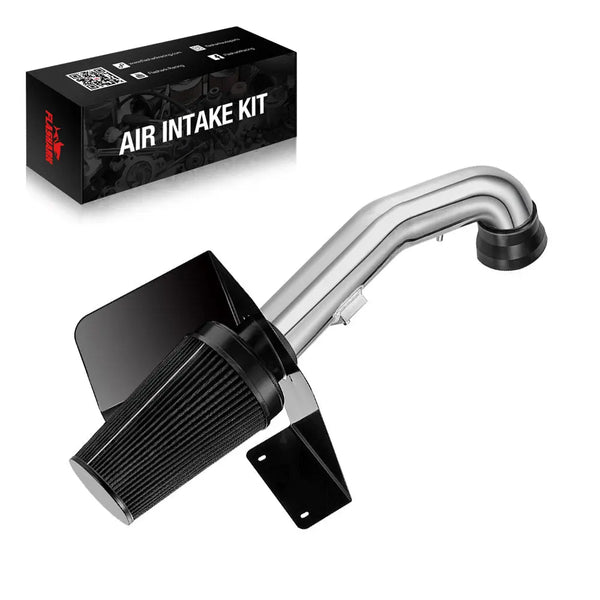
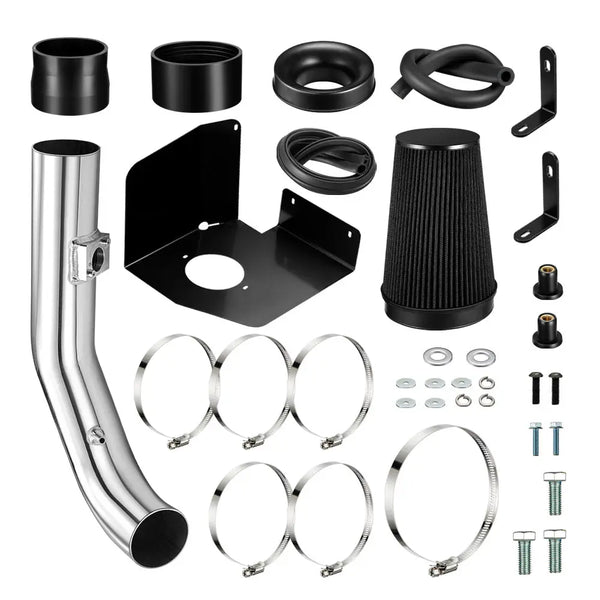
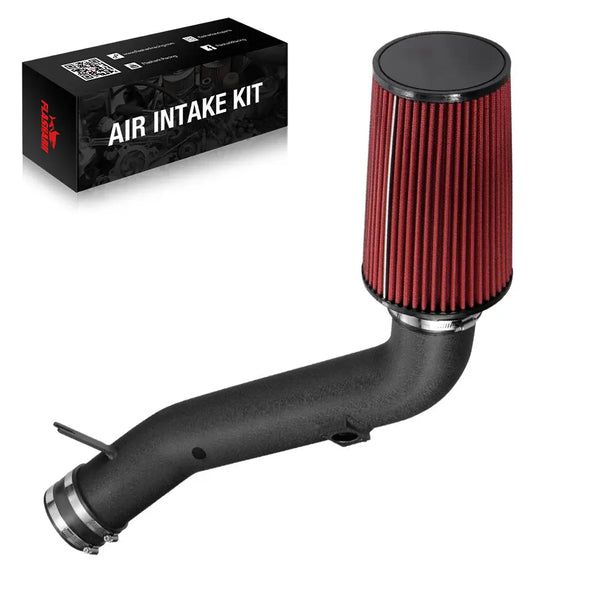
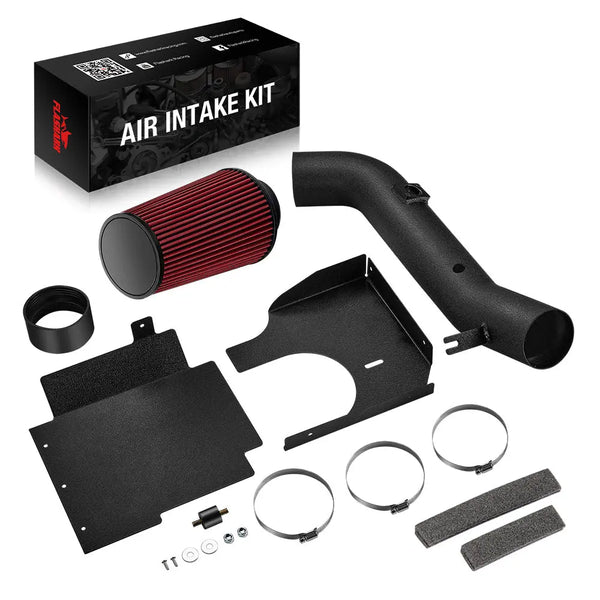
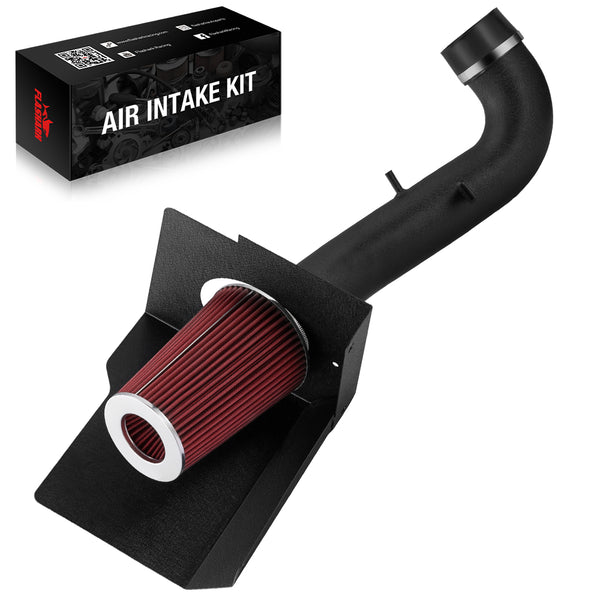
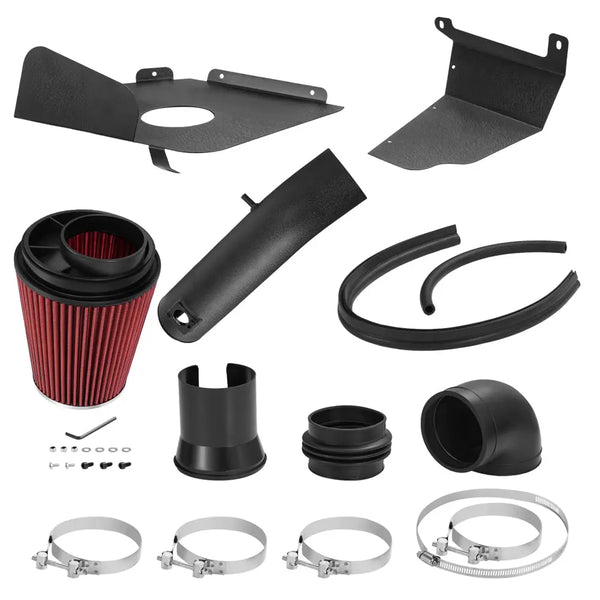
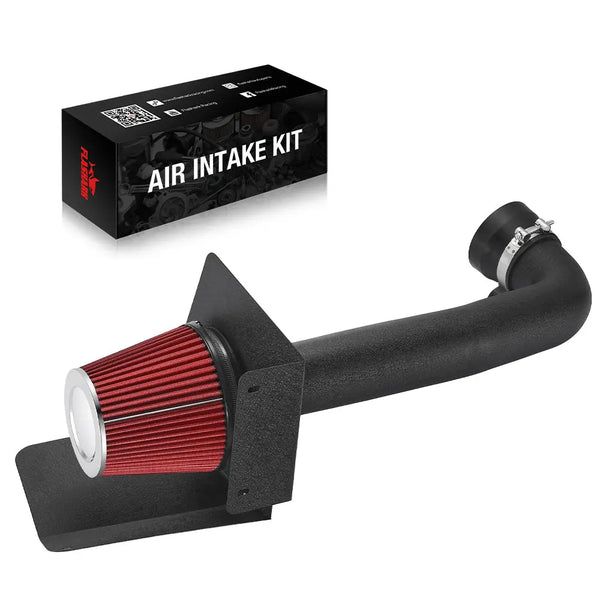
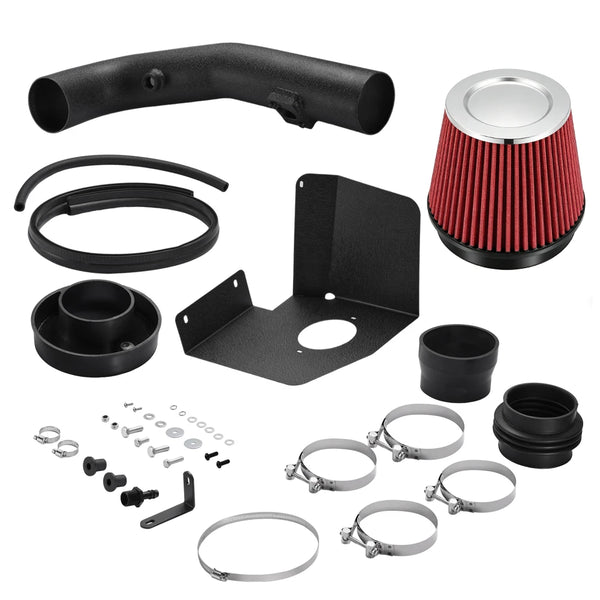
Compre kits seleccionados de admisión de aire frío para Chevy Silverado y GMC Sierra para camionetas de gasolina de media tonelada y aplicaciones Duramax HD antiguas. Estos sistemas reemplazan los componentes restrictivos o antiguos de fábrica con un tubo de admisión más suave, un filtro reparable y hardware de montaje específico para cada aplicación.
La cobertura actual incluye camionetas Silverado y Sierra 2500HD o 3500 seleccionadas de 2001 a 2005 con motores Duramax LB7 o LLY de 6.6L, además de aplicaciones seleccionadas de Silverado y Sierra 1500 de 2007 a 2018 con motores V8 de gasolina de 4.8L, 5.3L, 6.0L o 6.2L. La cobertura varía según la generación de la carrocería, la carcasa del MAF, el código del motor y la serie de la camioneta.
Seleccione su modelo exacto, año del modelo, serie de camioneta y motor, luego confirme los detalles completos de ajuste en la página de producto individual antes de realizar el pedido.

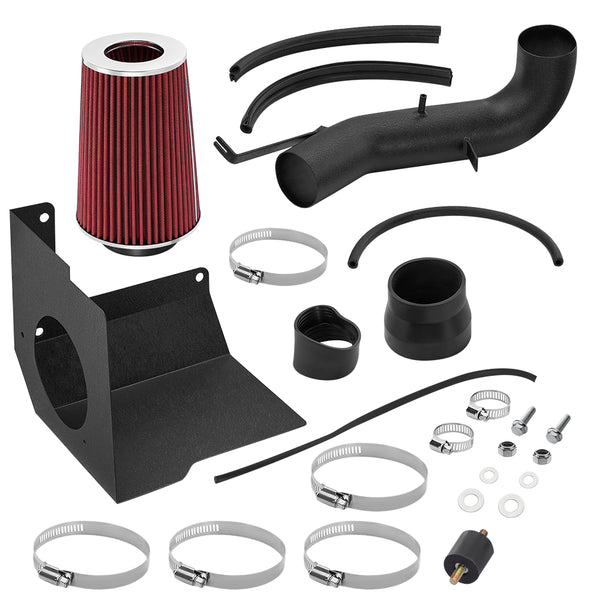
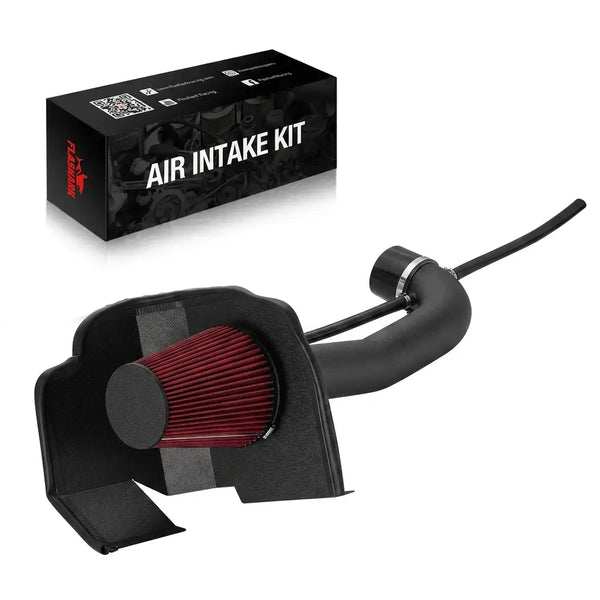
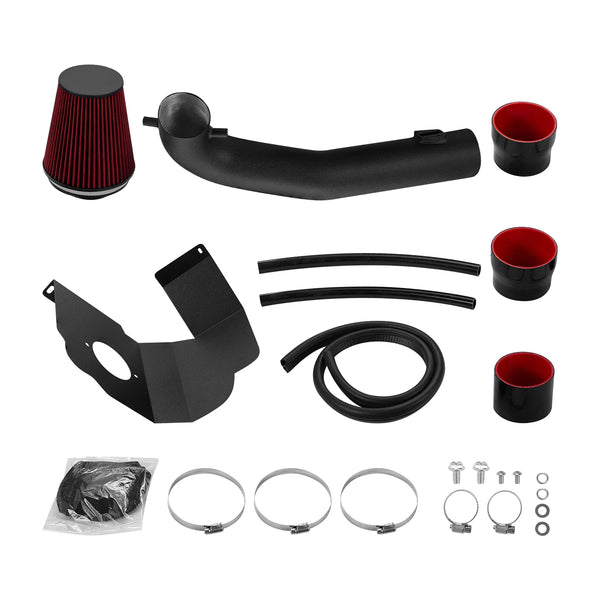
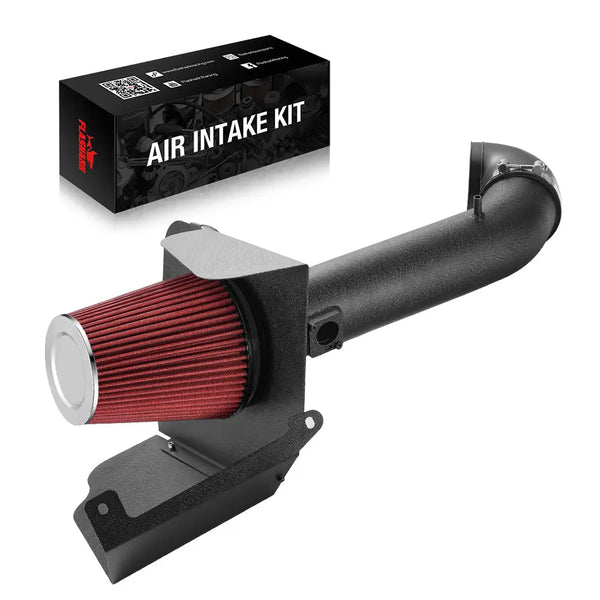
Compre tomas de aire frío para Chevrolet y GMC: Kits de admisión de aire para Chevrolet y GMC
Compre kits seleccionados de admisión de aire frío para Chevy Silverado y GMC Sierra para camionetas de gasolina de media tonelada y aplicaciones Duramax HD antiguas. Estos sistemas reemplazan los componentes restrictivos o antiguos de fábrica con un tubo de admisión más suave, un filtro reparable y hardware de montaje específico para cada aplicación.
La cobertura actual incluye camionetas Silverado y Sierra 2500HD o 3500 seleccionadas de 2001 a 2005 con motores Duramax LB7 o LLY de 6.6L, además de aplicaciones seleccionadas de Silverado y Sierra 1500 de 2007 a 2018 con motores V8 de gasolina de 4.8L, 5.3L, 6.0L o 6.2L. La cobertura varía según la generación de la carrocería, la carcasa del MAF, el código del motor y la serie de la camioneta.
Seleccione su modelo exacto, año del modelo, serie de camioneta y motor, luego confirme los detalles completos de ajuste en la página de producto individual antes de realizar el pedido.
Cómo elegir la toma de aire frío adecuada para Silverado o Sierra
Una Silverado y una Sierra pueden compartir motor, transmisión y plataforma GM, pero aun así requieren un hardware de admisión diferente. Esa es la parte que la gente olvida. El ángulo del tubo puede cambiar. La carcasa del MAF puede ser diferente. Un escudo térmico que despeja una bandeja de batería o un soporte de radiador puede golpear algo en otro camión.
Aquí está la versión directa: no pida una toma de aire frío basándose únicamente en el tamaño del motor. Comience con el año del modelo y la serie del camión, luego verifique el motor y la generación de la carrocería. Una insignia de 5.3L por sí sola no le dice lo suficiente.
Antes de comprar
- Los camiones de gasolina 1500 y los camiones Duramax 2500HD/3500 utilizan diferentes diseños de admisión.
- Verifique si un camión 2007 es un modelo Classic o de estilo de carrocería nuevo (New Body Style).
- Los propietarios de una Duramax 2004 deben identificar el motor LB7 o LLY antes de realizar el pedido.
- Considere el 2014 como un año de cambio de plataforma. No asuma que una admisión GMT900 anterior se ajusta a un camión K2XX.
- Verifique cada exclusión de la página del producto, incluidas las restricciones de Híbrido, HD, motor, estilo de carrocería y MAF.
Comience con la serie del camión y la familia del motor
Los productos de esta colección se dividen en dos grandes grupos. El primer grupo está diseñado para camionetas de gasolina Silverado y Sierra 1500. El segundo cubre camionetas 2500HD y 3500 seleccionadas equipadas con motores Duramax 6.6L tempranos.
Esos grupos no son intercambiables. Una toma de aire de gasolina de media tonelada se enruta alrededor de un cuerpo de aceleración de motor de gasolina, carcasa de MAF, tuberías de refrigerante y diseño de batería. Un sistema HD Duramax tiene que funcionar alrededor de la tubería de entrada del turbo, sensores específicos de diésel, un paquete de motor más grande y diferentes puntos de montaje debajo del capó.
Para camiones diésel tempranos, la colección incluye una toma de aire frío Duramax LB7 2001–2004 y un kit de admisión Duramax LLY 2004–2005. La superposición en 2004 es real. No es un error tipográfico, y es exactamente por eso que el código del motor es importante.
Ajuste de la admisión Silverado y Sierra de un vistazo
Utilice esta tabla para reducir el campo. Es un punto de partida, no un sustituto de la información completa de ajuste en la página del producto.
| Grupo de aplicación | Años del modelo | Serie de camiones | Motor | Qué verificar |
|---|---|---|---|---|
| LB7 Duramax | 2001–2004 | 2500HD / 3500 | 6.6L LB7 | Verifique el código del motor en camiones 2004. |
| LLY Duramax | 2004–2005 | 2500HD / 3500 | 6.6L LLY | No seleccione el kit solo por el año del modelo. |
| Gasolina GMT900 temprana | 2007–2008 | 1500 | 4.8L, 5.3L, 6.0L y selectos 6.2L | Confirme el estilo de carrocería nuevo, la cobertura del motor y el ajuste no híbrido. |
| Gasolina GMT900 posterior | 2009–2013 | 1500 | 4.8L, 5.3L, 6.0L o 6.2L | No sustituya una toma de 2007–2008 por una con una carcasa MAF diferente. |
| Gasolina K2XX | 2014–2018 | 1500 | 5.3L L83 o 6.2L L86 | No para 4.3L, 2.7L, 3.0L Duramax, HD o camiones 2019 y posteriores. |
Por qué el año del modelo importa tanto como el tamaño del motor
Ignore la regla perezosa de "mismo motor, misma admisión". Eso causa problemas a la gente.
Tomemos los camiones de gasolina 2007-2008 y 2009-2013. Ambos pueden estar etiquetados como GMT900 y ambos pueden llevar un V8 de 5.3L, pero las disposiciones de admisión y MAF no son automáticamente idénticas. La aplicación verificada de 2009-2013 utiliza una carcasa MAF diferente a la configuración anterior de 2007-2008.
Los propietarios de camiones de 2007 también deben distinguir un camión de carrocería Classic de los de carrocería GMT900 más nuevos. Un producto listado para un camión de estilo de carrocería nuevo (New Body Style) de 2007 no debe tratarse como un ajuste universal para cada camión registrado como 2007.
Luego está el 2014. Ese año del modelo marca el paso a la generación K2XX para las camionetas Silverado y Sierra 1500. La admisión verificada de 5.3L o 6.2L para Silverado y Sierra 2014–2018 está destinada a aplicaciones K2XX con el motor L83 o L86 EcoTec3. No extienda una lista anterior de 2009–2013 hasta 2014 a menos que la página del producto lo confirme explícitamente.
Qué cambian realmente estos kits de admisión de aire frío
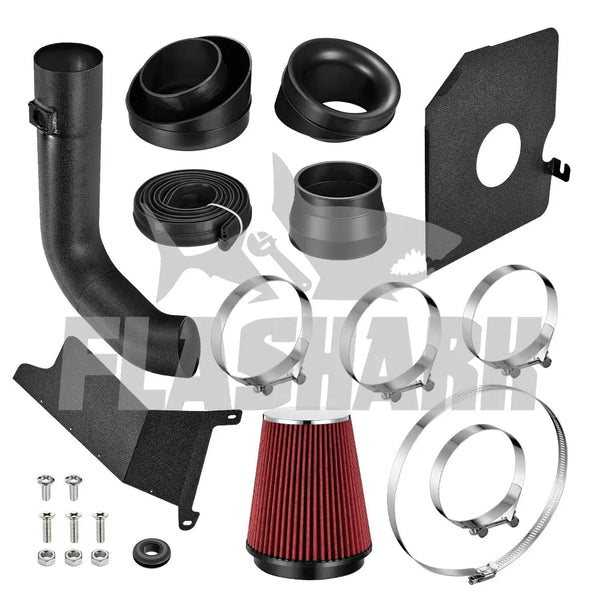
Los productos verificados en esta colección utilizan un diseño sencillo: un tubo de admisión, un filtro cónico, los acopladores y abrazaderas necesarios, y un escudo térmico o disposición de montaje específico para la aplicación. No son sistemas de admisión doble, y no son configuraciones de MAF dual.
El diámetro del tubo varía. Algunas aplicaciones utilizan un tubo de 4 pulgadas, mientras que el kit de gasolina K2XX posterior utiliza un diseño de 3.5 pulgadas. Más grande no es automáticamente mejor. El diámetro del tubo, la sección MAF, las curvas y la ubicación del sensor deben funcionar juntos. Una tubería de gran tamaño con la sección transversal MAF incorrecta puede crear un problema de suministro de combustible en lugar de solucionar una restricción del flujo de aire.
El material del filtro también importa. Muchos kits utilizan un filtro seco reutilizable, mientras que otros diseños de productos pueden usar un filtro aceitado. Verifique la especificación exacta del producto antes de limpiarlo o revisarlo. Poner aceite de filtro en un filtro seco no mejora la filtración. Puede contaminar el sensor MAF.
Un escudo térmico debe ser tratado como una pieza de gestión del calor, no como una pared mágica. Ayuda a separar el filtro del calor directo del radiador y del escape, pero el compartimiento del motor sigue estando caliente. La colocación adecuada, el sellado y el acceso al aire entrante importan más que un acabado llamativo.
Sonido, respuesta y expectativas de rendimiento realistas
El cambio más obvio suele ser el sonido. Una admisión de V8 de gasolina produce una nota de inducción más aguda cuando se abre el acelerador. En un Duramax LB7 o LLY, el silbido del turbo y el sonido del compresor pueden hacerse más fáciles de escuchar porque la caja de aire y los resonadores de fábrica ya no silencian tanto ruido.
Algunos conductores también pueden notar una sensación más directa al acelerar, especialmente si el filtro original estaba sucio o los conductos de fábrica habían comenzado a colapsar, agrietarse o tener fugas. Aun así, no confunda una toma de aire más ruidosa con un aumento de potencia garantizado. El ruido hace que un camión se sienta más activo. Al banco de pruebas no le importa lo ruidoso que suene.
Flashark no publica una prueba de dinamómetro verificada, en el mismo camión y el mismo día, para cada admisión de esta colección. Por esa razón, esta página no promete una ganancia fija de potencia en las ruedas, un número de torque específico o una mejora garantizada en la economía de combustible. Los resultados dependen del motor, la calibración, las modificaciones de soporte, el clima, la condición del filtro y la condición del sistema de admisión original.
Instalación del MAF, luces de advertencia del motor y errores comunes
La mayoría de estas aplicaciones conservan el sensor MAF de fábrica. Ese sensor debe instalarse en la dirección correcta, asentado correctamente y sellado contra la carcasa. Un MAF al revés, un sello torcido, un acoplador suelto o una fuga de aire después del sensor pueden causar ralenti irregular, ajustes de combustible inestables, comportamiento de potencia reducida o una luz de advertencia del motor.
Preste atención a las piezas pequeñas. Una manguera de respiración que parece conectada puede no estar completamente asentada. Una abrazadera puede sentirse apretada mientras el acoplador debajo está doblado. El tubo también puede estar tirando lateralmente de la carcasa del MAF porque un soporte de montaje se dejó suelto.
Nota de diagnóstico del técnico
Si un camión desarrolla un ralentí irregular o un código relacionado con el MAF inmediatamente después de la instalación, mi orden de diagnóstico sería simple: verificar primero la flecha del MAF, inspeccionar el sello del sensor, revisar cada acoplador detrás del MAF y confirmar que la conexión del respiradero o PCV esté completamente asentada. Luego, me aseguraría de que el tubo de admisión no esté torciendo la carcasa del sensor ni apoyándose contra otro componente.
No empiece por borrar el código diez veces ni por pedir un sensor nuevo. Primero, encuentre la fuga de aire no medida. Una prueba de humo alrededor de los acopladores y las conexiones de las mangueras es mucho más útil que adivinar. Si se realizó un servicio reciente a un filtro aceitado, inspeccione el elemento MAF en busca de contaminación por aceite antes de reemplazar las piezas.
Normalmente no se requiere una reprogramación solo porque se haya instalado una toma de aire MAF de serie correctamente diseñada en un camión que, por lo demás, es estándar. Eso no significa que todas las combinaciones posibles estén libres de reprogramación. Una carcasa de MAF modificada, un árbol de levas, un cambio de inducción forzada, un cuerpo de acelerador más grande, un cambio de inyectores o una configuración de escape agresiva pueden alterar los requisitos de calibración.
Cuidado del filtro, exposición al agua y comprobaciones de emisiones
Un filtro reutilizable aún necesita mantenimiento. Inspecciónelo durante los intervalos normales de servicio de aceite, especialmente si el camión circula por polvo, obras de construcción, caminos de tierra, desierto o arrastra con frecuencia. Limpie el filtro según su tipo de medio y déjelo secar completamente antes de reinstalarlo.
No limpie en exceso un filtro simplemente porque se vea más oscuro que uno nuevo. Cierta decoloración es normal. Una limpieza demasiado agresiva puede dañar el medio, mientras que el exceso de aceite en un filtro lubricado puede migrar al sensor MAF.
Los productos de esta colección generalmente colocan el filtro en el compartimiento del motor en lugar de bajo el parachoques. Esto reduce, pero no elimina, el riesgo de ingestión de agua. Evite el agua estancada profunda y nunca asuma que un camión es seguro para sumergir porque el filtro está detrás de un escudo térmico.
Los requisitos de emisiones varían según el estado y la región. Una pieza que se ajusta físicamente puede no ser legal para todos los vehículos registrados para circular. Verifique los requisitos de inspección locales y cualquier aviso de emisiones específico del producto antes de realizar el pedido.
Advertencia de compatibilidad
Se requiere verificación adicional para camionetas Duramax 2004, camionetas 2007 y camionetas 2014. Estos años se sitúan cerca de las transiciones de motor o plataforma. Confirme el código del motor, la designación Classic o New Body Style, la serie de la camioneta y las exclusiones completas de la página del producto.
No asuma que una pieza de Silverado se ajusta automáticamente a una Sierra, o que una toma de admisión de 1500 se ajusta a una 2500HD o 3500. Los motores compartidos no garantizan soportes, carcasas de MAF, tubos o espacio libre bajo el capó compartidos.
Comprobaciones finales antes de realizar el pedido
Antes de añadir una toma de aire frío para Silverado a su carrito, confirme lo siguiente:
- Chevrolet Silverado o GMC Sierra
- Año exacto del modelo
- Serie de camiones 1500, 2500HD o 3500
- Motor de gasolina o diésel Duramax
- Cilindrada y código del motor
- Generación de carrocería Classic, GMT900 o K2XX, según corresponda
- Exclusiones híbridas, HD y otras específicas del producto
- Requisitos de mantenimiento del filtro seco o lubricado
La toma de aire frío correcta para GMC Sierra debería atornillarse en la camioneta deseada sin soportes improvisados, acopladores estirados o un sensor MAF colgando en el ángulo incorrecto. Tómese dos minutos para verificar la aplicación ahora. Eso es más barato que devolver el kit incorrecto después de que la caja de aire de fábrica ya esté en el suelo del garaje.
Preguntas frecuentes sobre la toma de aire frío para Silverado y Sierra
P1: ¿Vale la pena una toma de aire frío en una Chevy Silverado o GMC Sierra?
R1: Puede ser una mejora que valga la pena para los propietarios que desean un sonido de inducción más fuerte, un filtro de fácil mantenimiento y un reemplazo más limpio para los conductos de fábrica restrictivos o envejecidos. No se garantiza una mejora específica en la potencia o el ahorro de combustible.
P2: ¿Qué años de Silverado y Sierra están cubiertos en esta colección?
R2: La cobertura verificada actual incluye camiones Silverado y Sierra 2500HD o 3500 Duramax seleccionados de 2001-2005, y camiones Silverado y Sierra 1500 V8 de gasolina seleccionados de 2007-2018. No todos los motores o camiones fabricados durante esos años son compatibles.
P3: ¿Significa el mismo tamaño de motor que la misma toma de aire se ajustará?
R3: No. El año del modelo, la serie del camión, la generación de la carrocería, la carcasa del MAF, la ubicación del cuerpo del acelerador, los soportes y el espacio libre debajo del capó también deben coincidir. Dos camiones con motores de 5.3L pueden requerir diferentes sistemas de admisión.
P4: ¿Por qué los camiones de 2007-2008 usan una admisión diferente a los de 2009-2013?
R4: Las aplicaciones pueden utilizar diferentes carcasas de MAF y configuraciones de admisión, aunque ambas caigan dentro de la generación GMT900 más amplia. Los propietarios de camiones de 2007 también deben confirmar si el camión es un modelo Classic o New Body Style.
P5: ¿Cómo identifico un Duramax LB7 o LLY en un camión 2004?
R5: Revise el código del motor del VIN y la etiqueta de emisiones debajo del capó. Muchos camiones LB7 de 2004 usan un octavo dígito del VIN de 1, mientras que las aplicaciones LLY comúnmente usan un octavo dígito del VIN de 2. Verifique el vehículo antes de ordenar porque 2004 fue un año de transición.
P6: ¿Una toma de aire de Silverado o Sierra 1500 se ajustará a una 2500HD o 3500?
R6: No. Los camiones de media tonelada y los de servicio pesado utilizan diferentes motores, rutas de admisión, arreglos de sensores, soportes y empaques debajo del capó. Elija un kit que enumere explícitamente la serie de camiones correcta.
P7: ¿Estas tomas de aire frío para Silverado y Sierra requieren una reprogramación?
R7: Muchos kits específicos de aplicación están diseñados para funcionar con la calibración MAF de fábrica en un camión que, por lo demás, es estándar. Puede ser necesaria una reprogramación cuando la carcasa del MAF, el motor, los inyectores, el árbol de levas, el sistema de inducción forzada u otras piezas relacionadas con el flujo de aire se han modificado significativamente.
P8: ¿Puede una toma de aire frío causar que se encienda la luz de "revisar motor"?
R8: Una admisión correctamente emparejada y sellada no debería activar automáticamente una luz de "revisar motor", pero una dirección de MAF incorrecta, un acoplador suelto, una manguera de ventilación con fugas, un sello de sensor dañado, un MAF contaminado o un tubo de admisión incompatible pueden causar un código.
P9: ¿Cómo debo limpiar y mantener el filtro de aire?
R9: Siga las instrucciones específicas para el tipo de medio filtrante. Lave un filtro seco reutilizable con un limpiador aprobado y no aplique aceite para filtros. Si el kit utiliza un filtro aceitado, aplique solo la cantidad especificada y permita que se distribuya antes de reinstalar el filtro.
P10: ¿Existen preocupaciones sobre la ingestión de agua o las emisiones?


- Abre en una nueva ventana.