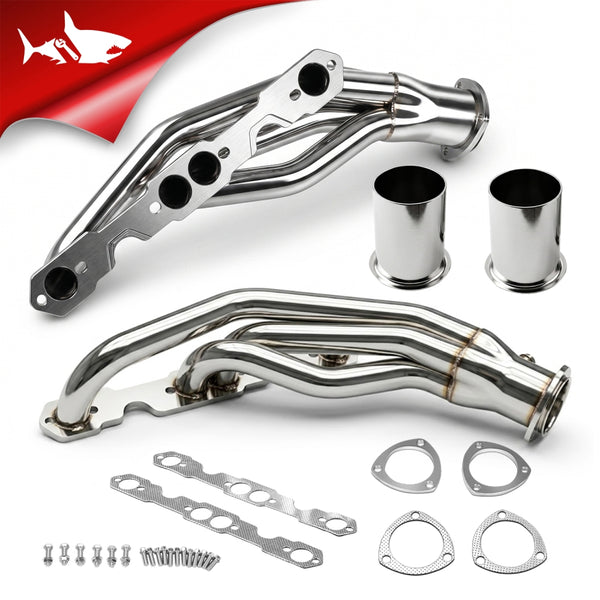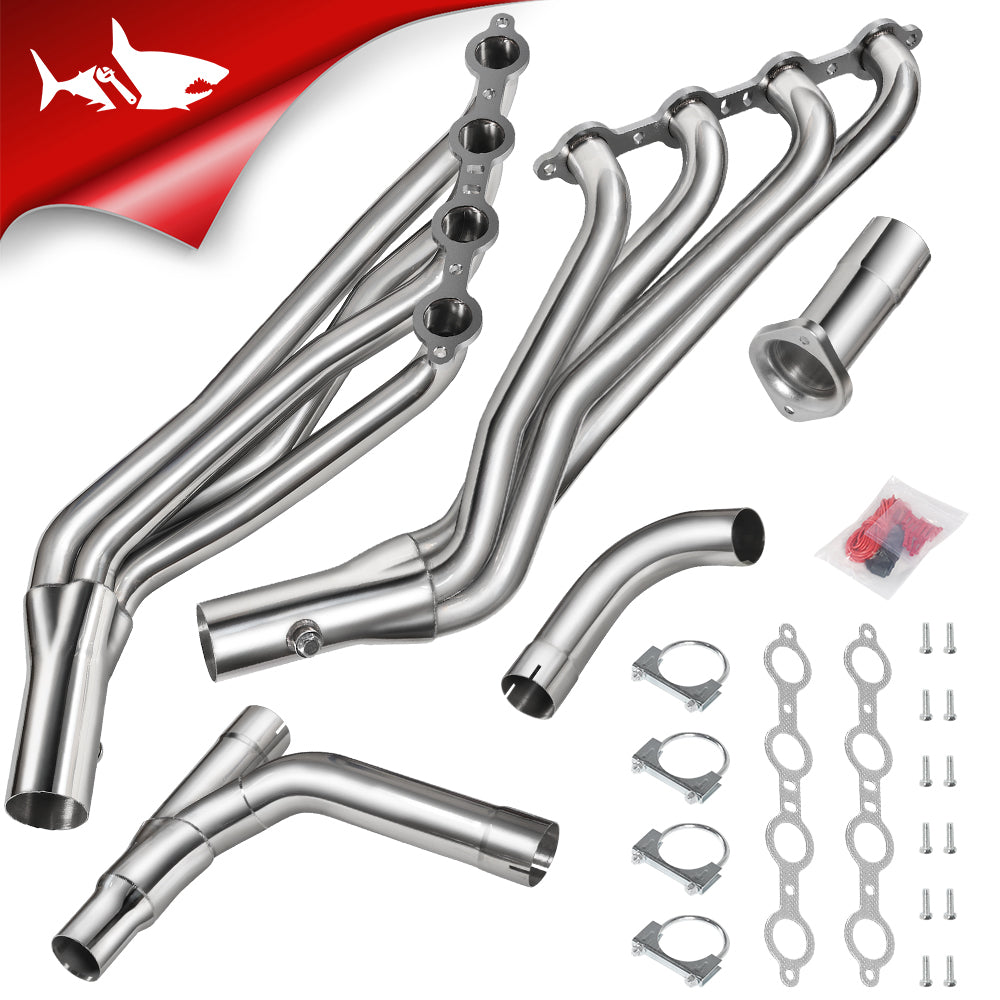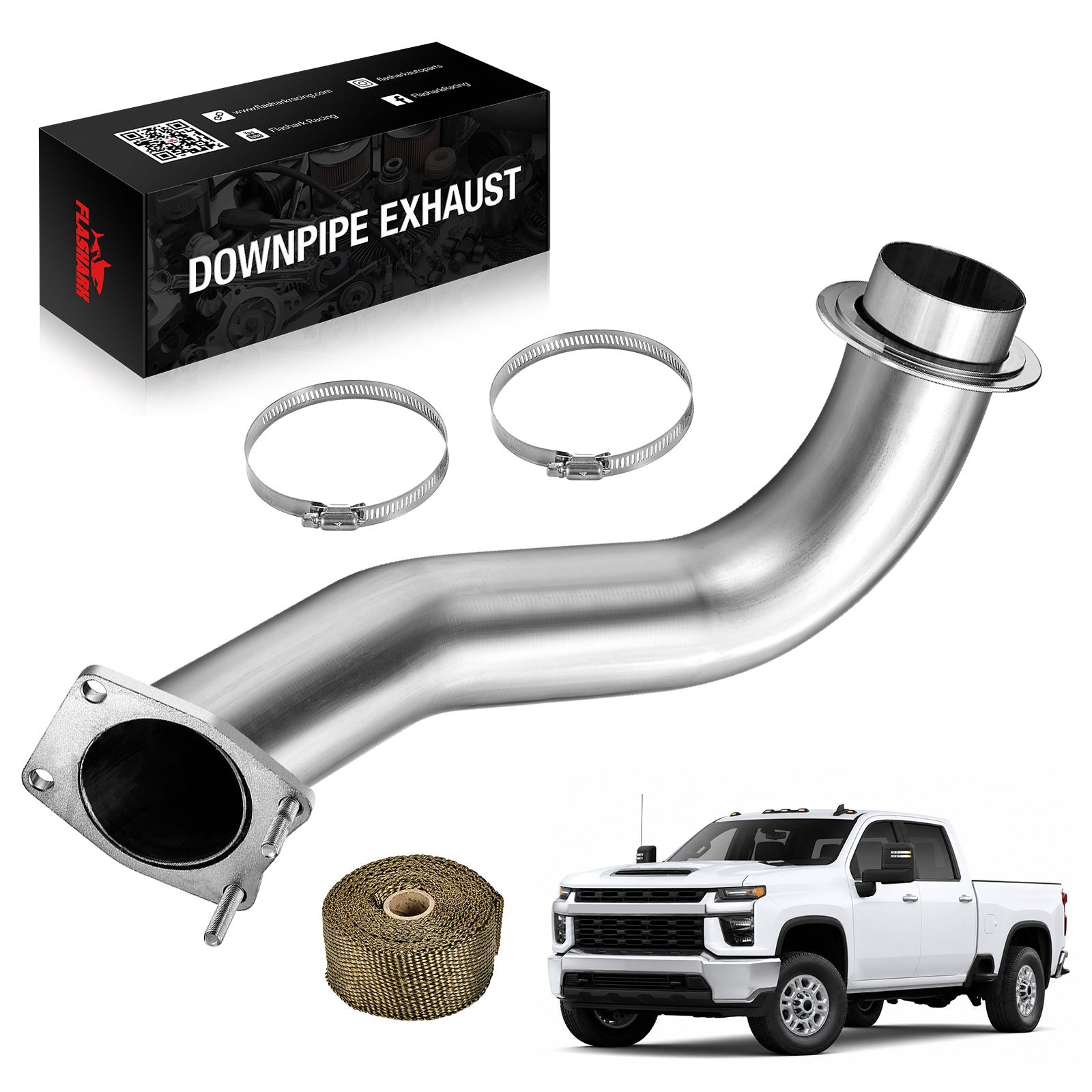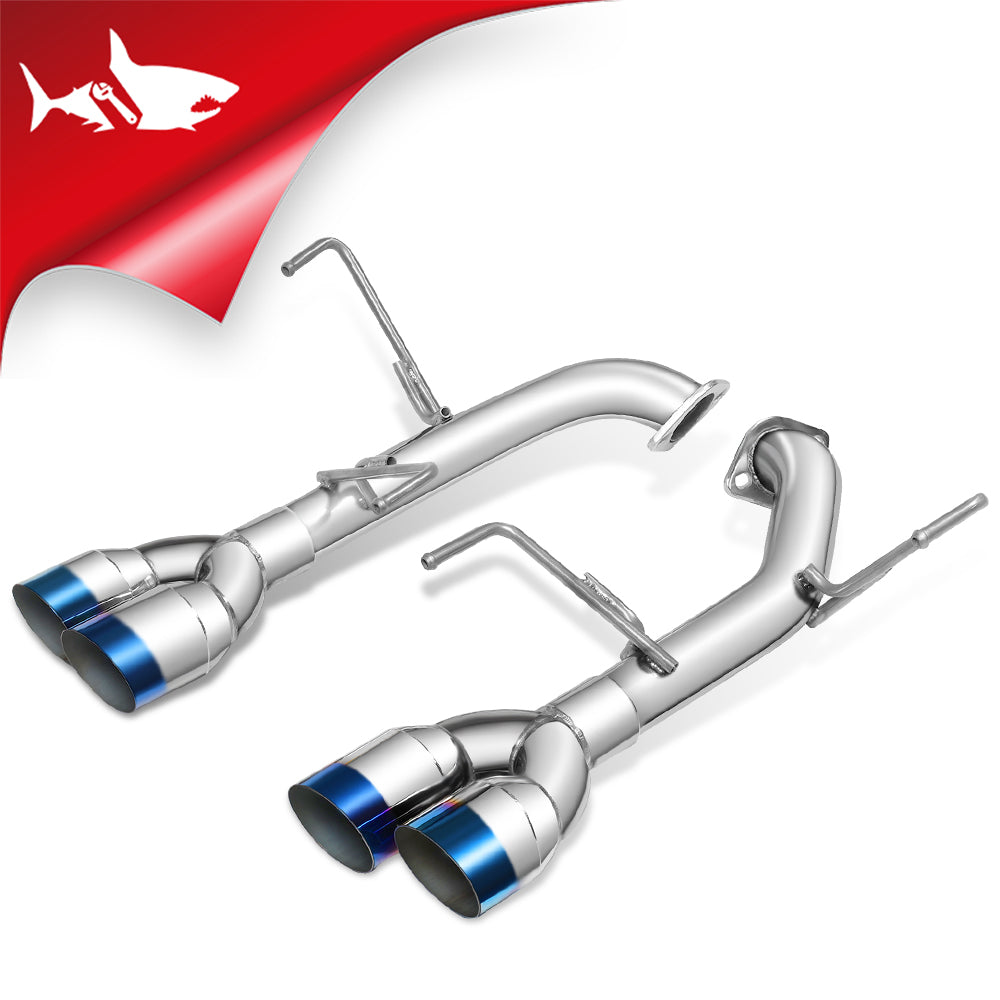
Headers are a popular performance upgrade for LS engines, especially the 5.3L. Whether you're chasing more horsepower or just want a deeper exhaust note, headers can offer measurable gains. But how much power do they really add to a 5.3L engine? Let’s break it down.
Quick Answer
How Much Horsepower Do Headers Add to a 5.3L LS?
Headers can provide significant horsepower gains for a 5.3L LS engine. Here's a quick breakdown:
| 5.3L LS Setup | Header Type | Estimated Power Gain |
|---|---|---|
| Stock Engine (No Tune) | Short Tube Headers | +5–10 WHP |
| Stock Engine + Tune | Short Tube Headers | +10–15 WHP |
| Stock Engine + Tune | Long Tube Headers | +15–30 WHP |
| Cammed 5.3 + Tune | Long Tube Headers | +70–100+ WHP (combined) |
Key takeaway: Long tube headers, especially when paired with a tune, provide the highest horsepower gains, particularly for performance builds.
Quick Answer: How Much Horsepower Do Headers Add to a 5.3L LS?
If you’re looking for a quick, data-backed answer, here’s what most 5.3L LS owners can realistically expect from a header upgrade:
| 5.3L LS Setup | Header Type | Estimated Power Gain |
|---|---|---|
| Stock Engine (No Tune) | Short Tube Headers | +5–10 WHP |
| Stock Engine + Tune | Short Tube Headers | +10–15 WHP |
| Stock Engine + Tune | Long Tube Headers | +15–30 WHP |
| Cammed 5.3 + Tune | Long Tube Headers | +70–100+ WHP (combined gains) |
Key takeaway: Long tube headers paired with proper ECU tuning deliver the biggest horsepower and torque gains on a 5.3L LS engine, especially for performance-oriented builds.
Understanding the 5.3L LS Engine Platform
The 5.3L LS engine, especially the Gen III and Gen IV variants like the LM7, L59, and LC9, is a favorite among enthusiasts. It powers millions of GM trucks and SUVs and has become a go-to for LS swaps.
From the factory, most 5.3L variants make between 270 and 320 horsepower at the crank. While reliable and torquey, these engines have room to breathe when it comes to airflow and exhaust.
What Are Headers and How Do They Work?
Headers replace the stock exhaust manifolds with individual tuned pipes. They help the engine push out exhaust gases more efficiently, reducing backpressure.
Short tube headers are compact and easier to install. Long tube headers are larger and improve scavenging, especially in mid-to-high RPM ranges. This efficiency translates into more horsepower and torque.
How Much Horsepower Can Headers Add to a 5.3?
Headers can make a noticeable difference in horsepower output on a 5.3L LS engine. While results vary depending on the type of headers and whether the vehicle is tuned, most upgrades fall into predictable performance ranges.
Long Tube Header Gains
On a stock or lightly modified engine, 5.3L LS long tube headers typically add between 15 to 30 horsepower at the wheels. These gains are significant and real, backed by community dyno results and enthusiast testing.

The design of long tubes enhances exhaust scavenging, especially at higher RPMs. This leads to improved throttle response and mid-range power.
Short Tube Header Gains
5.3L LS short tube headers may offer more modest gains, typically around 5 to 15 horsepower. They are easier to install and often more affordable, making them attractive for mild builds.

However, short tubes don't offer the same performance potential at higher RPMs compared to long tubes.
The Role of Tuning
Proper ECU tuning is essential to maximize horsepower gains from any header upgrade. Without tuning, your engine won't take full advantage of the improved exhaust flow.
Tuning also ensures optimal air/fuel ratios and helps eliminate potential issues like check engine lights due to O2 sensor changes.
Which Headers Should You Choose for a 5.3L LS?
The right headers depend on how you use your vehicle and your long-term performance goals:
- Daily-driven truck or SUV: Short tube headers for easier installation, quieter operation, and better emissions compatibility.
- Street performance build: Long tube headers with a proper tune for maximum horsepower and torque gains.
- Cammed or LS swap setup: Long tube headers with optimized primary tube sizing to support higher airflow demands.
If performance is your priority, long tube headers are the better investment for a 5.3L LS engine.
Additional Performance Gains with Supporting Mods
Adding a performance camshaft in combination with headers can significantly increase horsepower. For example, a Stage 2 or Stage 3 cam can add another 40 to 60 horsepower.
Some community tests have shown stock 5.3L LS engines gaining over 100 horsepower with just a cam, long tube headers, and tuning. No intake or cylinder head work was needed.
Proper tuning is critical. Without it, the engine won’t make full use of the airflow improvements.
Installation Considerations for Headers on a 5.3
Headers aren’t a bolt-on-and-go mod for every setup. Long tube headers may require modifications to your exhaust system. Clearance can be an issue on trucks with 4WD or tight engine bays.
You’ll also need to relocate or extend O2 sensor wires. In some states, long tube headers may affect emissions compliance. Always check local regulations before installing.
Cost vs. Performance: Are Headers Worth It?
Headers range in price from $300 to over $1,000 depending on brand and material. Installation labor and tuning can add another $500 to $1,000.
When properly installed and tuned, headers offer one of the best horsepower-per-dollar upgrades for a 5.3L LS. They also lay the foundation for future mods like cam swaps and forced induction.
If you’re planning a performance build, headers are more than worth the investment.
Conclusion
So, how much horsepower do headers add to a 5.3? On their own, you can expect 15 to 30 horsepower with long tube headers and tuning. Pair them with a camshaft, and gains of 70 to 100+ horsepower are possible.
Headers improve engine efficiency, sound, and power. For any 5.3L LS owner looking to wake up their motor, they are a smart first step backed by both dyno data and real-world results.
Frequently Asked Questions About 5.3L LS Headers
Q1: How much horsepower do headers add to a stock 5.3L LS?
A1: On a stock 5.3L LS engine, headers typically add 5–15 wheel horsepower with short tubes and up to 30 wheel horsepower with long tube headers when paired with proper tuning.
Q2: Do long tube headers add more power than short tube headers on a 5.3?
A2: Yes. Long tube headers improve exhaust scavenging and usually deliver 10–20 more horsepower than short tube headers, especially in the mid-to-high RPM range.
Q3: Is a tune required after installing headers on a 5.3 LS?
A3: While the engine can run without a tune, tuning is strongly recommended. A proper tune unlocks the full horsepower gains and prevents check engine lights caused by O2 sensor changes.
Q4: Will headers increase torque or just horsepower?
A4: Headers increase both. Long tube headers are especially effective at boosting mid-range torque, which is noticeable in trucks and heavier vehicles.
Q5: Are headers worth it on a daily-driven 5.3 truck?
A5: Yes, but header choice matters. Short tube headers are often better for daily drivers due to easier installation, lower noise levels, and improved emissions compatibility.
Q6: How much louder will my 5.3 sound with headers?
A6: Headers make the exhaust tone deeper and more aggressive. Long tubes are noticeably louder, especially when paired with aftermarket exhaust systems.
Q7: Will headers improve throttle response on a 5.3 LS?
A7: Yes. By reducing backpressure, headers help the engine respond faster to throttle inputs, particularly with a tune.
Q8: Are long tube headers legal for street use?
A8: Legality depends on local emissions laws. In many states, long tube headers are not emissions-compliant unless paired with high-flow catalytic converters.
Q9: Can headers cause reliability issues on a 5.3 LS?
A9: When properly installed and tuned, headers do not reduce reliability. Heat management and quality gaskets are key to long-term durability.
Q10: What size primary tubes are best for a 5.3 LS?
A10: Most stock or mildly modified 5.3 engines perform best with 1-3/4” primary tubes. Larger sizes are typically reserved for high-RPM or heavily cammed builds.
Q11: Do headers help fuel efficiency?
A11: In some cases, improved exhaust flow can slightly increase fuel efficiency during steady cruising, though aggressive driving often offsets this benefit.
Q12: Will headers fit my 4WD 5.3 truck?
A12: Fitment varies. Many long tube headers require 4WD-specific designs or may interfere with the front driveshaft. Always check vehicle-specific compatibility.
Q13: Can I install headers at home?
A13: Experienced DIYers can install short tube headers at home. Long tube headers are more complex and may require lifting the engine or modifying exhaust components.
Q14: Do headers require extra maintenance?
A14: Periodic bolt re-torquing and gasket inspection are recommended, especially after initial heat cycles.
Q15: Are headers a good first mod for a 5.3 LS?
A15: Yes. Headers provide one of the best horsepower-per-dollar gains and create a solid foundation for future upgrades like cams or forced induction.