


 Need car parts? Shop by vehicle
(Select the exact fit for your vehicle)
Need car parts? Shop by vehicle
(Select the exact fit for your vehicle)
Admisión de aire frío del Ford F350
Comprar tomas de aire frío para Ford: Todas las tomas de aire frío para Ford
Comprar por modelo de Ford: Toma de aire frío para Ford F-150 | Toma de aire frío para Ford Mustang | Toma de aire frío para Ford F-250 | Toma de aire frío para Ford F-350
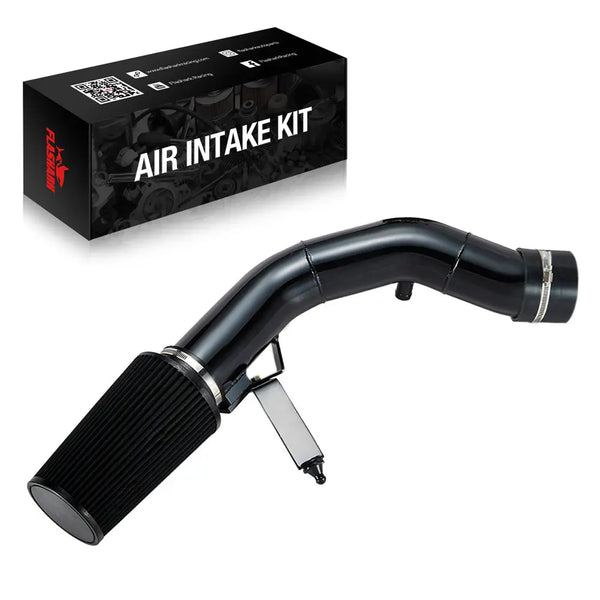
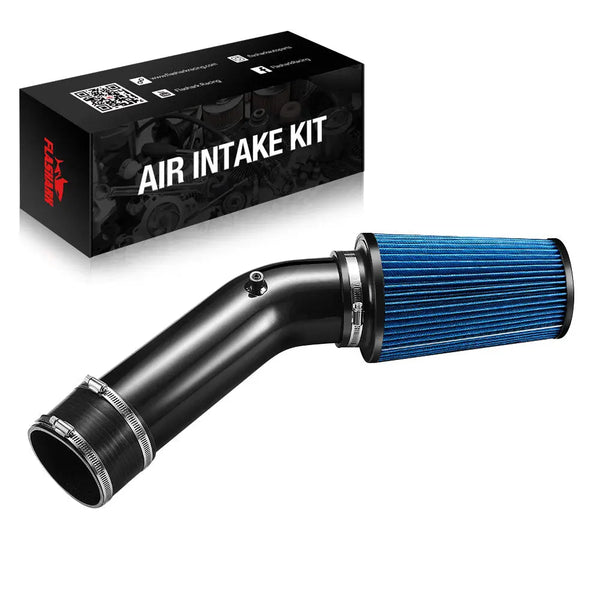
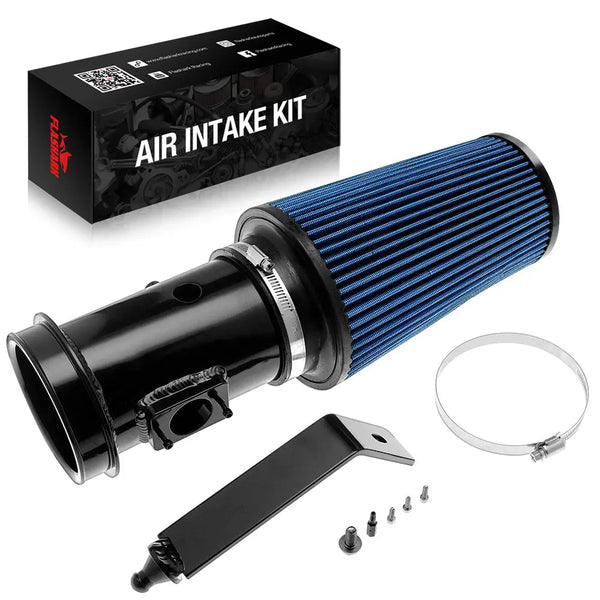
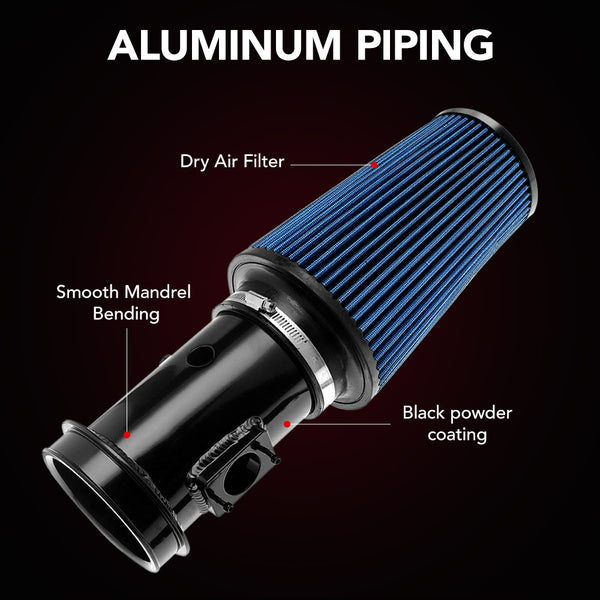
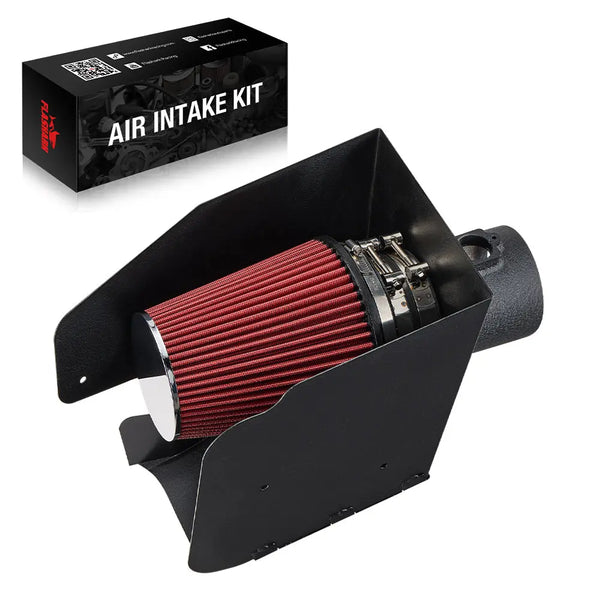
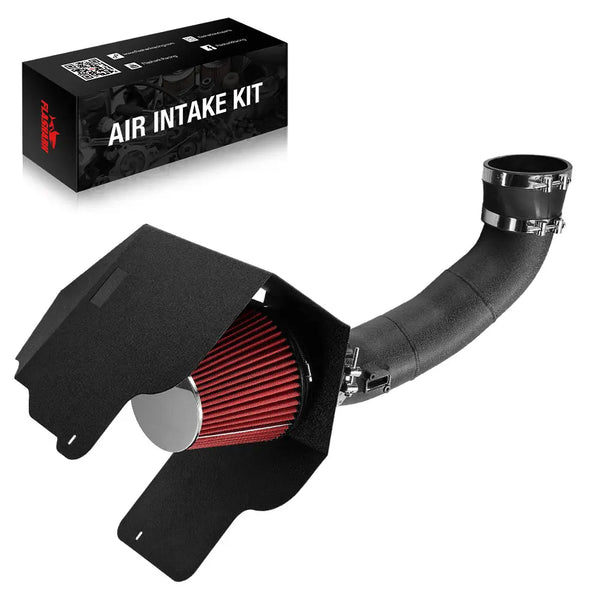
Compre kits de admisión de aire frío para Ford F-350 para aplicaciones Super Duty seleccionadas, donde un filtro de fábrica anticuado, un acoplamiento agrietado o una caja de aire restrictiva se han convertido en el punto débil. La gama actual incluye sistemas sencillos de tuberías de aluminio, así como diseños con un escudo térmico o un área de filtro parcialmente cerrada, lo que brinda a los conductores diarios, camiones de remolque y construcciones ligeramente modificadas algunas formas prácticas de renovar el lado de la admisión.
La cobertura incluye aplicaciones F-350 seleccionadas de 1999–2010 y 2017–2019 con motores diésel Power Stroke de 7.3L, 6.0L, 6.4L y 6.7L, además de camiones de gasolina Triton V10 de 6.8L seleccionados. La cobertura no es continua en todos los años de modelo, y no se debe asumir que los kits para una generación de Power Stroke se ajustarán a otra.
Seleccione su año de modelo exacto, motor y tipo de combustible, luego confirme la sección de compatibilidad, las provisiones del sensor y los componentes incluidos en la página del producto individual antes de realizar el pedido.





Comprar tomas de aire frío para Ford: Todas las tomas de aire frío para Ford
Comprar por modelo de Ford: Toma de aire frío para Ford F-150 | Toma de aire frío para Ford Mustang | Toma de aire frío para Ford F-250 | Toma de aire frío para Ford F-350
Compre kits de admisión de aire frío para Ford F-350 para aplicaciones Super Duty seleccionadas, donde un filtro de fábrica anticuado, un acoplamiento agrietado o una caja de aire restrictiva se han convertido en el punto débil. La gama actual incluye sistemas sencillos de tuberías de aluminio, así como diseños con un escudo térmico o un área de filtro parcialmente cerrada, lo que brinda a los conductores diarios, camiones de remolque y construcciones ligeramente modificadas algunas formas prácticas de renovar el lado de la admisión.
La cobertura incluye aplicaciones F-350 seleccionadas de 1999–2010 y 2017–2019 con motores diésel Power Stroke de 7.3L, 6.0L, 6.4L y 6.7L, además de camiones de gasolina Triton V10 de 6.8L seleccionados. La cobertura no es continua en todos los años de modelo, y no se debe asumir que los kits para una generación de Power Stroke se ajustarán a otra.
Seleccione su año de modelo exacto, motor y tipo de combustible, luego confirme la sección de compatibilidad, las provisiones del sensor y los componentes incluidos en la página del producto individual antes de realizar el pedido.
Cómo elegir el kit de admisión de aire frío adecuado para su Ford F-350
Un tubo de admisión puede parecer simple en un banco de trabajo, pero Ford cambió bastante entre las generaciones Power Stroke de 7.3L, 6.0L, 6.4L y 6.7L. La ruta de entrada del turbo cambió. Las ubicaciones de los sensores cambiaron. Las conexiones de los respiraderos, los soportes, los acopladores, el espacio de la batería y la colocación de la caja de aire también cambiaron. Por eso, elegir una admisión para el F-350 solo por el color de la tubería o el nombre del modelo es una mala idea.
La forma correcta de comprar es comenzar con el año del modelo, identificar el motor y el tipo de combustible exactos, y luego comparar el diseño del filtro y el escudo térmico. Haga eso primero. El resto será mucho más fácil.
Antes de comprar
- Esta colección cubre aplicaciones seleccionadas de Ford F-350 de 1999–2010 y 2017–2019, no todos los camiones producidos durante ese período.
- La cobertura de motores disponible incluye cuatro generaciones de diésel Power Stroke y camiones seleccionados con motor de gasolina 6.8L Triton V10.
- Una admisión de 7.3L no es intercambiable con una de 6.0L, 6.4L o 6.7L simplemente porque los cuatro camiones llevan la insignia Super Duty.
- Los sistemas de filtro abierto suelen producir una inducción y un sonido de turbo más audibles, mientras que un escudo térmico o un área de filtro cerrada proporcionan una mejor separación del calor del motor.
- No se debe asumir un aumento fijo en la potencia, la respuesta del acelerador o la economía de combustible sin probar el camión y la admisión exactos en condiciones controladas.
Ajuste de la admisión del Ford F-350 por año y motor
Empiece aquí. La tabla siguiente refleja las aplicaciones representadas por los productos actualmente agrupados en esta colección. Los rangos de años son específicos del producto; no deben combinarse en una afirmación de compatibilidad continua de 1999 a 2019.
| Aplicación F-350 | Motor y combustible | Diseño disponible | Qué verificar |
|---|---|---|---|
| Ford F-350 seleccionados de 1999–2003 | Diésel Power Stroke V8 de 7.3L | Dos listados con tuberías de admisión de aluminio y configuraciones de filtro cónico, incluida una opción con escudo térmico. | Confirme el año exacto, el tipo de filtro, el escudo térmico, las conexiones del respiradero y el hardware de montaje incluido. Ver la admisión Power Stroke de 7.3L. |
| Ford F-350 seleccionados de 1999–2004 | Gasolina Triton V10 de 6.8L | Tuberías de aluminio, un filtro cónico seco y un escudo térmico que conserva parte del enrutamiento de aire fresco de fábrica. | Verifique que el camión tenga el V10 de gasolina, no un diésel Power Stroke. Ver la admisión V10 de 6.8L. |
| Ford F-350 seleccionados de 2003–2007 | Diésel Power Stroke V8 de 6.0L | Un tubo de admisión de aluminio de 4 pulgadas con un filtro cónico y opciones de color de tubo o filtro disponibles. | Compruebe la provisión del sensor, los tamaños de los acopladores, el enrutamiento del respiradero y el espacio en el compartimento del motor. Ver la admisión Power Stroke de 6.0L. |
| Ford F-350 seleccionados de 2008–2010 | Diésel Power Stroke V8 de 6.4L | Dos listados con diferentes acabados de tubería, configuraciones de filtro y disposiciones de escudo térmico. | Compare las fotografías, los componentes incluidos, el medio filtrante y el escudo térmico antes de elegir. Ver una opción Power Stroke de 6.4L o comparar la opción de 6.4L con escudo térmico. |
| Ford F-350 seleccionados de 2017–2019 | Diésel Power Stroke V8 de 6.7L | Tubería de admisión ampliada con un filtro cónico y una caja de aire con escudo térmico parcialmente cerrada. | No asuma la compatibilidad con camiones de 2011–2016 o 2020 y posteriores. Ver la admisión de 6.7L de 2017–2019. |
Filtros abiertos, escudos térmicos y diseños de admisión cerrados
Los productos en esta página son todos sistemas de un solo tubo y un solo filtro, pero no todos gestionan el aire debajo del capó de la misma manera. Algunos usan un filtro cónico bastante expuesto al final de un tubo de aluminio. Otros colocan un escudo térmico de metal alrededor del filtro o usan una caja de aire parcialmente cerrada que lo separa de parte del compartimento del motor.
Un filtro expuesto generalmente le da más ruido de admisión y de turbo porque hay menos material de caja de aire de fábrica a su alrededor. Ese sonido puede ser satisfactorio, especialmente cuando el camión está tirando en la mitad del rango de revoluciones. La desventaja es una mayor exposición al aire caliente debajo del capó cuando el camión está parado o moviéndose lentamente.
Un escudo térmico no convierte el área del filtro en una nevera. Seamos honestos al respecto. Simplemente crea una barrera física entre el filtro y parte del calor radiante que proviene del motor, el sistema de turbo y los componentes circundantes. Un diseño bien sellado o parcialmente cerrado también puede hacer un mejor uso de la abertura de aire fresco de fábrica.
No fuerce una comparación de "aire frío versus entrada corta" en estos productos. Ninguno de los listados actuales representa claramente un sistema de largo recorrido montado bajo o una disposición de doble entrada. La comparación útil aquí es más simple: filtro abierto versus filtro con escudo térmico o parcialmente cerrado.
Por qué importa la generación Power Stroke
Los motores Power Stroke de 7.3L, 6.0L, 6.4L y 6.7L pueden vivir todos en camiones Ford Super Duty, pero sus sistemas de admisión no son variaciones de un tubo universal. Cada generación utiliza su propia colocación de turbo, entrada de compresor, disposición de sensores, enrutamiento de ventilación del cárter, soportes y empaquetamiento del compartimento del motor.
Incluso las generaciones vecinas pueden estar a kilómetros de distancia una vez que se retira la caja de aire de fábrica. Un acoplador puede tener el diámetro incorrecto. La carcasa del MAF puede estar en el lugar equivocado. Una lengüeta de montaje puede quedar en el aire. Peor aún, un tubo puede deslizarse físicamente en el compartimento del motor mientras ejerce presión sobre un cable de sensor o deja una fuga posterior al MAF que es difícil de detectar.
La misma regla se aplica a los productos compartidos F-250 y F-350. Un kit puede adaptarse a ambos camiones cuando la página del producto enumera explícitamente el mismo año de modelo y combinación de motor. La marca compartida de Super Duty por sí sola no es prueba de compatibilidad.
El 6.8L Triton V10 requiere una pausa adicional porque es una aplicación de gasolina que se enumera junto con productos diésel. Verifique el tipo de combustible antes que nada. Un año de modelo similar no hace que la admisión del V10 sea intercambiable con un sistema Power Stroke de 7.3L o 6.0L.
Expectativas realistas de sonido y rendimiento
Una admisión de aire frío para Ford F-350 puede eliminar parte del efecto de amortiguación del sonido creado por la caja de aire y las secciones de resonador de fábrica. En un camión diésel, eso a menudo significa un sonido más audible del turbo al acelerar, del compresor y del flujo de aire bajo carga. En el 6.8L V10, el cambio es más probable que se manifieste como una nota de inducción más profunda cuando se abre el acelerador.
¿Qué pasa con la potencia? Sin una comparación Dyno del mismo camión y el mismo día, no hay un número fijo honesto que publicar. Los resultados dependen de la generación del motor, el diseño de la admisión, el estado del filtro, la configuración del turbo, la restricción del escape, la calibración, la temperatura ambiente y el estado mecánico del camión.
La misma advertencia se aplica a la respuesta del acelerador y la economía de combustible. Un tubo de fábrica dañado, un filtro obstruido o un acoplador que colapsa pueden hacer que una admisión de reemplazo se sienta notablemente mejor porque se ha eliminado una restricción real. Un camión de serie en buen estado puede mostrar un cambio más sutil. El consumo de combustible también puede variar en cualquier dirección dependiendo de la carga de remolque, la velocidad, la relación de transmisión, el tamaño de los neumáticos, los hábitos de conducción y la frecuencia con la que el conductor disfruta del ruido adicional de la admisión.
En español sencillo: compre la admisión por la compatibilidad correcta, el filtro reparable, el sonido, el empaque y el plan de modificaciones futuras. No la compre porque alguien en un foro prometió un número mágico de caballos de fuerza.
Comprobaciones de ajuste e instalación que previenen problemas
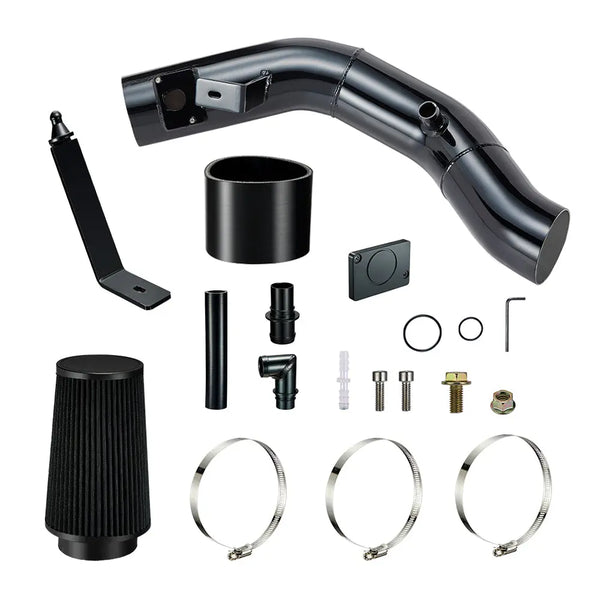
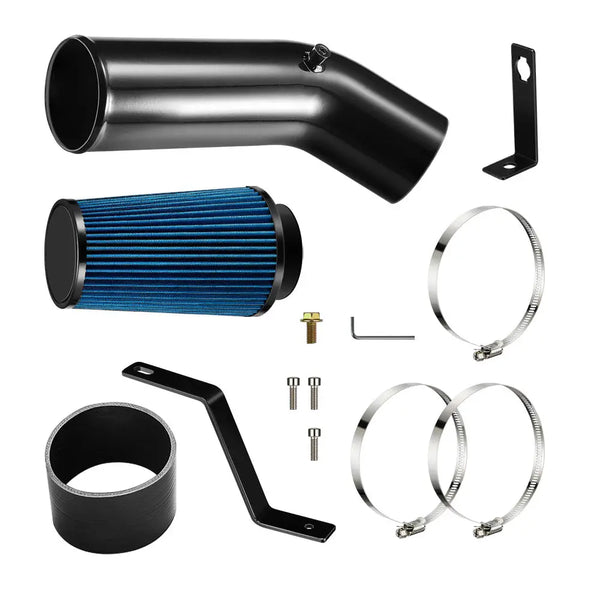
Antes de retirar la caja de aire de fábrica, extienda las piezas nuevas junto al camión y compárelas con las fotografías del producto. Cuente los acopladores y las abrazaderas. Identifique la provisión del sensor. Verifique si el kit incluye un escudo térmico, un soporte, un aislador de goma, un accesorio de ventilación o hardware que deba reutilizarse del sistema de fábrica.
- Confirme el año del modelo: Ford realizó cambios continuos, y una diferencia de un año puede importar.
- Confirme el motor: Verifique la etiqueta de emisiones, la información del VIN o la identificación del motor en lugar de confiar en la documentación antigua del vendedor.
- Confirme el tipo de combustible: El 6.8L Triton V10 es gasolina; las aplicaciones Power Stroke son diésel.
- Verifique la posición del MAF: El sensor debe estar en la carcasa prevista y orientado en la dirección correcta del flujo de aire.
- Inspeccione las conexiones posteriores al MAF: Un acoplador suelto o una línea de ventilación desconectada pueden introducir aire no medido.
- Verifique la holgura del cableado: El conector del sensor no debe estar estirado, torcido o tirado contra un borde afilado.
- Verifique el espacio libre del filtro: El filtro y la tubería no deben rozar el capó, la batería, el soporte del radiador, el cableado o la carrocería.
- Vuelva a revisar las abrazaderas: Inspecciónelas después del primer ciclo de calor completo y nuevamente después de varias conducciones.
Nota de diagnóstico del mecánico
Un patrón común después de la instalación es un camión que arranca normalmente pero desarrolla un ralentí irregular, un mensaje de potencia reducida o la luz de "check engine" poco después. No asuma de inmediato que el camión necesita una afinación. Apáguelo e inspeccione primero los aspectos mecánicos básicos: orientación del MAF, asiento de la junta tórica del sensor, bloqueo del conector, acopladores aguas abajo del MAF, mangueras de ventilación, conexiones de vacío y cada abrazadera oculta debajo del tubo.
Preste mucha atención a un acoplador que parece asentado desde arriba pero que se ha doblado por debajo. También verifique si el nuevo tubo está ejerciendo presión lateral sobre la carcasa del MAF. Corrija el problema físico antes de borrar códigos o cambiar la calibración. Una afinación no puede sellar un acoplador suelto.
MAF, luz de "Check Engine" y afinación
Una toma de aire atornillable correctamente ajustada puede funcionar con la calibración de serie, pero "no requiere afinación" nunca debe tratarse como una regla universal para cada motor F-350 y nivel de modificación. La ECU espera datos de flujo de aire dentro de un cierto rango. Cambiar el diámetro de la carcasa del MAF, la posición del sensor, el perfil del flujo de aire o la configuración del turbo puede alterar esas lecturas.
Una luz de "Check Engine" después de la instalación no significa automáticamente que la toma de aire esté defectuosa. Las causas comunes incluyen un sensor MAF invertido, un conector eléctrico incompletamente asentado, un elemento sensor contaminado, una abrazadera suelta, un acoplador dividido, una línea de ventilación desconectada o el kit incorrecto para el motor.
Los camiones con turbocompresores más grandes, inyectores mejorados, suministro de combustible personalizado, cambios en el sistema de emisiones o una calibración personalizada existente deben consultarse con el afinador antes de cambiar la toma de aire. El afinador necesita conocer la carcasa del MAF y la configuración de la toma de aire que se está utilizando, no simplemente que el camión tiene "una toma de aire frío".
Advertencia de ajuste, emisiones y exposición al agua
- No realice pedidos solo por el desplazamiento del motor. Haga coincidir el año del modelo, la generación del motor, el tipo de combustible, la provisión del sensor y la lista de compatibilidad de la página del producto.
- Los requisitos de emisiones e inspección varían según el estado, la provincia y el país. Confirme los requisitos locales antes de retirar o alterar el equipo de admisión de fábrica.
- No engrase en exceso un filtro engrasado. El exceso de aceite puede migrar al elemento sensor del MAF y causar lecturas incorrectas.
- Un filtro montado en alto reduce la exposición en comparación con un diseño montado bajo en el parachoques, pero no hace que el camión sea impermeable. Evite el agua lo suficientemente profunda como para que entre en contacto o sumerja el filtro.
- Una admisión de aire del mercado de accesorios no aumenta la capacidad de remolque, la capacidad de carga útil o el límite de temperatura de los gases de escape seguros de fábrica del camión.
Elegir una toma de aire para la conducción diaria, el remolque o un camión modificado
Para un F-350 de uso diario, un diseño con escudo térmico o parcialmente cerrado suele ser la opción más fácil de manejar. Mantiene el área del filtro más organizada, proporciona cierta separación del calor debajo del capó y puede reducir la cantidad de residuos que llegan al filtro en comparación con una configuración completamente expuesta.
Para un camión que se utiliza regularmente para remolcar, priorice un montaje seguro, acopladores confiables, una colocación correcta del sensor y una fácil inspección del filtro. El remolque somete el motor a una carga sostenida. Una abrazadera suelta que apenas se nota durante la conducción sin carga puede convertirse en un problema real en una pendiente con un remolque enganchado.
Los conductores que buscan principalmente más sonido de turbo e inducción pueden preferir un diseño de filtro más abierto. Espere que la admisión sea más ruidosa cuando el motor esté trabajando, no necesariamente en cada ralentí o al pisar el acelerador suavemente.
Los camiones modificados requieren una conversación diferente. Turbocompresores más grandes, afinación personalizada, inyectores mejorados, ventilación del cárter revisada o tuberías del intercooler no estándar pueden afectar lo que encaja y cómo se debe calibrar el flujo de aire. Revise esas piezas antes de asumir que una toma de aire de catálogo encajará en el espacio restante.
Mantenimiento del filtro y consejos finales de compra
El mantenimiento del filtro depende del medio exacto suministrado con el kit. Un filtro seco debe limpiarse de acuerdo con las instrucciones del producto y dejarse secar completamente antes de volver a instalarlo. Un filtro engrasado requiere el limpiador correcto y una aplicación ligera y uniforme de aceite para filtros. Más aceite no es mejor.
Inspeccione el filtro con más frecuencia cuando el camión funcione en caminos de tierra, obras de construcción, granjas o en condiciones de remolque con mucho polvo. También revise los acopladores, las abrazaderas, los soportes y el cableado del MAF durante cada inspección. Un filtro limpio no ayuda mucho si el tubo ha rozado un arnés o una abrazadera se ha aflojado.
Antes de realizar el pedido, repase los puntos básicos por última vez:
- Haga coincidir el año exacto del modelo F-350.
- Confirme la generación del motor y el tipo de combustible.
- Compare los diseños de filtro abierto y con escudo térmico.
- Verifique el medio filtrante y el método de mantenimiento.
- Revise el hardware incluido y las provisiones del sensor.
- Lea la sección de compatibilidad del producto individual.
¿Necesita una aplicación Ford diferente? Vuelva a la colección completa de Kits de admisión de aire Ford o utilice la navegación del modelo anterior.
Preguntas frecuentes sobre la admisión de aire frío del Ford F-350
P1: ¿Qué años de Ford F-350 están cubiertos en esta página?
R1: Los productos actuales cubren aplicaciones seleccionadas de Ford F-350 de 1999–2010 y 2017–2019. La cobertura no es continua, por lo que un camión que se encuentre entre esas fechas no está automáticamente admitido. Haga coincidir el año y el motor exactos con un listado de producto individual.
P2: ¿Qué motores del F-350 tienen un kit de admisión en esta colección?
R2: La cobertura actual del motor incluye aplicaciones diésel Power Stroke de 7.3L, 6.0L, 6.4L y 6.7L seleccionadas, además de camiones de gasolina Triton V10 de 6.8L seleccionados.
P3: ¿Un sistema de admisión de 7.3L sirve para un Power Stroke de 6.0L, 6.4L o 6.7L?
R3: No. Esas generaciones de Power Stroke utilizan diferentes diseños de entrada de turbo, provisiones de sensores, tamaños de acopladores, soportes, conexiones de respiradero y empaquetado del compartimento del motor. Pida la admisión indicada para el motor y el año de modelo exactos.
P4: ¿El mismo sistema de admisión sirve tanto para una F-250 como para una F-350?
R4: Algunos kits están indicados para ambos modelos cuando las camionetas comparten el rango correcto de año de modelo y configuración de motor. No asuma que son intercambiables solo por el nombre Super Duty; la lista de compatibilidad del producto debe incluir explícitamente la F-350.
P5: ¿Cuál es la diferencia entre los dos kits de admisión de 6.4L para 2008–2010?
R5: Las dos listas usan diferentes acabados de tubería, configuraciones de filtro y disposiciones de escudo térmico. Compare las fotografías del producto, el hardware incluido, los medios filtrantes, la disponibilidad actual y las notas completas de compatibilidad antes de elegir entre ellos.
P6: ¿Una admisión de aire frío para Ford F-350 requiere una reprogramación?
R6: Muchos sistemas atornillados correctamente emparejados pueden funcionar con la calibración de serie, pero esa no es una regla universal. Puede ser necesaria una reprogramación cuando se hayan modificado la carcasa del MAF, la posición del sensor, el sistema turbo, los inyectores, el suministro de combustible u otros componentes relacionados con el flujo de aire.
P7: ¿Puede una admisión de F-350 encender la luz de "revisar motor"?
R7: La luz de "revisar motor" puede aparecer después de una instalación incorrecta o cuando se utiliza la admisión equivocada. Las causas comunes incluyen una orientación inversa del MAF, un acoplador post-MAF suelto, una manguera de ventilación desconectada, elementos del sensor contaminados, cableado estirado o una fuga de aire.
P8: ¿La admisión hará que el turbo del Power Stroke sea más ruidoso?
R8: Puede que sí. Un conducto de admisión menos restrictivo y menos aislado a menudo hace que el silbido del turbo y el sonido de la inducción sean más notorios bajo carga. La cantidad de sonido depende de la generación del Power Stroke, la posición del filtro, el escudo térmico, el diseño de la caja de aire, el sistema de escape y las condiciones de conducción.
P9: ¿Con qué frecuencia se debe limpiar el filtro de admisión?
R9: Siga las instrucciones de mantenimiento para el filtro seco o lubricado exacto suministrado con el kit. Los camiones que circulan por caminos de tierra, granjas, obras de construcción o en condiciones de remolque con polvo deben inspeccionarse con más frecuencia que los camiones que se utilizan principalmente en carreteras pavimentadas.
P10: ¿Estos kits de admisión para F-350 son legales en cuanto a emisiones y seguros en climas húmedos?
R10: Los requisitos de emisiones varían según la ubicación y la certificación del producto, así que consulte las normas que se aplican donde esté registrada la camioneta. Los filtros se montan en el área del compartimento del motor en lugar de bajos detrás del parachoques, pero los conductores aún deben evitar el agua lo suficientemente profunda como para que entre en contacto o sumerja el filtro.


