


 Need car parts? Shop by vehicle
(Select the exact fit for your vehicle)
Need car parts? Shop by vehicle
(Select the exact fit for your vehicle)
Encabezado del Honda Civic
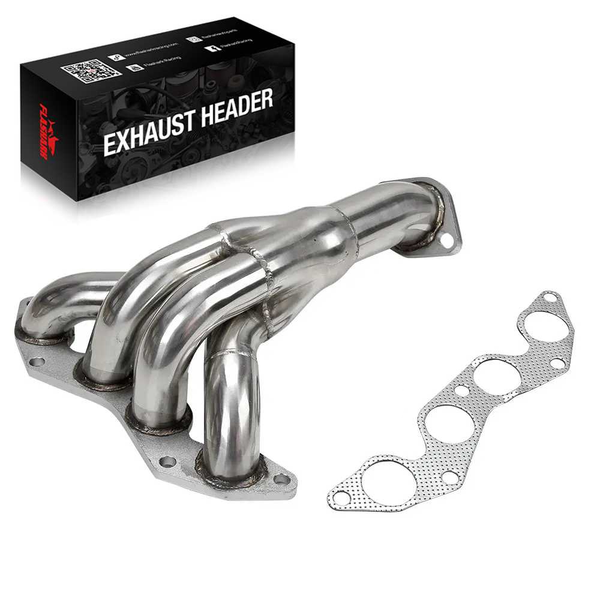
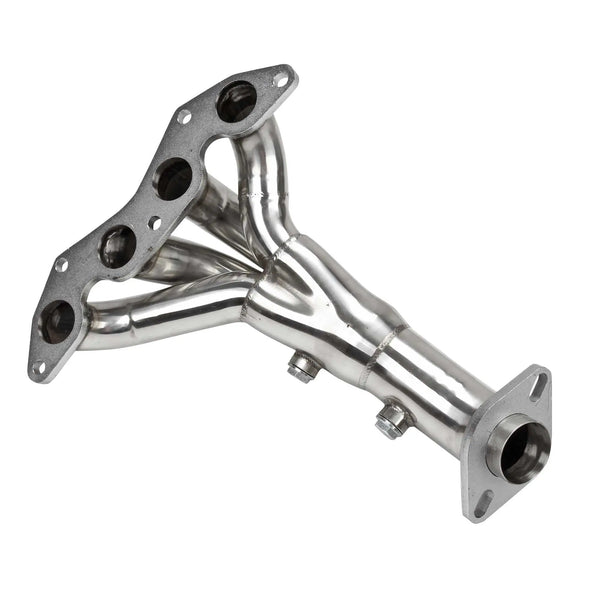
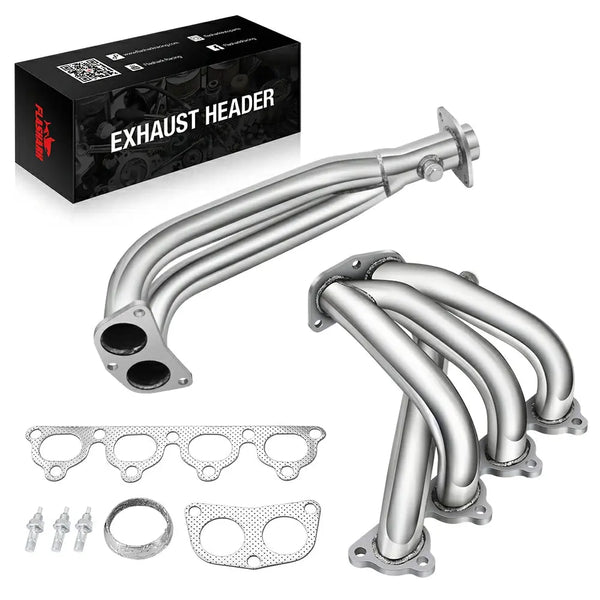
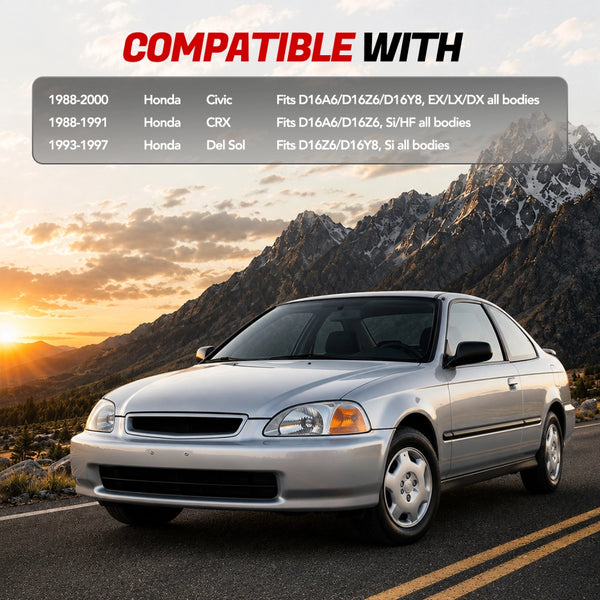
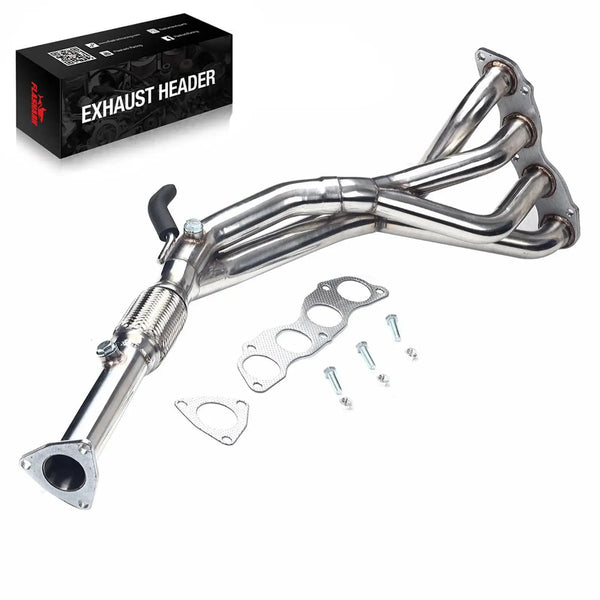
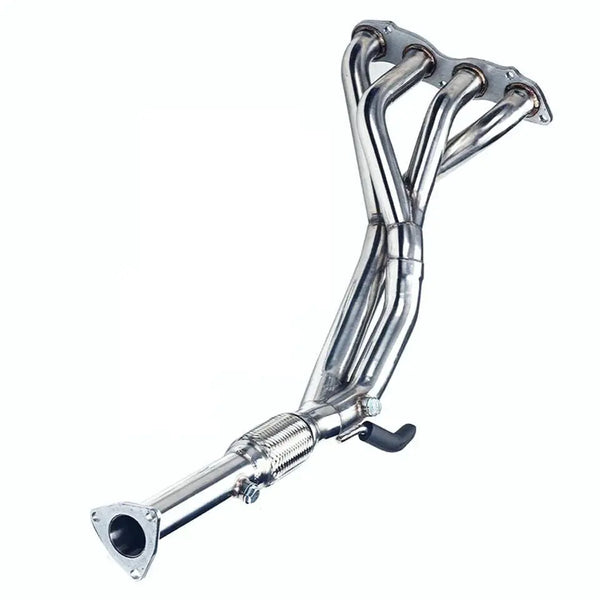


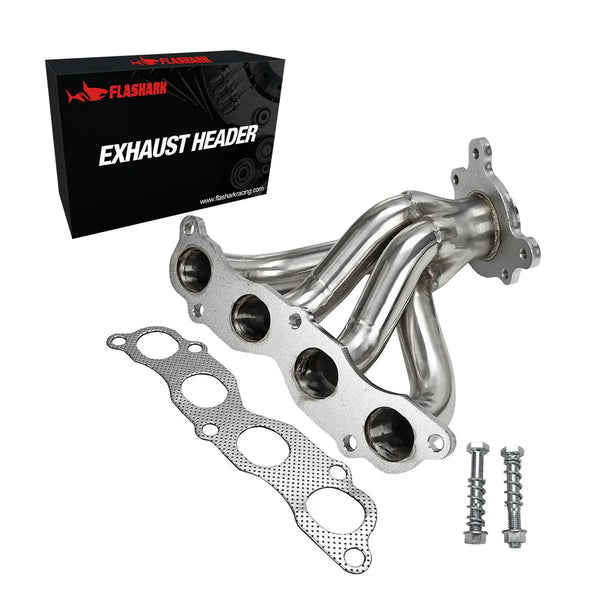
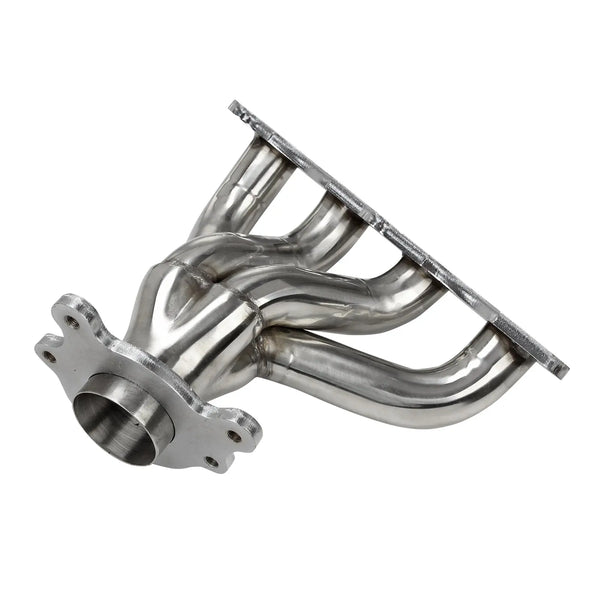


Comprar por modelo: Todos los modelos Honda | Civic | Accord | Integra | RSX | Prelude
Recently viewed
Choose the Right Header for Your Honda Civic
Honda used several engine families and exhaust layouts across the Civic applications represented here. A header made for a D17-powered seventh-generation Civic is not interchangeable with one designed for an eighth-generation Civic Si, even when the vehicles have the same number of cylinders. The cylinder-head flange, collector position, catalytic-converter arrangement, chassis clearance, and downstream connection can all differ.
This collection currently covers select SOHC D16 Civics from 1988–2000, D17A1 and D17A2 applications from 2001–2005, the 1999–2000 Civic Si with the B16A2 engine, the 2002–2005 Civic Si, and K20Z3-powered Civic Si applications from 2006–2011. These are specific applications, not universal coverage for every Civic or every trim produced during those years.
Before You Buy
- Confirm the engine code rather than relying on model year alone.
- Check the trim and body style, especially on Civic Si coupe and sedan applications.
- Compare the collector outlet and flange orientation with the existing catalytic converter or exhaust pipe.
- Inspect the planned O2 sensor locations and available sensor-wire reach.
- Verify clearance and installation requirements if the vehicle has an engine swap, non-original exhaust, or non-US-market configuration.
Current Civic Applications and Header Designs
| Application | Engine or Platform | Available Design | Main Fitment Check |
|---|---|---|---|
| Select 1988–2000 Civic applications | D16A6, D16Z6, or D16Y8 SOHC | Header; exact collector arrangement requires product-level confirmation | Exact vehicle, engine code, chassis clearance, O2 sensor placement, and downstream connection |
| 2001–2005 Civic DX/LX | D17A1 1.7L | Long-tube option | Catalytic-converter arrangement, ground clearance, outlet position, and remaining exhaust system |
| 2001–2005 Civic EX | D17A2 1.7L | Short-tube option | Body style, outlet flange, O2 sensor locations, and downstream connection |
| 1999–2000 Civic Si | EM1 chassis with B16A2 | 4-2-1 header | Installation modification, collector position, and compatibility with the catalytic converter or connecting pipe |
| 2002–2005 Civic Si | EP3 application; confirm the original 2.0L engine before ordering | Header design requires product-level confirmation | Engine identity, outlet dimensions, catalytic-converter connection, and chassis clearance |
| 2006–2011 Civic Si | FG2/FA5 with K20Z3 2.0L | 4-2-1 header | Body style, collector connection, catalyst layout, O2 sensors, and calibration requirements |
| Select 2006–2009 Civic Si applications | FG2/FA5 with K20Z3 2.0L | One-piece 4-1 short header | Exact model year, body style, flange location, and compatibility with the existing exhaust |
Short-Tube, Long-Tube, 4-1, and 4-2-1 Designs
A short-tube header uses a more compact runner and collector arrangement. That packaging may make it easier to work within the original exhaust area, but the outlet location and flange still need to match the selected Civic application. The D17A2 option in this collection is listed for specific Civic EX configurations and should not be selected for a D17A1 vehicle simply because both engines displace 1.7 liters.
A long-tube header extends farther under the vehicle before the runners merge. The D17A1 option therefore requires closer attention to ground clearance, catalytic-converter placement, and the connection to the remaining exhaust. Do not assume that the factory converter or factory intermediate pipe will remain in its original location.
The collection also contains both 4-1 and 4-2-1 designs for supported Civic applications. A 4-1 layout merges four primary runners into one collector, while a 4-2-1 layout merges them in two stages. These designs have different dimensions and connection points, so they should not be treated as interchangeable even when they are listed for the same K20Z3 engine.
Engine, Trim, and Chassis Differences Matter
The engine code is the strongest starting point, but it is not the only check. The 2001–2005 Civic listings separate D17A1 and D17A2 applications by both engine and trim. The K20Z3 listings are limited to Civic Si applications and do not fit non-Si Civics equipped with a different cylinder head and exhaust layout.
Body style can also affect the correct application. The eighth-generation Civic Si products reference the FG2 coupe and FA5 sedan, but the supported year range may differ between individual products. Confirm the complete fitment statement on the product page rather than assuming every FG2 or FA5 uses the same header configuration.
Engine-swapped vehicles require additional measurement. A header may bolt to the cylinder head yet interfere with the crossmember, oil pan, steering components, or surrounding hardware. The collector can also end in a different location from the vehicle’s existing catalytic converter or exhaust pipe.
Collector and Exhaust Connection Checks
Before removing the factory manifold, compare the new header’s collector diameter, flange shape, bolt spacing, and outlet angle with the components that will remain on the car. Some products may connect near the original location, while others may require a different pipe, flange, catalytic-converter arrangement, or fabrication.
Also check whether the listing measurements refer to the primary tubing, collector inlet, collector outlet, or an external flange dimension. These measurements are not interchangeable. If the product information and your existing exhaust cannot be compared on the same basis, confirm the dimensions with Flashark before ordering.
O2 Sensors, Catalytic Converters, and the Check Engine Light
Header configuration can affect O2 sensor placement and exhaust readings. Verify the number of sensor bungs, their thread specification, their position before or after the catalytic converter, and whether the original sensor wiring can reach without tension. A bung in the header does not by itself confirm that the complete emissions-monitoring system will operate as it did with the factory manifold.
The catalytic converter requires the same level of attention. Some header layouts may retain a downstream connection close to the original position, while others can change or replace part of the factory catalyst section. A catalytic converter should not be assumed to be included unless the selected product’s package information specifically says so.
A check engine light remains possible if sensor placement changes, a catalyst is removed or relocated, an exhaust leak introduces outside air, or the ECU sees readings outside its expected range. Sensor spacers, wiring changes, and calibration should not be treated as universal solutions. Diagnose the actual code and confirm applicable emissions requirements before changing the vehicle further.
Emissions and Road-Use Notice
Header installation may affect catalytic-converter placement or emissions-monitoring equipment. Confirm the selected product configuration and the laws that apply where the vehicle is registered or used. No product should be assumed to be street legal or emissions compliant without product-specific documentation.
Is a Tune Required?
There is no single answer for every product in this collection. A compact header that retains the original emissions layout may behave differently from a longer or higher-flow design that changes sensor or catalyst placement. Vehicle condition, other exhaust modifications, intake changes, and the selected header can all affect the result.
A tune should not be presented as a guarantee against a check engine light. For a substantially modified setup, consult a qualified tuner who can review the complete configuration and local emissions requirements. For a stock or lightly modified vehicle, begin by confirming mechanical fitment, correct sensor installation, and the absence of exhaust leaks.
Technician’s Note
As a general installation rule, compare the new header with the vehicle before tightening any connection fully. Start every fastener by hand, check clearance around the oil pan, crossmember, wiring, hoses, and heat-sensitive parts, then align the collector with the downstream exhaust. This is general installation guidance, not a verified installation record for every Civic represented on this page.
Frequently Asked Questions
Q1: Which Honda Civic engines are covered by this collection?
A1: The current products cover select Civic applications using D16A6, D16Z6, D16Y8, D17A1, D17A2, B16A2, and K20Z3 engines, plus a 2002–2005 Civic Si 2.0L application whose exact original engine identity should be confirmed on the product page before ordering. Coverage is application-specific and does not include every Civic produced within the displayed year range.
Q2: Will these headers fit a Honda Civic with an R18 engine?
A2: No current product in this collection provides verified R18 coverage. Do not select a K20Z3 Civic Si header for an R18-equipped DX, LX, EX, or other non-Si Civic because the cylinder-head flange and exhaust layout are different.
Q3: Can I choose a Civic header using the model year alone?
A3: No. Confirm the trim, original engine code, body style or chassis, collector connection, catalytic-converter arrangement, and O2 sensor locations. The same model year can include engines and exhaust systems that use different headers.
Q4: What is the difference between the K20Z3 4-1 and 4-2-1 headers?
A4: The 4-1 design merges four primary runners directly into one collector, while the 4-2-1 design merges them in two stages. Their dimensions, collector positions, supported years, and downstream connections may differ, so compare the individual product fitment and connection details before choosing one.
Q5: Will the header connect to my factory catalytic converter?
A5: That depends on the selected header and the vehicle’s original exhaust layout. Verify the collector location, outlet diameter, flange orientation, and whether the header retains, relocates, or replaces any part of the factory catalyst section. Do not assume a catalytic converter is included unless the product listing states that it is.
Q6: Can installing one of these headers cause a check engine light?
A6: Yes, a check engine light is possible. O2 sensor placement, catalytic-converter changes, exhaust leaks, sensor condition, and ECU calibration can all affect the result. Diagnose the stored code rather than assuming that every light has the same cause.
Q7: Do I need an ECU tune after installing a Civic header?
A7: Tune requirements depend on the header design, sensor and catalyst arrangement, vehicle condition, and other modifications. Some configurations may benefit from calibration, but a tune is not a universal requirement or a guarantee against a check engine light.
Q8: Are these headers direct bolt-on parts?
A8: Some products are described as bolt-on for specific factory configurations, but that does not guarantee a modification-free installation on every vehicle. Existing exhaust changes, engine swaps, damaged flanges, chassis differences, and collector alignment can create additional work.
Q9: Will a Civic header fit an engine-swapped vehicle?
A9: A matching cylinder-head flange does not confirm complete swap fitment. Check the crossmember, oil pan, steering components, ground clearance, O2 sensor wiring, collector position, and connection to the rest of the exhaust. Custom fabrication may be required.
Q10: What should I inspect after the header is installed?
A10: Check for exhaust leaks, loose fasteners, contact with the chassis or nearby components, stretched sensor wiring, and adequate clearance around heat-sensitive parts. Recheck accessible fasteners after the system has completed several heat cycles, following the installer’s or product instructions where available.