


 Need car parts? Shop by vehicle
(Select the exact fit for your vehicle)
Need car parts? Shop by vehicle
(Select the exact fit for your vehicle)
Small Block Chevy Headers
Shop Chevrolet Exhaust Header: Chevrolet Exhaust Header
Shop by Model: Chevrolet Camaro Headers | Chevy C1500 Headers | Chevrolet Suburban 1500 Headers
Shop by Engine: Chevy LS Swap Headers
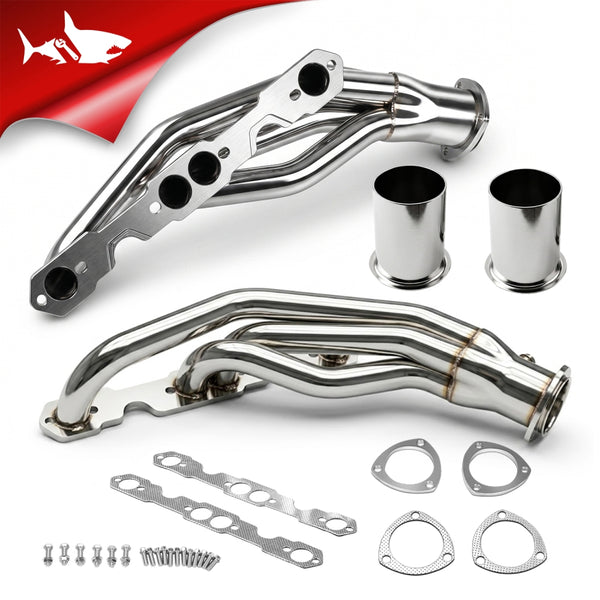
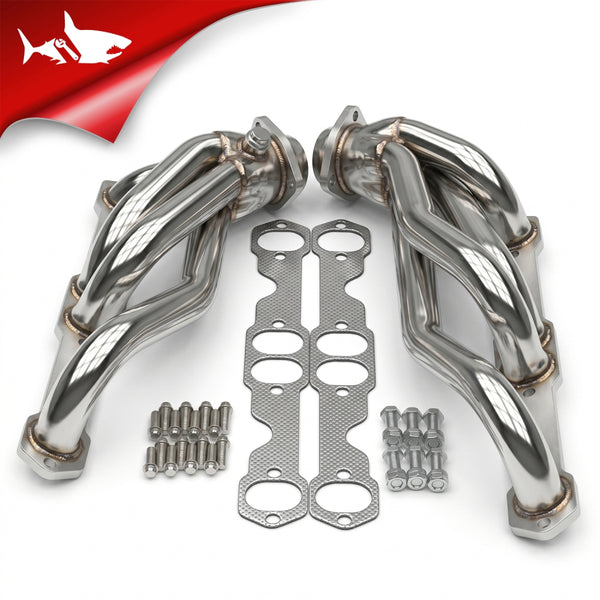
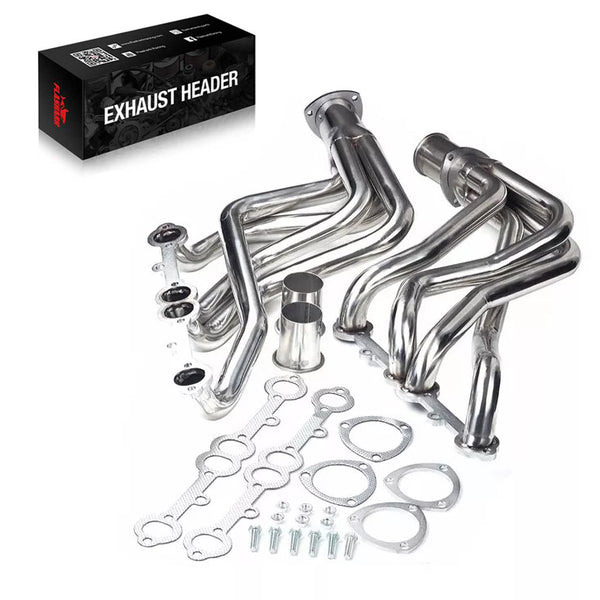
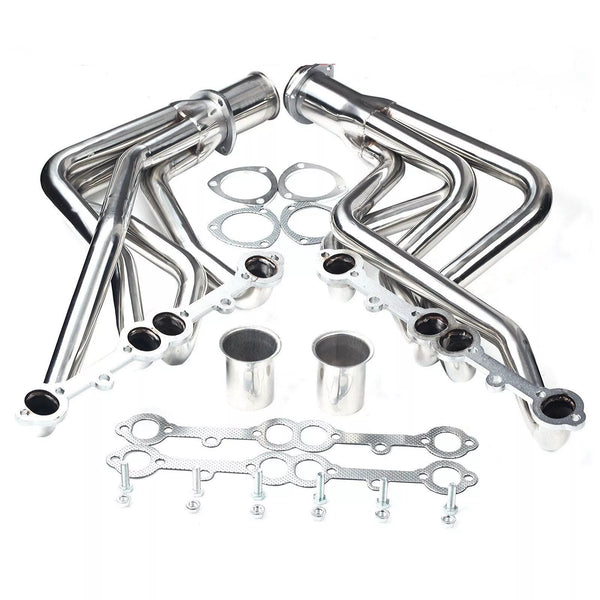
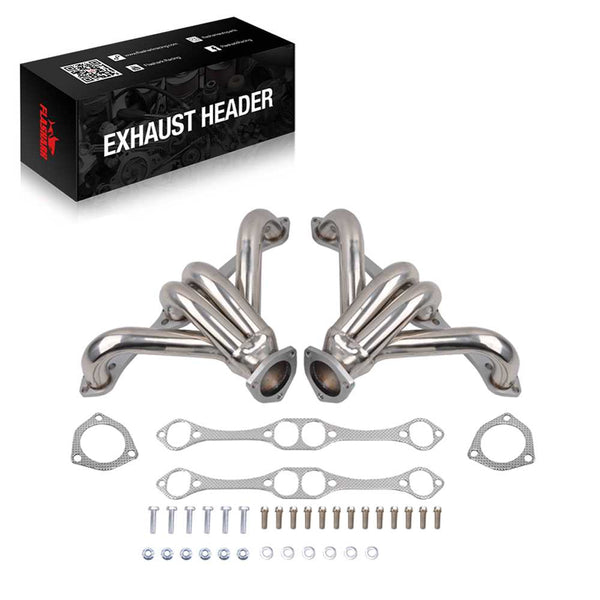
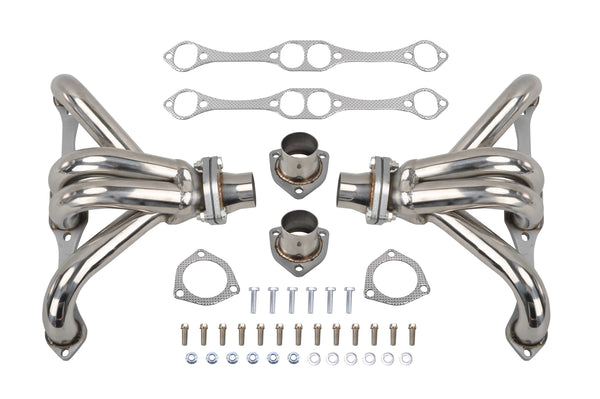
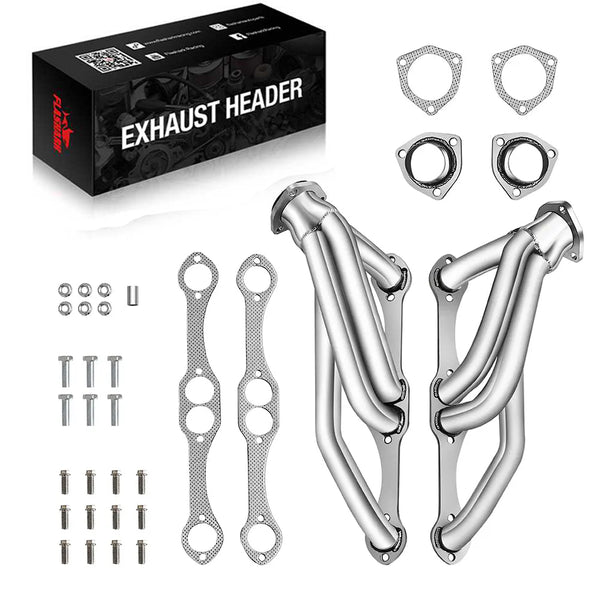
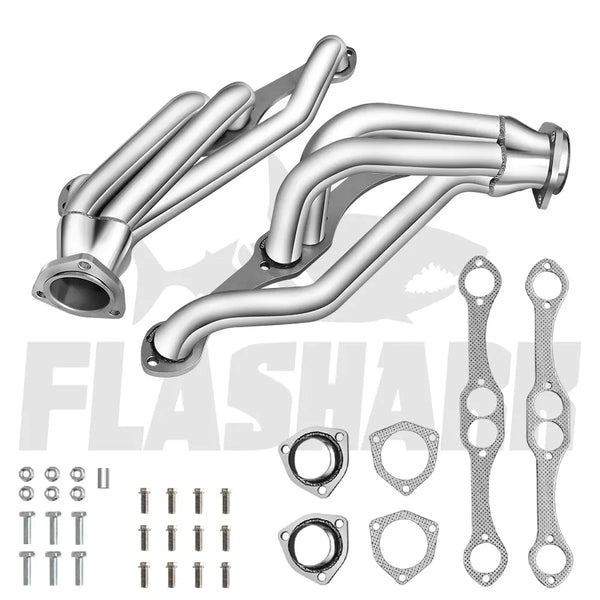
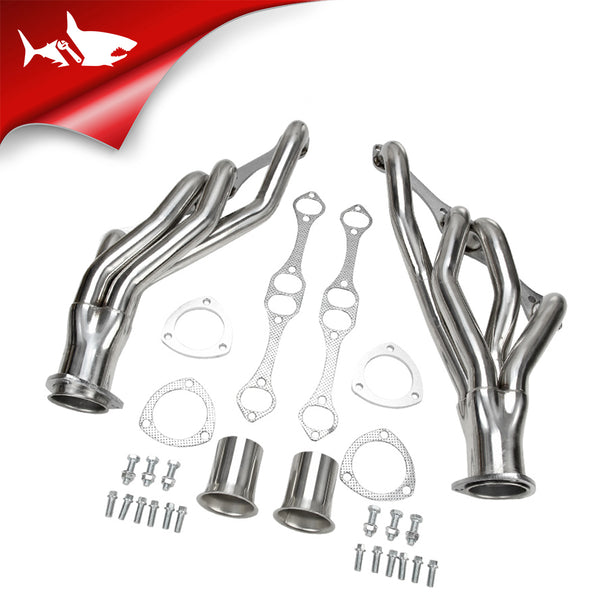
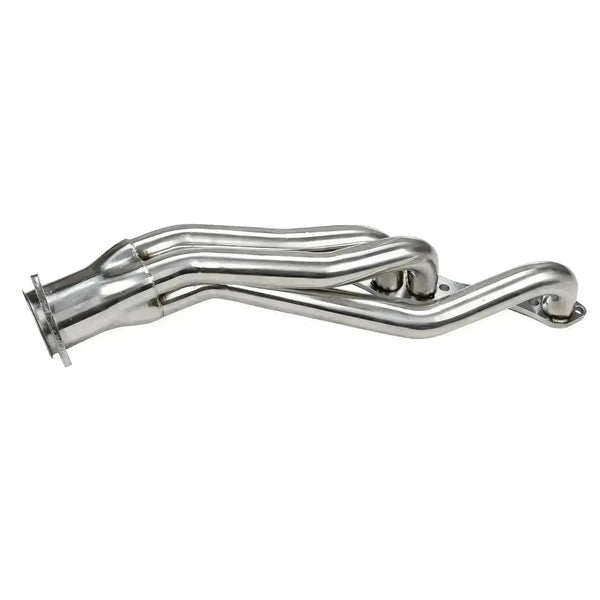
Shop Flashark headers for the Small Block Chevrolet V8 applications listed in this collection, including selected 262, 265, 267, 283, 302, 305, 327, 350, and 400 engine combinations. Available options cover classic Chevrolet cars, Chevy and GMC trucks, street rods, and listed SBC swap builds.
The collection includes compact block-hugger headers, vehicle-specific designs, and long-tube configurations for different clearance and exhaust-routing needs. Before ordering, confirm the exact vehicle year, chassis, engine, drivetrain, cylinder-head configuration, steering layout, and collector connection shown on the individual product page.
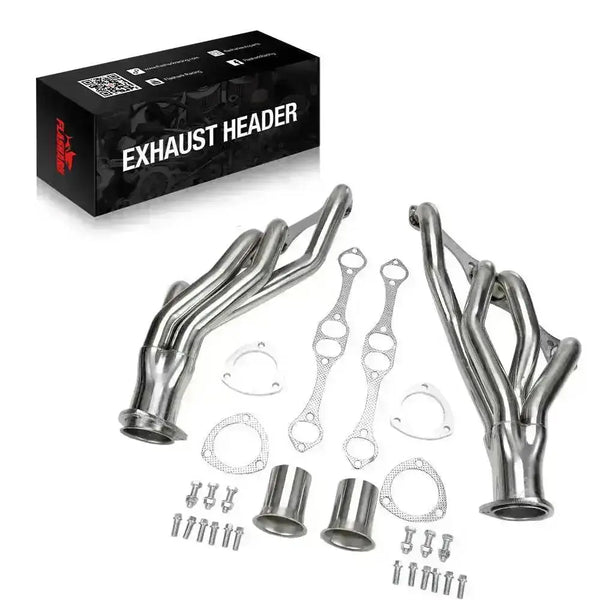
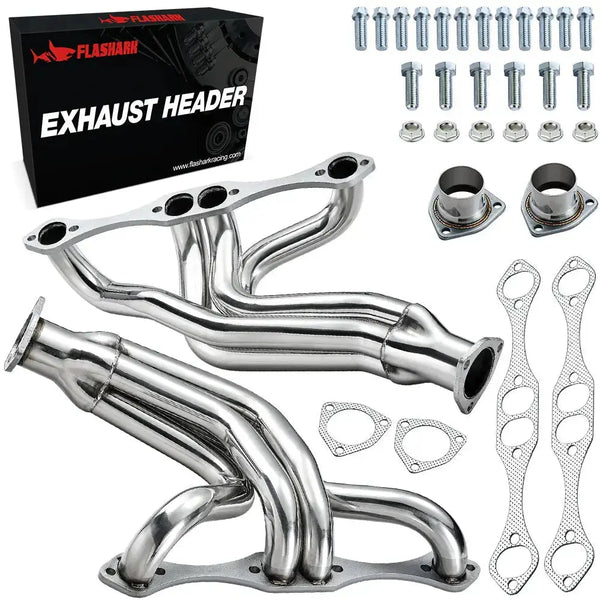
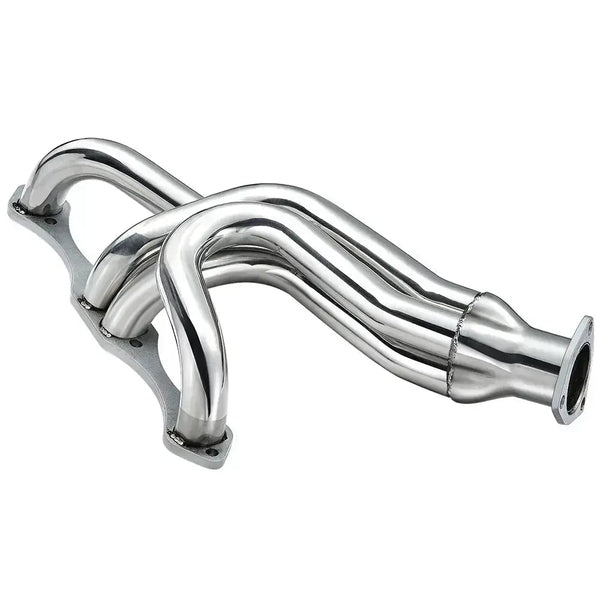


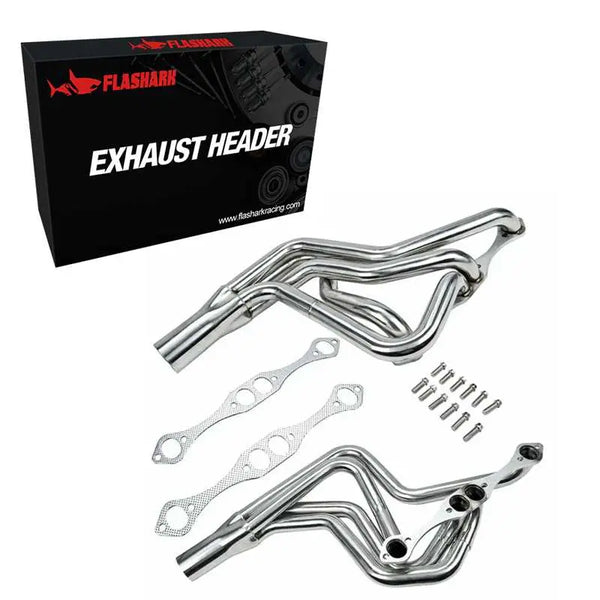
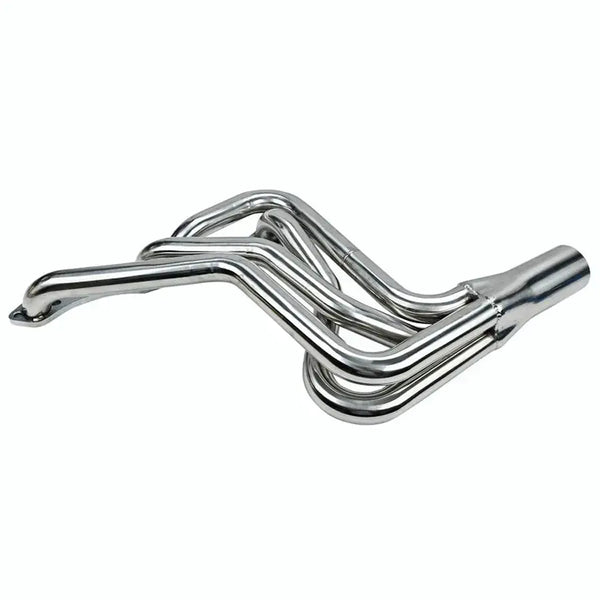
Shop Chevrolet Exhaust Header: Chevrolet Exhaust Header
Shop by Model: Chevrolet Camaro Headers | Chevy C1500 Headers | Chevrolet Suburban 1500 Headers
Shop by Engine: Chevy LS Swap Headers
Shop Flashark headers for the Small Block Chevrolet V8 applications listed in this collection, including selected 262, 265, 267, 283, 302, 305, 327, 350, and 400 engine combinations. Available options cover classic Chevrolet cars, Chevy and GMC trucks, street rods, and listed SBC swap builds.
The collection includes compact block-hugger headers, vehicle-specific designs, and long-tube configurations for different clearance and exhaust-routing needs. Before ordering, confirm the exact vehicle year, chassis, engine, drivetrain, cylinder-head configuration, steering layout, and collector connection shown on the individual product page.
Choosing the Right Small Block Chevy Headers
Engine displacement is a useful starting point, but it does not determine header fitment by itself. Two vehicles can both use a Chevy 350 and still require completely different tube routing because their frames, steering systems, engine mounts, transmissions, and exhaust layouts are not the same.
Start with the product intended for your vehicle or build type. Then compare the engine, cylinder heads, drivetrain, collector position, and installation notes before assuming the header will fit.
Before You Buy
- Confirm whether the vehicle retains its original engine or has an SBC swap.
- Match the exact chassis and year range, not only the engine displacement.
- Check 2WD or 4WD compatibility where the product page specifies it.
- Compare the collector diameter and flange with the existing exhaust.
- Review steering, starter, transmission, spark-plug, and front-driveline clearance.
Small Block Chevy Applications in This Collection
The products on this page list several traditional Small Block Chevrolet displacements, including 262, 265, 267, 283, 302, 305, 327, 350, and 400 cubic-inch applications. That does not mean every header supports every displacement or cylinder-head design. Follow the engine and head compatibility stated on the individual product page.
Current applications include selected Camaro, Chevelle, Nova, Malibu, El Camino, Bel Air, Corvette, C/K truck, C10, Blazer, Suburban, Tahoe, Sierra, Yukon, S10, and S15 configurations. The collection also includes headers for listed street-rod, hot-rod, Pontiac, Cadillac, and other SBC-related builds. Some of these are engine-swap applications rather than factory-engine replacements, so chassis and engine position matter.
Block-Hugger vs Long-Tube Headers
This collection contains more than one header layout. The right design depends on how much space the chassis provides and where the exhaust needs to continue after the collector.
| Header Design | Common Application | Main Advantage | Fitment Checks | Exhaust Connection |
|---|---|---|---|---|
| Block-Hugger | Street rods and selected SBC swaps | Compact routing close to the engine | Starter, motor mounts, steering, frame rails, and plug wires | May require custom pipes after the collector |
| Long-Tube | Selected cars and Chevy/GMC trucks | Longer primary routing and a rearward collector position | Transmission, crossmember, steering shaft, ground clearance, and front driveline | Reducers, cutting, welding, or exhaust modification may be needed |
| Vehicle-Specific Design | Listed classic car or truck applications | Tube routing intended for a narrower application range | Exact year, chassis, drivetrain, steering, transmission, and accessories | Varies by collector and the vehicle’s existing exhaust |
For compact SBC installations, review the listed SBC block-hugger headers. Truck owners can compare them with the longer routing used by the 1988–1997 Chevy and GMC 305/350 long-tube headers.
Match the Header to the Chassis
Classic Chevy Cars
The collection includes headers for selected Camaro, Chevelle, Nova, Malibu, El Camino, Bel Air, and Corvette applications. These vehicles span different chassis generations and accessory layouts, so a broad “fits Chevy 350” description is not enough.
For example, the listed 1970–1981 Camaro SBC headers include specific notes covering steering, brakes, air conditioning, transmission, and shifter configuration. Check those restrictions before comparing the engine flange or collector alone.
Chevy and GMC Trucks
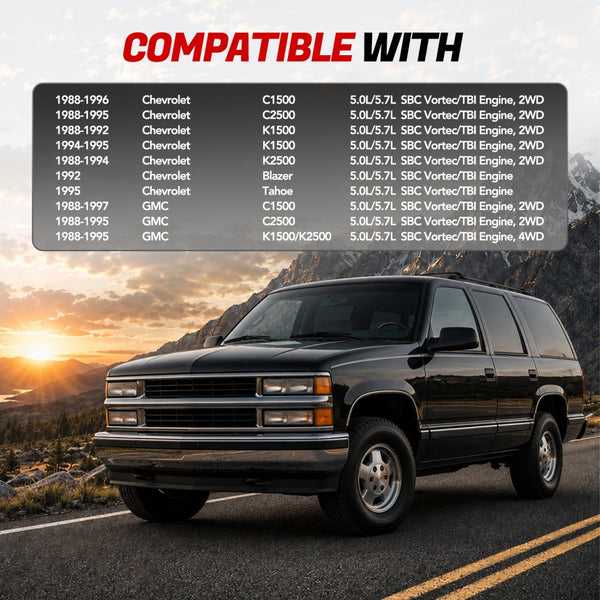
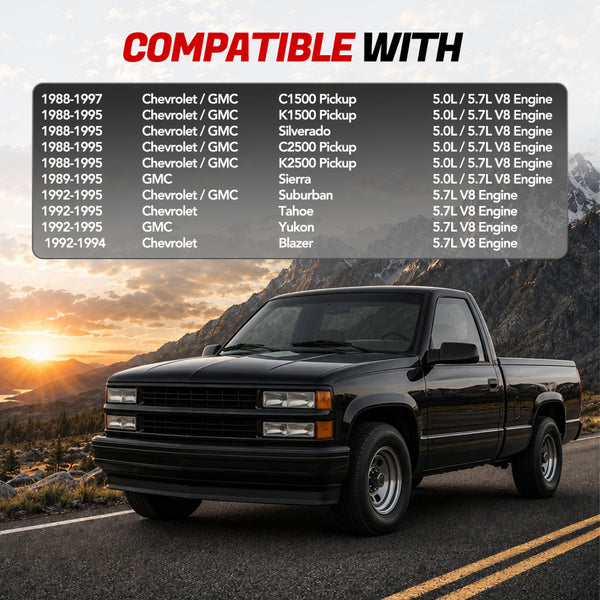
Truck applications include selected C/K, C10, Blazer, Suburban, Tahoe, Sierra, and Yukon configurations. Long-tube routing can pass close to the steering shaft, transmission, crossmember, and front driveline. A product listed for a 2WD truck should not be assumed to fit the corresponding 4WD model.
TBI and Vortec-era trucks may also differ in O2 sensor placement, catalytic-converter layout, and the exhaust connection behind the collector. Match the complete year, model, engine, and drivetrain combination.
Street Rod and SBC Swap Builds
Street rods and engine swaps require a different type of fitment check. The SBC exhaust-port pattern may match, yet custom motor mounts can position the engine higher, lower, farther forward, or farther back than expected.
The listed S10 and S15 SBC swap headers, for example, are intended for a narrower type of installation than a general SBC header. Confirm the stated drivetrain and year range rather than treating the product as universal.
Check the Cylinder Heads and Spark-Plug Layout
Selected products in this collection list compatibility with Standard, Vortec, or ZZ4 D-port heads, while others provide only a broader engine range. Cylinder-head port shape and spark-plug angle can affect sealing and tube clearance even when the mounting bolts appear to line up.
When using aftermarket or replacement heads, compare the manufacturer’s exhaust-port and spark-plug specifications with the header details. The headers for listed Standard, Vortec, and ZZ4 D-port heads also state that they are not intended for LT1 applications.
Collector Size and Exhaust Connection
The products on this page do not share one collector size or connection. Listed configurations include 2.5-inch, approximately 2.875-inch, 3-inch, and 3.5-inch outlets, along with reducers, three-bolt flanges, and other application-specific connections.
An included reducer helps only when its size and flange arrangement match the exhaust behind it. It does not guarantee that the header will bolt directly to the factory pipes. Collector angle, location, and available pipe length may still require cutting, welding, or fabrication.
Fitment Warning: Matching the SBC cylinder-head bolt pattern does not confirm complete vehicle fitment. Verify the chassis, drivetrain, steering system, transmission, starter position, and collector routing before installation.
O2 Sensors, Catalytic Converters, and Tuning
Traditional carbureted SBC builds do not have the same sensor requirements as later TBI, Vortec, or other electronically controlled applications. Some products provide an O2 sensor location, while others do not list enough information to confirm the number or position of the required sensor ports.
Moving an O2 sensor, changing the collector location, or altering the catalytic-converter layout may cause a check-engine light on an electronically controlled vehicle. It may also create a need for additional wiring, exhaust fabrication, or calibration. Whether a tune is needed depends on the vehicle’s engine-management system and the full set of modifications.
Header or catalytic-converter changes may also affect emissions compliance. Check the product details and the rules that apply where the vehicle will be registered and driven before modifying emissions-related equipment.
Final Fitment Checklist
- Confirm the exact year, model, and chassis.
- Identify whether the engine is original or swapped.
- Verify the SBC displacement and cylinder-head configuration.
- Check whether the vehicle is 2WD or 4WD.
- Review power steering, power brakes, and air-conditioning clearance.
- Confirm the transmission and shifter arrangement.
- Inspect starter, motor-mount, frame, and spark-plug-wire clearance.
- Compare the collector size, flange, and outlet location with the existing exhaust.
- Check O2 sensor and catalytic-converter requirements.
- Plan for possible exhaust fabrication before beginning installation.
Technician’s Note: As a general installation practice, leave the header hardware loose while checking both sides of the engine. Confirm steering, starter, transmission, plug-wire, driveline, and collector clearance before final tightening. This is a general fitment procedure, not a claim that every application has been test-fitted.
Frequently Asked Questions
Q1: Will any SBC header fit a Chevy 350?
A1: No. A matching cylinder-head flange does not guarantee chassis fitment. The vehicle year, frame, engine position, steering system, transmission, starter, and collector routing must also match the header design.
Q2: What Small Block Chevy engines are covered by this collection?
A2: Current product listings include selected 262, 265, 267, 283, 302, 305, 327, 350, and 400 applications. Each header supports only the engines, cylinder heads, vehicles, and configurations stated on its individual product page.
Q3: Are block-hugger headers better for an SBC swap?
A3: Block-hugger headers can provide more compact routing around some frames and engine bays, but they are not automatically compatible with every swap. Check the motor mounts, starter, steering, frame rails, plug wires, and collector position.
Q4: What is the difference between block-hugger and long-tube SBC headers?
A4: Block-hugger headers keep the tubes and collectors closer to the engine, while long-tube headers route longer primary tubes farther under the vehicle. Long-tube designs generally require more checks around the transmission, crossmember, steering, driveline, and ground clearance.
Q5: Will these headers connect to the factory exhaust?
A5: That depends on the selected product, collector size, flange style, outlet position, and existing exhaust layout. Some products include reducers or connection hardware, but cutting, welding, or fabrication may still be required.
Q6: Do Small Block Chevy headers require a tune?
A6: Not every application requires a tune. Carbureted builds and electronically controlled TBI or Vortec vehicles have different requirements. A tune may become necessary when sensor locations, catalytic converters, fueling, or other engine components are changed.
Q7: Can SBC headers cause a check-engine light?
A7: They can on electronically controlled vehicles if the modification changes O2 sensor operation, catalytic-converter placement, exhaust flow, or sensor wiring. The risk depends on the vehicle, header design, and complete exhaust configuration.
Q8: Do these SBC headers fit 4WD Chevy trucks?
A8: Only when the individual product specifically supports the 4WD application. The front differential, driveline, steering components, and frame can interfere with header routing, so a corresponding 2WD listing should not be treated as proof of 4WD fitment.
Q9: Do Vortec heads use the same headers as standard SBC heads?
A9: Some headers in this collection list compatibility with Standard, Vortec, or ZZ4 D-port heads, but that compatibility does not apply to every product. Confirm the exhaust-port shape, bolt pattern, spark-plug angle, and product exclusions before ordering.
Q10: What should I measure before ordering SBC headers for a swap?
A10: Check the available space around the frame rails, motor mounts, starter, steering shaft, transmission, spark plugs, and plug wires. You should also confirm where the collector will sit and how it will connect to the rest of the exhaust.


