





Description
Fitment
FAQ
Shipping & Returns
Reviews
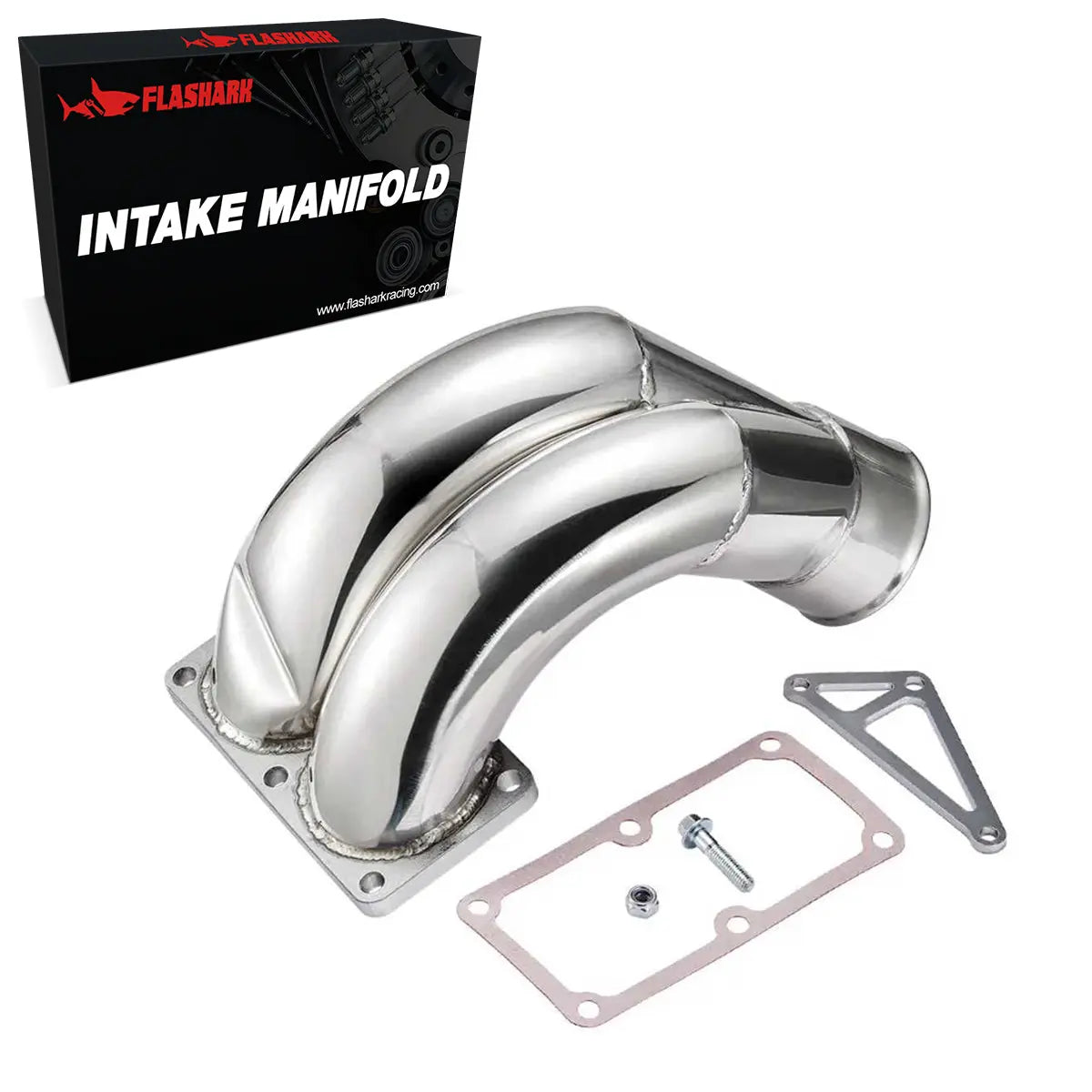
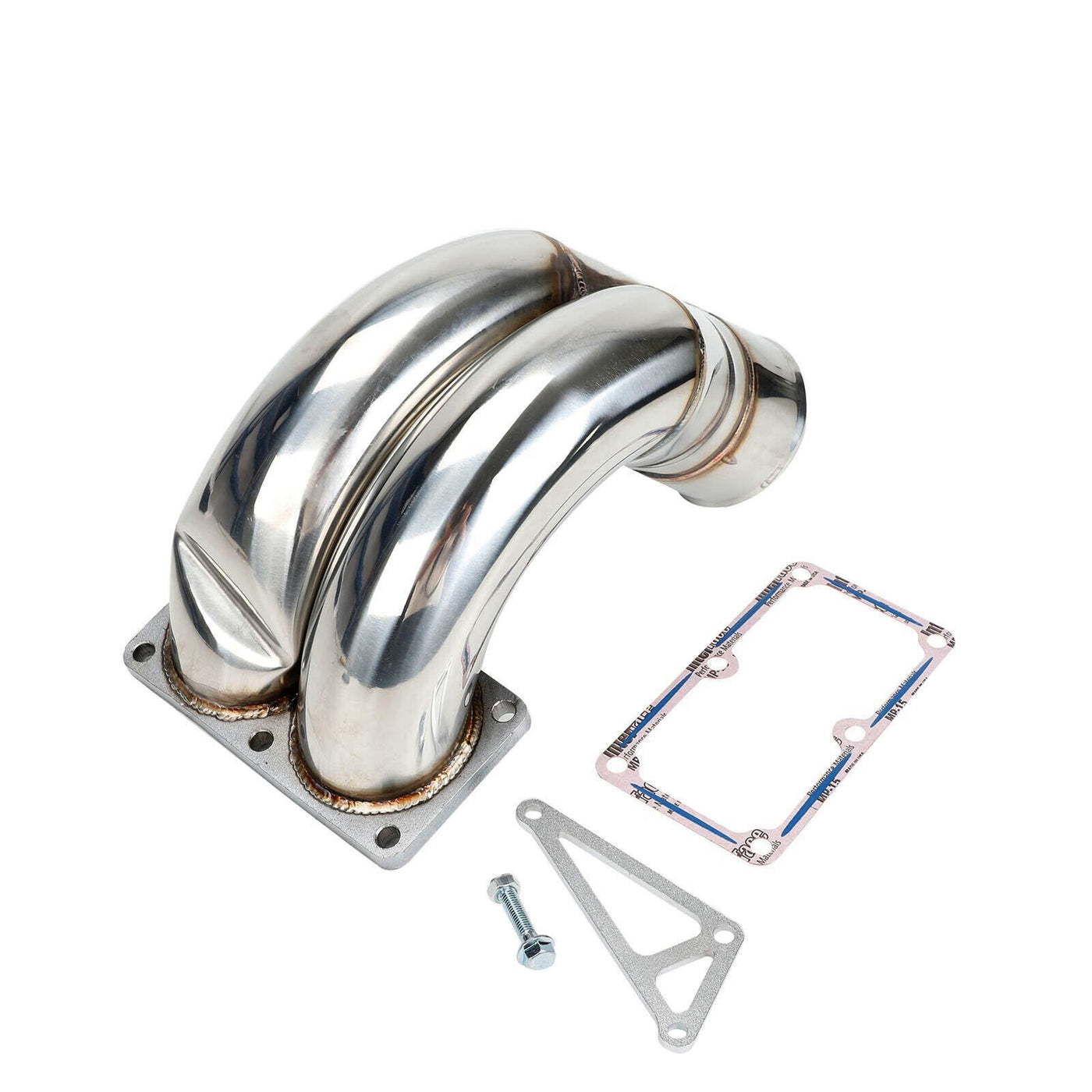
Flashark 3.5" Stainless Steel Intake Manifold — 2007–2018 Dodge Ram 6.7L Cummins
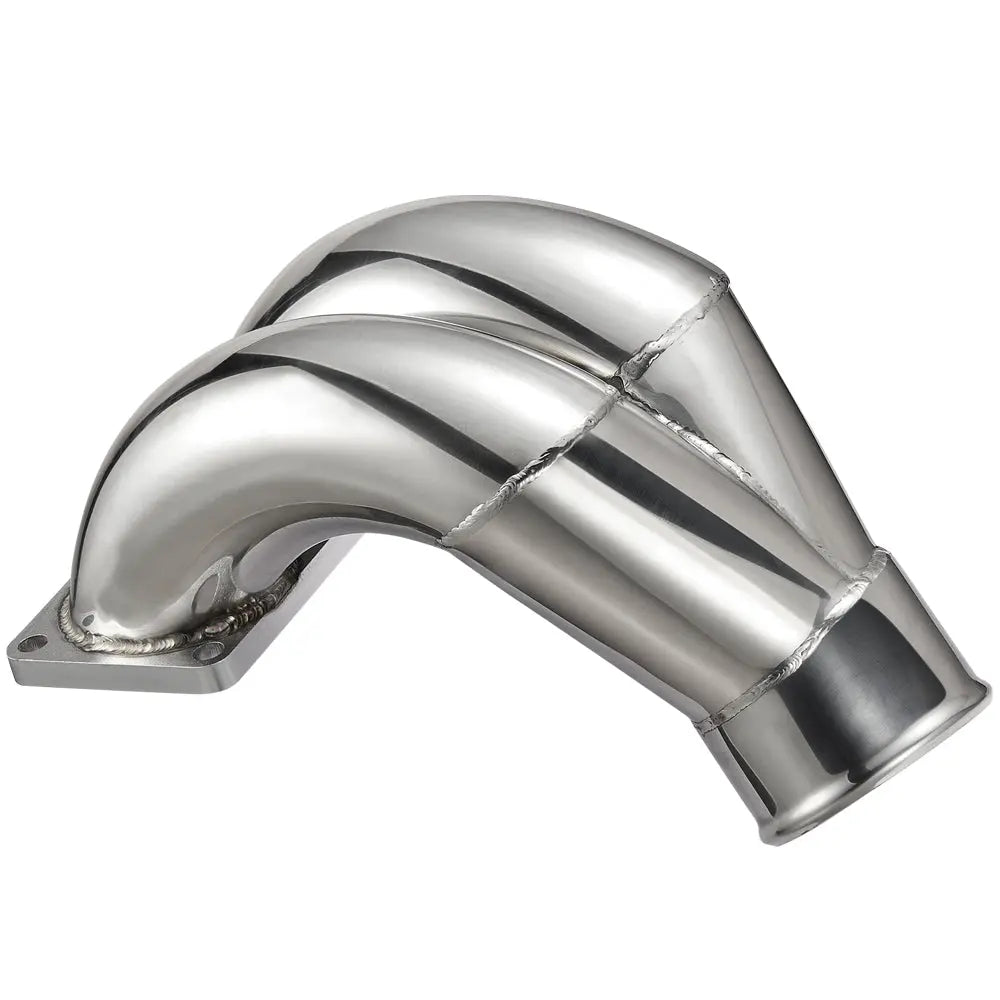
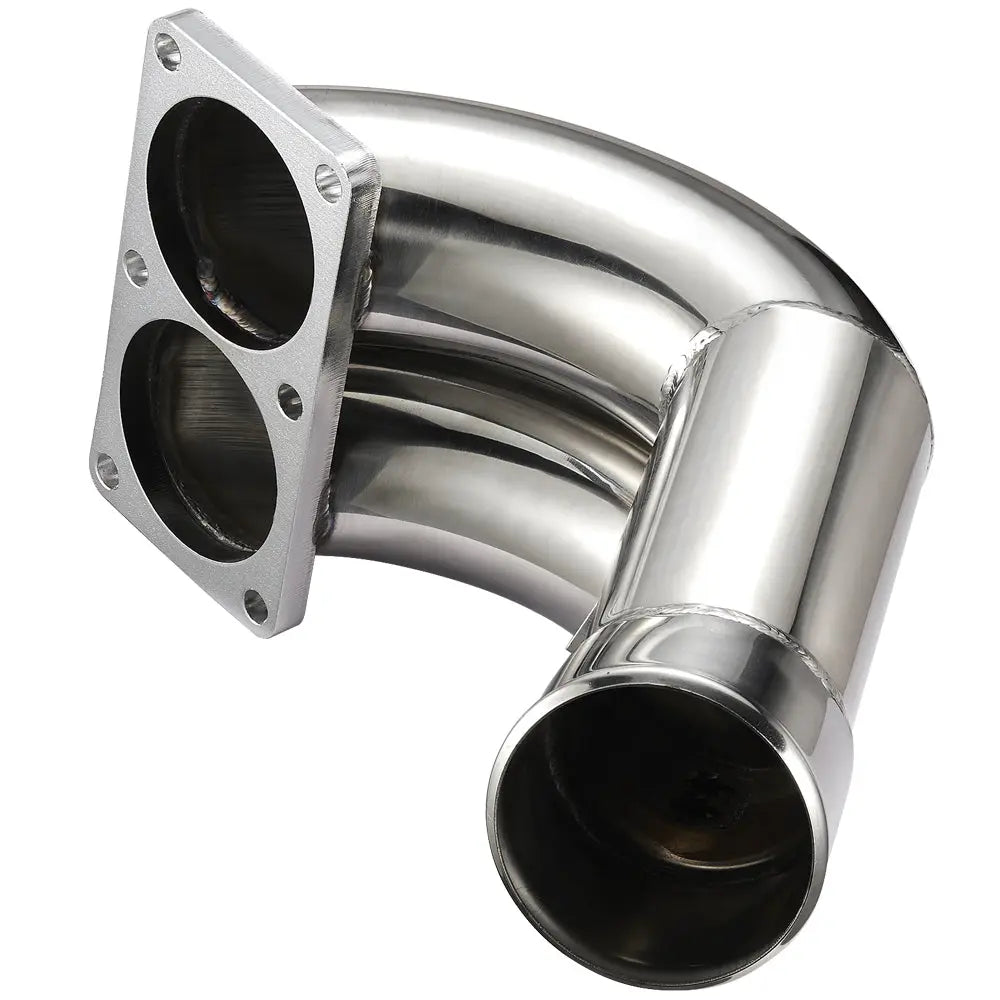
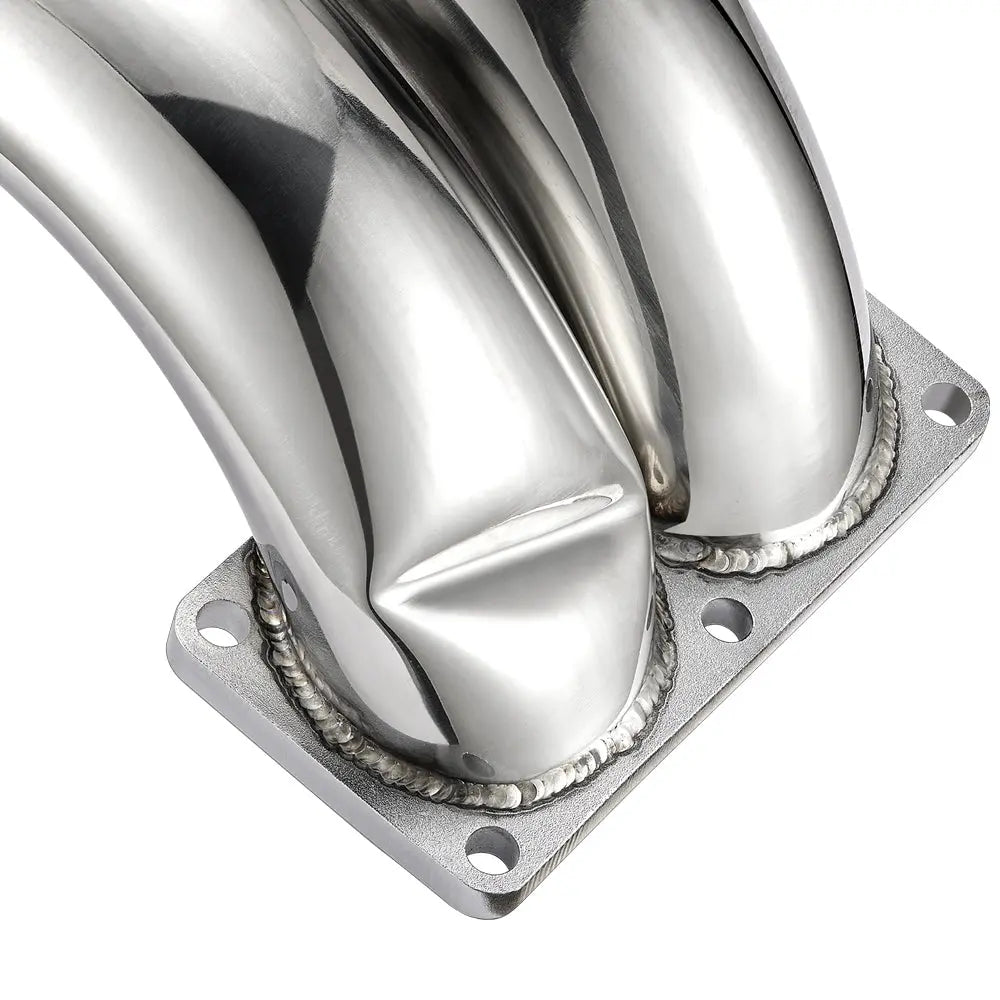
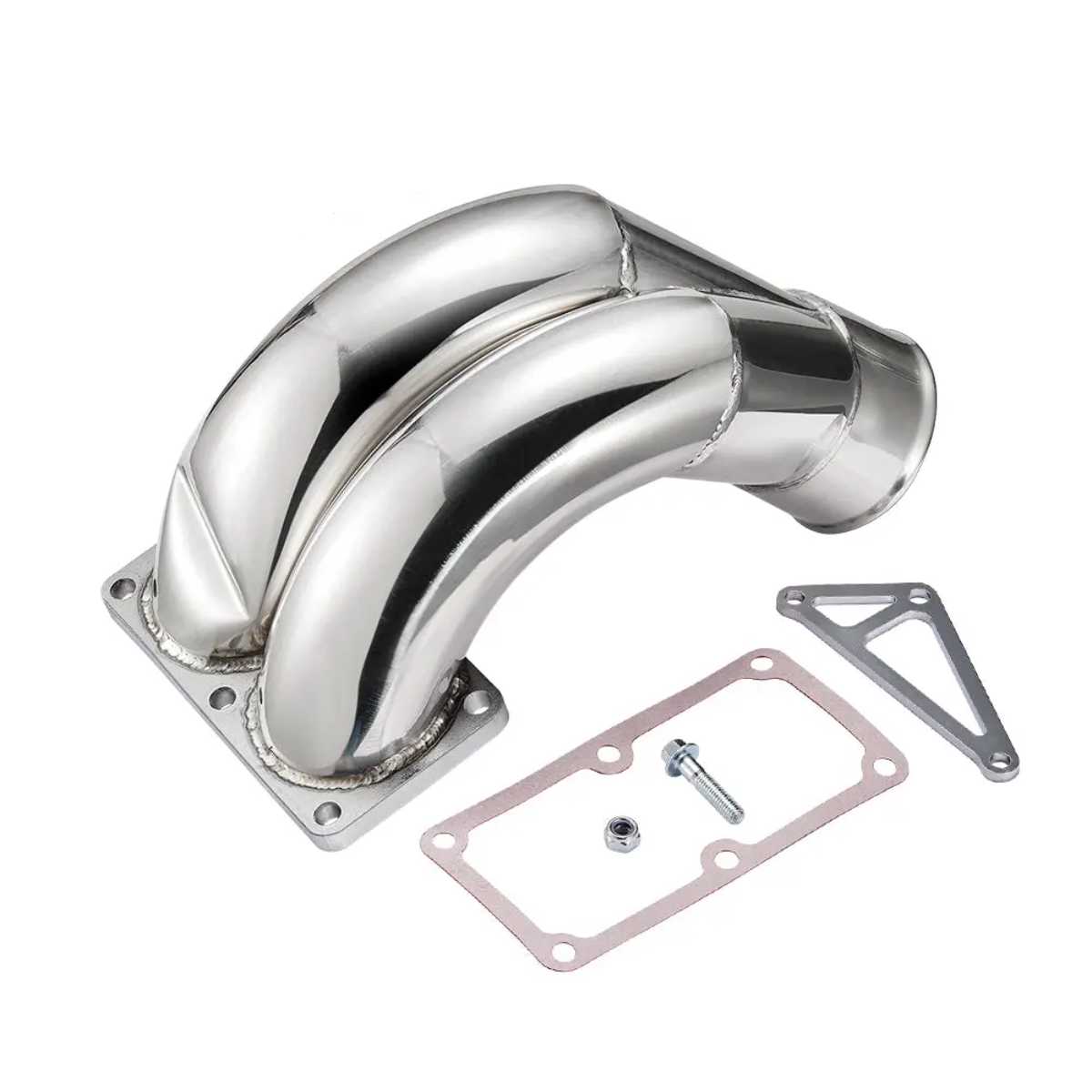
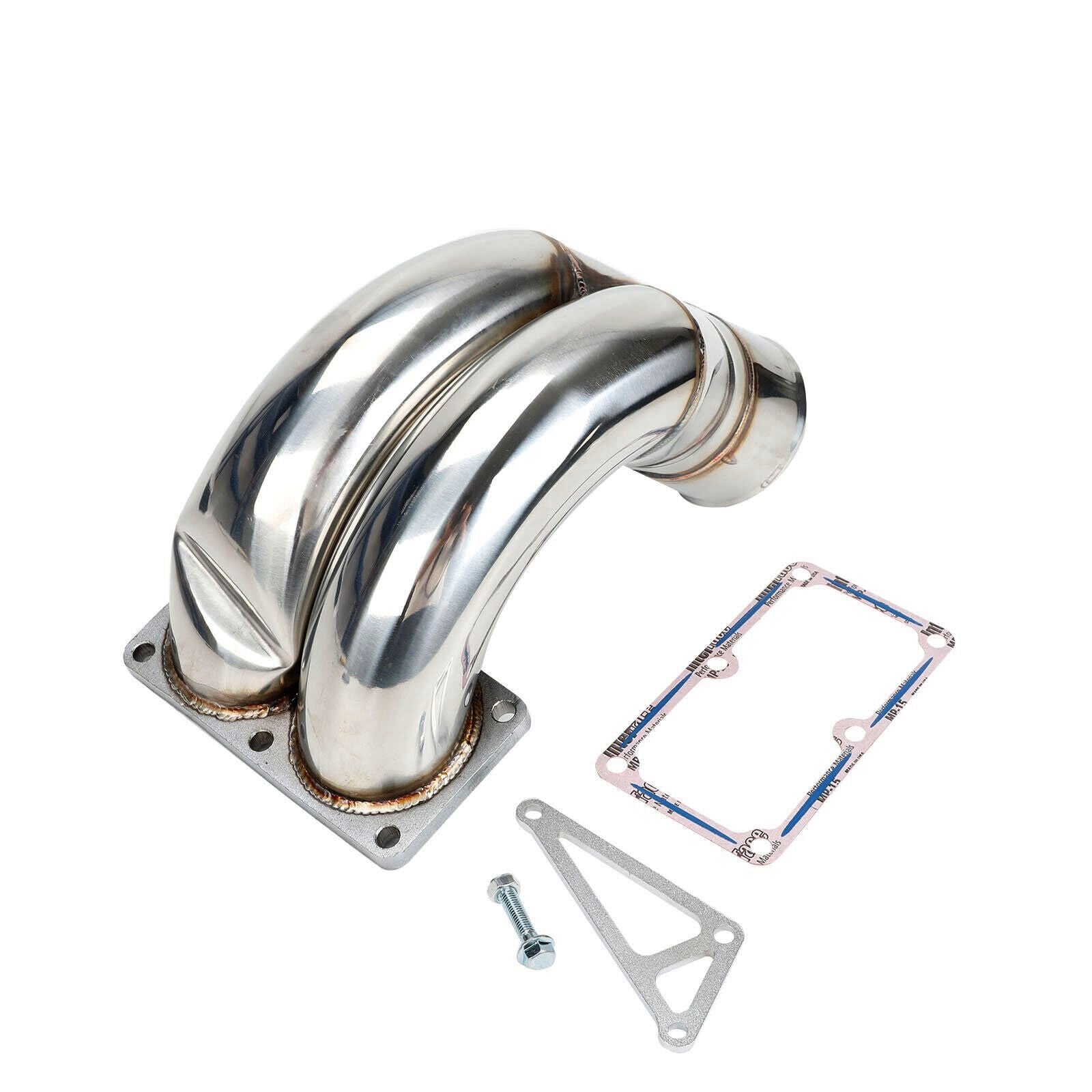
Your factory intake manifold is a bottleneck. It was designed to meet emissions standards and pass cost targets — not to flow air. This Flashark 3.5" stainless intake manifold opens up the inlet and runs it into two 3" mandrel-bent tubes, giving your 6.7L Cummins more air volume per cycle, lower exhaust gas temperatures, and a noticeable improvement in fuel economy.
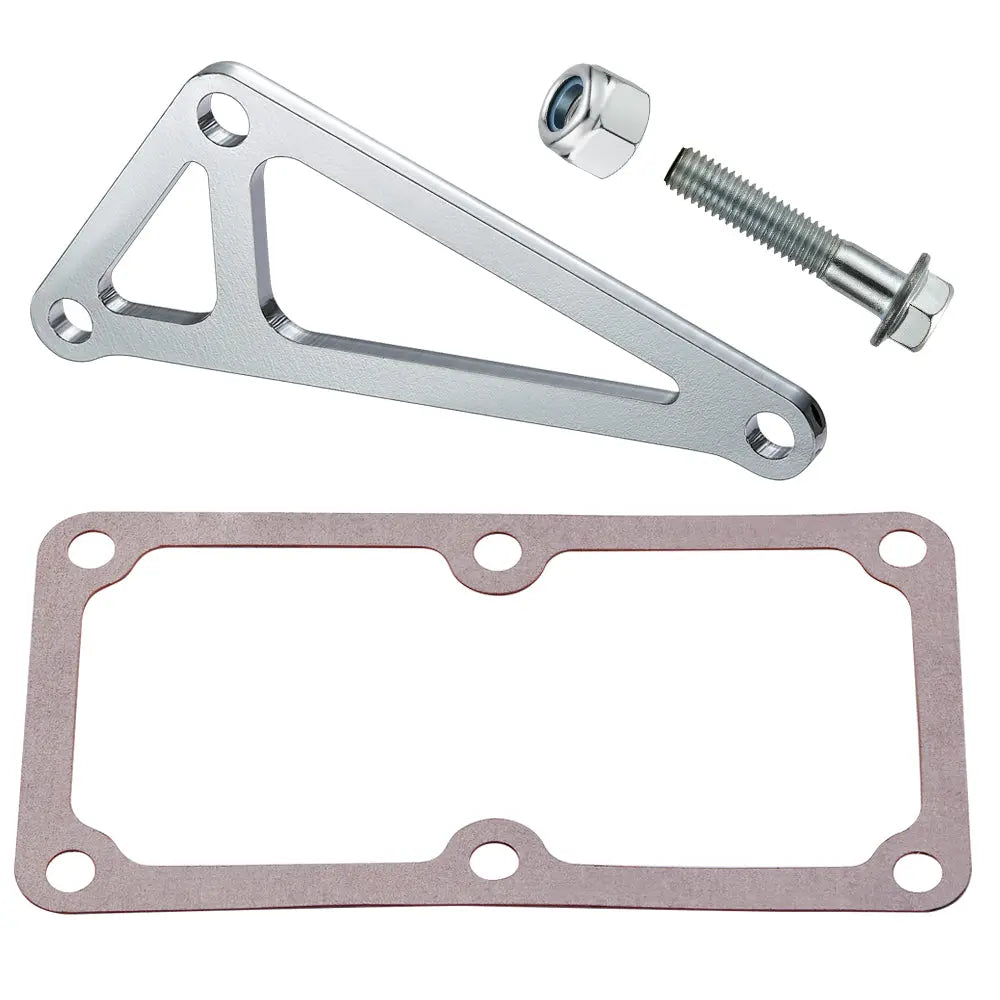
Built from mirror-polished stainless steel. Direct bolt-on to the factory 6-bolt head pattern. No cutting, no fabrication, no adapters.
⚠️ Off-road / track use only. Verify local emissions regulations before installing.
Key Features
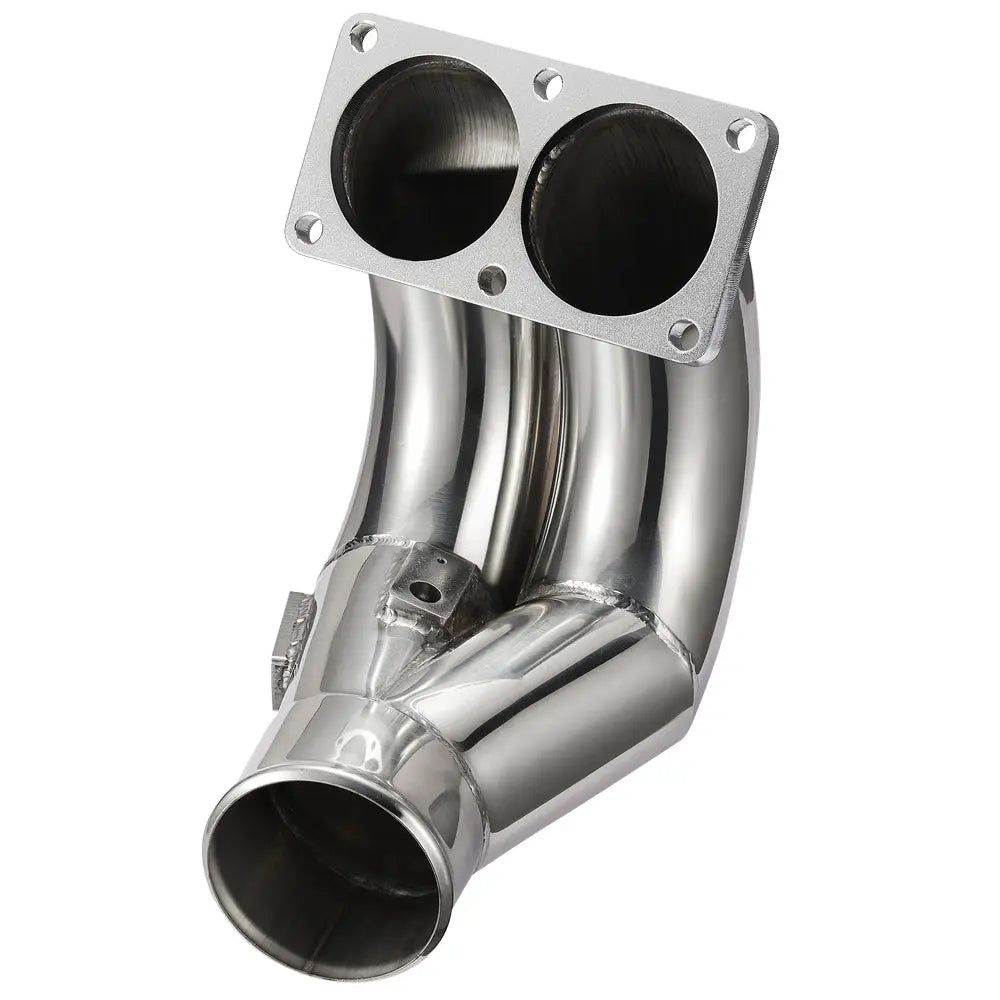
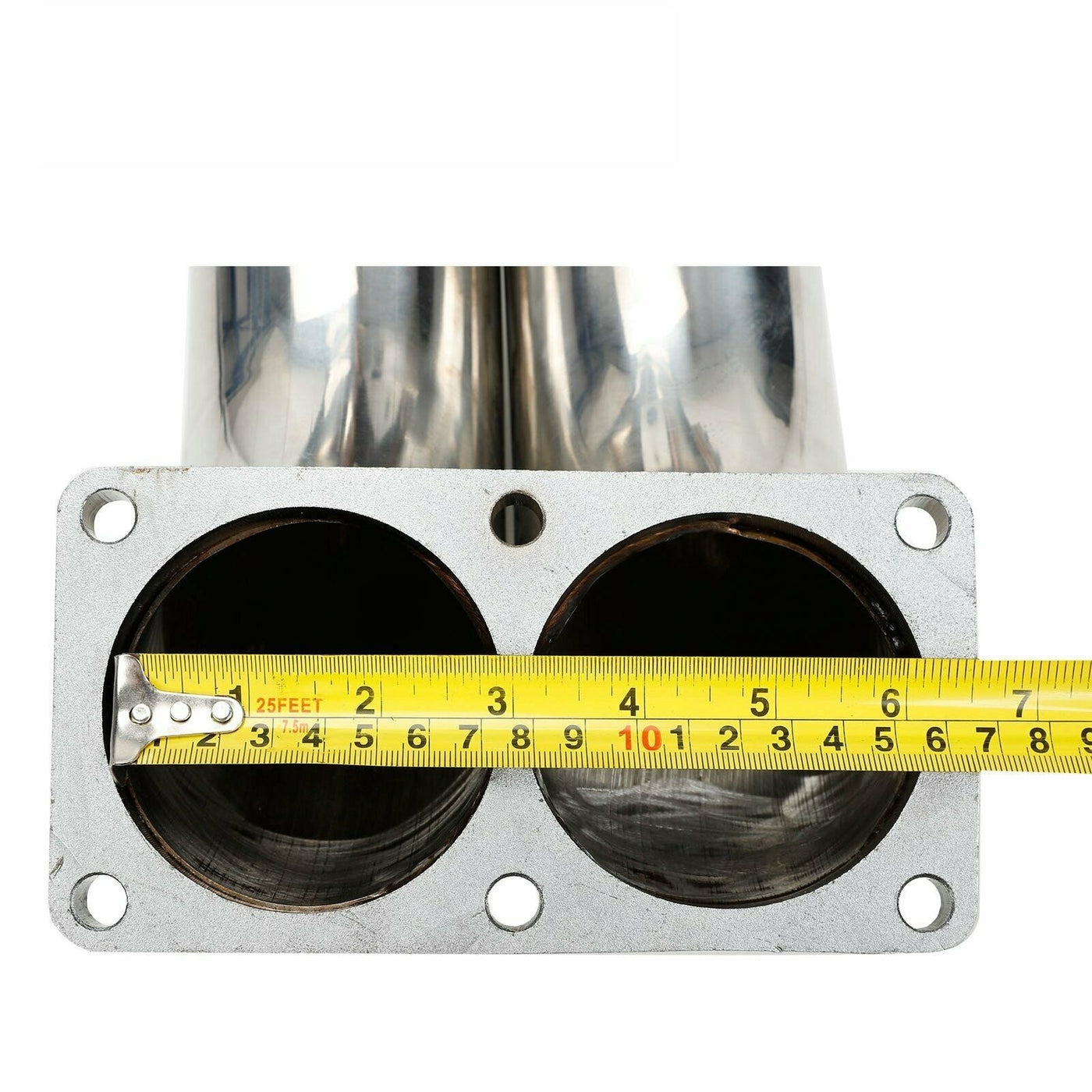
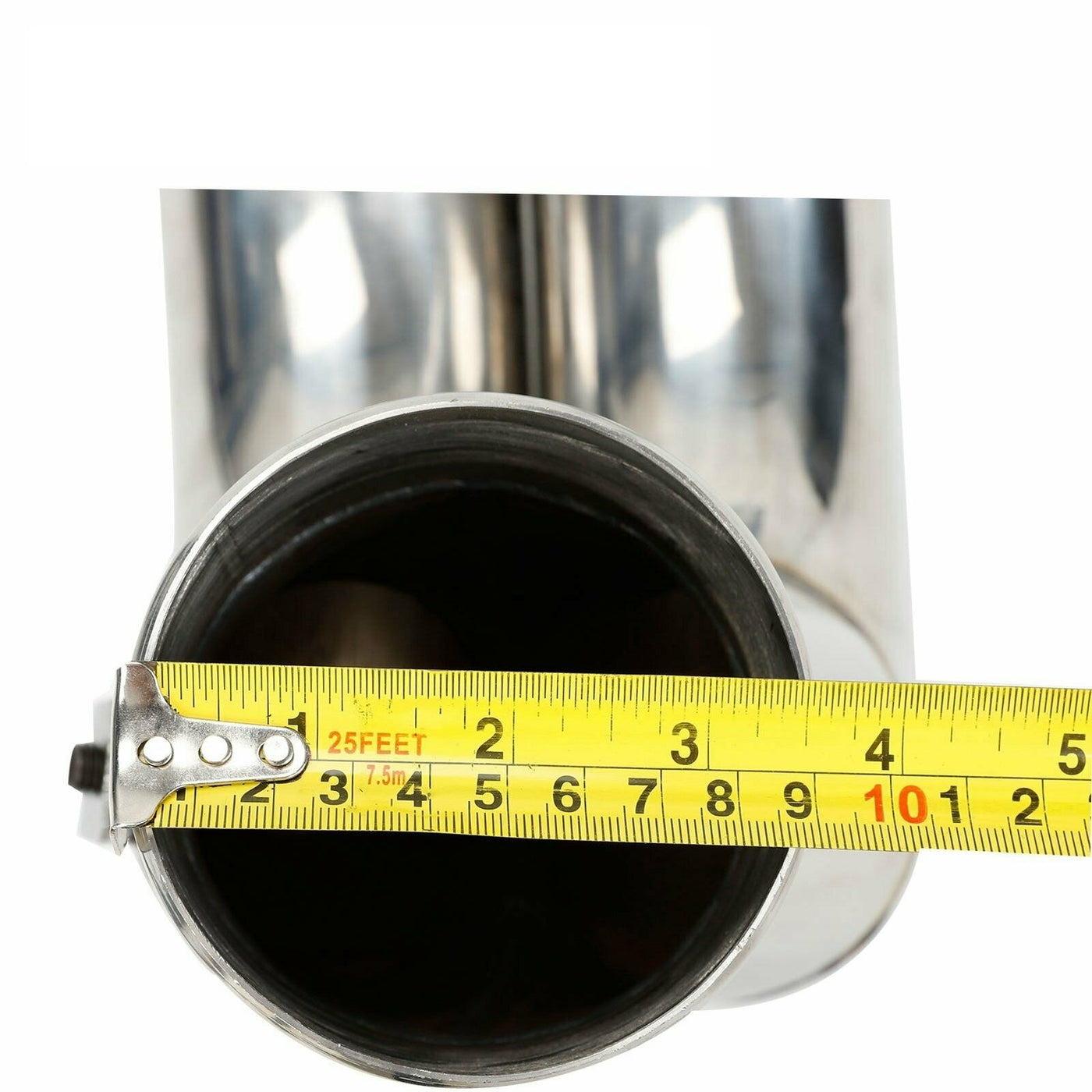
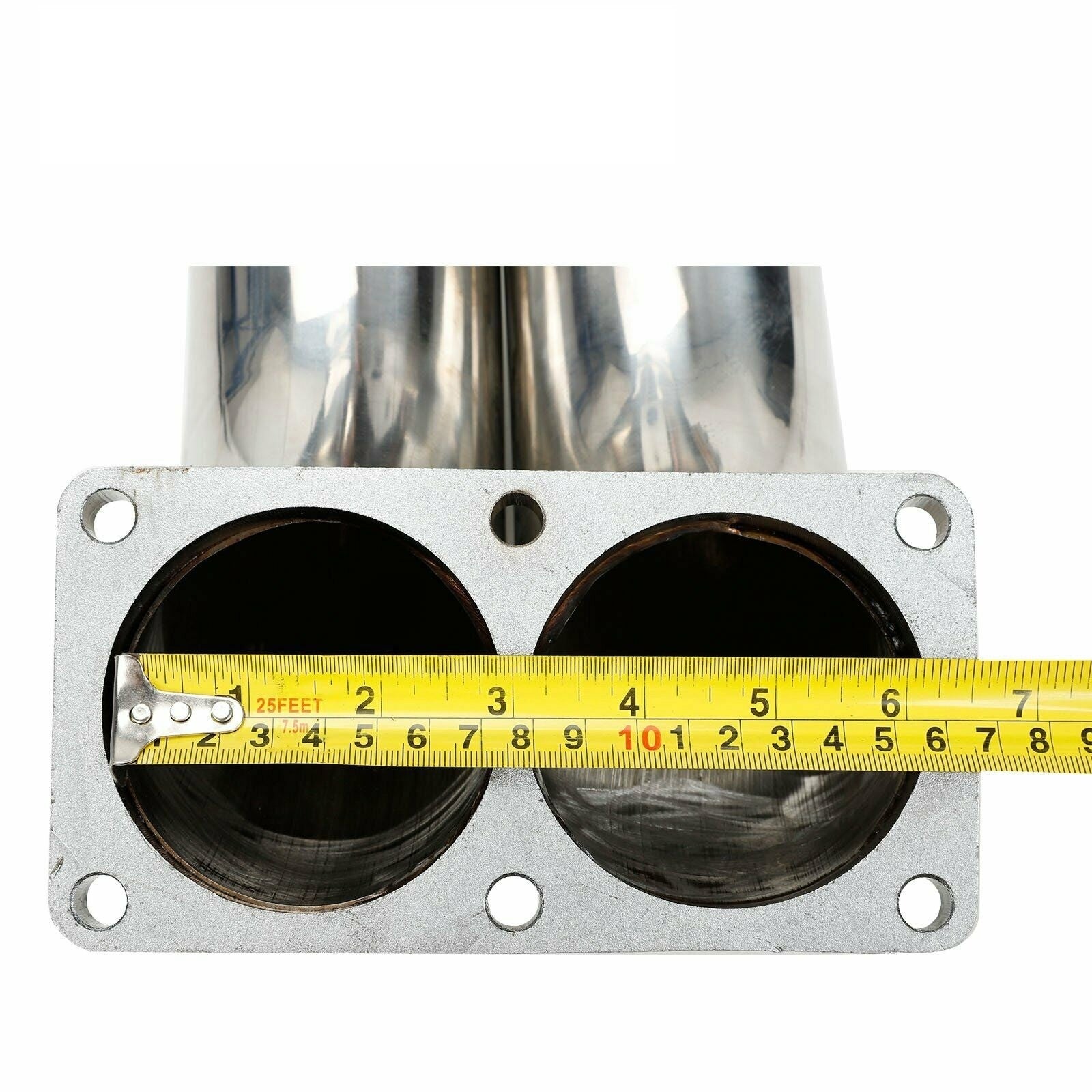
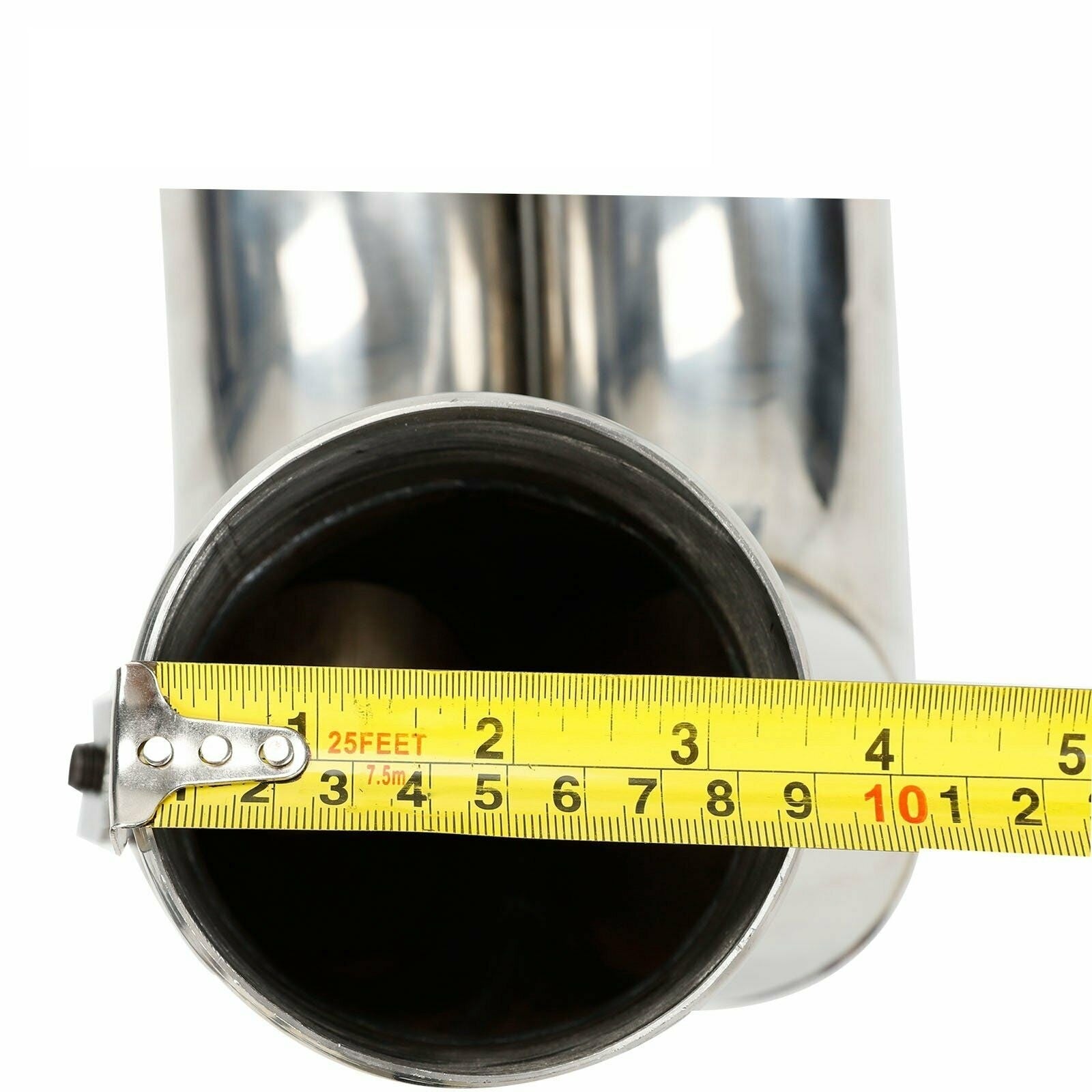
- 3.5" inlet → dual 3" mandrel-bent outlets — expands airflow path where the factory design restricts it most
- Mirror-polished T-304 stainless steel — withstands heat cycling, corrosion-resistant, no coating to peel or flake
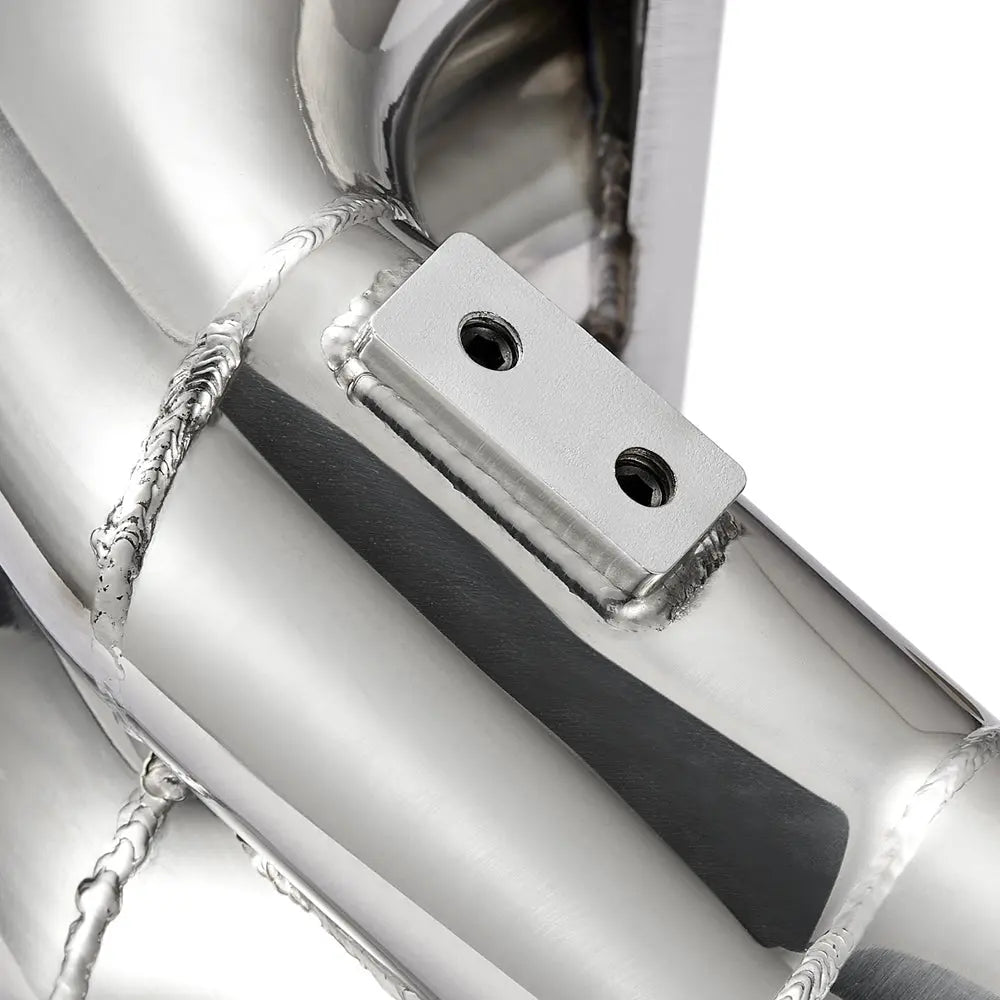
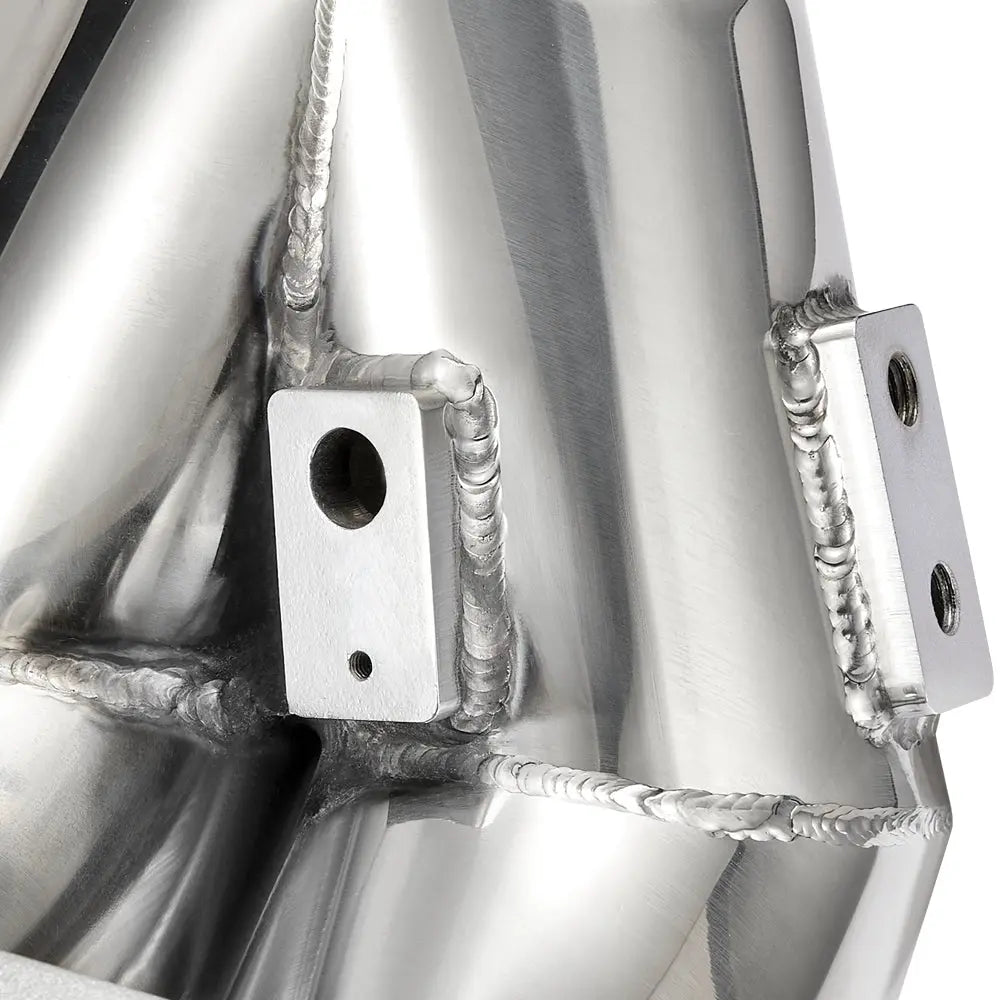
- 2× NPT ports — pre-tapped for boost gauges, EGT sensors, or IAT sensors, no drilling required
- Factory 6-bolt pattern — drops straight onto the stock head, seals tight, no modifications to the engine
- EGT reduction of 50–200°F — verified by Flashark testing and consistent with real-world owner data
- Fuel economy gain of 0.5–1 MPG — less restriction means less fuel needed to make the same power
- Compatible with stock and upgraded intercooler systems — pairs directly with 3" cold-side pipes
🎥Installation Video
| Year | Make | Model | Engine |
|---|---|---|---|
| 2007 | Dodge | Ram 2500 | 6.7L L6 Cummins Diesel |
| 2008 | Dodge | Ram 2500 | 6.7L L6 Cummins Diesel |
| 2009 | Dodge | Ram 2500 | 6.7L L6 Cummins Diesel |
| 2010 | Dodge | Ram 2500 | 6.7L L6 Cummins Diesel |
| 2011 | Dodge | Ram 2500 | 6.7L L6 Cummins Diesel |
| 2012 | Dodge | Ram 2500 | 6.7L L6 Cummins Diesel |
| 2013 | Dodge | Ram 2500 | 6.7L L6 Cummins Diesel |
| 2014 | Dodge | Ram 2500 | 6.7L L6 Cummins Diesel |
| 2015 | Dodge | Ram 2500 | 6.7L L6 Cummins Diesel |
| 2016 | Dodge | Ram 2500 | 6.7L L6 Cummins Diesel |
| 2017 | Dodge | Ram 2500 | 6.7L L6 Cummins Diesel |
| 2018 | Dodge | Ram 2500 | 6.7L L6 Cummins Diesel |
| 2007 | Dodge | Ram 3500 | 6.7L L6 Cummins Diesel |
| 2008 | Dodge | Ram 3500 | 6.7L L6 Cummins Diesel |
| 2009 | Dodge | Ram 3500 | 6.7L L6 Cummins Diesel |
| 2010 | Dodge | Ram 3500 | 6.7L L6 Cummins Diesel |
| 2011 | Dodge | Ram 3500 | 6.7L L6 Cummins Diesel |
| 2012 | Dodge | Ram 3500 | 6.7L L6 Cummins Diesel |
| 2013 | Dodge | Ram 3500 | 6.7L L6 Cummins Diesel |
| 2014 | Dodge | Ram 3500 | 6.7L L6 Cummins Diesel |
| 2015 | Dodge | Ram 3500 | 6.7L L6 Cummins Diesel |
| 2016 | Dodge | Ram 3500 | 6.7L L6 Cummins Diesel |
| 2017 | Dodge | Ram 3500 | 6.7L L6 Cummins Diesel |
| 2018 | Dodge | Ram 3500 | 6.7L L6 Cummins Diesel |
Note: 2007 model year coverage begins with production date 2007.5 and later. Does not fit 2019+ Ram (different head bolt pattern). Confirm VIN or production date if ordering for early 2007.
Q1: Will this 3.5" intake manifold fit my 2007-2018 Dodge Ram 6.7L Cummins?
A1: Yes. This intake manifold fits all 2007-2018 Dodge Ram 2500 and 3500 trucks with the 6.7L Cummins diesel. That covers the 6.7 from the 2007.5 model year introduction through the end of the 2018 production run. The bolt pattern and port alignment are the same across those years. If you have a 2019 or newer with the updated Cummins, this won't work—the intake geometry changed.
Q2: How much does this 6.7 Cummins intake manifold lower EGTs?
A2: The manufacturer claims a 50-200°F drop in exhaust gas temperature. The actual number depends on your truck's setup. If you're running a stock turbo with mild tuning, expect something in the 50-100°F range. If you've got a bigger turbo, aggressive tuning, and you're towing heavy at full boost, the improvement can be more significant—closer to that 200°F mark. EGT reduction is the main reason people upgrade the intake horn on a 6.7 Cummins. The factory intake manifold has sharp transitions and restrictive passages that create turbulence. Opening up the airflow path lets the turbo breathe easier, which means less heat in the exhaust side.
Q3: What does the 3.5" inlet mean for my 6.7 Cummins?
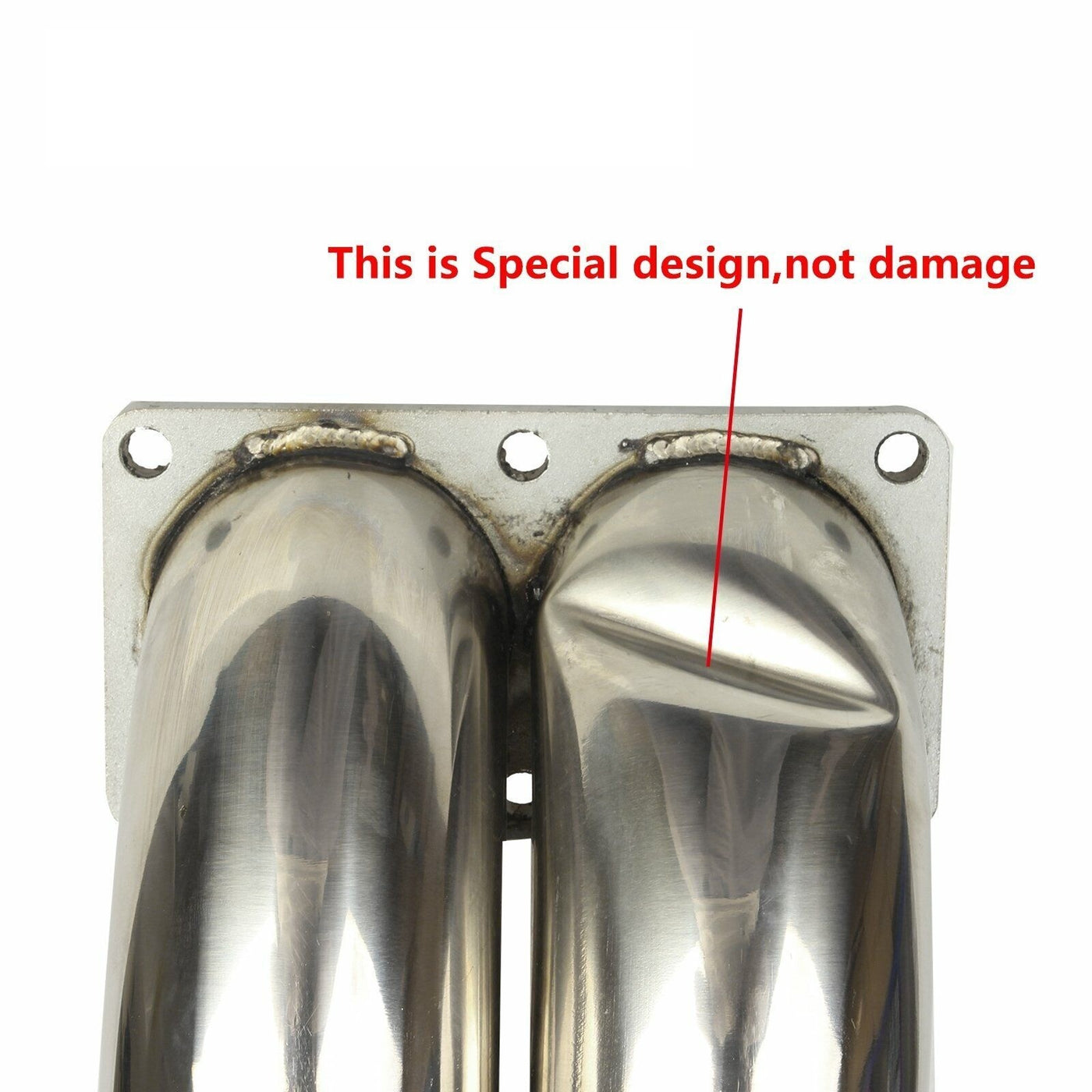
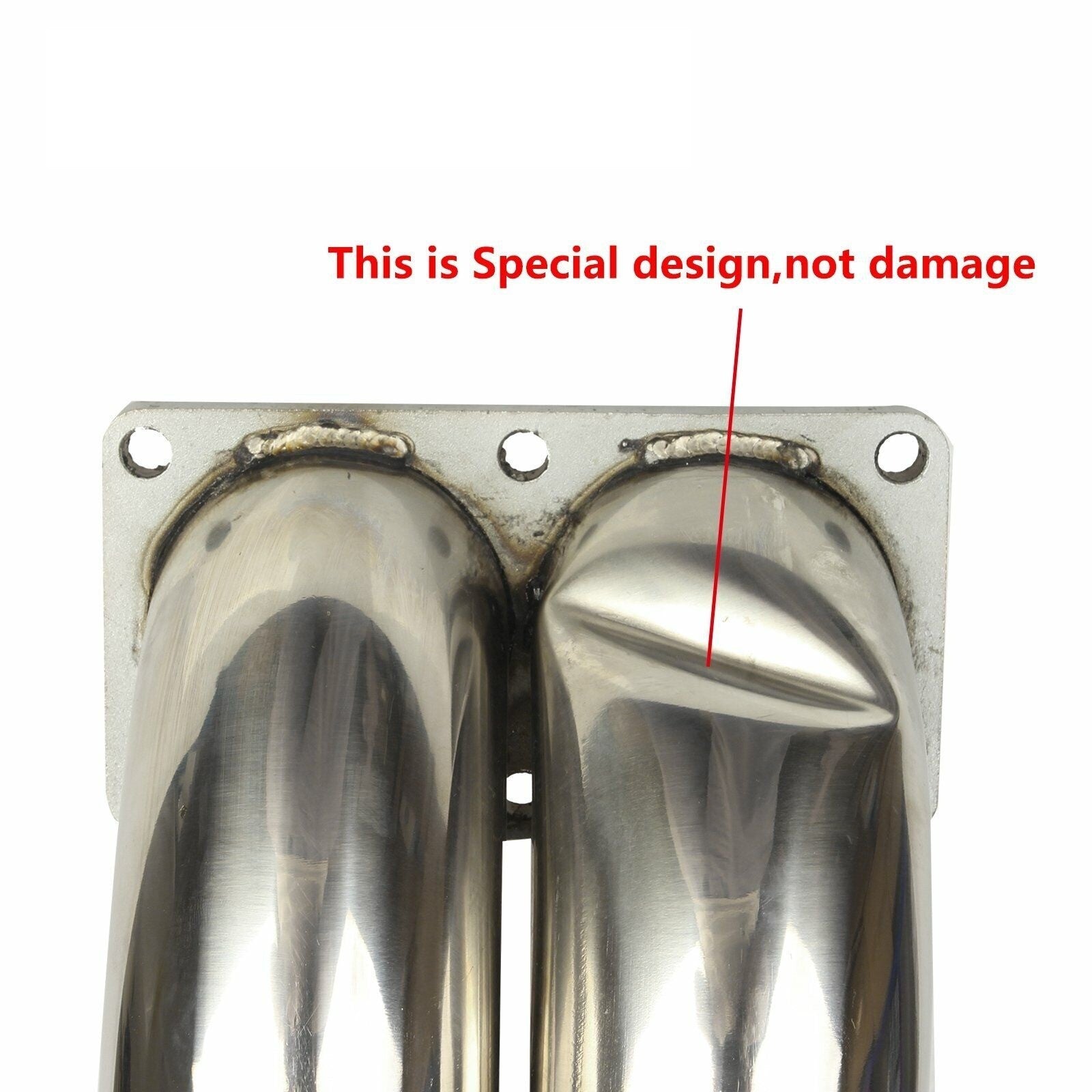
A3: The 3.5" inlet smoothly transitions into two 3" mandrel-bent tubes that feed the cylinder head ports. That's a significant upgrade over the stock intake horn, which has a smaller inlet with abrupt bends that disrupt airflow. The mandrel bends maintain consistent tube diameter through the curves, so there's no restriction at the transition points. The result is less intake turbulence, better turbo spool, and improved air distribution across all cylinders.
Q4: Will this intake manifold improve MPG on my Ram 2500?
A4: The manufacturer lists a 0.5-1 MPG increase. That's realistic for most trucks. The improved airflow reduces the work the turbo has to do to pressurize the intake, which translates to slightly better fuel efficiency, especially at highway cruising speeds. You're not going to see a dramatic jump in fuel economy from an intake manifold alone. But combined with a tune and a free-flowing exhaust, the cumulative effect on MPG can be noticeable over time.
Q5: What are the NPT ports on this intake manifold for?
A5: This manifold has two NPT (National Pipe Thread) ports for accessories. The most common use is for an EGT probe or a boost gauge fitting. Some guys run nitrous or methanol injection lines through them. If you're not using either port, you just thread in the included plugs and forget about them. Having the ports pre-drilled and tapped saves you from having to drill into your intake later—do that wrong and you've got metal shavings in your engine.
Q6: Can I install this 6.7 Cummins intake manifold myself?
A6: Yes, it's one of the easier performance upgrades on a 6.7 Cummins. There's an installation video available on the product page that walks through the process. The basic steps are: remove the factory intake horn, swap over the grid heater and related hardware, bolt on the new manifold, and reconnect everything. You'll need basic hand tools and probably a torque wrench. Set aside about an hour if it's your first time. The biggest gotcha is making sure the grid heater bolts are properly tightened—a loose grid heater can rattle and eventually break, which gets expensive fast.
Q7: Do I need to retune my Cummins after installing this intake manifold?
A7: Not strictly required, but recommended. The stock ECU will adapt to the increased airflow to a degree. However, if you're already running a tuner—and most guys modifying their 6.7 Cummins are—you should let your tuner know about the intake upgrade so they can adjust the fuel mapping accordingly. More air without matching fuel can lead to elevated EGTs, which is the opposite of what you're trying to accomplish by upgrading the manifold in the first place.
Q8: How does this intake manifold compare to the stock Cummins intake horn?
A8: The stock intake horn on the 6.7 Cummins has a smaller, more restrictive inlet with sharp bends that create turbulence and slow down airflow. It works fine for stock power levels, but once you start adding boost—through tuning, a bigger turbo, or both—it becomes a bottleneck. This 3.5" manifold opens up the inlet diameter, uses smooth mandrel-bent tubes instead of cast sharp angles, and eliminates the internal restrictions. It's not magic, but it removes a known airflow limitation in the intake path.
Q9: Is this intake manifold street legal in California?
A9: This intake manifold does not carry a CARB Executive Order number, so it's not legal for street use in California or CARB-adopting states. California Vehicle Code Section 27156 prohibits modifications to emissions control systems, and the intake manifold is considered part of the emissions system on a diesel. These are sold for off-road and competition use only. If you live in a state without diesel emissions testing, enforcement is generally not an issue, but the legal classification remains the same.
Q10: Does this intake manifold work with the factory grid heater?
A10: Yes. The manifold is designed to accommodate the factory grid heater, which is critical for cold starts on the 6.7 Cummins. Some aftermarket intake manifolds require you to delete the grid heater entirely, which creates hard starting in cold weather. This one keeps it functional. During installation, you transfer the grid heater from the stock manifold to the new one. Make sure the electrical connections are clean and the mounting bolts are properly torqued.
Q11: What material is this intake manifold made from?
A11: It's stainless steel with a mirror-polished finish. Stainless is a good choice for a diesel intake manifold—it doesn't rust, it handles the heat cycles from the grid heater and turbo without cracking, and the polished interior surface reduces friction for incoming air. It's heavier than aluminum, but aluminum intake manifolds on diesels can develop issues with the grid heater bolts pulling threads over time. Stainless doesn't have that problem.
Q12: Can I use this intake manifold on a 5.9L Cummins?
A12: No. The 5.9L Cummins (2003-2007) has a different intake bolt pattern and port spacing than the 6.7L. The 6.7 Cummins has a larger displacement, different head casting, and different intake geometry. This manifold is specifically designed for the 2007-2018 6.7L Cummins only. If you're looking for an intake upgrade on a 5.9, there are plenty of options made for that engine—this isn't one of them.
Fast Shipping Policy
Your order will be dispatched within 1-2 business days, and the package will arrive within your order's estimated date. Click for Shipping Policy
Easy Return Policy
Every order comes with a 14-day free return, provided the item is brand new, uninstalled, and in its original packaging. We cover return shipping for quality issues. Refunds are processed within 3-5 business days. Click for Return Policy
Worry-Free Delivery Protection
Add Worry-Free Delivery at checkout — if it's lost, stolen, or damaged, you're 100% covered. Click for Worry-Free Delivery Protection