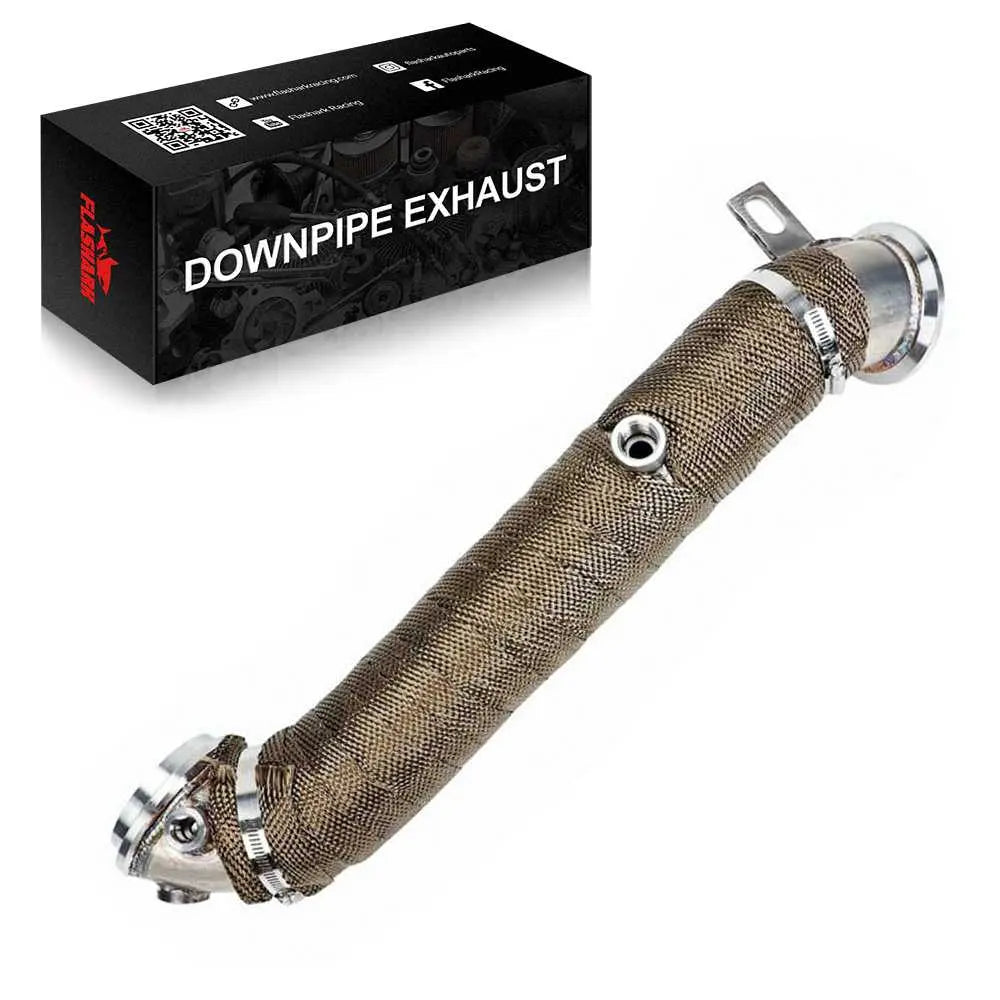
Flashark Downpipe Exhaust for 2011-2016 Chevy/GMC 6.6L LML Duramax Turbo Diesel 3 inch
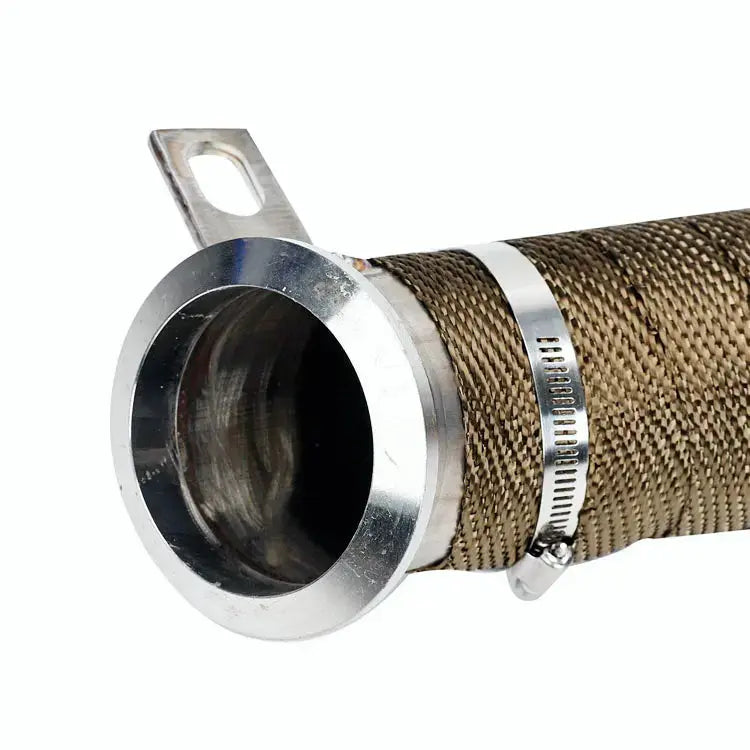
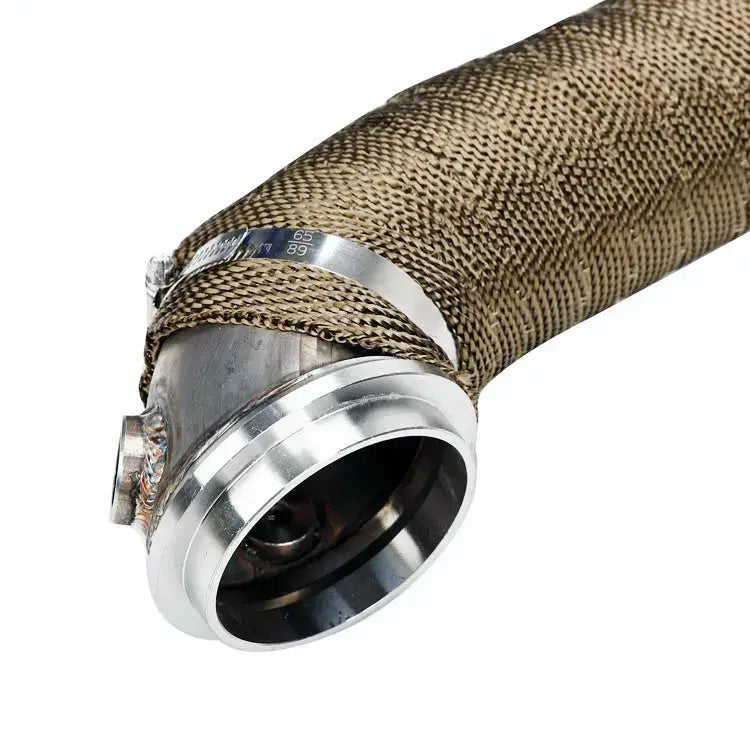
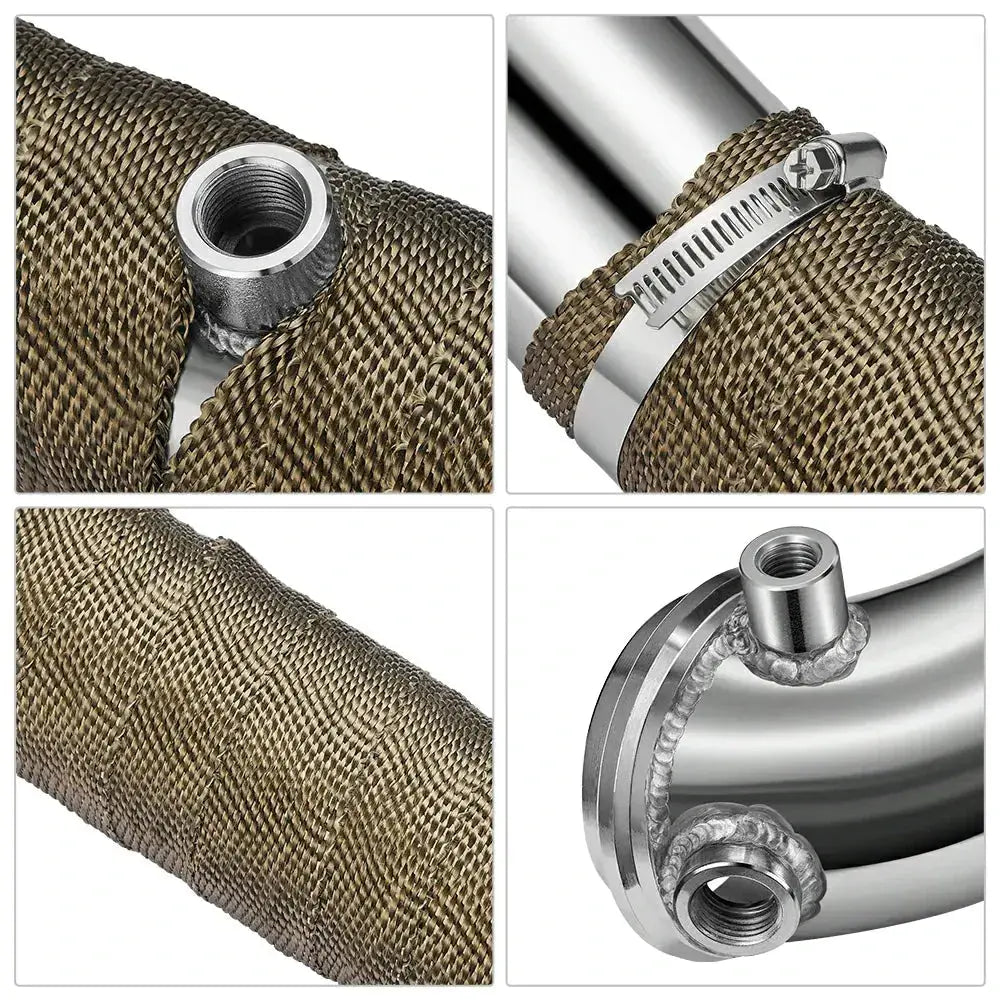
The Flashark downpipe exhaust is designed for 2011-2016 Chevy/GMC 6.6L LML duramax turbo diesel trucks, including 2500HD and 3500HD models. Featuring a 3-inch pipe diameter and V-Band flange style, this LML duramax downpipe is made from high-quality T-304 stainless steel with computerized mandrel bends for smooth, unrestricted exhaust flow. It increases horsepower by approximately 10-15 HP, enhances engine efficiency, and provides a significant torque boost. Built for high-performance racing, it includes TIG welded joints for durability and chrome-plated flanges for corrosion resistance.
Specifications:
Brand Name: FLASHARK
Certificate: ISO9001:2000
Application: Exhaust Down Pipe
Material: Stainless Steel
Surface: Mirror Polish
Model: DP29758 (ES08319)
Made of High-Quality T-304 Stainless Steel
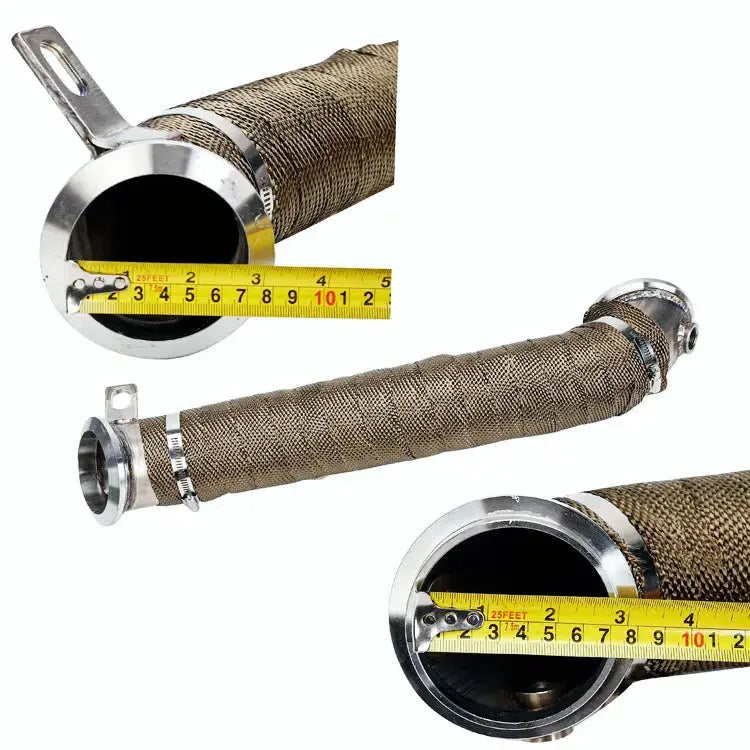
Inlet/ Outlet Sizes: 3 ''OD / 3 ''OD
Pipe Diameter: 3.0''
Flange Type: V-band
Increases Horsepower 10-15 HPS (approximately)
Package Contents:
2 x Stainless Steel Hose Clamps
1 x Roll of Titanium Heat Wrap
Features:
1. Improve Engine Output and Efficiency, Give you an extra HPs, and increases torque
2. Large diameter and free flow tubing for unrestricted flow, Making the exhaust air flow smooth, Designed for high-performance racing
3. Made of High-Quality 16-gauge T-304 Stainless Steel with Computerized Mandrel-Bends
4. All joints are TIG welded to prevent cracking and wear
5. CNC Machine Flange for MAX Strength and Durability
6. Flanges chrome plated for corrosion resistance
Fitment:
2011-2016 Chevy/GMC 2500HD & 3500HD Trucks with 6.6L LML Duramax Turbo Diesel (V-Band Style)
- 2011-2016 Chevrolet Silverado 2500
- 2011-2016 Chevrolet Silverado 3500
- 2011-2016 GMC Sierra 2500
- 2011-2016 GMC Sierra 3500
Does Not Fit 2015.5+ Model With Flange Outlet
Q1: What trucks does the LML Duramax downpipe fit?
A1: This downpipe fits the 2011-2015 Chevrolet Silverado 2500HD/3500HD and GMC Sierra 2500HD/3500HD with the LML 6.6L Duramax diesel engine. The LML was produced from late 2010 through 2016 model year. If you have an LBZ (2006-2007), LMM (2008-2010), or the newer L5P (2017+), this isn't your part. The LML introduced diesel exhaust fluid (DEF) and different emissions equipment than earlier models.
Q2: Do I need a tune after installing the LML downpipe?
A2: Yes, definitely. The LML ECM monitors the DPF system pressure and will throw multiple codes when it's missing. Without proper tuning, you'll run in limp mode with reduced power and terrible fuel economy. A quality tune from vendors like PPEI, Duramaxtuner, or EFILive will disable the DPF function, adjust fueling, and let you run the truck properly. Budget for the tune as part of the overall cost.
Q3: How much power does the LML duramax downpipe add?
A3: On a stock truck with just the downpipe, expect minimal noticeable gains. The real power comes when you stack the downpipe with proper tuning, intake, and exhaust upgrades. With a full delete package and aggressive tune, you're looking at 100-150 horsepower and 200+ lb-ft of torque over stock. The LML responds extremely well to bolt-ons and tuning because the factory calibration is conservative to protect emissions equipment.
Q4: Is the LML downpipe street legal?
A4: No. Removing the DPF, DOC, or other emissions equipment violates federal emissions laws under the Clean Air Act. California, New York, and states following CARB standards will fine you and fail your inspection immediately. Even in states without emissions testing, you're technically violating federal law. This downpipe is designed for off-road use, competition trucks, and vehicles registered in states without emissions requirements.
Q5: What's the difference between 3 inch and bigger downpipe for LML?
A5: The 3 inch downpipe is the sweet spot for most builds. It balances flow capacity with keeping exhaust gas velocity high enough for proper turbo spool. Going larger can actually hurt performance on stock or mildly modified trucks because the turbo has to work harder to maintain boost pressure. Save the 4 inch and bigger options for trucks running big injectors, upgraded turbos, and making serious power over 600 horsepower.
Q6: What's included in an LML DPF delete?
A6: A complete DPF delete typically includes the downpipe, EGR delete kit, and DEF delete. The DPF (Diesel Particulate Filter) and DOC (Diesel Oxidation Catalyst) sit in the exhaust stream. The EGR (Exhaust Gas Recirculation) cooler is known for failures on LMLs and causes coolant contamination. The DEF system meters diesel exhaust fluid into the exhaust. Removing all four emissions systems and tuning gives you maximum power and reliability.
Q7: Will the LML downpipe void my duramax warranty?
A7: GM can deny powertrain warranty claims if they determine your modification caused a failure. They'll look for any excuse, and a deleted truck is an easy target. However, the EPA and FTC have guidelines about warranty discrimination for unrelated modifications. The real-world answer: many owners run deleted LMLs without warranty issues. If your truck is new under warranty, weigh the risk carefully. Some issues on the LML are expensive enough that warranty coverage matters.
Q8: Can I install the LML downpipe myself?
A8: This is a moderate to advanced install. Plan for 4-6 hours. The turbo outlet to downpipe connection is tight and requires proper alignment. The old downpipe bolts are often seized from heat cycles, and rounding them is common. You'll need a lift, penetrating oil, and basic diesel tools. Take pictures before disassembly. Don't forget to transfer the DPF temperature sensor to the new downpipe, or your tune won't read it correctly.
Q9: Does the LML downpipe affect fuel economy?
A9: Deleted trucks with proper tuning typically see better fuel economy because the engine isn't fighting emissions restrictions. Expect 1-3 MPG improvement on the highway, sometimes more depending on your driving. Around town, the gains are less predictable. If you drive aggressively, you'll burn more fuel regardless of modifications. The real benefit is the truck feels lighter and more responsive, not working as hard to maintain speed.
Q10: What's the turbo elbow on the LML?
A10: The turbo elbow is the cast-iron piece connecting the turbo compressor outlet to the downpipe. On the LML, it's a serious restriction with sharp bends that create turbulence. An upgraded turbo elbow with smoother geometry improves flow and reduces turbo strain. Many aftermarket downpipes include a better elbow. This part alone can make a noticeable difference in turbo response even before you add more fuel.
Q11: How does the LML downpipe affect EGTs (exhaust gas temperatures)?
A11: Properly tuned deleted trucks typically run cooler EGTs because the turbo doesn't have to work as hard against backpressure. Lower backpressure means lower turbine inlet temperatures. With a stock tune or delete tune that's too aggressive, you might actually see higher EGTs if you're pushing more fuel. A quality tune maintains proper air-fuel ratios to keep EGTs in safe ranges even under load.
Q12: Can I run this LML downpipe with stock programming?
A12: Running a downpipe without tuning will trigger check engine lights and put the truck in limp mode. The ECM will try to regen the DPF constantly, and without the filter, it can't. You'll get constant derate codes and reduced power. This isn't like a gas engine where you can get away with mild modifications without tuning. Budget for a complete delete tune if you're going this route. It's not optional.


