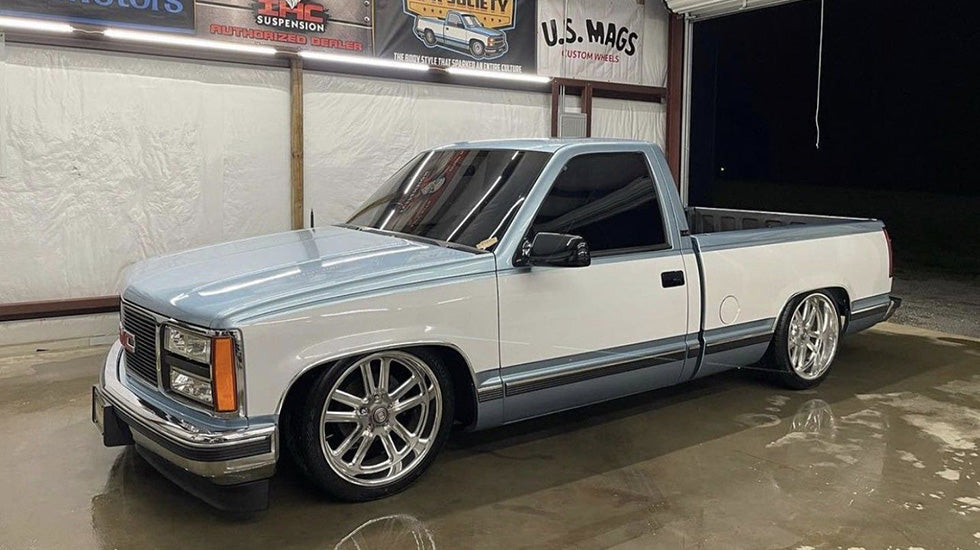
The 1998-2006 Chevrolet Silverado 1500 sits in a strange but important place in American truck history. It is old enough to still feel simple, mechanical, and easy to work on, but new enough that plenty of these trucks are still being driven, lowered, lifted, swapped, restored, and turned into street builds.
For a daily driver, work truck, or weekend custom project, this generation is still hard to ignore. The parts support is huge. The engines are familiar. The chassis is not complicated. And when the right exhaust, wheels, stance, and maintenance work come together, an old Chevy half-ton can still look better than a lot of newer trucks in the parking lot.
But let’s be honest. A lot of online content mixes up 1998 C/K trucks, 1999-2006 Silverado 1500 trucks, 1500HD models, 2500HD models, Duramax trucks, and the Silverado SS. That makes shopping for parts a headache. This guide clears that up first, then walks through engines, common problems, specs, and smart custom upgrade ideas.
Quick Answer: Is There a 1998 Chevy Silverado 1500?
Here is the part that confuses a lot of truck guys: the 1998 Chevy Silverado name can point to two different conversations. In 1998, “Silverado” was still commonly used as a trim name on Chevrolet C/K 1500 trucks. The newer GMT800 Chevrolet Silverado 1500 was introduced as a 1999 model-year truck.
So if you are searching for a 1998 Chevy Silverado 1500, first check whether you are looking at a late C/K 1500 with Silverado trim or a first-generation GMT800 Silverado. That one detail changes the engine family, body style, suspension parts, exhaust fitment, and upgrade path.
1998 Chevy Silverado vs 1999-2006 Silverado 1500: Platform Differences
Before talking about horsepower or headers, you need to identify the truck correctly. This is where many owners order the wrong exhaust, suspension, or engine parts.
| Truck Name / Model | What It Usually Refers To | Platform | Key Fitment Notes |
|---|---|---|---|
| 1998 Chevy Silverado | Usually a 1998 Chevrolet C/K 1500 with Silverado trim | GMT400 | Different body, exhaust layout, engine bay, and many fitment parts from GMT800 |
| 1999-2006 Silverado 1500 | First-generation Chevrolet Silverado 1500 | GMT800 | Common 4.3L, 4.8L, 5.3L, and some 6.0L applications |
| Silverado 1500HD / 2500HD | Heavier-duty truck, not the same as a standard 1500 | GMT800 HD | May include 6.0L gas, 8.1L gas, or Duramax diesel depending on model |
| Silverado SS | Performance-oriented GMT800 variant | GMT800 | 6.0L V8, sportier package, and model-specific performance parts |
Builder Note
When buying parts, do not rely on “1998 Silverado” alone. Check the VIN, body style, engine, drivetrain, cab, bed length, and emissions equipment. A 1998 C/K 1500 and a 1999-2006 Silverado 1500 can both be called “old Chevy trucks,” but they do not always share the same headers, Y-pipe, suspension, or exhaust routing.
Evolution of the Chevrolet Silverado 1500
The Silverado name became a full model line when Chevrolet moved into the GMT800 era. Compared with the older C/K trucks, the first-generation Silverado 1500 brought a more modern frame, updated interior, improved ride quality, and a newer Vortec engine lineup.
For truck owners today, that is why the 1999-2006 Silverado 1500 is still popular. It is comfortable enough to drive every day, simple enough to repair in the driveway, and supported by a huge aftermarket. Lowered street trucks, work trucks, 4x4 builds, sound-focused exhaust builds, and budget LS-style performance projects all live in this generation.

The 2003 refresh updated the front-end styling, headlights, grille, interior details, and trim feel. Later models also became popular with owners who wanted a cleaner daily truck with better comfort but still wanted the simple Vortec-based platform.

1998 Chevy Silverado and 1999-2006 Silverado 1500 Engine Options
Engine confusion is one of the biggest reasons owners buy the wrong performance parts. A 1998 C/K 1500 Silverado-trim truck and a 1999-2006 Silverado 1500 do not always use the same engine family, exhaust layout, or supporting parts.
1998 Chevrolet C/K 1500 Silverado Trim Engines
If your truck is truly a 1998 C/K 1500 with Silverado trim, you are usually dealing with the older GMT400 engine family. Common gas engines included the 4.3L V6 and Vortec small-block V8 options such as the 5.0L and 5.7L. The 5.7L Vortec is the one many old-school Chevy guys still love because it has a simple pushrod layout, good torque, and plenty of aftermarket support.
1999-2006 Chevrolet Silverado 1500 Engines
If your truck is a first-generation GMT800 Silverado 1500, the common engines are different. The 4.3L V6 stayed around, while the 4.8L and 5.3L V8 engines became the bread-and-butter choices. The 6.0L V8 also appeared in certain performance or heavier-duty-related applications, but you should not assume every normal 1500 had a 6.0L.
| Engine | Common Application | General Factory Output Range | Best Use Case |
|---|---|---|---|
| 4.3L Vortec V6 | Base C/K and Silverado 1500 models | Around 195-200 hp / 260 lb-ft depending on year | Daily driving, basic work use, simple maintenance |
| 5.0L Vortec V8 | Older GMT400 C/K trucks | Varies by year and configuration | Budget old-school Chevy builds |
| 5.7L Vortec V8 | 1996-1998/2000-era C/K, Tahoe, Suburban, and related trucks | Commonly rated around 255 hp / 330 lb-ft | Torque, restoration, classic truck sound, SBC-style aftermarket support |
| 4.8L Vortec V8 | 1999-2006 Silverado 1500 | Commonly 255-285 hp depending on year | High-revving budget builds, daily trucks, lightweight street setups |
| 5.3L Vortec V8 | Most popular GMT800 Silverado 1500 V8 | Commonly 270-295 hp depending on year and engine code | Daily performance, towing, exhaust upgrades, budget power |
| 6.0L Vortec V8 | Silverado SS, 1500HD, 2500/HD-related models, select packages | Often around 300+ hp depending on model | Performance builds, towing, heavier-duty use, swaps |

1998 Chevy Silverado and 1999-2006 Silverado 1500 Specs
Because “1998 Silverado” can refer to a late C/K 1500 Silverado-trim truck while 1999-2006 Silverado 1500 models belong to the GMT800 generation, exact specs depend on the VIN, engine, cab, bed, drivetrain, and axle ratio. Before buying parts or judging towing ability, confirm which truck you actually have.
| Spec Area | What to Check | Why It Matters |
|---|---|---|
| Engine | VIN, RPO codes, engine label, displacement | Determines headers, exhaust parts, sensors, tuning, and maintenance parts |
| Transmission | 4L60E, 4L80E, manual options depending on truck | Important for towing, shift feel, reliability, and power upgrades |
| Cab and bed | Regular cab, extended cab, short bed, long bed | Affects wheelbase, exhaust length, driveshaft, stance, and resale appeal |
| Drivetrain | 2WD or 4WD | Affects header clearance, suspension parts, ride height, and exhaust routing |
| Axle ratio | Check glovebox RPO codes or axle tag | Makes a big difference in towing feel, highway rpm, and acceleration |
| Towing and payload | Use the truck-specific rating, not a generic number | Ratings change by engine, cab, axle, suspension, and drivetrain |
Real-World Take
A clean 5.3L GMT800 Silverado 1500 is usually the easiest truck to live with. A 5.7L 1998 C/K truck has more old-school charm. A 4.8L can surprise people when geared and tuned right. A 6.0L is the one many builders want, but you need to verify the actual model before assuming fitment.
Common Problems on 1998 Chevy Silverado and 1999-2006 Silverado 1500 Trucks
These trucks can run a long time, but age does not care how tough the badge is. Rubber dries out. Grounds corrode. Fuel pumps get weak. Transmissions get tired. Rust hides in ugly places. Before spending money on wheels, headers, or a loud exhaust, inspect the truck like you are buying it again.
| Problem Area | Common Symptoms | What to Check | Repair / Upgrade Tip |
|---|---|---|---|
| Fuel pump | Hard start, hesitation, lean codes, random stalling | Fuel pressure, filter condition, wiring, pump age | Do not chase ignition parts before testing fuel pressure |
| Transmission | Slipping, delayed engagement, harsh shifts, 3-4 clutch issues | Fluid color, shift behavior, cooler lines, towing history | Add a proper cooler before towing or adding power |
| Rust | Frame scale, rocker rust, cab corner rust, brake line corrosion | Frame rails, cab corners, brake/fuel lines, bed mounts | Structural rust should come before cosmetic upgrades |
| Exhaust leaks | Ticking on cold start, exhaust smell, lazy O2 readings | Manifold bolts, collector gaskets, Y-pipe joints, O2 sensor bungs | A quality header install should include gaskets, hardware, and clearance checks |
| Front suspension | Clunking, wandering, uneven tire wear | Ball joints, tie rods, idler arm, pitman arm, control arm bushings | Fix steering and alignment before lowering or lifting |
| Electrical grounds | Random warning lights, gauge problems, weak starts | Battery cables, chassis grounds, engine grounds, fuse box condition | Clean grounds before blaming sensors |
Best Custom Upgrade Ideas for 1998-2006 Chevrolet Silverado 1500
The best custom Silverado builds are not always the ones with the biggest parts. They are the ones where the stance, wheel size, sound, engine, and purpose all make sense together. A work truck build is different from a short-bed street truck. A lifted 4x4 is different from a lowered regular cab. Do the combination right and the truck feels finished. Do it wrong and it feels like a pile of random parts.
| Build Style | Best Upgrades | What to Avoid |
|---|---|---|
| Daily driver | Mild exhaust, fresh suspension, good tires, LED lighting, clean interior repairs | Overly loud exhaust drone, cheap lowering parts, ignored maintenance |
| Lowered street truck | Drop kit, proper shocks, wheels with correct offset, headers, cat-back exhaust | Bad pinion angle, tire rub, crushed exhaust clearance |
| Tow-friendly truck | Cooling maintenance, transmission cooler, mild exhaust, good brake parts | Huge exhaust with highway drone or upgrades that kill low-rpm drivability |
| Budget performance build | Headers, intake cleanup, tune, gear ratio check, ignition refresh | Throwing parts at a weak fuel system or tired transmission |
| Restoration-style build | Rust repair, weatherstripping, factory-style lighting, quiet exhaust, clean paint | Cutting up a clean original truck without a plan |
Chevrolet Silverado 1500 Exhaust System Upgrades
Exhaust upgrades are one of the first places Silverado owners look, and for good reason. These trucks respond well to better exhaust flow and a deeper tone, especially the V8 models. But the right setup depends on the engine and the truck.
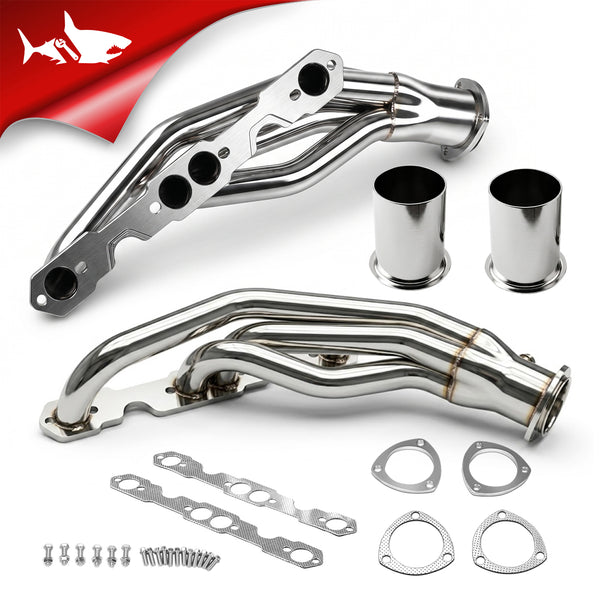
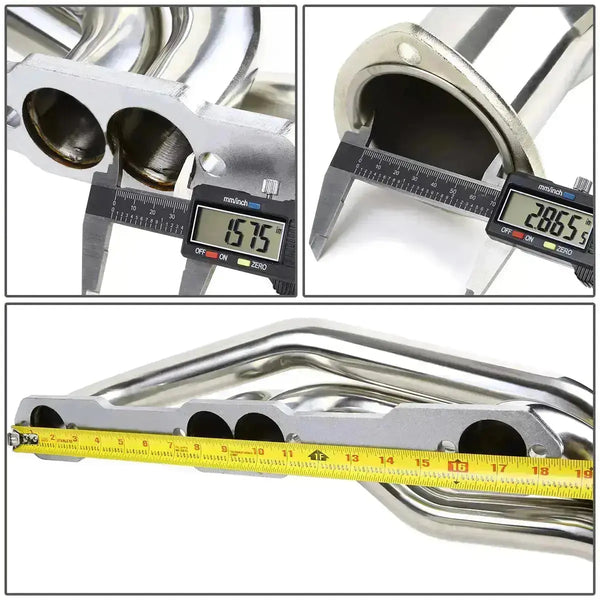
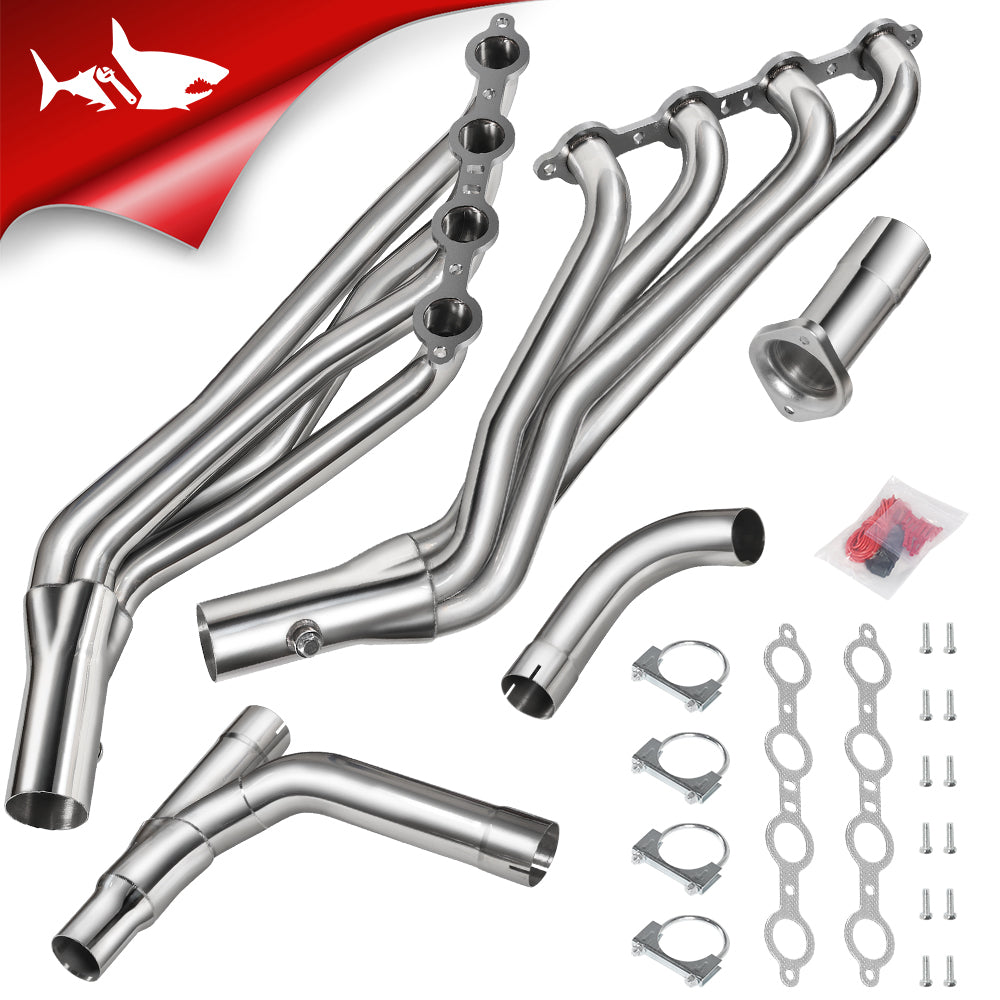
For a 1999-2006 Silverado 1500 with a 4.8L, 5.3L, or 6.0L Vortec engine, a set of long tube headers and Y-pipe for 1999-2006 Chevy/GMC Silverado and Sierra 1500 can help the engine breathe better and sharpen the truck’s sound. If you are working on an older GMT400 C/K truck, check the correct C/K 1500 long tube header fitment instead of assuming GMT800 parts will bolt on.
| Exhaust Goal | Recommended Direction | Best Match | Watch Out For |
|---|---|---|---|
| Deeper sound | Cat-back or muffler upgrade | Daily-driven 4.8L/5.3L trucks | Highway drone from oversized or poorly muffled systems |
| Better flow and sharper throttle feel | Long tube headers with matching Y-pipe | Street performance builds | O2 sensor placement, ground clearance, emissions rules, and tuning needs |
| Budget repair plus upgrade | Replace leaking manifolds or damaged Y-pipe with performance parts | Older high-mileage trucks | Broken manifold bolts and rusty hardware |
| Tow-friendly sound | Moderate exhaust with good low-rpm manners | Work trucks and weekend towing rigs | Too much cabin drone under load |
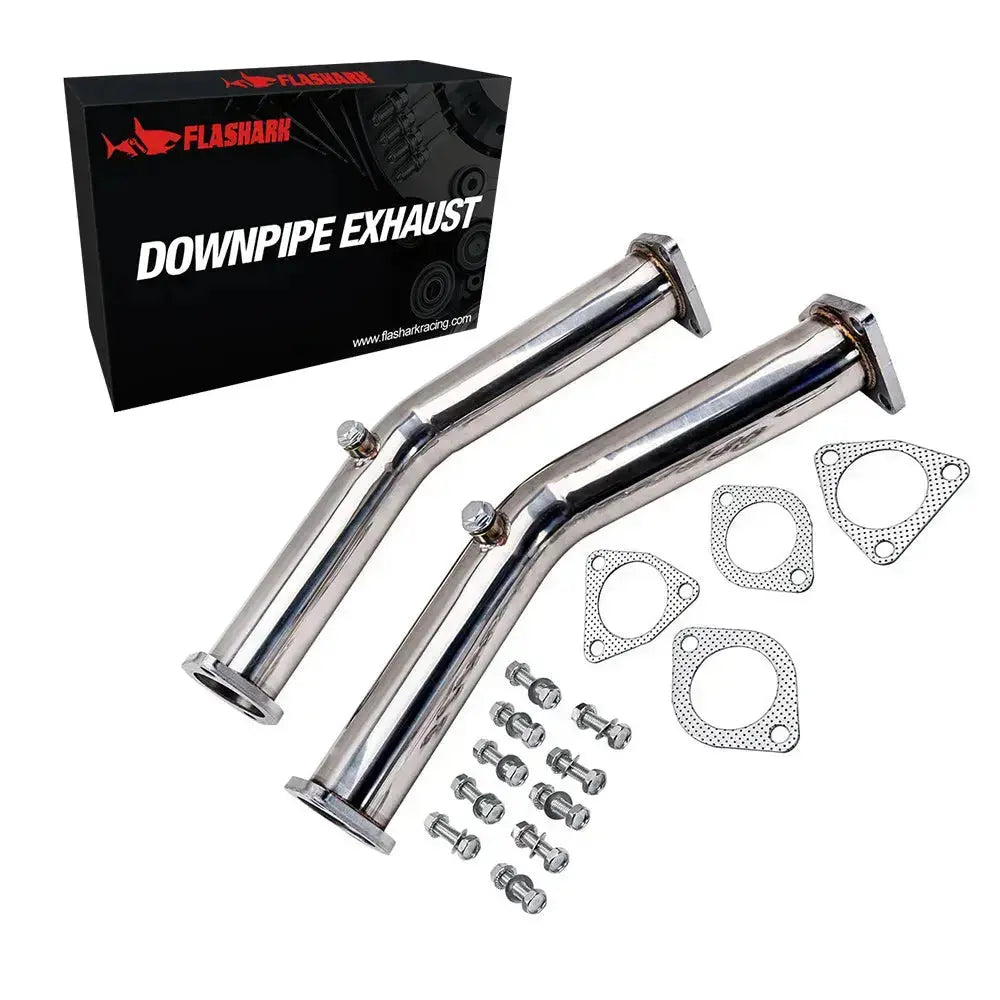
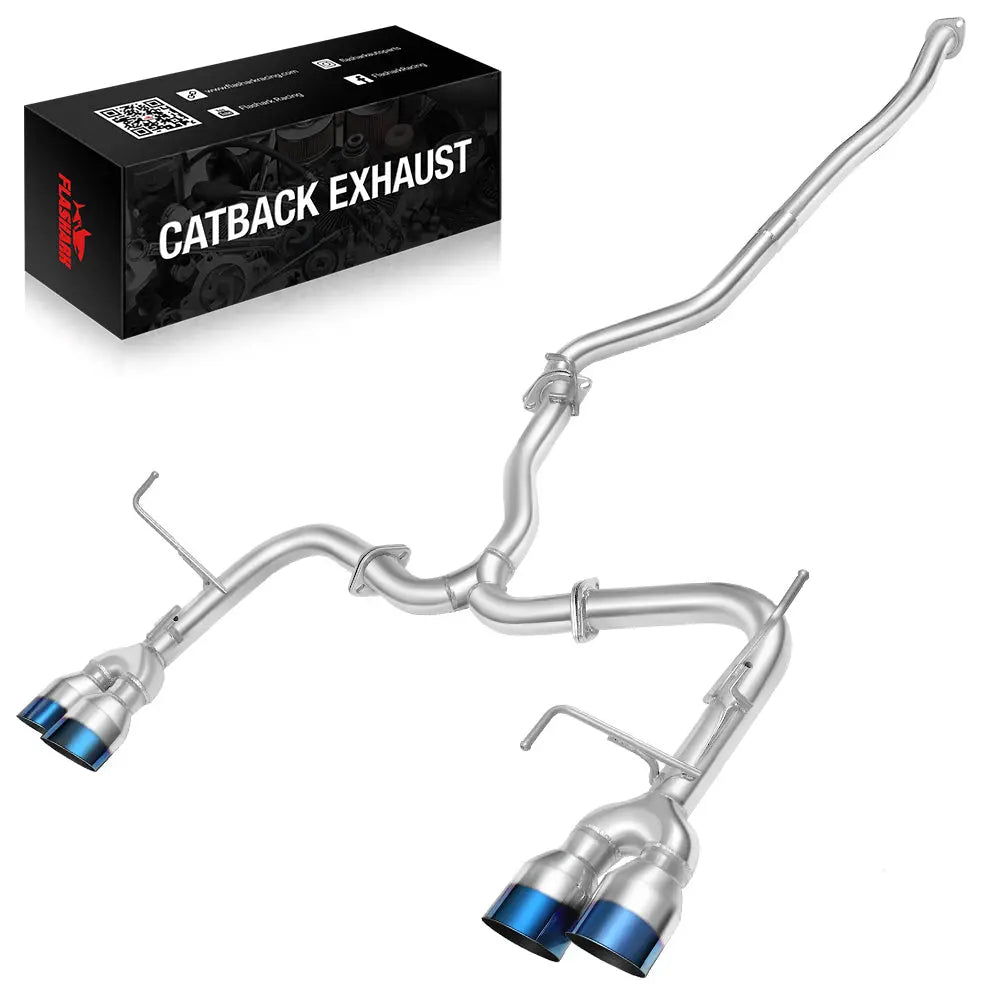
For Silverado owners comparing header and exhaust layouts, Flashark’s exhaust headers collection, Chevy exhaust headers collection, and cat-back exhaust systems collection are good places to check fitment by engine and chassis.
Mechanic’s Note: Headers Are Not Magic by Themselves
Headers can help, but they work best as part of a combination. If the truck has weak fuel pressure, old plugs, dirty grounds, exhaust leaks, a tired transmission, or a clogged converter, a header install will not magically fix the whole truck. Get the maintenance baseline right first, then upgrade.
Reliability and Longevity
A well-kept Chevy half-ton from this era can run past 200,000 miles. Plenty have gone farther. But mileage by itself does not tell the whole story. A 140,000-mile truck that towed heavy with poor maintenance can be worse than a 220,000-mile truck that lived an easy life and got serviced on time.
Before you buy one or start modifying it, inspect these areas first:
- Check cold-start behavior and listen for exhaust leaks.
- Look under the truck for frame rust, brake line corrosion, and patched repairs.
- Test the transmission when cold and hot.
- Check fuel pressure if the truck hesitates or starts hard.
- Inspect steering parts before blaming tires or alignment.
- Scan for codes even if the check engine light is off.
- Verify engine and drivetrain before ordering performance parts.
Are 1998-2006 Chevy Silverado Trucks Good for Performance Builds?
Yes, but the best path depends on whether the truck is GMT400 or GMT800.
A 1998 C/K 1500 with a 5.7L Vortec has that older small-block Chevy feel: good low-end torque, simple layout, and a classic exhaust note. It is a strong candidate for restoration-style builds, lowered street trucks, and budget torque builds.
A 1999-2006 Silverado 1500 with a 4.8L or 5.3L Vortec is usually the more modern performance starting point. Parts availability is excellent, tuning support is strong, and the trucks are common enough that finding replacement parts is not a nightmare.
If you are building for sound and street feel, start with maintenance, then exhaust, then tuning. If you are building for towing, keep the combination mild and focus on cooling, gearing, brakes, and transmission health. If you are building for looks, stance and wheel fitment will make or break the truck before horsepower ever enters the conversation.

The Legacy of the Chevrolet Silverado 1500
The Silverado 1500 earned its reputation because it did a lot of jobs well. It could haul parts, tow a trailer, cruise to work, sit low on polished wheels, or run around town with a deep V8 tone. That mix is why people still care about these trucks.
The cleanest builds are not always the most expensive ones. A straight body, healthy engine, tight front end, right wheel fitment, and a clean exhaust setup can make an old Silverado feel special again. That is why the 1998 Chevy Silverado and 1999-2006 Silverado 1500 still have such a strong following. People are not just looking up old specs. They are looking for a truck they can understand, fix, and make their own.
Recommended Upgrade Path
Here is the order I would follow on a real truck in the shop:
- Identify the truck correctly: confirm GMT400 vs GMT800, VIN, engine, drivetrain, cab, and bed.
- Fix the baseline: fuel pressure, ignition parts, brakes, steering, suspension, cooling, and leaks.
- Repair rust and safety issues: especially frame, brake lines, cab corners, and mounts.
- Choose the build direction: daily, lowered street truck, lifted 4x4, tow setup, or restoration.
- Upgrade exhaust intelligently: match headers, Y-pipe, cat-back, and muffler choice to the engine and use case.
- Tune only after the hardware is right: especially on 4.8L, 5.3L, and 6.0L GMT800 trucks.
FAQ: 1998 Chevy Silverado and 1999-2006 Silverado 1500
Q: Is a 1998 Chevy Silverado the same as a 1999-2006 Silverado 1500?
A: Not always. A 1998 Chevy Silverado usually refers to a Chevrolet C/K truck with Silverado trim, while the GMT800 Silverado 1500 is generally a 1999-2006 model-year truck. Always verify the platform before buying parts.
Q: What engine came in a 1998 Chevy Silverado?
A: A 1998 C/K 1500 Silverado-trim truck may have engines such as the 4.3L V6, 5.0L V8, or 5.7L Vortec V8 depending on configuration. Check the VIN and RPO codes to confirm the exact engine.
Q: What engines came in the 1999-2006 Silverado 1500?
A: Common engines included the 4.3L V6, 4.8L V8, and 5.3L V8. Certain performance or heavier-duty-related models used a 6.0L V8, but that should not be assumed for every standard 1500.
Q: Are 1998-2006 Chevy Silverado trucks reliable?
A: Yes, if maintained well. The biggest concerns are age-related: fuel pump issues, rust, worn suspension parts, transmission wear, exhaust leaks, and electrical ground problems.
Q: What are the best custom upgrades for a 1998-2006 Chevy Silverado 1500?
A: The best upgrades depend on the build style. Common choices include wheels and tires, a proper lowering or lift setup, exhaust upgrades, headers, lighting, interior cleanup, and maintenance-focused reliability upgrades.
Q: Are headers worth it on a Chevy Silverado 1500?
A: Headers can be worth it on V8 trucks when matched with the correct Y-pipe, exhaust system, and tune. They are especially popular on 4.8L, 5.3L, 5.7L, and 6.0L builds, but fitment depends on the exact truck.
Q: Will 1999-2006 Silverado headers fit a 1998 Chevy Silverado?
A: Usually no. A 1998 C/K 1500 and a 1999-2006 GMT800 Silverado 1500 are different platforms. Confirm the engine, chassis, and model year before ordering headers.
Q: Is a 5.3L Silverado better than a 5.7L Vortec Silverado?
A: It depends on the goal. The 5.7L Vortec has old-school small-block torque and classic feel. The 5.3L Vortec is more modern, common, and well-supported for tuning and budget performance builds.
Final Take
The 1998 Chevy Silverado and 1999-2006 Silverado 1500 remain popular because they land between classic truck feel and practical modern usability. But the name can be confusing. A true 1998 C/K Silverado-trim truck and a 1999-2006 Silverado 1500 are not the same thing, and that matters when you are looking at engines, exhaust systems, suspension, or restoration parts.
The smartest move is simple: identify the truck, fix the basics, then build around a clear goal. For a custom builder, these trucks are still one of the best blank canvases in the Chevy world. Keep the combination honest, and an old Silverado can still hit hard on the street, at the jobsite, or in the show lot.
References
- GM Heritage Archive: Vehicle Information Kits
- Cars.com: 1999 Chevrolet Silverado 1500 Research
- Edmunds: 1999 Chevrolet Silverado 1500 Specs
- MotorTrend: 1996-2000 5.7L Vortec 5700 Engine

Steven Chen
Automotive Performance Specialist | Engine & Exhaust Systems
Steven focuses on practical engine performance, exhaust fitment, and real-world upgrade paths for classic and modern enthusiast vehicles. He reviews small-block Ford, LS, truck, and street/strip applications with one goal in mind: helping builders choose parts that actually work together. His philosophy: "Good power starts with the right combination, not the biggest part."