

5.3L Vortec V8 Engine: Everything You Need to Know
If you've spent any time under the hood of a GM truck or SUV, or walked through a local junkyard looking for the perfect swap candidate, you already know the 5.3L Vortec. Introduced in the late 1990s as a staple of the Gen 3 small-block family, this engine has built a legendary reputation. It's not just a reliable workhorse for everyday drivers; it has become the absolute go-to platform for enthusiasts, engine builders, and tuners.
Similar to other engines in General Motors' LS family, the 5.3 Vortec shares incredibly robust mechanical architecture with its larger counterparts. Found across Chevrolet, GMC, and Cadillac lineups, it proves the versatility of GM’s engineering.
Quick Summary: 5.3 Vortec Capabilities & Sweet Spots
- Stock Output: Ranges from 310 to 326 horsepower depending on the generation and whether it's running regular unleaded or E85 flex fuel.
- Best for Budget Boost: The Gen III LM7 (iron block) is the undisputed king of cheap, reliable turbocharged setups.
- Best for NA Builds: The L33 variant (aluminum block) offers weight savings and flows better thanks to factory 799/243 cylinder heads.
- Critical Warning (Gen IV): If you are buying a 2007-2014 model, the AFM/DOD lifters are the primary failure point. Plan for a mechanical delete if modifying.

The popularity of LS and Vortec engines has made them the default choice for performance upgrades. Their robust iron or aluminum blocks allow for significant horsepower gains without immediately needing forged internals. Whether you are bolting on a turbo, strapping a supercharger to the top, or swapping in an aggressive cam, the aftermarket support for the 5.3 is virtually endless.
This guide breaks down everything you need to know about the 5.3 Vortec engine—from precise casting numbers and specs to common points of failure and real-world horsepower limits.
Different Versions of the 5.3 Vortec
The 5.3 Vortec engine exists in several generations and configurations. Although they share the same 323 c.i.d. displacement, their internal components, electronics, and design updates differ significantly based on the RPO code.
| Generation | RPO Codes | Block Material | Key Features | Years |
|---|---|---|---|---|
| Gen III Vortec 5300 | LM7, L59, LR4 | Iron block (LM7/L59), Aluminum (L33 HO) | Cable throttle, 24x reluctor wheel, early LS architecture | 1999–2007 |
| Gen III HO Variant | L33 | Aluminum | High-output version, higher compression, 799/243 heads | 2005–2007 |
| Gen IV Early Models | LH6, LC9 | Aluminum | Drive-by-wire, 58x reluctor wheel, AFM on some models | 2005–2014 |
| Gen IV Iron-Block Versions | LMG | Iron | Flex-fuel capability, AFM, stronger connecting rods | 2007–2014 |
| Special Applications | LH8, LH9 | Aluminum | Used in Hummer H3/Colorado/Canyon, low-profile oil pans | 2009–2012 |
The Gen III engines (1999–2007) are valued for their simplicity, cheap availability, and lack of complex emissions tech. The Gen IV engines (2005–2014) bring modern electronics and better factory rods, but you have to deal with AFM technology. The high-output L33 is a standout for naturally aspirated builds.

How Much Horsepower Does the 5.3 Vortec Have?
In its factory configuration, the 5.3 Vortec typically produces 310 to 326 horsepower, depending on the specific model and fuel type. For example, models like the 2006-2014 Chevrolet Tahoe and Suburban deliver 320 hp (239 kW) on regular unleaded fuel and 326 hp (243 kW) on E85 flex fuel.
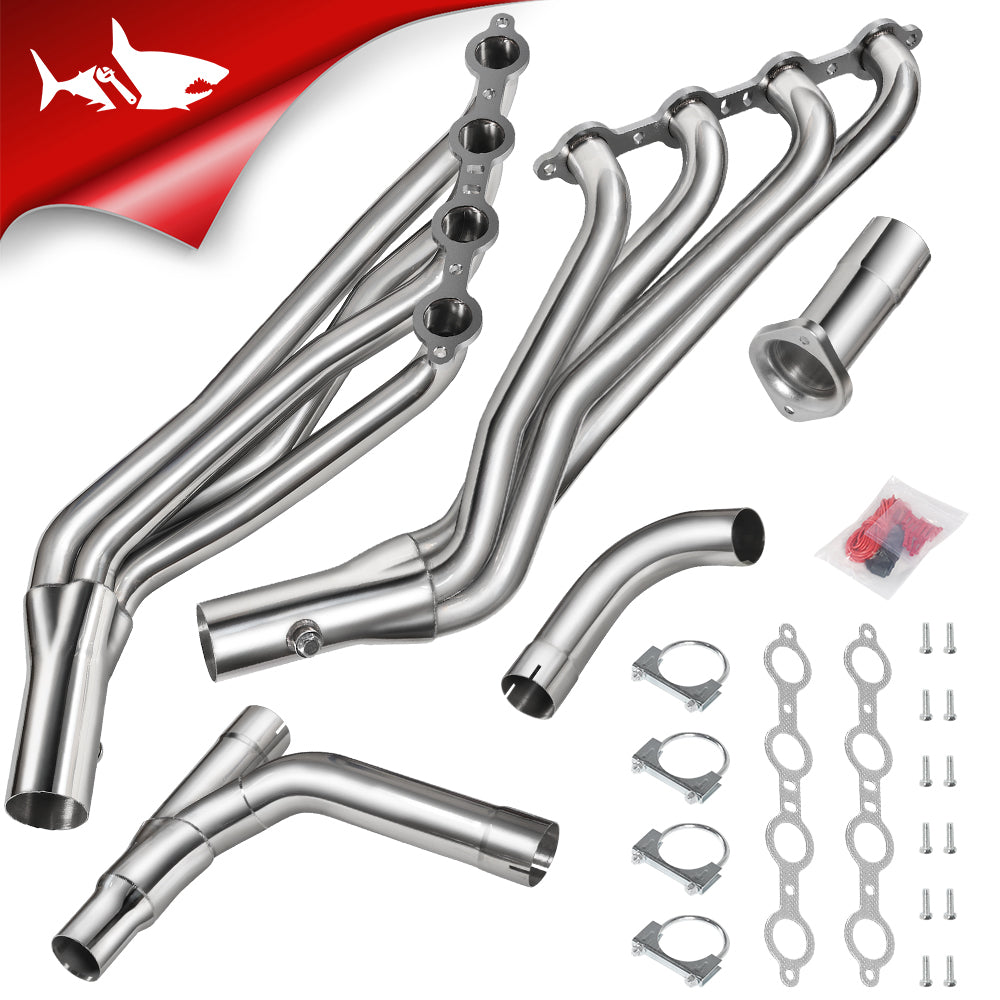
For those looking to enhance performance, the 5.3 Vortec responds exceptionally well to airflow modifications. Upgrades such as high-flow intake systems, aftermarket exhaust headers, and performance tuners can significantly boost horsepower. Enthusiasts regularly report gains of 50 to 100 additional horsepower with aggressive cams and full exhaust systems, and substantially more when moving to forced induction.
Common 5.3 Vortec Problems & Weak Points
While the 5.3 Vortec is legendary for its durability, several issues appear consistently across various generations that you need to watch out for:
- AFM Lifter Failure (Gen IV): Lifter collapse causing misfires, wiped camshafts, and cylinder deactivation malfunctions.
- Excessive Oil Consumption: Common in 2007–2011 engines due to piston ring design, PCV system issues, or AFM-related oil spray.
- Intake Manifold & Vacuum Leaks: Aging factory plastic manifolds and gaskets harden over time, leading to rough idle and lean codes (P0171/P0174).
- Oil Pump O-Ring Problems: A hardened or pinched pickup tube O-ring causes low oil pressure, lifter ticking, and poor lubrication during cold starts.
- Fuel Injector Limitations: Stock 24 lb/hr injectors will max out quickly if you add a performance cam or boost.
⚠️ Mechanic's Note: The Drivetrain & AFM Reality Check
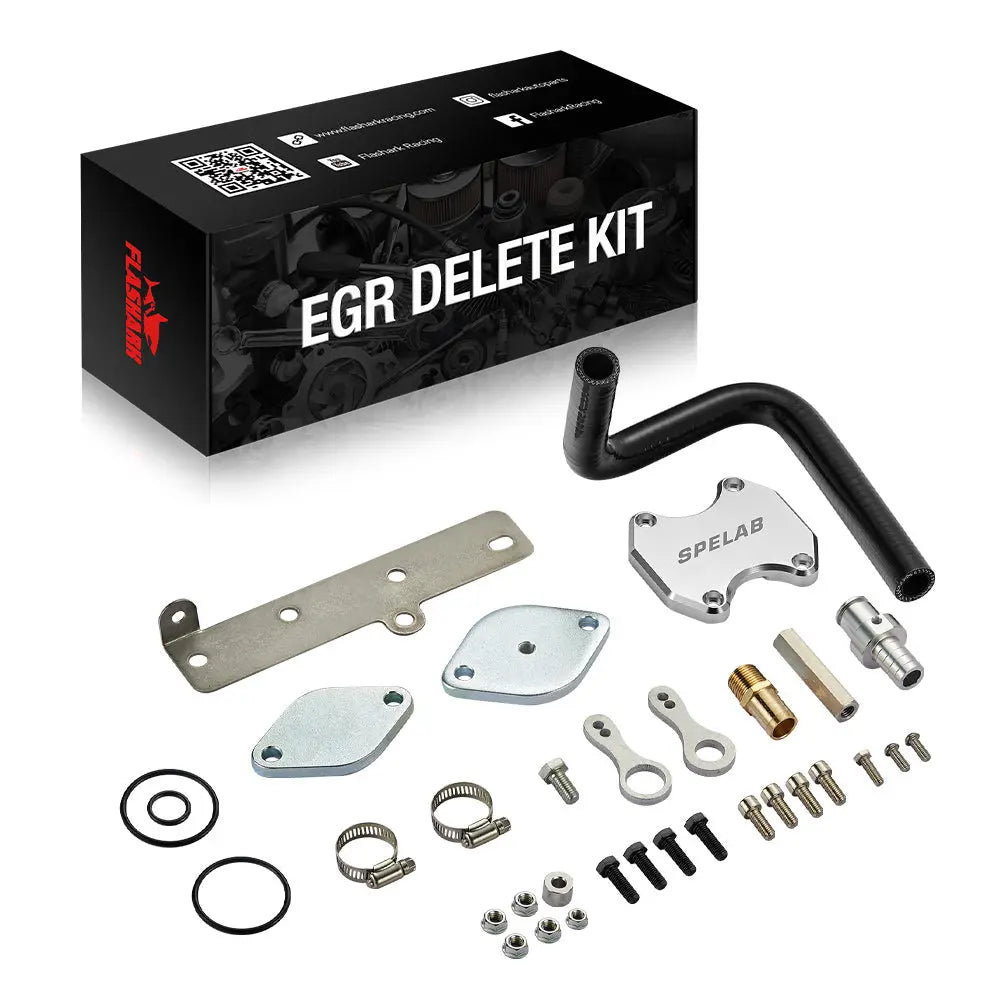
After 15 years of pulling these engines apart, I always tell my customers two things. First, if you have a Gen IV engine, don't just "tune out" the AFM electronically. Buy a proper mechanical AFM DOD Delete Kit (new valley cover, LS7 lifters, etc.) before the lifter wipes your cam. Second, if you plan to push past 450 horsepower, budget for a transmission upgrade. The factory 4L60E automatic transmission behind most 5.3s has a "glass jaw" (specifically the 3-4 clutch pack and sun shell). You'll need a built 4L60E or a 4L80E swap to hold the torque.
Vehicles Equipped With the 5.3 Vortec
The 5.3 Vortec has been installed in a wide variety of GM vehicles over several generations:
| Brand | Models | Engine Versions Included | Years |
|---|---|---|---|
| Chevrolet | Silverado 1500, Tahoe, Suburban, Avalanche, Trailblazer, Express Van | LM7, LMG, LC9, LH6 | 1999–2014 |
| GMC | Sierra 1500, Yukon, Yukon XL, Envoy | LM7, LMG, LC9, LH6 | 1999–2014 |
| Cadillac | Escalade | LM7, LC9 | 2002–2006 |
| Hummer | H3 Alpha | LH8/LH9 | 2008–2010 |
| Chevrolet/GMC Midsize | Colorado/Canyon V8 | LH8/LH9 | 2009–2012 |
5.3 Vortec Engine Blocks
| Casting Numbers | 12558371, 12561168 |
|---|---|
| Material | Iron (mostly), Aluminum (specific RPOs) |
| Displacement | 5.3L / 323 c.i.d. |
| Bore Diameter | 3.780 in. |
| Stroke | 3.622 in. |
| Deck Height | 9.240 in. |
| Main Cap Style | 6-Bolt |
5.3 Vortec Rotating Assembly
| Piston Material | Hypereutectic Cast Aluminum Alloy |
|---|---|
| Piston Style | Flat Top or Dished (varies by year) |
| Connecting Rod Material | Powdered Metal |
| Connecting Rod Length | 6.098 in. |
| Crankshaft Material | Cast Iron |
5.3 Vortec Cylinder Heads
| Casting Numbers | 799, 243, 706, 862 |
|---|---|
| Material | Aluminum |
| Combustion Chamber Volume | 61cc to 64cc (depending on casting) |
| Intake Port Shape | Cathedral |
| Intake Valve Diameter | 2.000 in. (most models) |
| Exhaust Valve Diameter | 1.550 in. |
5.3 Vortec Cam & Valvetrain Specs
| Lifter Style | Hydraulic Roller |
|---|---|
| Duration @ .050 in. (int./exh.) | 196/207 (varies slightly by year) |
| Valve Lift (int./exh.) | 0.467 in./0.480 in. |
| Lobe Separation Angle | 116° |
| Pushrod Length | 7.400 in. |
| Rocker Arm Style / Ratio | Die-Cast, Roller Fulcrum / 1.7 Ratio |
Other Key 5.3 Vortec Specs
| Intake Manifold | Truck Style (Tall for better low-end torque) |
|---|---|
| Throttle Body | 78mm (Cable) or 87mm (Drive-by-Wire) |
| Fuel Injector Flow | 24 lbs./hr. (Early), up to 36 lbs./hr. (Flex Fuel) |
| Firing Order | 1-8-7-2-6-5-4-3 |
Performance Potential: Horsepower Gains by Modification Level
The 5.3 Vortec engine offers remarkable performance potential, responding well to a wide range of modifications that can suit both casual street driving and serious high-power applications.
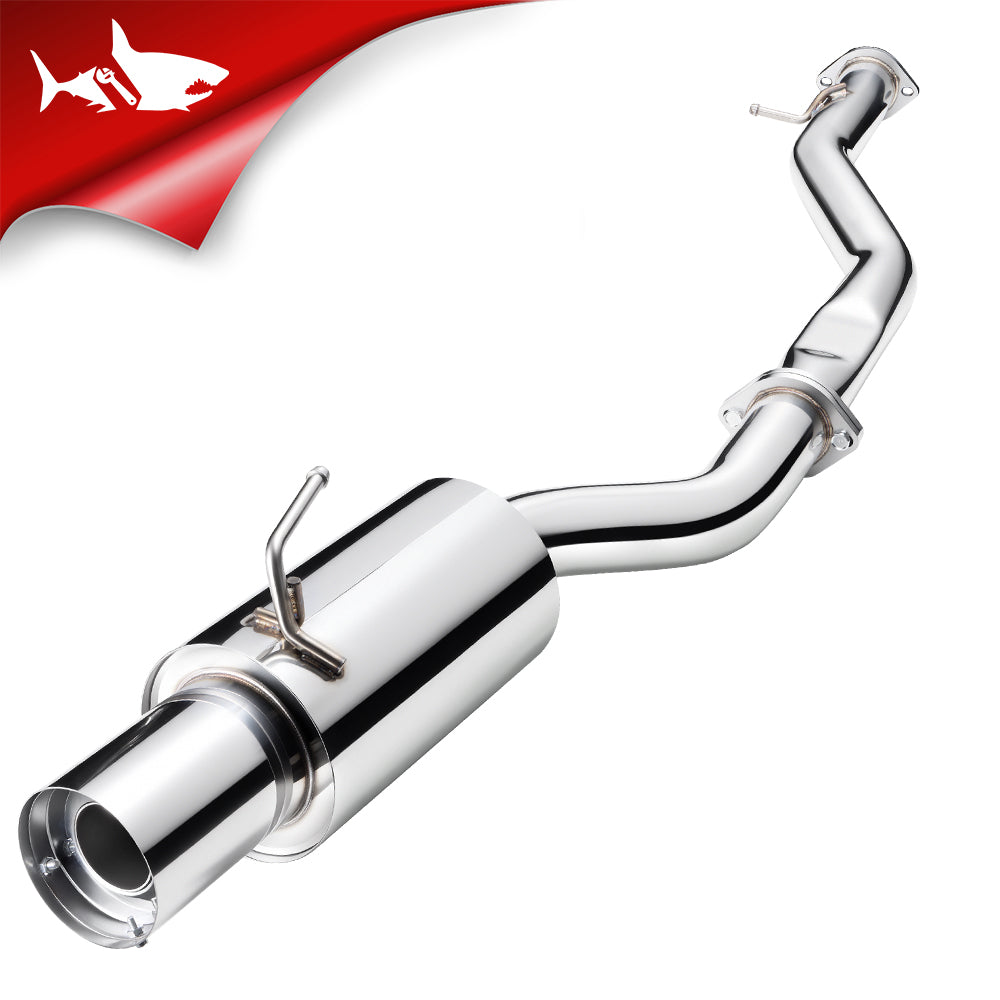
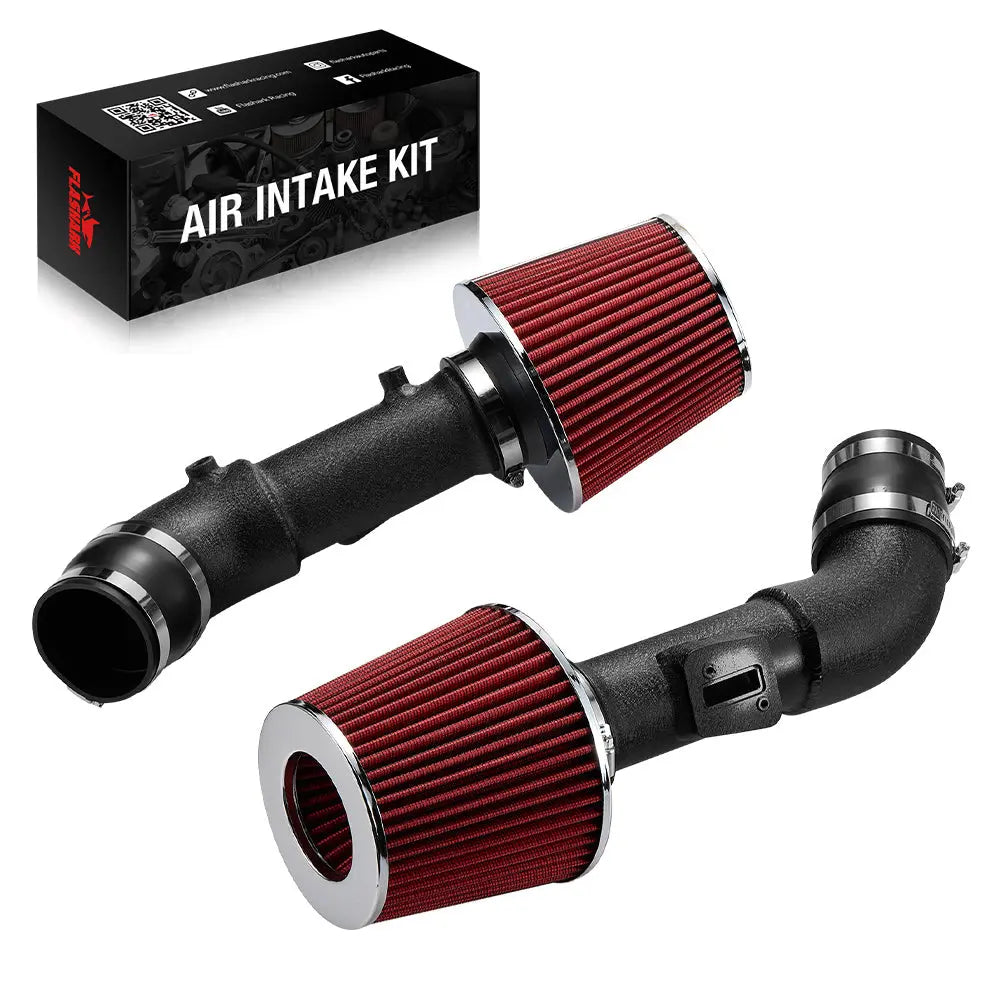
- Basic Bolt-Ons: A simple set of upgrades—such as a cold air intake, long-tube headers, a cat-back exhaust, and an ECU tune—can improve airflow drastically. Since the factory truck exhaust manifolds are highly restrictive, these bolt-ons typically yield an additional 20 to 40 horsepower, providing noticeable mid-range punch.
- Camshaft Upgrades: Installing a performance "truck cam" along with upgraded valve springs and pushrods is the next logical step. This combination, especially when paired with proper tuning, can raise output by 60 to 100 horsepower.
- Ported Heads: CNC-ported 799 or 243 cylinder heads combined with an aggressive camshaft allow the engine to breathe efficiently at high RPMs. With careful tuning, these upgrades can bring the total output into the 480–520 hp range naturally aspirated.
- Boosted Applications: Moderate boost levels of 7–10 psi on a stock iron-block engine can produce 500–600 horsepower. Higher boost pressures of 12–16 psi can reach 650–750 horsepower, approaching the limits of the stock Gen IV connecting rods.
- The "NNBS/TBSS" Intake Swap: If you have an early Gen III 5.3 (like the LM7), the factory intake manifold limits top-end horsepower. Swapping to the later Gen IV truck intake manifold (often referred to as the NNBS or Trailblazer SS intake) paired with a larger 87mm or 92mm throttle body is a legendary budget mod. It flows significantly better and can easily add 15-20 horsepower to the wheels without sacrificing low-end torque.
🔧 Shop Case Study: Surviving Boost on a Stock Bottom End
If you plan to turbocharge a junkyard 5.3, the block and crank will handle the power, but thermal expansion will kill you. A few years ago, we turbo'd a 180,000-mile LM7. Instead of buying forged pistons, we simply pulled the stock pistons out and opened up the ring gap (gapped the top ring to .024" and the second to .026"). Factory rings are tight; under boost, they get hot, expand, butt together, and instantly shatter the ringlands. Just by gapping the rings, that stock-bottom-end motor survived 14 psi and laid down over 600whp reliably.
The First Step: Letting the 5.3 Breathe
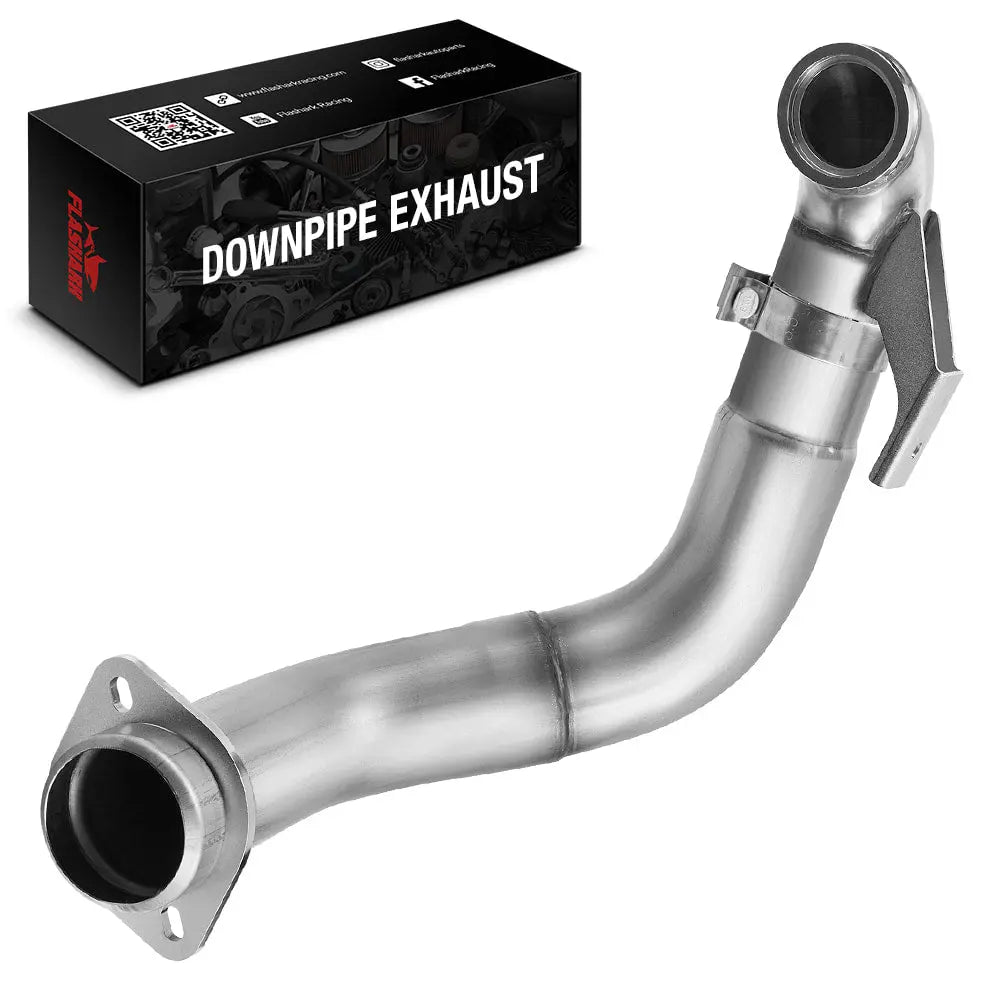
Before you ever touch the internals of your Vortec, you have to fix the factory bottlenecks. GM designed the original intake and cast-iron exhaust manifolds for quiet operation, not power. Upgrading your airflow is the foundation of any good 5.3 build.
Frequently Asked Questions: 5.3L Vortec Swap & Build Limits
Q1: What vehicles come with the 5.3 Vortec engine?
The 5.3 Vortec engine is commonly found in GM trucks and SUVs, including the Chevrolet Silverado, Tahoe, Suburban, GMC Sierra, Yukon, Cadillac Escalade, and the Hummer H3. It has been used in various configurations from 1999 to 2014.
Q2: What is the horsepower of the 5.3 Vortec engine?
The 5.3 Vortec typically produces between 310 to 326 horsepower depending on the specific model and fuel type. For example, the 2006–2014 Chevrolet Tahoe offers 320 hp with regular fuel and 326 hp with E85 flex fuel.
Q3: What are the main differences between the Gen III and Gen IV 5.3 Vortec engines?
The Gen III (1999–2007) engines are known for their simplicity and reliability with a cable throttle and 24x reluctor wheel. In contrast, the Gen IV (2005–2014) models feature drive-by-wire throttle, a 58x reluctor wheel, and Active Fuel Management (AFM), which improves fuel efficiency but introduces lifter reliability concerns.
Q4: What are common issues with the 5.3 Vortec engine?
Common issues include AFM lifter failure (Gen IV), excessive oil consumption (especially in 2007–2011 engines), intake manifold and vacuum leaks, oil pump or pickup tube O-ring hardening, and fuel injector limitations when modifying.
Q5: How reliable is the 5.3 Vortec engine?
The 5.3 Vortec is generally considered one of the most reliable V8s ever built, especially the Gen III iron blocks. It is not uncommon for these engines to exceed 250,000 miles. However, Gen IV models require diligent oil changes or an AFM delete to ensure long-term valvetrain reliability.
Q6: Can I modify the 5.3 Vortec engine for more horsepower?
Absolutely. The 5.3 Vortec engine responds incredibly well to modifications. Simple bolt-ons like cold air intakes and long-tube headers, when paired with a proper software tune via HP Tuners or a standalone system like the Holley Terminator X, can easily add 20-40 horsepower. More significant upgrades such as performance camshafts can add 60-100hp, and forced induction can easily double the factory output.
Q7: How much horsepower can the 5.3 Vortec engine handle with forced induction?
A stock-bottom-end 5.3 Vortec can safely handle moderate boost levels of 7–10 psi, producing around 500-600 horsepower if tuned correctly with gapped rings. With higher boost levels (12–16 psi), it can reach 650-750 horsepower before the stock connecting rods (especially Gen III rods) become a major liability.
Q8: What is the lifespan of a 5.3 Vortec engine?
The lifespan of a 5.3 Vortec engine can vary depending on maintenance and usage, but with proper care, it can easily last 200,000 to 300,000 miles. Regular oil changes using high-quality synthetic fluids are key, especially to keep the hydraulic lifters happy.
Q9: What is the difference between the L33 high-output version and other 5.3 Vortec engines?
The L33 variant (produced from 2005-2007) is a highly desirable high-output version featuring an aluminum block (saving roughly 100 lbs over the iron block), flat-top pistons for a higher compression ratio, and improved 799/243 cylinder heads inherited from the LS6 program.
Q10: Is the 5.3 Vortec engine good for towing?
Yes, the 5.3 Vortec engine is well-suited for towing due to its strong mid-range torque curve. Many GM half-ton trucks and full-size SUVs equipped with this engine are rated to tow between 6,000 and 9,000 lbs, depending on the axle ratio and suspension configuration.


3 comments
Miguel Gonzalez
Buen día, que cambios tengo que hacer para montar un motor Vortec 5.3 en una land Cruiser FJ 61
Keith
Looking for a set of headers ,v8 swap 1999 s10 ,with vortec heads aluminum, with angled plugs ,what headers will fit me
BenJohnson
thank you in advance