
Are you looking to take your vehicle's performance to the next level? If so, long tube exhaust headers might be just the upgrade you need. Long tube exhaust headers are a popular modification for automotive enthusiasts seeking to unlock their vehicle's full potential. They are not just about performance; they offer improved sound, responsiveness, and overall driving experience. However, before making the leap, it's important to weigh the pros and cons to see if they’re the right choice for your vehicle.
- Power Gains: Expect a noticeable bump in mid-to-high RPM horsepower and torque, though low-end torque might see a slight dip.
- Sound & Experience: Delivers a significantly louder, more aggressive exhaust note that gearheads love.
- Installation: This is a challenging, knuckle-busting job that often requires specialized tools, lifting the engine, or professional help.
- Requirements: An ECU tune is highly recommended to maximize gains and prevent the engine from throwing a Check Engine Light (CEL).
What are Long Tube Exhaust Headers?
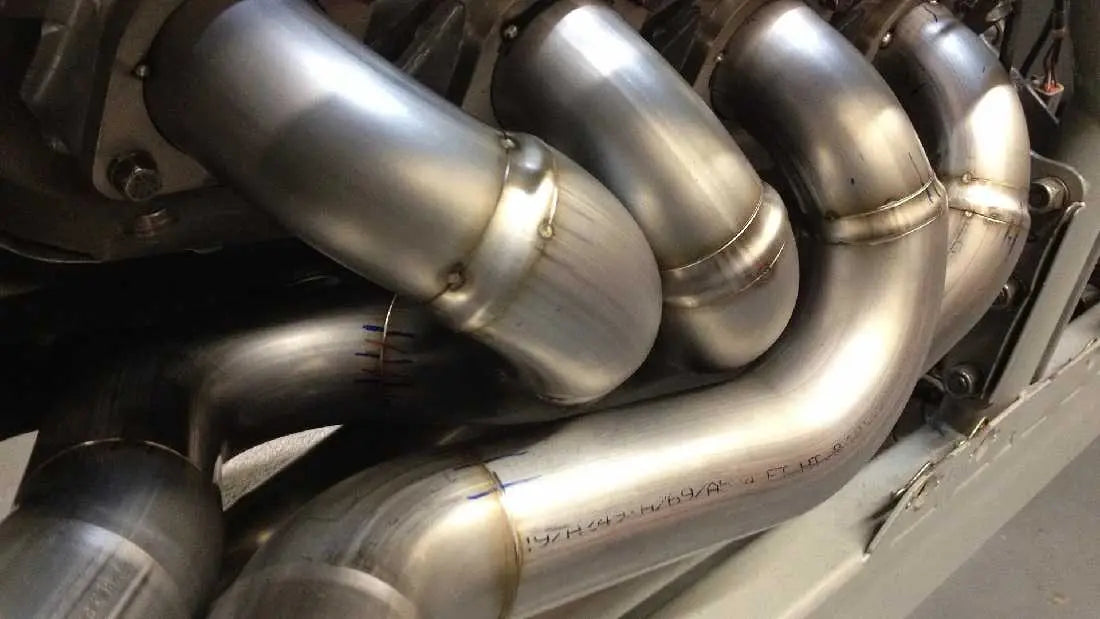
Long tube exhaust headers are a unique and powerful upgrade for vehicles designed for track racing or those that spend a lot of time operating at the higher RPM range. These headers replace the factory exhaust manifolds in a vehicle, and unlike traditional cast manifolds, they are made up of long, individually tuned pipes that each connect to a cylinder to maximize exhaust scavenging.
However, they often require modifications such as relocating or removing the catalytic converter, which makes them illegal in some states due to emissions regulations. Additionally, the sound produced is louder, more aggressive, and gives your vehicle an unmistakable growl. But be warned: the installation process is not for the faint-hearted.

Understanding the Science Behind Exhaust Gas Scavenging
Before diving into the performance advantages, it's important to first understand the core physical dynamic at play: exhaust gas scavenging. But what does that mean?
Exhaust gas scavenging is the process of efficiently clearing exhaust gases from the engine cylinders. The longer primary tubes in long tube headers utilize the pressure pulses generated when the exhaust valves open and close. These pulses help to pull out the remaining exhaust gases, creating a vacuum that enhances cylinder filling during the intake stroke. The result is more efficient combustion, allowing your engine to breathe and perform better.
| Feature | Long Tube Headers | Shorty Headers |
|---|---|---|
| Ideal Power Band | Mid-to-High RPM range | Low-to-Mid RPM range |
| Installation Difficulty | High (Often requires custom modifications) | Low (Usually a direct bolt-on replacement) |
| Emissions Compliance | Typically off-road/track use only | Often street legal (CARB compliant options exist) |

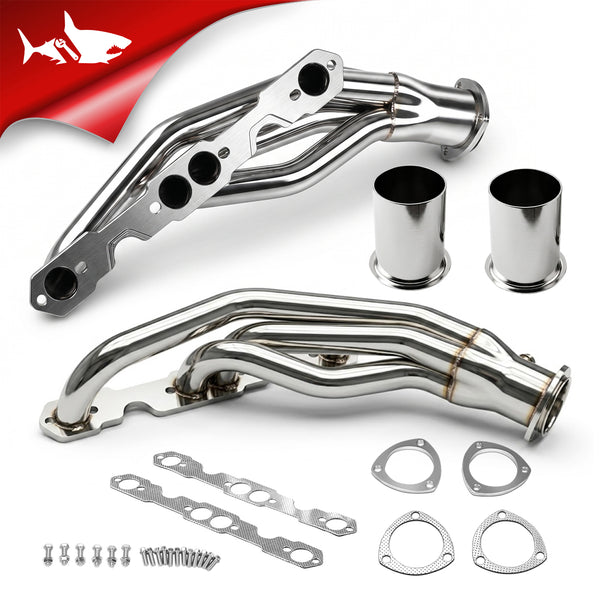
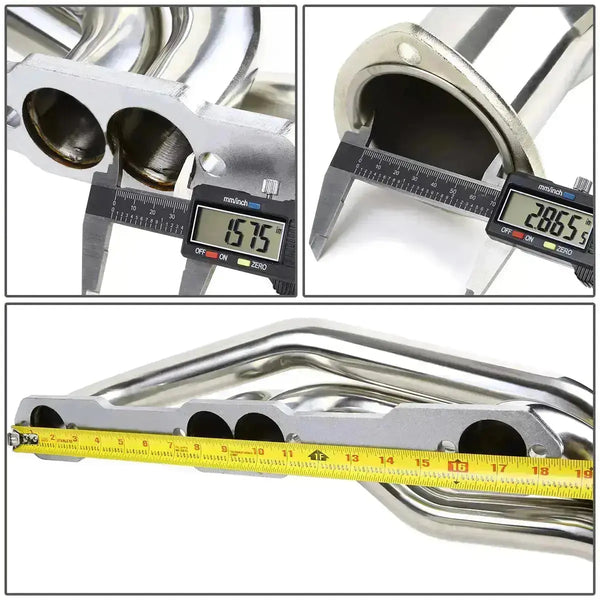
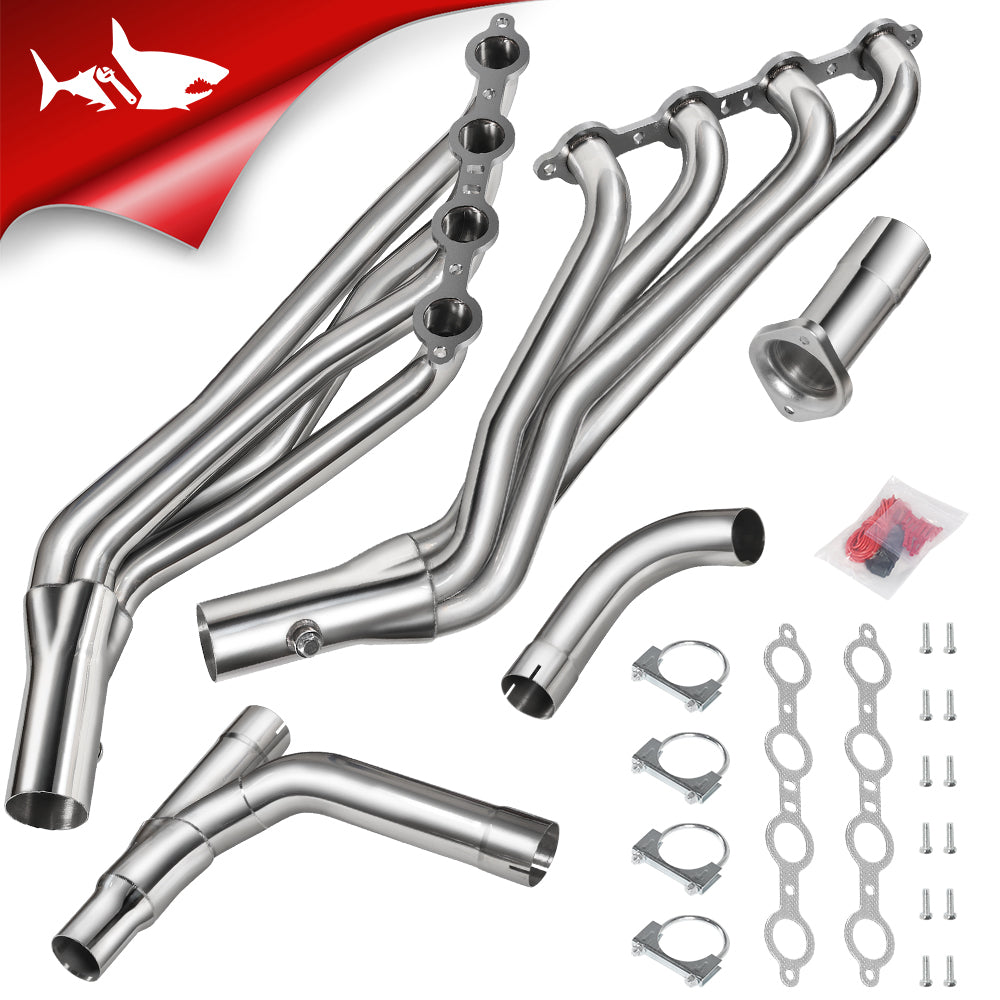
Long Tube Headers 4.8L 5.3L 6.0L for 1999-2006 Chevy/GMC GMT800 Silverado/Sierra/Avalanche 1500 Y-Pipe 2WD
Boost horsepower and sound on your 1999–2006 5.3L Silverado with FLASHARK long tube headers. Built from stainless steel, TIG-welded, and designed for max exhaust flow in 2WD models.
Price: $299
Buy NowPros of Long Tube Exhaust Headers

1. Increased Horsepower and Torque
One of the most significant advantages of long tube exhaust headers is the noticeable increase in horsepower and torque. By improving exhaust flow, these headers allow the engine to expel gases more efficiently, reducing back pressure and freeing up additional horsepower. As a result, you’ll experience faster acceleration, greater towing capability, and better performance when climbing steep inclines or taking on high-speed tracks. For instance, many drivers report up to a 20-30 horsepower gain with the right set of long tube headers on their 454 engine.
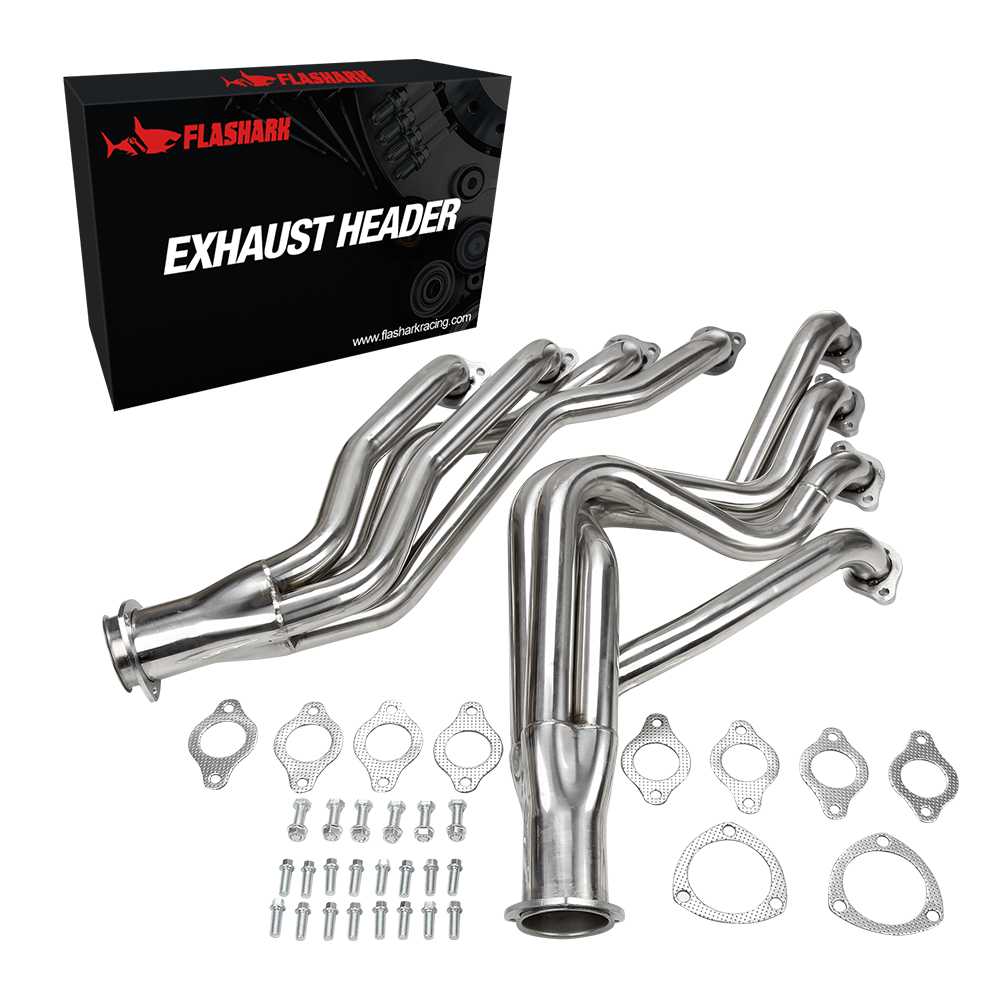
Long Tube Header for 1968-1972 Chevrolet Chevy GMC SUV Pickup Big Block 396/427/454
Boost power & sound on 1968–1972 Chevy 396/427/454 engines with FLASHARK headers. T304 stainless, 3" collector, direct bolt-on, no mods needed.
Price: $188.99
Buy Now2. Aggressive Exhaust Note
If you crave a louder, more aggressive exhaust sound, long tube headers deliver. The enhanced design allows for better exhaust scavenging, which not only improves engine efficiency but also gives your vehicle an unmistakable growl. This unique sound turns heads, adding a sense of excitement every time you hit the gas pedal.
Don't cheap out on the hardware. Toss out the flimsy paper gaskets and use premium Multi-Layer Steel (MLS) gaskets. More importantly, after your very first heat cycle—bringing the engine up to full operating temperature and letting it cool down completely—get a wrench back on every single header bolt. Re-torquing them is mandatory if you want to prevent an exhaust tick down the road.
3. Better High-RPM Efficiency and Throttle Response
Long tube headers are specifically designed to optimize exhaust flow at higher engine speeds. The engine becomes more sensitive to accelerator input, making the driving experience more engaging. You'll notice a quicker response when you press the gas pedal, giving your car a livelier feel.
4. Better Fuel Efficiency and Engine Longevity
Surprisingly, long tube headers can also help improve fuel efficiency. By increasing exhaust flow and engine performance, your engine won’t need to work as hard to generate power. The result is less strain on the engine, contributing to a longer engine lifespan and lower exhaust temperatures.
Cons of Long Tube Exhaust Headers
1. Increased Noise
While the aggressive sound may be thrilling for some, it can be a significant downside for others. The louder exhaust note can be intrusive, especially if you’re commuting or driving in areas with strict noise regulations. On long trips, the constant loud noise can become tiring.
2. Decreased Low-End Torque
Although long tube headers excel in improving high-end performance, they can sometimes sacrifice low-end torque. This means you may notice a lag when accelerating from a stop or driving in heavy traffic. If your driving conditions demand quick low-end response, you might want to reconsider or balance this decision with other modifications.

3. Installation Complexity
Installing long tube headers is not for the inexperienced. Unlike other exhaust systems, these headers require specialized tools and significant mechanical expertise. The installation process can be time-consuming and challenging. If you're not comfortable handling the job yourself, you'll need to hire a professional mechanic.
Because long tubes dramatically alter exhaust velocity and relocate the O2 sensors further downstream, your factory ECU will struggle to read the correct air-to-fuel ratios. Skipping a professional tune will likely result in a Check Engine Light (CEL) and a poorly running engine. Always factor a proper tune into your modification budget.
4. Pricing Factor
Long tube headers tend to be more expensive than other exhaust systems due to their complex design and performance benefits. You also need to factor in the cost of installation and an ECU tune. If you're on a tight budget, it might be worth considering short tube headers.
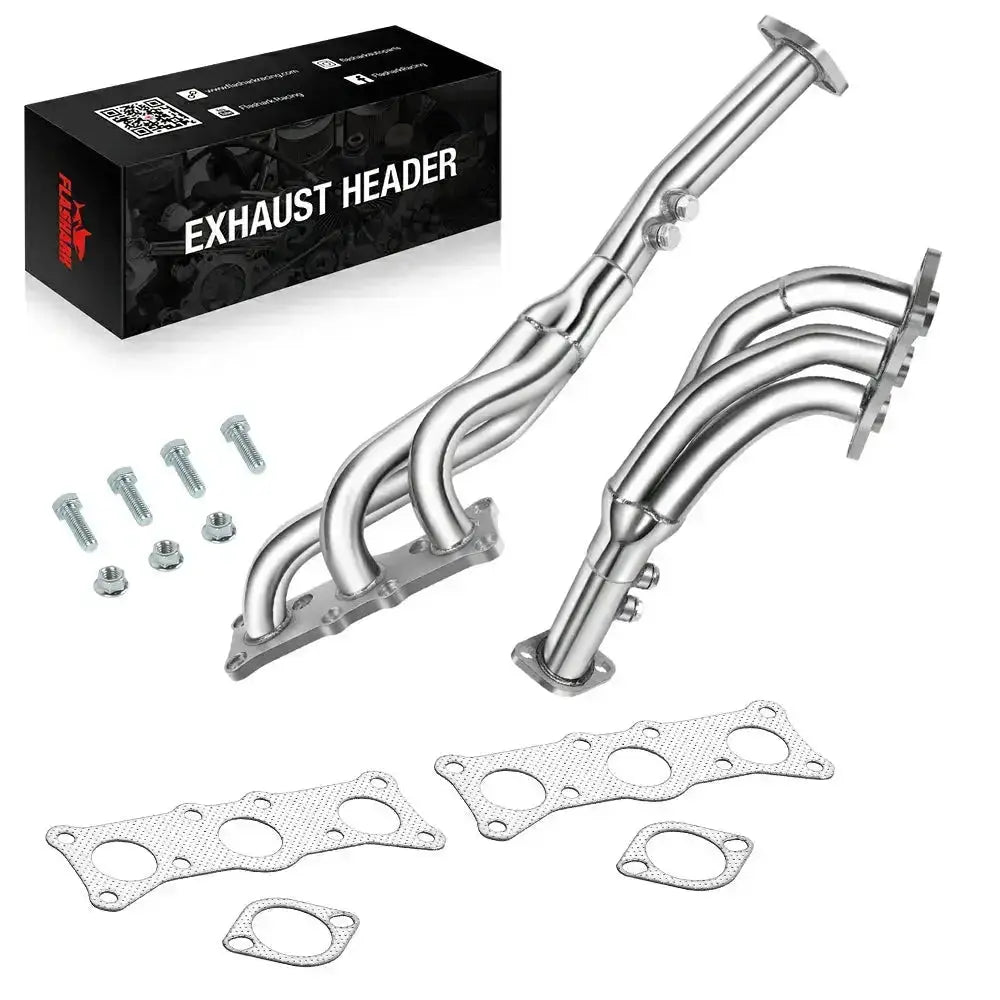
2006-2013 BMW N52 N51 | E90 E91 E92 E93 E82 | 128i 325i 328i 330i Long Tube Header
FLASHARK headers for BMW N52/N51 E90–E93, E82 offer power gains & sporty sound. Direct bolt-on install with no mods—precision-fit for easy upgrade.
Price: $229
Buy NowConclusion: Are Long Tube Exhaust Headers Right for You?
Long tube exhaust headers are an excellent choice if you’re aiming to enhance your engine’s performance, sound, and efficiency—especially if you're a performance enthusiast or track racer. However, they come with trade-offs such as increased noise, a decrease in low-end torque, and a challenging installation process.
If you prioritize high-end performance and enjoy a loud, throaty exhaust note, long tube headers might be the perfect upgrade. On the other hand, if you mainly drive in urban areas with lots of traffic, alternatives like short tube headers might be better.
With the proper installation and setup, long tube headers can truly transform how your vehicle performs. For those looking for top-tier performance, we highly recommend checking out Flashark’s long tube header series. Whatever you choose, make sure to enjoy the ride!
Frequently Asked Questions (FAQ)
Q1: Do I really need an ECU tune after bolting on long tube headers?
A1: Absolutely. The drastic change in exhaust flow and the relocation of your O2 sensors will confuse the factory computer. Without a tune, you will likely run lean, throw a Check Engine Light, and miss out on the horsepower you paid for.
Q2: How do I match the header product "size" to my engine?
A2: Remember that "size" refers to the product pipe diameter (like 1-5/8" or 1-3/4"), while "engine displacement" refers to the engine's internal volume (like 5.3L or 6.2L). You must match the pipe diameter to your engine's displacement and airflow goals. A massive primary pipe on a smaller displacement engine will kill exhaust velocity and ruin your low-end torque.
Q3: Why does my car feel a bit sluggish off the line now?
A3: You traded low-end backpressure for high-end flow. The large primary tubes slow down exhaust gas velocity at low RPMs, which slightly reduces bottom-end torque. The real power kicks in once you pass 3,500 RPM.
Q4: Will my vehicle still pass local emissions testing?
A4: In the vast majority of cases, no. Long tubes usually require the removal or relocation of factory catalytic converters, failing visual OBD-II inspections in states with strict emissions laws. They are generally sold for off-road or track use only.
Q5: Should I use fiberglass heat wrap or buy ceramic-coated headers?
A5: Ceramic coating is the superior choice for longevity. Heat wrap works well to keep under-hood temperatures down, but it traps moisture against the metal, which can cause even high-grade stainless steel to corrode and crack over time.
Q6: Why am I hearing a metallic ticking sound from the engine bay?
A6: Thin-wall stainless steel headers transmit internal combustion and valvetrain noise much more clearly than thick cast-iron factory manifolds. As long as you don't have an exhaust leak at the flange, this mechanical ticking is entirely normal.
Q7: Do I need O2 sensor extensions?
A7: Yes. Long tube headers move the collector flange much further down the chassis. Your factory oxygen sensor wiring harnesses will not be long enough to reach the new bung locations, making plug-and-play extensions a necessity.
Q8: Can I reuse my factory header bolts?
A8: Never reuse factory exhaust bolts. They endure extreme thermal cycling and suffer from metal fatigue. Reusing them greatly increases the risk of stripping threads or snapping a bolt head off inside the cylinder head.
Q9: How long does the installation process typically take?
A9: It depends entirely on the vehicle. A truck with plenty of ground clearance might take a mechanic 4 to 6 hours. A cramped modern V8 car can easily take 10 to 12 hours, often requiring the engine mounts to be loosened to lift the block.
Q10: Are shorty headers a better choice if I only daily drive my car?
A10: Usually, yes. If you spend 90% of your time under 3,000 RPM in stop-and-go traffic, shorty headers maintain your low-end torque, bolt directly to your factory catalytic converters, and save you from a massive installation headache.




2 comments
harry
i found the information very helpful have a set of long tube on my 71 gmc sprint can really a difference in the way the car preforms i lve them.
Danny Long
I found the article interesting and informative. I was wondering one thing I didn’t find in the article was the horse power difference between the short headers and the long headers. I would like to know that if I could get that information.