

The GM 6.0 Vortec is one of those engines that does not need internet hype to prove itself. It worked in Silverado 2500HD trucks, Sierra HD trucks, Suburban 2500 SUVs, Express vans, Escalade models, Silverado SS trucks, and plenty of hard-used fleet vehicles before hot rodders started pulling them from junkyards for LS swaps.
Is the 6.0 Vortec a good engine? Yes. It is a strong, iron-block GM small-block V8 with excellent reliability, solid torque, wide parts support, and serious performance potential. But here is the honest shop-floor answer: you need to know which version you have. A 2003 LQ4, a 2005 LQ9, a 2007 LY6, and a 2015 L96 are all “6.0 Vortec” engines, but they are not identical.
Mechanic's Note: I like the 6.0 Vortec because it is boring in the best possible way. Thick iron block, simple architecture, good parts availability, and enough displacement to make real torque without spinning it to the moon. The weak spots are usually not the short block. They are exhaust manifold bolts, knock sensors, cooling leaks, old gaskets, tired fuel systems, and neglected maintenance.
Quick Answer: Is the 6.0 Vortec a Good Engine?
Yes, the 6.0 Vortec is a very good engine, especially if you want a reliable truck V8 that can tow, haul, and still respond well to performance upgrades. Most stock 6.0 Vortec truck engines make roughly 300–360 horsepower and about 360–380 lb-ft of torque, depending on the RPO code, model year, and vehicle application. The displacement is 6.0 liters, or about 364 cubic inches.
For daily driving and towing, the 6.0 Vortec is known for long service life when maintained properly. For performance builds, the iron-block LQ4, LQ9, LY6, and L96 engines are popular because they can handle cam swaps, headers, intake upgrades, tuning, and forced induction better than many people expect.
| Quick Spec | 6.0 Vortec Detail |
|---|---|
| Displacement | 6.0L / 364 cubic inches |
| Engine family | GM Gen III / Gen IV small-block V8, LS-based truck engine |
| Common RPO codes | LQ4, LQ9, LY6, L96 |
| Bore x stroke | 4.00 in x 3.62 in |
| Stock horsepower | About 300–360 hp depending on version and vehicle |
| Stock torque | About 360–380 lb-ft depending on version and vehicle |
| Best known for | Reliability, towing torque, LS swap value, boost-friendly iron block |
Background of the 6.0 Vortec Engine
The 6.0 Vortec belongs to GM’s LS-based small-block V8 family. In truck language, people usually call it the Vortec 6000. In engine-code language, you will hear names like LQ4, LQ9, LY6, and L96. These engines were built for trucks, vans, SUVs, and commercial use, so they were designed to survive heat, weight, towing, idle time, and ugly work-truck duty cycles.
That is why the 6.0 Vortec became such a favorite in the performance world. It is not the lightest LS-based engine. It is not the rarest. It is not always the highest-revving factory setup. But it has what builders actually want: displacement, strength, affordable cores, and a huge aftermarket.
Shop Talk: LQ4 vs. LQ9
The LQ4 is the workhorse version. It usually has dished pistons and a lower compression ratio, which makes it friendly for boost. The LQ9 is the high-output version found in vehicles like the Cadillac Escalade and Silverado SS. It uses flat-top pistons, higher compression, and makes more factory horsepower. Before buying parts, tuning, or planning boost, identify the RPO code first.

6.0 Vortec Production Span and Engine Codes
The 6.0 Vortec was used across multiple GM truck and SUV generations. That is why one simple horsepower number can be misleading. The early Gen III engines are not exactly the same as later Gen IV versions with VVT and updated electronics.
| RPO Code | Generation | Common Years | Typical Output | Common Applications |
|---|---|---|---|---|
| LQ4 | Gen III | 1999–2007 range | Around 300–325 hp / 360–370 lb-ft | Silverado 2500HD, Sierra 2500HD, Suburban 2500, Express/Savana vans |
| LQ9 | Gen III | Early-to-mid 2000s | Around 345 hp / 380 lb-ft | Cadillac Escalade, Silverado SS, VortecMAX-style performance trucks |
| LY6 | Gen IV | 2007–2010 range | Around 352–361 hp / 373–385 lb-ft | HD trucks and heavy-duty SUV/van applications |
| L96 | Gen IV | 2010–2019 range | Around 360 hp / 380 lb-ft | Silverado/Sierra HD, Express/Savana, flex-fuel-capable truck applications |
Important: Always confirm by VIN, RPO sticker, casting information, and vehicle application before ordering parts. A “6.0 Chevy engine” can mean different accessory drives, sensors, intake setups, transmission pairings, and exhaust fitment.
How Much Horsepower Does the 6.0 Vortec Have?
Most 6.0 Vortec engines produce roughly 300–360 horsepower from the factory. The exact number depends on the RPO code and the vehicle. The LQ4 is usually the lower-output truck version. The LQ9 is the high-output Gen III version. The LY6 and L96 later brought Gen IV changes and stronger factory numbers in many HD applications.
Dyno Reality Check: Do not confuse crank horsepower with wheel horsepower. A stock LQ4 that is rated around 300–325 hp at the crank may only put roughly 250–270 hp to the wheels through a heavy truck drivetrain. Add a cam, long-tube headers, better intake airflow, and a proper tune, and the same engine can feel like a completely different truck.
6.0 Vortec HP by Version
| Version | Stock HP Range | Stock Torque Range | Best Use Case |
|---|---|---|---|
| LQ4 | About 300–325 hp | About 360–370 lb-ft | Budget LS swaps, towing, boost-friendly builds |
| LQ9 | About 345 hp | About 380 lb-ft | Naturally aspirated street builds, Silverado SS/Escalade upgrades |
| LY6 | About 352–361 hp | About 373–385 lb-ft | Later HD truck builds, VVT-equipped Gen IV platforms |
| L96 | About 360 hp | About 380 lb-ft | 2010+ HD trucks, flex-fuel work trucks, reliable daily towing |
6.0 Vortec Applications and Versatility
You will find the 6.0 Vortec doing two very different jobs. In stock trucks, it hauls trailers, tools, campers, and work crews. In the performance world, it gets yanked out of wrecked HD trucks and dropped into street cars, drag trucks, off-road rigs, and turbo builds.

Common 6.0 Vortec Vehicles
- Chevrolet Silverado 2500HD and 3500HD
- GMC Sierra 2500HD and 3500HD
- Chevrolet Suburban 2500
- GMC Yukon XL 2500
- Chevrolet Express and GMC Savana vans
- Cadillac Escalade models with 6.0L V8 applications
- Chevrolet Silverado SS
- Chevrolet SSR
6.0 Vortec by Year: Engine Codes, Reliability, and Upgrade Notes
| Year Range | Common 6.0 Vortec Version | Key Ownership Notes |
|---|---|---|
| 1999–2006 | Mostly Gen III LQ4/LQ9 truck and SUV applications | Reliability, exhaust manifold bolts, knock sensors, LS swap value, header fitment |
| 2007–2010 | Transition into Gen IV LY6-style applications | VVT, electronics, tuning, transmission pairing, towing performance |
| 2011–2019 | L96-style HD truck and van applications | Flex fuel, 6-speed reliability, daily driving, fleet durability, fuel economy |
Interchangeability and Maintenance
One big reason the 6.0 Vortec is popular is parts commonality. Many components overlap with other LS-based engines, and the aftermarket support is massive. That said, do not assume every 4.8, 5.3, and 6.0 part automatically fits every truck without checking year, chassis, steering shaft clearance, oxygen sensor location, catalytic converter layout, and transmission crossmember position.
For example, many builders ask whether 5.3 Silverado headers can be used on a 6.0L engine. The short answer is often yes on compatible GMT800/GMT900 truck platforms, but fitment depends on chassis and exhaust layout. For a deeper fitment breakdown, read this guide: Can You Fit 5.3 Silverado Headers on a 6.0L Engine?
6.0 Vortec Engine Block Specs
The 6.0 Vortec block is one of the main reasons people love this engine. Most truck versions use a cast-iron block. It is heavier than aluminum, but it is strong, affordable, and very comfortable with abuse when the tune and fuel system are right.
| Specification | Detail |
|---|---|
| Displacement | 6.0L / 364 cubic inches |
| Bore x Stroke | 4.00 in x 3.62 in |
| Block Material | Cast iron in most truck applications |
| Deck Height | About 9.240 in |
| Common Casting Numbers | 12561168, 12551168 and other application-specific variants |
| Main Journal Size | 2.45 in |
6.0 Vortec Rotating Assembly
The rotating assembly is sturdy enough for hard truck use and moderate performance builds. For naturally aspirated street trucks, a healthy factory bottom end is usually not the problem. For serious boost, nitrous, or high-RPM abuse, the tune, fuel system, ring gap, piston condition, and rod/piston choice matter a lot more.
| Specification | Detail |
|---|---|
| Piston Type | Dished or flat-top depending on RPO code |
| Compression Ratio | Commonly around 9.4:1 for LQ4 and around 10.0:1 for LQ9 |
| Rod Length | 6.098 in |
| Crankshaft Stroke | 3.62 in |
6.0 Vortec Cylinder Heads
Factory 6.0 Vortec cylinder heads are not exotic, but they work. Some 317-style heads are especially popular for budget turbo builds because they help keep compression manageable. For naturally aspirated builds, head choice should match camshaft, compression, converter, gearing, and how the truck is actually used.
| Specification | Detail |
|---|---|
| Material | Aluminum |
| Common Casting Examples | 317-style heads and other application-specific castings |
| Valve Size | Often around 2.00 in intake / 1.55 in exhaust depending on head |
| Best Builder Note | Match chamber size and head flow to the cam, compression, and intended use |
6.0 Vortec Cam and Valvetrain Specs
The factory cam is mild because GM built these engines for idle quality, towing, emissions, and long-term drivability. That is also why a cam swap wakes them up so dramatically. A cammed 6.0 with long-tube headers, proper valve springs, fresh lifters, and a good tune can make a heavy truck feel much sharper.
| Specification | Detail |
|---|---|
| Camshaft Type | Hydraulic roller |
| Rocker Ratio | Commonly 1.7:1 |
| Pushrod Length | Often around 7.400 in, but always measure on modified engines |
| Upgrade Warning | Cam swaps should include matched springs, pushrod check, lifter inspection, and tuning |
Common 6.0 Vortec Problems and Reliability Tips
The 6.0 Vortec is reliable, but it is not magic. Most failures I see come from age, heat cycles, old gaskets, low coolant, cheap sensors, neglected oil changes, or someone adding power without fixing the weak links first.
| Problem | Common Symptoms | Likely Cause | Best Fix |
|---|---|---|---|
| Broken exhaust manifold bolts | Ticking noise on cold start, exhaust smell, leak near firewall | Thermal cycling and factory manifold stress | Extract broken bolts, replace gaskets, consider high-flow headers if upgrading |
| Knock sensor corrosion | Check engine light, reduced timing, lazy throttle response | Moisture under intake manifold valley cover | Replace sensors and harness, seal correctly, inspect intake gaskets |
| Water pump or cooling leaks | Coolant smell, overheating, visible seepage, low coolant | Aged pump seals, hoses, radiator, or thermostat issues | Pressure test system, replace pump/hoses/thermostat as needed |
| Lifter or cam wear | Ticking, misfire, metal in oil, rough running | High mileage, poor oil maintenance, worn valvetrain parts | Inspect lifters, cam, oil pressure, pushrods, and valve springs |
| Oil leaks and oil consumption | Burning smell, low oil, rear main area wet, valve cover seepage | Old gaskets, PCV issues, worn seals, high-mileage wear | Fix leaks first, inspect PCV system, monitor oil level regularly |
Do Not Ignore This: A cold-start exhaust tick on a 6.0 Vortec is not always “just a noise.” If broken manifold bolts are left alone long enough, the leak can damage gaskets, cook nearby wiring, and make tuning or oxygen sensor readings less stable.
Fuel Economy and Daily Driving
The 6.0 Vortec is not a fuel-sipper. It is a big-displacement truck V8, and most owners should be realistic. In a heavy HD truck or van, fuel economy depends heavily on gearing, tire size, load, driving speed, and whether the truck spends its life towing or idling.
- City driving: commonly around 10–14 mpg
- Highway driving: commonly around 14–18 mpg in many truck applications
- Towing or heavy load: often around 8–12 mpg depending on weight and gearing
To keep fuel economy from getting worse, stay on top of spark plugs, wires, air filter condition, oxygen sensors, tire pressure, dragging brakes, and exhaust leaks. A tired 6.0 with old plugs, lazy O2 sensors, and a leaking manifold can feel down on power and drink fuel.
Can a 6.0 Vortec Run on Regular Gas or E85?
Many 6.0 Vortec engines run perfectly fine on regular gasoline when stock and properly maintained. Some later L96-style applications are flex-fuel capable, meaning they can run E85 if the vehicle is equipped for it. The key is simple: do not assume. Check the fuel door, VIN, owner’s manual, and calibration before switching fuels.
For older 6.0 trucks, good fresh gasoline matters more than chasing premium fuel unless the tune or compression requires it. A stock LQ4 work truck does not need race gas. A higher-compression, cammed, tuned, or boosted 6.0 is a different conversation.
6.0 Vortec and Transmission Pairings
Transmission reliability depends on how the vehicle is used. A 6.0 Vortec behind a 4L80E in a work truck is a different setup from a later 6-speed HD truck. The engine itself can take a lot, but towing heat, oversized tires, poor maintenance, old fluid, and aggressive tuning can punish the transmission quickly.
Real-World Advice: For a family hauler or grocery-getter, a 6.0 flex-fuel truck with a 6-speed can be a good choice if it shifts cleanly, has service records, and shows no signs of overheating or slipping. For towing, add transmission temperature awareness before adding power.
Performance Modification Examples
The 6.0 Vortec responds extremely well to breathing upgrades. That does not mean you should throw random parts at it. The best street truck build is usually simple: fix maintenance issues first, improve airflow, then tune it correctly.
Mechanic's Recommended Build Path
| Stage | Upgrade | Why It Works | Shop Note |
|---|---|---|---|
| Stage 0 | Maintenance baseline | Restores lost power and reliability | Plugs, wires, fluids, sensors, leaks, fuel pressure, compression check |
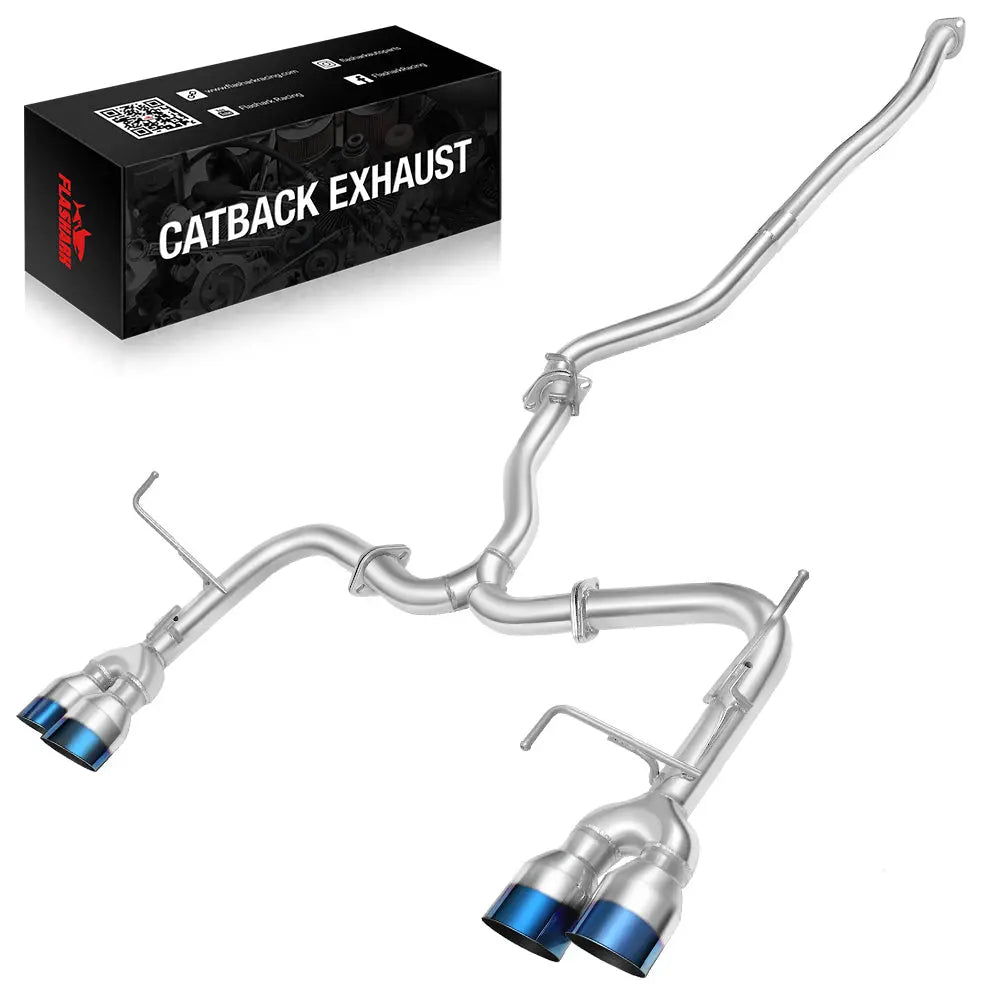
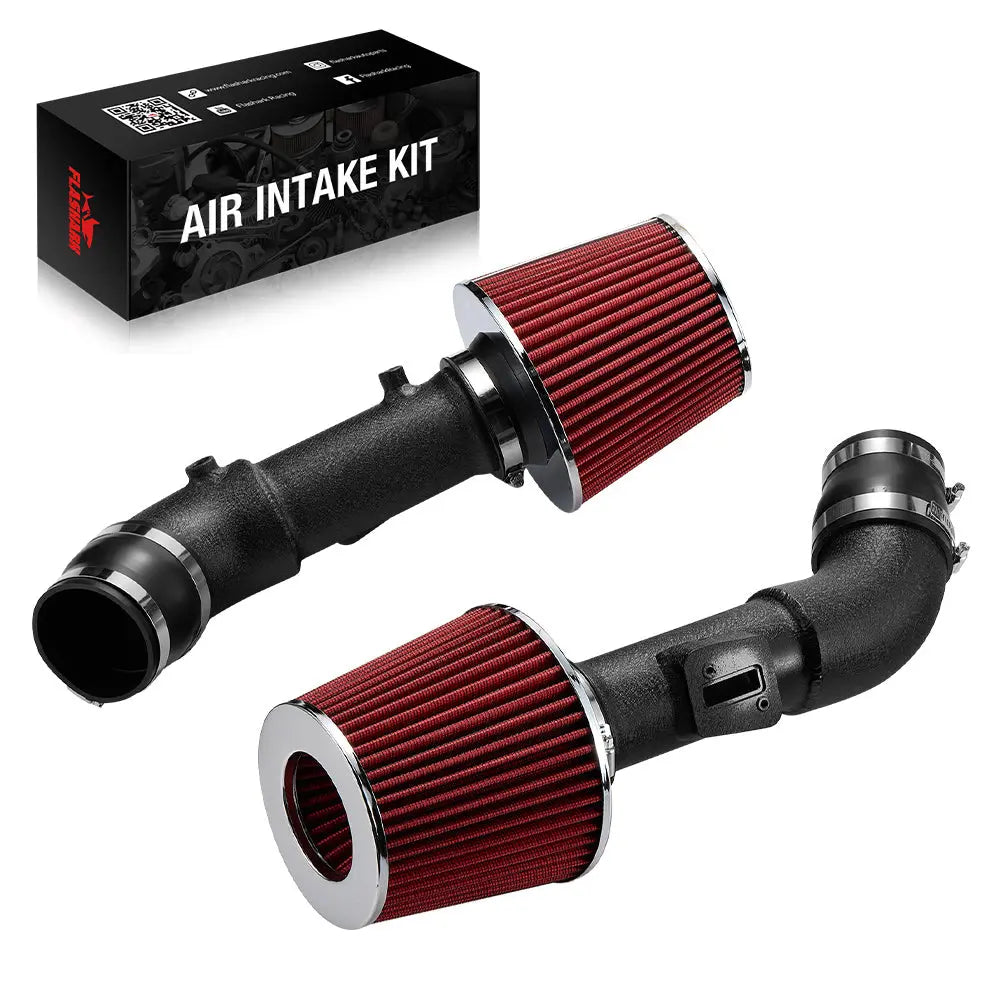
| Stage 1 | Cold air intake, long-tube headers, exhaust, tune | Improves airflow and throttle response | Great first step for street trucks and towing builds |
| Stage 2 | Camshaft, springs, pushrods, converter/gearing as needed | Adds real naturally aspirated power | Do not over-cam a heavy tow truck |
| Stage 3 | Turbo or supercharger | The iron block handles boost well when tuned correctly | Fuel system, cooling, transmission, and tuning become critical |
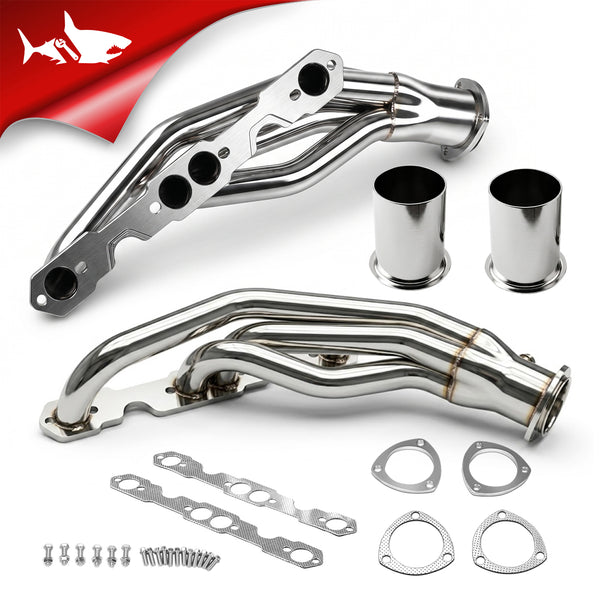
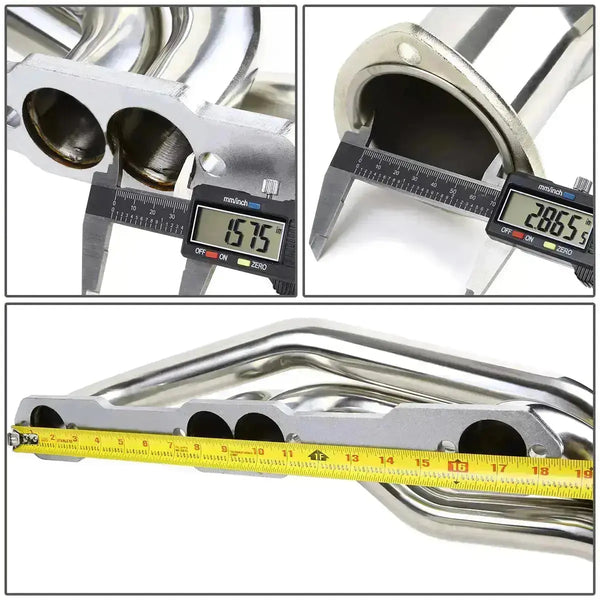
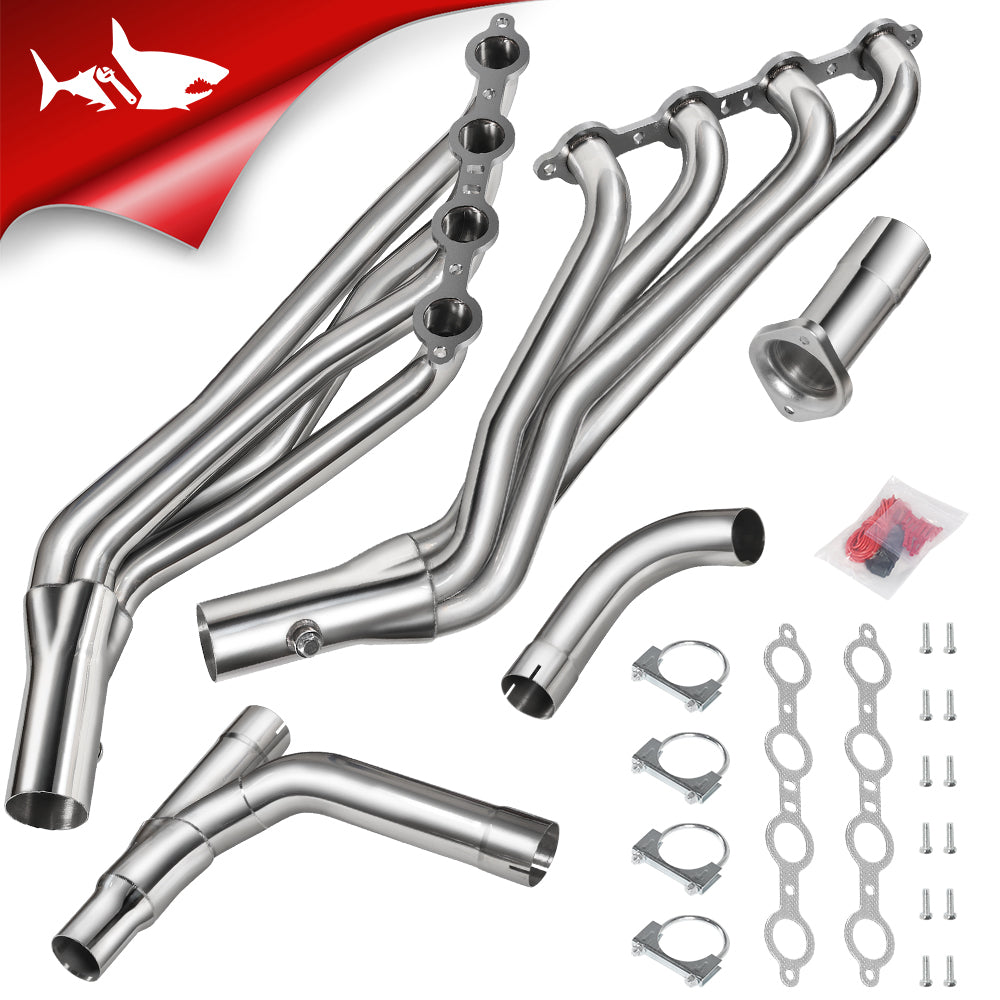
For most 1999–2006 Silverado and Sierra 6.0 owners, a strong first upgrade path is a set of long tube headers and Y-pipe for 1999–2006 Chevy/GMC 4.8L, 5.3L, and 6.0L Vortec trucks, followed by a proper ECU tune. You can also browse Flashark exhaust headers and cold air intake kits if you are building a complete airflow package.
For a dedicated header breakdown, see: Best Headers for 6.0 Vortec: Performance Improvement Guide.
Is the 6.0 Vortec Better Than a 5.3?
For towing, boost, and torque, the 6.0 Vortec usually has the advantage. The 5.3 is common, cheaper in many yards, and can make good power, but the 6.0 starts with more displacement and usually feels stronger in a heavy truck. For a daily driver where fuel economy matters most, the 5.3 may make more sense. For a work truck, cammed street truck, or boost build, I would rather start with the 6.0.
Is the 6.0 Vortec Good for LS Swaps?
Yes. The 6.0 Vortec is one of the best budget LS swap engines if you do not mind the extra weight of an iron block. It is strong, widely available, and supported by a huge parts market. The main things to check before buying a used 6.0 are oil pressure, compression, coolant condition, broken exhaust bolts, sensor condition, and whether the engine came with the harness, ECU, accessory drive, and intake parts you need.
Conclusion
The 6.0 Vortec is a genuinely good engine. Not perfect. Not lightweight. Not fuel-efficient like a small modern turbo engine. But as a truck V8, it is tough, affordable, easy to repair, and capable of serious power with the right combination.
For a stock work truck, it is a reliable hauler. For a family SUV or van, it is simple and durable. For a performance build, the iron-block 6.0 gives you a strong foundation for headers, cam, intake, tune, and boost. The trick is not buying the biggest part first. The trick is matching the engine code, vehicle, transmission, fuel system, and upgrade path correctly.
Frequently Asked Questions About the 6.0 Vortec
Q: How many cubic inches is a 6.0 Vortec?
A: The 6.0 Vortec is about 364 cubic inches. Its bore and stroke are commonly listed as 4.00 inches by 3.62 inches.
Q: How much horsepower does a 6.0 Vortec have?
A: Most 6.0 Vortec engines make about 300–360 horsepower from the factory, depending on the RPO code, year, and vehicle. LQ4 versions are usually lower-output workhorse engines, while LQ9, LY6, and L96 versions often make more power.
Q: Is the 6.0 Vortec reliable?
A: Yes. The 6.0 Vortec is known for strong reliability, especially in trucks and vans. The short block is tough, but owners should watch for broken exhaust manifold bolts, knock sensor issues, coolant leaks, oil leaks, and high-mileage valvetrain wear.
Q: What is the difference between LQ4 and LQ9?
A: The LQ4 is the lower-compression workhorse version and is popular for towing and boost-friendly builds. The LQ9 is the high-output version with higher compression and more factory horsepower, commonly associated with Escalade and Silverado SS-style applications.
Q: What vehicles came with the 6.0 Vortec?
A: Common vehicles include Chevrolet Silverado 2500HD, GMC Sierra 2500HD, Chevrolet Suburban 2500, GMC Yukon XL 2500, Chevrolet Express, GMC Savana, Cadillac Escalade, Chevrolet Silverado SS, and Chevrolet SSR applications.
Q: What are the most common 6.0 Vortec problems?
A: The most common problems include broken exhaust manifold bolts, knock sensor corrosion, water pump or coolant leaks, oil leaks, old sensors, and occasional lifter or cam wear on high-mileage engines.
Q: Is a 2005 6.0 Vortec a good engine?
A: Yes. A 2005 6.0 Vortec is usually a Gen III-style truck engine, often LQ4 or LQ9 depending on the vehicle. It is a strong platform, but inspect exhaust manifold bolts, knock sensors, oil pressure, transmission condition, and maintenance records before buying.
Q: Is a 2007 Chevy 6.0 engine good?
A: Yes, but 2007 can fall into a transition period depending on model and platform. Confirm the RPO code before ordering parts or planning a tune. A clean 2007 6.0 can be a very solid truck engine.
Q: Is a 2015 6.0 Vortec reliable?
A: A 2015 6.0 Vortec is commonly associated with later L96-style HD truck and van applications. It can be very reliable for daily use, towing, and fleet work when maintained properly. If it is flex-fuel capable, it can usually run regular gasoline or E85 as designed by the vehicle system.
Q: Can the 6.0 Vortec make 500 horsepower?
A: Yes. A 6.0 Vortec can exceed 500 horsepower with the right cam, heads, headers, intake, fuel system, tune, or forced induction setup. For long-term reliability, the tune, fuel delivery, cooling, and transmission matter as much as the engine itself.
Q: What are the best first upgrades for a 6.0 Vortec?
A: Start with maintenance, then improve airflow. A good first upgrade path is a cold air intake, long-tube headers, free-flowing exhaust, and a proper ECU tune. After that, consider a camshaft package matched to your truck’s weight, gearing, converter, and intended use.
Q: Does the 6.0 Vortec need premium gas?
A: Most stock 6.0 Vortec truck engines do not need premium fuel unless the vehicle, tune, or engine setup specifically requires it. Higher-compression, boosted, or custom-tuned engines may need higher-octane fuel.

Steven Chen
Automotive Performance Specialist | Engine & Exhaust Systems
Steven focuses on practical engine performance, exhaust fitment, and real-world upgrade paths for classic and modern enthusiast vehicles. He reviews small-block Ford, LS, truck, and street/strip applications with one goal in mind: helping builders choose parts that actually work together. His philosophy: "Good power starts with the right combination, not the biggest part."




2 comments
John Pritchard
I’m looking at a 2018 it has 6.0 flex fuel an a 6 speed, it’ll be just a grocerie / grandkids hauler. Can it just run on regular gas an I’ve heard the 6 speed is unreliable ( any truth to that) im just another grandpa raising grandkids, thanks
Darrell
What’s the best type of gas to use in your vehicle when you have this engine but your vehicle is over 20 years old?