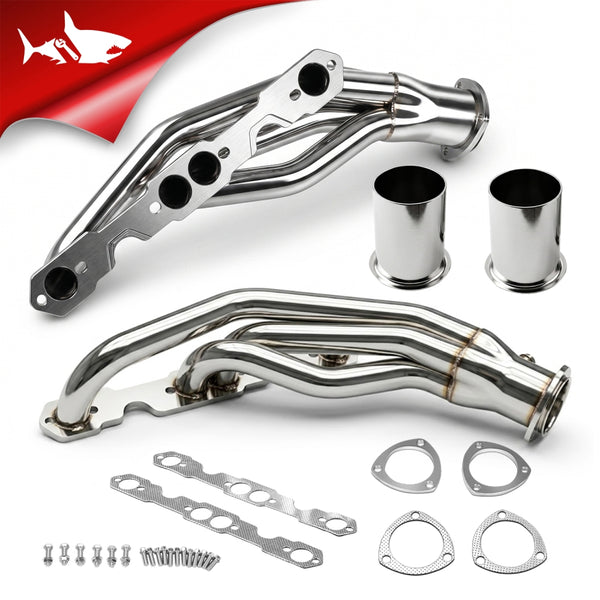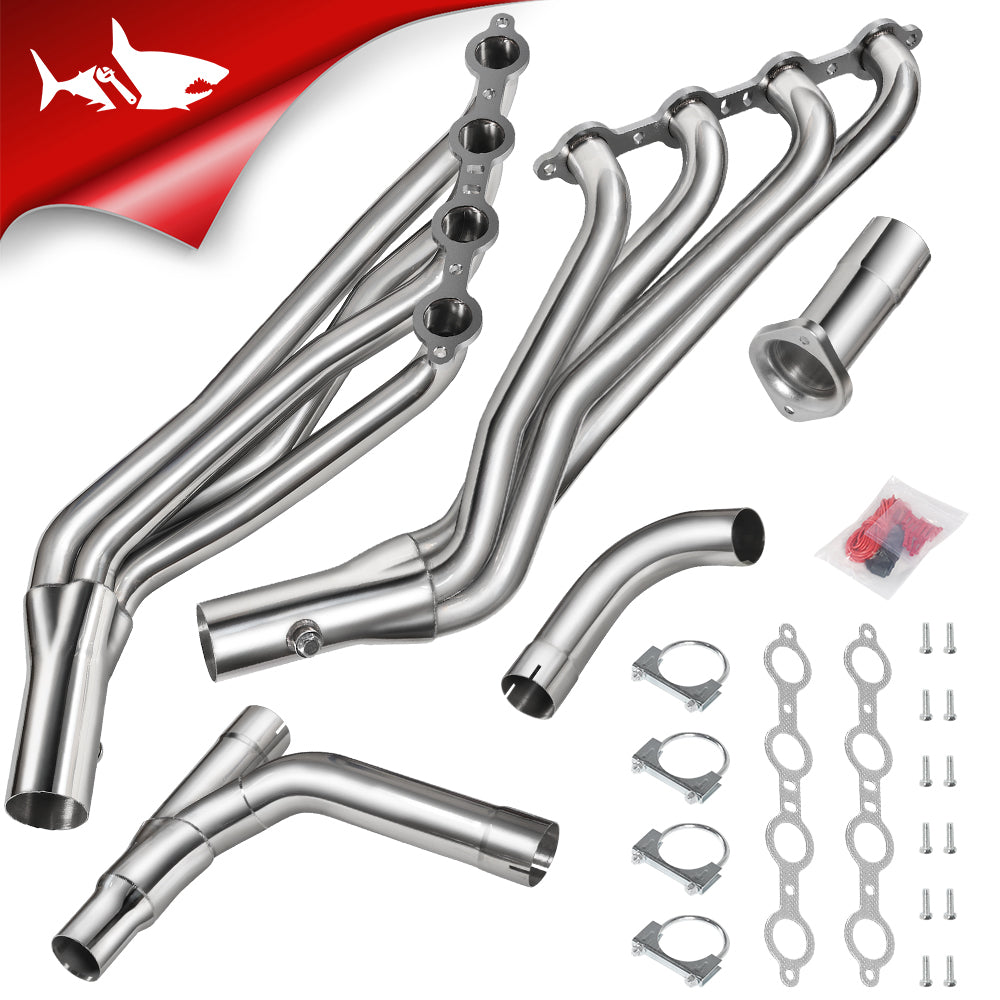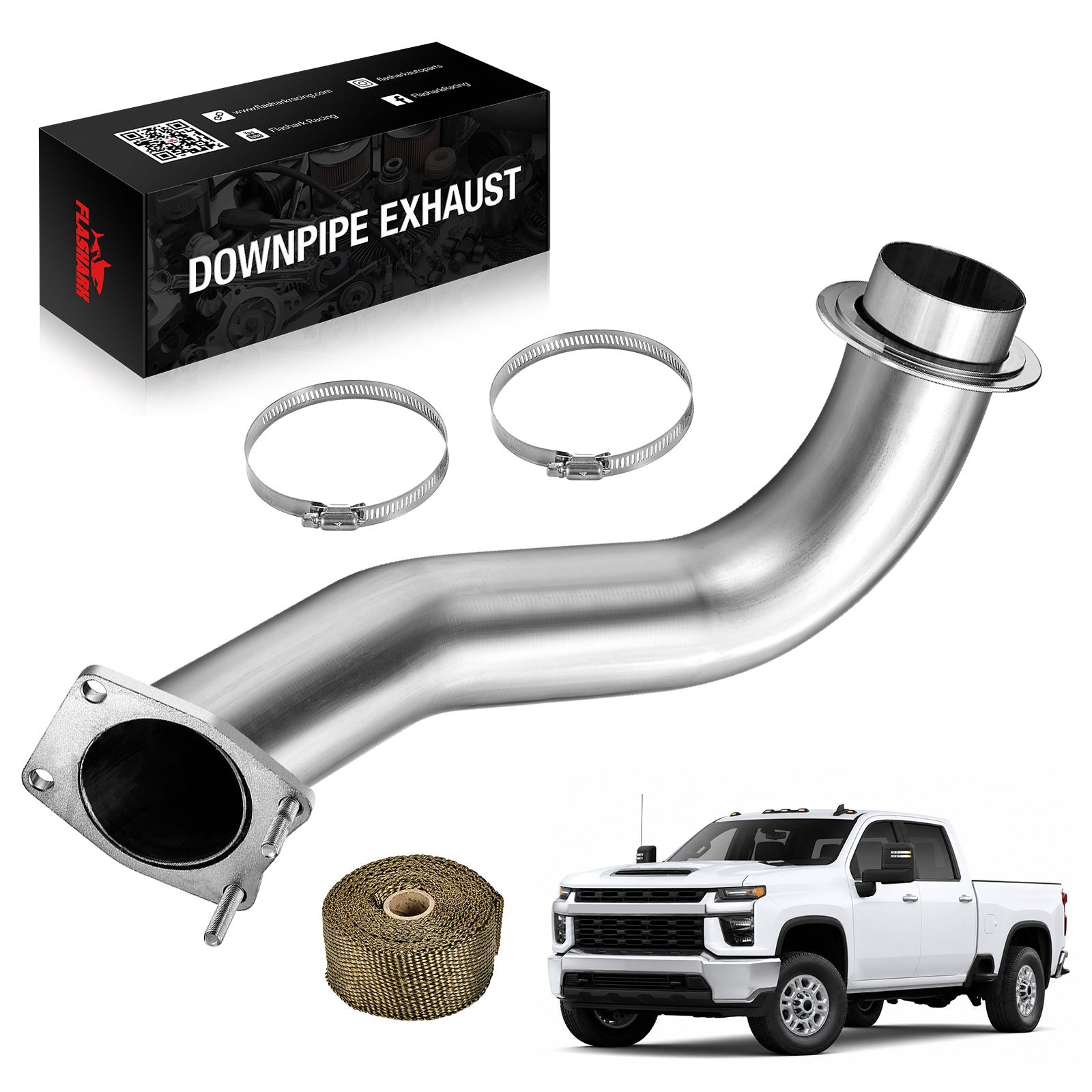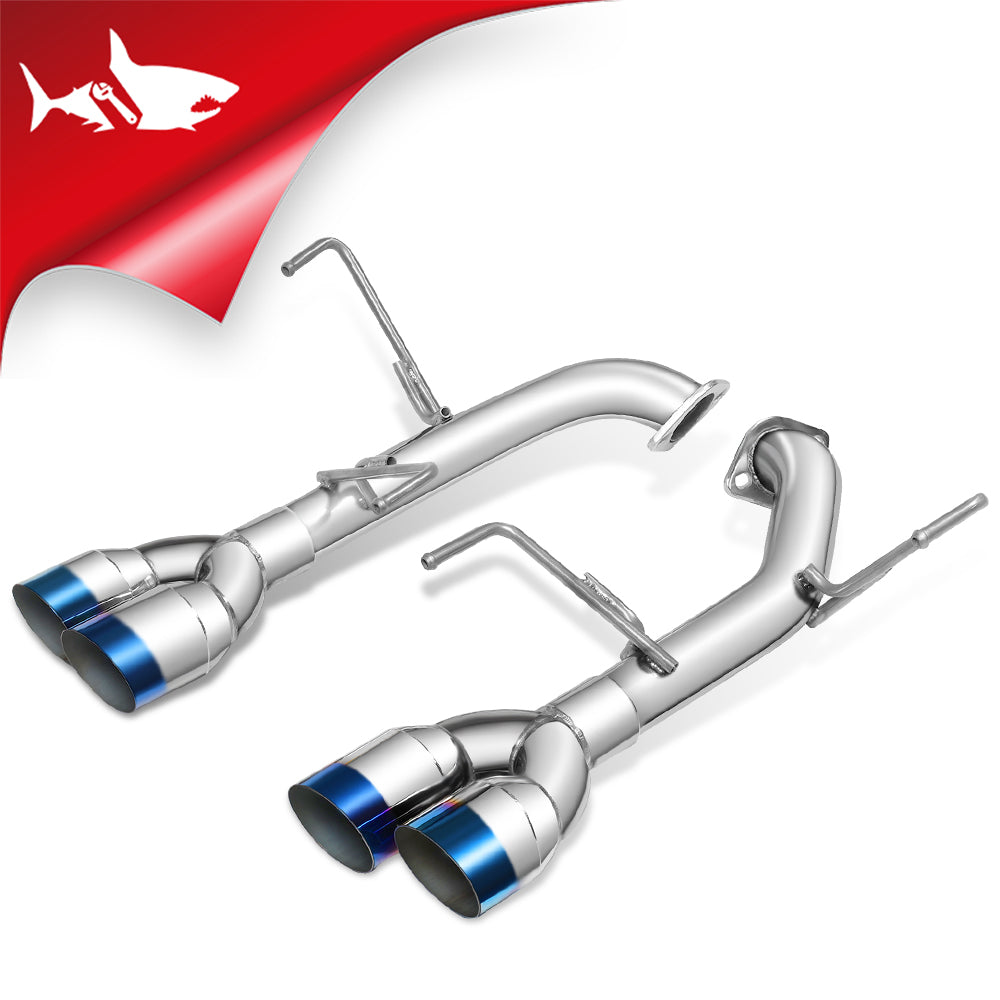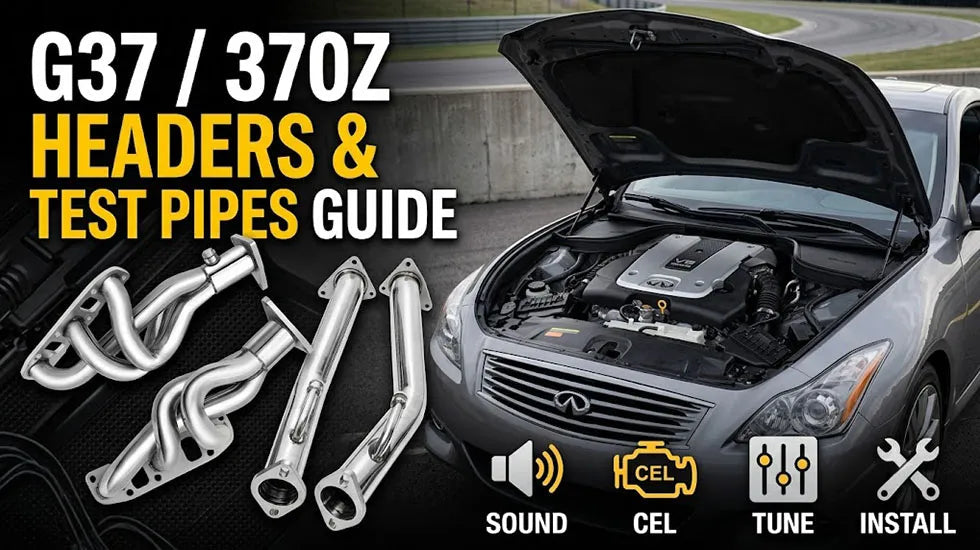
Seamos honestos. La mayoría de los propietarios de VQ37 no empiezan a buscar headers y test pipes porque el coche sea lento. Un G37 o 370Z de serie ya tiene un potente V6 de 3.7L de aspiración natural, una respuesta de acelerador precisa y suficiente potencia en la gama alta para que las carreteras secundarias sean divertidas. El problema es que el escape de fábrica deja mucho sonido y respuesta embotellados.
Por eso, los headers y test pipes para g37 y los headers y test pipes para 370z se buscan juntos con tanta frecuencia. Los propietarios no solo preguntan: "¿Aumentará la potencia?". Realmente están preguntando: ¿Sonará limpio o áspero? ¿Encenderá la luz de "check engine"? ¿Necesito una reprogramación? ¿Perderé par motor a bajas revoluciones? ¿Puedo instalarlo en casa, o voy a romper un perno endemoniado y arruinar mi fin de semana?
He estado lo suficiente con coches VQ para decir esto claramente: los headers más los test pipes pueden despertar el coche, pero no es una configuración de "atornillar y olvidarse". Cambia toda la personalidad del escape. Las buenas piezas y una planificación inteligente importan. Los tubos baratos, las juntas defectuosas, las instalaciones apresuradas y las expectativas de sonido poco realistas son donde la gente se quema.
Respuesta rápida: ¿Valen la pena los headers y test pipes en un G37 o 370Z?
- Vale la pena por el sonido y la respuesta: Si quieres un tono VQ37 más fuerte y nítido y una mejor aceleración de rango medio a alto, los headers más los test pipes tienen sentido.
- Mejor con una reprogramación: El coche puede funcionar sin ella, pero una reprogramación adecuada de la ECU ayuda a mejorar la manejabilidad, los ajustes de combustible, la respuesta del acelerador y la entrega de potencia.
- El riesgo de CEL es real: Los test pipes pueden activar códigos de eficiencia del catalizador P0420 o P0430. Los espaciadores de O2 pueden ayudar, pero no son una garantía.
- Los conductores diarios deben tener cuidado: Los test pipes rectos pueden añadir aspereza, resonancia en el habitáculo y un olor a escape crudo. Las configuraciones con resonador suelen ser más fáciles de llevar.
- La instalación no es apta para principiantes: Los test pipes son conocidos por los pernos "endemoniados". Los headers requieren más paciencia, más espacio y una mejor comprobación de fugas.
- Mejor estrategia de compra: Si ya planeas reprogramar el coche, comprar headers, test pipes, juntas y hardware a juego juntos puede ahorrar mano de obra y reducir los dolores de cabeza de ajuste.
Qué cambian realmente los headers y test pipes en el VQ37
El VQ37VHR en el G37 y 370Z no es un motor turbo. Eso importa. No estás eliminando un cuello de botella de turbo como lo harías en un BMW N54 o una camioneta EcoBoost. Estás cambiando la forma en que un V6 de aspiración natural mueve los gases de escape calientes de la culata, a través del área del colector, pasando por la sección del convertidor catalítico y hacia el resto del escape.
Eso suena simple. No lo es. En estos coches, pequeños cambios en la disposición del escape pueden cambiar el sonido, la sensación de par, el calor y el comportamiento del CEL rápidamente.

Los headers cambian el flujo de pulsos de escape
Los headers reemplazan el área del colector de escape de fábrica. Un buen header le da a cada cilindro un camino más limpio para expulsar los gases de escape. Sobre el papel, eso significa una mejor evacuación y menos restricción. En la carretera, el cambio suele aparecer en un rango de revoluciones más alto.
No esperes el empuje de un V8 de gran bloque a 2.000 rpm. Esta plataforma no se comporta así. En un VQ37 sano, los headers se tratan más de dejar que el motor respire por encima de las 4.000 rpm, manteniendo el empuje más fuerte hacia el límite de revoluciones y afinando la nota del escape.
Aquí es donde un conjunto a juego como los headers Flashark VQ37 para 370Z y G37 encaja. El punto no es solo la brillante tubería de acero inoxidable. El punto es la disposición de los colectores, el sellado de las bridas, la ubicación de los O2 y cómo el header se conecta a la siguiente sección del escape.
Los test pipes eliminan la principal restricción catalítica
Los test pipes reemplazan la sección del convertidor catalítico de fábrica. Ese es el gran cambio de sonido. Una vez que se quitan los catalizadores, el escape se vuelve más fuerte, más nítido, más oloroso y más sensible al resto del sistema.
En muchas hojas de dinamómetro y construcciones callejeras, los test pipes solos suelen situarse en el rango de 8-12 whp cuando el resto de la configuración y la reprogramación son correctas. Algunos coches muestran menos. Algunos muestran más. Si alguien promete una cifra enorme sin reprogramación, sin piezas de apoyo y sin condiciones, da un paso atrás.
Un juego de test pipes G37 y 370Z para construcciones VQ37VHR tiene más sentido cuando el propietario entiende lo que se está cambiando: menos restricción, más sonido, más olor, mayor riesgo de CEL y una mayor necesidad de revisar todo el escape en busca de fugas.
Por qué la combinación se siente diferente a una sola pieza
Los headers más los test pipes no son solo "parte A más parte B". El sonido se acumula. El calor se acumula. La reacción de la ECU se acumula. El coche puede sentirse más ágil en la mitad superior del tacómetro, pero también puede sentirse más áspero si la configuración es demasiado abierta o está mal ajustada.
Por eso me gusta planificar estas piezas como un sistema. La brida del header, la brida del test pipe, la calidad de la junta, la posición de la toma O2, la conexión del tubo en Y y el volumen del catback deben tener sentido en conjunto. Una junta defectuosa puede hacer que una configuración de escape de 500 dólares suene como una lata de café llena de arandelas.
| Configuración | Sonido | Sensación de potencia típica | Riesgo de CEL | Calor / Olor | Mejor uso |
|---|---|---|---|---|---|
| Múltiples de serie + catalizadores de serie | Silencioso, suave, filtrado | Base | Bajo si los sensores y catalizadores están sanos | Bajo | Conducción diaria, confort de emisiones |
| Solo test pipes | Más ruidoso, más crudo, mayor riesgo de raspado | A menudo se siente por encima de 3.500 rpm; aproximadamente 8-12 whp en muchas configuraciones reprogramadas | Medio a alto | Más olor a escape | Mejora de sonido y flujo económica |
| Solo headers | Tono de motor más nítido, menos amortiguado | Más notable en rpm medias a altas | Depende del diseño, el enrutamiento del O2 y las fugas | Más calor en el compartimento del motor | Construcciones de rendimiento NA |
| Headers + test pipes | Agresivo, ruidoso, muy dependiente de la configuración | Mejor con reprogramación; mayor empuje por encima de 4.000 rpm | Alto sin planificación | Más calor en el compartimento y bajo la carrocería | Construcciones de fin de semana, pista, calle reprogramadas donde sea legal |
Consejo de experto: Si el coche ya tiene un catback de una sola salida ruidoso, no asuma que los test pipes simplemente lo harán "más profundo". En un VQ37, pueden llevar el tono a una aspereza aguda rápidamente. Los resonadores no son su enemigo. Son la forma de evitar que el coche suene estropeado.
Cambios de sonido: Arranque en frío, raspado, resonancia y volumen
El sonido es la razón por la que mucha gente inicia la modificación. También es la razón por la que algunas personas se arrepienten tres días después.
El VQ37 tiene una voz distintiva. Cuando está controlado, suena metálico, urgente y agresivo de buena manera. Cuando no está controlado, puede sonar como una trompeta cayendo por una escalera. No lo digo en broma. Cualquiera que haya estado detrás de un VQ con escape directo mal hecho sabe exactamente a qué me refiero.
El arranque en frío se vuelve mucho más ruidoso
Los headers y los test pipes eliminan el aislamiento acústico de la trayectoria del escape. El arranque en frío se vuelve mucho más evidente. En un garaje, puede ser brutal. En un complejo de apartamentos a las 6:30 a.m., sus vecinos conocerán su horario.
Con los catalizadores y colectores de serie, los pulsos de escape se amortiguan antes de llegar al tubo en Y y al catback. Con los headers y los test pipes, los pulsos golpean con más fuerza y antes. Por eso, los headers y test pipes del 370z pueden sonar limpios a plena aceleración, pero aun así parecer demasiado ruidosos durante el arranque en frío y la conducción a baja velocidad.
La aspereza suele provenir de los test pipes abiertos y los escapes delgados
La aspereza no siempre es culpa del header. La mayoría de las veces, proviene del test pipe y del resto del escape que no controlan el sonido de alta frecuencia.

Las causas habituales son:
- Test pipes sin resonador en un catback ya ruidoso
- Tubos de pared delgada que vibran bajo carga
- Pequeñas fugas de escape en el colector del header o la brida del test pipe
- Juntas baratas que se aplastan de manera desigual
- Conexiones sueltas del tubo en Y
- Escapes de una sola salida excesivamente abiertos
Si el coche es para uso diario, preferiría renunciar a un poco de volumen puro y usar una configuración más controlada. Un sistema limpio y resonado suena más caro. Un sistema áspero simplemente suena inacabado.
Para una comparación más profunda, aquí también tiene sentido un enlace interno a test pipes resonados vs. no resonados para G37 y 370Z. Ese tema capta a los usuarios que aún no están listos para comprar, pero están cerca.
La resonancia depende del catback, la transmisión y las RPM de crucero
La resonancia es diferente de la aspereza. La aspereza es aguda y metálica. La resonancia es esa baja frecuencia de presión en la cabina que hace que te sientas la cabeza llena en la carretera.
Los propietarios de G37 y 370Z automáticos deben prestar atención aquí. La transmisión automática de 7 velocidades puede mantener el coche en un rango de RPM de crucero donde el escape resuena dentro del habitáculo. Los coches manuales pueden evitarlo más fácilmente, pero no son inmunes. Si tienes un largo viaje por carretera, no copies ciegamente una configuración de coche de pista.

Escape Downpipe / Test Pipes Flashark para 370Z y G37 2008-2018
Buen punto de partida si tu objetivo principal es el flujo de escape, un sonido VQ más fuerte y un mayor empuje en la parte alta de las RPM antes de pasar a los headers y al trabajo de afinación.
Precio de venta: $139.99 $175.00
Gestión del calor en los headers y test pipes del G37
Mayor flujo significa que aparece más calor en lugares que la protección de fábrica solía proteger. La gente se olvida de esta parte. Miran los tubos pulidos, los atornillan, encienden el coche y luego se preguntan por qué el habitáculo huele a quemado después de dos trayectos.
Los headers mueven más calor al compartimento del motor
Los colectores de fábrica son compactos y están muy blindados. Los headers del mercado de accesorios exponen más tubos calientes dentro de un compartimento del motor ajustado. Ese calor puede afectar el cableado cercano, los cables del sensor de O2, el área del motor de arranque, el espacio libre del eje de dirección y cualquier plástico que se haya vuelto perezoso en los últimos 10 años.
Cuando inspecciono la instalación de un header VQ, busco tres cosas antes de siquiera preocuparme por el sonido:
- ¿Los cables del O2 están alejados del colector?
- ¿Algún clip del mazo de cables toca un tubo caliente?
- ¿Hay suficiente espacio libre después de que el motor se incline bajo carga?

Los test pipes aumentan el calor bajo la carrocería y el olor
Los test pipes también mueven más calor hacia abajo. Es posible que lo notes alrededor del túnel de transmisión, la parte inferior de la carrocería y el área del piso de la cabina después de largas aceleraciones o tráfico de verano. El olor es lo primero que la gente nota. Al eliminar la sección del convertidor catalítico, el olor a escape crudo se vuelve mucho más evidente en ralentí, arranques en garaje, semáforos y al retroceder a baja velocidad.
Si el olor está dentro de la cabina, no culpes automáticamente a la pieza. Busca fugas. Una pequeña fuga en la brida cerca del firewall puede hacer que el interior del coche huela peor que un escape completamente abierto con un buen sellado.
Caso en primera persona: El olor a plástico quemado no era el test pipe
Recuerdo un G37 Coupé de 2011 que llegó al taller después de que el propietario instalara headers y test pipes en casa. Dijo: "Hombre, estos tubos huelen horrible". Puse el coche en el elevador y, en cinco minutos, el problema real era obvio.
El cableado del sensor de O2 del lado del pasajero estaba demasiado cerca del colector del header. No tocándolo, pero lo suficientemente cerca como para que, después del calentamiento, ablandara el telar y comenzara a desprender ese desagradable olor a plástico quemado. Reencaminamos el cable, añadimos funda térmica, revisamos el conector y reemplazamos una junta aplastada mientras estábamos allí.
El escape seguía oliendo más fuerte que el de serie. Eso es normal con los test pipes. ¿Pero el aterrador olor a quemado? Eso fue un problema de instalación. Gran diferencia.
Cuándo tiene sentido la envoltura térmica o el revestimiento cerámico
El revestimiento cerámico puede ayudar a reducir el calor radiante. La envoltura térmica también puede ayudar, pero soy cuidadoso con ella. En un coche que ve lluvia, viajes cortos y humedad invernal, una envoltura barata puede atrapar la condensación y hacer que la tubería envejezca más rápido. En un coche de pista, es otra historia.
Para una construcción VQ de calle, generalmente prefiero un enrutamiento inteligente, fundas térmicas cerca del cableado sensible, juntas sólidas y revisiones periódicas de fugas. Un control de calor elegante no significa nada si el colector tiene fugas.
Riesgo de CEL: P0420, P0430 y problemas con el sensor de O2
Esta es la sección que nadie debería saltarse. Si instala test pipes y luego se sorprende cuando se enciende la luz de "check engine", no hizo su tarea.
Los test pipes eliminan o reemplazan la sección del convertidor catalítico. Los sensores de O2 traseros están ahí para monitorear la eficiencia del catalizador. Cuando esos sensores detectan lecturas que ya no coinciden con el comportamiento del catalizador de fábrica, la ECU puede generar códigos como P0420 o P0430.
Por qué los test pipes suelen encender la luz de "check engine"
La ECU espera que la señal del sensor de O2 posterior sea diferente de la señal del sensor anterior. Esa diferencia le indica a la computadora que el convertidor catalítico está haciendo su trabajo. Una vez que instala los test pipes, el sensor posterior puede ver demasiada actividad de escape crudo.
Eso no significa que el motor esté averiado. Significa que el sistema de escape ya no se comporta como el sistema de emisiones de fábrica.
Los espaciadores de O2 pueden ayudar, pero no son mágicos
Los espaciadores de O2, los J-bungs y los defoulers a veces pueden sacar el sensor trasero del flujo directo de escape. A veces eso retrasa el CEL. A veces mantiene la luz apagada. A veces no hace nada. La edad del sensor, la calibración de la ECU, el diseño de la tubería, el ciclo de conducción y las pequeñas fugas, todo importa.
Escúchame en esto: no vendas ni escribas esto como "CEL garantizado sin problemas". Esa frase genera devoluciones, correos electrónicos enfadados y problemas de confianza. Una redacción mejor es: "Los bungs o espaciadores de O2 extendidos pueden reducir el riesgo de CEL, pero los resultados varían según el vehículo y la configuración".
Los headers añaden más variables
Los headers pueden crear problemas adicionales relacionados con el CEL si la instalación es deficiente. Las fugas de escape cerca de la culata o el colector pueden introducir aire fresco en el flujo de escape y confundir las lecturas del sensor. Las extensiones de O2 defectuosas pueden crear fallos intermitentes del sensor. Un cable tendido demasiado cerca del calor puede fallar después de unos pocos ciclos de conducción.
Advertencia importante: Las tuberías de prueba pueden no ser legales para uso en la calle en muchas áreas porque afectan la función del convertidor catalítico. Úselas solo donde esté legalmente permitido, como en aplicaciones todoterreno o de pista, cuando corresponda. Siempre verifique las leyes locales de emisiones antes de comprar.
¿Necesitas un ajuste para los colectores y tubos de prueba de un 370Z?
¿Puede el coche arrancar y conducir después de instalar los colectores y los tubos de prueba sin un ajuste? A menudo, sí. ¿Es esa la mejor manera de mantener la configuración a largo plazo? No. No si te importan la facilidad de conducción, los ajustes de combustible, la respuesta del acelerador y obtener un valor real de las piezas.
¿Puedes conducir sin un ajuste?
Muchos propietarios instalan primero los tubos de prueba, conducen un tiempo y ajustan después. Entiendo por qué. Los presupuestos son reales. Los talleres están ocupados. La vida pasa.
Pero no confundas "funciona" con "funciona correctamente". Sin un ajuste, puedes tener que lidiar con:
- Luz de verificación del motor por códigos de eficiencia del catalizador.
- Un comportamiento más áspero al arrancar en frío.
- Ajustes de combustible que necesitan tiempo para estabilizarse.
- Una respuesta del acelerador menos limpia de lo esperado.
- Potencia que se siente más ruidosa pero no optimizada correctamente.
Por qué un ajuste hace que la combinación funcione mejor
Un buen ajuste puede modificar el comportamiento aire/combustible, la sincronización, el mapeo del acelerador, el comportamiento al ralentí y la facilidad de conducción general. En un VQ37 con admisión, colectores, tubos de prueba, tubo en Y y catback, el ajuste es donde las piezas comienzan a actuar como un sistema en lugar de un montón de tubos brillantes.
Para la ruta completa de colectores y tubos de prueba del g37, me gusta el ajuste después de que el hardware está instalado y se han comprobado las fugas. Ajustar antes de arreglar una fuga es al revés. El sintonizador está persiguiendo datos incorrectos.
El mejor momento para el ajuste para una construcción inteligente
Este es el orden que seguiría en una construcción seria para uso diario o de fin de semana:
- Confirmar año, versión, transmisión, caja de cambios y ajuste del escape.
- Instalar colectores, tubos de prueba, tubo en Y y las juntas/herrajes de soporte.
- Calentar completamente el coche y comprobar si hay fugas en el escape.
- Inspeccionar el cableado del sensor de oxígeno y las áreas sensibles al calor.
- Conducir suavemente durante algunos ciclos de calentamiento.
- Programar el ajuste una vez que el hardware esté estable.
Si aún estás aprendiendo cómo funcionan juntas las secciones de escape, la página más amplia de opciones de tubos de escape y de prueba de alto rendimiento puede ayudarte a comparar diseños antes de comprar piezas al azar una por una.
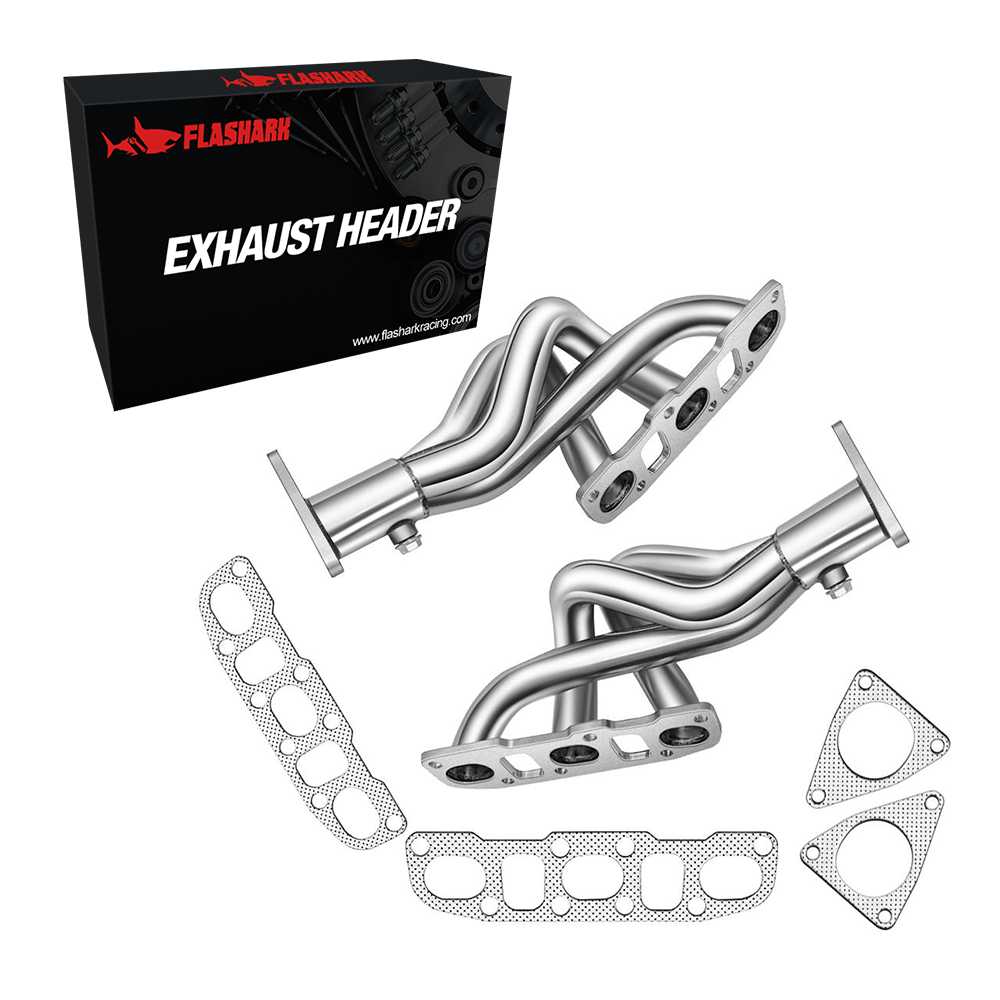
Colectores de escape Flashark para Infiniti G37 / 370Z / 350Z 2007-2013
Una buena combinación cuando la construcción va más allá de las modificaciones solo de sonido y se adentra en un camino de escape VQ completo con tubos de prueba, tubo en Y y ajuste.
Precio de venta: $109.99 $259.99
Par motor a bajas revoluciones y facilidad de conducción: lo que la mayoría de los compradores no entienden
Aquí es donde las discusiones en los foros se complican. Un tipo dice que el coche se siente más rápido en todas partes. Otro dice que perdió par. Ambos pueden estar diciendo la verdad, porque sus configuraciones pueden ser completamente diferentes.
Un mayor flujo no siempre significa un mejor par a bajas revoluciones
Un motor de aspiración natural todavía se preocupa por la velocidad del escape. Si el sistema se abre demasiado pronto, el coche puede sentirse más suave a bajas revoluciones. No roto. Simplemente menos lleno con un acelerador ligero.
Los coches automáticos hacen que esto sea más notorio porque la transmisión puede mantener el motor en una zona de rpm más baja durante la conducción normal. Un conductor de un 370Z manual puede reducir la marcha y nunca preocuparse. El propietario de un G37 sedán que viaja en el tráfico puede notarlo todos los días.
Los colectores suelen ayudar más en la parte superior
Los colectores no son un interruptor mágico de par a bajas rpm. En el VQ37, el beneficio tiende a aparecer cuando el motor está moviendo mucho aire. Piense en 4.000 rpm y más. Ahí es donde el flujo de pulso de escape más limpio comienza a sentirse útil.
Si el ajuste es correcto, el coche puede sentirse más limpio y ágil. Si el ajuste no es correcto, solo puede sentirse más ruidoso.
Los tubos de prueba pueden engañar a tu banco de pruebas
El sonido cambia la percepción. Un coche que se vuelve más ruidoso puede parecer más rápido antes de serlo realmente. He visto a propietarios jurar que el coche ganó 25 caballos de fuerza a la rueda porque sonaba más fuerte a 6.000 rpm. Luego el dinamómetro mostró 9 CV. Aún así es una ganancia. Simplemente no es el número de fantasía.
Expectativa realista: tubos de prueba, colectores, admisión, tubo en Y, catback y un buen ajuste pueden hacer que un VQ37 se sienta mucho más vivo en el rango de rpm superior. Pero no compre la combinación esperando un gran empuje a bajas revoluciones de gran cilindrada.
Dificultad de instalación: los tubos de prueba son difíciles, los colectores son más difíciles
Algunas instalaciones son difíciles porque la pieza es complicada. Esta es difícil porque los pernos de Nissan, los ciclos de calor, el acceso reducido y el hardware viejo adoran arruinarte el día.
Instalación de tubos de prueba: los pernos demonio son el problema principal
Los famosos "pernos demonio" no son un drama de internet. Son reales. Los pernos del catalizador de fábrica están en una ubicación miserable, soportan años de abuso por el calor y a menudo se niegan a moverse como si tuvieran un resentimiento personal contra ti.
Si lo estás haciendo en casa, prepárate como si fueras a una pelea:
- Empapa los pernos con aceite penetrante antes del día de la instalación.
- Usa llaves de vaso de seis puntas de calidad, no herramientas redondas y baratas.
- Ten extensiones, rótulas, barras rompedoras y paciencia listos.
- Planifica que se rompa el hardware en lugar de sorprenderte.
- Reemplaza las juntas y los pernos en lugar de reutilizar piezas viejas y corroídas.

La instalación del colector requiere más mano de obra y una mejor comprobación de fugas
Los colectores son un trabajo más grande. Trabaja cerca de la culata, la zona de la dirección, los sensores de O2, el aislamiento térmico y las conexiones del colector. Una pequeña desalineación en la brida puede convertirse en una fuga que hace sonar un tic y vuelve loco al propietario.
Esta no es la instalación que recomiendo para un principiante con soportes de gato. ¿Se puede hacer? Claro. ¿Debería todo aficionado al bricolaje de fin de semana hacerlo en la entrada con un solo gato hidráulico y una linterna? No. Me gusta el entusiasmo, pero me gustan aún más los coches que se vuelven a montar correctamente.
Consideraciones de ajuste G37 vs 370Z
El G37 y el 370Z comparten la lógica VQ37, pero no son idénticos en todos los detalles de instalación. Coupé, sedán, AWD, RWD, automático, manual, convertible y piezas de escape del mercado de accesorios pueden cambiar el espacio libre y los puntos de conexión.
Antes de comprar, confirme:
- Año del modelo
- Chasis Infiniti G37 o Nissan 370Z
- Coupé, sedán o convertible
- RWD o AWD
- Transmisión manual o automática
- Tamaño de salida del colector
- Estilo de brida del tubo de prueba
- Compatibilidad con el tubo en Y y el catback
Caso en primera persona: El perno de dos horas se convirtió en un trabajo de medio día
Recuerdo un 370Z de 2010 que vino para tubos de prueba. El propietario había visto tres vídeos y pensó que era un trabajo rápido. Justo. El perno demoníaco del lado del pasajero tenía otros planes.
Se redondeó, luego nos combatió con todos los trucos de la manga. Calor, extensiones, dado extractor, paciencia. La tubería en sí no era la parte difícil. El hardware viejo sí lo era. Para cuando lo desarmamos, el propietario entendió por qué los talleres cobran mano de obra real por estos coches.
Mi consejo es simple: no escatimes en herrajes. Las juntas y los tornillos nuevos no son emocionantes, pero salvan las instalaciones. Muchas quejas de "mala pieza" son en realidad problemas de herrajes viejos con un bigote falso.
La planificación del tubo en Y importa más de lo que la gente cree
El tubo en Y es el punto de encuentro. Si las secciones delanteras fluyen más pero el tubo en Y es restrictivo, está mal alineado o tiene fugas, la configuración pierde refinamiento. Por eso, algunos propietarios pasan de solo tubos de prueba a una configuración de tubo en Y a juego después de la primera instalación.
Para los propietarios que planifican el camino de escape completo, una mejora del tubo de bajada y el tubo en Y del 370Z y G37 puede tener sentido después de que la decisión sobre los colectores y los tubos de prueba ya esté clara.

Tubo en Y de escape Flashark para 370Z y G37 2008-2016
Útil cuando la construcción necesita más que solo tubos delanteros. El tubo en Y ayuda a conectar los cambios del escape delantero al resto del sistema con una mejor planificación del flujo.
Precio de venta: $159.99 $199.00
Colectores más tubos de prueba vs. colectores largos
Esta comparación surge todo el tiempo. Algunos propietarios quieren colectores cortos más tubos de prueba. Otros quieren colectores largos. Ambos pueden funcionar, pero no se ajustan al mismo tipo de propietario.
Colectores cortos más tubos de prueba
Esta ruta es más modular. Puedes cambiar los tubos de prueba más tarde, cambiarlos por catalizadores de alto flujo, cambiar la disposición del tubo en Y o ajustar por etapas. También ofrece a los compradores más flexibilidad si el coche es de uso diario hoy y de fin de semana más tarde.
La desventaja es simple: más puntos de conexión. Más bridas significan más posibles puntos de fuga. Por eso la calidad de la junta y el par de apriete adecuado son importantes.
Colectores de tubo largo
Los colectores de tubo largo pueden crear una configuración más agresiva y pueden fusionar el área del colector/tubo de prueba en un diseño de flujo más largo. Pueden sonar desagradables de una buena manera cuando se hacen correctamente. Pero suelen ser más difíciles de instalar, más difíciles de revertir y más sensibles a la legalidad de las emisiones.
Si el usuario aún está aprendiendo lo básico, enlazar a un artículo educativo más amplio como cuántos caballos de fuerza añaden los colectores de tubo largo les ayuda a comprender las expectativas sin obligar al artículo sobre el VQ a explicar cada tipo de colector desde cero.
¿Qué configuración deberías comprar?
- G37 de uso diario: Colectores más tubos de prueba resonados, catback controlado y ajuste si el presupuesto lo permite.
- 370Z de fin de semana: Colectores, tubos de prueba, tubo en Y, admisión y ajuste tienen más sentido como un plan completo.
- Propietario sensible al ruido: Considere catalizadores de alto flujo en lugar de tubos de prueba rectos.
- Construcción enfocada en pista: Las configuraciones más agresivas de colectores y tubos de prueba tienen sentido donde sea legal.
- Comprador con presupuesto limitado: Comience con tubos de prueba, luego agregue colectores y ajuste más tarde.

Mejor estrategia de compra para propietarios de G37 y 370Z
Aquí es donde dejo de andarme con rodeos. Si ya estás planeando colectores, tubos de prueba, tubo en Y y ajuste, comprar una pieza a la vez puede costar más en mano de obra y frustración.
Eso no significa que cada propietario necesite la configuración completa hoy. Significa que debe planificar la ruta completa del escape antes de gastar dinero.
Compra el combo si ya tienes pensado hacer un ajuste
Si un ajuste ya está en el plan, instalar colectores y tubos de prueba juntos puede ser más inteligente. Evitas pagar la mano de obra dos veces. Puedes comprobar todas las fugas a la vez. El ajustador ve el hardware final en lugar de ajustar una configuración a medio terminar.
Aquí es donde los colectores y tubos de prueba del g37 como compra combinada tienen sentido. No porque "combo" suene bien. Sino porque el camino de la mano de obra es más limpio.
Compra tubos de prueba resonados si conduces el coche a diario
Para los coches de uso diario, me inclino por la resonancia. Los escapes rectos son divertidos durante diez minutos. El zumbido en la cabina en un viaje de dos horas no es divertido. Si el coche ya tiene un catback ruidoso, los tubos no resonados pueden hacer que el tono se vuelva áspero rápidamente.
Para decisiones más profundas sobre el control del sonido, envíe a los usuarios a catalizadores de alto flujo del 370Z vs. tubos de prueba. Ese blog capta a los usuarios que aún están decidiendo entre el flujo máximo y la comodidad en la calle.
No olvides las juntas, los pernos y las extensiones O2
Las piezas pequeñas deciden si la instalación se siente profesional o miserable. He visto construcciones caras arruinadas por juntas reutilizadas y hardware perezoso.
Antes de pagar, asegúrese de que la construcción incluya:
- Juntas de colector
- Juntas de colector
- Juntas de tubo de prueba
- Tornillos y tuercas nuevos
- Extensiones de sensor de oxígeno si son necesarias
- Fundas térmicas para el cableado del sensor donde sea necesario
- Anticorrosión para los sujetadores apropiados
Use las páginas de categorías cuando el comprador aún esté comparando
No todos los lectores están listos para hacer clic en una tarjeta de producto. Algunos todavía están comparando chasis y estilos de escape. En esos casos, los enlaces internos más suaves funcionan mejor, como las actualizaciones de escape de downpipe de Nissan o la colección más amplia de colectores de escape para construcciones de calle y pista.
Errores comunes antes de instalar colectores y tubos de prueba en un 370Z
Comprar tubos de prueba rectos para un coche de uso diario
A algunos propietarios les encanta el ruido. Lo entiendo. Pero la comodidad diaria importa. Una configuración sin resonancia con un catback ruidoso puede volverse molesta rápidamente, especialmente dentro de un sedán G37 o un cupé automático.
Ignorar las fugas de escape
Una pequeña fuga puede crear un tic-tac, un sonido áspero, un olor extraño y confusión en el sensor de oxígeno. No juzgues el sonido hasta que el sistema esté completamente sellado.
Esperar enormes ganancias de par a bajas revoluciones
Este es un V6 de aspiración natural. El cambio más fuerte suele estar en el sonido, la sensación del acelerador y la potencia a altas revoluciones. Si quieres un gran par a bajas revoluciones, los colectores y los tubos de prueba no son una inducción forzada.
Saltarse el ajuste para siempre
Puedes retrasar el ajuste. No debes olvidarlo para siempre. La combinación completa de colectores y tubos de prueba del 370z merece una calibración que coincida con el hardware.
Asumir que todas las piezas del G37 y 370Z encajan igual
G37x AWD, coupé, sedán, convertible, 370Z NISMO, catbacks del mercado de accesorios y diferentes tubos en Y pueden cambiar la instalación. Compruebe la compatibilidad antes de comprar. Siempre.
Veredicto final: ¿Deberías usar colectores y tubos de prueba juntos?
Sí, los colectores y los tubos de prueba pueden ser una combinación fuerte en el G37 y el 370Z, pero solo para el propietario adecuado.
Compre el combo si quiere un VQ37 más ruidoso, una mayor potencia a altas revoluciones, un futuro ajuste y una vía de escape más completa. Tiene sentido para coches de fin de semana, construcciones enfocadas en la pista y coches de calle donde las normas locales lo permitan.
Vaya con calma si conduce el coche a diario, odia el olor a escape, necesita la preparación para las emisiones o no puede tolerar el riesgo de la luz de verificación del motor. En ese caso, considere tubos de prueba resonados, catalizadores de alto flujo o una ruta de actualización por etapas.
¿Mi respuesta honesta de garaje? Una configuración bien planificada de colectores + tubos de prueba + tubo en Y + ajuste puede hacer que el VQ37 se sienta mucho más vivo. Pero las piezas tienen que coincidir. La instalación tiene que ser limpia. Y el propietario tiene que entender las compensaciones antes de que se suelte el primer tornillo.
Mapa de texto de anclaje recomendado utilizado en este artículo
- Producto: "Tubos de prueba para G37 y 370Z para construcciones VQ37VHR"
- Producto: "Actualización del tubo de bajada Y-pipe del 370Z y G37"
- Producto: "Colectores Flashark VQ37 para 370Z y G37"
- Colección: "Opciones de downpipe y tubos de prueba de alto rendimiento"
- Colección: "Mejoras de escape de downpipe para Nissan"
- Colección: "Colección de colectores de escape para construcciones de calle y pista"
- Blog: "Tubos de prueba resonados vs. no resonados para G37 y 370Z"
- Blog: "Catalizadores de alto flujo vs. tubos de prueba para 370Z"
- Blog: "Cuánto caballo de fuerza añaden los colectores de tubo largo"
Preguntas frecuentes sobre colectores y tuberías de prueba G37 y 370Z
P1: ¿Valen la pena los colectores y las tuberías de prueba en un G37?
R1: Pueden valer la pena si quieres un escape más ruidoso, una respuesta más nítida en las revoluciones superiores y una configuración de escape VQ37 más completa. No son ideales para todos los conductores diarios porque pueden añadir olor, aspereza, riesgo de CEL y costo de instalación.
P2: ¿Valen la pena los colectores y las tuberías de prueba en un 370Z?
R2: Sí, para muchos propietarios de 370Z centrados en el rendimiento, los colectores y las tuberías de prueba son una combinación sólida. Los mejores resultados suelen obtenerse cuando la configuración se combina con una tubería en Y adecuada, un sistema de escape catback controlado, una instalación sin fugas y una reprogramación de la ECU.
P3: ¿Las tuberías de prueba del G37 encenderán la luz de "check engine"?
R3: Pueden hacerlo. El riesgo más común son los códigos de eficiencia del catalizador, como P0420 o P0430, porque los sensores de O2 traseros ya no detectan un comportamiento normal del convertidor catalítico.
P4: ¿Las tuberías de prueba del 370Z causarán P0420 o P0430?
R4: Sí, pueden hacerlo. Las tuberías de prueba cambian el flujo de escape que leen los sensores de O2 posteriores. Los espaciadores de O2 pueden reducir el riesgo, pero no garantizan un resultado sin CEL.
P5: ¿Necesito una reprogramación después de instalar colectores y tuberías de prueba?
R5: Se recomienda encarecidamente una reprogramación. El coche puede funcionar sin ella, pero una reprogramación ayuda a optimizar el comportamiento del combustible, la respuesta del acelerador, la sincronización, la manejabilidad y la entrega de potencia después de los cambios en el flujo de escape.
P6: ¿Puedo instalar tuberías de prueba sin una reprogramación?
R6: Puedes instalar tuberías de prueba sin reprogramar inmediatamente, pero podrías ver un CEL o sentir una manejabilidad más áspera. Si también se instalan colectores, admisión, tubería en Y y catback, la reprogramación se vuelve mucho más importante.
P7: ¿Los colectores hacen que un G37 o 370Z sea más ruidoso?
R7: Sí. Los colectores suelen hacer que el tono del escape sea más agudo y mecánico. Cuando se combinan con tuberías de prueba, el coche se vuelve mucho más ruidoso, especialmente durante el arranque en frío y a fondo.
P8: ¿Los colectores y las tuberías de prueba perderán par motor a bajas revoluciones?
R8: Pueden hacer que el rango de bajas revoluciones se sienta más suave si el escape está demasiado abierto o mal ajustado. El principal beneficio suele aparecer en el rango de revoluciones medias a altas, no justo al ralentí.
P9: ¿Qué suena mejor, las tuberías de prueba o los catalizadores de alto flujo?
R9: Las tuberías de prueba son más ruidosas, más crudas y más agresivas. Los catalizadores de alto flujo suelen ser más suaves, más silenciosos y mejores para la comodidad en la calle. La mejor opción depende de si el coche es de uso diario o una construcción enfocada en la pista.
P10: ¿Las tuberías de prueba con resonador son mejores para un conductor diario?
R10: Generalmente, sí. Las tuberías de prueba con resonador ayudan a reducir la aspereza y el sonido de alta frecuencia, al mismo tiempo que mejoran el flujo de escape en comparación con la sección del convertidor catalítico de fábrica.
P11: ¿Qué tan difícil es instalar tuberías de prueba en un G37 o 370Z?
R11: Las tuberías en sí no son complicadas, pero los pernos del convertidor catalítico de fábrica pueden ser muy difíciles. Los pernos difíciles de quitar, el óxido, los ciclos de calor y el acceso limitado hacen que el trabajo sea más difícil de lo que parece en línea.
P12: ¿Qué tan difícil es instalar colectores en un 370Z o G37?
R12: Los colectores son más difíciles que las tuberías de prueba. La instalación requiere más espacio, mejores herramientas, una alineación cuidadosa de las juntas, manejo de los sensores de O2, gestión del calor y verificación de fugas.
P13: ¿Debo instalar colectores y tuberías de prueba al mismo tiempo?
R13: Si ya planeas reprogramar el coche, instalar ambos al mismo tiempo puede ahorrar mano de obra y reducir el trabajo repetitivo. También permite al ajustador calibrar el coche en función de la configuración final del hardware.
P14: ¿Son los colectores del G37 y del 370Z los mismos?
R14: No asumas que siempre son iguales. Los coches comparten la lógica de la plataforma VQ37, pero el ajuste puede variar según el año, la carrocería (cupé o sedán), la tracción (trasera o total), la transmisión y las piezas de escape circundantes.
P15: ¿Las tuberías de prueba son legales en la calle?
R15: En muchas áreas, las tuberías de prueba no son legales en la calle porque eliminan o alteran la función del convertidor catalítico. Deben tratarse como piezas para uso fuera de carretera o en pista donde sea legalmente aplicable. Siempre verifica las leyes locales antes de instalarlas.

Steven Chen
Especialista en Rendimiento Automotriz | Sistemas de Motor y Escape
Steven se enfoca en el rendimiento práctico del motor, el ajuste del escape y las rutas de actualización del mundo real para vehículos clásicos y modernos de entusiastas. Revisa aplicaciones de Ford de bloque pequeño, LS, camiones y de calle/pista con un objetivo en mente: ayudar a los constructores a elegir piezas que realmente funcionen juntas. Su filosofía: "Una buena potencia comienza con la combinación correcta, no con la pieza más grande."