


 Need car parts? Shop by vehicle
(Select the exact fit for your vehicle)
Need car parts? Shop by vehicle
(Select the exact fit for your vehicle)
Admisión de aire frío de la Ford F250
Comprar entradas de aire frío Ford: Todas las entradas de aire frío Ford
Comprar por modelo Ford: Entrada de aire frío Ford F-150 | Entrada de aire frío Ford Mustang | Entrada de aire frío Ford F-250 | Entrada de aire frío Ford F-350
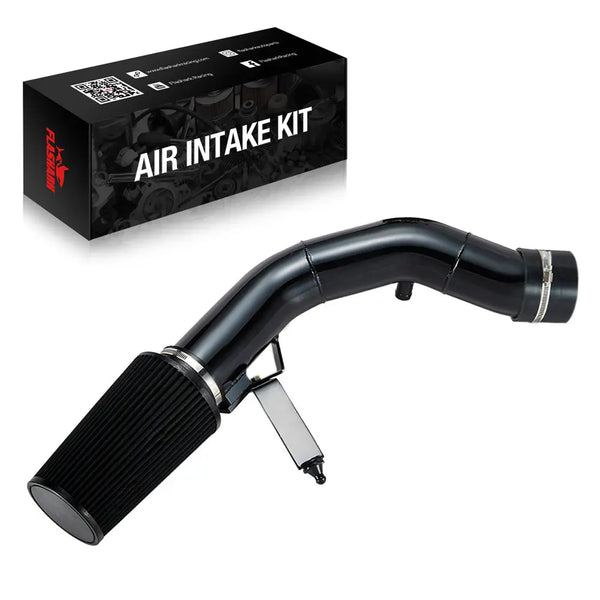
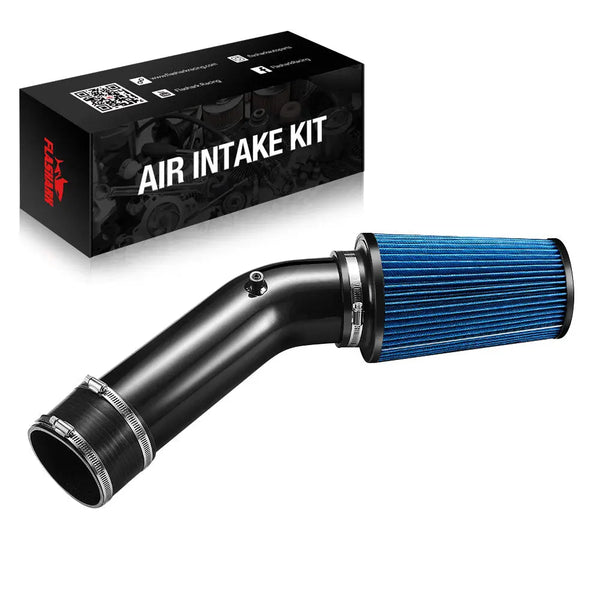
Compre kits de admisión de aire frío Flashark F250 para camiones Super Duty seleccionados equipados con el motor diésel Power Stroke de 7.3L, 6.0L, 6.4L o 6.7L, junto con aplicaciones de gasolina Triton V10 de 6.8L seleccionadas. Estos son sistemas específicos para cada motor, no un tubo universal que se adapte a cada F-250 que lleva la misma insignia.
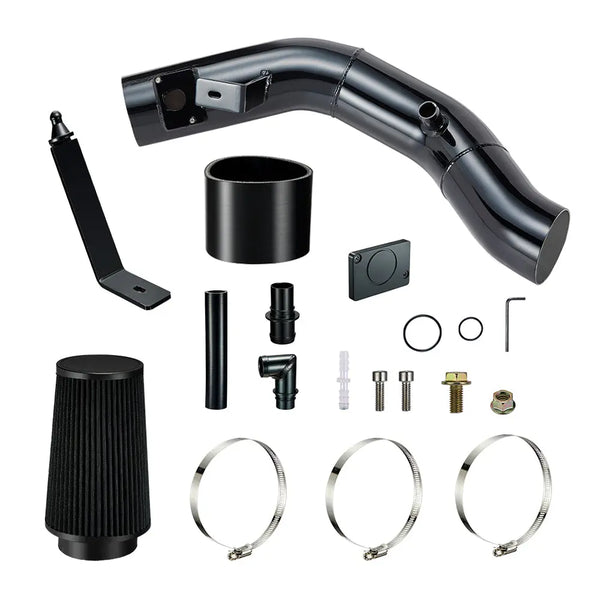
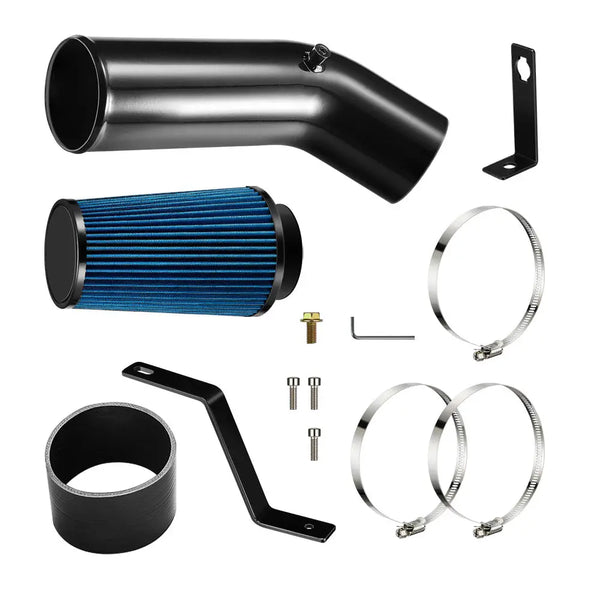
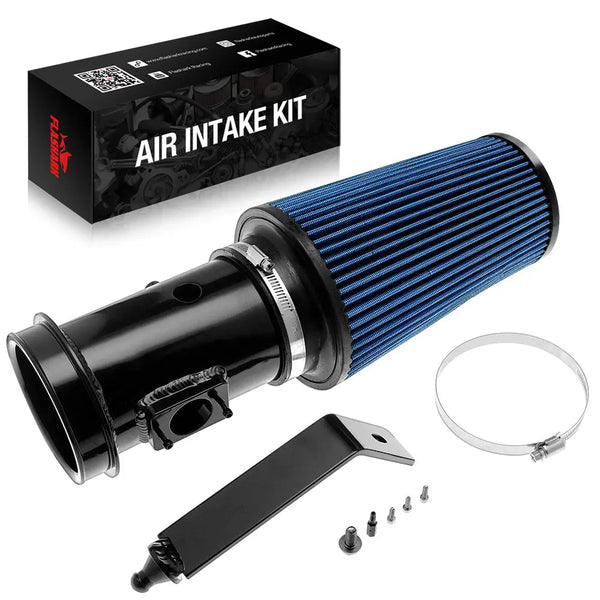
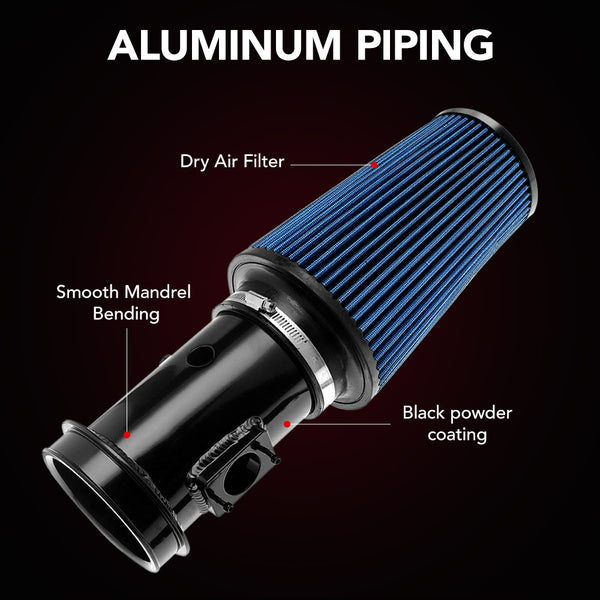
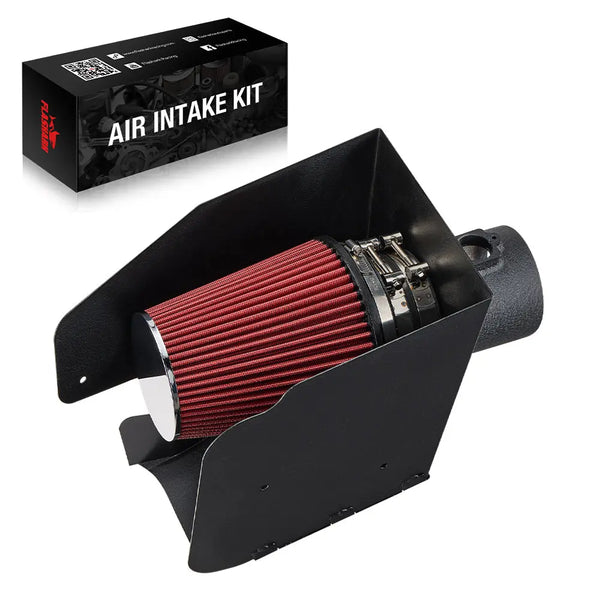
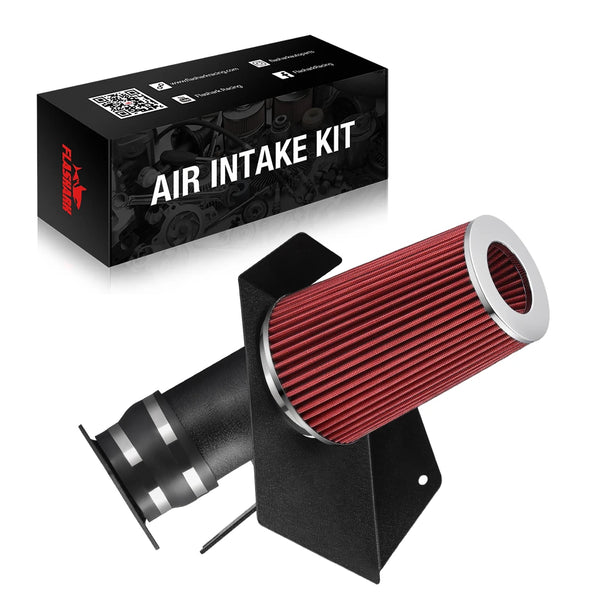
La cobertura actual incluye los años modelo seleccionados de 1999–2010 y 2017–2019. Dependiendo del listado, una admisión de aire F250 puede incluir tuberías de aluminio, un filtro cónico lavable, hardware de montaje y un escudo térmico diseñado para ese compartimiento del motor.
Comience con su motor, luego verifique el año del modelo y los componentes incluidos. Confirme los detalles completos de ajuste en la página de producto individual antes de realizar el pedido.




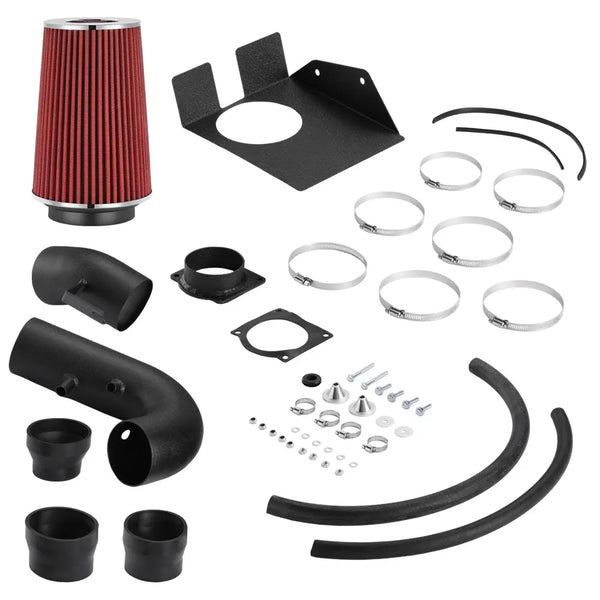
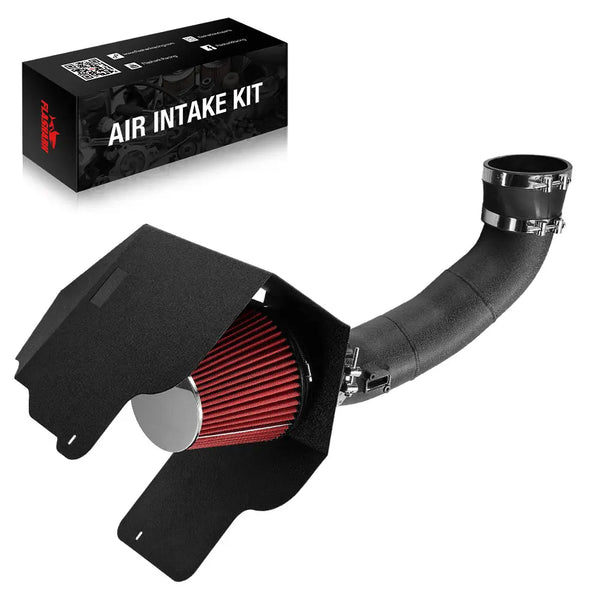

Comprar entradas de aire frío Ford: Todas las entradas de aire frío Ford
Comprar por modelo Ford: Entrada de aire frío Ford F-150 | Entrada de aire frío Ford Mustang | Entrada de aire frío Ford F-250 | Entrada de aire frío Ford F-350
Compre kits de admisión de aire frío Flashark F250 para camiones Super Duty seleccionados equipados con el motor diésel Power Stroke de 7.3L, 6.0L, 6.4L o 6.7L, junto con aplicaciones de gasolina Triton V10 de 6.8L seleccionadas. Estos son sistemas específicos para cada motor, no un tubo universal que se adapte a cada F-250 que lleva la misma insignia.
La cobertura actual incluye los años modelo seleccionados de 1999–2010 y 2017–2019. Dependiendo del listado, una admisión de aire F250 puede incluir tuberías de aluminio, un filtro cónico lavable, hardware de montaje y un escudo térmico diseñado para ese compartimiento del motor.
Comience con su motor, luego verifique el año del modelo y los componentes incluidos. Confirme los detalles completos de ajuste en la página de producto individual antes de realizar el pedido.
Cómo elegir el sistema de admisión de aire frío adecuado para la Ford F-250
Comprar un sistema de admisión para una F-250 debería ser sencillo, pero Ford fabricó estas camionetas con varias plataformas de motor completamente diferentes. Un sistema de admisión para Power Stroke de 7.3L no debe instalarse en una camioneta de 6.0L, un sistema para V10 de 6.8L no se conectará a una entrada de turbo diésel, e incluso dos camionetas con una carrocería Super Duty similar pueden usar diferentes ubicaciones de sensores y soportes.
Aquí está la respuesta directa: primero, haga coincidir el sistema de admisión con el motor. Luego, verifique el año del modelo, las provisiones de sensores, el tipo de filtro, el escudo térmico y el hardware antes de hacer clic en el botón "añadir al carrito".
Antes de comprar
- Cobertura actual de motores: motores diésel Power Stroke de 7.3L, 6.0L, 6.4L y 6.7L, además del motor de gasolina Triton V10 de 6.8L.
- La cobertura de años de modelo no es continua: los productos actuales cubren camionetas seleccionadas de 1999–2010 y 2017–2019, no todas las F-250 fabricadas entre esas fechas.
- Todas las opciones actuales utilizan un diseño de admisión de filtro único: esta página no contiene sistemas de admisión doble ni kits de admisión larga montados en la parte baja.
- Espere más sonido de admisión y turbo: los cambios de potencia dependen en gran medida del motor, la configuración, el escape, el estado del filtro y la restricción original del sistema de admisión.
- No ordene solo por el color del tubo: los componentes pulidos, negros, rojos y azules aún pueden pertenecer a plataformas de motor completamente diferentes.
Haga coincidir el sistema de admisión con el motor antes que nada
El nombre F-250 se mantuvo en el guardabarros, mientras que el hardware subyacente cambió drásticamente. Los motores Power Stroke de 7.3L, 6.0L, 6.4L y 6.7L utilizan diferentes configuraciones de entrada de turbo, rutas de admisión, posiciones de sensores, soportes de caja de aire y espacio disponible. El motor de gasolina Triton V10 de 6.8L es un diseño completamente distinto.
Preste especial atención al año 2003. Ese año de modelo puede implicar un Power Stroke de 7.3L o 6.0L, por lo que "sistema de admisión para F-250 de 2003" no es información suficiente. Abra el capó, verifique el motor y compárelo con la lista. Adivinar aquí es cómo una instalación sencilla de sábado se convierte en un montón de acoples que no encajan.
| Plataforma del motor | Cobertura actual de F-250 | Estructura de admisión | Aplicaciones compartidas mostradas | Qué verificar |
|---|---|---|---|---|
| Sistema de admisión Power Stroke de 7.3L | Camionetas seleccionadas de 1999–2003 | Tubo de admisión único de aluminio con un filtro cónico reutilizable | Aplicaciones seleccionadas de F-250, F-350 y Excursion | Año exacto, identificación del motor, medio filtrante y escudo incluido |
| Sistema de admisión Power Stroke de 6.0L de 4 pulgadas | 2003–2007 | Tubo único de 4 pulgadas, filtro cónico y escudo térmico | F-250, F-350, F-450, F-550 y Excursion | Variante negra o roja, instalación del sensor, sellado del acoplador y tipo de filtro |
| Sistema de admisión Power Stroke de 6.4L | 2008–2010 | Sistema de admisión de aluminio con filtro único | F-250, F-350 y F-450 | Componentes incluidos y diferencias entre las dos listas actuales de 6.4L |
| Sistema de admisión de 6.4L con escudo térmico | 2008–2010 | Tubo de aluminio pulido, filtro lavable rojo y diseño de escudo térmico | F-250, F-350 y F-450 | Acabado del tubo, escudo, método de servicio del filtro y hardware mostrado en la lista |
| Sistema de admisión Power Stroke de 6.7L | 2017–2019 | Tubo único doblado con mandril, filtro cónico seco y escudo térmico moldeado | F-250, F-350, F-450 y F-550 | No asuma la compatibilidad con camionetas de 2020 o más nuevas |
| Sistema de admisión Triton V10 de 6.8L | 1999–2004 | Tubería de admisión de 3.5 pulgadas, filtro cónico seco y escudo térmico | F-250, F-350, F-450, F-550 y Excursion | Solo V10 de gasolina; no compatible con diésel Power Stroke |
La tabla es un punto de partida, no un sustituto de la lista de compatibilidad individual. Algunos productos actuales comparten una plataforma Super Duty básica en varios modelos de camionetas, pero eso no significa que una pieza pueda transferirse a otro motor o generación.
Qué cambian realmente los kits de admisión actuales
Los productos de esta colección siguen una fórmula ampliamente similar: una ruta de admisión, un filtro de estilo cónico y hardware de montaje específico del motor. Reemplazan total o parcialmente la caja de aire de fábrica y el conducto de admisión moldeado por tuberías de aluminio más suaves. Algunos sistemas también colocan el filtro detrás de un escudo térmico de metal moldeado.
Todavía hay diferencias significativas. El producto de 6.0L utiliza un tubo de 4 pulgadas, mientras que el sistema V10 de 6.8L listado utiliza tuberías de 3.5 pulgadas y mantiene la alimentación de aire frío inferior de fábrica. El kit de 6.7L de 2017-2019 utiliza su propio escudo específico de Super Duty, ruta de tuberías, puntos de montaje y provisiones de sensores. Esas medidas y soportes son parte del ajuste, no detalles decorativos.
- Filtro cónico abierto: expone más sonido de inducción y proporciona una superficie de filtro más grande que un panel plano de fábrica.
- Escudo térmico: ayuda a separar el filtro del calor radiante del compartimiento del motor, especialmente en ralentí o a baja velocidad.
- Tuberías de aluminio más suaves: elimina algunos resonadores moldeados, corrugaciones y cambios bruscos en la ruta de admisión original.
- Filtro reutilizable: reduce el reemplazo rutinario del filtro, pero solo cuando se limpia y se le da servicio correctamente.
No fuerce una comparación de "admisión corta frente a admisión de aire frío" en esta página. Estos son sistemas de compartimiento del motor construidos alrededor del área de aire fresco de fábrica. No son sistemas de admisión de parachoques bajos y largos, y ninguno de los productos actuales utiliza un diseño de doble filtro.
Expectativas de sonido, potencia y remolque
El cambio de sonido suele ser lo primero que nota un conductor. Una camioneta Power Stroke puede producir un silbido de turbo más claro y una entrada de aire más fuerte cuando se abre el acelerador. El V10 de 6.8L desarrolla un rugido de admisión más profundo bajo carga. A velocidad constante en carretera, la diferencia suele ser menos dramática.
Ahora, la parte que los foros suelen exagerar: un sistema de admisión por sí solo no convierte una camioneta de trabajo estándar en una máquina diferente. No existe una prueba de dinamómetro verificada, en toda la colección y con la misma camioneta, que respalde una cifra de caballos de fuerza para cada producto que se muestra aquí. La condición del motor, la restricción del filtro de fábrica, la temperatura ambiente, el flujo de escape, la afinación, la carga y el método de prueba afectan el resultado.
En una camioneta limpia y estándar, la mejora puede ser más sobre el sonido y la reducción de la restricción que sobre una cifra dramática de potencia máxima. En una camioneta afinada que mueve más aire bajo un impulso sostenido, el sistema de admisión puede volverse más útil porque se le está pidiendo al conducto de fábrica que soporte un flujo de aire más alto. Esa es la distinción honesta.
Sensores MAF, luces de "Check Engine" y afinación
Un sistema de admisión de aire frío F250 correctamente emparejado generalmente está diseñado para retener los sensores de fábrica requeridos. Esto no hace que la posición del sensor sea opcional. El sensor de flujo de aire masivo o el sensor de temperatura del aire de admisión deben instalarse en la ubicación y orientación correctas, el conector debe encajar en su lugar y cada acoplador después del sensor debe sellar.
Normalmente no se requiere una afinación simplemente para instalar un kit de atornillado correctamente diseñado. Una afinación puede cambiar la cantidad de rendimiento que la camioneta puede usar, pero nunca debe usarse para encubrir una abrazadera suelta, una carcasa MAF incorrecta, un sensor desconectado, un sello dañado o un sistema de admisión que pertenece a otro motor.
Nota de diagnóstico del mecánico
Una queja común después de la instalación es que la camioneta funciona normalmente en ralentí, pero enciende la luz de "Check Engine" o duda una vez que aumenta el flujo de aire. Comience con el trabajo mecánico antes de culpar a la ECU. Inspeccione el cuello del filtro, la carcasa del MAF, el acoplador de la entrada del turbo o del cuerpo del acelerador, y cada conexión de manguera después del sensor. Una abrazadera puede parecer apretada mientras que el labio del acoplador está doblado debajo de ella.
Luego, verifique la orientación del sensor, el bloqueo del conector y el espacio libre del arnés. El arnés no debe estirarse sobre la tubería ni rozar contra un borde afilado del escudo térmico. No recubra la carcasa del MAF con silicona y no aplique aceite de filtro a un filtro de medio seco. Repare primero la fuga o el problema del sensor; borrar el código sin corregir la causa solo reinicia el reloj.
Verificaciones de instalación antes de cerrar el capó
La mayoría de estos kits se pueden instalar con herramientas manuales básicas, pero "atornillado" no significa "saltarse la inspección final". Un tubo de admisión que toca el capó, la bandeja de la batería, la cubierta del ventilador, la manguera del refrigerante o el mazo de cables eventualmente rozará algo.
- Confirme que todos los componentes de la lista estén presentes antes de retirar la caja de aire de fábrica.
- Transfiera el sensor MAF o IAT con cuidado y use el sello o junta suministrados donde sea necesario.
- Asiente cada acoplador de silicona completamente sobre ambas superficies de acoplamiento antes de apretar las abrazaderas.
- Coloque los tornillos de las abrazaderas donde se puedan alcanzar más tarde sin cortar las mangueras cercanas.
- Verifique que el filtro no toque el capó, el guardabarros, la batería o el escudo térmico.
- Reconecte la ventilación del cárter o las mangueras auxiliares exactamente como se muestra para ese motor.
- Encienda la camioneta y escuche si hay un silbido, un siseo o un aleteo que no estuviera presente antes de la instalación.
- Vuelva a verificar las abrazaderas después del primer ciclo de calor completo y nuevamente después de una breve prueba en carretera.
Advertencia de ajuste, agua y emisiones
No asuma que un sistema de admisión se ajusta a todos los años entre 1999 y 2019. La colección actual no muestra un kit F-250 confirmado para cada año de modelo, incluido el espacio entre las aplicaciones listadas de 2010 y 2017. Un nombre de motor similar o una carrocería Super Duty no son suficientes.
Estos no son sistemas de admisión larga de parachoques bajo, pero un filtro cónico expuesto no es impermeable. Evite el agua estancada profunda, el lavado a presión directo y cualquier situación que pueda empapar el filtro o la conexión del sensor. Las normas de emisiones e inspección también varían según la ubicación. Verifique los requisitos locales antes de reemplazar un conjunto de admisión de fábrica con certificación de emisiones.
Elija la configuración según cómo use la camioneta
Para una camioneta de uso diario, priorice un ajuste limpio, una ubicación adecuada del sensor, un sonido manejable y un filtro que esté dispuesto a mantener. Un sistema blindado suele ser la opción más limpia cuando la camioneta pasa tiempo en ralentí en el tráfico o trabajando a baja velocidad.
Para remolque y transporte, céntrese menos en el tubo pulido y más en un filtro seguro, soportes sólidos, acopladores sellados y holgura alrededor de las piezas calientes o móviles. El ruido de admisión se vuelve mucho más obvio cuando el motor está cargado, así que espere escuchar más sonido de turbo e inducción al subir o acelerar.
Para un Power Stroke afinado, la reducción de la restricción de admisión puede importar más porque se le pide al turbo que mueva aire adicional. Incluso entonces, la carcasa MAF específica del motor correcta y la instalación sin fugas son lo primero. Más flujo de aire a través de una geometría de sensor incorrecta no es una mejora.
¿Todavía compara varias plataformas Ford? Explore todos los kits de admisión de aire Ford, o pase a la colección dedicada de admisión de aire frío para Ford F-350 cuando busque una aplicación para F-350.
Preguntas frecuentes sobre el ajuste e instalación del sistema de admisión de aire frío para Ford F-250
P1: ¿Qué motores Ford F-250 están representados en esta colección?
R1: Esta colección incluye actualmente aplicaciones seleccionadas de diésel Power Stroke de 7.3L, 6.0L, 6.4L y 6.7L, además de aplicaciones seleccionadas de gasolina Triton V10 de 6.8L. La cobertura no es continua en todos los años de modelo de la F-250.
P2: ¿Un mismo sistema de admisión de aire frío para F-250 se ajustará a todos los años de modelo?
R2: No. La ruta del tubo de admisión, la conexión del turbo o del cuerpo del acelerador, la ubicación del sensor, los soportes de la caja de aire y el espacio libre debajo del capó cambian según la generación y el motor. Realice el pedido por año y motor, no solo por la insignia de la F-250.
P3: ¿Qué sistema de admisión se ajusta a una Ford F-250 de 2003?
R3: El 2003 es un año de transición que puede implicar un Power Stroke de 7.3L o 6.0L, dependiendo de la camioneta. Verifique la identificación del motor y compare la lista de productos antes de realizar el pedido.
P4: ¿Puede el mismo sistema de admisión ajustarse a una F-250 y una F-350?
R4: A veces. Varios productos actuales comparten el ajuste entre la F-250 y la F-350, y algunos kits también incluyen la F-450, F-550 o Excursion. Una plataforma compartida no hace que cada sistema de admisión sea universal; utilice el ajuste exacto del producto.
P5: ¿Un V10 de 6.8L puede usar un sistema de admisión diésel Power Stroke?
R5: No. El V10 de gasolina utiliza una ruta de entrada, una disposición de sensores y una conexión de motor diferentes. Elija el producto dedicado al Triton V10 de 6.8L.
P6: ¿Un sistema de admisión de aire frío para F-250 requiere afinación?
R6: La mayoría de los kits atornillados correctamente emparejados de esta colección están diseñados para funcionar sin afinación. Una camioneta afinada puede beneficiarse más de la restricción reducida, pero la afinación no debe usarse para ocultar una fuga de aire, un error del sensor o un sistema de admisión incorrecto.
P7: ¿Un sistema de admisión posventa puede encender la luz de "Check Engine"?
R7: Puede si el sensor MAF o IAT está desconectado, instalado al revés, contaminado o expuesto a aire no medido a través de un acoplador suelto. Vuelva a verificar los sellos, las abrazaderas, la orientación del sensor y el enrutamiento del arnés antes de reemplazar piezas.
P8: ¿Cómo cambiará el sistema de admisión el sonido de mi F-250?
R8: Espere más ruido de inducción y, en las aplicaciones Power Stroke, un silbido del turbo más audible bajo aceleración. El volumen de crucero suele cambiar menos que el sonido a máxima aceleración.
P9: ¿Cuántos caballos de fuerza agregará un sistema de admisión para F-250?
R9: No hay una única ganancia aplicable a todos los productos o camionetas, y esta colección no proporciona una comparación de dinamómetro controlada con la misma camioneta para cada kit. Los resultados dependen del motor, la afinación, el escape, el estado del filtro, la temperatura ambiente y si la admisión de fábrica realmente estaba restringiendo el flujo de aire.
P10: ¿Son lavables los filtros cónicos incluidos?
R10: Sí, los kits enumerados utilizan filtros lavables de estilo cónico, pero el método de servicio no es idéntico. Algunos listados describen medios secos, mientras que otros describen algodón aceitado, así que siga las instrucciones de la página exacta del producto y nunca engrase un filtro seco.
P11: ¿Es seguro un filtro de admisión expuesto bajo la lluvia o en agua estancada?
R11: La lluvia normal no es lo mismo que sumergir la entrada. Mantenga el filtro y el escudo correctamente instalados, evite el agua estancada profunda y nunca lave a presión un filtro expuesto o una conexión de sensor.
P12: ¿Qué debo confirmar antes de pedir una admisión para un F-250?
R12: Confirme el año del modelo, la familia y el desplazamiento del motor, la configuración diésel o gasolina, los puertos de los sensores, el escudo térmico incluido, el acabado de la tubería, el tipo de filtro y el estado actual de las existencias. Para las camionetas de 2003 y los dos listados de 6.4L de 2008-2010, compare cuidadosamente las páginas individuales de los productos.


