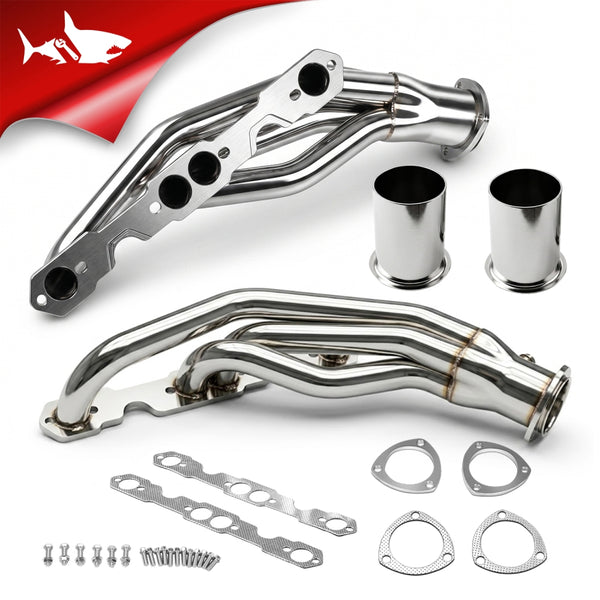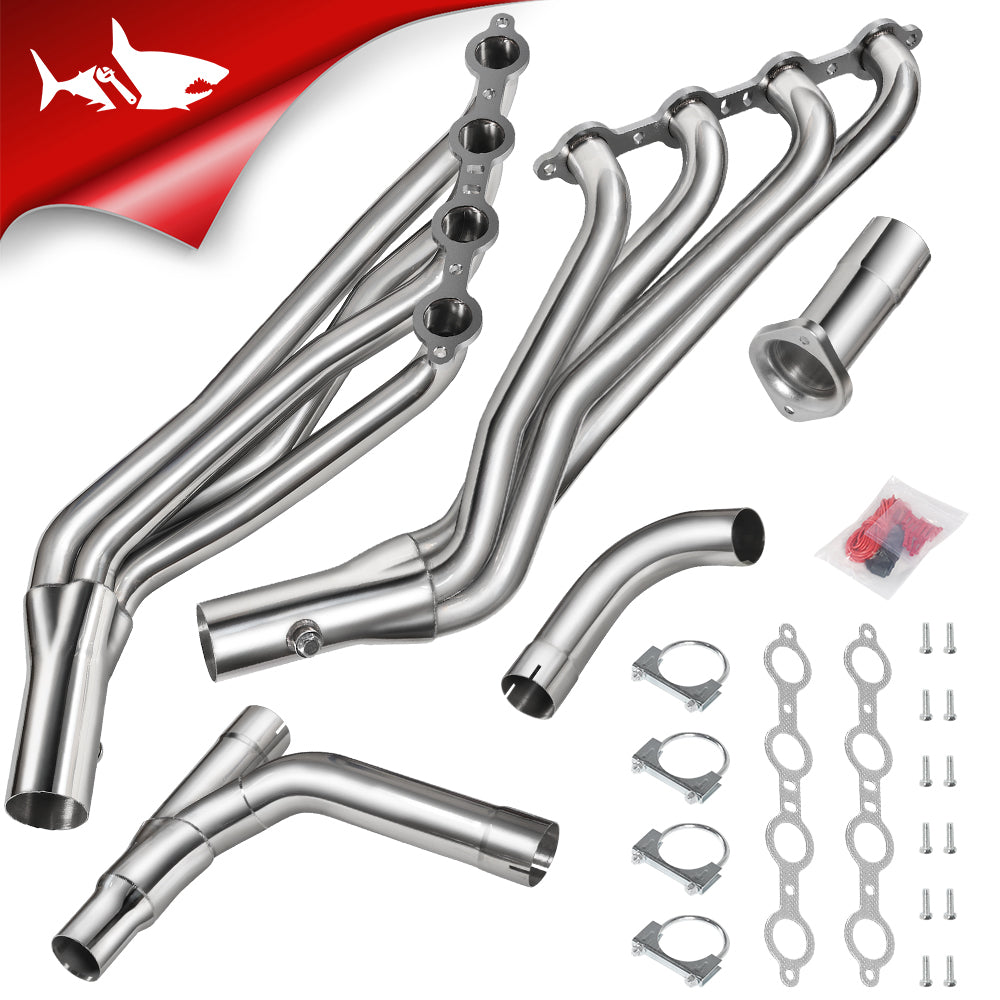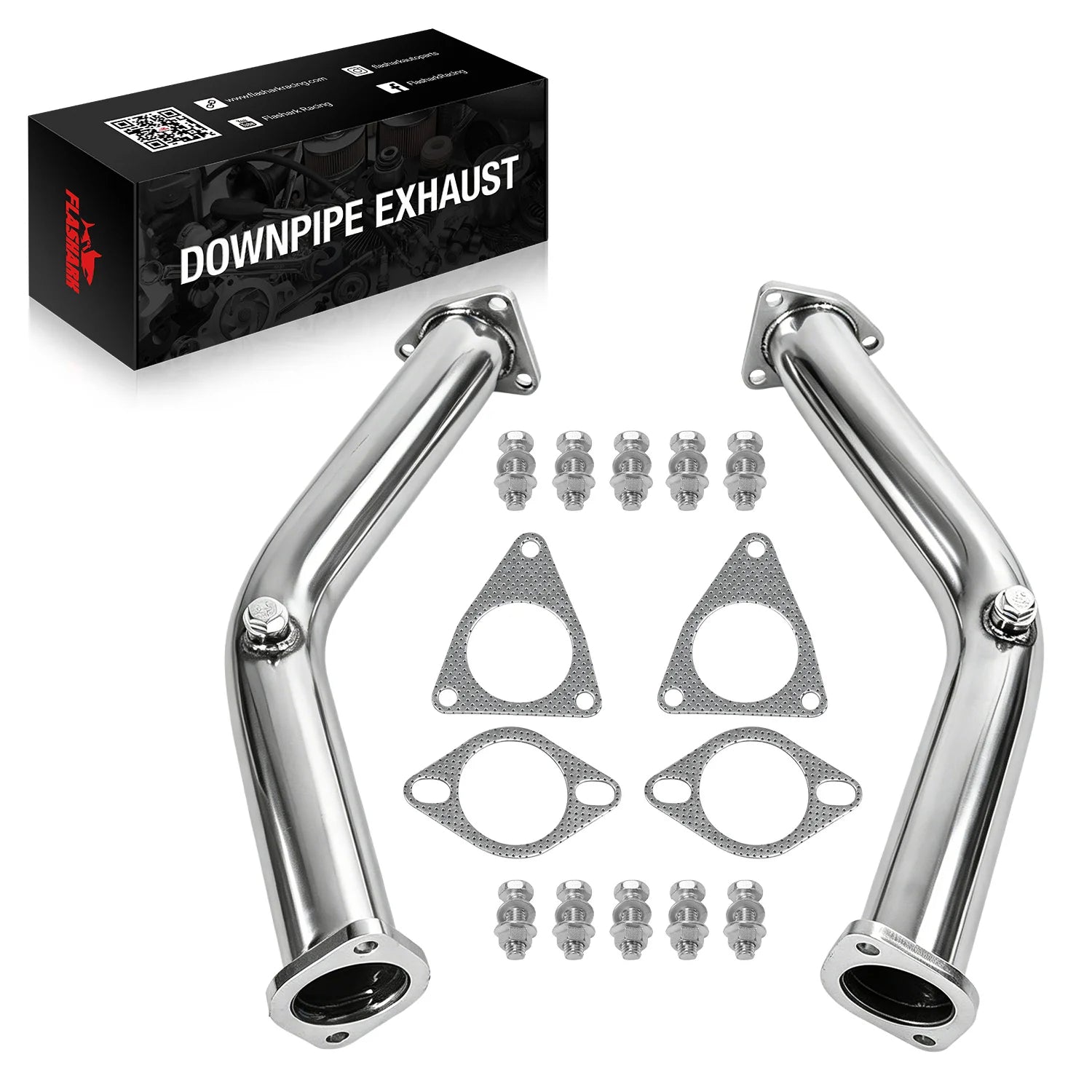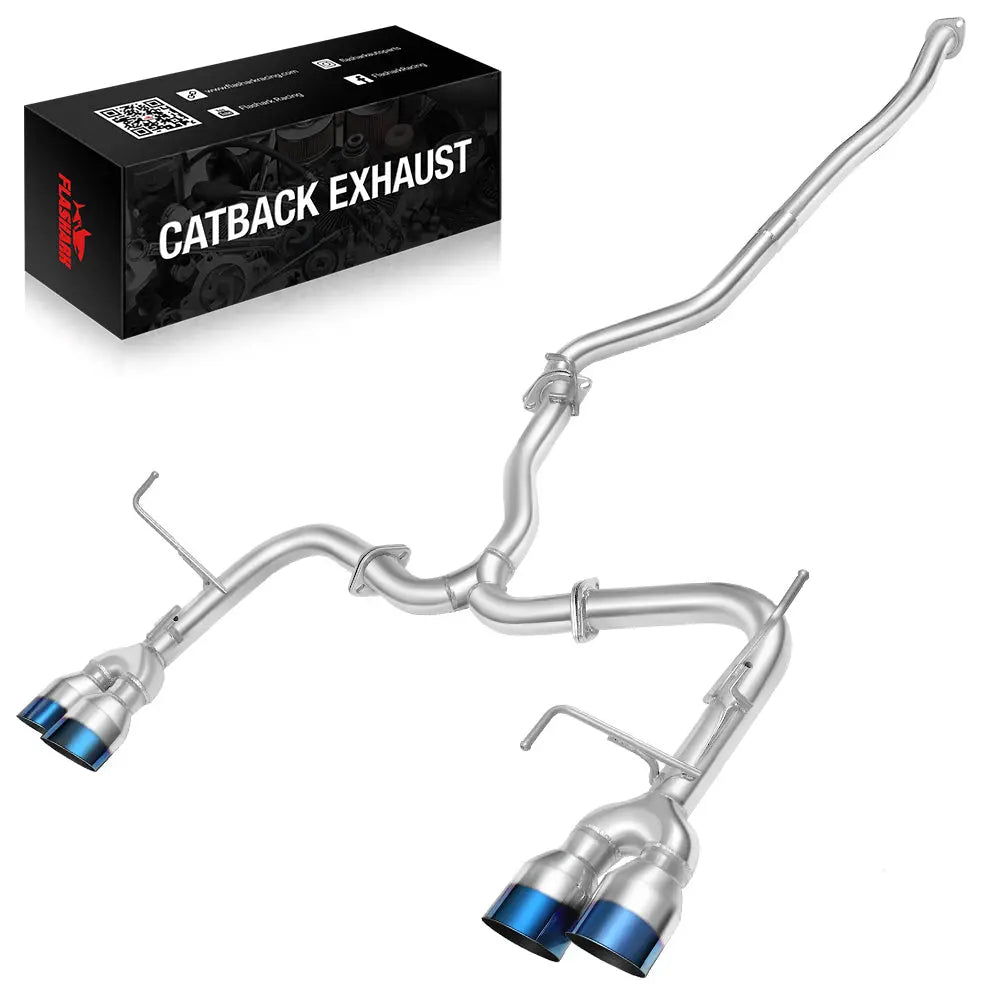
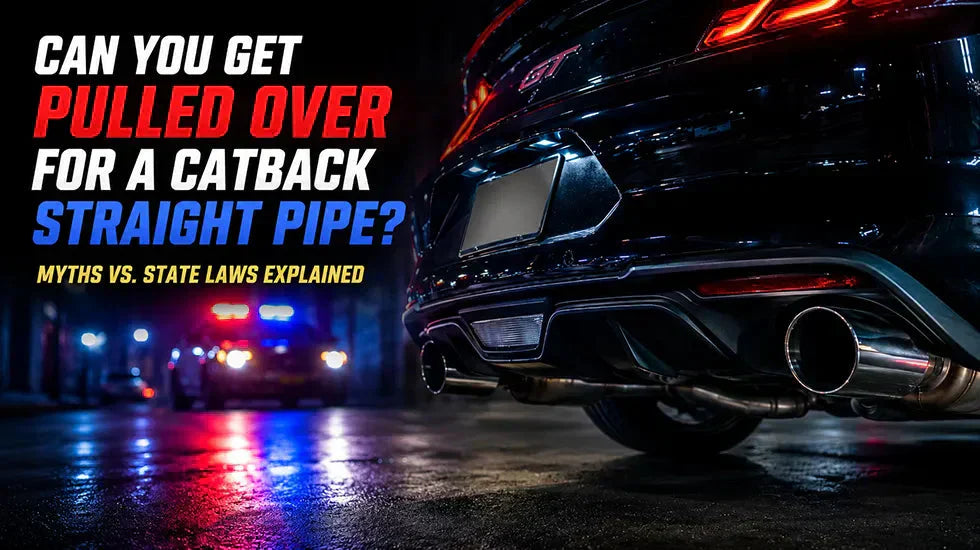
A lot of drivers ask the same question before changing their exhaust: can you get pulled over for a catback straight pipe? The honest answer is yes, you can — but usually not because of emissions. The bigger risk is noise.
A true catback setup keeps the catalytic converter in place, so it usually does not create the same federal emissions problem as a full straight pipe or cat-delete exhaust. However, once you remove the muffler and resonator from the rear section, the car can become loud enough to violate state or local exhaust noise laws. That is where most tickets, fix-it citations, and inspection problems start.
Quick Answer: Is a Catback Straight Pipe Legal?
- Emissions risk is usually lower if the catalytic converter and O2 sensors stay untouched.
- Noise risk is high because a muffler-delete or resonator-delete catback can easily exceed local sound limits.
- California, New York, and other strict states may still fail the car during visual inspection if required mufflers are missing.
- Police usually pull cars over for sound, not pipe layout. Hard acceleration, rasp, popping, and drone make the car more noticeable.
What Is a Catback Straight Pipe?
A catback exhaust replaces the exhaust section after the catalytic converter. That usually includes the mid-pipe or rear pipe, muffler, resonator, and exhaust tips, depending on the vehicle layout.
A catback straight pipe is a more aggressive version of that setup. Instead of using a muffler or resonator to control sound, it uses mostly open tubing from the catalytic converter back to the tips. In simple terms, it is often a muffler delete and resonator delete in the rear section of the exhaust.
This is different from a full straight pipe. A full straight pipe usually removes or bypasses catalytic converters, mufflers, and resonators. That kind of setup is much riskier for street use because removing emissions equipment can violate federal and state emissions laws.

Mechanic's Note: Do Not Confuse Catback With Cat Delete
In the shop, we see this mistake all the time. A real catback starts after the catalytic converter. If you cut before the converter, remove the converter, install a test pipe, or move the O2 sensors incorrectly, you are no longer talking about a simple catback. You are now dealing with emissions tampering risk, check engine lights, fuel trim issues, and inspection failure.
Can You Get Pulled Over for a Catback Straight Pipe?
Yes. You can get pulled over for a catback straight pipe if the exhaust is too loud, produces excessive popping or rasp, or appears to violate your state’s muffler law. In most real-world traffic stops, the officer is not checking whether your system is technically “catback.” The officer hears a loud exhaust, sees a modified rear section, and decides whether it sounds excessive for public roads.
That means a catback straight pipe can be legal from an emissions standpoint but still illegal from a noise standpoint. This is the part many enthusiasts miss. Keeping the catalytic converter does not automatically make the car street legal if the exhaust noise is beyond the local limit.
Catback vs Straight Pipe: Why the Legal Risk Is Different
| Setup | Catalytic Converter | Muffler / Resonator | Main Legal Risk |
|---|---|---|---|
| Stock exhaust | Kept | Kept | Lowest risk |
| Resonated catback | Kept | Usually kept or replaced with performance parts | Moderate noise risk, usually street-friendlier |
| Catback straight pipe | Kept | Often removed | High noise and muffler-law risk |
| Full straight pipe | Often removed | Removed | High emissions and noise risk |
If you want a deeper comparison between sound, legality, and daily drivability, read our full guide on straight pipe vs catback exhaust.
Why Police Pull Over Loud Catback Straight Pipe Cars
Police officers usually notice a loud exhaust before they notice the exact hardware under the car. A catback straight pipe can attract attention because it changes the acoustic profile of the vehicle. Without a muffler or resonator, the exhaust note becomes sharper, louder, and more obvious under load.
The most common reasons a modified exhaust gets attention include:
- Loud cold starts in neighborhoods or parking lots
- Hard acceleration near traffic, schools, downtown areas, or patrol zones
- Rasp, crackle, or popping during downshifts
- Cabin drone that is audible outside the vehicle at cruising speed
- Visible missing muffler or obviously modified rear piping

Noise Laws: The Main Problem With Catback Straight Pipes
The biggest legal issue with a catback straight pipe is usually exhaust noise. Many states require vehicles to have a working muffler that prevents excessive or unusual noise. Some states use a specific decibel limit, while others leave more discretion to law enforcement.
California is one of the most discussed examples because many passenger vehicles are commonly held to a 95 dB exhaust noise limit when tested under the correct procedure. Other states may not publish a single universal number, but they can still ticket a vehicle if the exhaust is louder than stock, excessive, or missing required sound-control equipment.
Warning: “It Still Has Cats” Does Not Mean “It Is Street Legal”
A catback straight pipe can keep the catalytic converter and still be too loud for public roads. Emissions compliance and noise compliance are two separate issues. You may pass an OBD2 emissions scan but still receive a noise citation or fail a visual muffler inspection.
State-by-State Risk: California, Texas, Florida, and Other Areas
Exhaust laws are not the same everywhere. Before installing a catback straight pipe, check your state law, local noise ordinance, and inspection rules. Here is a practical overview of how risk usually works in common enthusiast states.
| State / Area | Typical Risk Level | What Usually Gets You in Trouble | Garage Advice |
|---|---|---|---|
| California | High | Over-limit sound level, missing muffler, visual inspection issues | Use a resonated or muffled catback if the car is street-driven. |
| New York | High | Excessive exhaust noise and modified muffler systems | Avoid raw muffler-delete setups for daily driving. |
| Texas | Medium | Excessive or unusual noise, especially in city areas | A controlled-tone catback is safer than an open straight pipe. |
| Florida | Medium | County or city-level noise enforcement | Local enforcement varies, so keep the system reasonable. |
| Strict inspection states | Medium to high | Missing mufflers, altered emissions equipment, failed visual checks | Keep emissions equipment intact and use street-oriented sound control. |
This table is not legal advice. Laws change, and local enforcement can vary even within the same state. Treat it as a risk guide, then verify your local rules before cutting or replacing exhaust parts.
Will a Catback Straight Pipe Pass Emissions?
In many cases, a true catback straight pipe can pass an OBD2 emissions test because the catalytic converter and oxygen sensors remain in place. The ECU can still monitor catalyst efficiency, fuel trims, and readiness monitors as designed.
However, there are two important exceptions:
- Visual inspection: Some states or inspection stations may fail a vehicle if required mufflers are missing or if the exhaust appears illegally modified.
- Bad installation: Exhaust leaks, damaged O2 sensor wiring, poor flange alignment, or incorrect pipe routing can trigger check engine lights or inspection failure.
Tech Detail: Why Catback Usually Does Not Trigger a CEL
Most modern vehicles monitor emissions using upstream and downstream O2 sensors around the catalytic converter. Since a proper catback begins after the catalytic converter, it normally does not change catalyst monitoring. That is why many catback systems do not trigger a check engine light. Problems usually happen when the installer cuts too far forward, damages sensor wiring, creates leaks, or removes emissions hardware.
How Loud Is a Catback Straight Pipe?
A catback straight pipe can be dramatically louder than stock. The exact sound level depends on engine size, turbo vs naturally aspirated layout, firing order, pipe diameter, exhaust length, and whether any resonators remain in place.
As a general shop observation, many straight-piped rear sections sound manageable at idle but become extremely loud under throttle. V8 trucks and muscle cars can sound deep and aggressive, while some V6 and four-cylinder setups can become raspy without a resonator.
Common Sound Problems
- Rasp: Sharp, metallic sound during acceleration.
- Drone: Low-frequency cabin vibration at highway speeds.
- Popping: Crackles or bangs during deceleration or shifting.
- Cold-start volume: Loud startup noise before idle speed drops.
Real Shop Example: The 108 dB Mustang
A Mustang 5.0 owner came in after getting repeated attention from police in downtown traffic. The car had a non-resonated straight-through rear section. On our shop sound meter, it was hitting around 108 dB during a controlled rev test. The car sounded great on backroads but was too aggressive for daily street use.
We added a pair of high-flow bullet resonators, reduced the harsh tone, cut the drone, and brought the sound closer to a street-friendly range without killing the V8 character.
How to Reduce the Risk of Getting Pulled Over
If you want better sound without constant attention from law enforcement, the goal is not just “more flow.” The goal is controlled flow and controlled sound. A smart exhaust setup should sound strong under throttle but stay reasonable at idle, cruise, and low-speed city driving.
- Keep at least one resonator: Resonators reduce rasp and harsh frequencies without making the exhaust feel stock.
- Use a performance muffler: A straight-through muffler can flow well while keeping volume street-friendly.
- Avoid oversized piping on mild engines: Bigger pipe is not always better. Oversized exhaust can increase drone and reduce low-end response.
- Fix leaks immediately: Exhaust leaks near flanges or slip joints can make the car sound broken and attract attention.
- Drive quietly in town: Short-shift, avoid high-RPM pulls, and be respectful in residential areas.
- Consider a valved exhaust: A valve lets you keep the car quieter in neighborhoods and louder when appropriate.
Better Alternatives to a Raw Catback Straight Pipe
If your car is street-driven, a raw straight pipe is not always the best choice. There are better ways to get sound, performance, and daily drivability without creating unnecessary legal risk.
1. Resonated Catback Exhaust
A resonated catback keeps the aggressive tone but reduces rasp and highway drone. This is often the best balance for daily drivers, street cars, and weekend builds.
2. High-Flow Muffler Catback
A high-flow muffler uses a less restrictive internal design than the factory muffler while still controlling volume. It is a smarter option if you want a deeper tone without going fully open-pipe.
3. Valved Catback Exhaust
A valved system gives you sound control. Closed valves keep the car quieter for commuting, neighborhoods, and police-heavy areas. Open valves give you a more aggressive tone for track use or spirited driving where legal.

Should You Install a Catback Straight Pipe on a Daily Driver?
For a track car, weekend toy, or off-road-use build, a catback straight pipe can be fun. It is simple, lightweight, loud, and aggressive. For a daily driver, it is usually a compromise.
Before choosing one, ask yourself these questions:
- Do you live in a strict noise-enforcement state?
- Does your area require visual inspection?
- Do you drive early in the morning or late at night?
- Do you often pass schools, neighborhoods, downtown streets, or police-heavy areas?
- Can you tolerate drone on the highway?
If the answer to several of those questions is yes, a resonated or muffled catback is usually the smarter street setup.
Conclusion: Is a Catback Straight Pipe Worth the Risk?
A catback straight pipe can make a car sound raw, loud, and aggressive. It can also reduce some restriction in the rear section of the exhaust. But for street use, the legal risk comes down to sound level and local muffler laws.
If the catalytic converter stays in place, emissions risk is usually lower than a full straight pipe. But that does not make the setup automatically legal. You can still get pulled over if the car is too loud, if the muffler is missing where your state requires one, or if the vehicle fails a visual inspection.
The best street setup is usually not the loudest one. It is the setup that fits properly, keeps emissions equipment intact, controls drone, and gives you the tone you want without making every police cruiser turn around.
Frequently Asked Questions
Is a catback straight pipe illegal?
A catback straight pipe is not automatically illegal at the federal emissions level if it keeps the catalytic converter and emissions sensors intact. However, it can still be illegal under state or local noise laws if it removes the muffler, exceeds the sound limit, or creates excessive exhaust noise.
Is a straight pipe legal?
A full straight pipe is usually not legal for street use if it removes or bypasses catalytic converters or other emissions equipment. A rear-section catback straight pipe is different because it starts after the catalytic converter, but it can still violate noise or muffler laws.
Can you get pulled over for a catback exhaust?
Yes, you can get pulled over for a catback exhaust if it is excessively loud. A normal resonated or muffled catback is usually less risky than a straight-piped catback, but local laws and officer discretion still matter.
Are catback exhausts legal in California?
Catback exhausts can be legal in California if they keep emissions equipment intact and do not exceed the legal sound limit. A loud muffler-delete or straight-pipe rear section is much riskier because California is strict about exhaust noise and visual inspection.
Are straight pipes legal in California?
For street use, a full straight pipe that removes catalytic converters is not legal in California. Even a catback straight pipe that keeps the catalytic converter can still be cited if it is too loud or missing required sound-control equipment.
Will a catback straight pipe pass emissions?
It may pass an OBD2 emissions test if the catalytic converter and O2 sensors remain installed and working. However, it may fail visual inspection in states where inspectors check for missing mufflers or illegal exhaust modifications.
Does a catback straight pipe add horsepower?
It can add a small amount of power by reducing rear-section restriction, but the gain is usually modest on a stock engine. Many drivers notice the sound change more than the horsepower gain. Headers, downpipes, tuning, and intake changes usually have a larger effect on performance.
How much louder is a catback straight pipe?
It can be much louder than stock, especially during cold starts and hard acceleration. Depending on the vehicle, engine, pipe diameter, and whether any resonators remain, a straight-piped rear section can easily become loud enough to attract police attention.
How can I make a straight-piped car quieter?
You can add bullet resonators, install a high-flow muffler, use a valved exhaust, repair leaks, or switch to a resonated catback system. These changes can reduce rasp and drone while keeping a performance exhaust tone.
What is the difference between a catback and a downpipe?
A catback replaces the exhaust section after the catalytic converter. A downpipe is located closer to the turbo or engine and can affect emissions equipment depending on the design. For a deeper comparison, read our guide on downpipe vs straight pipe differences.

Steven Chen
Automotive Performance Specialist | Engine & Exhaust Systems
Steven focuses on practical engine performance, exhaust fitment, and real-world upgrade paths for classic and modern enthusiast vehicles. He reviews small-block Ford, LS, truck, and street/strip applications with one goal in mind: helping builders choose parts that actually work together. His philosophy: "Good power starts with the right combination, not the biggest part."