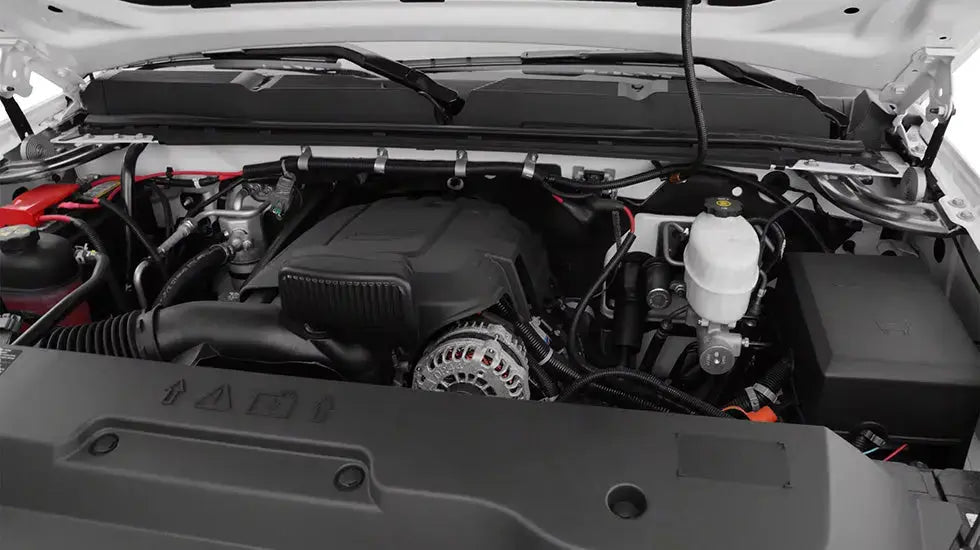
If you've ever dismissed the 4.8L Vortec as just the "baby LS," you are missing out on one of the greatest budget-performance platforms in automotive history. Debuting in 1999 as the LR4, this compact V8 is often overshadowed by its larger 5.3L and 6.0L siblings. However, in the world of engine builders and hardcore tuners, it has earned a devoted following for its affordability, iron-block durability, and an insatiable appetite for RPM and boost.
Unlike later, more complex LS variants, the 4.8 does not feature Active Fuel Management (AFM), Displacement on Demand (DOD), or Variable Valve Timing (VVT). This mechanical simplicity makes it virtually bulletproof and a favorite for budget LS swaps, track cars, or boosted daily drivers.
Quick Summary: 4.8 Vortec Capabilities & Sweet Spots
- Factory Output: Typically ranges from 250 to 300 horsepower, depending on the generation and ECM calibration.
- Naturally Aspirated Potential: With aggressive cams, long-tube headers, and a proper ECU tune, expect 350–400+ horsepower.
- Boost Potential (Stock Internals): Reliably handles 600–700+ horsepower on 10–15 psi of boost, provided the ring gap is opened and the tune is safe.
- Ideal Use Cases: Best suited for budget turbo builds, high-RPM track cars, and lightweight chassis swaps (like Foxbodys, S10s, or 240SXs) where high-end horsepower matters more than low-end towing torque.
- Reliability: Exceptional. The complete lack of AFM/DOD systems eliminates the catastrophic lifter failures commonly found in 5.3L and 6.0L Gen IV engines.

Historical Background and Evolution
The 4.8 Vortec was introduced as part of GM’s Gen III LS small-block program, intended to modernize the company’s light-duty truck engines. It replaced older small-displacement V8 platforms (like the 5.0L Vortec 305) by offering improved fuel efficiency, reduced manufacturing cost, and enhanced durability while adopting key LS technologies such as aluminum cylinder heads, coil-near-plug ignition, and a deep-skirt cross-bolted block design.

Gen III (1999–2006) — LR4
- Initial release of the 4.8L platform
- 24x crank reluctor wheel with rear-mounted cam sensor
- Cast-iron block with aluminum heads (706 or 862 castings)
- No AFM or VVT
- Used in Silverado/Sierra trucks, SUVs, and full-size vans
Gen IV (2007–2013) — LY2/L20
- Updated 58x crank sensor system and front-mounted cam sensor
- Strengthened connecting rods (the highly desired "Gen IV thick rods") and full-floating piston pins
- Optional E85 compatibility (L20 variant)
- Continued absence of AFM/VVT systems, maintaining peak reliability
The 4.8 was officially discontinued after 2013 in favor of the more advanced, direct-injected 4.3L EcoTec3 V6 (LV3) and updated 5.3L engines.
Engine Architecture and Core Features
The 4.8 Vortec uses a heavy-duty cast-iron block paired with aluminum cylinder heads. Its foundation is incredibly rigid, making it naturally resistant to the block flex that plagues some older aluminum engines under high boost.
- Cast-iron block for extreme cylinder pressure durability
- Aluminum heads with excellent cathedral-port airflow
- 6-bolt main caps (4 vertical, 2 horizontal cross-bolts) providing incredible crankshaft stability
- Coil-near-plug ignition system for precise, high-energy spark control
🛠️ Mechanic's Note: The Magic of the Short Stroke
Why do engine builders love the 4.8 so much? It comes down to physics. The 4.8 uses a much shorter stroke than the 5.3 (3.27" vs. 3.62"). A shorter stroke means the piston travels less distance per revolution, resulting in a significantly lower piston speed at high RPMs. This drastically reduces the stress on the connecting rods. This is exactly why a junkyard 4.8 can routinely spin to 7,000+ RPM and survive massive turbo boost that would normally bend the rods in a longer-stroke engine.

Performance Features and Specifications
| Parameter | Specification |
|---|---|
| Engine Type | V8, Small Block LS Architecture |
| Displacement | 4.8L (293 cubic inches) |
| Bore x Stroke | 3.78 in x 3.27 in (96.01 mm x 83.06 mm) |
| Block / Head Material | Cast Iron / Aluminum |
| Compression Ratio | 9.5:1 (LR4) / 8.8:1 to 9.2:1 (Various Gen IV) |
| Horsepower (Factory) | 255-302 hp |
| Torque (Factory) | 285-305 lb-ft |
For engine swappers putting these motors into lighter chassis—like an older C10 pickup, a Nissan 240SX, or a Foxbody Mustang—the power-to-weight ratio transforms dramatically. Because the engine is cheap and plentiful, builders can spend their budget on a high-quality turbo kit and a custom camshaft, turning a mundane 285 lb-ft truck engine into a lightweight chassis street terror.
Gen III vs Gen IV Model Differences
| Feature | Gen III LR4 (1999–2006) | Gen IV LY2/L20 (2007–2013) |
|---|---|---|
| Crank Reluctor | 24x | 58x |
| Cam Sensor Location | Rear of Block | Front Timing Cover |
| Connecting Rods | Standard Powdered Metal | Thicker, Stronger Design (Boost friendly) |
| AFM / VVT | No / No | No / No (Some L20s had VVT late in life) |
| PCM Type | P01/P59 (Drive-by-cable or early DBW) | E38 (Drive-by-wire only) |
Mechanic's Takeaway: Gen IV models are structurally stronger for big boost due to the upgraded rods, while Gen III models are generally preferred for budget classic car swaps because the 24x electronics and drive-by-cable throttle bodies are easier and cheaper to wire up.
Applications and Factory Use
The 4.8 Vortec was heavily utilized across GM's working fleet, keeping replacement costs at rock bottom:
- Chevrolet Silverado 1500 & GMC Sierra 1500 (Base V8 option)
- Chevrolet Express & GMC Savana Commercial Vans
- Chevrolet Tahoe & GMC Yukon (Early base models)
Reliability and Common Issues
The greatest asset of the 4.8 is what it doesn't have. By skipping the dreaded Active Fuel Management (AFM) system, you completely avoid the collapsed lifters and destroyed camshafts that plague the 5.3s of the same era.
Common High-Mileage Issues
- Oil Pressure Sensor Failure: The sensor at the back of the intake manifold often clogs or fails, giving false zero pressure readings.
- Intake Manifold Gasket Leaks: The factory plastic intake gaskets harden over time, causing cold-start vacuum leaks and rough idles (Code P0171/P0174).
- Exhaust Manifold Bolts Breaking: The rear bolts on the exhaust manifolds frequently snap off inside the cylinder head due to heat cycling.
- Water Pump Gasket Weeping: High mileage units often leak coolant slowly from the aluminum water pump gaskets.
- Piston Slap: A common cold-start knocking sound (piston skirt noise) that usually goes away as the engine warms up. It sounds scary but is generally harmless.
🚨 Builder's Warning: The Castech "706" Cylinder Head Issue
If you are buying a 2001–2006 LR4 4.8L, check the casting mark on the cylinder heads. Some "706" heads were manufactured by a company called Castech and have a known casting flaw. They are prone to cracking around the oil drain holes, which allows coolant to slowly leak into the engine oil (often misdiagnosed as a blown head gasket). Always check for the Castech logo under the valve covers before putting money into a set of 706 heads.
Maintenance Guide
| Component | Interval |
|---|---|
| Engine Oil & Filter (Synthetic recommended) | 5,000–7,000 miles |
| Spark Plugs (Iridium) & Wires | 80,000–100,000 miles |
| Ignition Coils | Inspect at 100,000 miles (Replace as needed) |
| Dex-Cool Coolant Flush | 5 Years / 100,000 miles |
| Throttle Body & MAF Cleaning | 30,000–40,000 miles |
Popular Upgrades and Modifications
⚠️ Busting the Myth: The "EGR Delete"
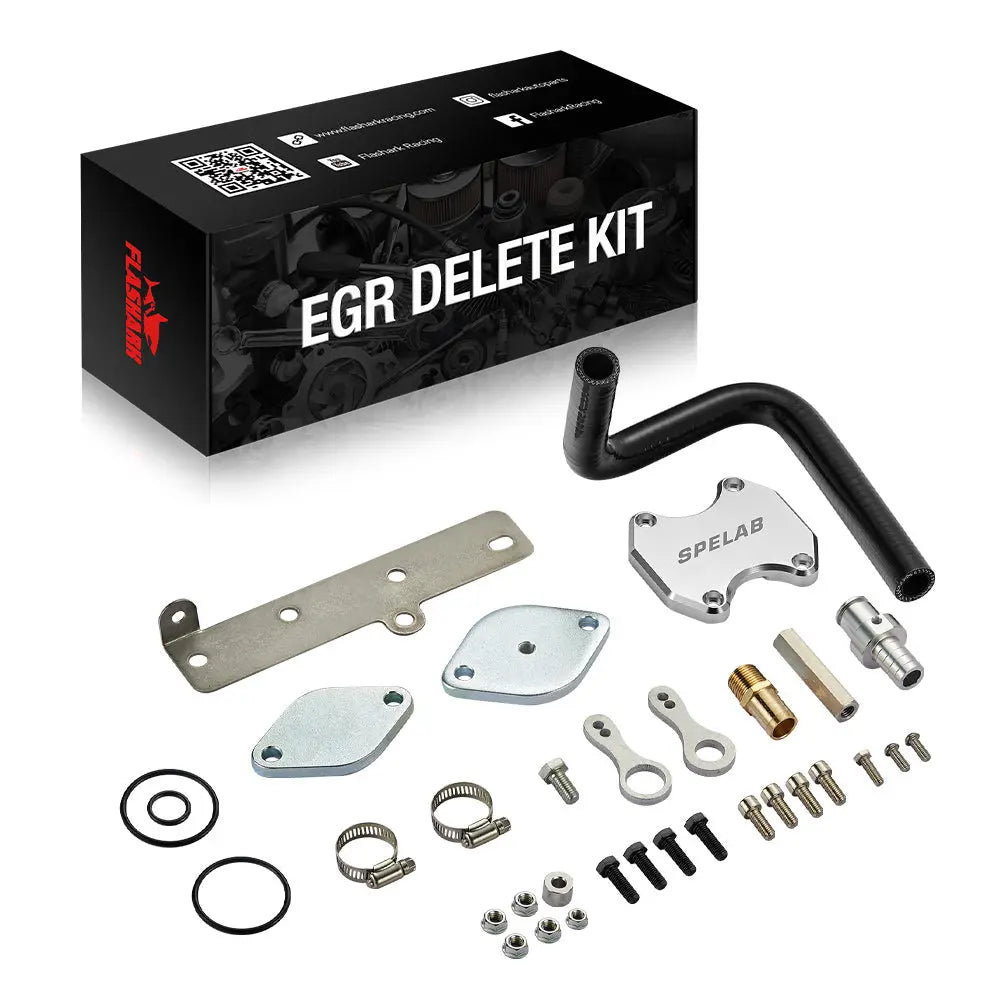
A lot of guides recommend an "EGR Delete" for the 4.8L to improve performance. Let's clear up a massive internet misconception: Most 4.8L engines do not even have an EGR valve. GM only used an external EGR system on the very early Gen III LR4s (roughly 1999–2002). By 2003, GM achieved emissions compliance purely through camshaft overlap and tuning, eliminating the EGR hardware entirely. If you have an early engine with EGR, blocking it off cleans up the engine bay and intake tract, but it requires an ECU tune to turn off the check engine light.
Breathing Upgrades: Intake and Exhaust
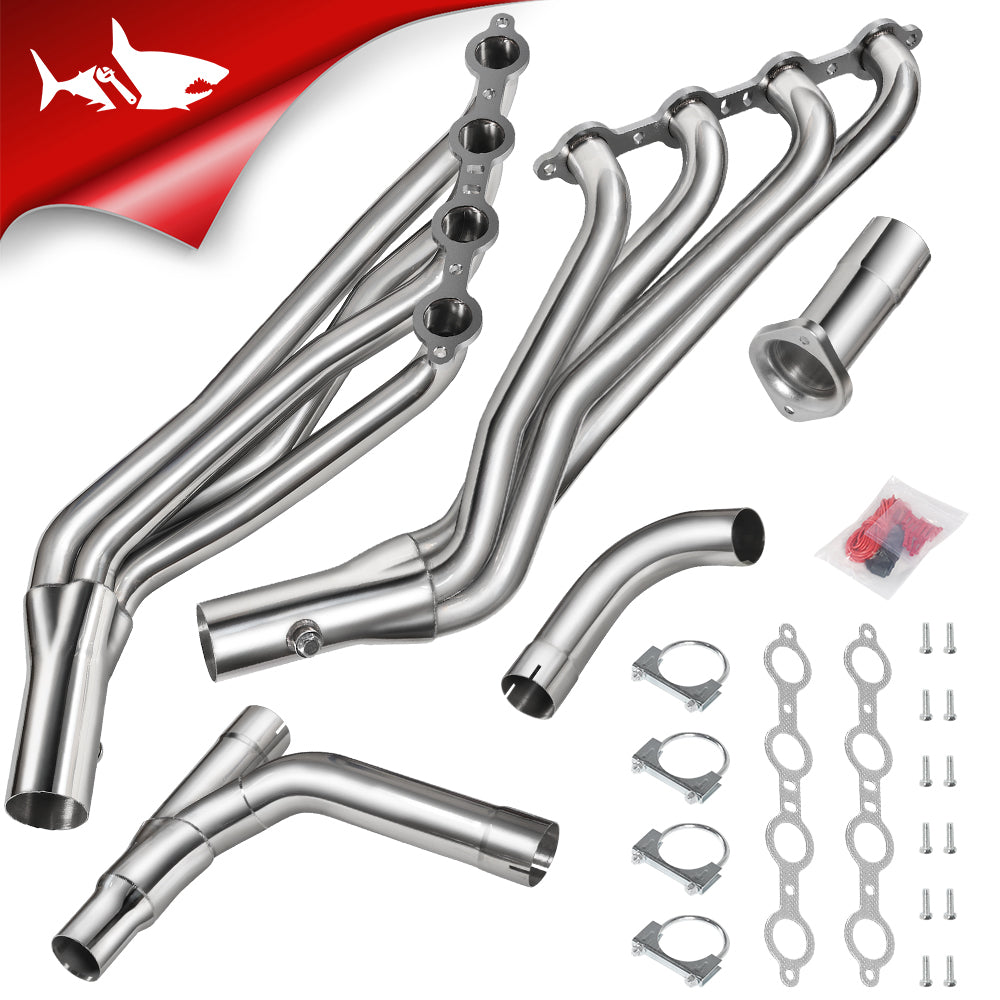
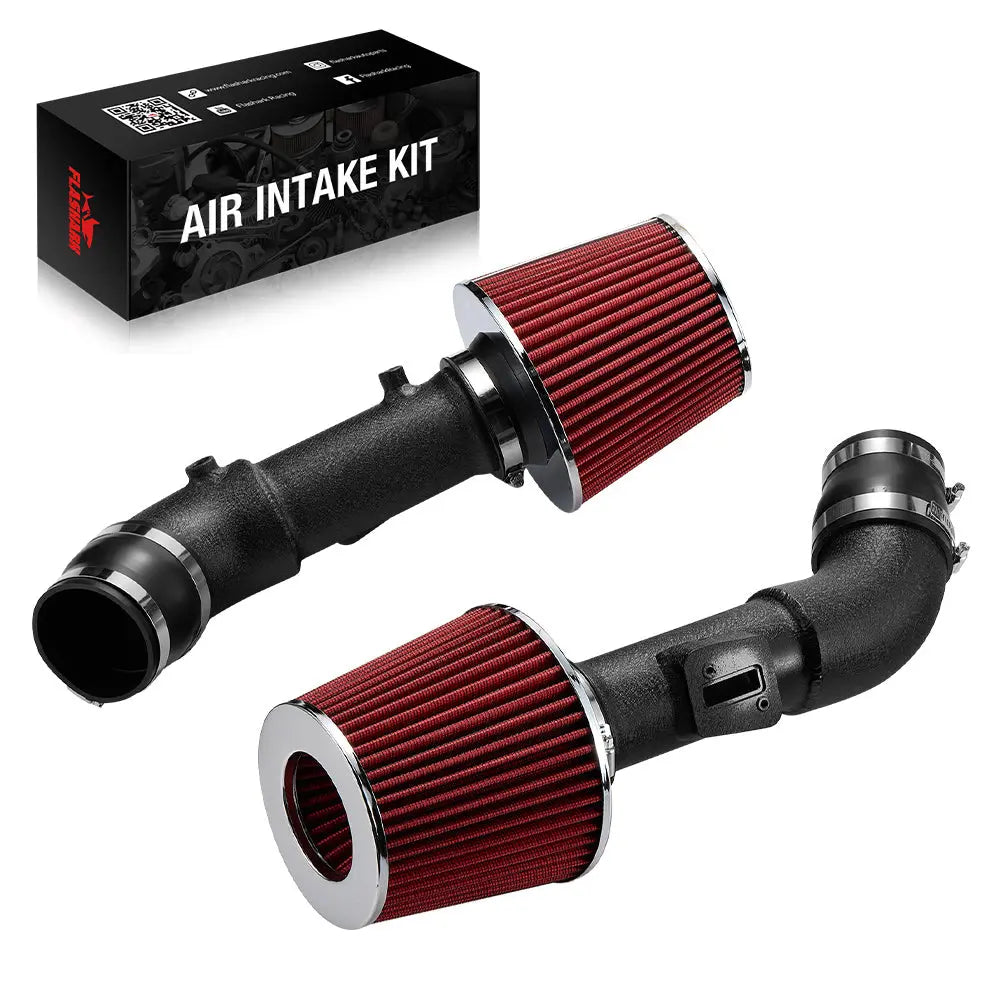
The factory cast-iron exhaust manifolds and restrictive truck intakes are the biggest bottlenecks on the 4.8. To wake up this high-revving engine, upgrading your airflow is mandatory. Adding a cold air intake sharpens throttle response, while replacing the restrictive manifolds with long-tube aftermarket headers drastically improves exhaust scavenging.
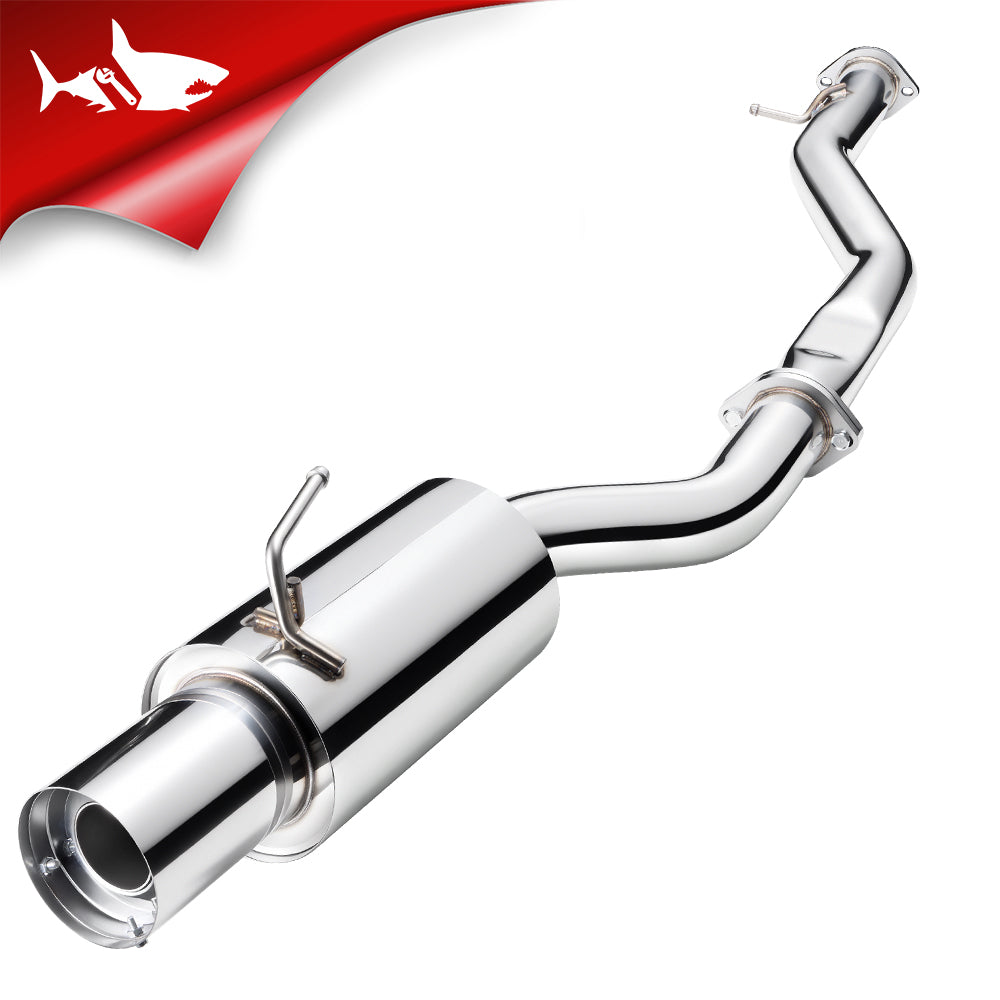
For the 4.8 Vortec, installing high-performance exhaust headers combined with a high-flow cat-back system allows the engine to breathe, adding roughly 20-30 horsepower and unleashing the aggressive LS V8 rumble.

Uncork Your 4.8L Performance
Ditch the heavy, restrictive factory manifolds. FlashArk Racing's precision-engineered exhaust headers maximize exhaust flow, adding real dyno-proven horsepower to your Vortec build.
Shop 4.8L Exhaust Upgrades 👉Pro Tip: Spark Plugs for Boosted 4.8Ls
If you plan to test that 600+ HP stock-bottom-end limit with a turbo, throw the factory platinum spark plugs in the trash. High cylinder pressures will literally blow the spark out. For a boosted 4.8L, the industry standard is switching to a colder copper plug, specifically the NGK BR7EF (Stock #3346). You'll want to gap them tightly—usually around .022" to .026"—to ensure a consistent spark under 10-15 psi of boost.
ECU Tuning and Engine Management
None of your bolt-on mods will matter if the computer isn't calibrated to use them. Software like HP Tuners or EFI Live allows tuners to adjust fuel maps, spark timing, and transmission shift points. For hardcore swap projects running boost, standalone engine management systems like the Holley Terminator X make tuning a turbo 4.8 incredibly user-friendly and reliable.
4.8 vs 5.3 Vortec: The Real World Difference
| Feature | 4.8 Vortec | 5.3 Vortec |
|---|---|---|
| Displacement | 4.8L (293 ci) | 5.3L (325 ci) |
| Factory Torque | Lower (Peak hits later in RPM) | Higher (Better for towing) |
| Junkyard Cost | ⭐ Cheapest LS engine available | Slightly to moderately more expensive |
| High RPM Behavior | Excellent (Short Stroke) | Good |
| AFM / Lifter Issues | None (Bulletproof) | High Risk (Gen IV 5.3s) |
Builder's Summary: If you are building a heavy truck for towing or a daily driver, pay the extra cash for the 5.3L's torque. If you are building a lightweight drift car, a drag strip budget-rocket, or plan to slap a massive turbo on it, save your money and buy the 4.8L.
The Ultimate Validation: The 1,200 HP "Big Bang" Test
If you're wondering why the automotive aftermarket respects the 4.8L so much, look no further than the legendary engine dyno tests conducted by Richard Holdener and the LS community. To find the mechanical breaking point of the engine, they took a high-mileage, junkyard Gen IV 4.8L. They didn't forge the bottom end. They didn't install billet rods. They simply added a performance camshaft, gapped the factory piston rings to handle extreme heat, and bolted on twin turbos.
The result? That stock-bottom-end (SBE) 4.8L handled over 26 psi of boost and laid down an astonishing 1,200+ horsepower before finally giving out. While you shouldn't run 1,200 HP on the street with stock parts, this test proved beyond a shadow of a doubt that the 4.8L's thick cast-iron block and short-stroke architecture make it one of the strongest pound-for-pound factory engines ever built.
4.8L Vortec FAQ: Boost Limits, LS Swaps & Reliability
Q1: What is the main difference between the 4.8 and 5.3 Vortec engines?
The 4.8L has a smaller displacement (293 ci vs. 325 ci), achieved entirely through a shorter stroke. Both share identical block architecture and bore size, but the 5.3 makes more off-the-line torque. The 4.8 revs slightly quicker and is highly favored for boost.
Q2: Is the 4.8 a real LS engine?
Yes. The 4.8 Vortec is fundamentally an LS engine, sharing the exact same block architecture, cathedral port head design, ignition style, and transmission bellhousing pattern as other Gen III/IV LS engines.
Q3: Can the 4.8 handle boost?
Absolutely. The stock 4.8 bottom end is known for being extremely boost-friendly. Its short stroke reduces rod angularity and piston speed, allowing many stock-bottom-end 4.8s to survive 10–15 psi reliably.
Q4: How much horsepower can the stock 4.8 handle?
With a good tune, proper fueling, and correctly gapped rings, a turbocharged Gen IV 4.8 can handle 600–750+ hp on the stock bottom end. Naturally aspirated setups usually max out around 400–450 hp with aggressive heads and cams.
Q5: Which years of the 4.8 are the most reliable?
While all years are tough, the Gen IV (2007–2013) LY2/L20 engines have thicker, stronger connecting rods and full-floating pins, making them the ultimate choice if you plan to add a turbocharger.
Q6: Are 4.8 and 5.3 parts interchangeable?
Yes. Almost everything top-end and external swaps directly—cylinder heads, intake manifolds, exhaust headers, sensors, and accessory drives. The only major non-interchangeable parts are the crankshaft and connecting rods (due to the stroke difference).
Q7: What is the best cam upgrade for the 4.8?
Because the 4.8 has a smaller displacement, it requires a milder camshaft than a 6.0L to maintain drivability and low-end vacuum. Here are three legendary choices for the 4.8L:
- BTR Stage 2 Truck Cam (Specs: 212/218 .553"/.553" 111 LSA): Excellent mid-range torque, noticeable idle chop, great for daily drivers.
- Texas Speed 212/218 (.600"/.600" 112 LSA): Higher lift for aggressive top-end pulling power.
- Elgin Sloppy Stage 2 (Specs: 228/230 .585"/.585" 112 LSA): The ultimate budget turbo cam. It shifts the powerband very high, which perfectly complements the 4.8's short-stroke, high-RPM nature.
Q8: Does the 4.8 support E85?
The Gen IV L20 engines support factory flex-fuel. Older LR4 and LY2 variants can easily run E85, provided you upgrade the fuel pump, install larger injectors, and have the ECU professionally tuned for the ethanol content.
Q9: What’s the redline of the 4.8?
The factory redline is typically 5600–6000 rpm. However, after upgrading the weak factory valve springs and pushrods, the 4.8's short stroke allows it to safely scream to 6500–7000+ rpm.
Q10: Can the 4.8 be swapped into older vehicles easily?
Yes, it is the undisputed king of budget LS swaps. Because its external dimensions are identical to an LS1, aftermarket swap engine mounts, low-profile oil pans, and standalone wiring harnesses are readily available for almost any chassis.
Q11: Which ECU is used with the 4.8?
Gen III LR4s (1999–2006) use the P01 or P59 PCMs (often preferred by DIY tuners). Gen IV LY2/L20s (2007–2013) use the more advanced E38 ECM.
Q12: Do I need bigger injectors for performance upgrades?
If you are just adding headers and an intake, the stock injectors are fine. If you add a performance camshaft, E85, or a turbo, upgrading to larger injectors (like 60lb to 80lb units) is absolutely mandatory.
Q13: Does the 4.8 suffer from AFM or VVT issues?
No. The 4.8 never utilized Active Fuel Management (AFM), which is a massive relief for owners. It completely avoids the lifter-collapse failures that plague many 5.3L truck engines.
Q14: What transmission pairs best with the 4.8?
The 4L60E is standard from the factory but struggles past 400hp. For boosted applications, swap to a heavy-duty 4L80E automatic, or use a T56/AR5 manual transmission for a track car.
Q15: Does the 4.8 have good aftermarket support?
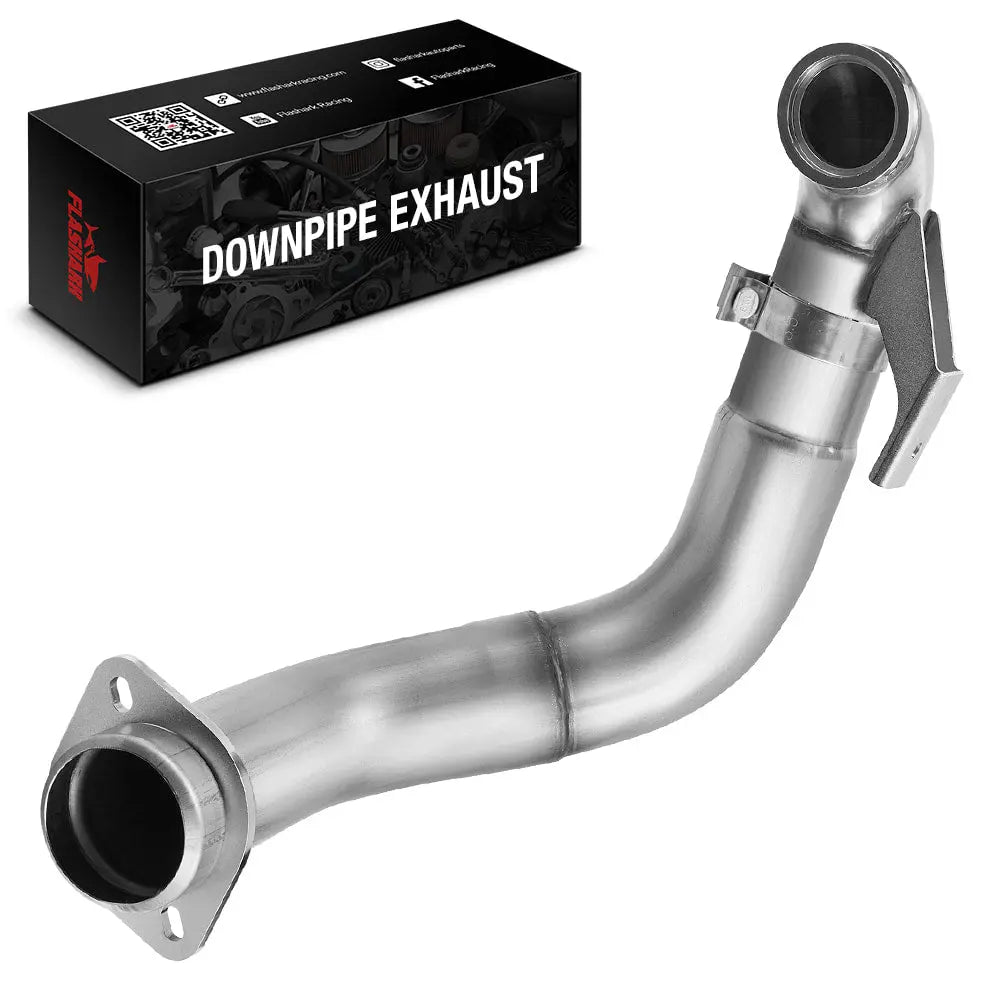
Yes. Because it is an LS-family engine, it shares 90% of the massive LS aftermarket, from high-flow intakes and CNC-ported heads to off-the-shelf turbo hot pipes.
Q16: Can a 4.8 be bored or stroked?
Yes. Because the 4.8 shares the same 3.78" bore block as the 5.3, it can be bored out to 3.898" (LS1 bore size). When combined with a 4.00" stroker crank, you can turn a 4.8 iron block into a massive 383 cubic-inch stroker motor.
Q17: How heavy is the 4.8 engine?
A fully dressed 4.8L iron block with accessories and manifolds weighs roughly 520–540 lbs, which is typical for Gen III/IV cast-iron truck engines.
Q18: How long does a 4.8 typically last?
Maintained properly with regular oil changes, the 4.8L is a 300,000+ mile engine. Commercial fleet vans routinely exceed 400,000 miles on the original rotating assembly.
Q19: Is the 4.8 good for towing?
It is adequate for light-to-moderate towing (like a small boat or utility trailer). However, because its torque peaks higher in the RPM band compared to the 5.3 or 6.0, it will need to downshift more frequently on steep grades.
Q20: Why do so many people turbocharge the 4.8?
It's the ultimate combination of cheap replacement cost, thick cast-iron cylinder walls, and a short stroke that forgives high-RPM abuse. If you blow up a junkyard 4.8, you can simply buy another one for $500 and swap your turbo kit over in a weekend.
Q21: Is the 4.8 worth building compared to a 5.3?
Yes, specifically for budget-restricted race builds. If you just want a reliable V8 to boost the life out of on the drag strip, the 4.8 gives you 95% of the 5.3's capability for significantly less money.
Q22: What vehicles came with the 4.8 from the factory?
It was heavily used in base model half-ton trucks and vans from 1999 to 2013, including the Chevrolet Silverado 1500, GMC Sierra 1500, Chevy Express, GMC Savana, and early base models of the Tahoe and Yukon.