
The 5.7L HEMI V8 is a powerful engine, known for its reliability and solid baseline performance. However, its factory exhaust system—especially on the newer "Eagle heads" (2009+)—often restricts potential horsepower.
Are you hearing a ticking sound on cold starts that goes away as the engine warms up? That’s likely a warped factory exhaust manifold or broken manifold bolts—a notorious issue on the 5.7L HEMI. To be brutally honest, if you're pulling the heads apart anyway to fix this dreaded tick, just go with aftermarket headers. They use thicker flanges that won't warp like the stock cast iron ones, making it a permanent fix.
Headers replace the restrictive stock exhaust manifolds. They improve exhaust flow by allowing gases to exit the combustion chamber more efficiently. This reduces backpressure and increases scavenging, which draws more air and fuel into the cylinder.
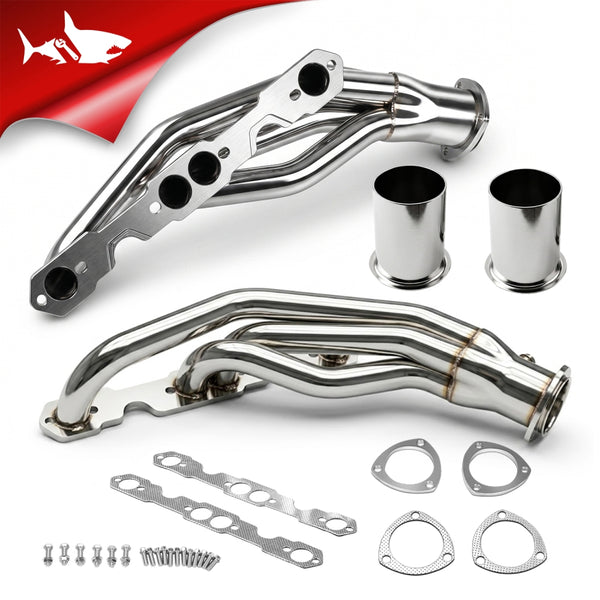
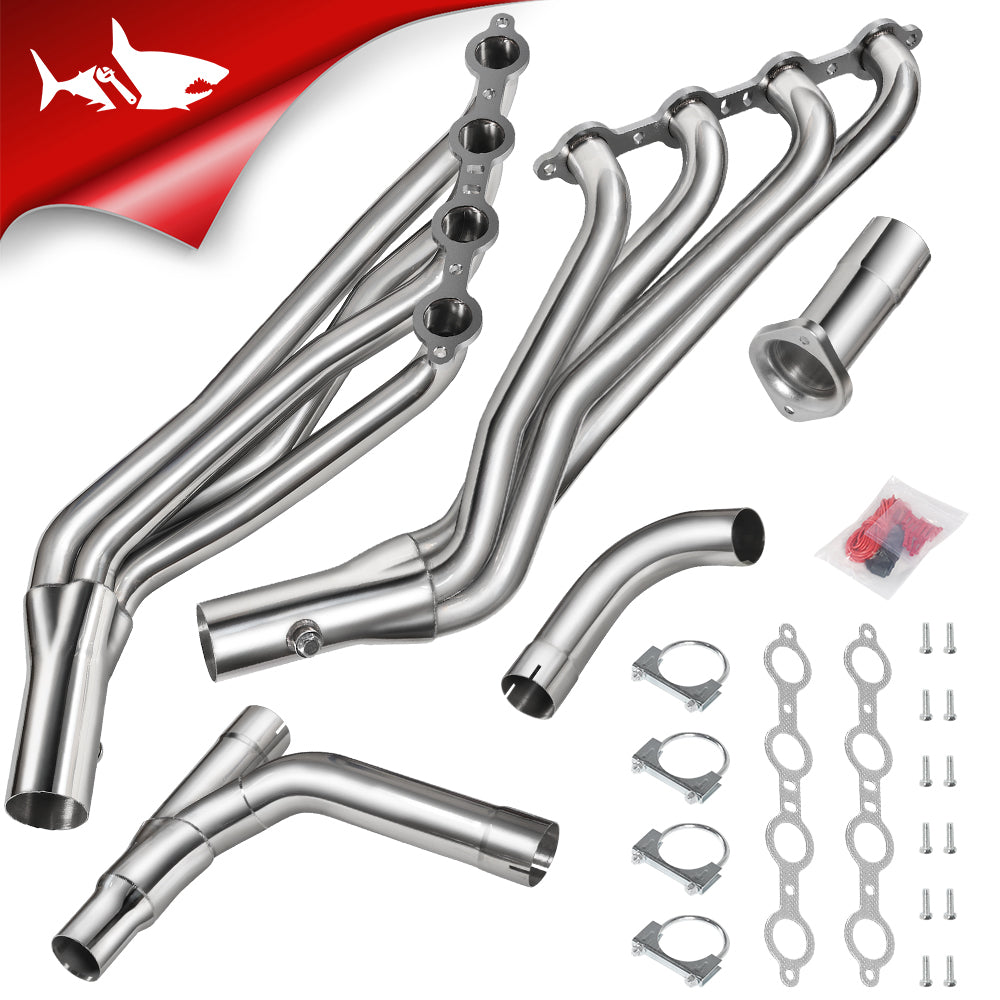
There are two main types of headers: shorty and long-tube. Shorty headers are easier to install and maintain low-end torque. Long-tube headers offer more high-RPM power and are better suited for performance applications.
⚡ Key Takeaways: Expected 5.7 HEMI HP Gains
The actual horsepower gain on a 5.7L HEMI depends heavily on the header design, your specific vehicle platform, and ECU calibration. Real-world dyno results typically show:
- Shorty Headers (10–15 WHP Gain): Delivers modest peak power but maintains crucial low-end torque. Best scenario: Daily-driven Ram 1500s used for towing, where factory mid-pipes are retained.
- Long-Tube Headers (15–30+ WHP Gain): Maximizes mid-to-high RPM exhaust scavenging. Best scenario: Chargers, Challengers, or aggressive truck builds. Condition: A custom ECU tune is mandatory to unlock this power and prevent air-fuel ratio imbalances.
- The Reliability Factor (Fixing the "Tick"): Beyond raw horsepower, upgrading to aftermarket headers with thicker flanges is widely considered the only permanent fix for the notorious 5.7 HEMI warped factory manifold and broken bolts issue.
Horsepower Gains from Installing Headers
How much horsepower do headers add to a 5.7 HEMI? On a mostly stock setup, long-tube headers typically provide a gain of 15 to 30 horsepower at the wheels, while shorty headers tend to add around 10 to 15 horsepower.
Testing has shown peak gains around 20 to 25 horsepower on a stock 5.7L HEMI engine with long-tube headers. In contrast, shorty headers generally provide more modest gains of about 10 to 15 horsepower, as they don’t allow as much exhaust flow improvement. However, they can still offer notable benefits in low-end torque and throttle response.
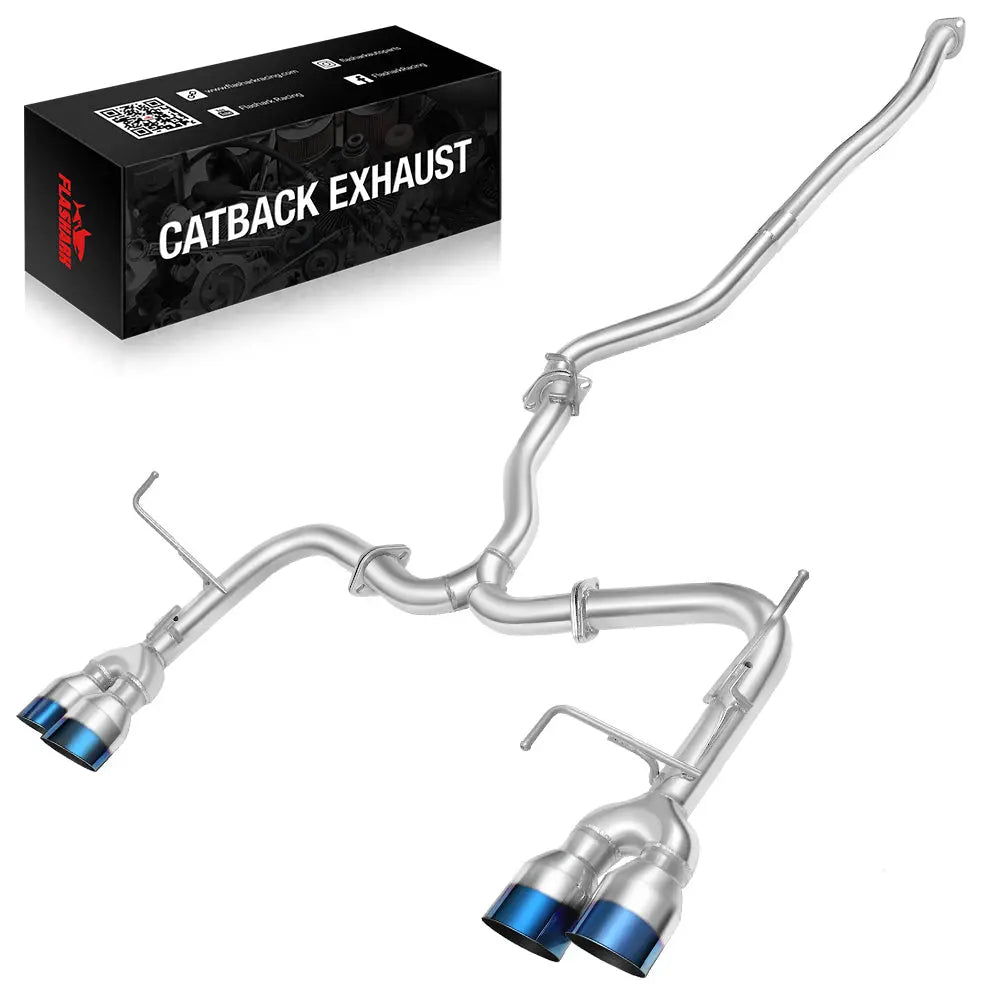
These gains can increase further when combined with supporting modifications such as a cold air intake, camshaft upgrades, or cat-back exhaust systems. With proper tuning, power improvements can reach 40 to 50 horsepower or more.
In the tuning world, we measure value by "Cost-per-Horsepower." While shorty headers are cheaper upfront, Long-Tubes give you the best bang for your buck when you factor in the massive 30WHP gain. This is exactly why choosing high-value, durable 304 stainless headers from Flashark makes sense—it leaves room in your budget for the mandatory ECU tune and a high-flow mid-pipe.
Community reports indicate increases from the mid-300s to mid-330s wheel horsepower with just long-tube headers and tuning. More aggressive modifications have resulted in gains approaching the high 300s. Shorty headers paired with similar tuning may bring wheel horsepower up to the low to mid 330s, depending on other modifications.
While 30 HP is achievable, our dyno experience shows that on a strictly bolt-on setup (stock ECU), Long-Tube Headers usually deliver a solid 15-20 WHP. It's not just about peak numbers, though. The real magic is under the curve—gaining 25 lb-ft of torque at 3,500 RPM makes a heavy Ram truck feel 500 lbs lighter when merging onto the highway.
Most 5.7 HEMI owners report the car feels lighter, more responsive, and pulls harder above 3,000 RPM after header installation.

Factors That Influence HP Gains
Horsepower gains from headers can vary widely. The design, materials, and supporting systems all influence the final output. Here are the most important elements to consider:
Tube Diameter and Length
Larger primary tubes (e.g., 1 7/8") support more airflow at higher RPMs, while smaller diameters (1 3/4") maintain better velocity for near-stock setups. The length of the tubes also impacts scavenging efficiency and power delivery.
Collector and Merge Design
Merge collectors help optimize exhaust flow by merging gases from individual tubes smoothly. Stepped headers, which gradually increase diameter, can enhance scavenging and improve torque across a broader RPM range.
Exhaust System Compatibility (Catted vs. Catless)
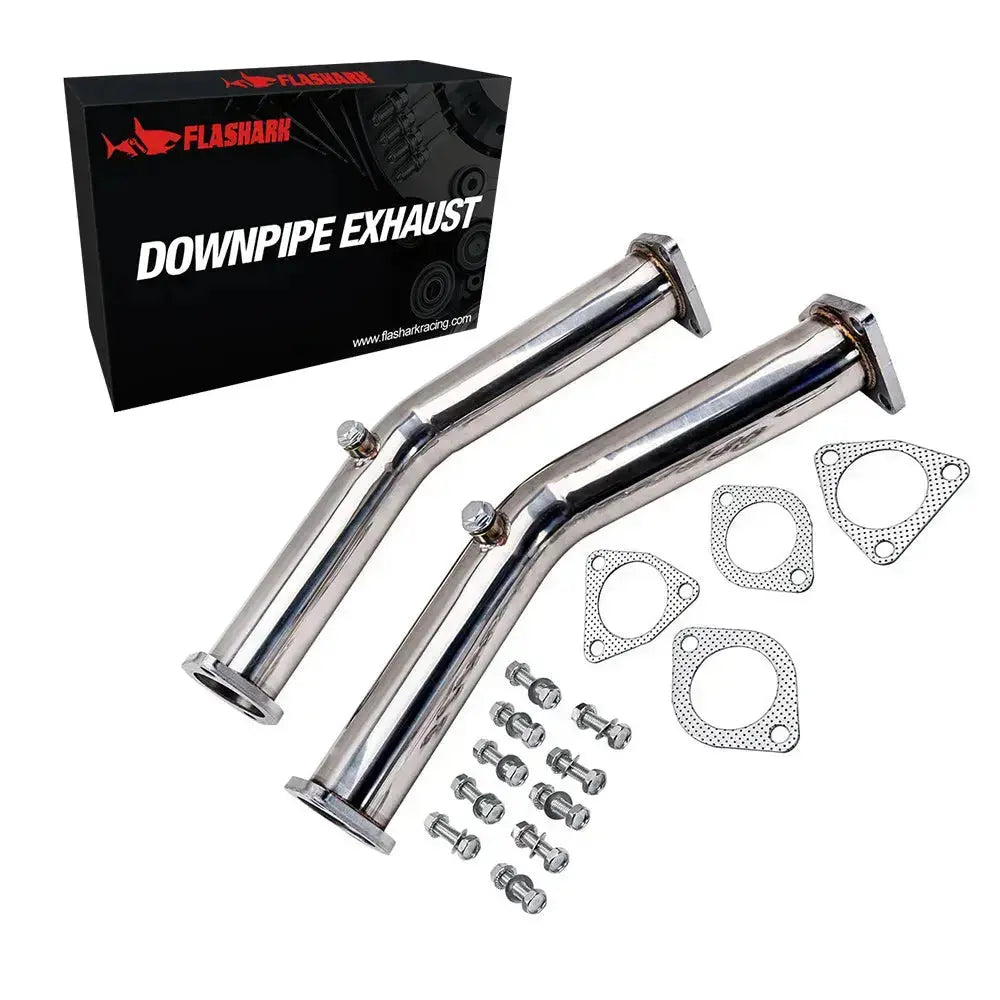
Headers must work in harmony with the rest of the exhaust system. Catless (Off-Road) mid-pipes remove all bottlenecks for maximum HP (adding an extra 3-5 WHP) and an incredibly aggressive sound, but you will not pass emissions. High-flow catalytic converters are the sweet spot for street cars, keeping the cabin smell-free while maintaining excellent flow.
Material and Coating
Stainless steel is durable and resistant to corrosion. Pro-tip: Look for 14-gauge or 16-gauge 304 stainless steel. Thinner, cheap headers will resonate, crack under heat, and sound pingy inside the cabin. Ceramic coatings help retain heat within the pipes, lowering engine bay temperatures and preserving performance consistency.
Engine Modifications and Tuning
Headers alone provide solid gains, but real potential comes with a performance-tuned ECU and additional mods like a camshaft or intake manifold. Crucially, if you install long tubes, you MUST tune out the factory MDS (cylinder deactivation). Otherwise, your V8 will sound like a broken helicopter when it drops to 4 cylinders on the highway.
What Is the Perfect Size for a 5.7l Hemi Header?
When deciding on the best size for your 5.7L HEMI exhaust headers, you must consider your driving style and performance objectives. If you are looking to race on the track then you should prefer a different setup than if you want to focus on street performance.
Long-tube headers are ideal for maximizing horsepower and torque in the mid to high RPM range. They’re especially effective for street performance and track builds.
For the 5.7L HEMI, the most recommended sizes are 1-3/4" and 1-7/8" primary tubes. These sizes provide a good balance of exhaust velocity and flow, supporting both stock and moderately modified engines.
Platform Differences: Avoid These Rookie Mistakes
| Platform | Common Installation Hurdles & Recommendations |
|---|---|
| Ram 1500 (2009-2018) | Watch out for steering shaft clearance, especially on 4WD models. 1-3/4" headers are best to retain low-end towing torque. |
| Charger / Challenger (LX/LD) | Cars sit lower to the ground; ensure long-tube collectors don't scrape over speed bumps. Watch for severe engine bay heat soak. |
| Grand Cherokee (WK2) | The engine bay is exceptionally tight. Labor costs for long-tubes can be double that of a truck. Shorty headers are highly recommended here. |
Using long-tube headers often requires an aftermarket mid-pipe to maintain proper exhaust length and backpressure. This ensures you get the full benefit of the upgrade.

The Importance of ECU Tuning After Header Installation
Tuning is critical after installing headers on a 5.7L HEMI. The new exhaust flow alters air-fuel ratios, which can trigger check engine lights if not corrected.
A tune recalibrates fuel delivery, ignition timing, and other parameters to match the improved airflow. This ensures optimal power output and engine safety.
Most tuners offer handheld devices or full dyno sessions. Brands like HP Tuners and DiabloSport are popular choices in the HEMI community.
If you own a 2015 or newer Dodge Ram, Charger, or Challenger, your factory PCM (Computer) is encrypted. You cannot simply plug in a tuner.
You MUST purchase a "PCM Unlock Service" or a "Modified PCM" along with your tuner. Without this, you will not be able to tune the car after installing headers, and you may be stuck with a Check Engine Light.
Installation Considerations for 5.7L HEMI Headers
Installing headers on a 5.7L HEMI is more complex than a simple bolt-on upgrade and requires careful attention to detail to ensure proper fit and performance.
- Clearance Check: Long-tube headers can take up more space in the engine bay, especially on Challengers and Chargers. Verify there is enough room around the steering shaft and surrounding components to avoid interference.
- Mid-Pipe Modifications: Long-tube headers often require modifying or replacing the mid-pipe to maintain correct exhaust flow.
- Heat Management (Crucial!): Long-tube headers sit dangerously close to your starter and O2 sensor wiring. If you don't use thermal wrap, heat shields, or ceramic coatings, the summer heat can cause "Starter Heat Soak" (making the engine hard to crank when hot) or literally melt your O2 extension harnesses.
- Proper Tools and Experience: Installation involves tight spaces and hard-to-reach bolts. Ensure you have the right tools and mechanical experience.
- Tuning Considerations: After installation, a proper ECU tune ensures optimal performance and prevents engine issues.
- Soak the Bolts: The factory exhaust manifold bolts are prone to snapping inside the head. Soak them in penetrating oil (like PB Blaster) for at least 24 hours before attempting removal.
- The Dreaded Cylinder 8: If you have broken rear passenger-side bolts (Cylinder 8), you might need to lift the engine slightly off its mounts or use a 90-degree right-angle drill to extract them.
- Dipstick Tube (Ram 1500): On Ram trucks, the oil dipstick tube often interferes with long-tube header installation and may need to be carefully bent or temporarily removed.
- O2 Sensors: Long-tube headers move the O2 sensors further downstream. You will absolutely need "O2 Sensor Extensions" to reach the new harness location.
Performance Benefits Beyond Horsepower
Headers do more than just add horsepower. They improve throttle response and make power delivery smoother, especially in the mid to upper RPM ranges.
The sensory experience is where headers truly pay off. The cold start bark becomes incredibly visceral, sounding like a true old-school muscle car. If you keep the stock rear mufflers, you can usually avoid annoying cabin drone during highway cruising. But at Wide Open Throttle (WOT), the exhaust note will absolutely scream.
Improved exhaust efficiency can help the engine run cooler and slightly improve fuel economy under certain conditions.
For Ram 1500 Truck Owners: If you use your truck for towing or heavy hauling, be careful with 1-7/8" headers. They can cause a slight loss in low-end torque (below 2500 RPM). For a heavy truck, 1-3/4" Long Tubes or Shorty Headers often provide the best usable power for daily driving.
For Challenger/Charger Owners: Since your car is lighter and geared for speed, the larger 1-7/8" headers are excellent for maximizing high-RPM screaming power on the street or strip.
Who Should NOT Install Headers
Headers are a proven performance upgrade for the 5.7L HEMI, but they’re not the right choice for every owner or every build. In some situations, installing headers may offer limited benefits or create unnecessary trade-offs.
If your 5.7 HEMI is primarily a daily commuter and you prioritize quiet operation, long-term reliability, and factory-level refinement, headers may not provide enough value. The increase in exhaust volume and vibration may outweigh the performance gains for strictly comfort-focused driving.
Owners who are not planning to tune their ECU after installation should also reconsider. Headers significantly change exhaust flow, and without proper tuning, you may experience reduced efficiency, check engine lights, or inconsistent drivability.
Vehicles located in regions with strict emissions regulations (like California) may face compliance issues, especially when using long-tube or catless setups. Not all header systems are emissions legal in every state.
Finally, if you have no plans for future performance upgrades—such as a camshaft, intake system, or exhaust modifications—simpler upgrades like a cat-back exhaust or intake may offer a better balance of cost, sound, and performance.
When Headers Are Worth It for Your Build
Headers make sense if you're looking to build a performance-focused 5.7L HEMI. On a stock vehicle, the power gains are decent, but headers really shine when paired with other upgrades.
If you plan to add a camshaft, high-flow intake, or even forced induction (supercharger), headers become an absolute necessity. They lay the foundation for future mods and help maximize your ROI.
For budget-conscious owners, shorty headers or high-quality 304 stainless long-tubes from Flashark with mild tuning can offer a phenomenal performance boost without breaking the bank.
FAQ
Q1: Do headers really increase horsepower on a 5.7 HEMI?
A1: Yes. Headers significantly improve exhaust flow on a 5.7L HEMI, typically adding 10–15 wheel horsepower with shorty headers and 15–30 wheel horsepower with long-tube headers, depending on setup and tuning.
Q2: Are long-tube headers better than shorty headers for a 5.7 HEMI?
A2: Long-tube headers offer greater horsepower gains at mid to high RPMs, making them better for performance builds. Shorty headers are easier to install and maintain low-end drivability but deliver smaller peak gains.
Q3: Will headers alone trigger a check engine light on a 5.7 HEMI?
A3: Long-tube headers often trigger a check engine light due to changes in exhaust flow and O2 sensor readings. An ECU tune or O2 sensor extensions are usually required to resolve this.
Q4: How much horsepower can a tuned 5.7 HEMI gain with headers?
A4: With long-tube headers and proper ECU tuning, total gains can reach 30–40+ wheel horsepower, especially when combined with a cold air intake or cat-back exhaust.
Q5: What is the best header size for a mostly stock 5.7L HEMI?
A5: For stock or lightly modified engines, 1-3/4" primary tube headers provide the best balance of exhaust velocity, torque, and drivability.
Q6: Are 1-7/8" headers too big for a 5.7 HEMI?
A6: Not necessarily. 1-7/8" headers are ideal for higher-RPM or cammed setups. On a stock engine, they may slightly reduce low-end torque but shine at higher power levels.
Q7: Do headers improve torque on a 5.7 HEMI?
A7: Yes. Headers improve exhaust scavenging, which increases torque—especially long-tube headers in the mid-range RPM band.
Q8: Is tuning mandatory after installing headers on a 5.7 HEMI?
A8: While the engine may run without tuning, tuning is strongly recommended to maximize power, correct air-fuel ratios, disable the MDS system to avoid drone, and prevent long-term engine issues.
Q9: Can headers improve throttle response?
A9: Absolutely. Improved exhaust flow reduces restriction, resulting in quicker throttle response and smoother acceleration.
Q10: Do headers change the exhaust sound of a 5.7 HEMI?
A10: Yes. Headers, especially long-tube designs, produce a deeper, louder, and more aggressive exhaust tone, adding a distinct "bark" on cold starts.
Q11: Are headers street legal for a 5.7 HEMI?
A11: This depends on your location. Headers with high-flow catalytic converters may be emissions-compliant in some states, while catless or off-road setups are typically not street legal.
Q12: Will headers reduce engine bay temperatures?
A12: Ceramic-coated or heat-wrapped headers help retain exhaust heat within the pipe, which can lower under-hood temperatures and protect surrounding components like the starter and wiring.
Q13: Can I install 5.7 HEMI headers myself?
A13: Installation is possible for experienced DIYers, but long-tube headers can be challenging due to tight clearances and broken manifold bolts. Professional installation is often recommended.
Q14: Do headers improve fuel economy on a 5.7 HEMI?
A14: In some cruising conditions, improved exhaust efficiency can slightly improve fuel economy, though aggressive driving (because of the better sound) usually offsets this benefit.
Q15: Are headers worth it on a stock 5.7 HEMI?
A15: Yes, especially if you plan future upgrades. While gains on a stock engine are moderate, headers fix the notorious "Hemi Tick" and lay a strong foundation for cams, intakes, and tuning later on.